• Explore
    • Nature
    • Culture
    • Food
    • Family
    • Activity
    • Blog
    Smoke sauna
    Weather and seasons
  • Plan
    • Accommodation
    • How to get here
    • Weather and seasons
    • Sustainability
    • Tourist info
    Discover South Estonia’s Most Beautiful Manors and Castles
    Top 20 Sights in South Estonia
  • For professionals
    • For professionals
    • Collaboration
    • News
    • Projects
    • Training
    • Repository
    • Community (opens in new tab)
    • Contacts
ENG
  • EnglishENG
  • EestiEST
  • LatviešuLAT
  • РусскийRUS
  • SuomiFIN
ENG
  • EnglishENG
  • EestiEST
  • LatviešuLAT
  • РусскийRUS
  • SuomiFIN
Popular searches:
Show all
  • History & Culture
  • Architecture and history

Obinitsa village chapel

Setomaa vald, Võru maakond, 65301

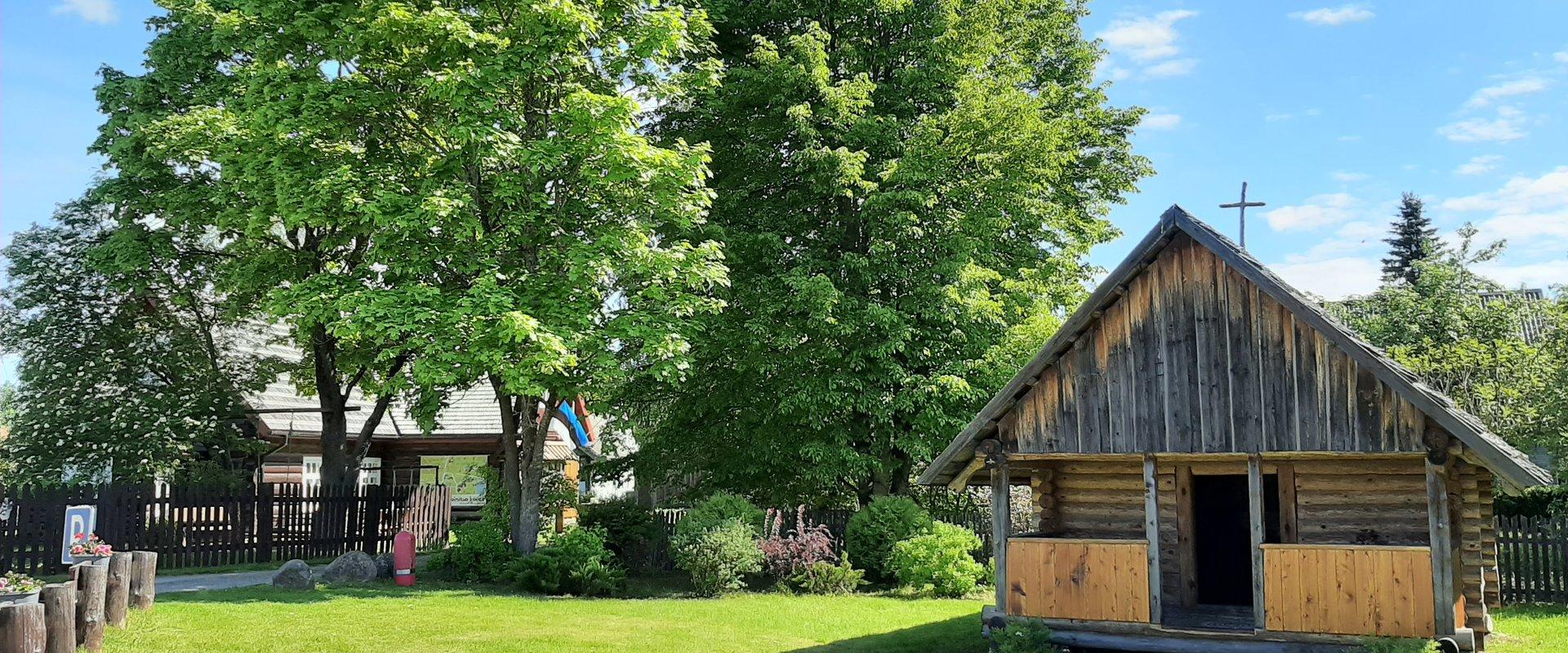
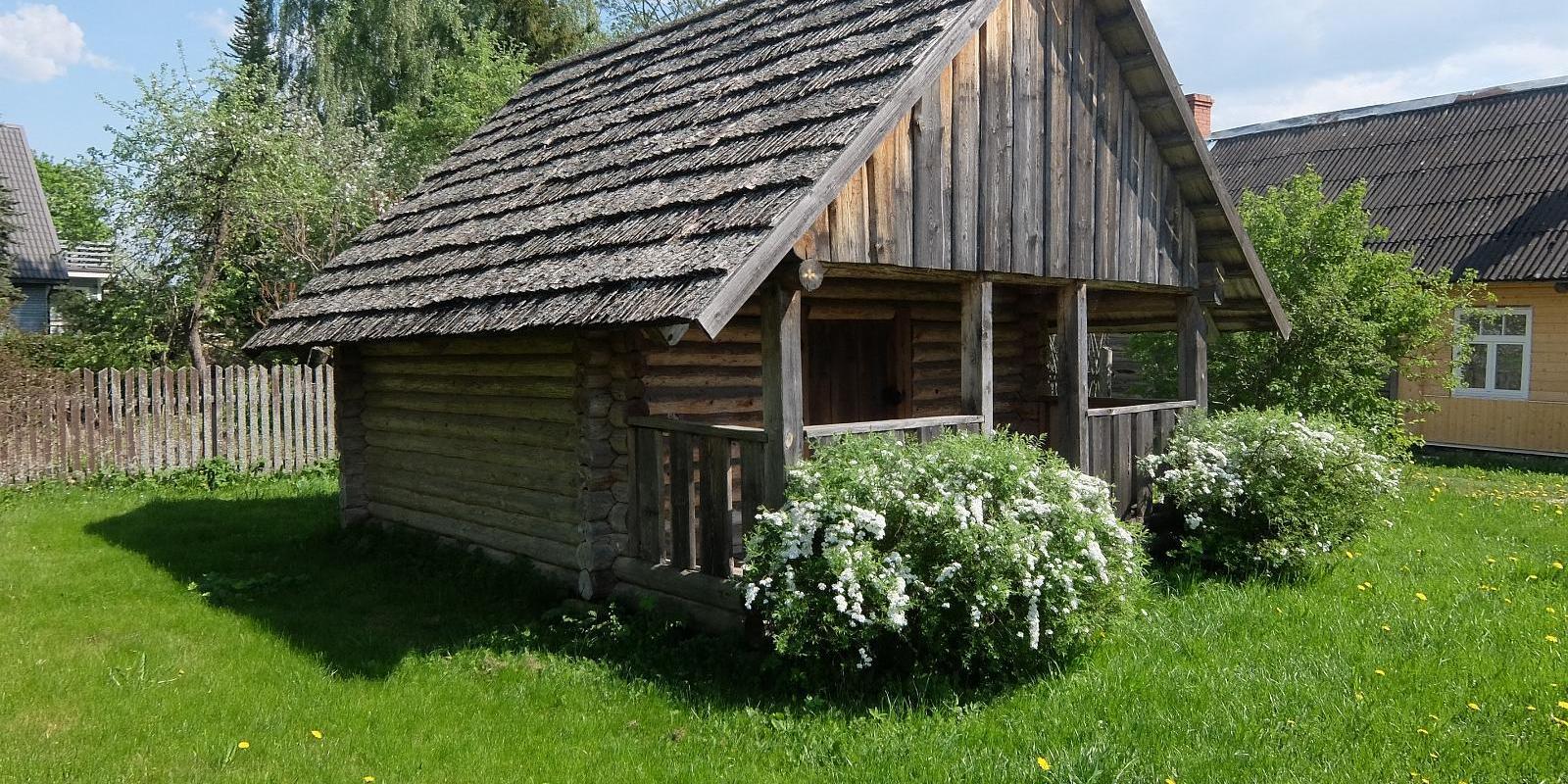
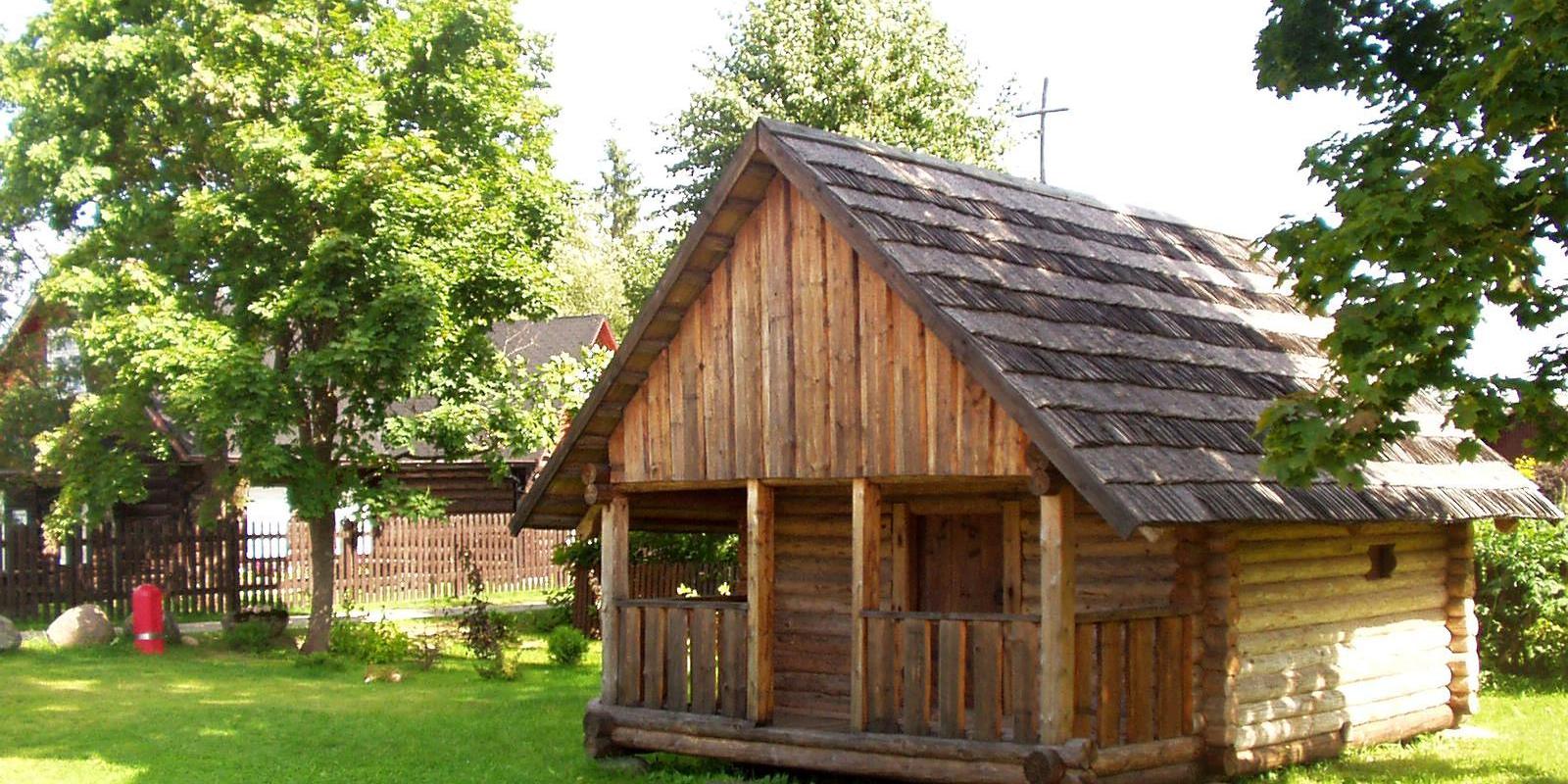
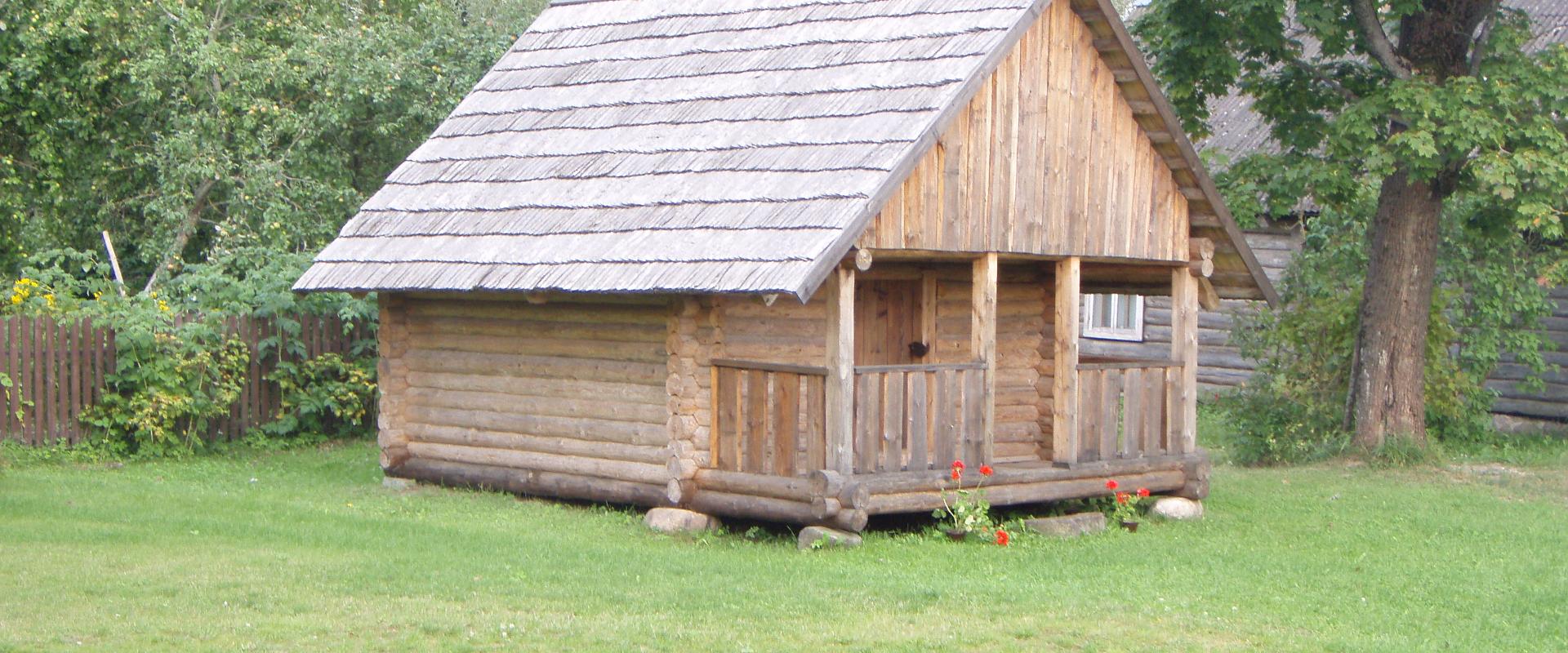
Next to the Obinitsa Museum is a small log building with a barely noticeable wooden cross on the roof. This is the Obinitsa village chapel.The building was built in 2007 in the place where a village chapel was a hundred years ago. The chapel plays an important role in Seto culture.The holy day of the chapel is the day of the Lord’s Transfiguration. On its eve, on 18 August, a procession from Obinitsa Church comes here.Ask the Obinitsa Museum for more information on the chapel.

Amenities

  • Free parking

Open times

1. juuni - 31. aug

K-P10:00 - 17:00

1. sept - 31. mai

T-L10:00 - 16:00

Contact

  • +372 5622 7732
  • obinitsa@setomuuseum.ee

Links

www.setomuuseum.ee

See more

  • Estonian handicraft

Alatskivi handicraft shop “Magasiait”

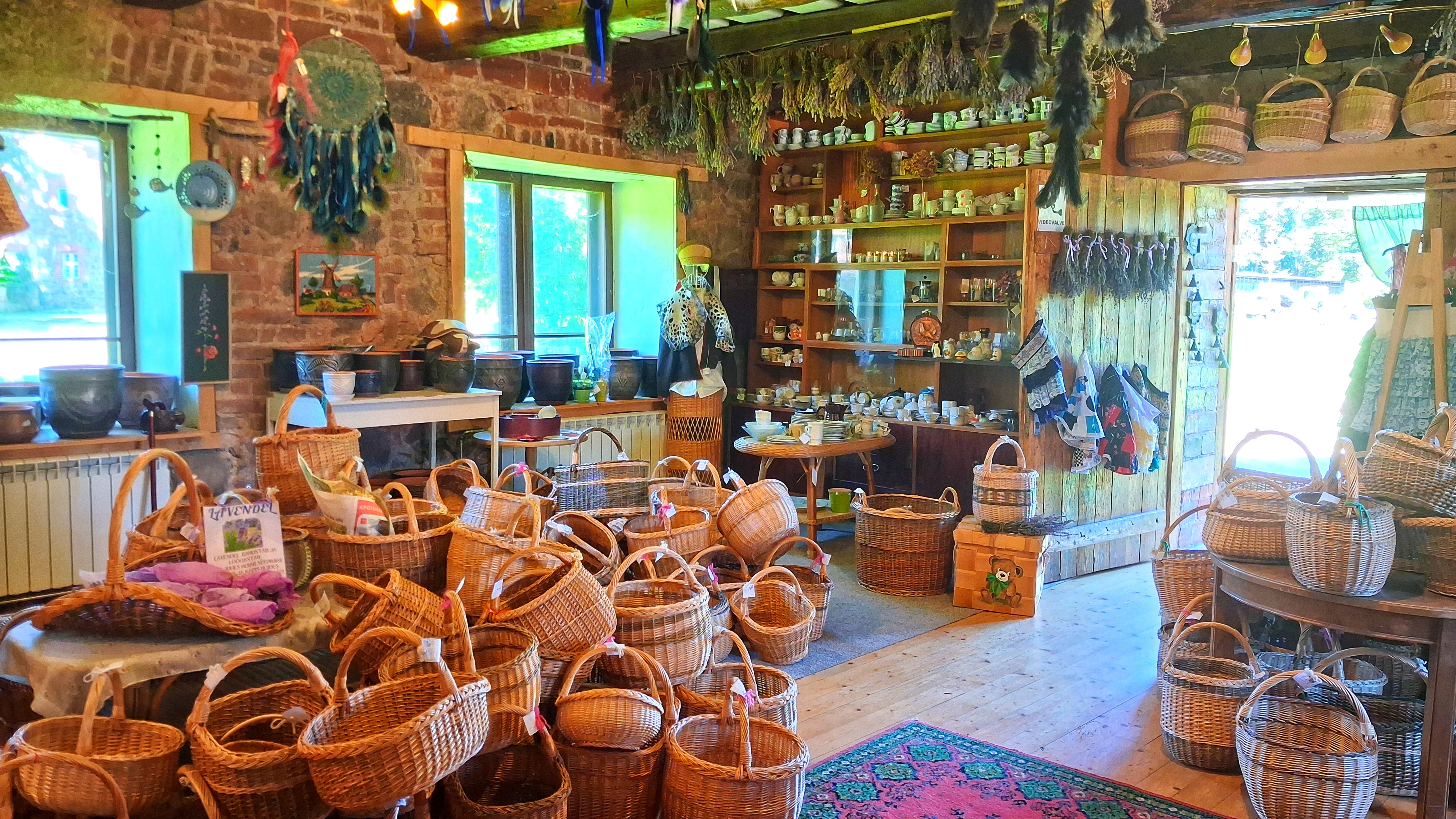
It is important to us that craftspeople are recognized, valued, and respected. Over the years, more than 150 craft enthusiasts have joined the craft store "Magasiait." The store features products created with care by locals as well as creations by master craftspeople from all over Estonia.At Magasiait, you can purchase: lovely rugs, stylish ceramics, knitwear for the body, toes, and fingers, and a woman's best friend – jewelry. You can also find famous Estonian lace shawls, made by the skilled knitters of Haapsalu. One of the store's great prides is the selection of woven baskets, which extends from the floor almost to the ceiling in the large hall.The busy bees of Magasiait wish to make customers happy by offering a selection of gourmet items from home kitchens — "Magasiaida Talusahver." The menu includes special sauces and jams, including Sibulkad — uniquely flavored onion jams, herbal teas, and flavored salts. The highlight is locally grown lavender. There is also a corner dedicated to recycling, where you can find a piece of Estonian art history and a retro vibe. We welcome all craft enthusiasts!
Tartu Old Anatomical Theatre

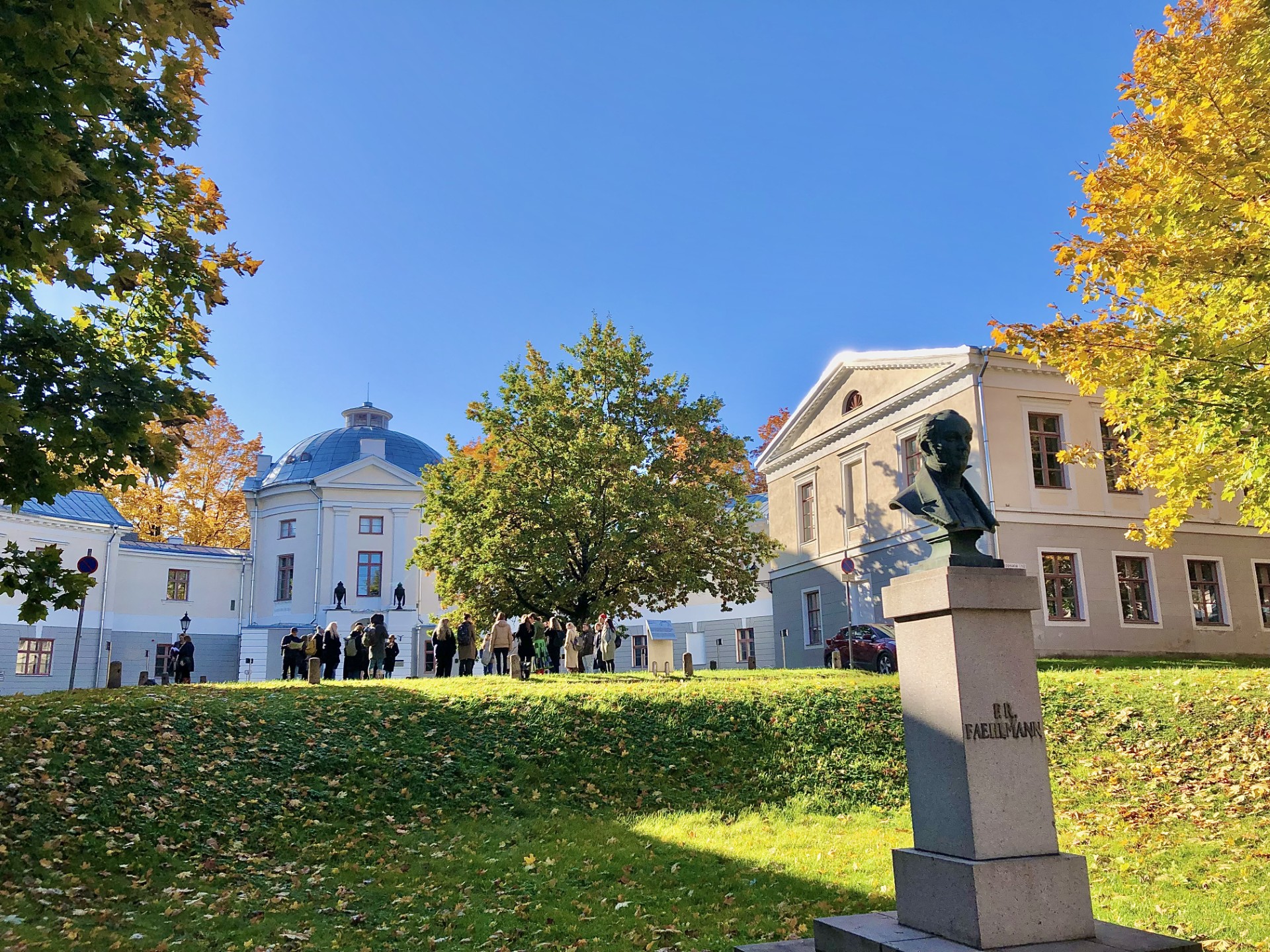
The anatomical theatre, which served as a workplace for many famous doctors and scientists in the 19th century, was completed in 1805 on the southern slope of Toome Hill, Tartu, at the site of the former Swedish-era Carl Gustav bastion. It was originally designed by Johann Wilhelm Krause as a neoclassical rotunda. In 1825-1827, semicircular wing buildings were added to the building according to Krause's design. The anatomical theatre acquired its present shape after the last major extension was completed between 1856 and 1860.Medical Collections of the Medical Faculty of the University of Tartu are available at Science Centre AHHAA.

  • Lighthouses

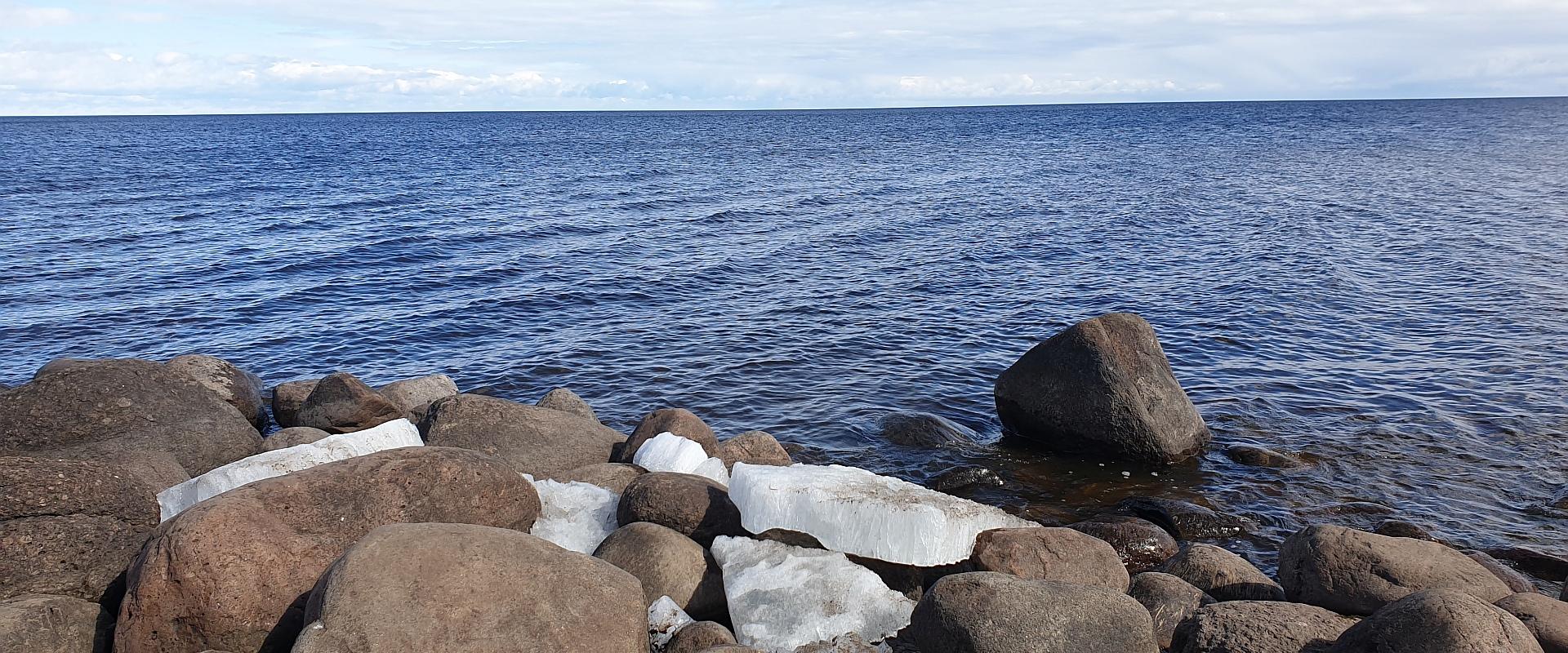
Nina blockfield or Kalevipoeg’s Bridge

The village of Nina (‘nose’) gets its name from the nose-shaped shoreline reaching the lake. It is a stone ridge heading into the lake, which is popularly called the Kalevipoeg Bridge. According to legend, Kalevipoeg started to build a bridge to go to Russia, but the devil demolished the bridge. Kalevipoeg was very tired and decided to walk through the lake, where the water reached his upper body. The remains of the bridge or the stone blockfield can still be seen. The stone blockfield, which is located both on the beach and in lake water, covers an area of 0.7 ha.The village of Nina is known for its icebergs.

  • Churches

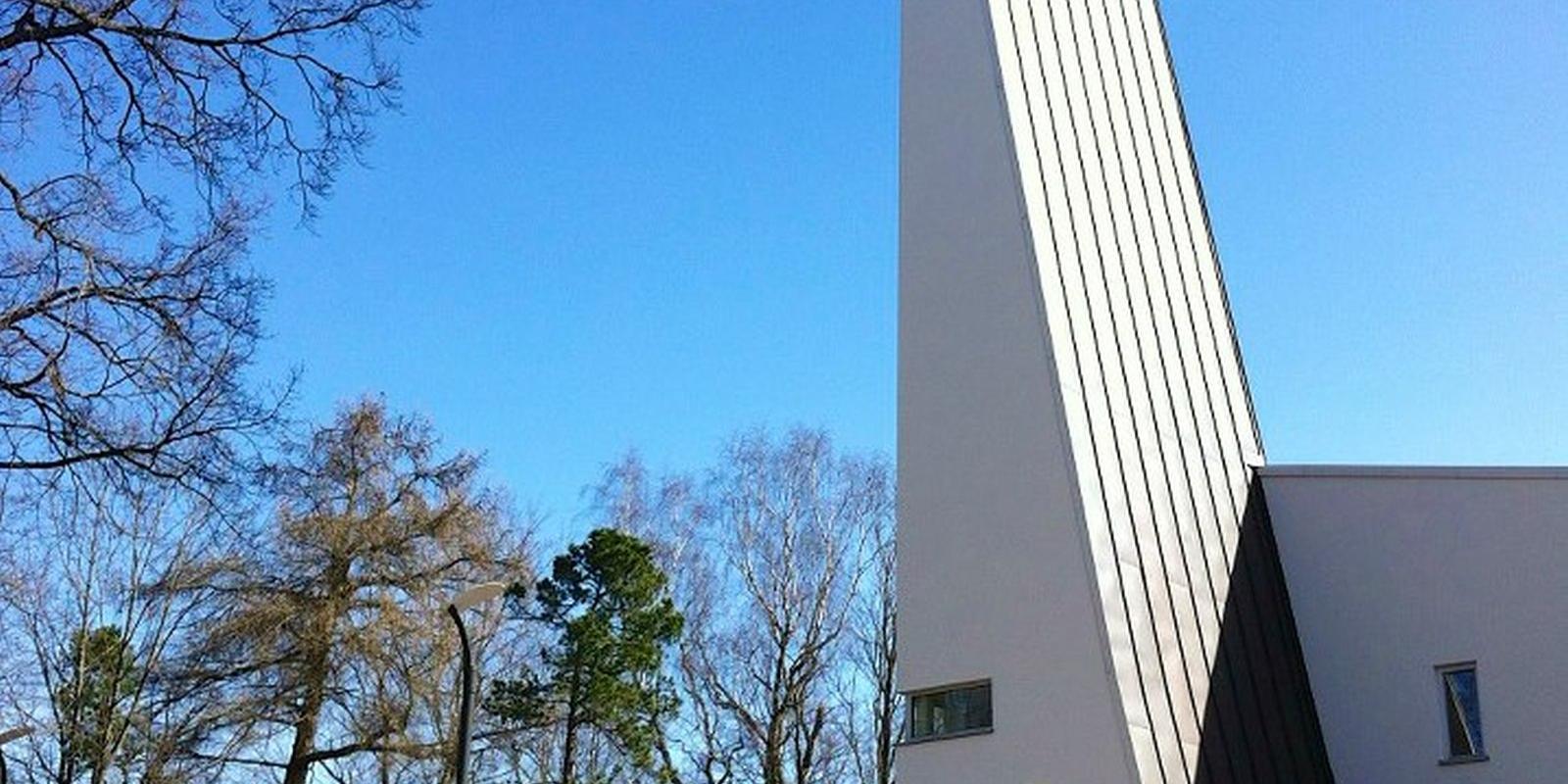
Tartu St Luke’s Church of the Estonian Methodist Church

Tartu St Luke’s Church is a modern sacral building (architect Indrek Allmann), which is located in the Toomemägi area. Interesting facts: - Tartu St Luke’s Church was declared the best new building in Tartu in 2002; - the church is located on the site that used to belong to the famous professor of surgery Zoege von Manteuffel.

  • Family friendly
  • Guided tours

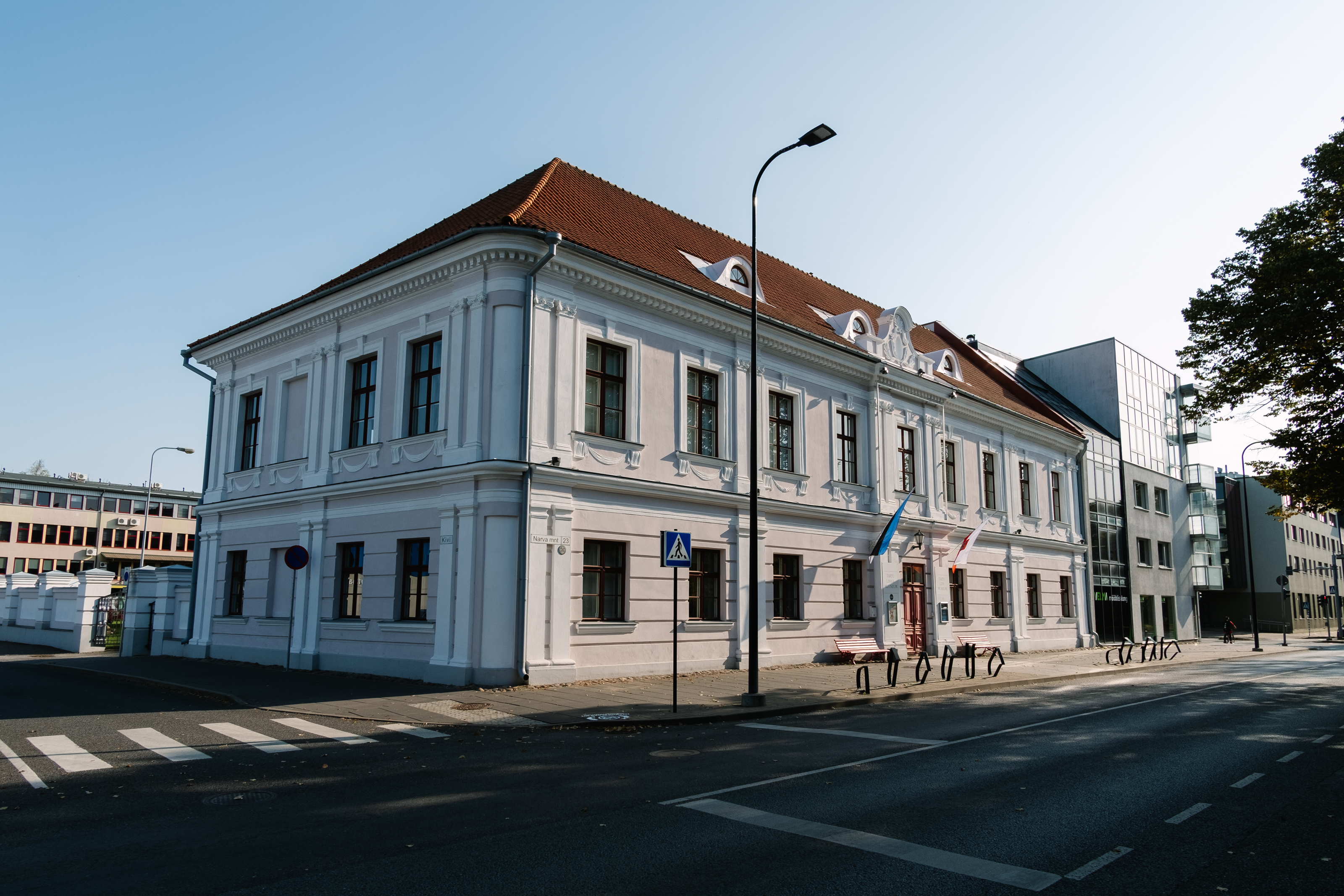
Tartu City Museum

Tartu City Museum invites you to explore the city's diverse history and cultural heritage. The permanent exhibition, "Our Tartu," introduces the districts of Tartu, telling stories about the people of Tartu, their lives, and everyday habits. The exhibition provides insight into what makes each district in Tartu special, as each district has its own personality, as shared by local people. Visitors can also enjoy temporary exhibitions that introduce new topics and artistic perspectives. These exhibitions reveal different facets of Tartu, ranging from the city's architecture and social life to contemporary cultural phenomena. The museum offers guided tours and city tours, during which guides take participants on exciting journeys through Tartu's districts. These excursions are suitable for both local enthusiasts and visitors who wish to learn more about Tartu. The museum's premises can also be rented for various events. Come experience the story of Tartu through its people, places, and memories.

  • Ruins

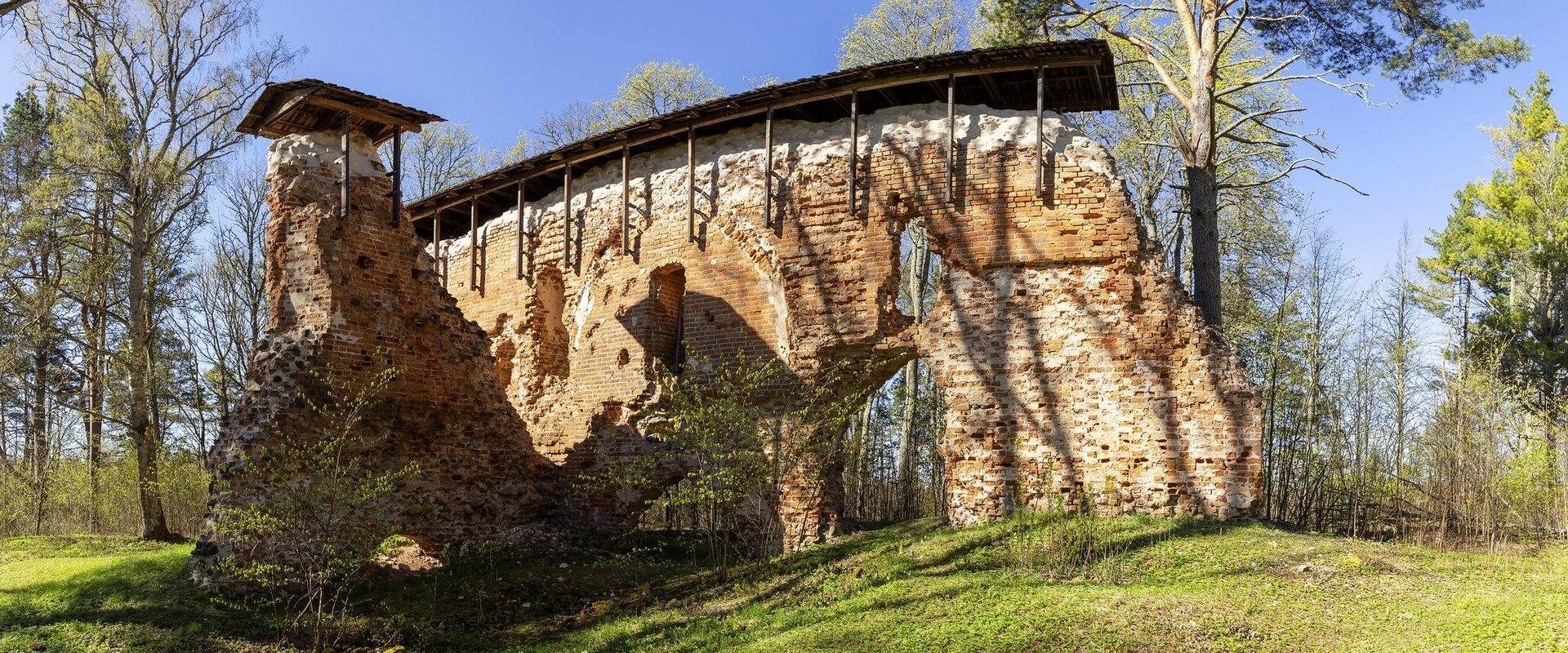
Ruins of Rõngu Vassal Castle

The ruins of Rõngu Vassal Castle are located in Rõngu, Elva Parish, Tartu County, and are among the most fascinating medieval monuments in South Estonia. The castle was likely established in the 14th century as a vassal castle of the Bishop of Tartu and was part of the bishopric's defense system, guarding important roads and the surrounding area. During medieval times, it was a complex of fortified buildings with an inner courtyard enclosed by walls. The castle also housed a chapel, which is mentioned in sources from the early 15th century. The castle lost its significance in the 16th century during the Livonian War when it was destroyed and fell into ruins. Today, the remnants of Rõngu Vassal Castle consist of wall remains located in the picturesque Lossimäe Park. The area is freely accessible and is suitable for walks, exploring history, and photography. The ruins offer an interesting time-travel experience for history enthusiasts and families looking to combine nature outings with cultural heritage exploration.

Model of Kivisild

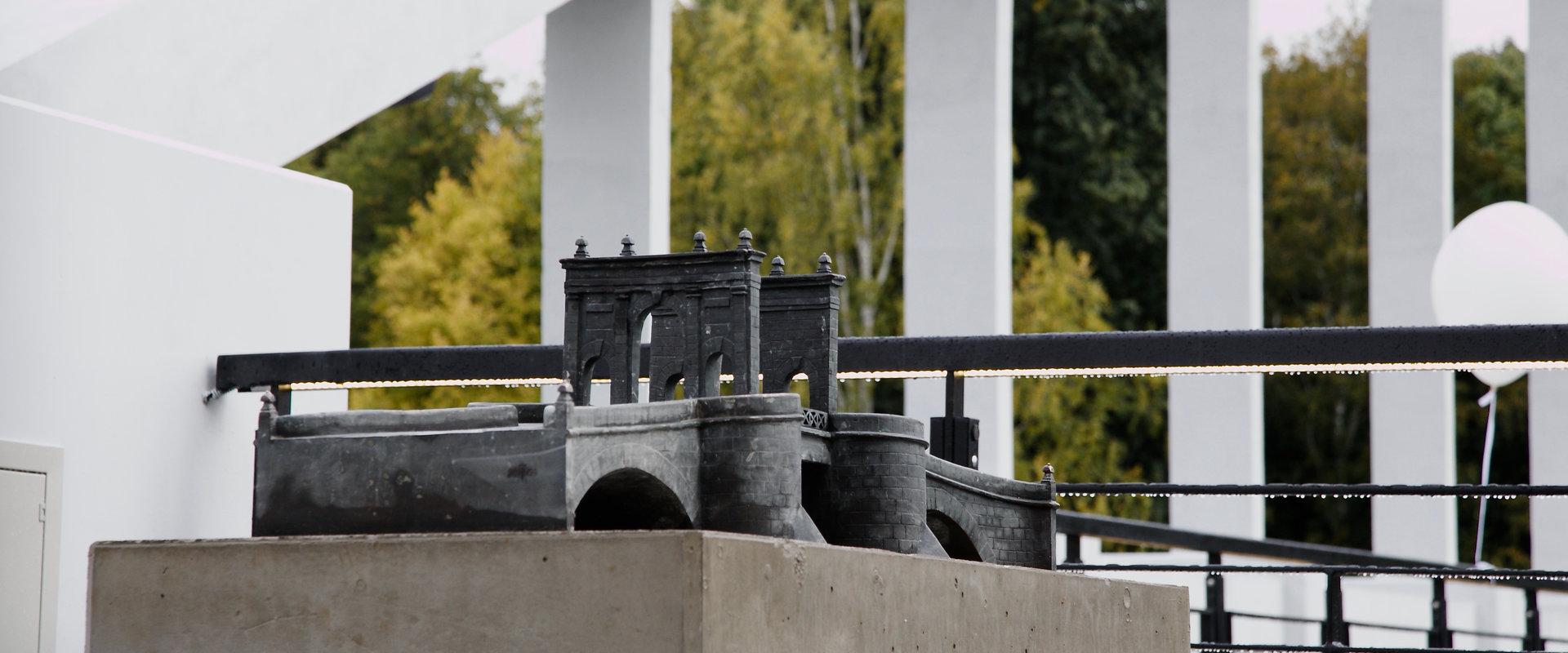
The first stone bridge to be constructed in the Baltic States was erected in the 18th century at one end of the Town Hall Square in Tartu, with two triumphal arches and a raisable mid-section. Dedicated to Russian empress Catherine II, it was opened to traffic in 1784. The bridge was destroyed during World War II. All that remains to admire is the 2004 model of the bridge (created by Tiiu Kirsipuu).

Intsikurmu Song Ground

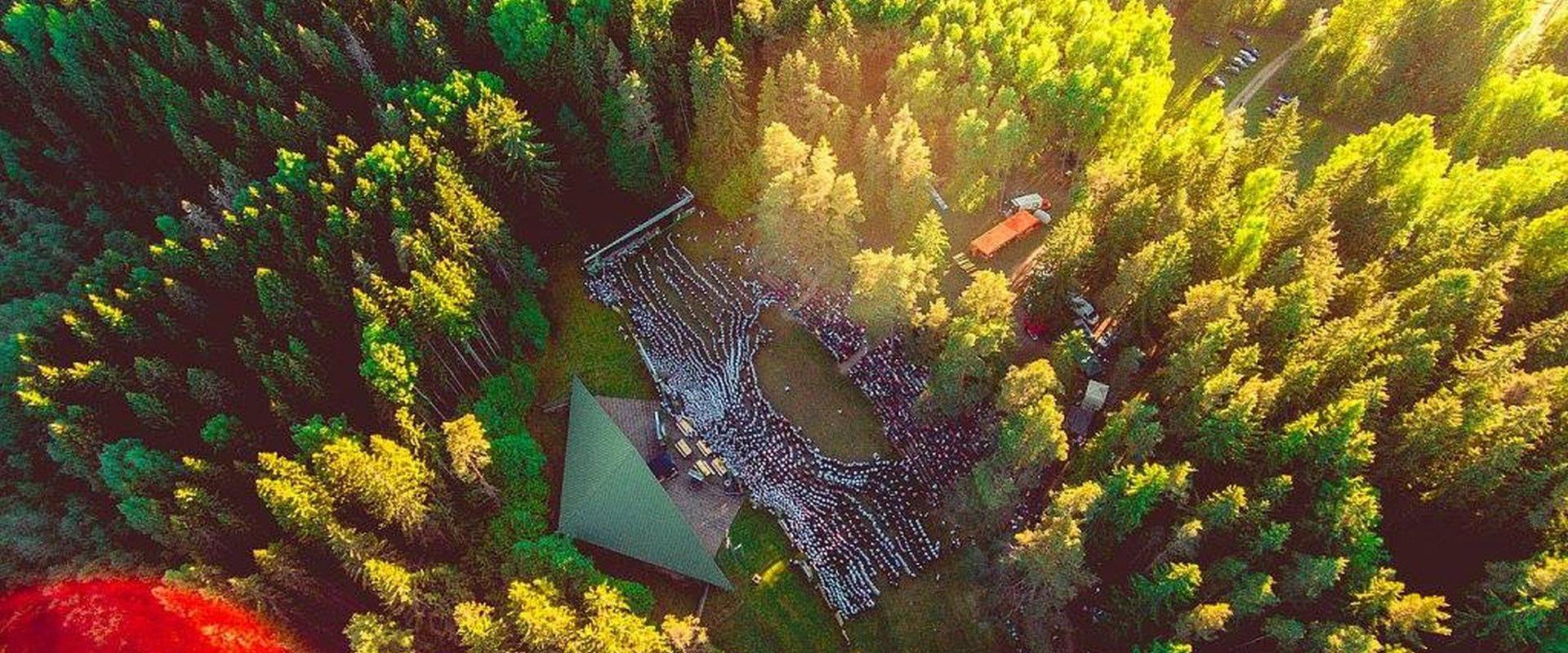
Many people in Estonia and beyond know the Intsikurmu Manor Park due to its tradition of fold song festivals. After all, the first song festivals in Estonia were held in Põlva in 1855 and 1857.The Intsikurmu Soung Ground is still a well-known location for concerts and celebrations. The stage can hold close to 3500 singers, the grounds can hold everyone who is interested in celebrating and dancing.

  • Collaboration
  • News
  • Contacts
  • Privacy Policy
Join our mailing list!

"*" indicates required fields

This field is for validation purposes and should be left unchanged.
I authorise marketing

South Estonia Tourism Cluster

info@visitsouthestonia.com