• Открой
    • Еда
    • Природа
    • Культура
    • Семья
    • Спорт
    • Сообщество
    • Блог
    У Вас появились свободные выходные, чтобы провести с детьми? Здесь собраны лучшие места в Южной Эстонии для семейного отдыха
  • Планируй
    • Размещение
    • Информация
    • Varamu
    Sustainability
RUS
  • РусскийRUS
  • EestiEST
  • EnglishENG
  • LatviešuLAT
  • SuomiFIN
RUS
  • РусскийRUS
  • EestiEST
  • EnglishENG
  • LatviešuLAT
  • SuomiFIN
Populaarsed otsingud:
Näita kõiki tulemusi
  • Architecture and history
  • History & Culture

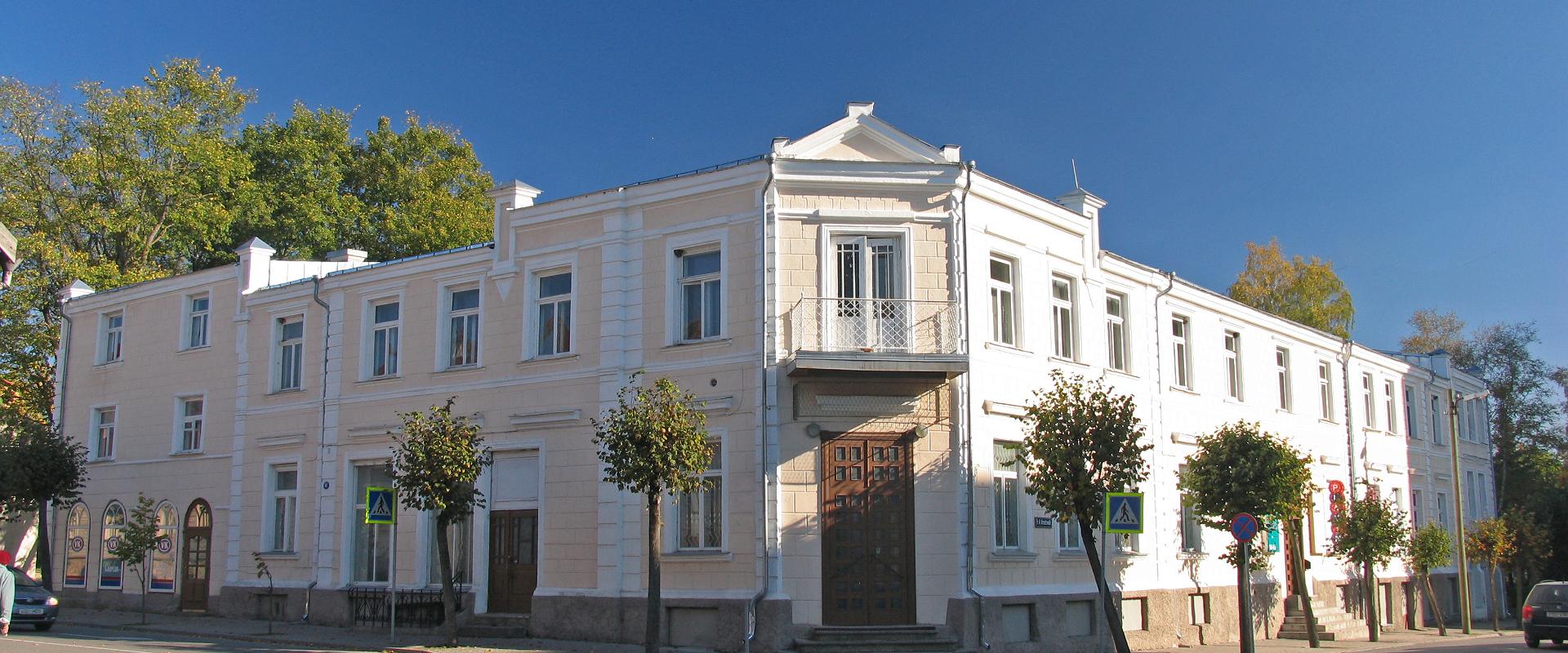
Võru Old Pharmacy building (Steding House)

F. R. Kreutzwaldi tn 15, Võru linn, Võru maakond, 65609

 
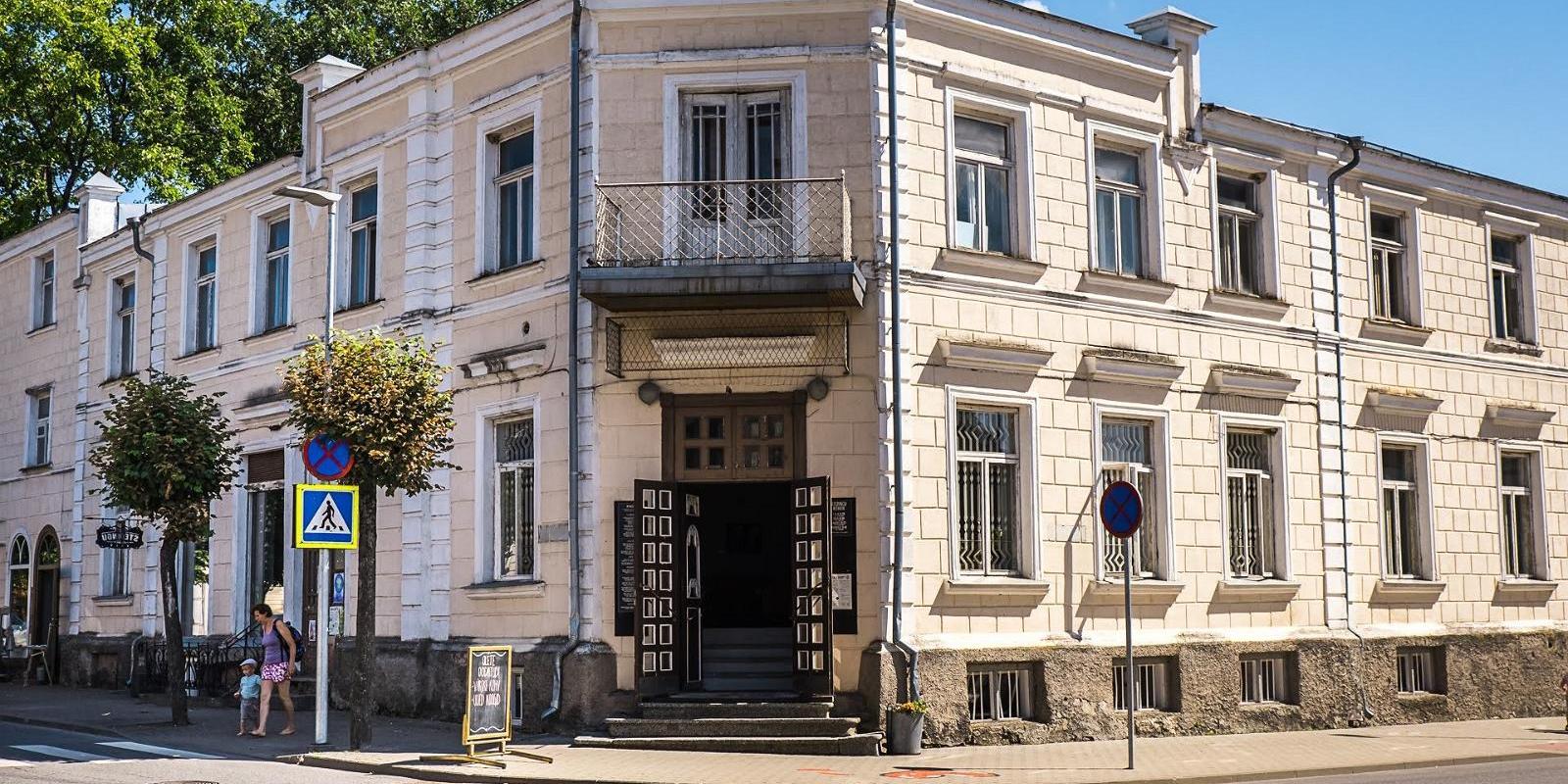
In the center of Võru stands the dignified Steding House – a stone building from the 19th century, also known as the Old Pharmacy House.
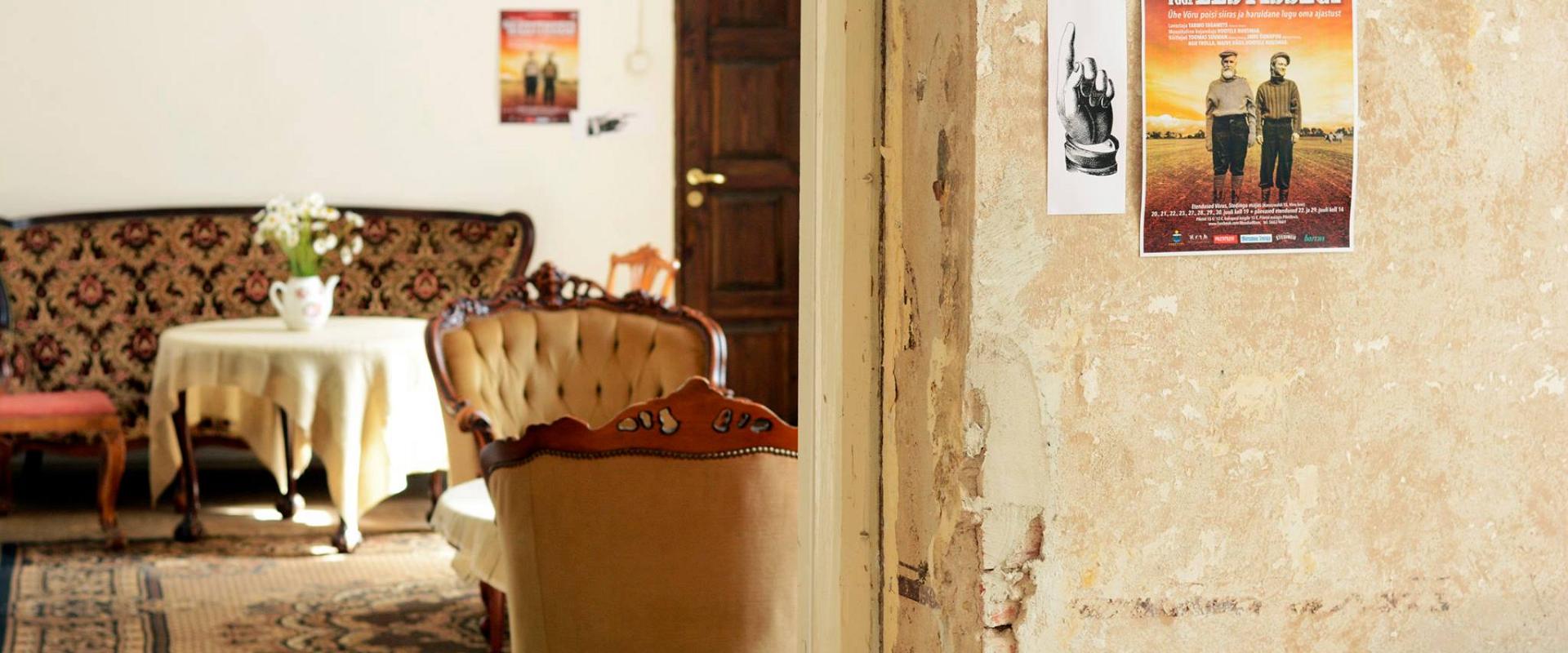
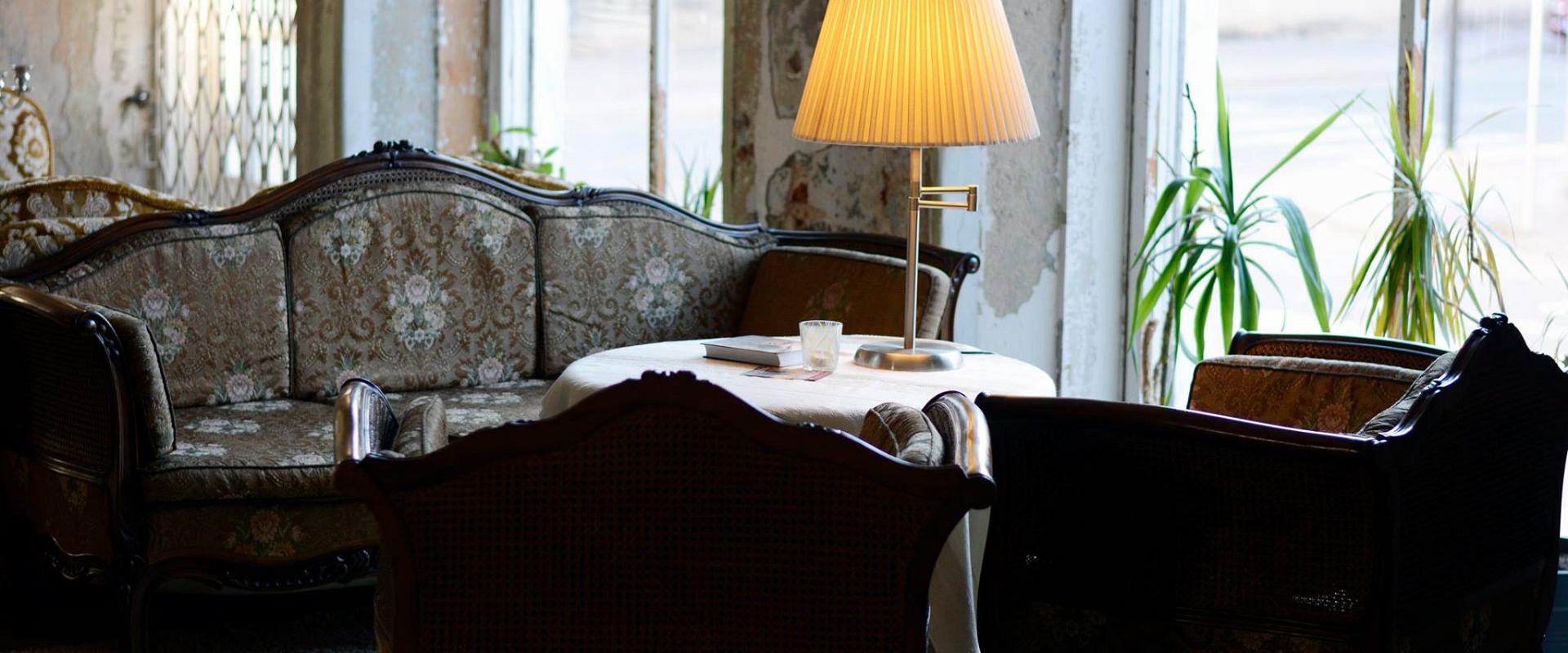
The walls of the building hide several layers: beneath the plaster layers, stencil paintings and decorations have been found that tell stories of past eras. Unlike sterilely restored museums, Steding House has preserved genuine history – it is a building that shows its layers and carries the memories of the city. One wall is adorned with hand-formed ceramic tiles (author Kristel Sihiveer). The eclectic interior is from reuse.
Today, Steding House is a meeting place for the community and guests. There is a café; art exhibitions, concerts, and movie nights are organized; additionally, creative and service enterprises find a home here. In summer and on weekends, the house is especially lively – a buzzing crowd on the terrace, and nighttime entertainment offered in the basement.
Steding House is both a sight and a vibrant cultural center – a place where a visitor can experience the unique atmosphere of the city of Võru.
Mugavused

  • Free parking

Часы работы

Круглый год

Eemalt vaadeldav

Контакты

  • +372 509 9830
  • toomas@steding.ee

Ссылки

Подробнее

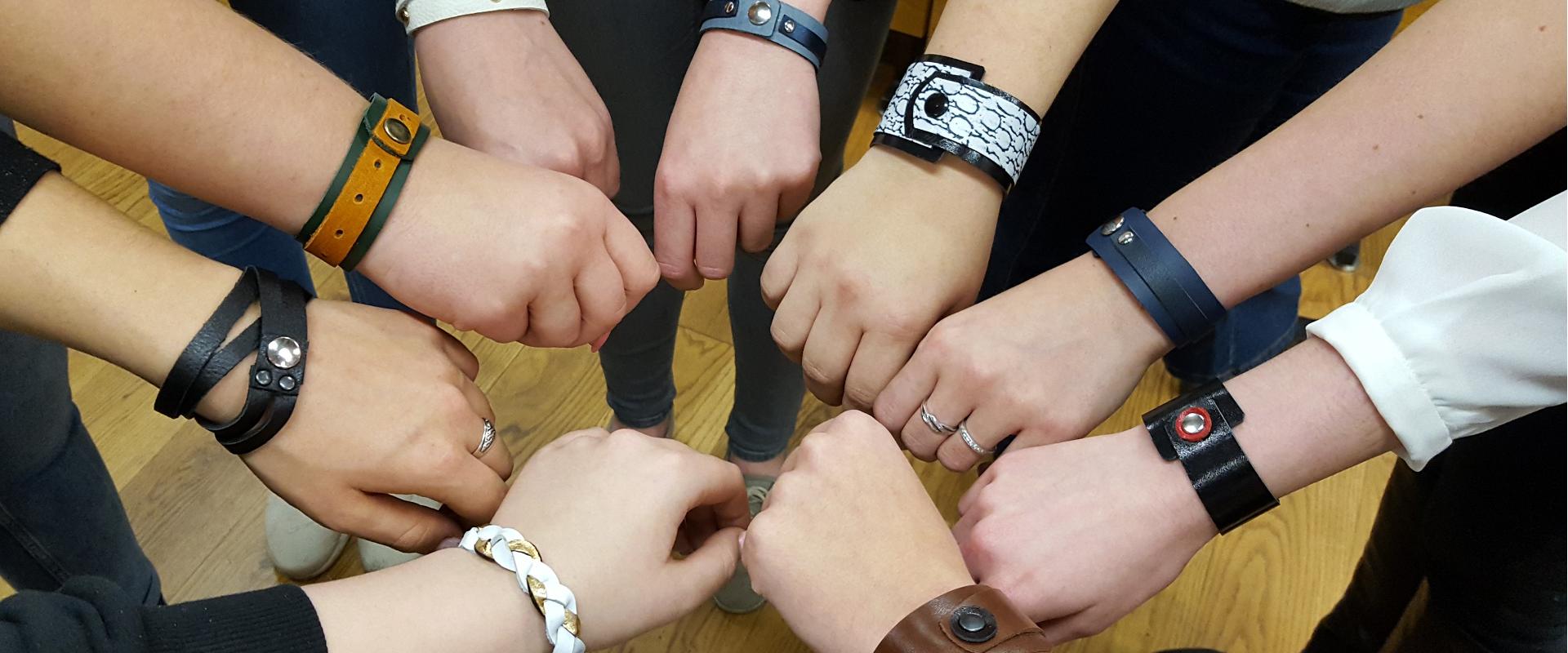
Workshop for making a leather bracelet

Want to spend some lovely time with your friends while doing something practical?Nahastuudio studio offers workshops where participants will get to make a unique and colourful leather bracelet under the guidance of the leather designer Tiina Andron. We will use pieces of leather, rivets, and press-fasteners of different colours.The workshop is suitable for everyone (from school age).During the workshop, participants will get to explore Antonius Courtyard, see different items being made, and listen to the designer talking about her work.Information about the workshops of Nahastuudio studio is available HERE.

  • Monuments

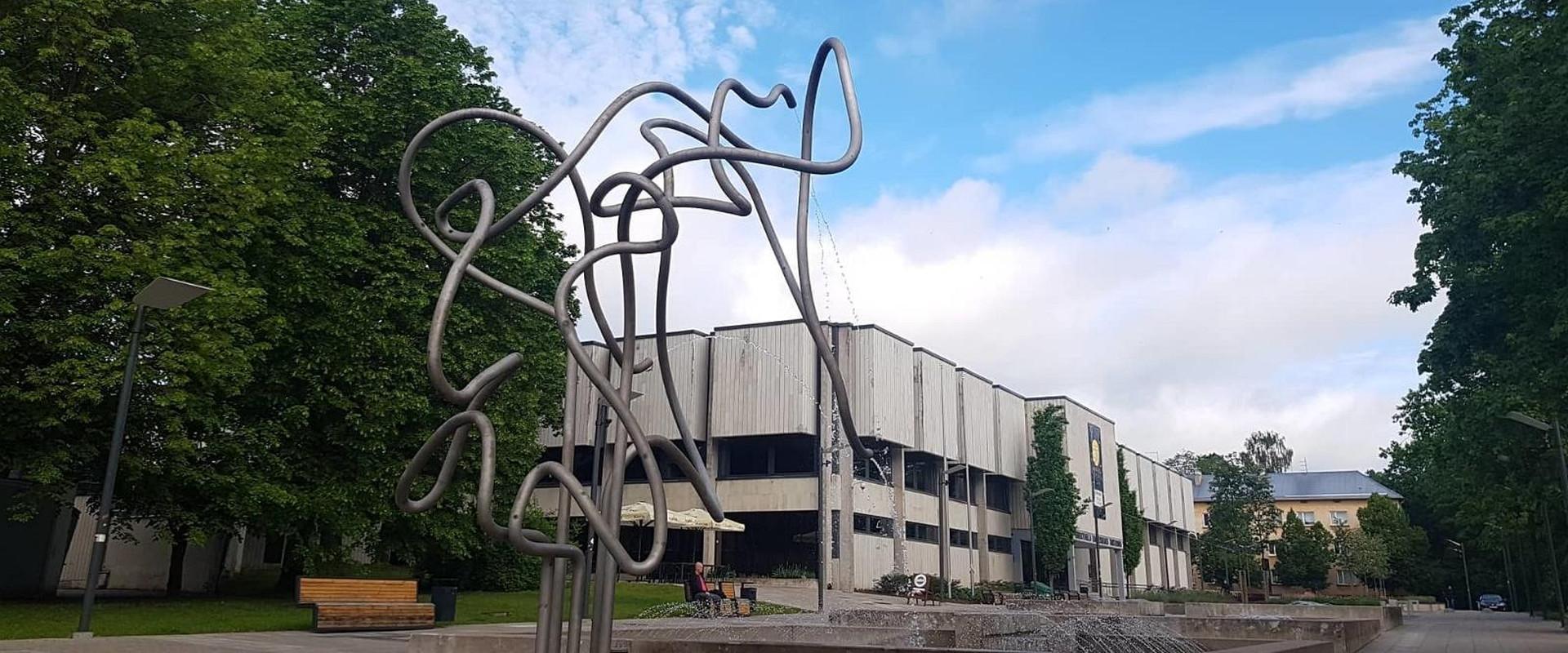
Monument to Juri Lotman

The long-serving professor of the University of Tartu was one of the brightest scientists in 20th century Tartu. Lotman studied the history of Russian literature and culture and general regularities of culture. He laid the foundation of cultural semiotics and was the founder of the Tartu-Moscow school of semiotics. The monument to the world-famous culturologist and semiotician, which consists of pipes, water and light, was opened on 6 October 2007. The idea for the sculpture made of 15 m of steel pipe is based on the self-portrait of Juri Lotman. Authors of the monument: Mati Karmin, architect Andres Lunge.

  • Monuments

Cornflower – Monument to the Victims of Stalinism

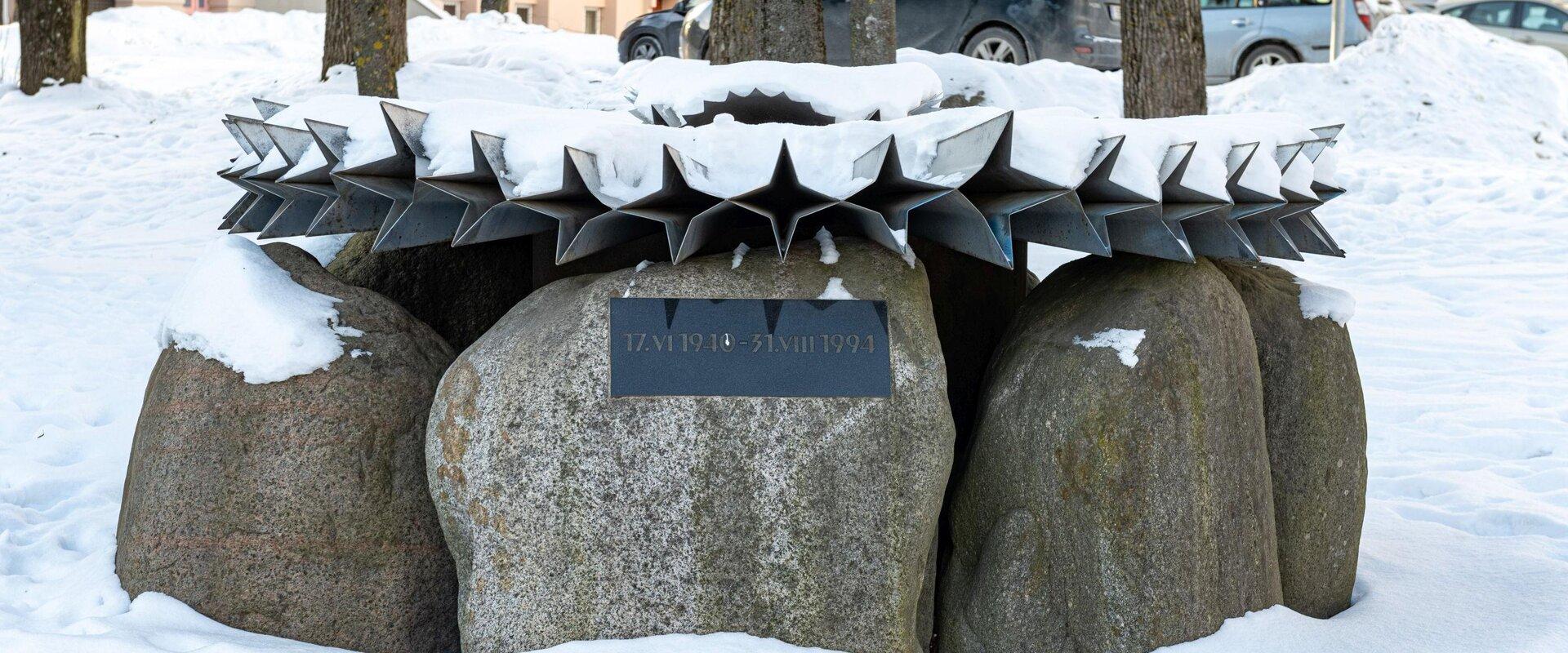
The Cornflower (or Broken Cornflower) memorial to the victims of Stalinism was established in 1990 and its author is P. Saar.On top of the granite boulders is a broken cornflower (Estonian national flower). Black stripes run through the grey stone parquet of the square. They depict the railway tracks that symbolise deportation to Siberia. The waterworks of the monument make it possible for water to drip off the petals of the cornflower, like tears.The monument, which was initially erected on the corner of Riia and Pepleri streets in Tartu by the association of freedom fighters Memento, was reopened in its new spot at Pepleri 27. The monument is located next to the grey building. During the Soviet era, a KGB remand prison was located there, where the deportation of many Estonians to Siberia began.

  • Churches

Saatse Church

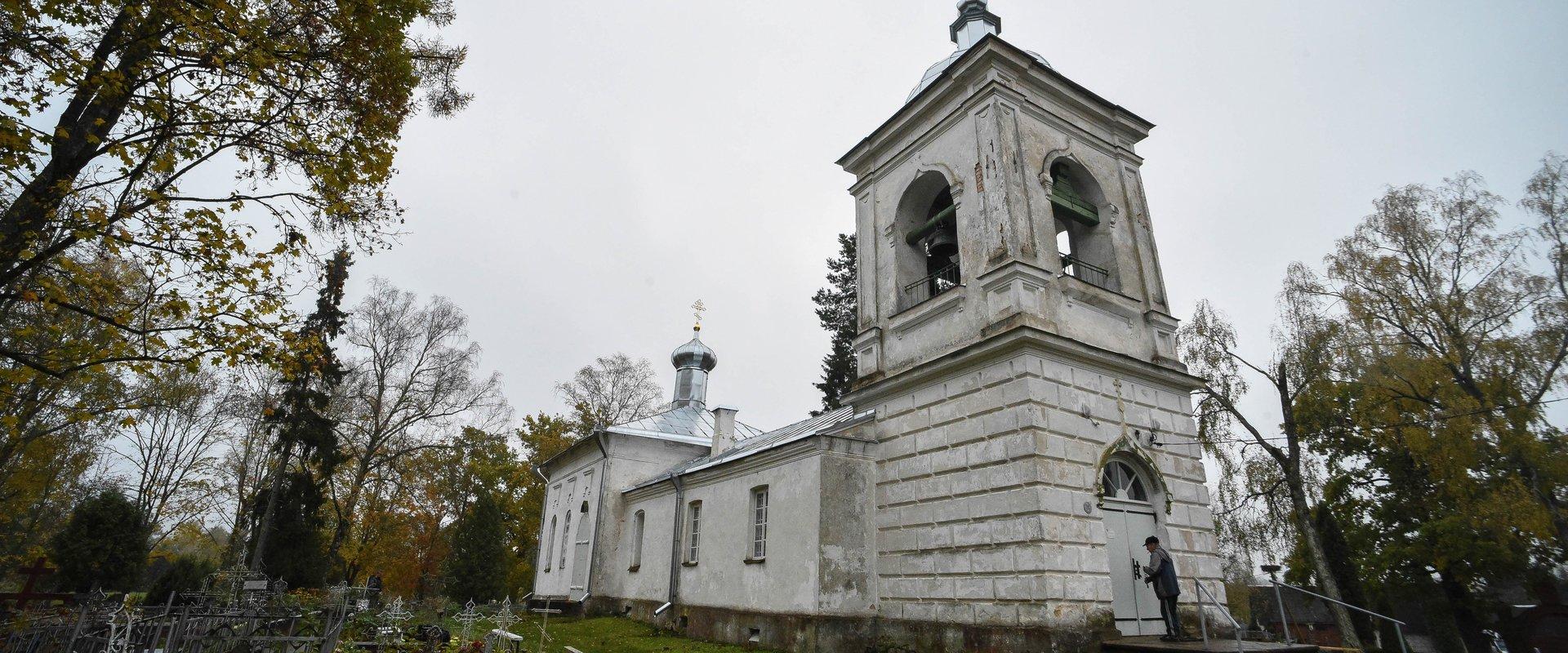
Saatse Church was completed in 1801. This congregation has been a mixed congregation of Setos and Russians. Saatse's biggest holiday is St. Paraskeva's Day (the last Friday in July.). Paraskeva means "Friday" in Greek. The church has "royal gates" from the old wooden church, and a 15th century stone cross. The only saint of Seto background is associated with the church: St. Stefanus, a former parish priest, who is depicted in icons in Seto folk costume. In 1919, Stefanus was shot along with Father Vassili, who was also declared a saint.

  • Galleries

Võru Town Gallery

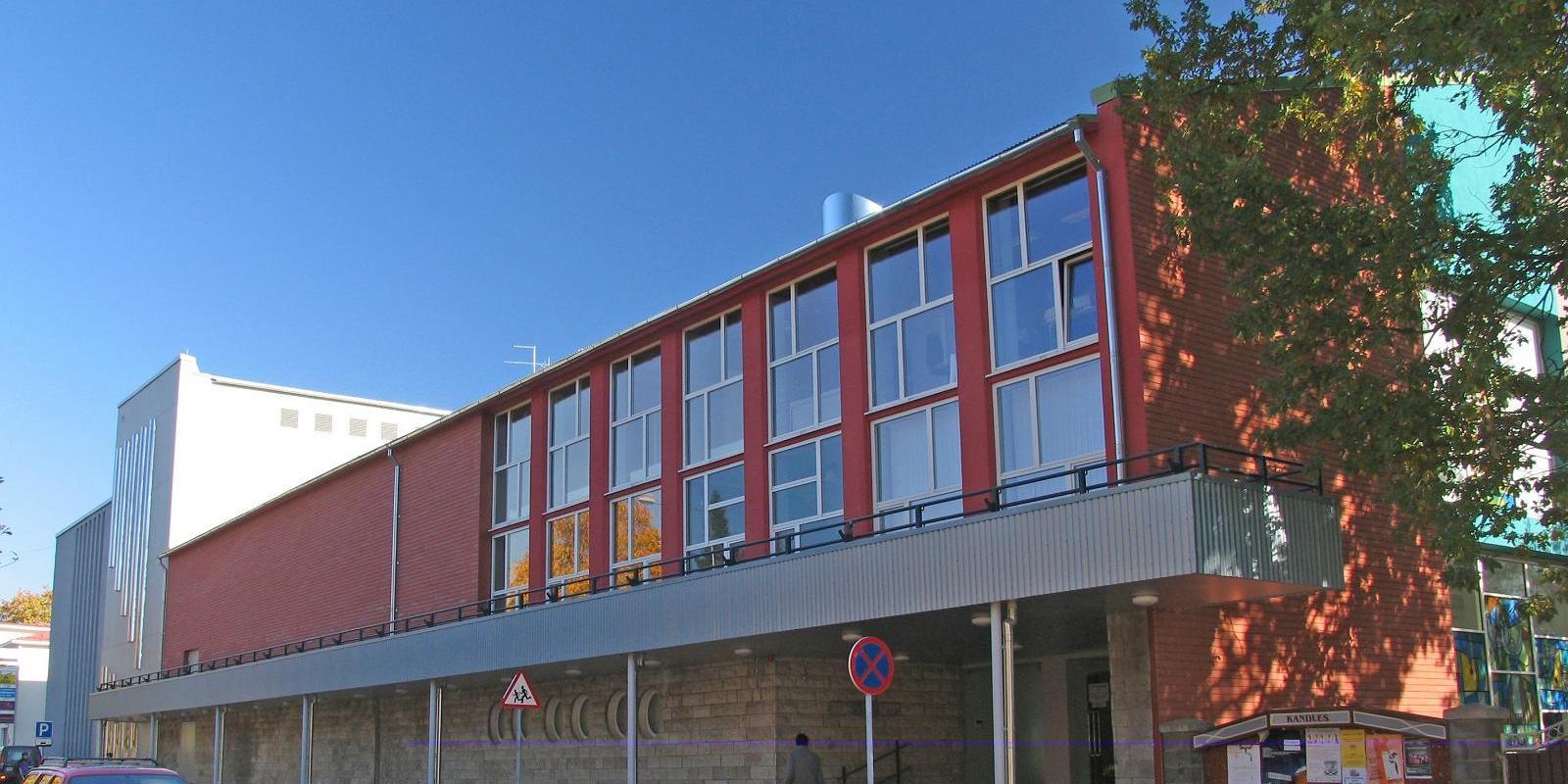
Võru Town Gallery focuses on promoting art and cultural activities in Võru, on introducing professional art and organising exhibitions and exhibition-sales.For expositions the gallery mostly uses the balcony lobby on the 1st floor of the Võru Community Centre, called Kannel, and the room in front of the small hall. There are also exhibitions in the lobby of the ground floor. All rooms are equipped with modern spotlights that move along buses.

  • Manors

Ahja Manor

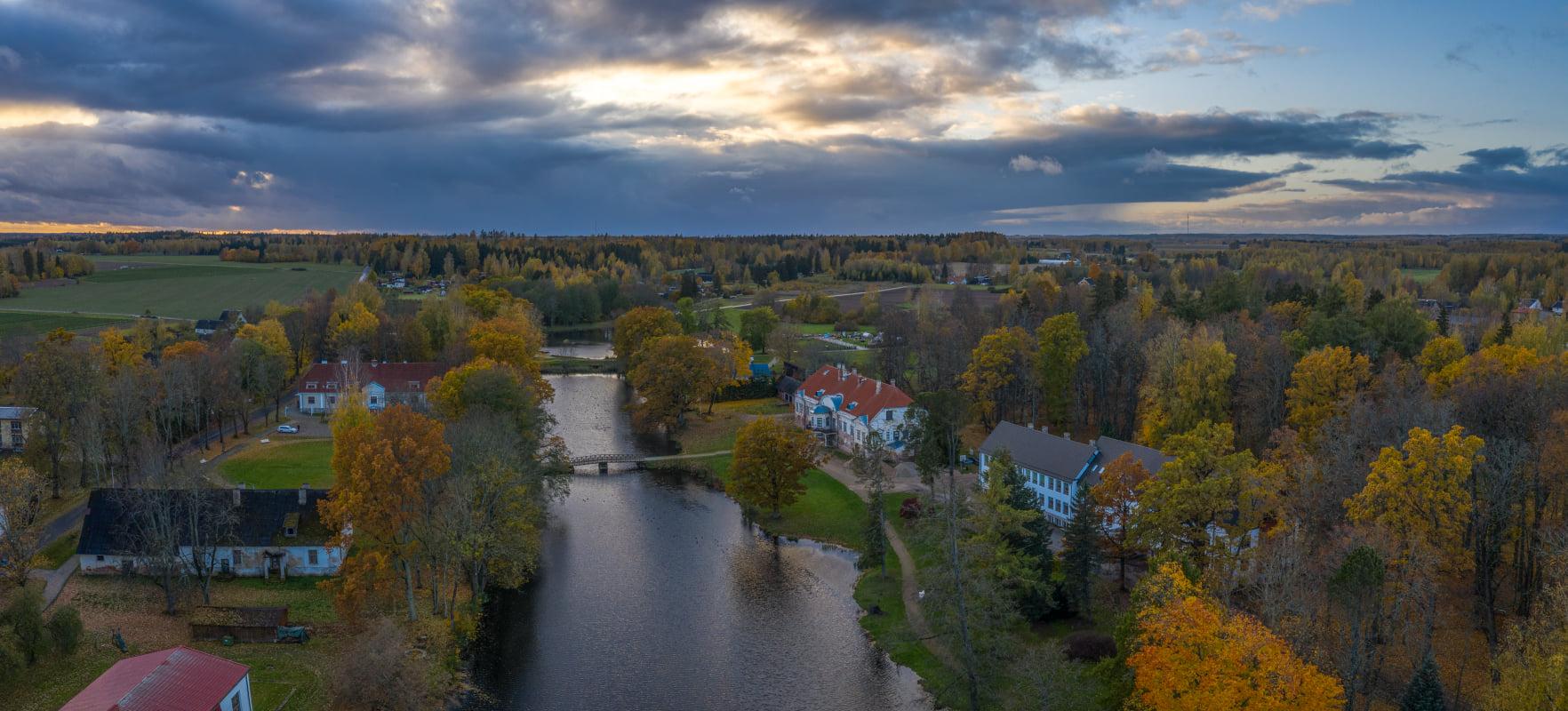
Ahja Manor dates back to the Middle Ages (from 1553). The two-storey main building of the baroque Ahja Manor with a half-hipped roof, completed in the late 1740s, was one of the most luxurious in Southern Estonia at that time. In the years 1929–1997, a school operated in the manor house.In 2007, there was a fire in the building and only the walls remained. Several smaller buildings have been preserved from the manor, although most of them have been rebuilt. There is also a beautiful park with a pond which is under nature and heritage protection.The manor with the park is known to many thanks to the book Little Illimar based on the childhood memories of the folk writer Friedebert Tuglas from Ahja.

  • Guided tours
  • Workshops
  • Family friendly

Tartu Toy Museum

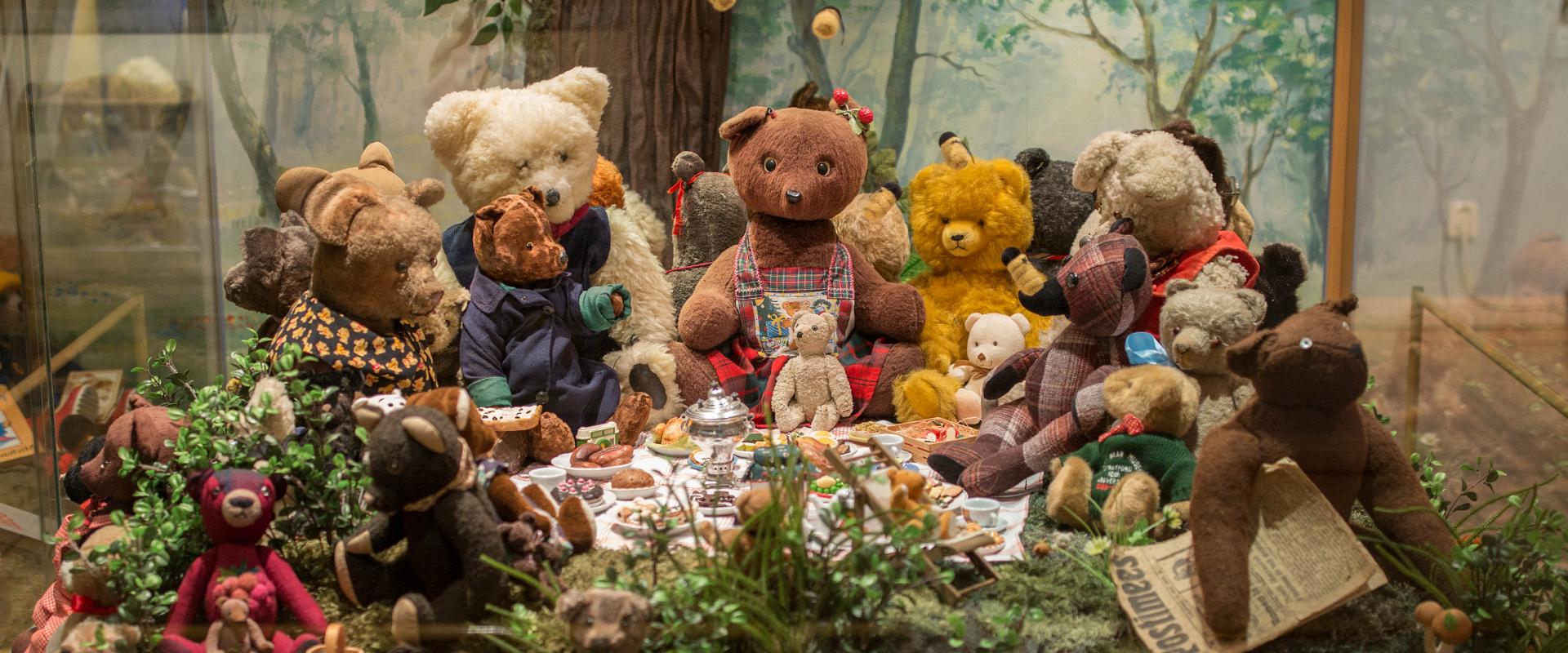
Tartu Toy Museum, situated in the Old Town of Tartu, takes adults back to the brighter days of their childhood and offers children plenty of interesting things to see and do.The permanent exhibition displays toys that Estonian children have played with throughout the years. Artist-made dolls, souvenir dolls of different nations, and Finno-Ugric traditional toys are also exhibited. Playrooms and workshops are also open. You can see puppets from Estonian puppet films and temporary exhibitions in the outbuilding. The museum also has a theatre building named ’Teatri kodu’ (The Home of Theatre) with a theatre hall, a museum of puppets, and a children’s studio.

  • Guided tours

Guided walking tour of Tartu in the morning

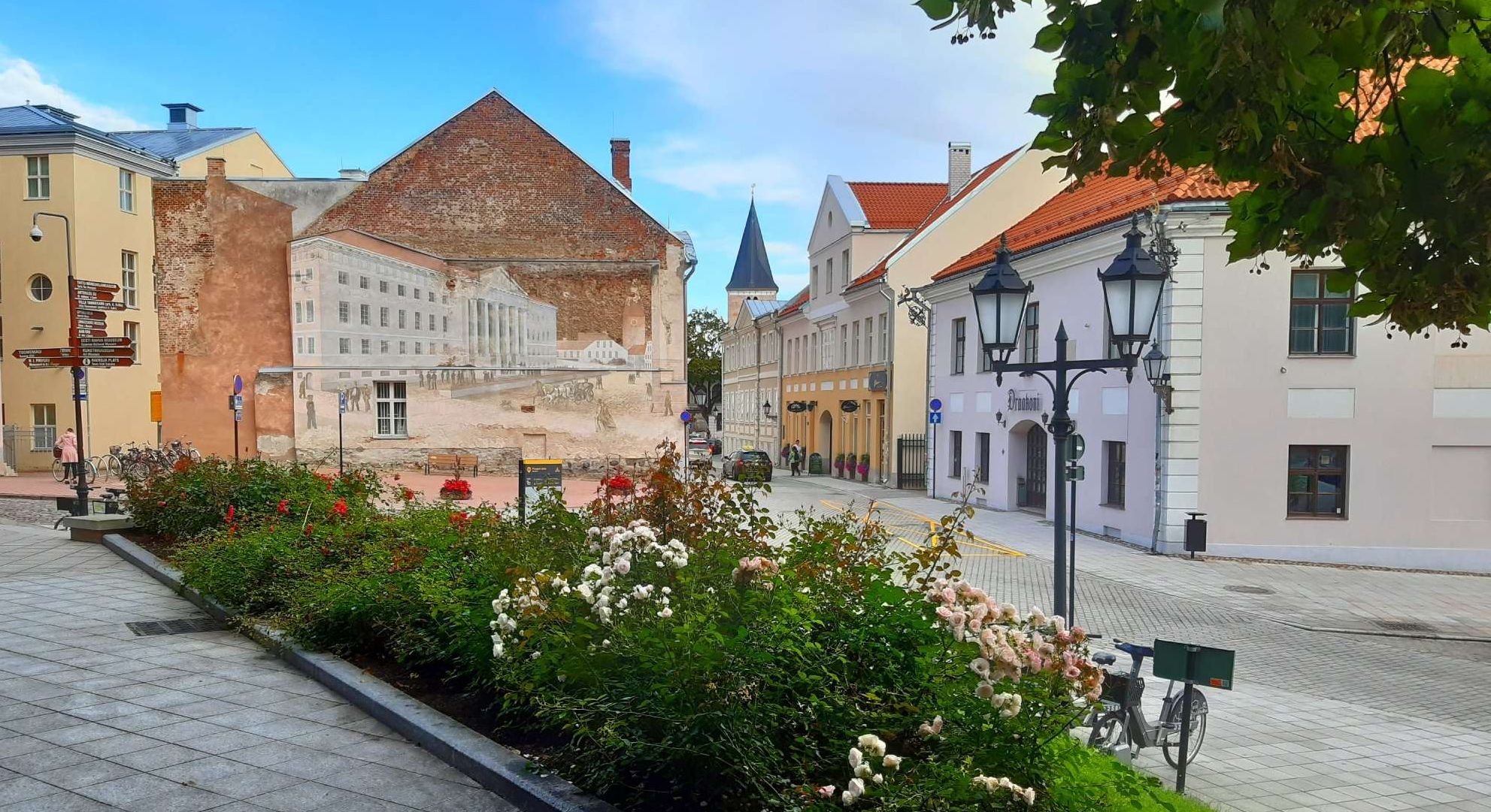
Discover the early morning city of Tartu with its awakening sounds, birdsong, and crisp, beautiful views! We walk along the banks of the Emajõgi River, enjoy the morning peace, and take a look at the Market Hall, happily preparing for the day, where local flavors greet us. Then the Old Town awaits us — surprising in its morning light and beautiful solitude, Toomemägi with its enchanting views and a few surprises. Of course, beautiful Tartu architecture is found at every step! The guided tour is suitable for solo travelers, couples, international guests and business travelers. The tour is conducted by an officially certified guide.

  • Privacy Policy

"*"обозначает обязательные поля

Это поле используется для проверочных целей, его следует оставить без изменений.
Я разрешаю маркетинг