• Avasta
    • Еда
    • Природа
    • Культура
    • Семья
    • Спорт
    • Сообщество
    • Блог
  • Planeeri
    • Размещение
    • Информация
    • Varamu
RUS
  • РусскийRUS
  • EestiEST
  • EnglishENG
  • LatviešuLAT
  • SuomiFIN
RUS
  • РусскийRUS
  • EestiEST
  • EnglishENG
  • LatviešuLAT
  • SuomiFIN
Populaarsed otsingud:
Näita kõiki tulemusi
  • History & Culture
  • Art & design
  • Sculptures

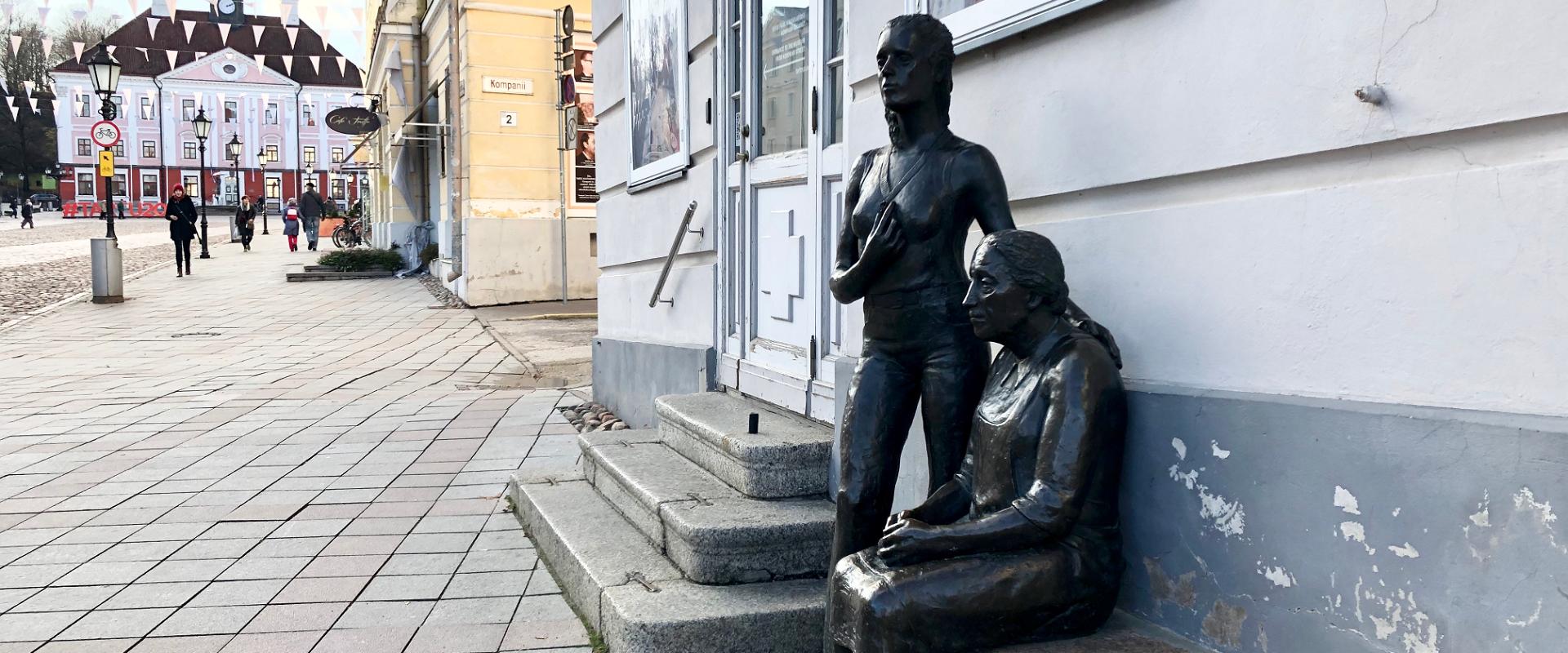
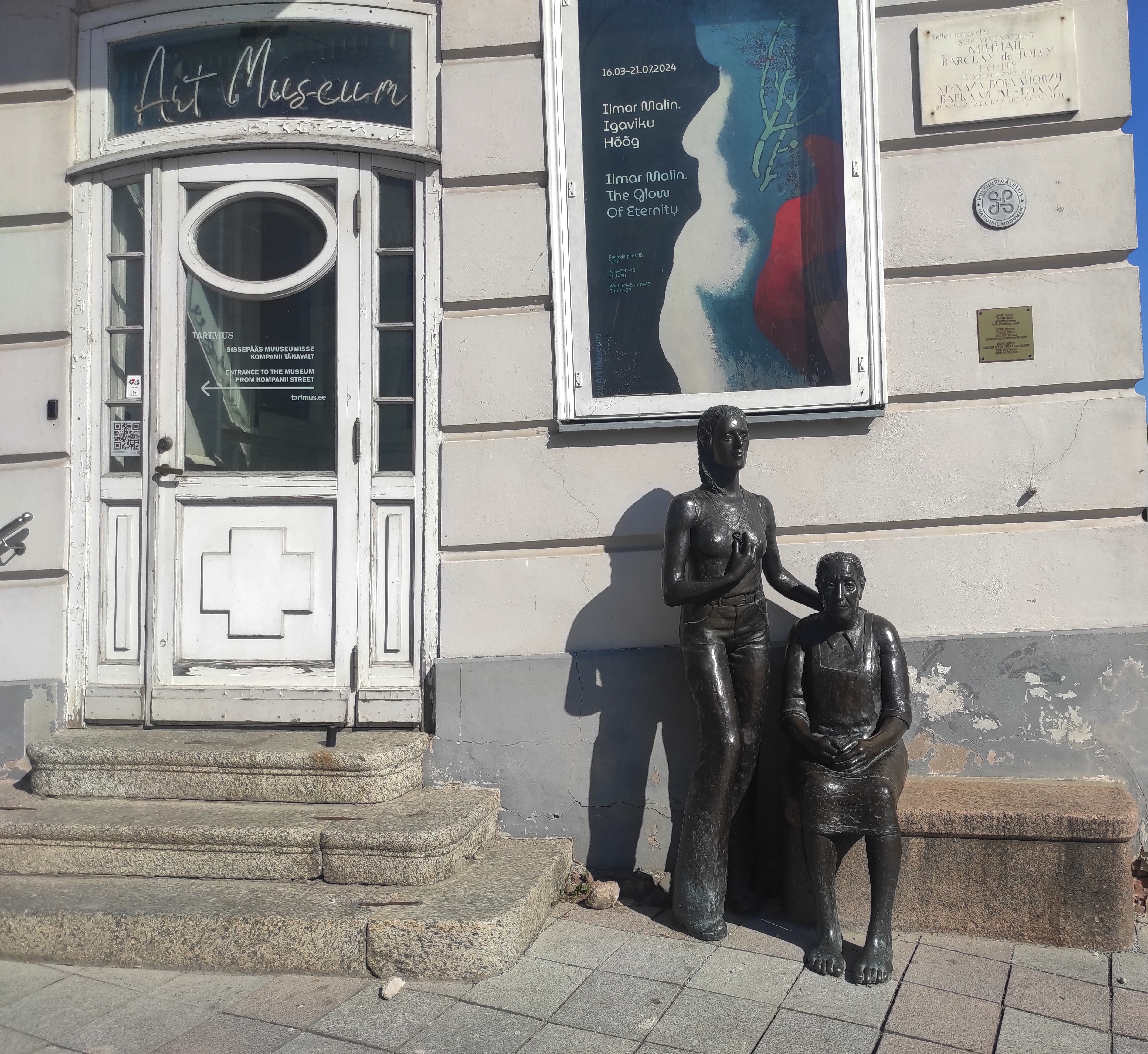
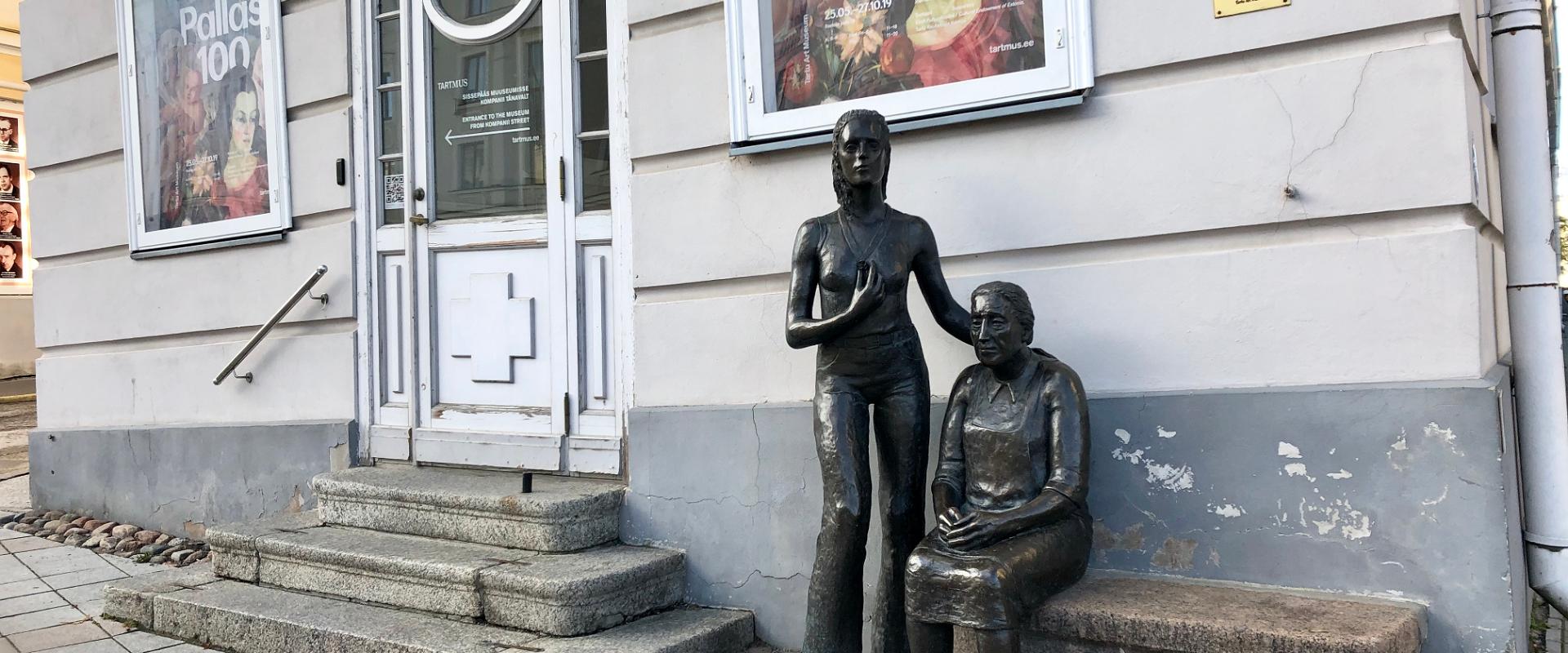
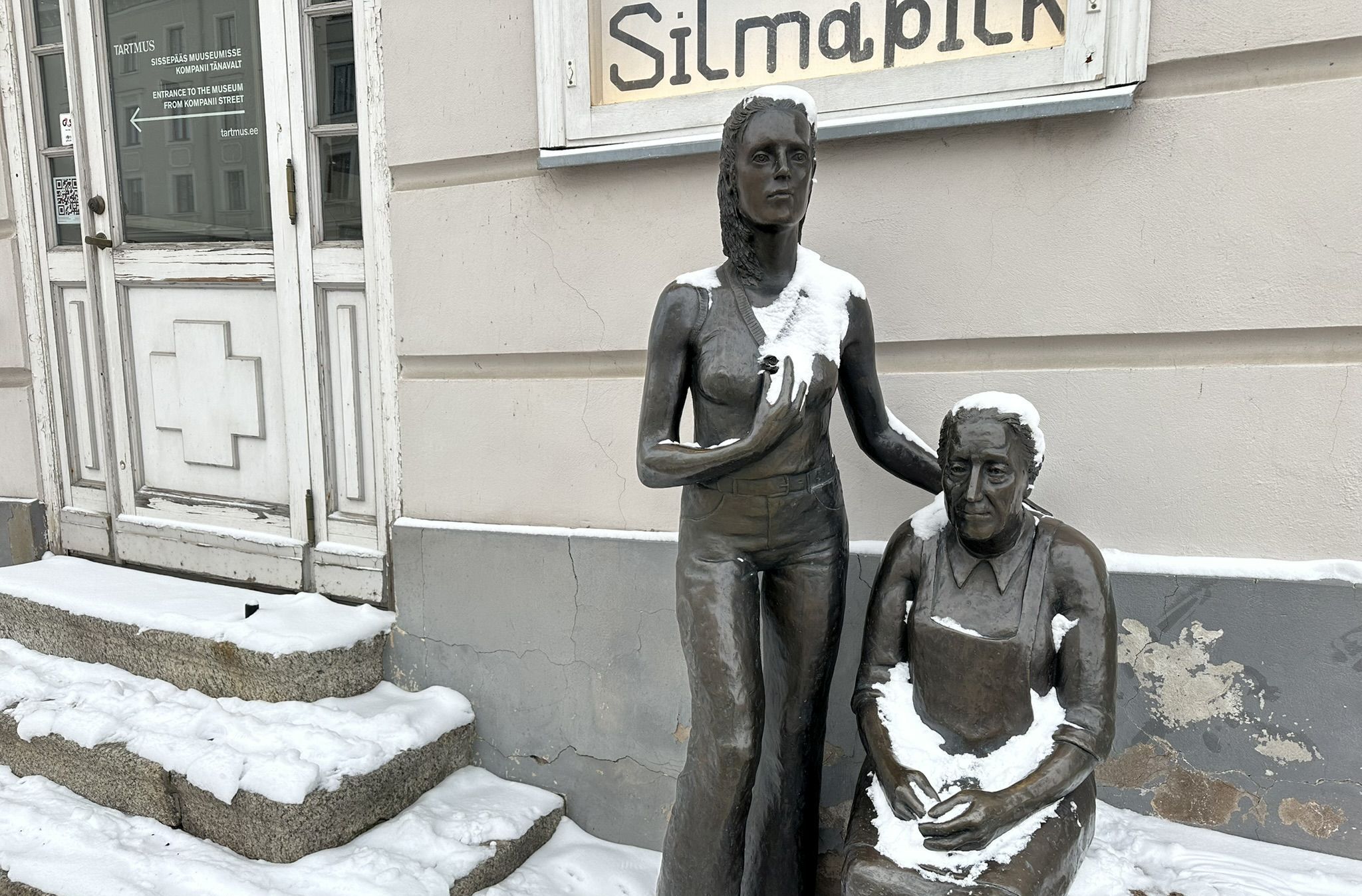
Sculpture ‘Countrywomen’ (Maanaised)

Raekoja plats 18, Tartu linn, Tartu maakond, 51004

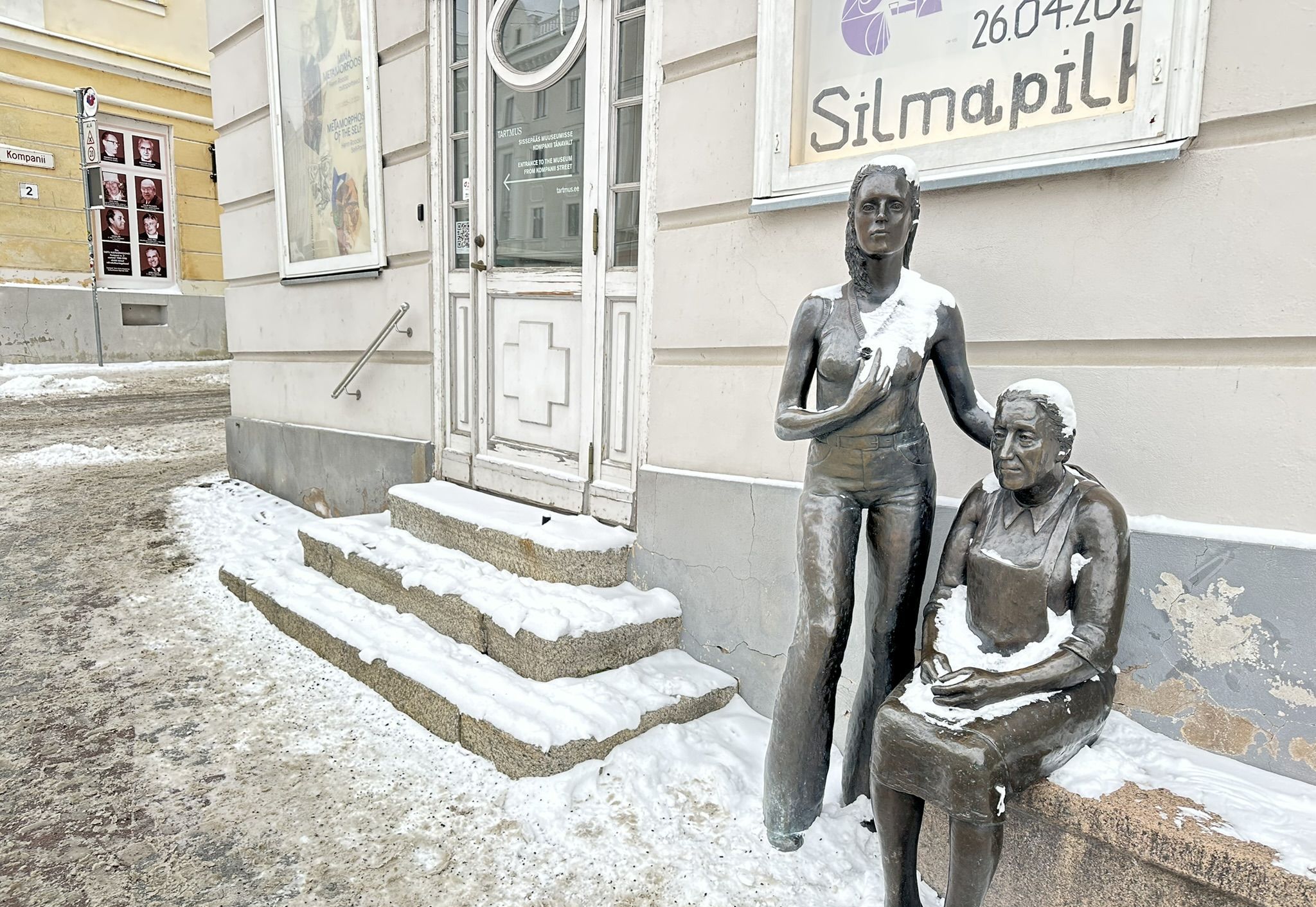
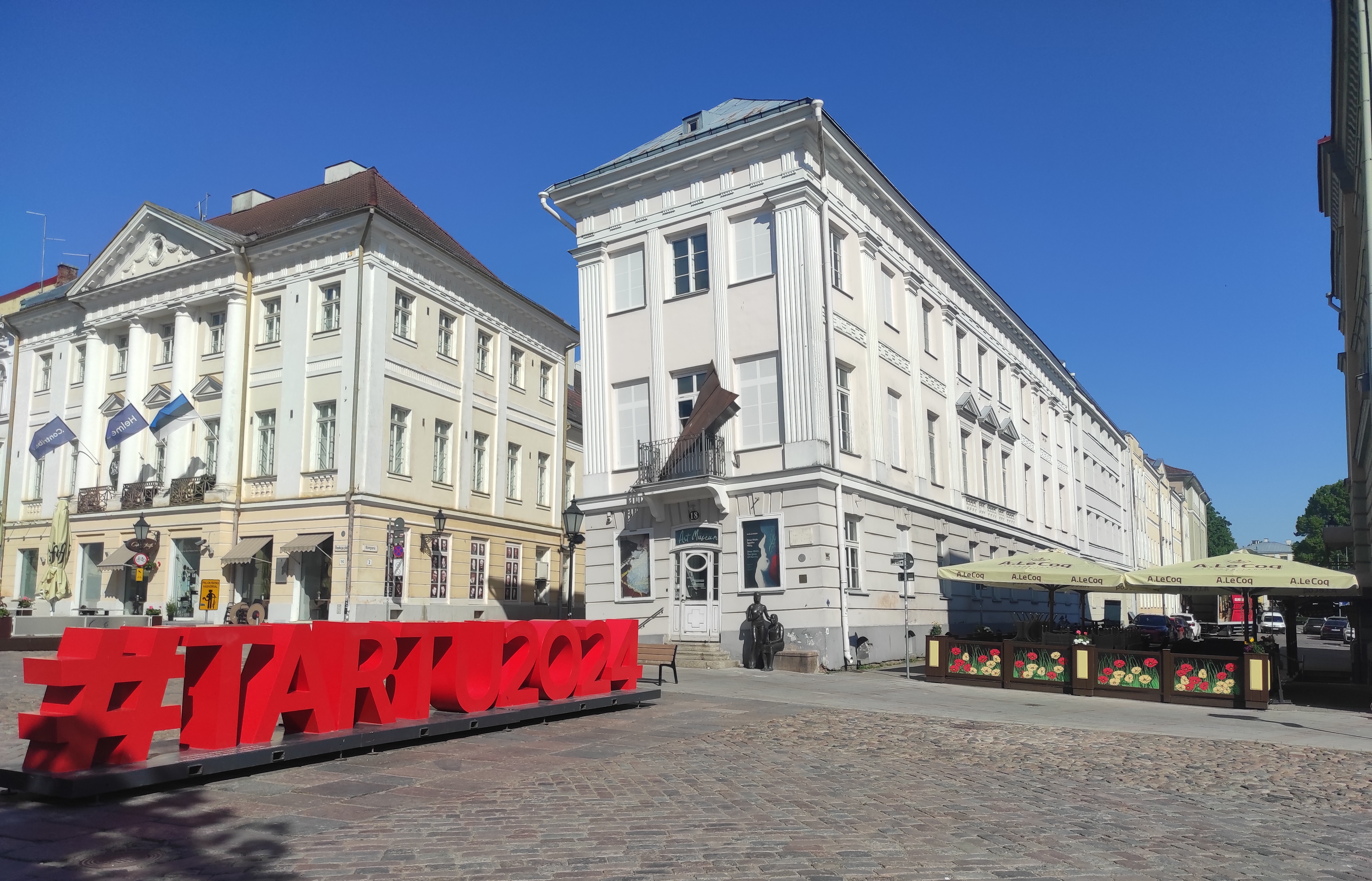
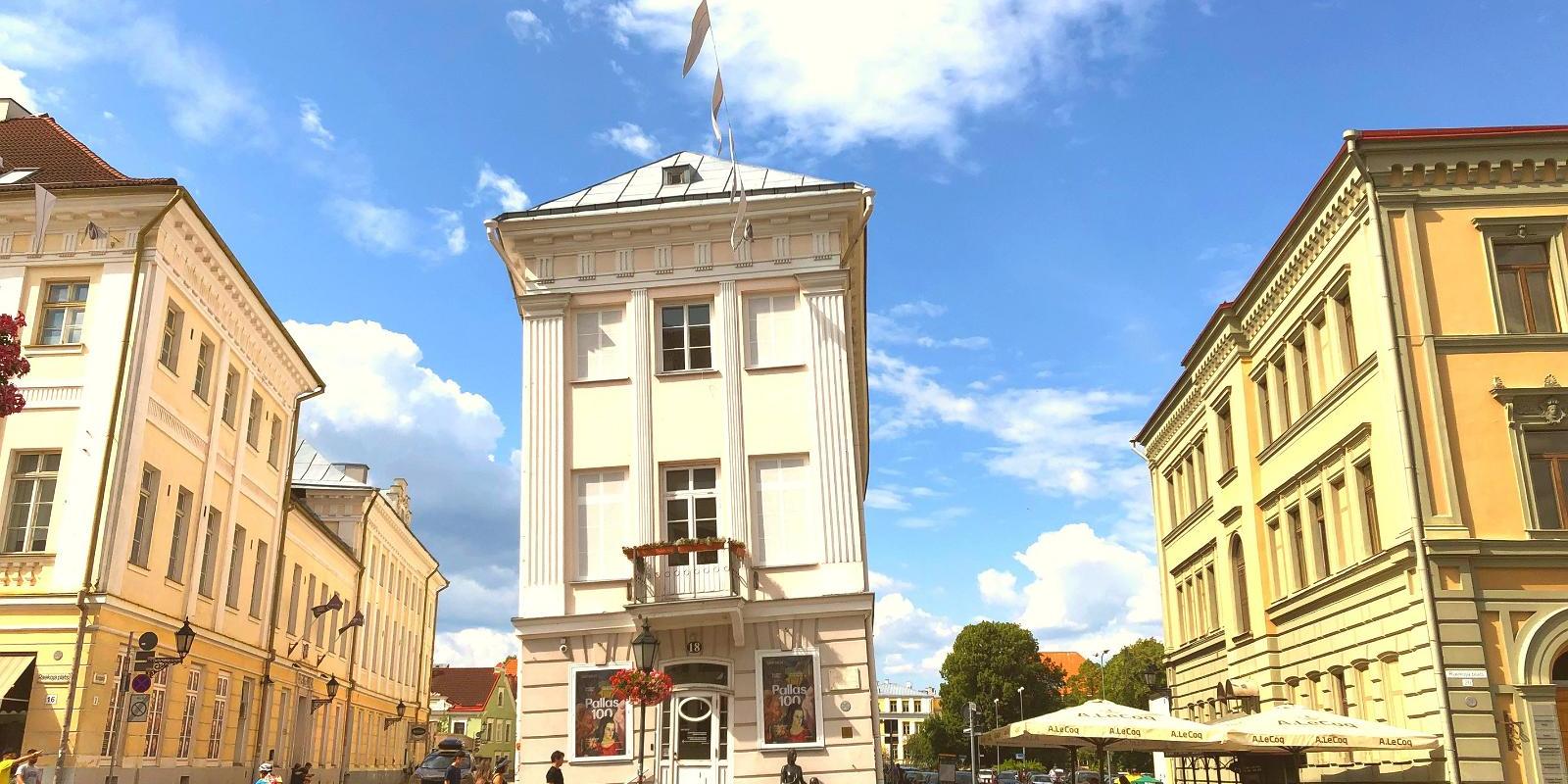
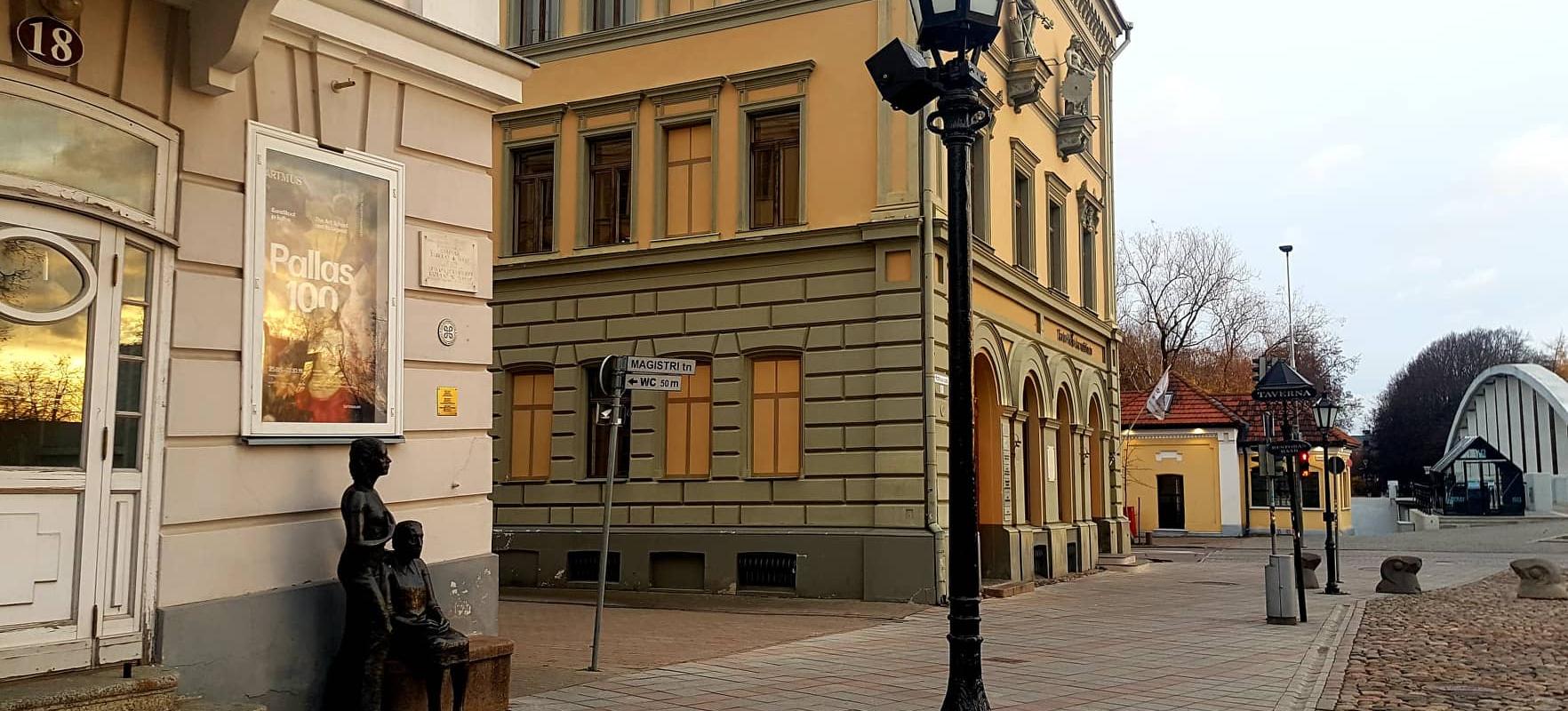
‘Countrywomen’ is a group of sculptures by sculptor Mare Mikofi, completed in 1974, which has been on display at the Town Hall Square in front of the Tartu Art Museum since 2013.It depicts two women, the older one sitting and being content and exhausted, and the other, the younger, standing beside her, empathetically holding her arm around the older woman’s shoulder. The difference between the generations is strongly reflected in their clothing – the younger is wearing trousers, a light vest and platform shoes, and the older one is wearing a dress and an apron, leaving her feet bare.The installation of ‘Countrywomen’ celebrated the 25th anniversary of the Tartu Art Museum in the Leaning House.
Lahtiolekuajad

Aastaringselt

Ööpäevaringselt

Kontakt

  • +372 5881 7811
  • tartmus@tartmus.ee

Lingid

tartmus.ee

Vaata lisaks

  • Sculptures

Nipernaadi sculpture in Valga

NIPERNAADI, the eternal wanderer and dreamer, greets visitors and boldly raises his hat in the Säde park. Look at the sole of his raised travelling boot and you'll see adventurous roads awaiting for you. If you manage to polish even the smallest part of it you will always have good luck accompanying your travels. Look into his eyes and you'll start dreaming, too. If you happen to meet his eyes for a bit longer your longing will be filled with something beautiful and unusual. Wave him as you leave and adventures will follow.NIPERNAADI, a vigorous bronze sculpture inspired by the protagonist of the novel "Toomas Nipernaadi" by August Gailit is anxious to meet you.

  • Sculptures

Statue of Oskar Luts

The monument to Oskar Luts was erected in 1987. The authors of the monument were A. Rimm and A. Murdmaa.Oskar Luts (1887–1953) was an Estonian writer. His best known and loved novel is Kevade (Spring), a lyrical and humorous tale based on school memories. He has also written plays, children’s stories, memoirs, and feuilletons. The writer's house museum is located at 38 Riia Street in Tartu. There, he lived for the last 17 years of his life. Oskar Luts was buried in the St Paul’s Cemetery in Tartu.

  • Sculptures

War of Independence Memorial Column

The memorial column erected in 1928 to commemorate those who fell in the War of Independence stands in the park next to Tõrva Upper Secondary School. The author of the monument is Aleksander Eller. The monument was taken down by local communist authorities during the Second World War in 1940 and it was reopened on Victory Day, 23 June 1990.Interesting facts: Schoolboys gave the monument the friendly name Juku.

  • Sculptures

Otepää Energy Column

Otepää irradiates good energy! The monument that celebrates the existence of positive energy fields was opened in Mäe Street on 1 October 1992.The entire field is surrounded by benches and the location of these as well as the column itself was selected by psychics. The energy column is the symbol which reminds us that in this rapidly changing world, humans are a part of nature and everything is based on the rules of nature that rely on balance and co-dependency.

  • Sculptures

The Tree Garden Warrior

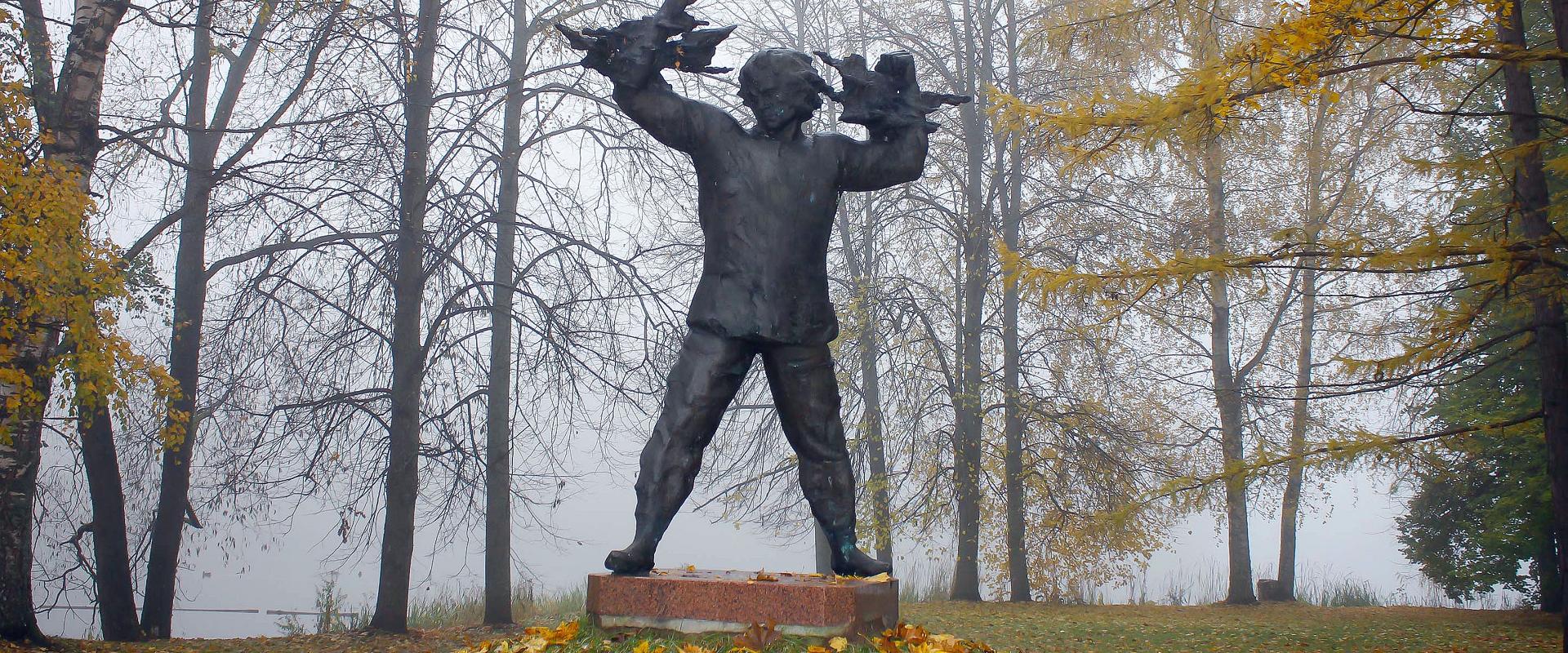
Standing in the landcaped area opposite the former main entrance of the Räpina Paper Factory is the Tree Garden Warrior, a monument to the historical Tree Garden War designed by Riho Kuld in 1984. The locals refer to the warrior as the Iron Man.In 1784 a peasant uprising took place in Räpina following the levying of a bounty tax. In the tree garden of the local manor a battle erupted between the soldiers and the local farmhands, who were armed with poles - ending in the deaths of five local men.

  • Sculptures

Sculpture of Oscar Wilde and Eduard Vilde

A sculpture created in Tartu's Old Town in 1999 depicts a fun speculation about the history of literature. Sitting on a bench are contemporaries and namesakes, or the two Wildes: Irish-born writer Oscar Wilde (1854-1900) and Estonian writer Eduard Vilde (1865-1933). Sculptor Tiiu Kirsipuu, who modeled the figures of the writers based on photographs, has noted that when creating the twin figures, she had in mind the year 1890, when the two Wildes could have really met each other and had a few witty words. The sculpture symbolizes friendship and intercultural dialogue. The sculpture of the two writers is located in front of the former Mattiesen printing house, one of Tartu's architectural monuments, which now houses the wine and art restaurant Vilde ja Vine. The statue is a beloved landmark among both locals and visitors. Sitting on the bench next to the writers allows you to take nice pictures as a souvenir of your visit to Tartu. In 2004, a copy of the sculpture was also donated to the city of Galway in Ireland, where the paternal family of literary classic Oscar Wilde came from.

  • Sculptures

‘The Kissing Students’ sculpture and fountain

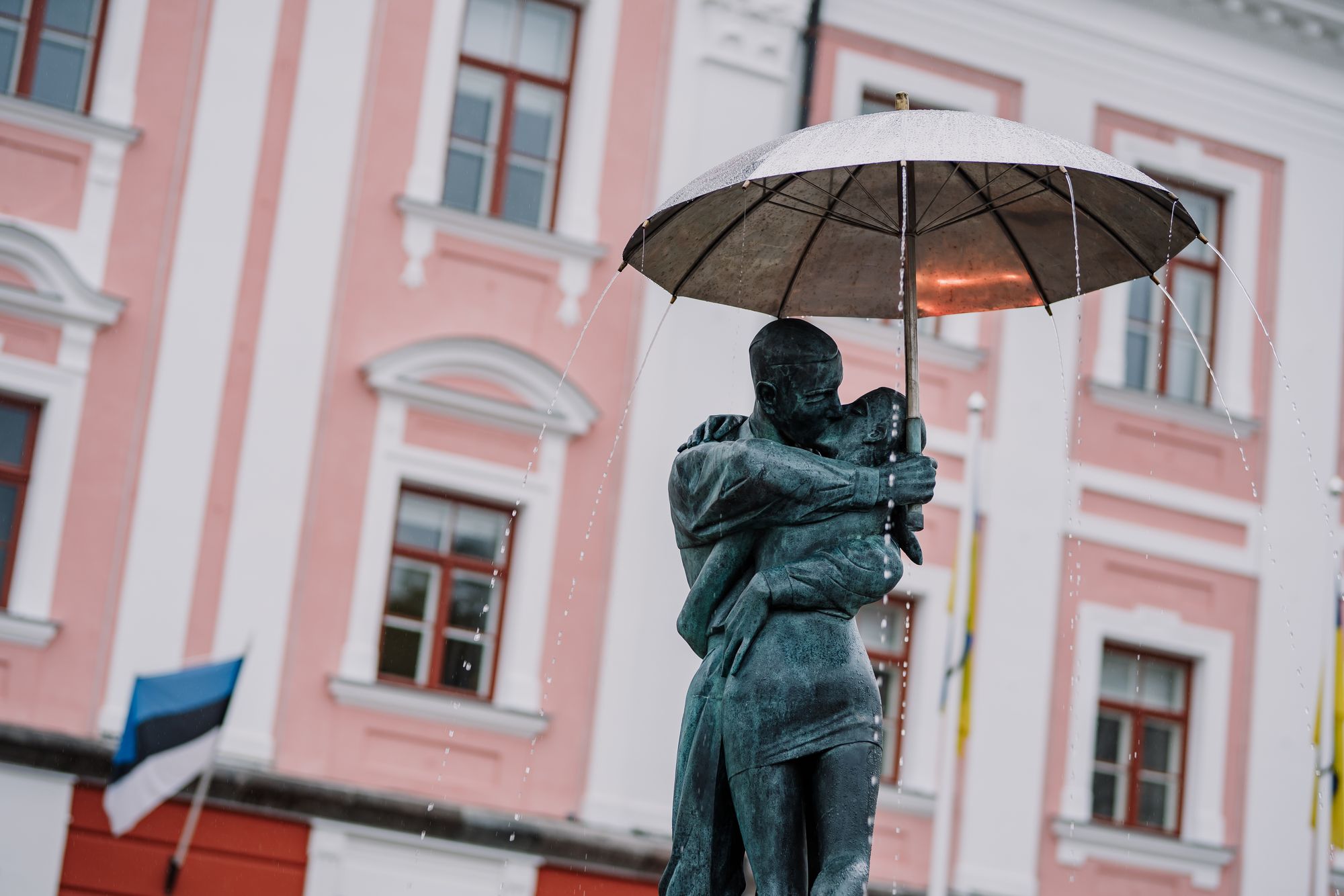
'The Kissing Students' sculpture and fountain is one of the most recognised symbols of Tartu. The fountain has stood in the same place since 1948, when newlyweds and their guests would visit it for luck, and people would also take a dip in it. The sculpture was created by Mati Karmin and completed in 1998. Since 2006 the fountain has been surrounded by tiles bearing the names of Tartu's sister cities – Bærum, Deventer, Ferrara, Fredriksberg, Hafnarfjörður, Hämeenlinna, Kaunas, Lüneburg, Pihkva, Riia, Salisbury, Tampere, Turu, Uppsala, Veszprem and Zutphen. Each of these is situated in the direction that the cities lie from Tartu, with the distances marked.

  • Sculptures

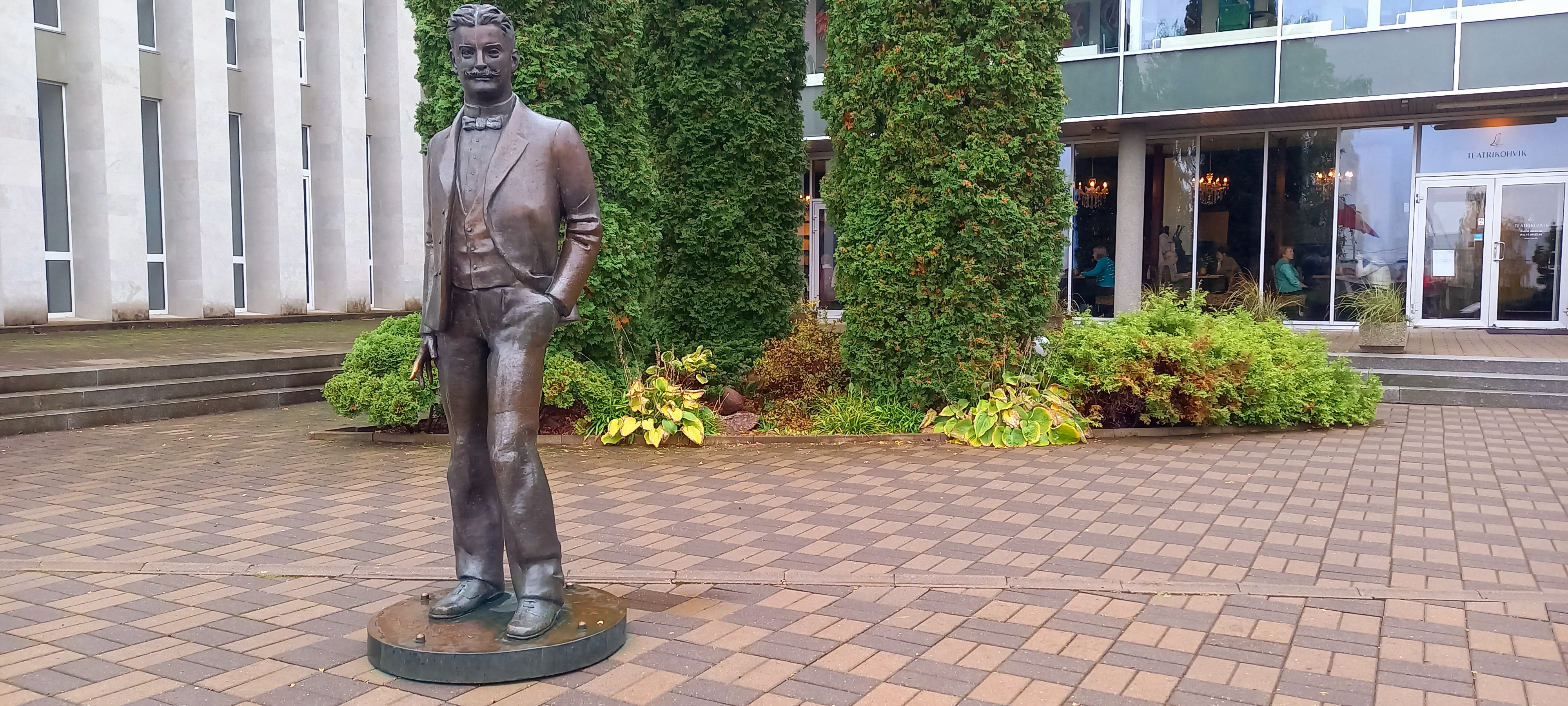
Sculpture of Karl Menning

Karl Menning was the founder of professional theatre in Estonia and the first professional theatre and stage director in the country. He was the director of the Vanemuine Theatre from 1906 to 1914. His sculpture was created by Mare Mikoff and is unique for the fact that it can be turned on the spot.

  • Privacy Policy

"*"обозначает обязательные поля

Это поле используется для проверочных целей, его следует оставить без изменений.
Я разрешаю маркетинг