• Explore
    • Nature
    • Culture
    • Food
    • Family
    • Activity
    • Blog
  • Plan
    • Tourist info
    • Accommodation
  • For professionals
    • For professionals
    • Collaboration
    • News
    • Projects
    • Training
    • Repository
    • Community (opens in new tab)
    • Contacts
ENG
  • EnglishENG
  • EestiEST
  • LatviešuLAT
  • РусскийRUS
  • SuomiFIN
ENG
  • EnglishENG
  • EestiEST
  • LatviešuLAT
  • РусскийRUS
  • SuomiFIN
Popular searches:
Show all
  • History & Culture
  • Architecture and history
  • Ruins

Ruins of Rõngu Vassal Castle

Elva vald, Tartu maakond, 61009

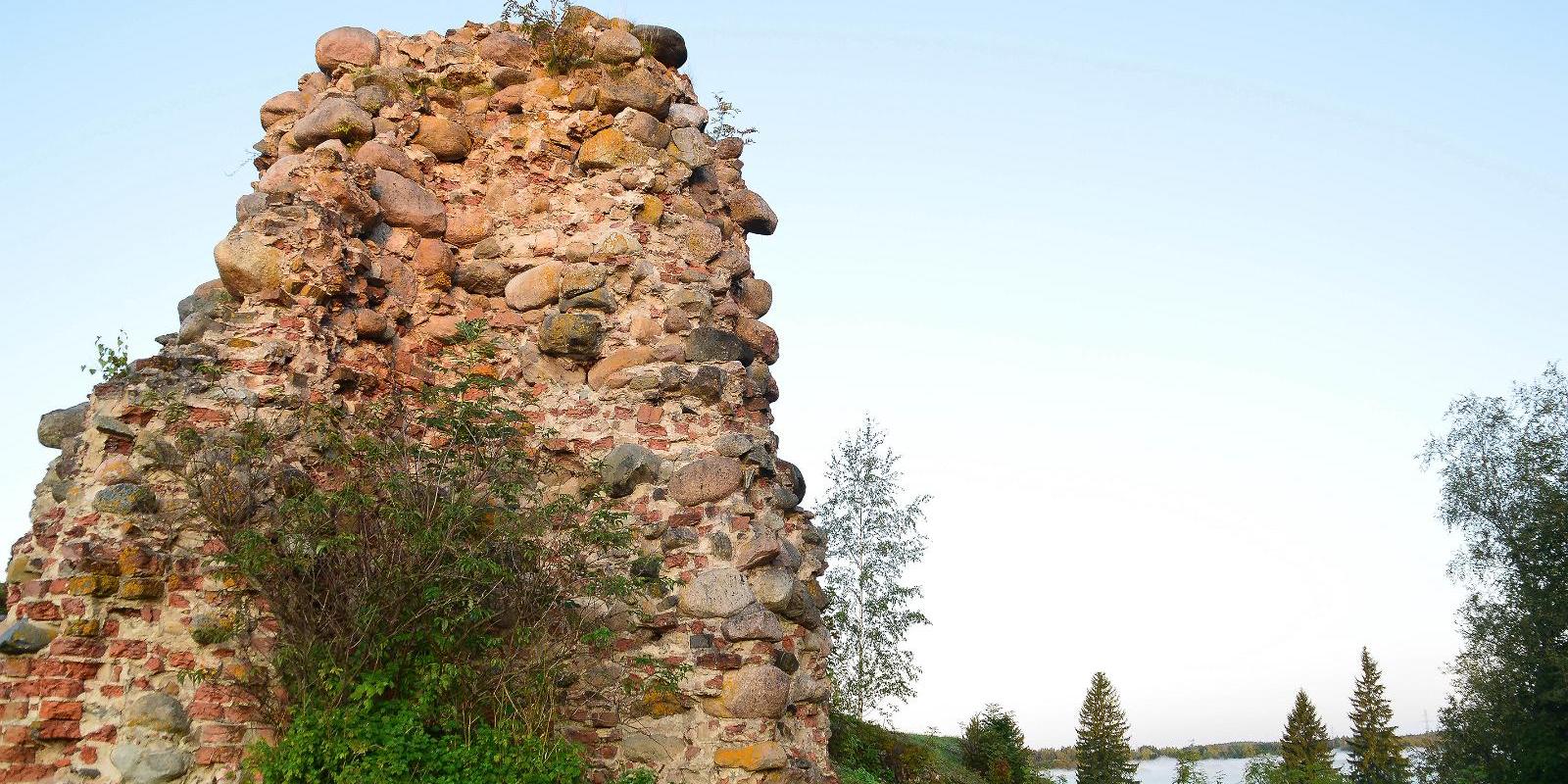
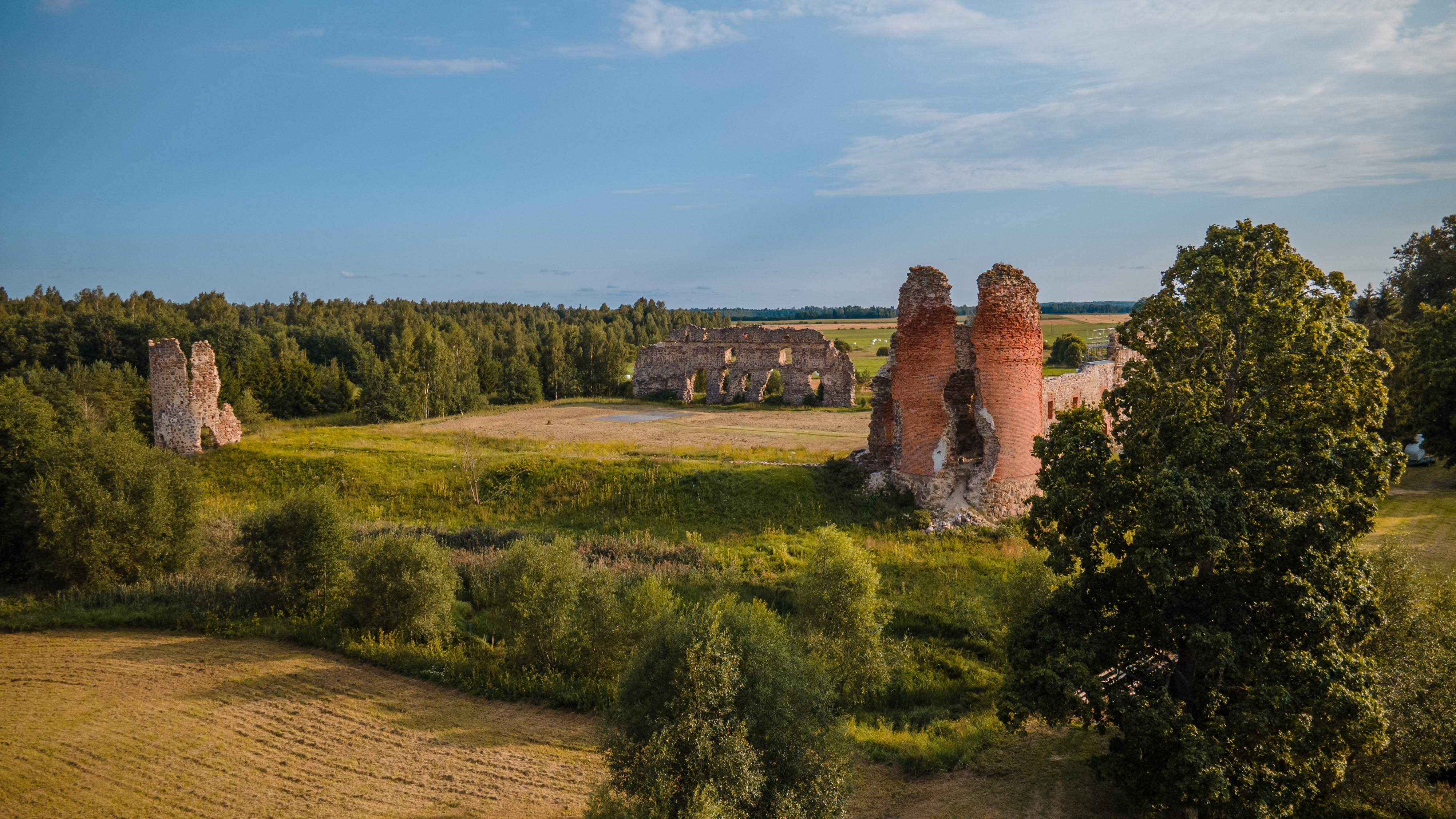
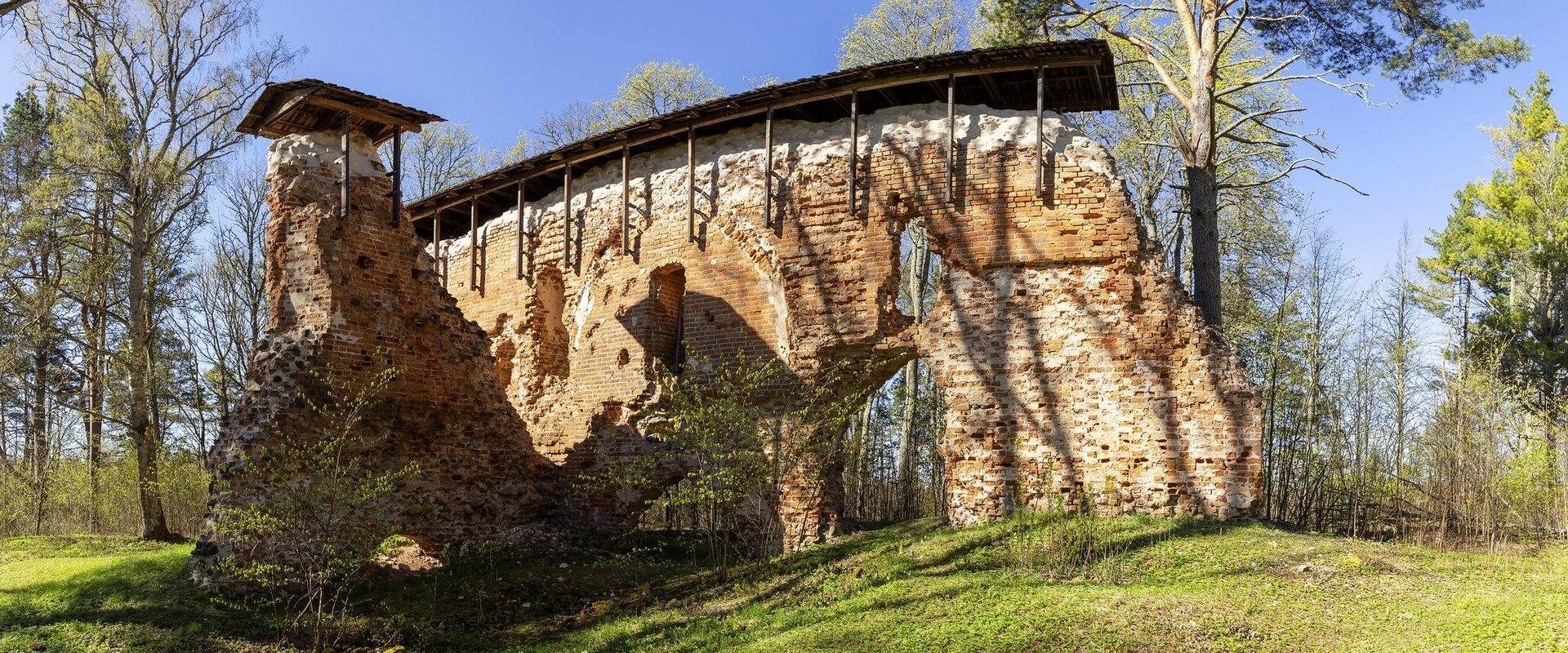
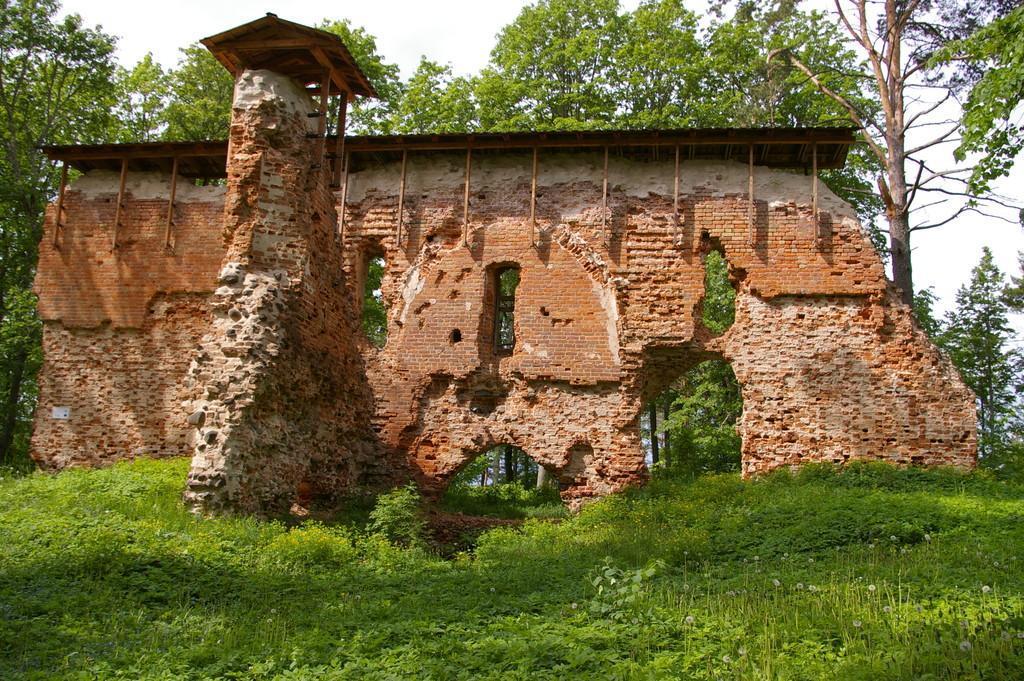
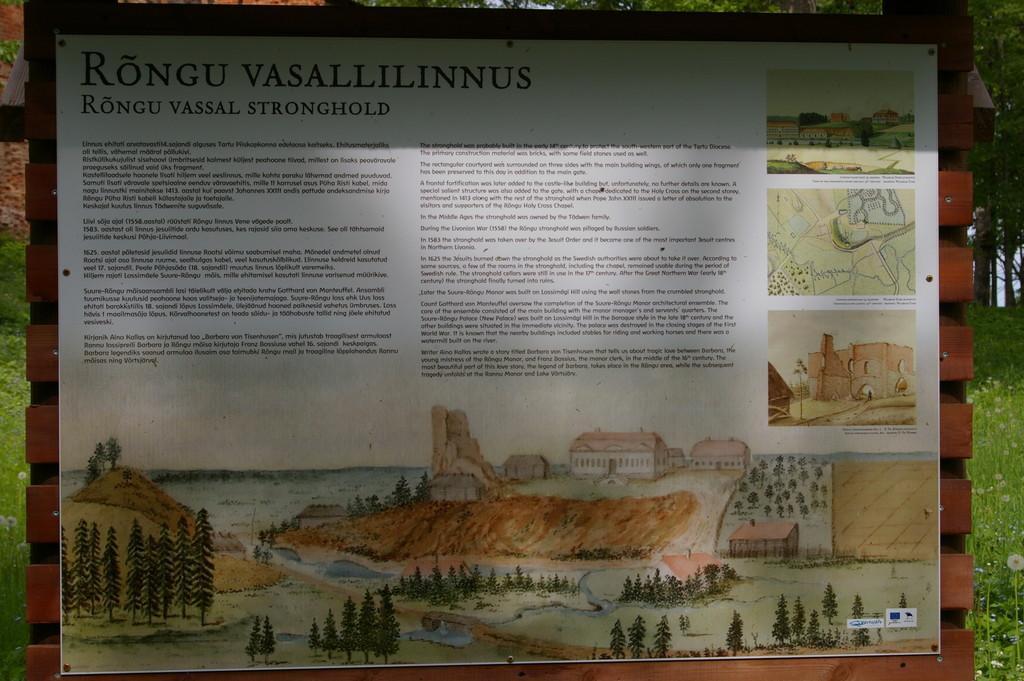
The ruins of Rõngu Vassal Castle are located in Rõngu, Elva Parish, Tartu County, and are among the most fascinating medieval monuments in South Estonia. The castle was likely established in the 14th century as a vassal castle of the Bishop of Tartu and was part of the bishopric’s defense system, guarding important roads and the surrounding area.
During medieval times, it was a complex of fortified buildings with an inner courtyard enclosed by walls. The castle also housed a chapel, which is mentioned in sources from the early 15th century. The castle lost its significance in the 16th century during the Livonian War when it was destroyed and fell into ruins.
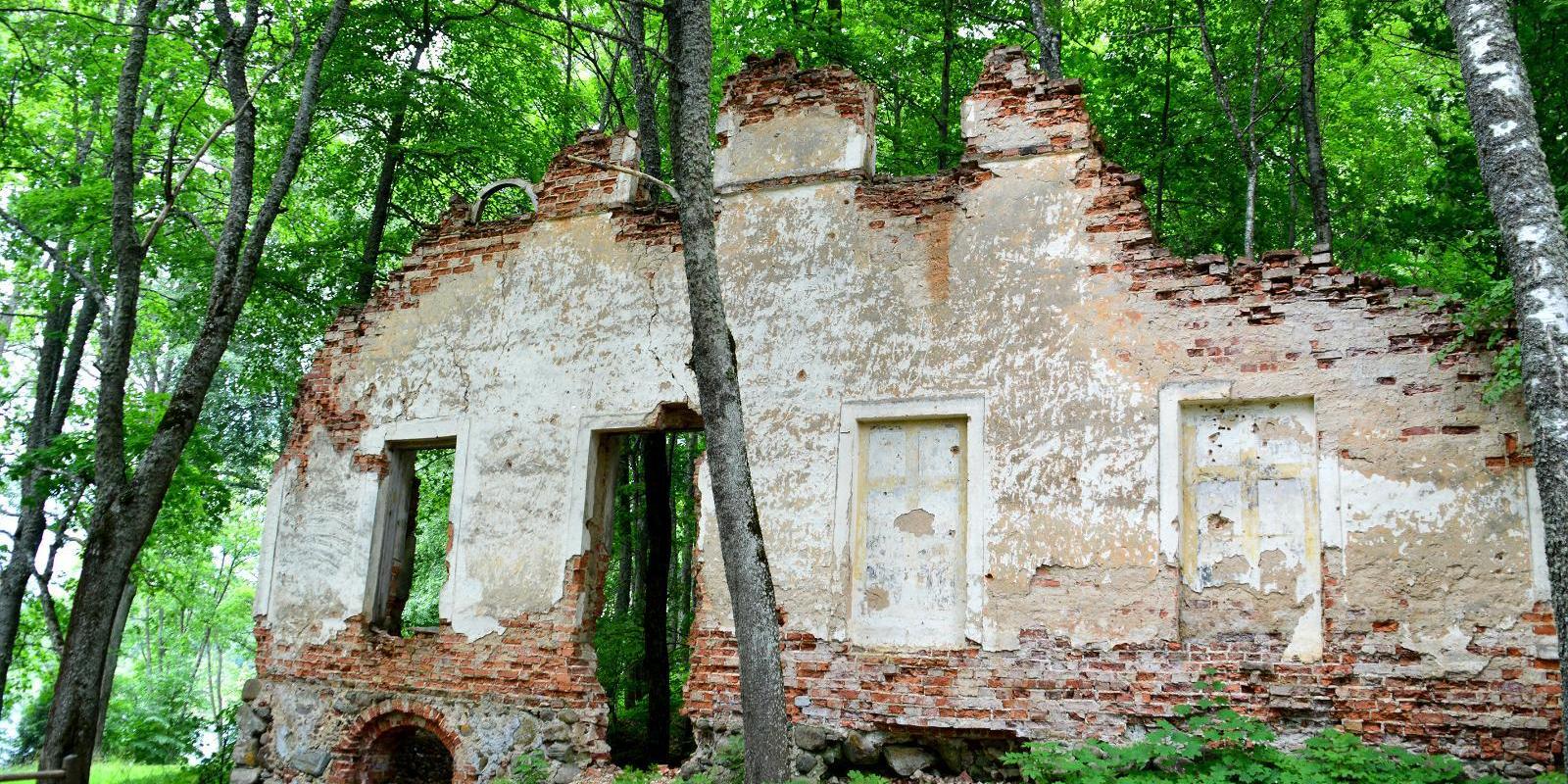
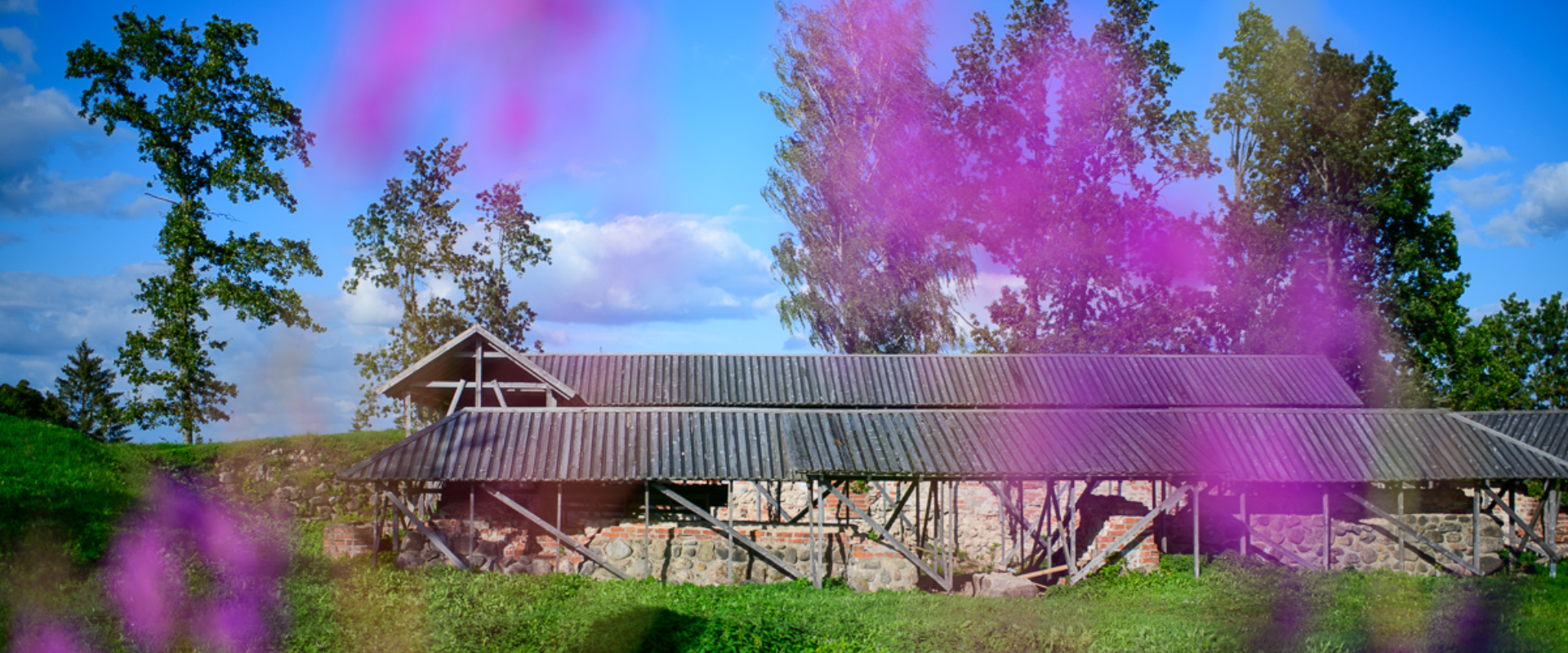
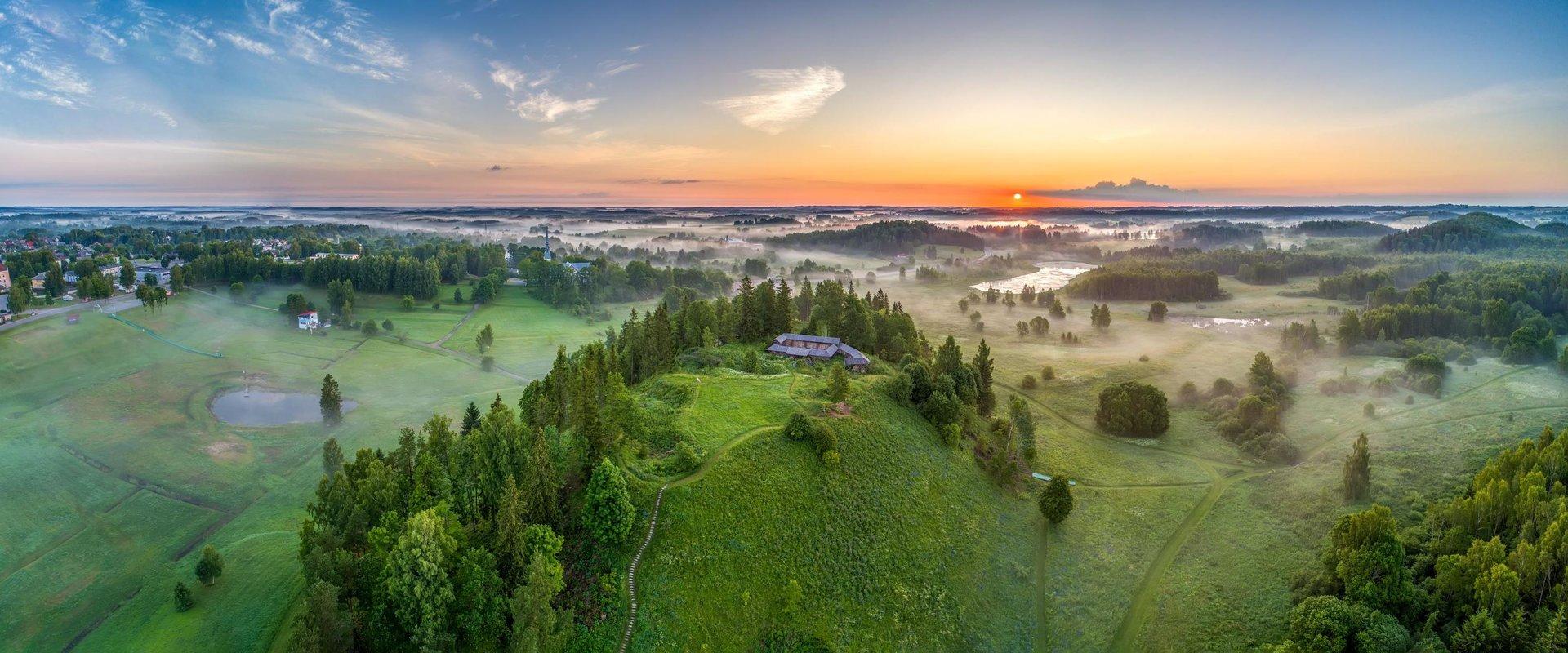
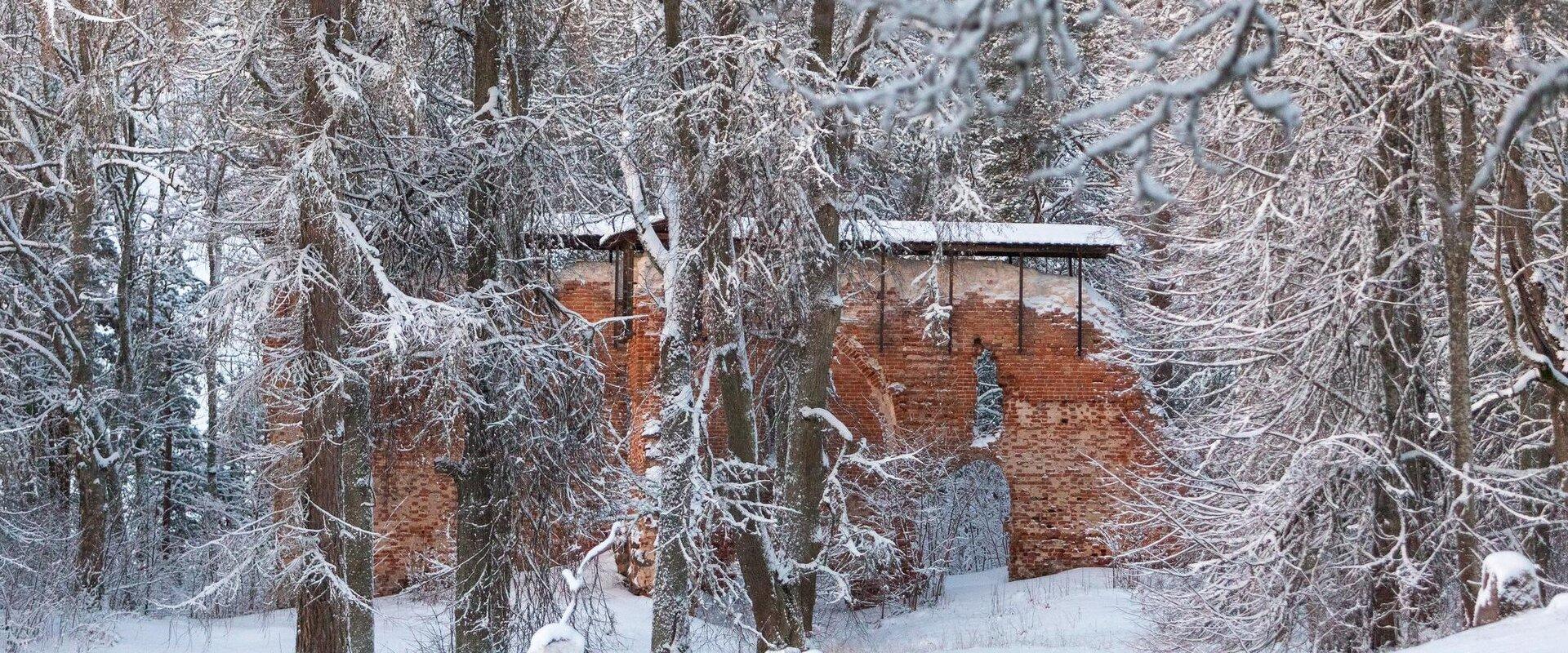
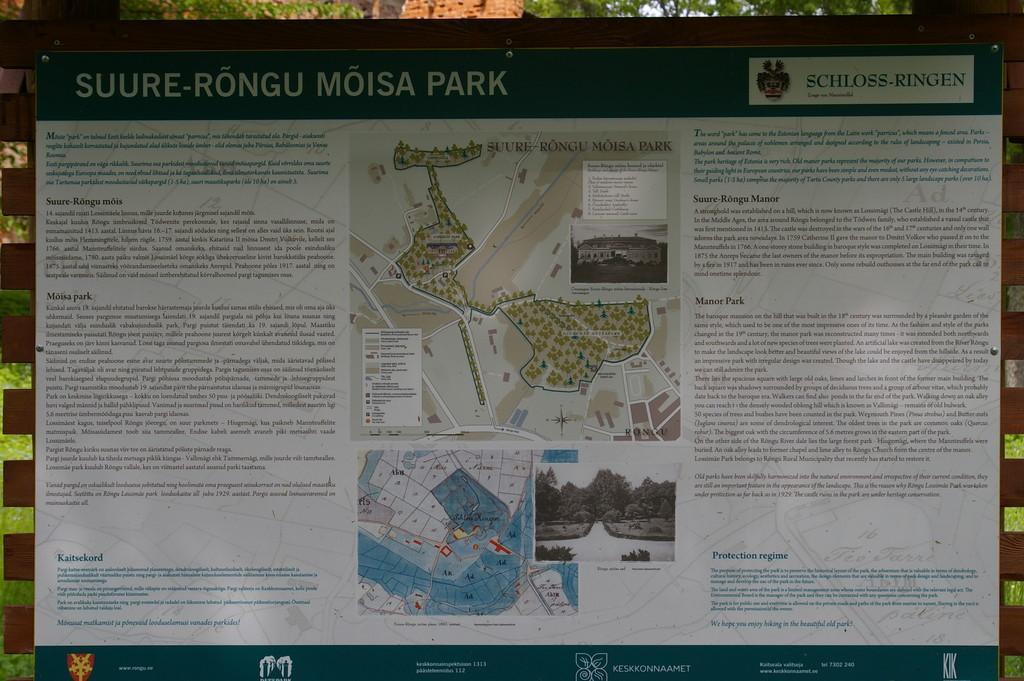
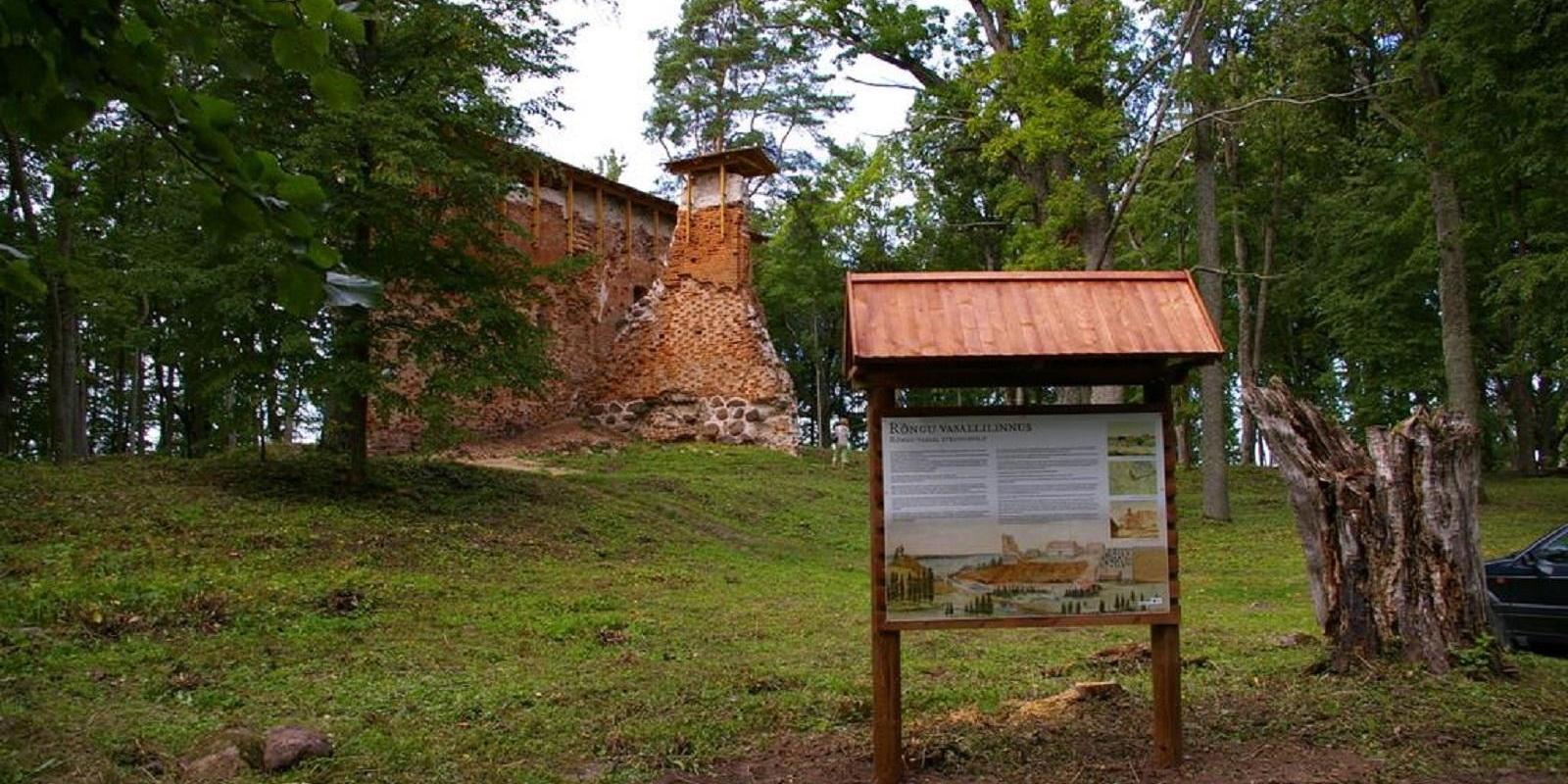
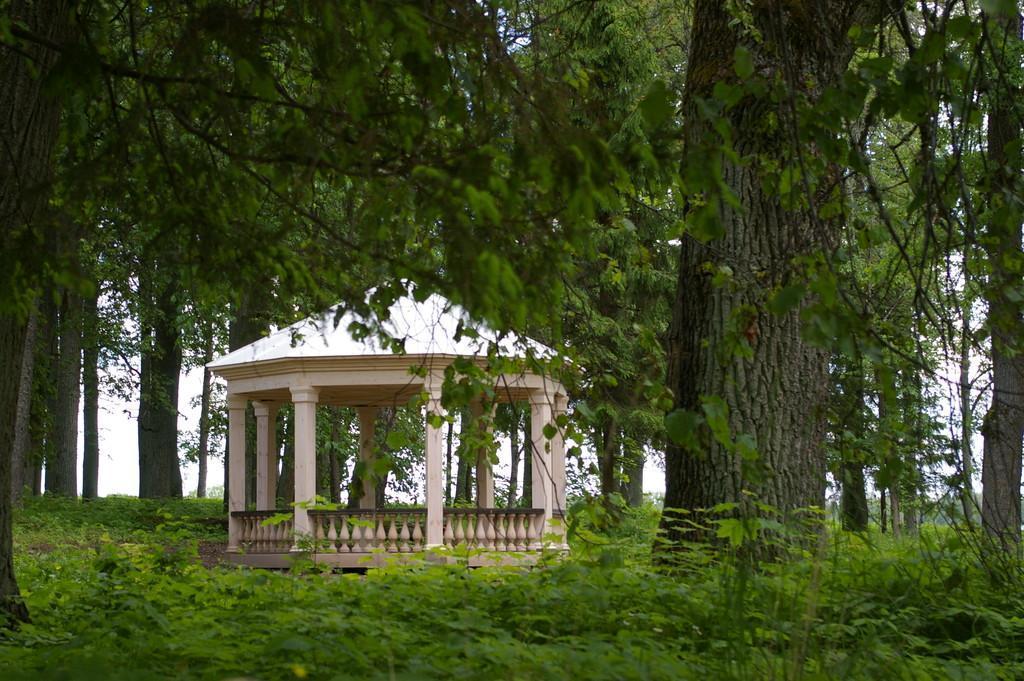
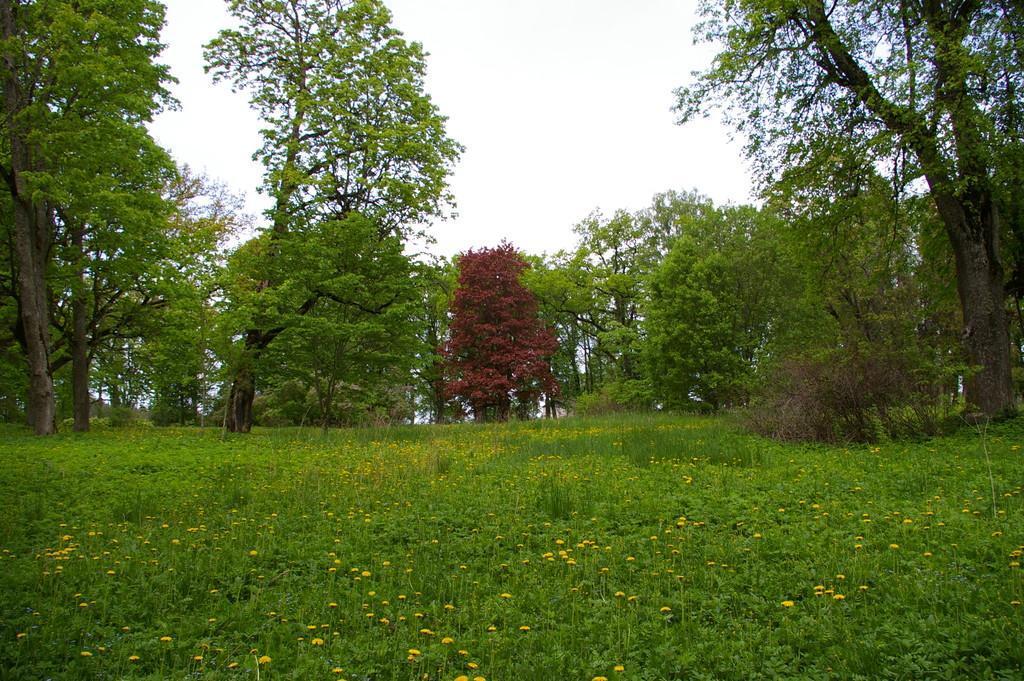
Today, the remnants of Rõngu Vassal Castle consist of wall remains located in the picturesque Lossimäe Park. The area is freely accessible and is suitable for walks, exploring history, and photography. The ruins offer an interesting time-travel experience for history enthusiasts and families looking to combine nature outings with cultural heritage exploration.
Amenities

  • Information boards
  • Free parking

Open times

Throughout the Year

Around the Clock

Contact

  • +372 524 2702
  • turism@elva.ee

Links

visitelva.com

See more

  • Guided tours
  • Workshops
  • Castles
  • Churches
  • Ruins
  • Pet friendly
  • Family friendly
  • Lookout towers

Põltsamaa Castle

Põltsamaa Castle has been an important site throughout the centuries and carries a distinguished history – founded in 1272 on the riverbank, it was the residence of Magnus, the King of Livonia, and later evolved into a magnificent Rococo palace. Wars and fires left the castle in ruins, but now it has come back to life and is waiting for you to visit! Today, the castle offers visitors plenty of excitement. First and foremost, it is worth climbing to the viewing platform of the seven-story castle tower, where a captivating view of the city unfolds in every season. The tower is crowned by a restored historical dome, which is unique in all of Estonia. The church, located within the complex, is built directly into the castle's fortification walls and tower, and is open daily during the summer. The convent and gatehouse feature a modern exhibition that tells the colorful story of the castle and the town of Põltsamaa. In the castle courtyard, craft workshops await, where you can watch the work of masters or purchase something interesting yourself. Culinary experiences are offered by the restaurant Oberpahlen, where history and excellent food come together. Discover Põltsamaa Castle – a place where history comes to life!

  • Lookout towers
  • Churches
  • Ruins

Tartu Cathedral

The cathedral located on Tartu's Toome Hill is one of Estonia's most remarkable and largest medieval structures, and the only church with two towers. The church's construction began as early as the 13th century, when Tartu was an important bishopric. Construction work and additions continued into the early 16th century. During the Reformation, the cathedral was abandoned and, over time, turned into ruins. Nevertheless, these powerful walls and spacious vaults remain one of the most outstanding examples of brick Gothic architecture in Old Livonia, reflecting the scale and craftsmanship of medieval architecture. The University of Tartu Museum operates in the cathedral building, showcasing the history of science, university education, and the development of Tartu's academic spirit. It is possible to visit the cathedral towers, which offer one of the most beautiful views of Tartu and the Emajõgi Valley. Next to the towers is Toompood, where you can find gifts, science-themed souvenirs, and memorabilia with university symbols. In the evenings, a light installation adds a magical atmosphere.

  • Ruins

Raadi Manor

Raadi Manor, which stands on the border of the city of Tartu, had its glory days in the first half of the 19th century with its magnificent art gallery and library and salon evenings. The manor then belonged to the von Liphart family.The main building of the manor was destroyed by the bombing in 1944. The manor park, together with the ruins of the main building and the gate, are included in the list of national cultural monuments.The area forms a distinctive complex: there is the magnificent manor complex, as well as a woodshed, a water tower, an ice cellar, and a restored wall. In the centre of the complex, there is the natural Raadi lake and the restored manor park.

  • Ruins

Ruins of the Uue-Saaluse manor

The Uue-Saaluse manor, that was built in 1540, has had many owners, the first one being Reinhold Salis, after whom the manor is also named.The heart of the manor is in a beautiful place on a hill on the eastern shore of Lake Kavadi. The manor belonged to the von Maydell family from 1843 to 1919, when it was dispossessed.The Saaluse manor was nationalised after that, land was divided among those, who participated in the War of Independence, and the manor staff, until their own houses were built. Later the building was used for public festivals, as a school for two years and then as a community centre, which also housed a shop.Only ruins remain of the manor.

  • Ruins

Ruins of Kirumpää Castle

The first written record about Kirumpää Castle is from 1322, when Gediminas, Grand Duke of Lithuania, destroyed it. The castle was built by the once important Tartu-Pihkva trade and war route, to protect the eastern border of the Tartu Bishopric. The castle has been attacked, destroyed and rebuilt many times and it was finally destroyed in the Russo-Swedish war in 1656.Useful information: Kirumpää Castle was surrounded by a large settlement of merchants and craftsmen. The layouts of the castle and the surrounding area are preserved in the Swedish National Archives. Stones from the castle's ruins were used to build Võru, which was established in 1784. Small-leaved lindens that grow around the ruins are from 1940.

  • Ruins

12th Century Ruins of the Otepää Bishop’s Castle

Here You can see the ruins of the first known brick building in Estonia on top of the Otepää Hill Fort. Herman I, who became the Bishop of Tartu in autumn 1224, established the first stronghold of its diocese here. A settlement, which was mainly populated by craftsmen and merchants, appeared around the bishop’s castle in the 13th century.Interesting facts: * the oldest traces of a settlement on the Fort date back to approximately the change of the system of chronology; in the 11th century, Otepää was the most important stronghold of the ancient Ugandi County; * a metal map of the Estonian strongholds was installed on the Fort Hill in 1937.

  • Ruins

Otepää Hill Fort

Otepää Hill Fort represents one of the places worth discovering in South Estonia and is recommended for those interested in nature holidays. Come and conquer the peak of the approximately 13,000-year-old Otepää Hill Fort and take a look at the city of Otepää and its surroundings. Have a picnic, see the ruins of the stone fort founded by Bishop Herman in 1224, and explore the map of ancient Estonian forts. In the 11th century, Otepää was the most important stronghold of the ancient Ugandi County. One of the strongest fortresses in Ancient Estonia was located on this hill. The oldest known firearm in Europe and an ancient war trumpet have also been found here. Come and discover the history of this ancient fortress!

  • Ruins

Laiuse fortress ruins

Construction of the Laiuse fortress was launched by the Livonian Order in the late 14th century to defend its eastern borders. The first defensive structure in Estonia to be fitted with firearms, it gained its definitive appearance in the late Middle Ages. Cannon towers were added to the fortress in the mid-15th century. The fortress crumbled in 1559 but was restored, with wooden barracks built at the end of the Swedish era, which accommodated Karl XII and his entourage from 1700–1701. After the Great Northern War the fortress lay in ruins.

  • Collaboration
  • News
  • Contacts
  • Privacy Policy
Join our mailing list!

"*" indicates required fields

This field is for validation purposes and should be left unchanged.
I authorise marketing

Southern Estonian Tourism Cluster

info@visitsouthestonia.com