• Avasta
    • Еда
    • Природа
    • Культура
    • Семья
    • Спорт
    • Сообщество
    • Блог
  • Planeeri
    • Размещение
    • Информация
    • Varamu
RUS
  • РусскийRUS
  • EestiEST
  • EnglishENG
  • LatviešuLAT
  • SuomiFIN
RUS
  • РусскийRUS
  • EestiEST
  • EnglishENG
  • LatviešuLAT
  • SuomiFIN
Populaarsed otsingud:
Näita kõiki tulemusi
  • History & Culture
  • Art & design
  • Monuments

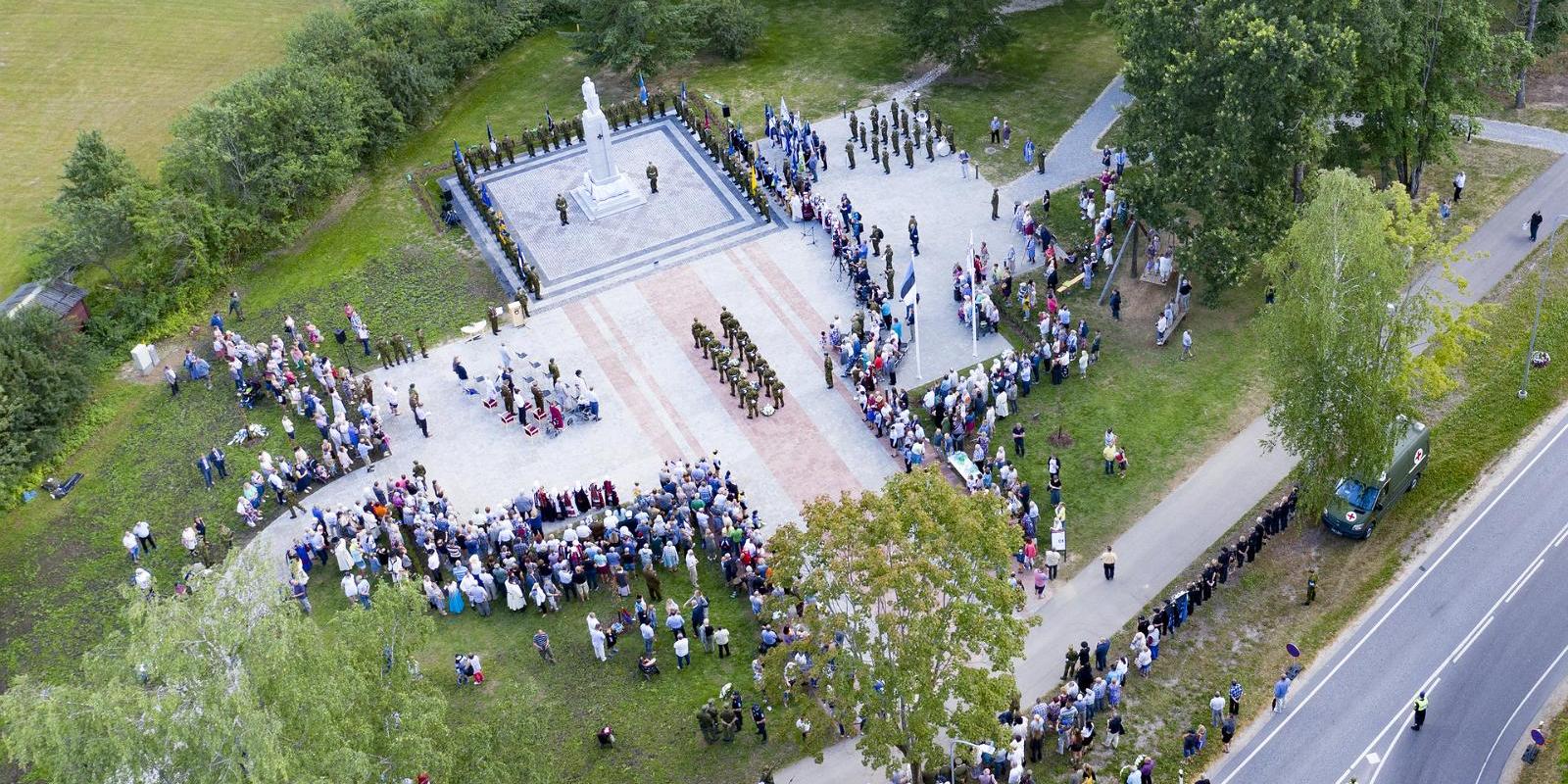
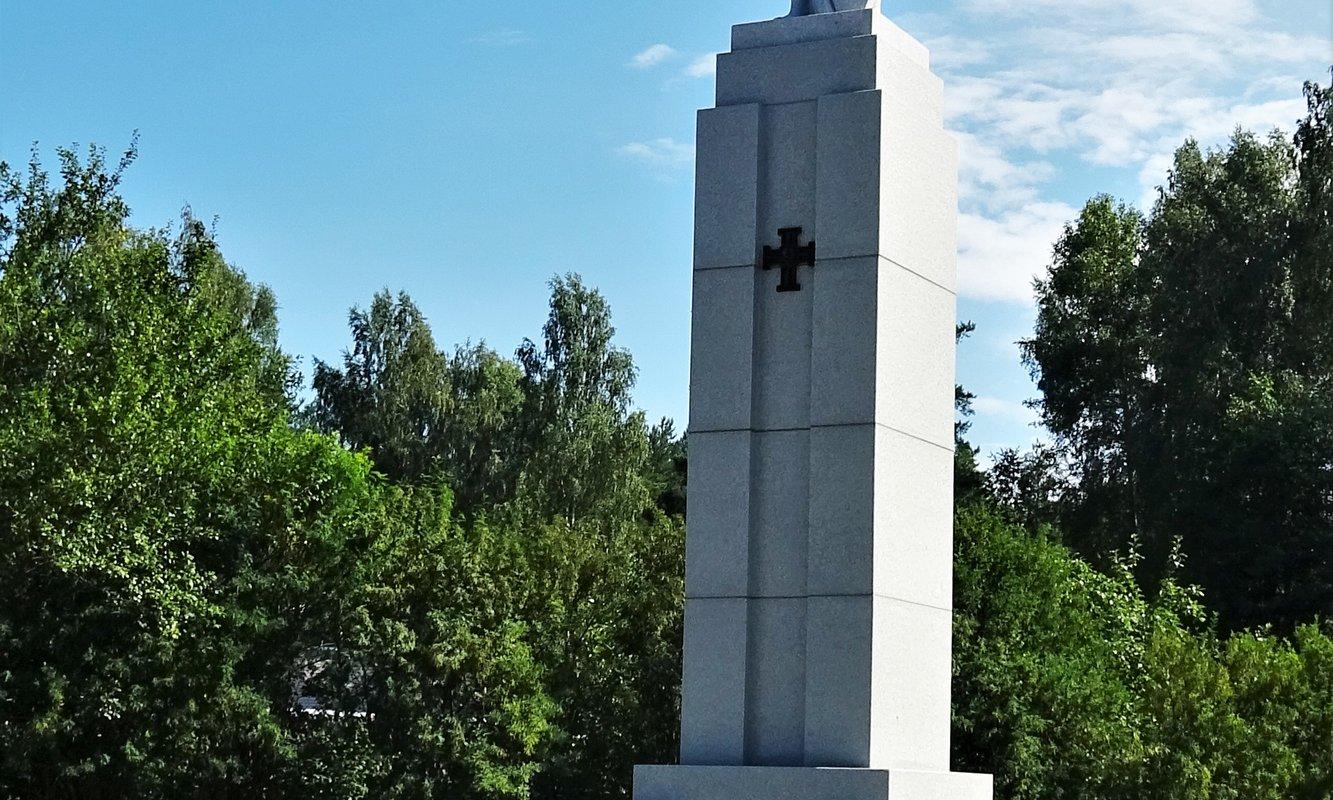
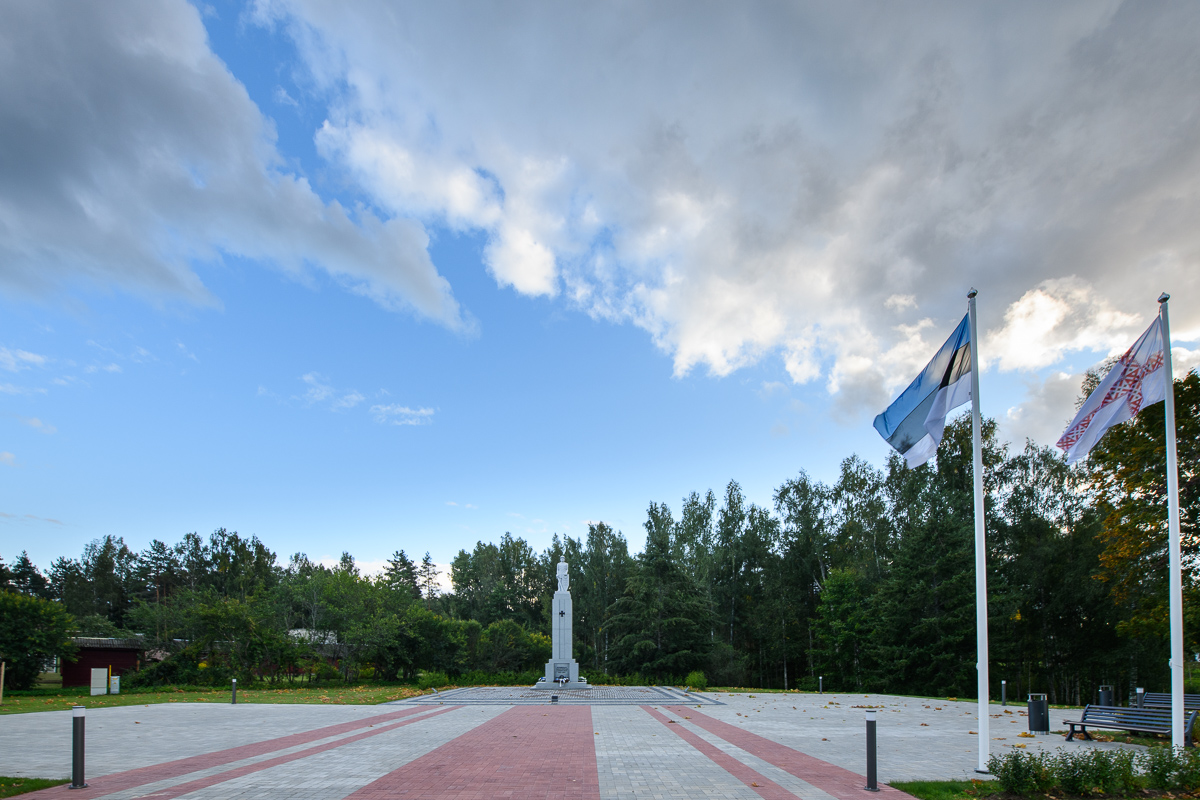
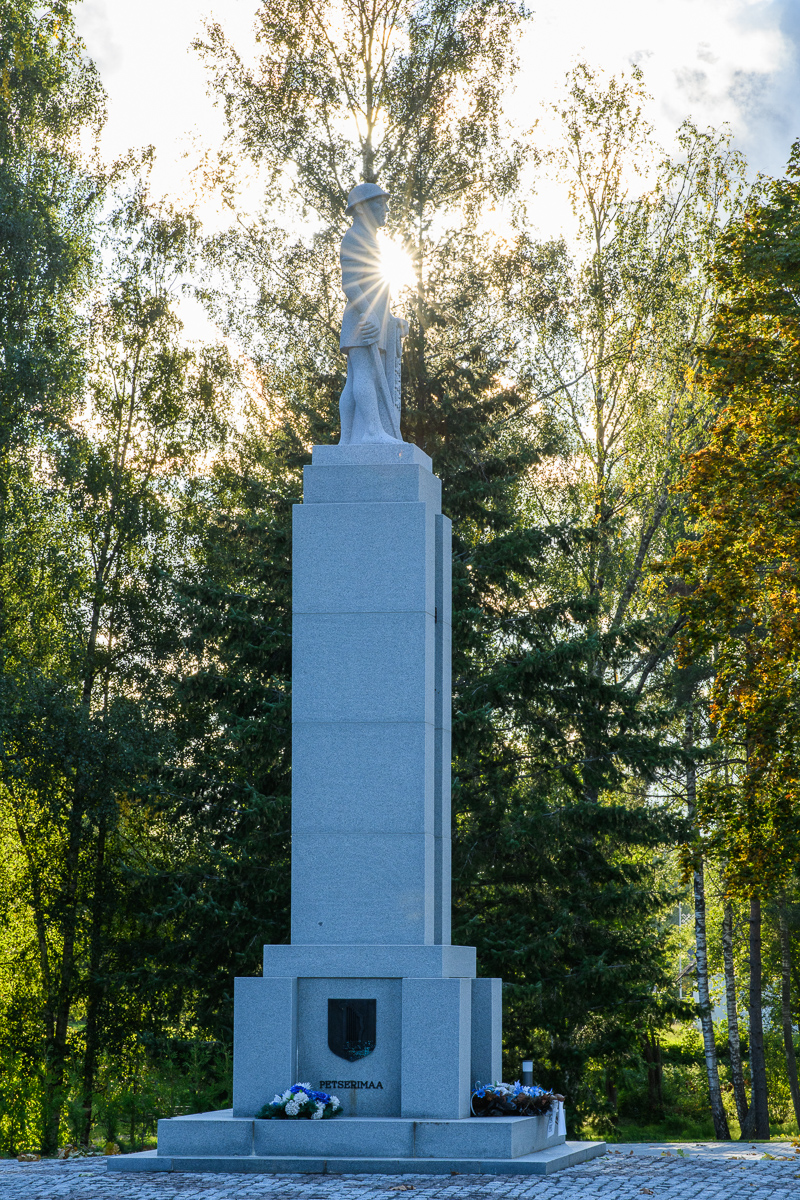
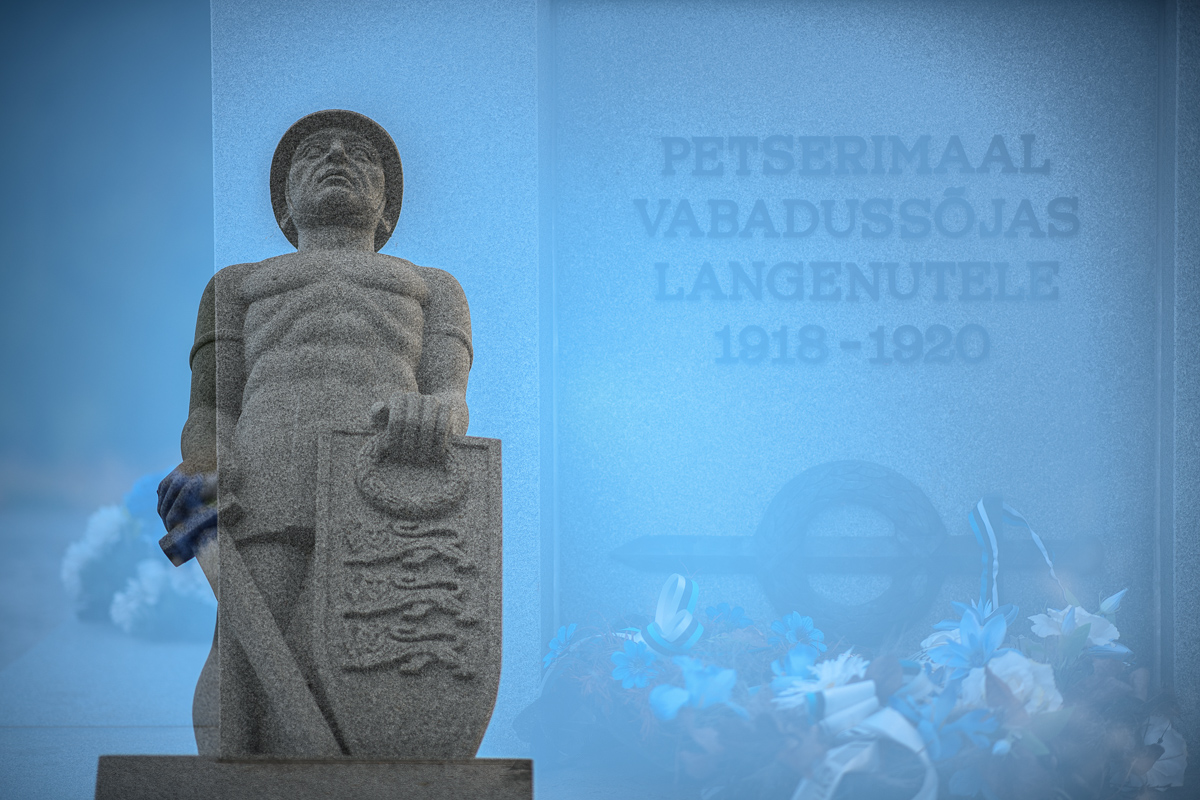
Petseri Statue of Liberty

Tartu mnt 2, Setomaa vald, Võru maakond, 64001

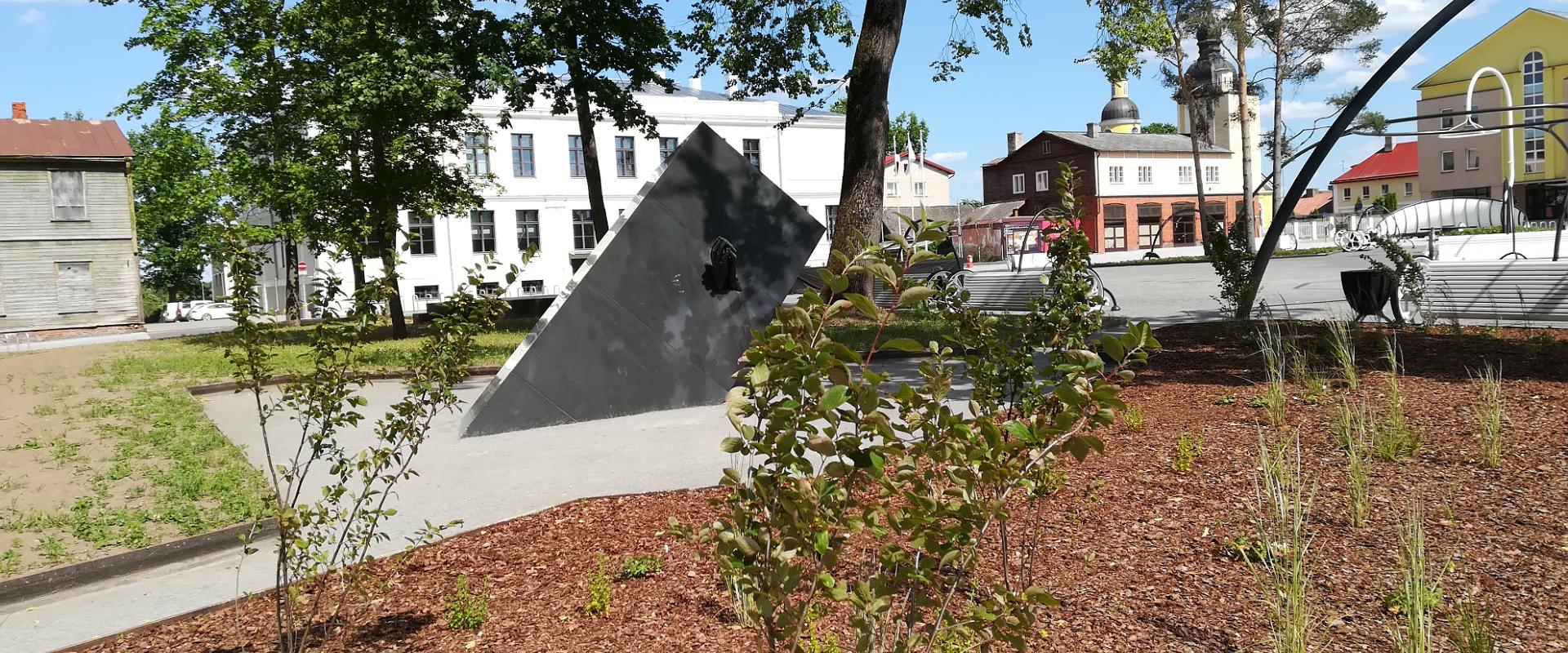
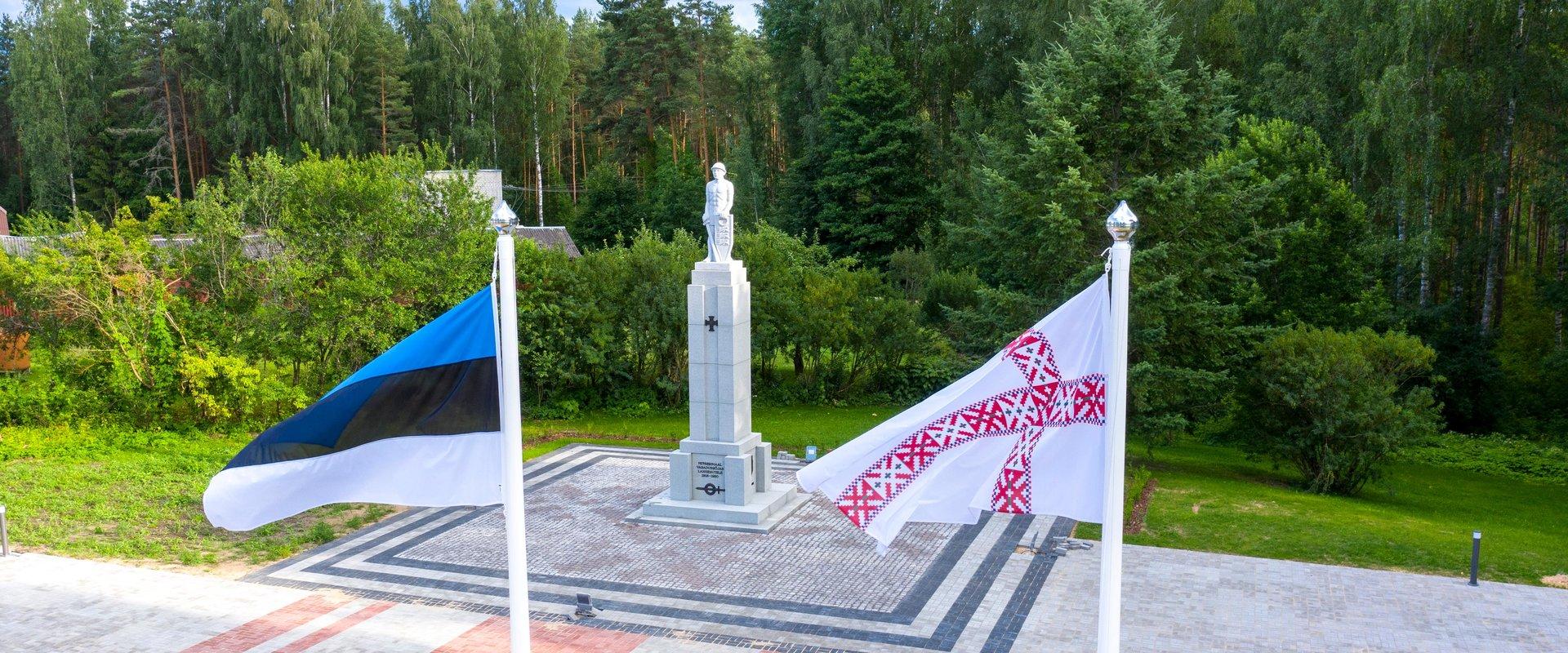
The statue for those who perished in the War of Independence in Petseri county stands on the Statue of Liberty Square in Värska. The monument designed by sculptor Roman Haavamägi was supposed to be erected in the heart of the town of Petseri in the summer of 1940, but due to the Soviet occupation that started, the plan was abandoned. Only 80 years later, in 20 July 2020, the restored statue was opened here in Setomaa. The soldier figure was modelled and shaped in granite on the basis of photos by sculptor Tiiu Kirsipuu.The Statue of Liberty of Petseri was erected in remembrance of those nearly 350 Estonian soldiers who fell in the War of Independence in Petseri County, as well as the importance of the Tartu Peace Agreement for the Setos. 
Mugavused

  • Free parking
  • Recreation area/picnic ground

Lahtiolekuajad

Aastaringselt

Ööpäevaringselt

Kontakt

  • +372 56821268
  • turism@setomaa.ee

Lingid

maps.visitsetomaa.ee

Vaata lisaks

  • Monuments

Monument to Soldiers Killed in the War of Independence

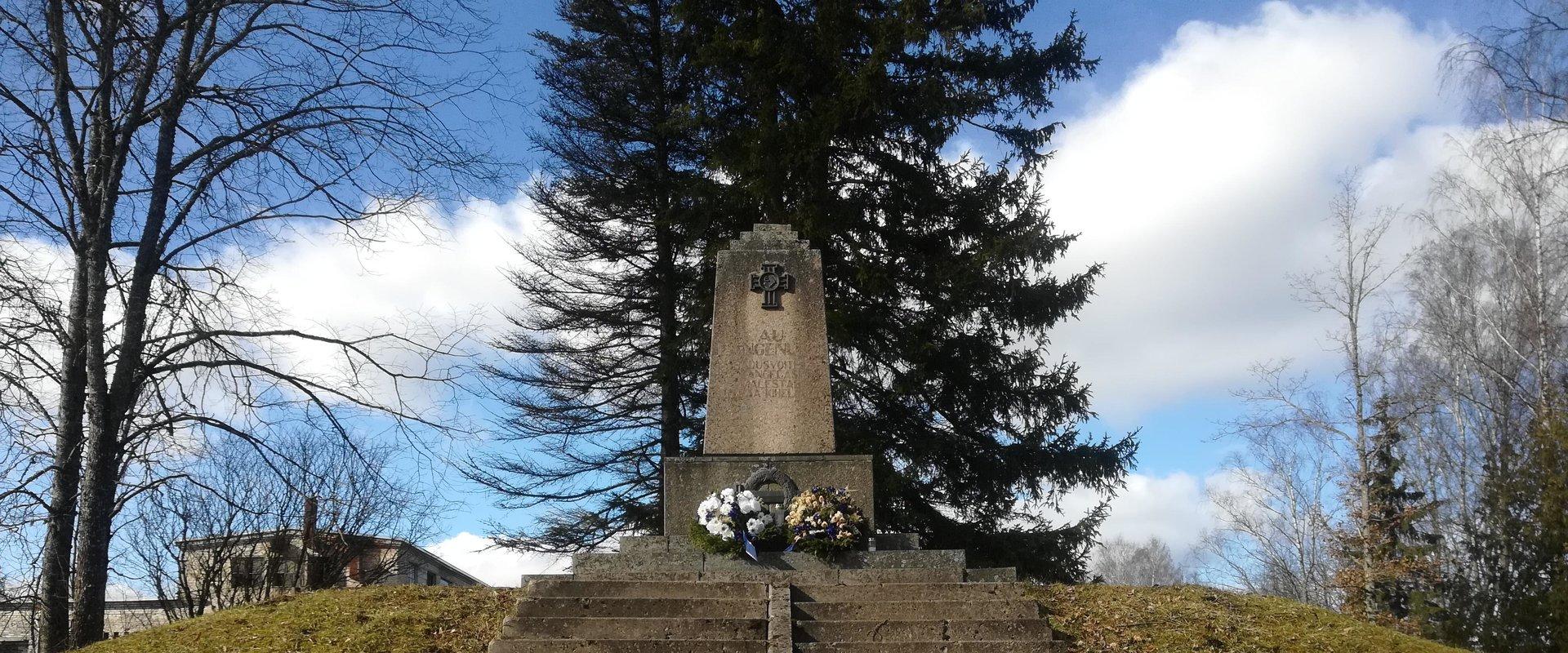
The monument to soldiers who fell in the War of Independence stands on a hill in front of Otepää Maarja Church and it is remarkable because it was hidden underground for 30 years. The monument was reopened in 1989 after renovation. The top part of the monument bears the words HONOUR THE FALLEN and a list of 22 names. The granite piece with the full list has been lost. The metal decorations were created at the initiative of sculptor Jüri Ojaver.Interesting facts: The initial monument was designed by Voldemar Melnik and made by stonemason Peeter Veeber. The monument was opened for the first time on 10 June 1928.

  • Monuments

Cornflower – Monument to the Victims of Stalinism

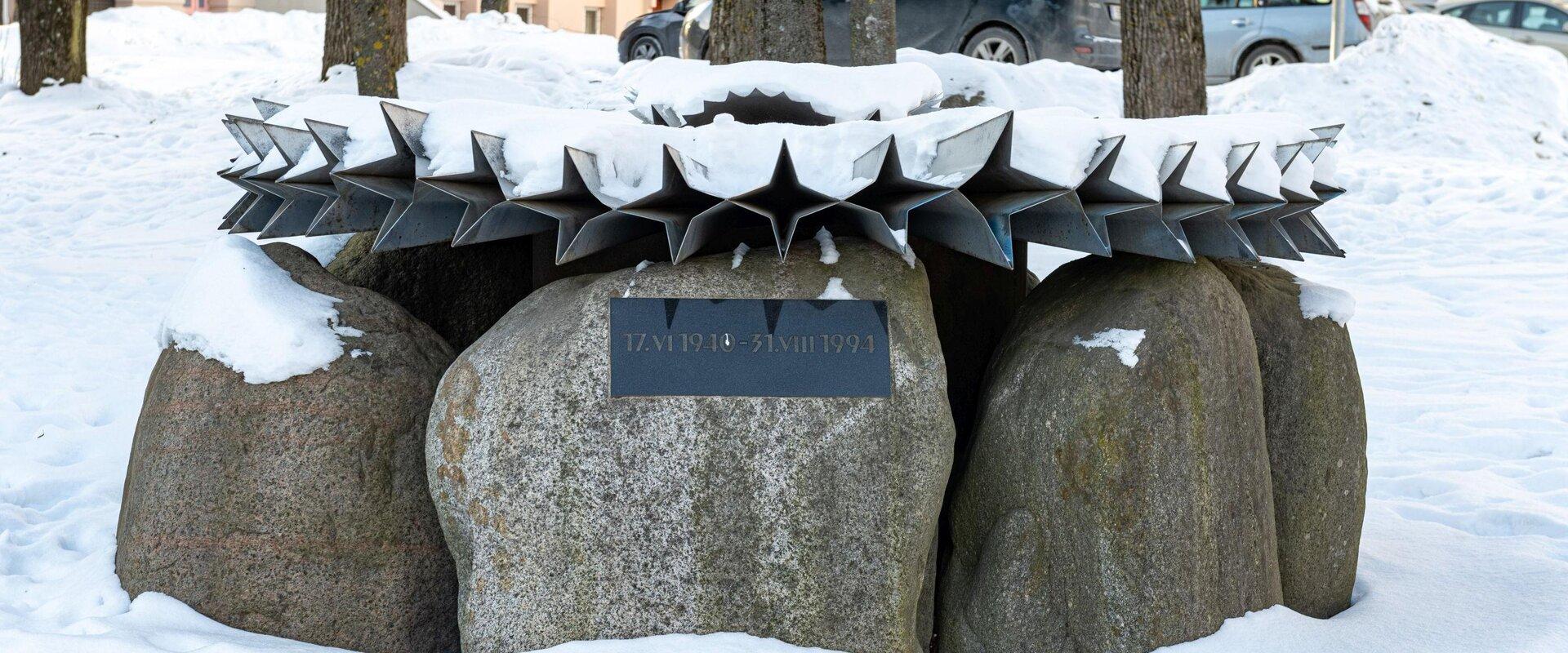
The Cornflower (or Broken Cornflower) memorial to the victims of Stalinism was established in 1990 and its author is P. Saar.On top of the granite boulders is a broken cornflower (Estonian national flower). Black stripes run through the grey stone parquet of the square. They depict the railway tracks that symbolise deportation to Siberia. The waterworks of the monument make it possible for water to drip off the petals of the cornflower, like tears.The monument, which was initially erected on the corner of Riia and Pepleri streets in Tartu by the association of freedom fighters Memento, was reopened in its new spot at Pepleri 27. The monument is located next to the grey building. During the Soviet era, a KGB remand prison was located there, where the deportation of many Estonians to Siberia began.

  • Monuments

Monument to Juri Lotman

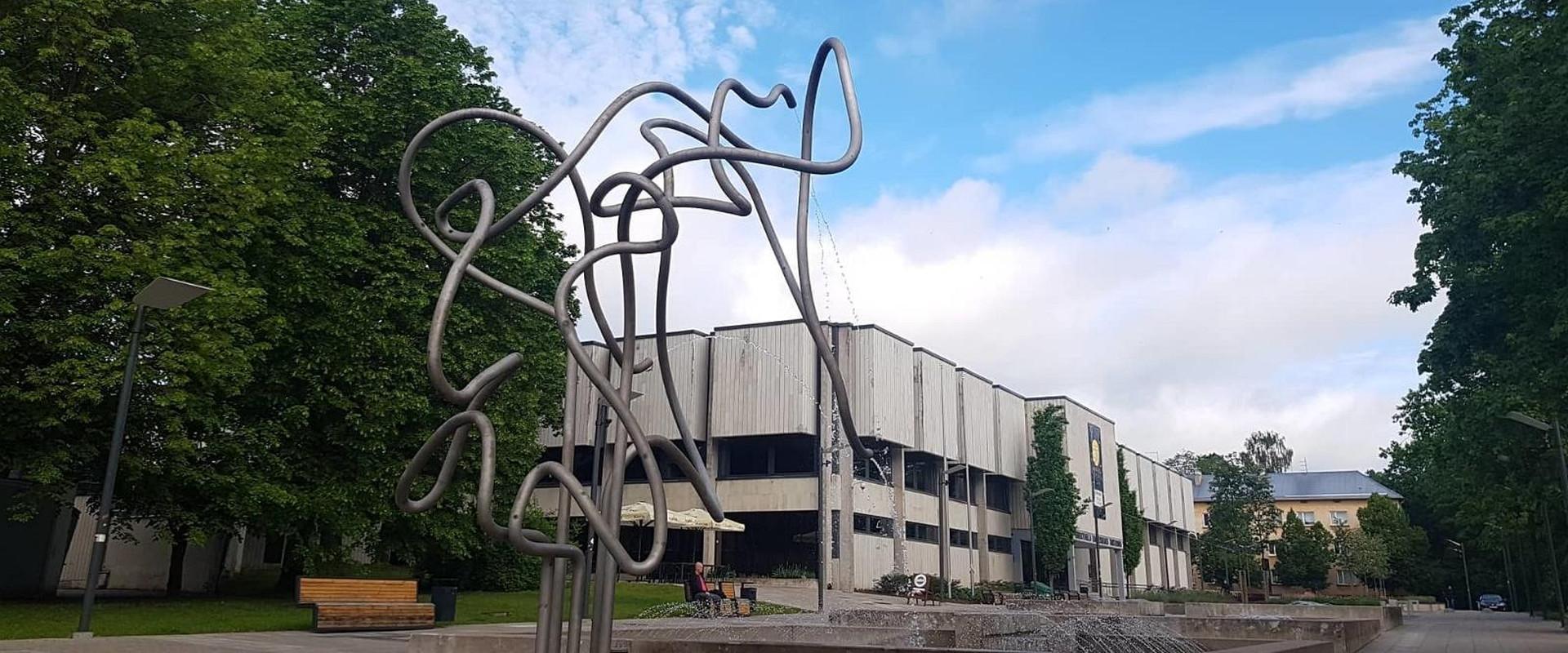
The long-serving professor of the University of Tartu was one of the brightest scientists in 20th century Tartu. Lotman studied the history of Russian literature and culture and general regularities of culture. He laid the foundation of cultural semiotics and was the founder of the Tartu-Moscow school of semiotics. The monument to the world-famous culturologist and semiotician, which consists of pipes, water and light, was opened on 6 October 2007. The idea for the sculpture made of 15 m of steel pipe is based on the self-portrait of Juri Lotman. Authors of the monument: Mati Karmin, architect Andres Lunge.

  • Monuments

Estonian War of Independence cemetery and monument at Võru cemetery

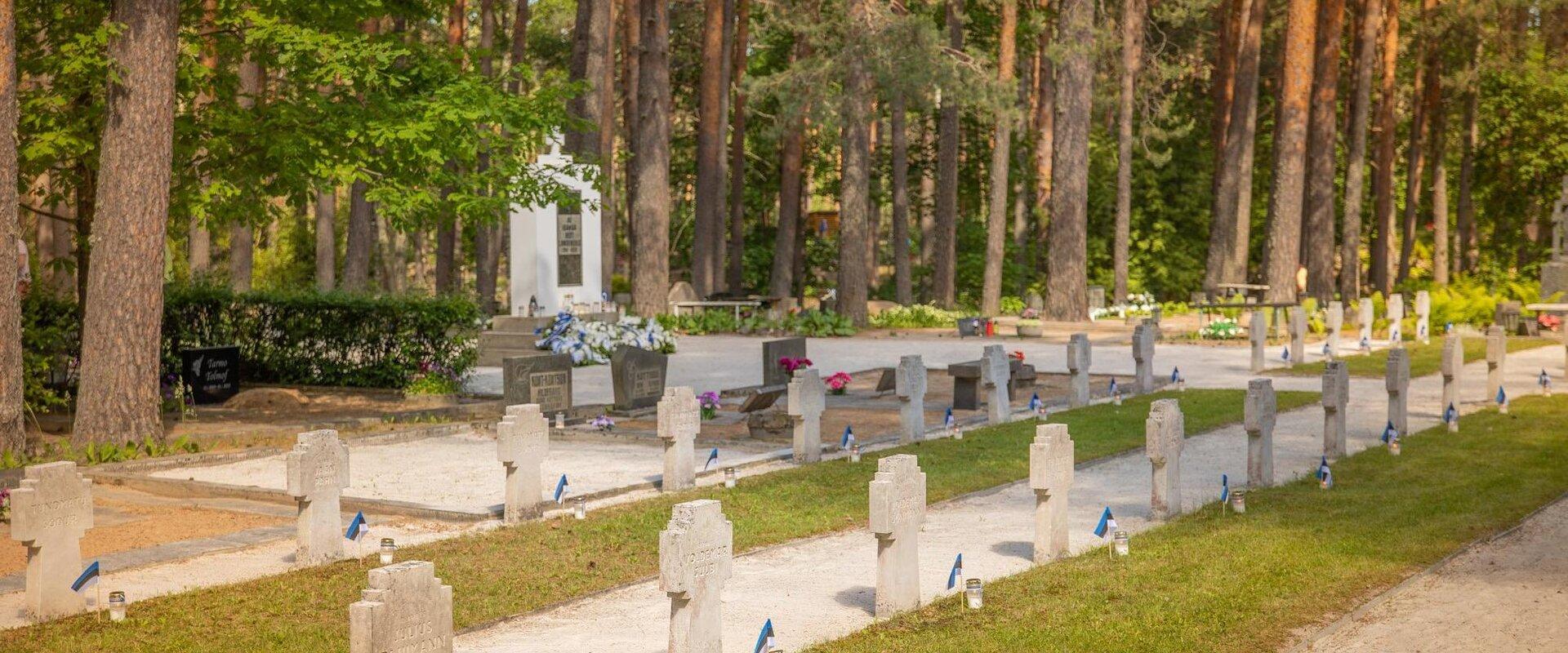
Those who fought and were killed in the Estonian War of Independence are buried here. The War of Independence started in November 1918 when Soviet Russia invaded the Republic of Estonia and ended on 2 February 1920 with the signing of the Tartu Peace Treaty. The monument was destroyed during the Soviet occupation. In 1987 the society Vaba Sõltumatu Noorte Kolonn Nr 1 (Free Independent Youth Fleet No. 1) started to clean up the graves of those who were killed in the War of Independence and the monument was reopened on 23 June 1988. In 2002 the city government of Võru started to renovate the burial ground. The monument erected by the Youth Fleet was torn down, but the slab and cross made by the fleet were used on the new monument.

  • Monuments

Memorial to the Victims of the Estonia Ferry Disaster

The memorial is located in Võru central square and is dedicated to the residents of Võru who died in the Estonia ferry disaster during the stormy night of September 28, 1994. The memorial was built in 1996 (sculptor M. Karmin).

  • Monuments

Monument to Eduard Tubin

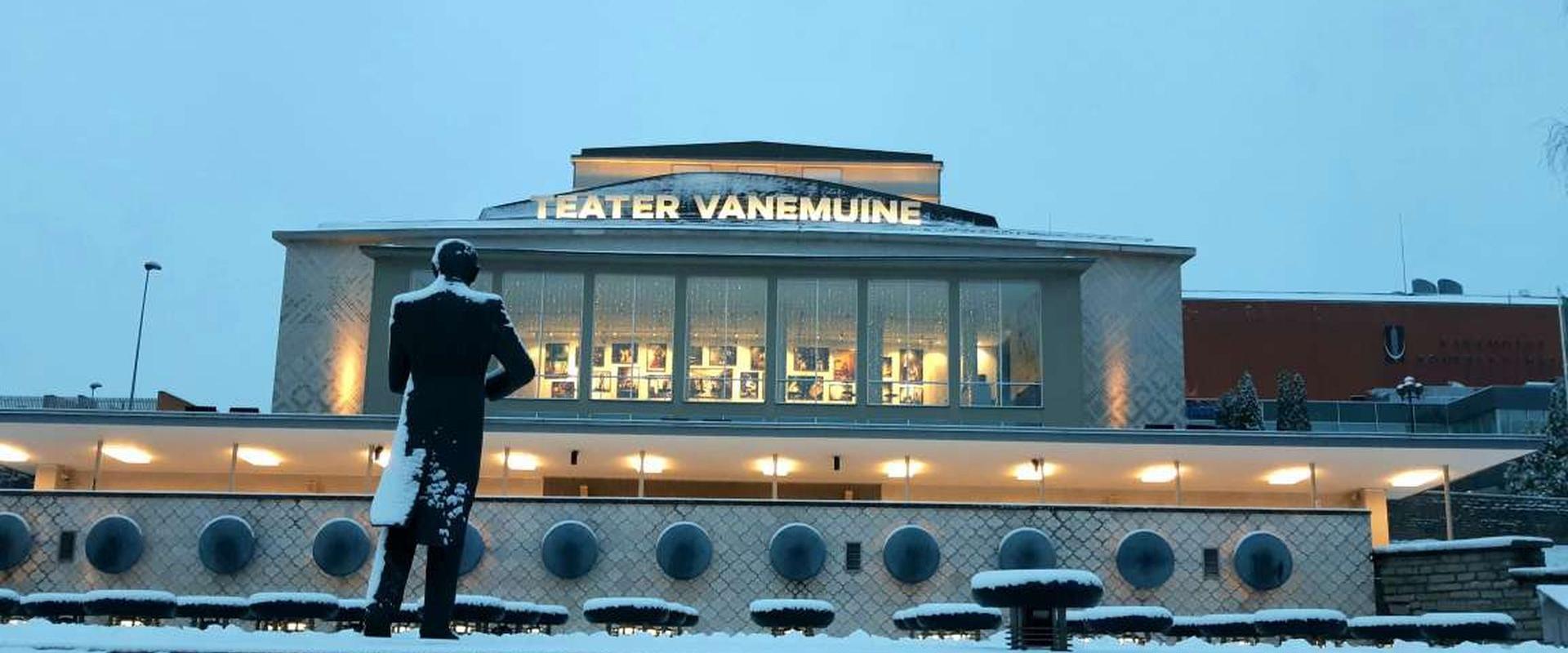
The monument to the most renowned Estonian symphonist of all times Eduard Tubin stands on the slope by the Vanemuine Theatre (authors A Vahtrapuu, V Valk, sound installations created by Louis Dandrel). Come and see how the well-known Estonian conductor and composer conducts an imaginary orchestra and listen to sound installations of the works of Eduard Tubin.

  • Monuments

Monument to Johann Karl Simon Morgenstern

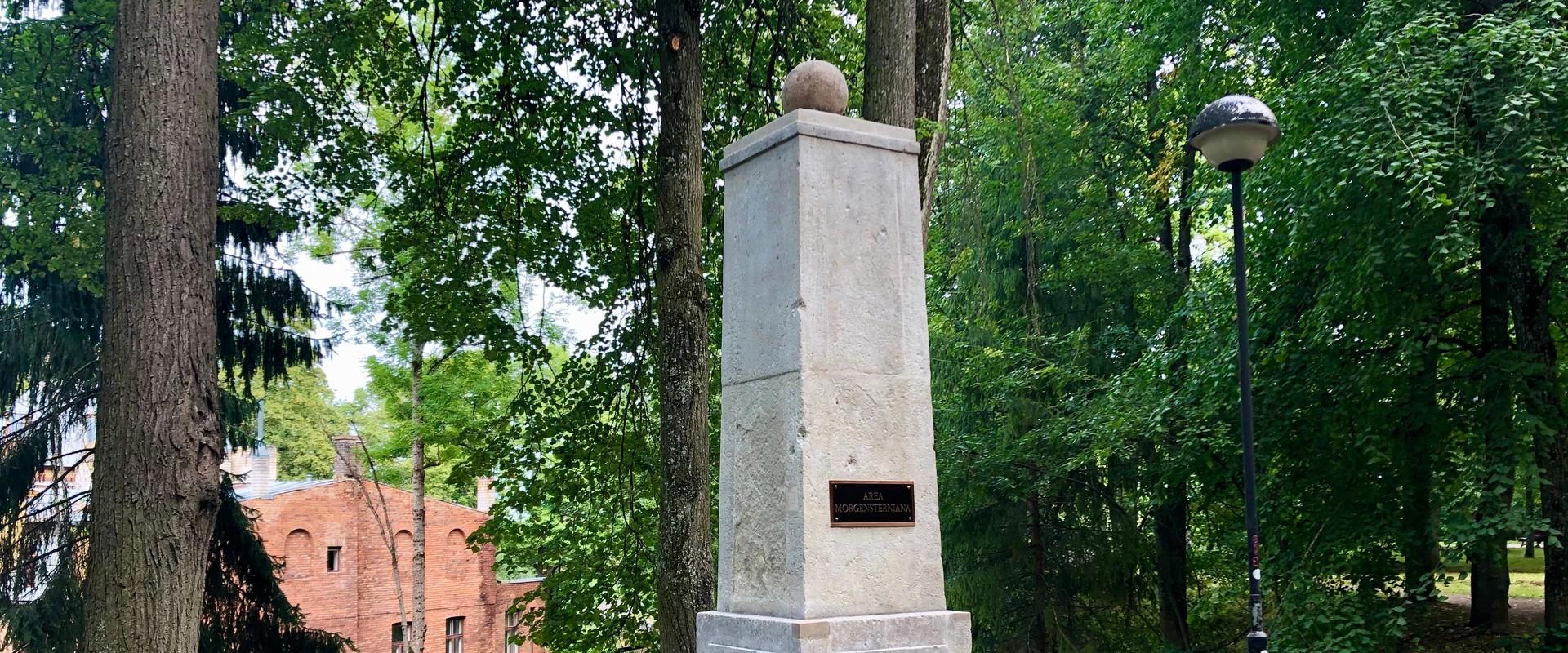
The university erected this monument to its long-serving professor K Morgernstern.Johann Karl Simon Morgenstern (1770-1852) was a German scholar who was a professor of eloquence and classic philology, aesthetics, literary and art history in the University of Tartu from 1802 to 1836. He was one of the founders and the first director of the University of Tartu Library (1802-1839). He founded the Museum of Art of the University of Tartu in 1803.

  • Monuments

Monument to Barclay de Tolly

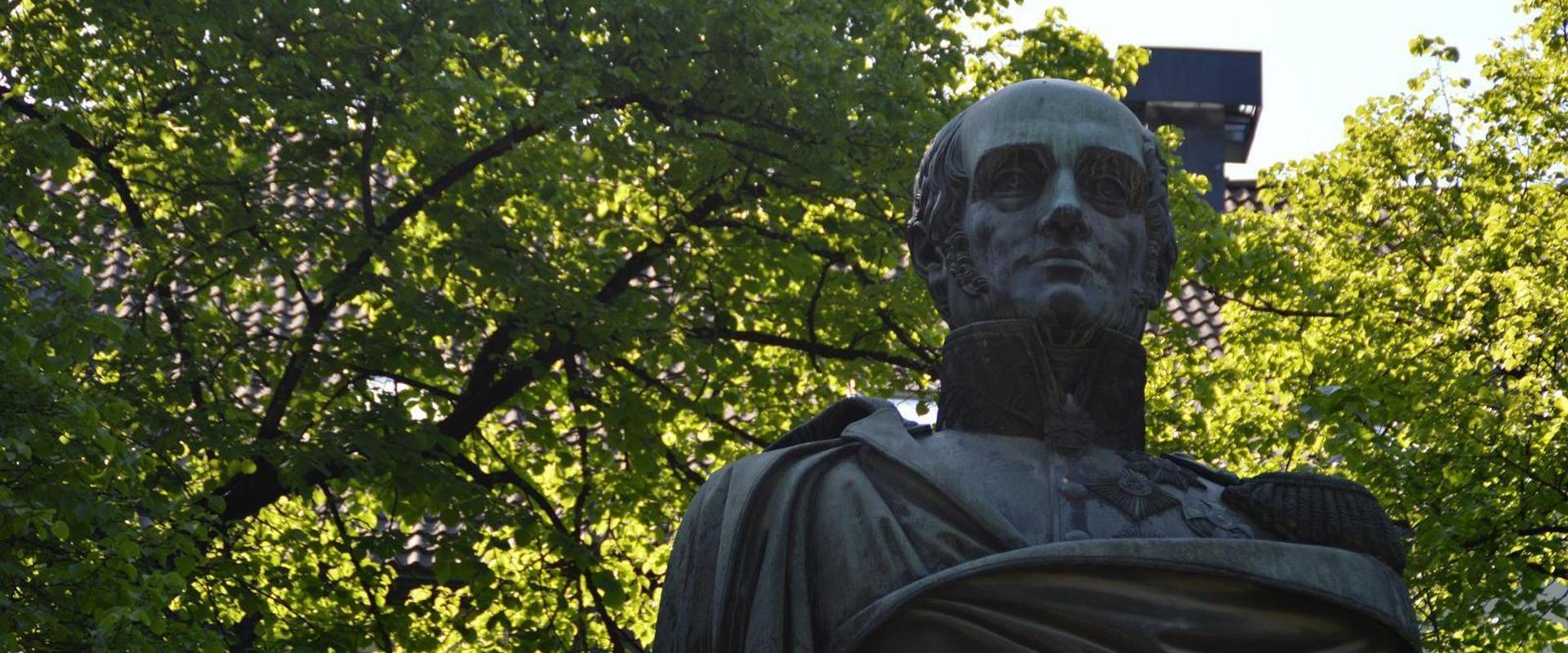
Prince Michael Andreas Barclay de Tolly (1761–1818) was a Russian military commander and a field marshal general. Barclay de Tolly (Russian: Mikhail Bogdanovich Barclay de Tolly) was descended from a family of Baltic nobility. As a Russian military commander, Barclay de Tolly displayed talent and courage in several battles for which he was awarded 14 decorations. Barclay de Tolly has been awarded the Order of St. George (1st class), the title of a Count, the rank of a Field Marshal General, and the title of a Prince.The monument was erected in 1849. The authors are V. Demut-Malinovski and A. Stsedrin. Barclay de Tolly is buried in his family tomb in Jõgeveste.

  • Privacy Policy

"*"обозначает обязательные поля

Это поле используется для проверочных целей, его следует оставить без изменений.
Я разрешаю маркетинг