• Avasta
    • Еда
    • Природа
    • Культура
    • Семья
    • Спорт
    • Сообщество
    • Блог
  • Planeeri
    • Размещение
    • Информация
    • Varamu
RUS
  • РусскийRUS
  • EestiEST
  • EnglishENG
  • LatviešuLAT
  • SuomiFIN
RUS
  • РусскийRUS
  • EestiEST
  • EnglishENG
  • LatviešuLAT
  • SuomiFIN
Populaarsed otsingud:
Näita kõiki tulemusi
  • History & Culture
  • Art & design
  • Monuments

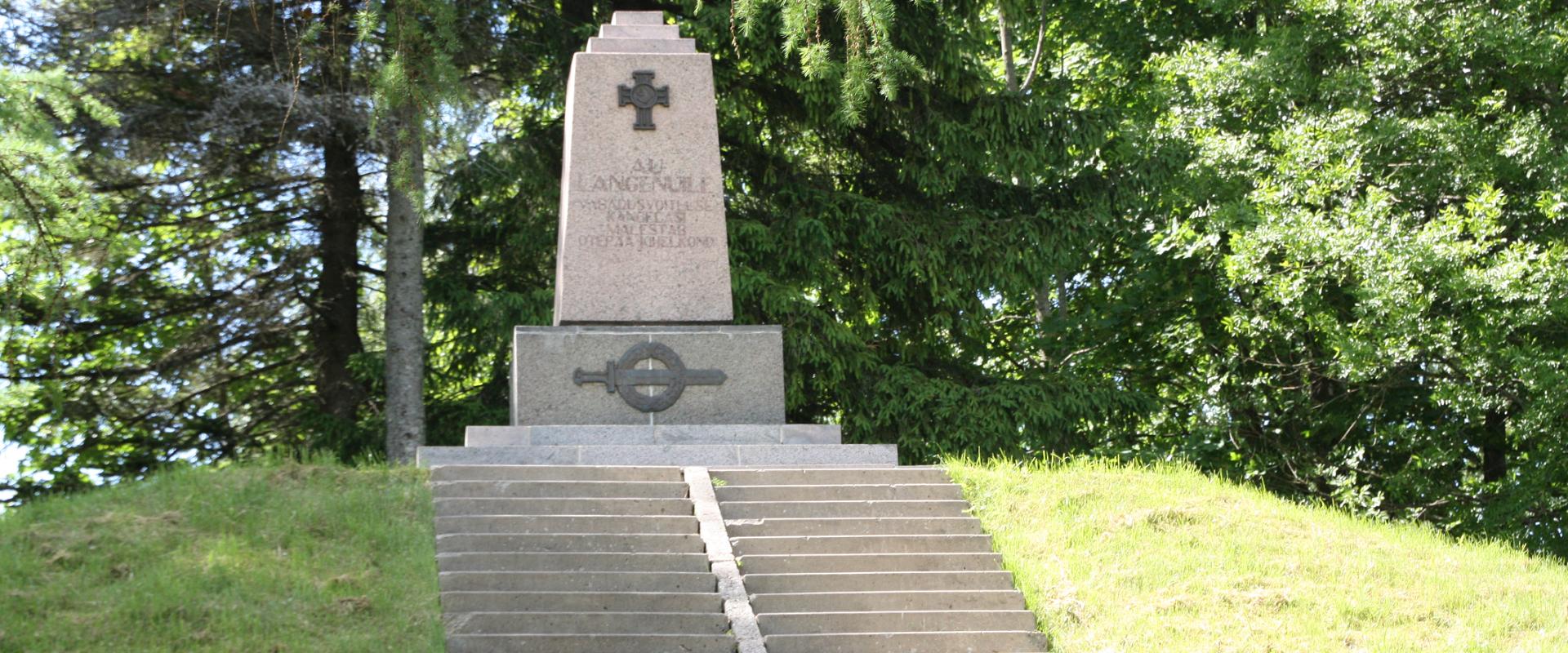
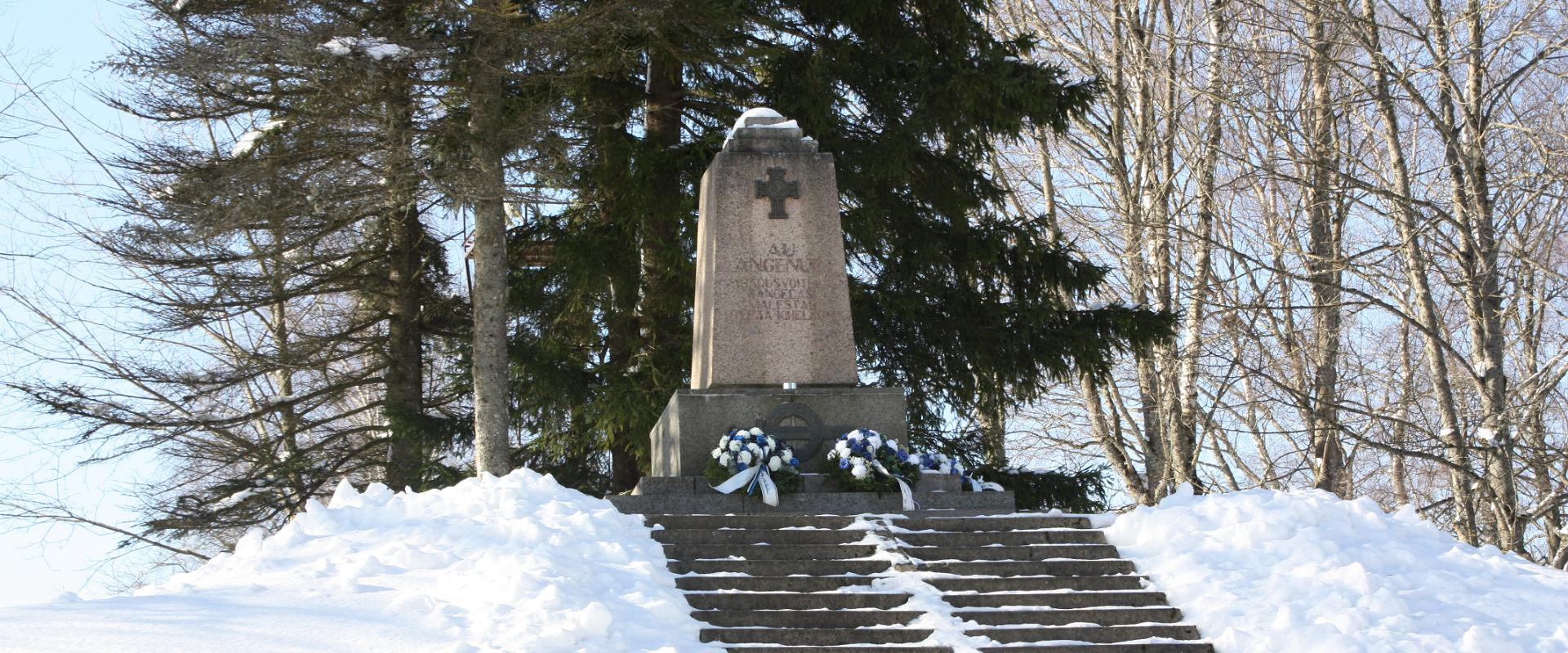
Monument to Soldiers Killed in the War of Independence

Kanepi tee 1, Otepää vald, Valga maakond, 67403

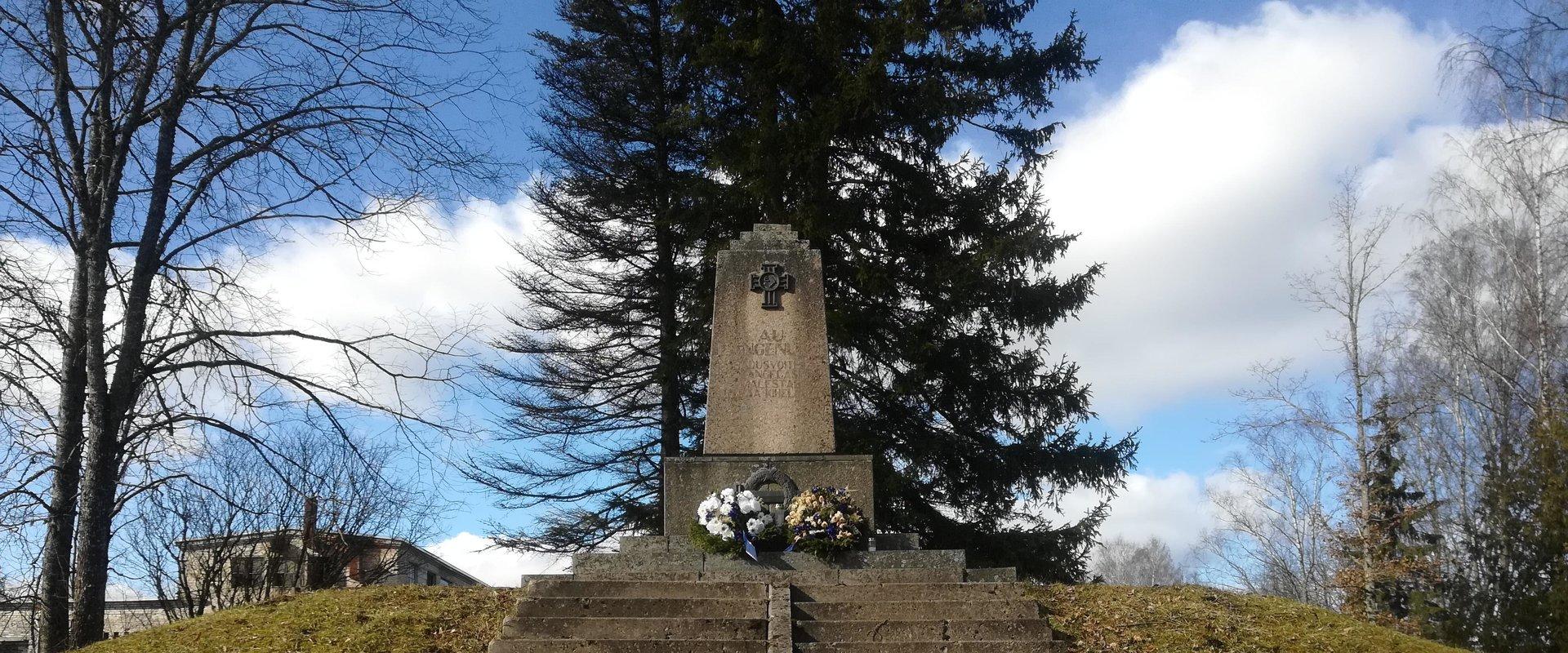
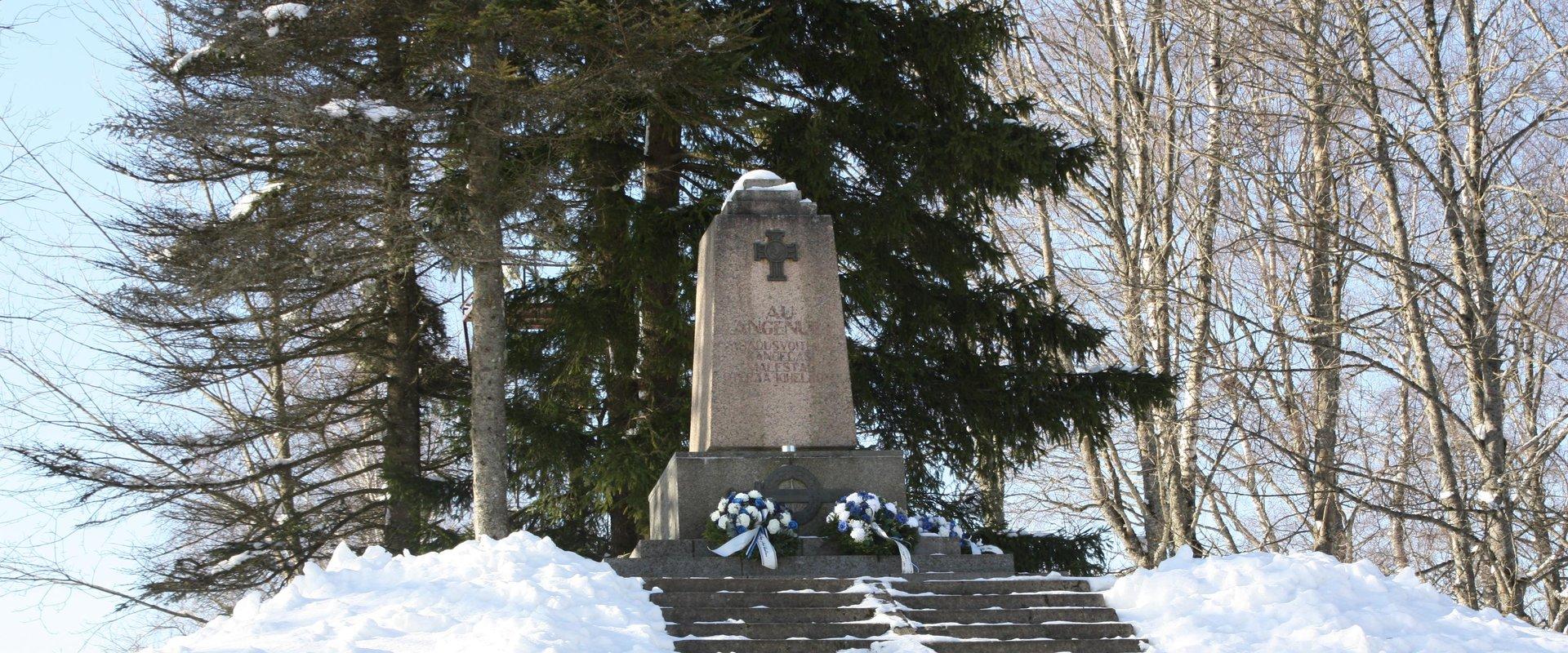
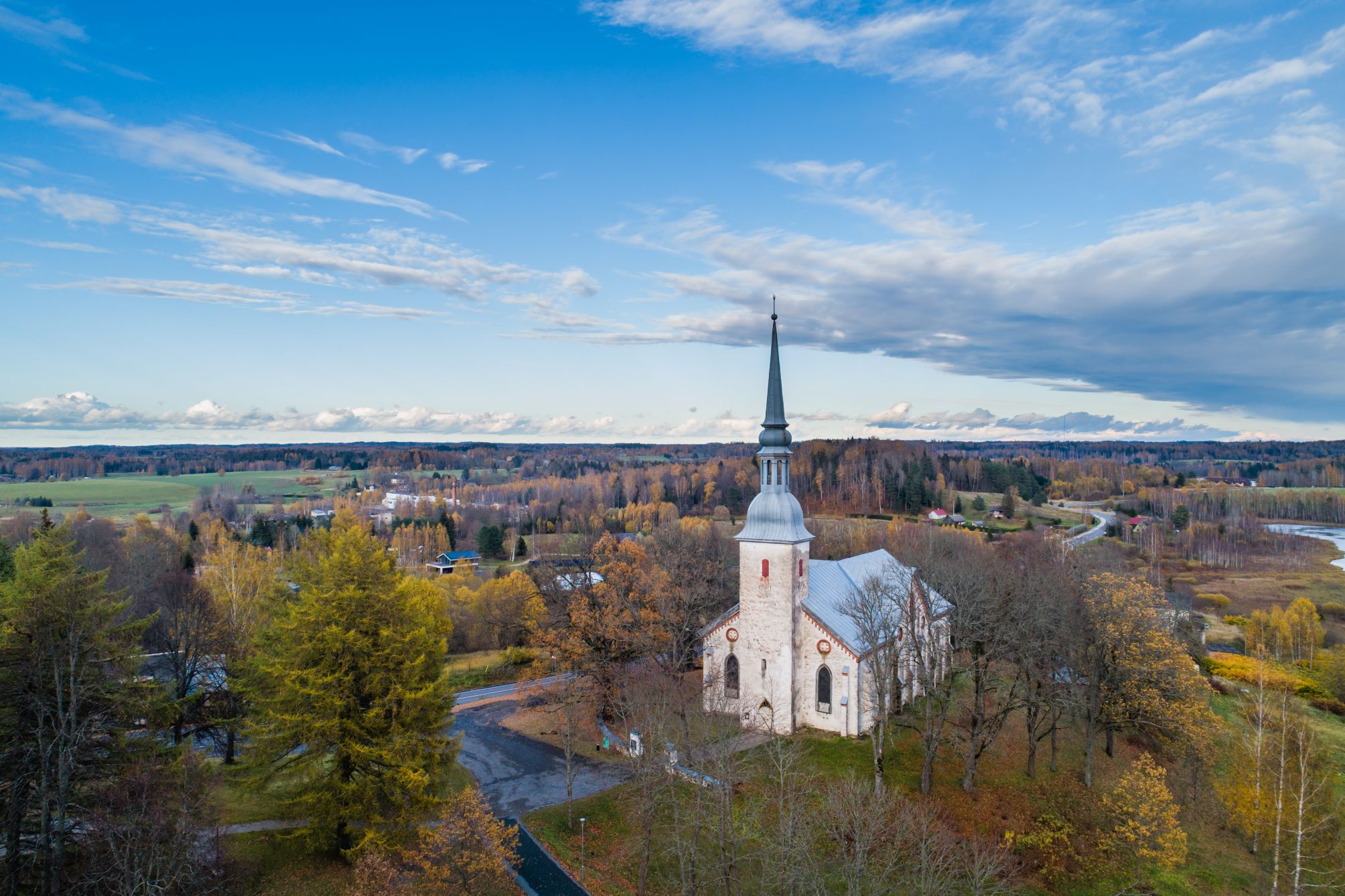
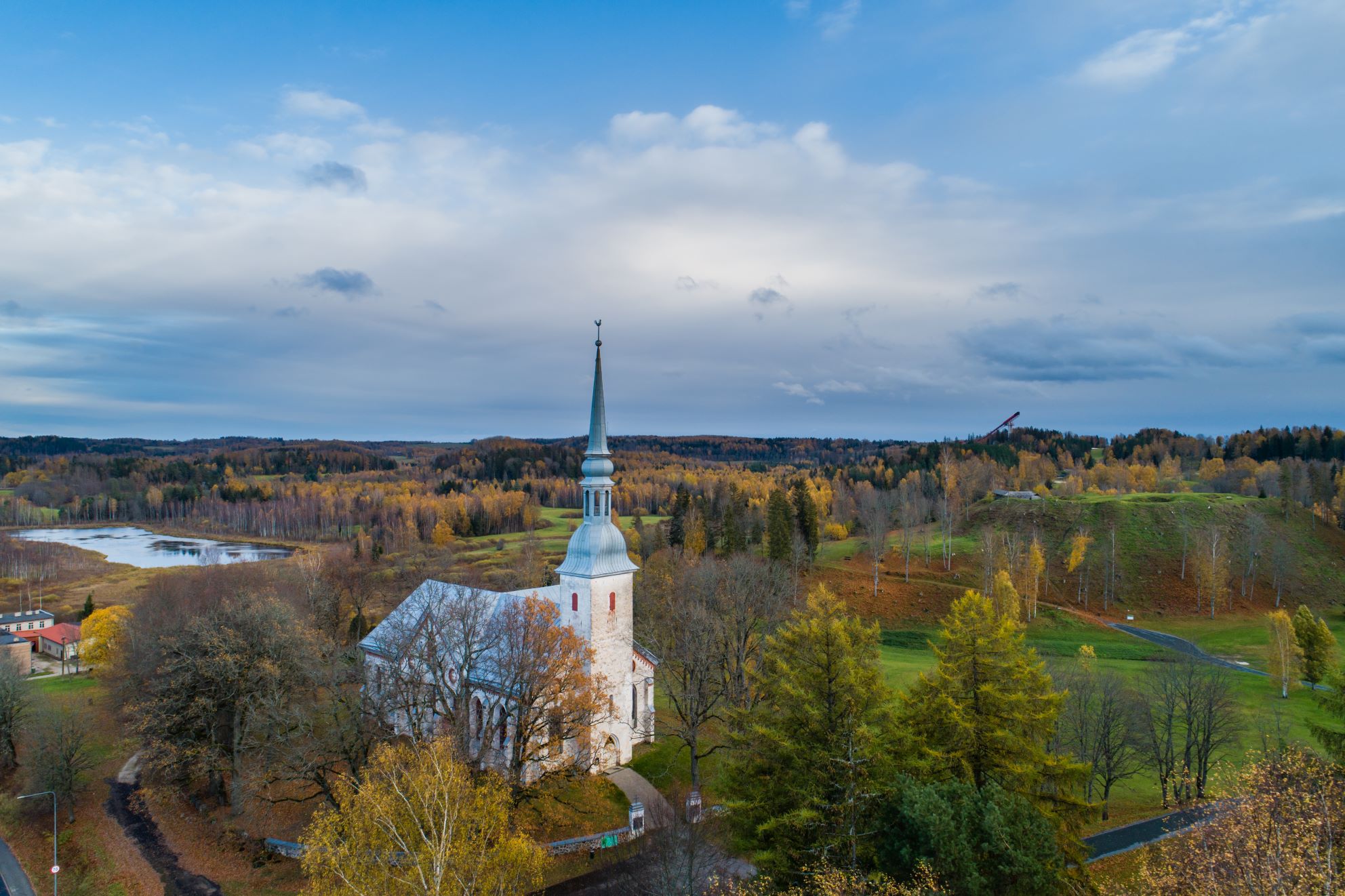
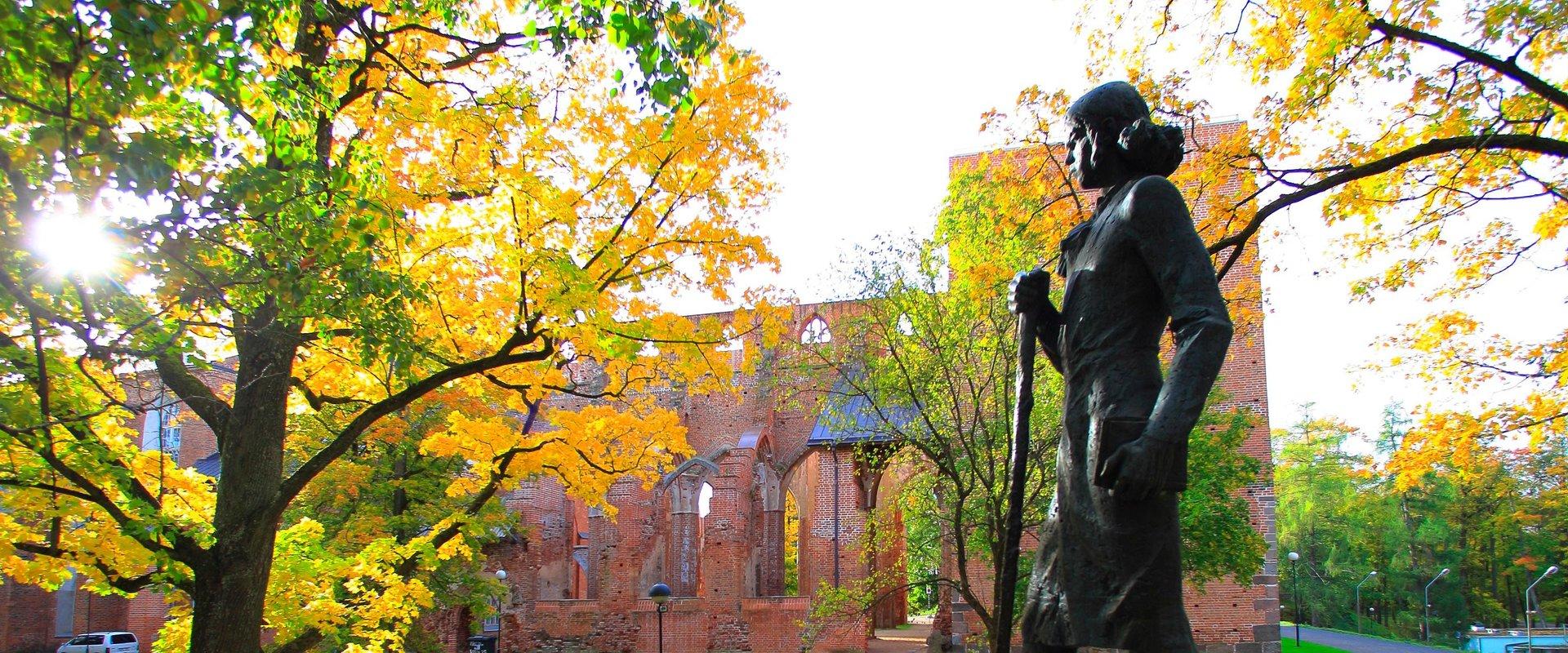
The monument to soldiers who fell in the War of Independence stands on a hill in front of Otepää Maarja Church and it is remarkable because it was hidden underground for 30 years. The monument was reopened in 1989 after renovation. The top part of the monument bears the words HONOUR THE FALLEN and a list of 22 names. The granite piece with the full list has been lost. The metal decorations were created at the initiative of sculptor Jüri Ojaver.Interesting facts: The initial monument was designed by Voldemar Melnik and made by stonemason Peeter Veeber. The monument was opened for the first time on 10 June 1928.
Mugavused

  • Free parking

Lahtiolekuajad

Aastaringselt

Ööpäevaringselt

Kontakt

  • +372 7661200
  • turism@otepaa.ee

Lingid

Vaata lisaks

  • Monuments

Monument to Kristjan Jaak Peterson

Kristjan Jaak Peterson (14 March 1801 – 4 August 1822) was an Estonian writer who is considered to be the founder of Estonian national literature.He studied in the Faculty of Theology and Philosophy of the University of Tartu from 1819 to 1820. He called himself a singer of the country people, appreciated the national features of literature, and thought that the creation of original Estonian literature was possible.There is a bronze monument to him on Toomemägi, which was completed in 1983 by J. Soans and A. Murdmaa, and a high school named after him in Tartu.On the writer's birthday, 14 March, we celebrate Mother Tongue Day.Fun fact: Peterson walked from Tartu to Riga more than 200 years ago due to lack of money.

  • Monuments

The steam engine monument

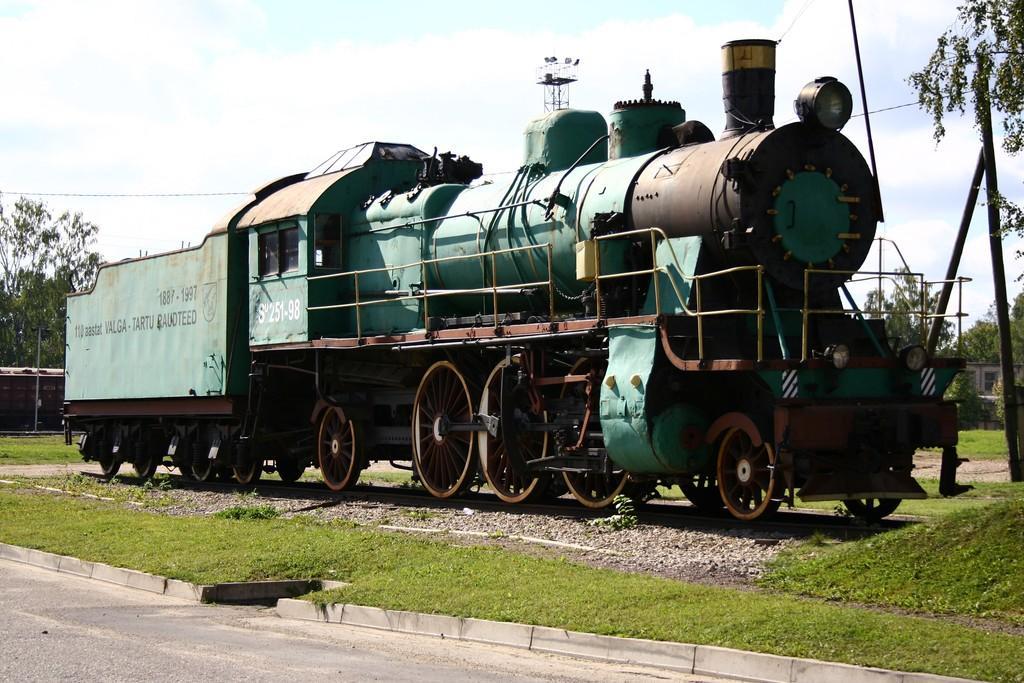
The year 1886 when the plan to build the Pihkva-Riga railway with a branch from Valga to Tartu became a crucial year in the development of the little town.The steam engine monument erected near the Valga railway station in 1998 celebrates the 110th anniversary of the Pihkva-Valga-Riga rail connection. Engine SU 251-98 was built in the Sormovo Shipyard in 1949. Interesting facts: * the engine weighs 87 tons and its output is 12 tons of steam per hour; * Riga-Pihkva railway was officially opened on 22 July 1889 in Pihkva.

  • Monuments

Monument to Friedrich Reinhold Kreutzwald

The monument to Friedrich Reinhold Kreutzwald (1803-1882), founder of the Estonian national literature, was built in 1952. The authors of the monument were sculptors Johannes Hirv and Martin Saks, and architects Heiki Karro, Ants Mellik, and Mart Port.

  • Monuments

Monument to Juri Lotman

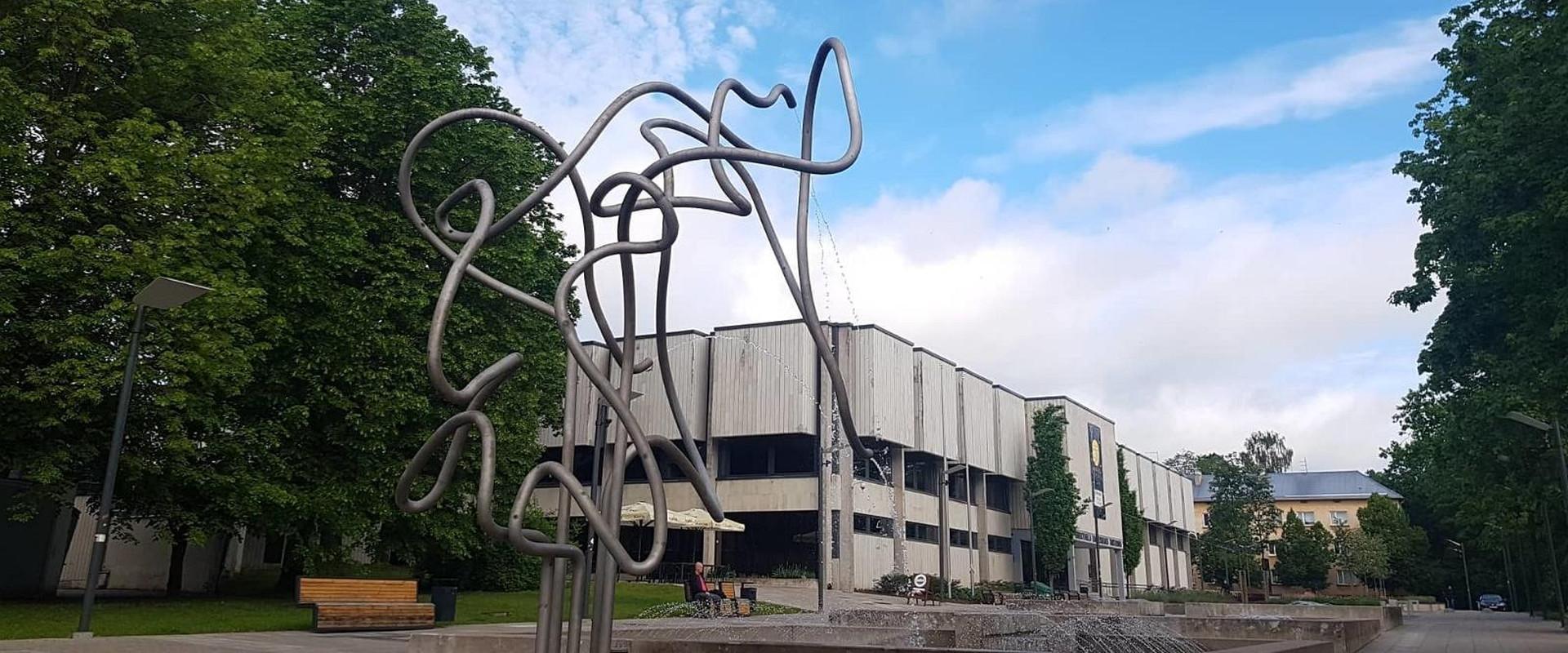
The long-serving professor of the University of Tartu was one of the brightest scientists in 20th century Tartu. Lotman studied the history of Russian literature and culture and general regularities of culture. He laid the foundation of cultural semiotics and was the founder of the Tartu-Moscow school of semiotics. The monument to the world-famous culturologist and semiotician, which consists of pipes, water and light, was opened on 6 October 2007. The idea for the sculpture made of 15 m of steel pipe is based on the self-portrait of Juri Lotman. Authors of the monument: Mati Karmin, architect Andres Lunge.

  • Monuments

Monument to Nikolai Pirogov

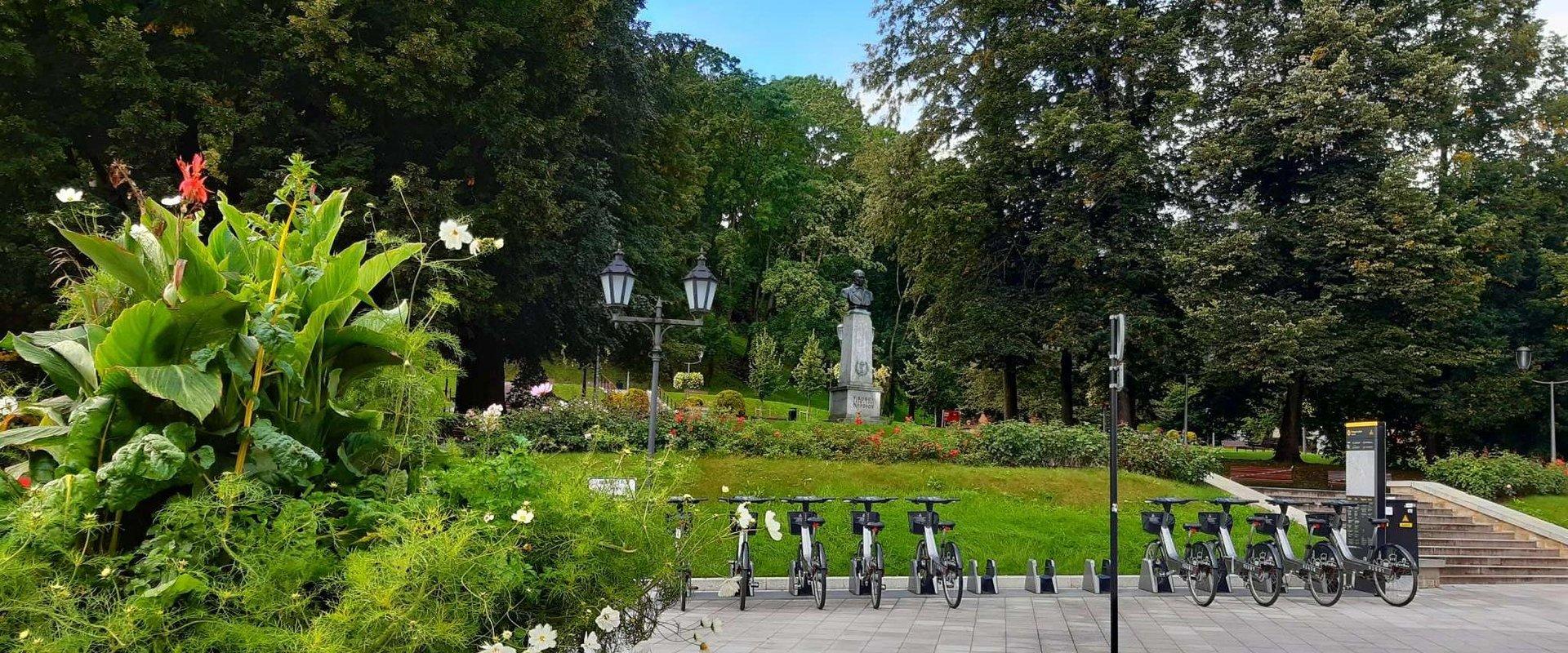
The monument to the physician who studied and became a professor in Tartu was completed in 1952. The authors of the monument are J Raudsepp, A Mölder, P Tarvas, A Volberg.Nikolai Pirogov was the founder of experimental surgery, topographic anatomy and field surgery. His work made the surgeries performed in Tartu famous all over Russia and also abroad.

  • Monuments

Monument to Karl Ernst von Baer

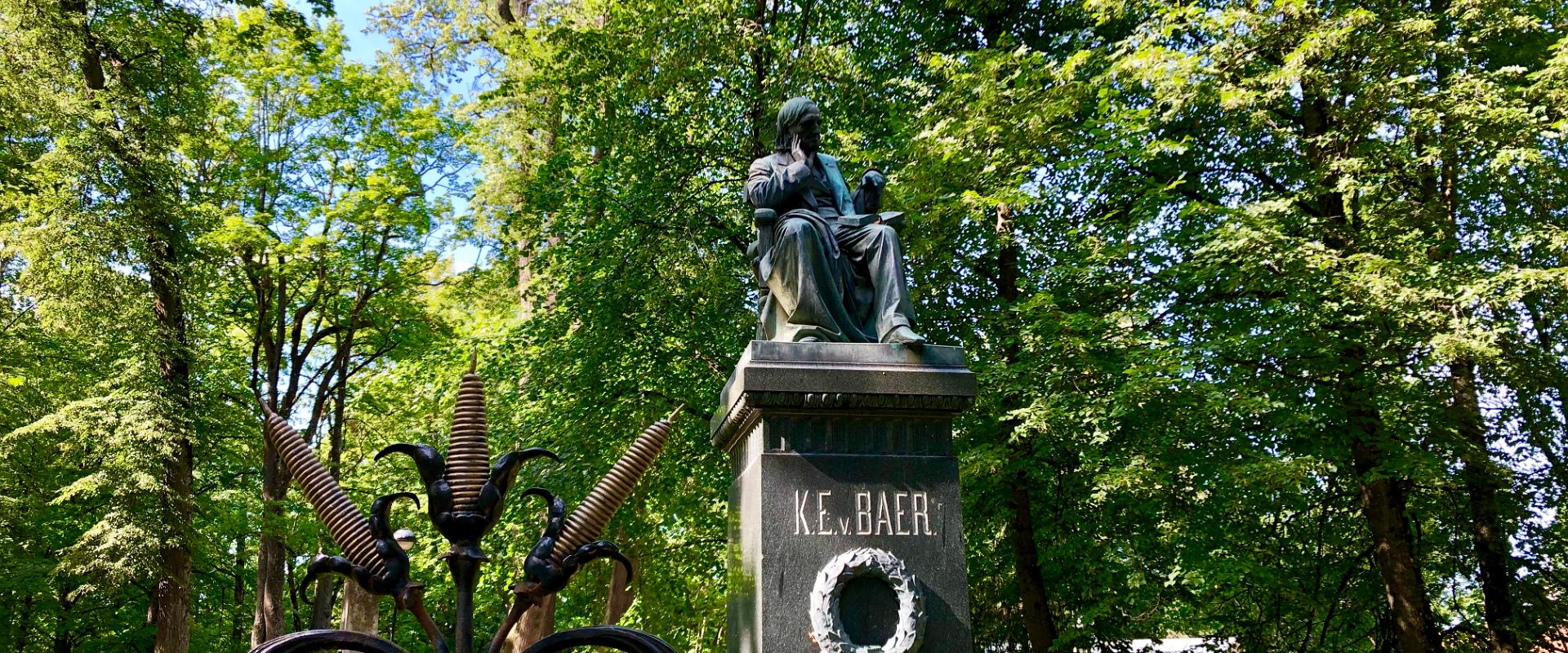
Karl Ernst von Baer was a biologist, the founder of descriptive and comparative embryology and an academician of the St Petersburg Academy of Sciences. He studied medicine in Tartu from 1810 to 1811 and obtained the degree of doctor of medicine here. He was a professor of zoology and anatomy in Königsberg from 1817. He studied anthropology, geography and ichthyology during his time in St Petersburg. He spent the last years of his life (1867-1876) in Tartu where he wrote his 3-volume collection of articles and speeches and participated in the activities of the Estonian Naturalists Society and was elected its president in 1869.The statue of Karl Ernst von Baer was completed in 1886, its author is M. Opeku.

  • Monuments

Monument to Friedrich Robert Faehlmann

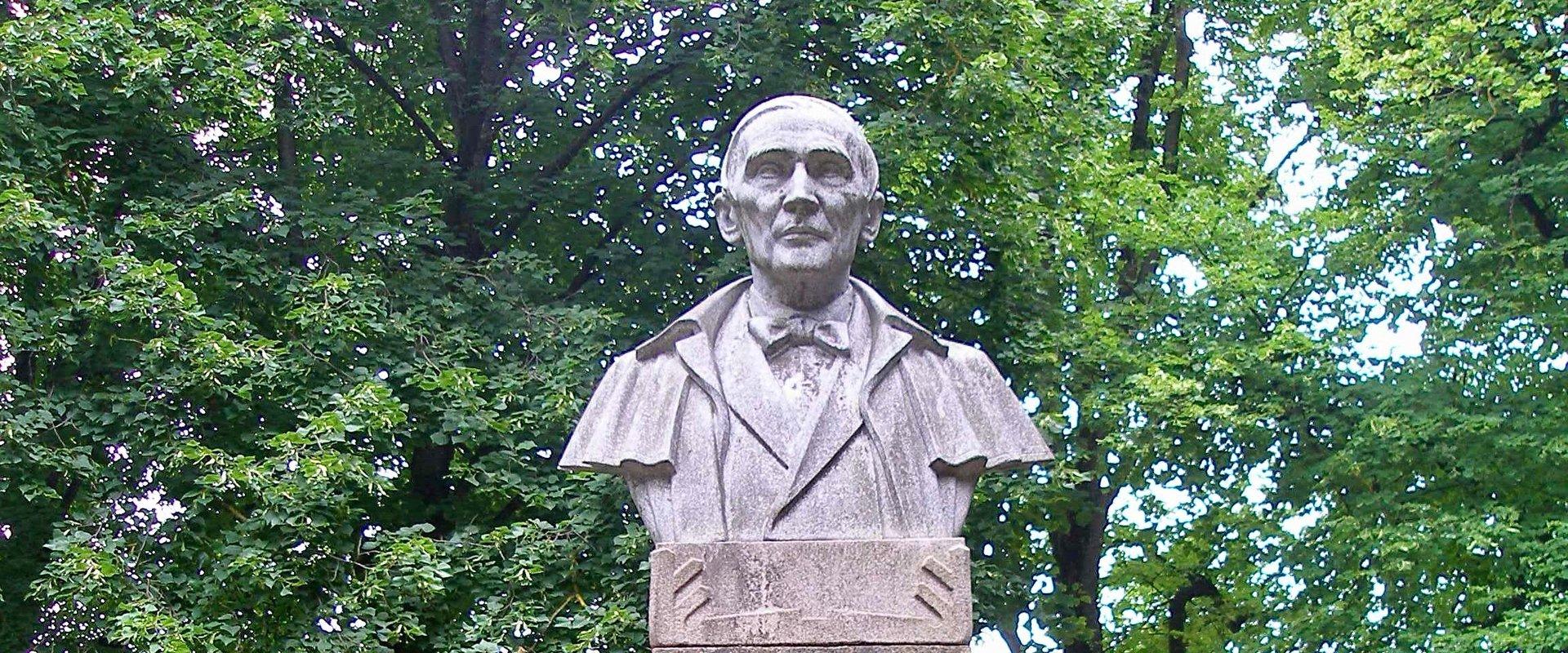
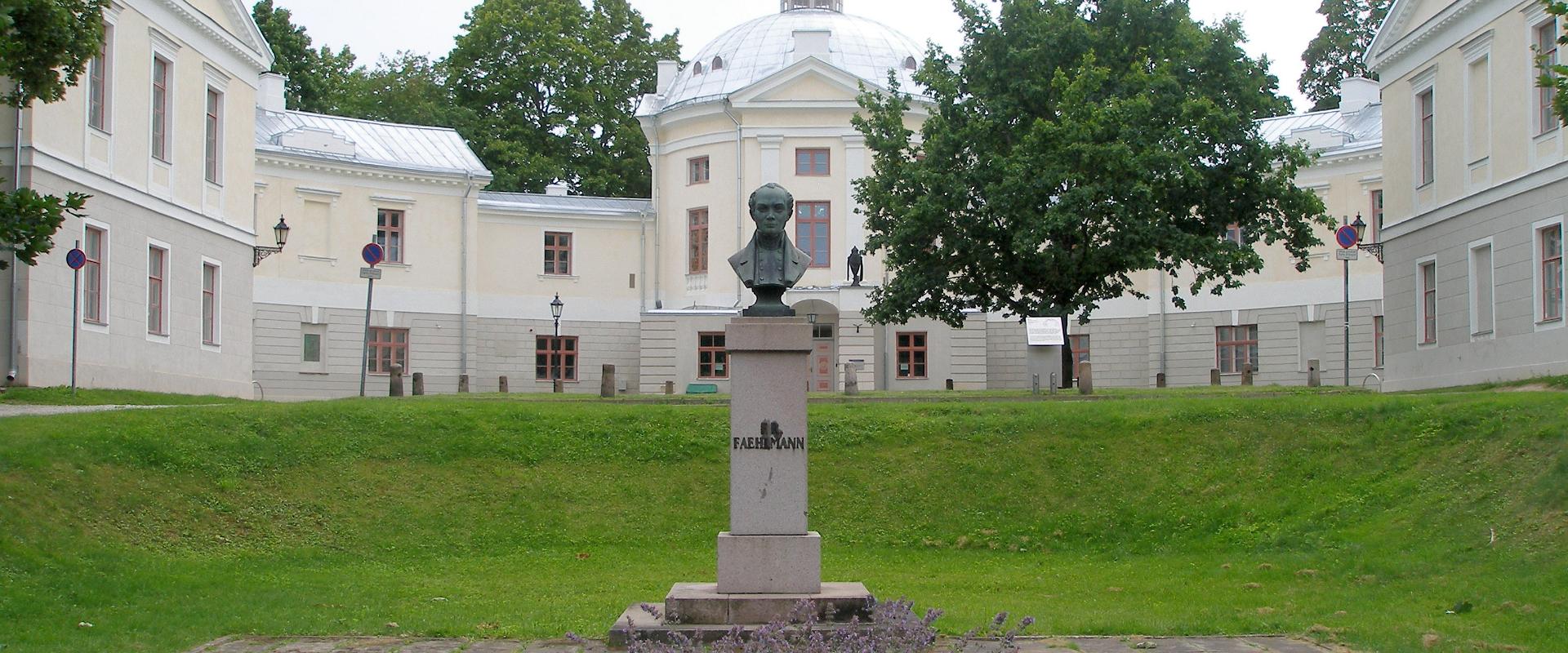
The monument to Friedrich Robert Faehlmann – a bronze bust on a pillar of local grey granite – was opened in front of the Old Anatomical Theatre at Toomemägi, Tartu, on 18 May 1930. Friedrich Robert Faehlmann (1798 - 1850) was one of the founders of Estonian national literature, a physician and a democrat. He studied in Rakvere District School, Tartu Upper Secondary School and the Faculty of Medicine in the University of Tartu. Faehlmann worked as a physician in Tartu from 1824. He worked in the Old Anatomical Theatre. He was a lector of the Estonian language in the university and sometimes also gave lectures in pharmacology and prescriptions.

  • Monuments

Paju Battle Memorial

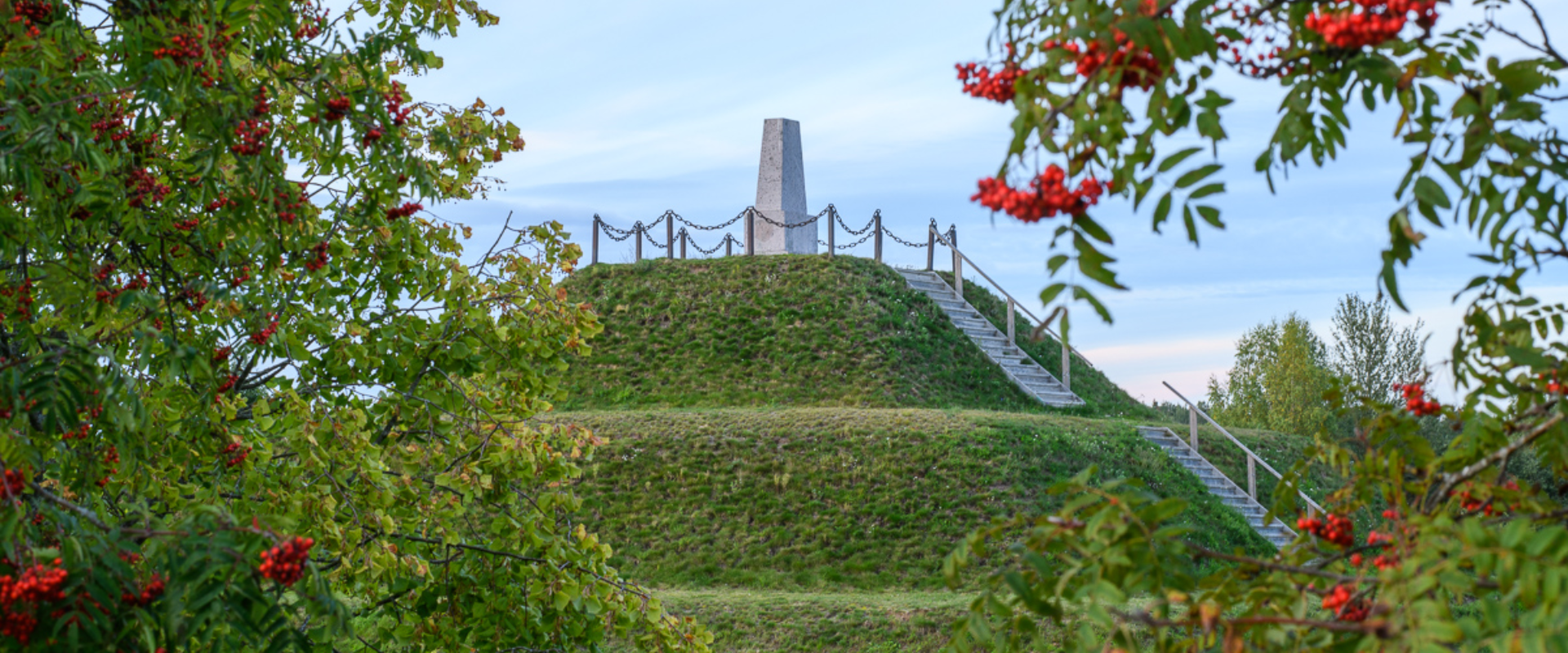
One of the most important battles of the War of Independence took place near the Paju Manor on 31 January 1919. The Northern Sons Regiment that consisted of Finnish volunteers also fought for the independence of Estonia over here. The most legendary commander in the War of Independence, Lieutenant Julius Kuperjanov, was fatally injured in the battle. The battle memorial is a granite pillar on a three-level pyramid, which was reopened on the 75th anniversary of the battle on 30 January 1994.Interesting facts: * the memorial was opened by President of the Republic of Estonia Lennart Meri; * a memorial tablet to the Northern Sons who fell in the battle can be found on the wall of the Valga Jaani (St John’s) Church.

  • Privacy Policy

"*"обозначает обязательные поля

Это поле используется для проверочных целей, его следует оставить без изменений.
Я разрешаю маркетинг