• Открой
    • Еда
    • Природа
    • Культура
    • Семья
    • Спорт
    • Сообщество
    • Блог
    У Вас появились свободные выходные, чтобы провести с детьми? Здесь собраны лучшие места в Южной Эстонии для семейного отдыха
  • Планируй
    • Размещение
    • Информация
    • Varamu
    Sustainability
RUS
  • РусскийRUS
  • EestiEST
  • EnglishENG
  • LatviešuLAT
  • SuomiFIN
RUS
  • РусскийRUS
  • EestiEST
  • EnglishENG
  • LatviešuLAT
  • SuomiFIN
Populaarsed otsingud:
Näita kõiki tulemusi
  • History & Culture
  • Art & design
  • Guided tours
  • Workshops

Seto culture workshop «Putting on Seto clothes»

Muuseumi tn 10, Setomaa vald, Võru maakond, 65301

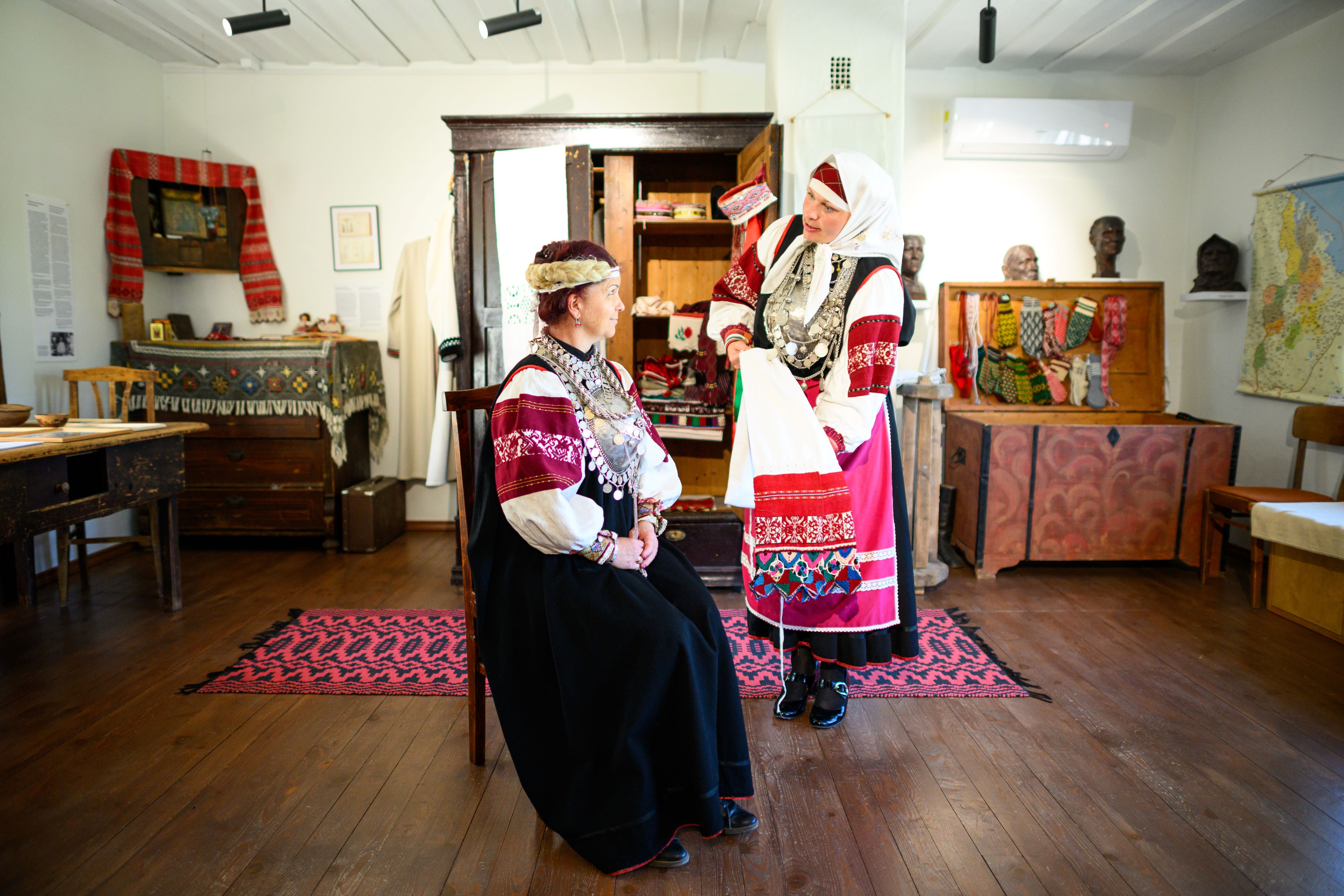
You are invited to Obinitsa Museum to dress up!
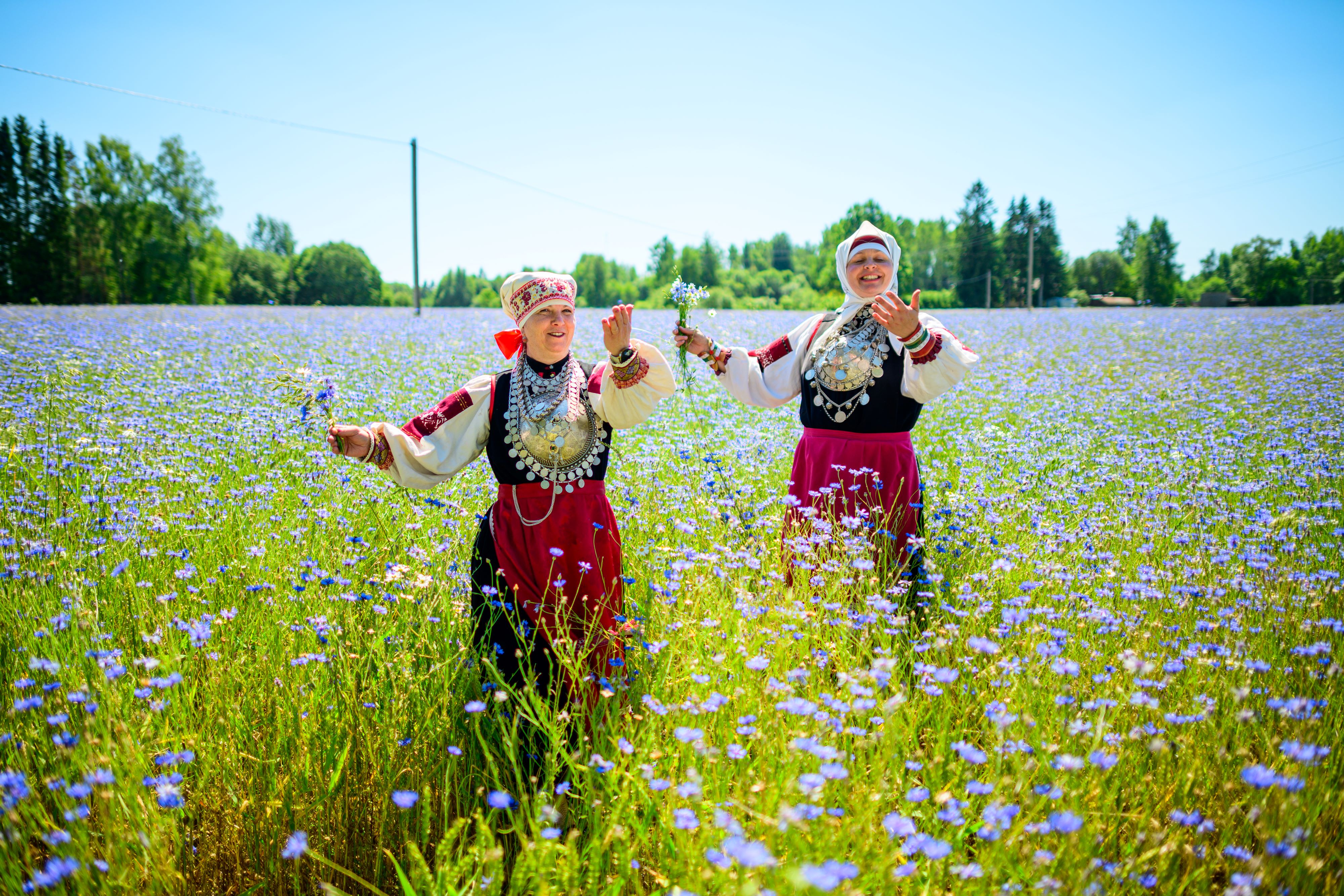
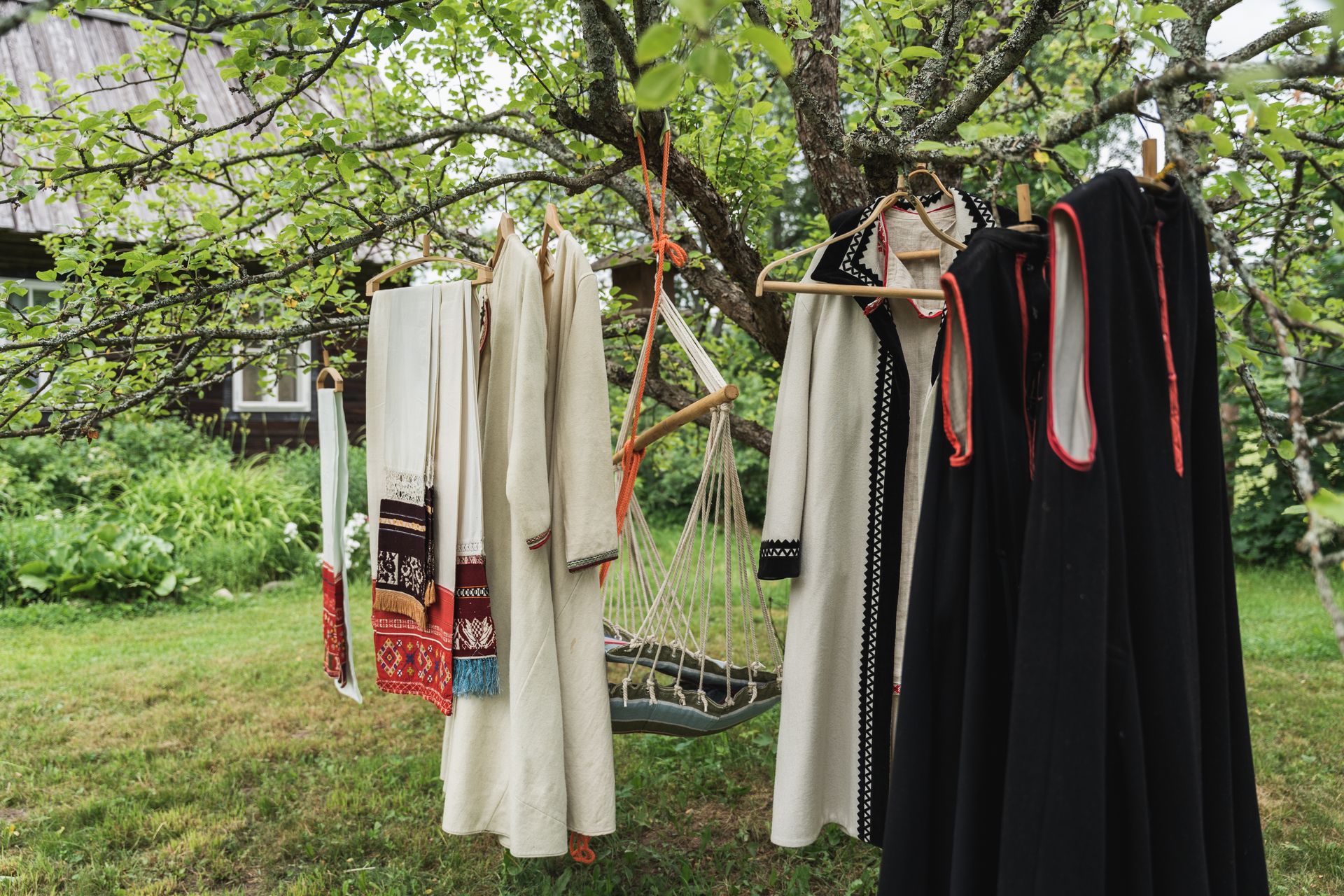
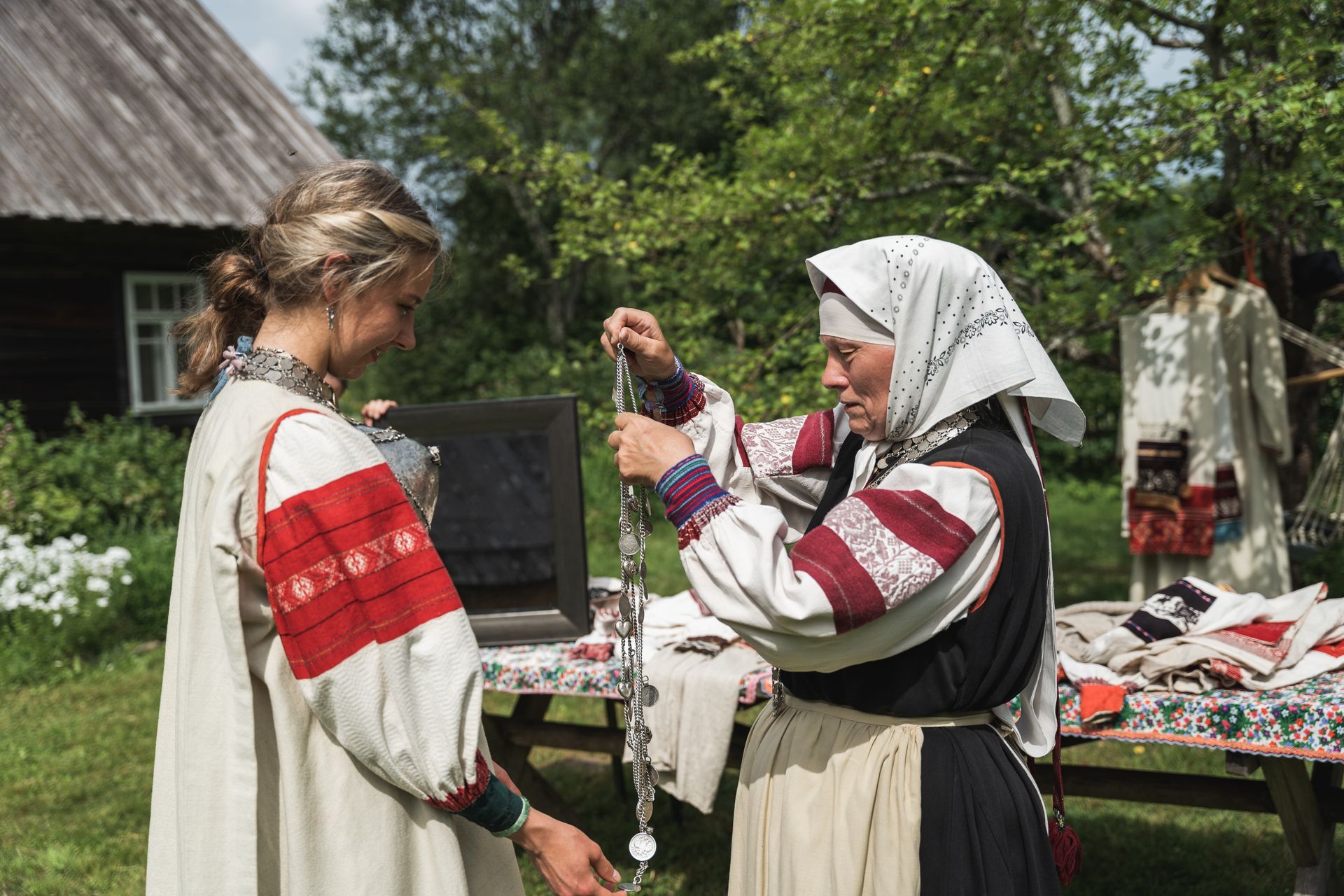
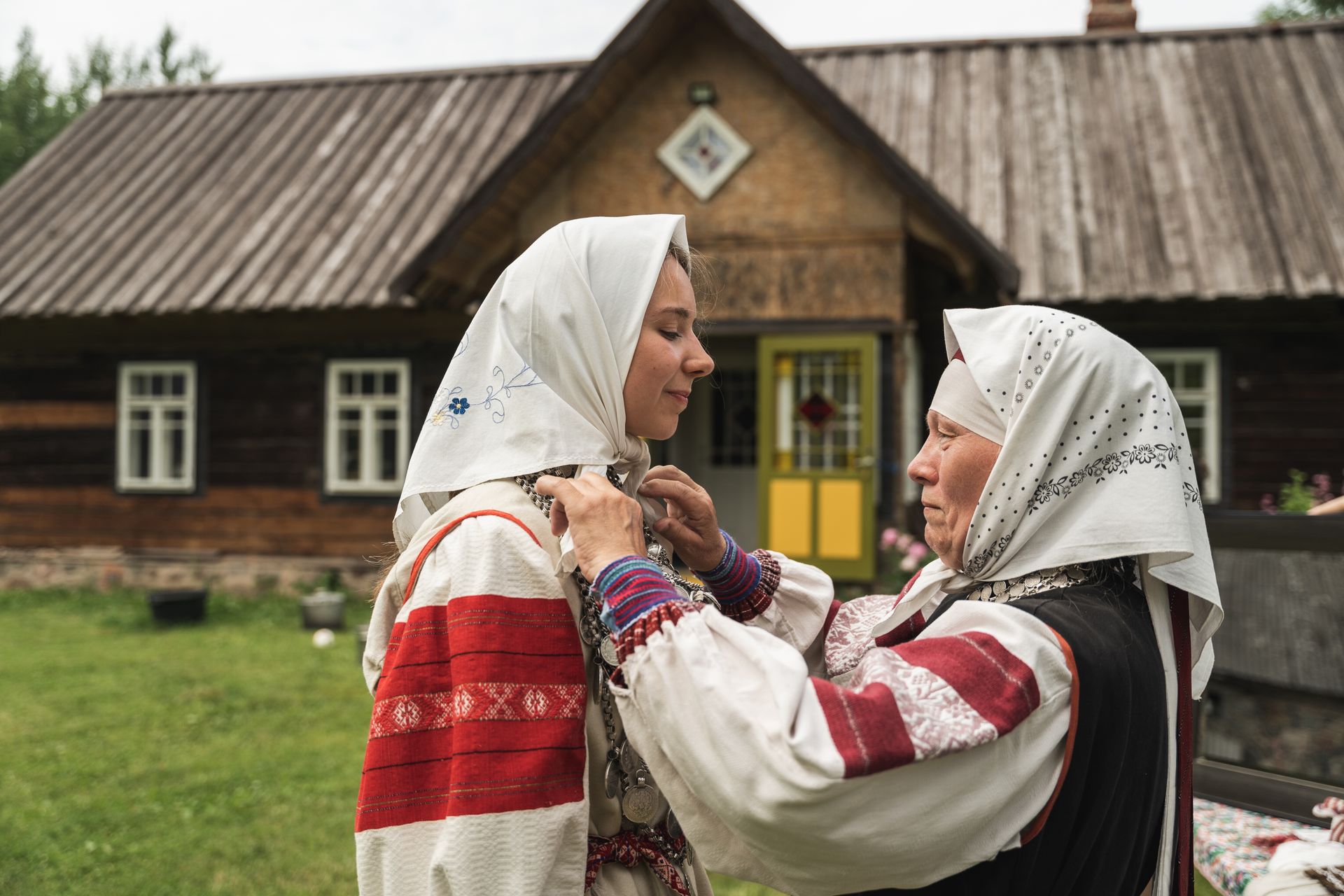
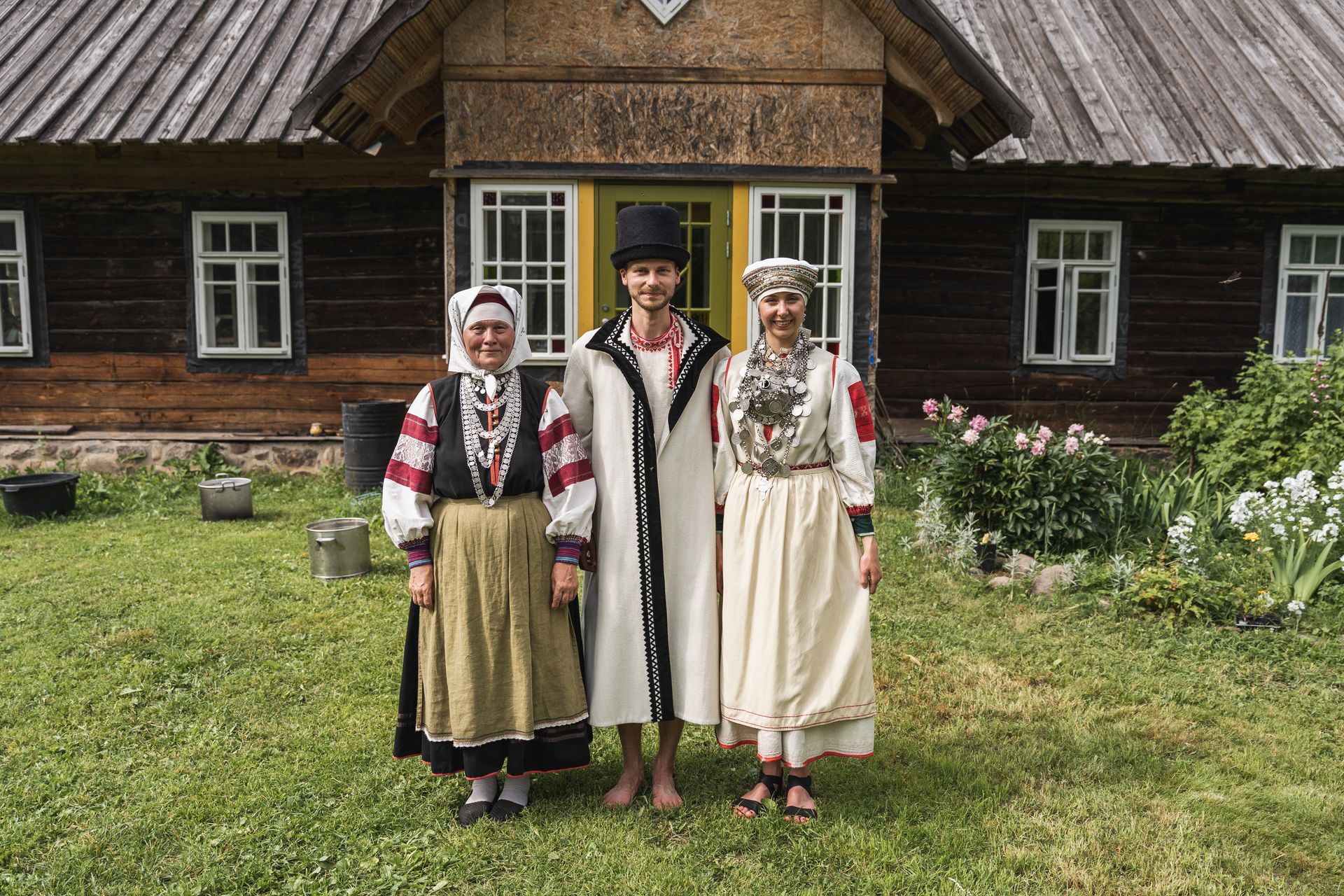
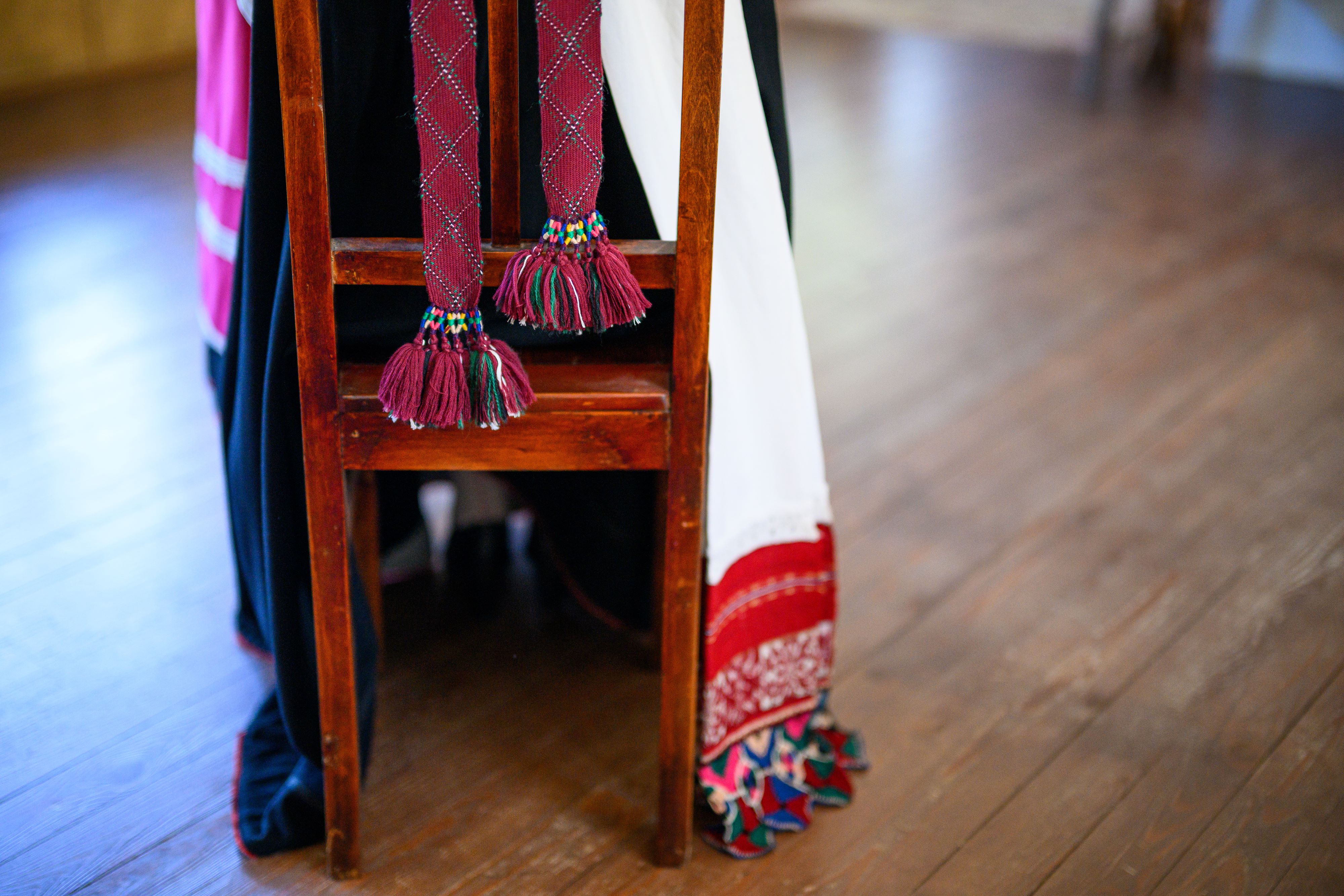
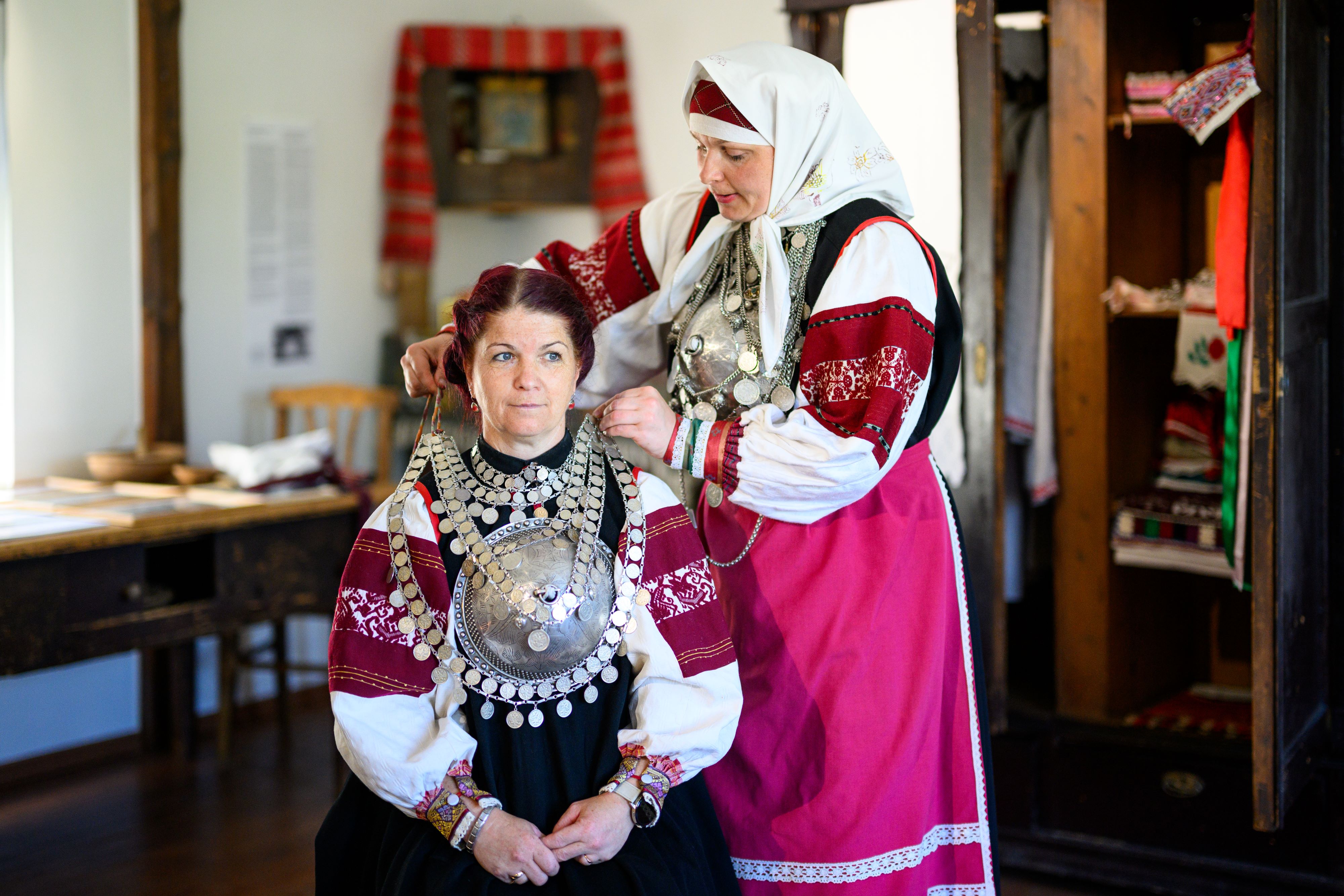
The Seto culture workshop «Putting on Seto clothes» is about putting on Seto women’s clothes. One member of the company or group will put on the garments. While dressing, the guide will tell you how a Seto woman and man should dress according to tradition, including how to distinguish a married woman from an unmarried girl. The historical context and significance of the objects in Seto culture will also be presented.
Come and learn about Seto folk costumes and history!

Mugavused

  • Free parking

Часы работы

1. jaan - 31. dets

По предварительному заказу

Контакты

  • +372 505 4673
  • myyk@setomuuseum.ee

Ссылки

www.setomuuseum.ee

Подробнее

  • Family friendly
  • Guided tours

Estonian Road Museum

The Estonian Road Museum showcases the development of roads and traffic in Estonia, from the horse era to the present day. Exciting thematic events are organized here, educational guided tours are offered, and rooms are rented for seminars and celebrations. The heart of the museum is the historic Varbuse horse post station, which, together with the outdoor exhibition environment Teeaeg, forms a unique look at history. The Machine Hall is the museum's technical park and interactive traffic education center. It also houses a rotating car and the Estonian Road Museum's traffic safety simulator, which offers an immersive experience and a clear understanding of how seat belts save lives. The standout features of the outdoor areas are the historic road room, where you can seemingly travel back in time, and the recreation area with a traffic city, which offers activities for the whole family, especially during the summer season. Temporary exhibitions are held in the main building of the post station, and the second floor houses a children's museum created specifically for younger visitors.

  • Guided tours

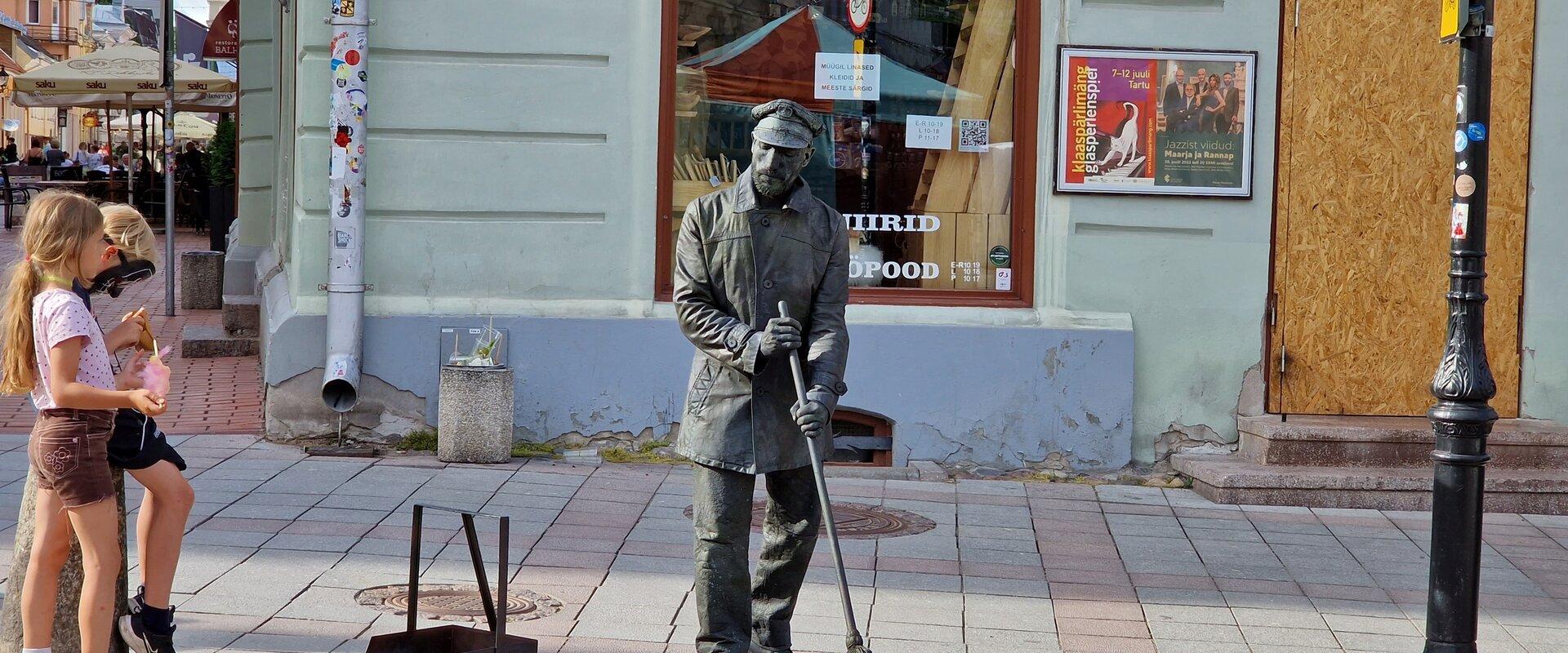
Supilinn — Tartu’s historic neighborhood of wooden homes

Supilinn is Tartu's most bohemian district, where 18th-century wooden houses, courtyards awash in urban greenery, and the banks of the Emajõgi River create an unparalleled atmosphere. It combines the best of city living with a natural environment, where you can feel the community spirit and local creativity. Go for a walk in Supilinn on the beautiful promenade along the Emajõgi River, where century-old trees and a tranquil frog pond give the city a breath of fresh air. Street art, colorful courtyards, and wooden houses tell Supilinn's story, which is best experienced during the spring Supilinn Days, when courtyards and gardens open to guests and the entire district turns into a large festival. The best way to explore Supilin is on foot or by bike, so you can notice hidden corners, shutter patterns, and backyard gardens. A walk with a local guide can reveal hidden layers of the district and highlight its bohemian spirit. More information about guided tours can be found on the Tartu Guides page.

  • Family friendly
  • Guided tours
  • Workshops

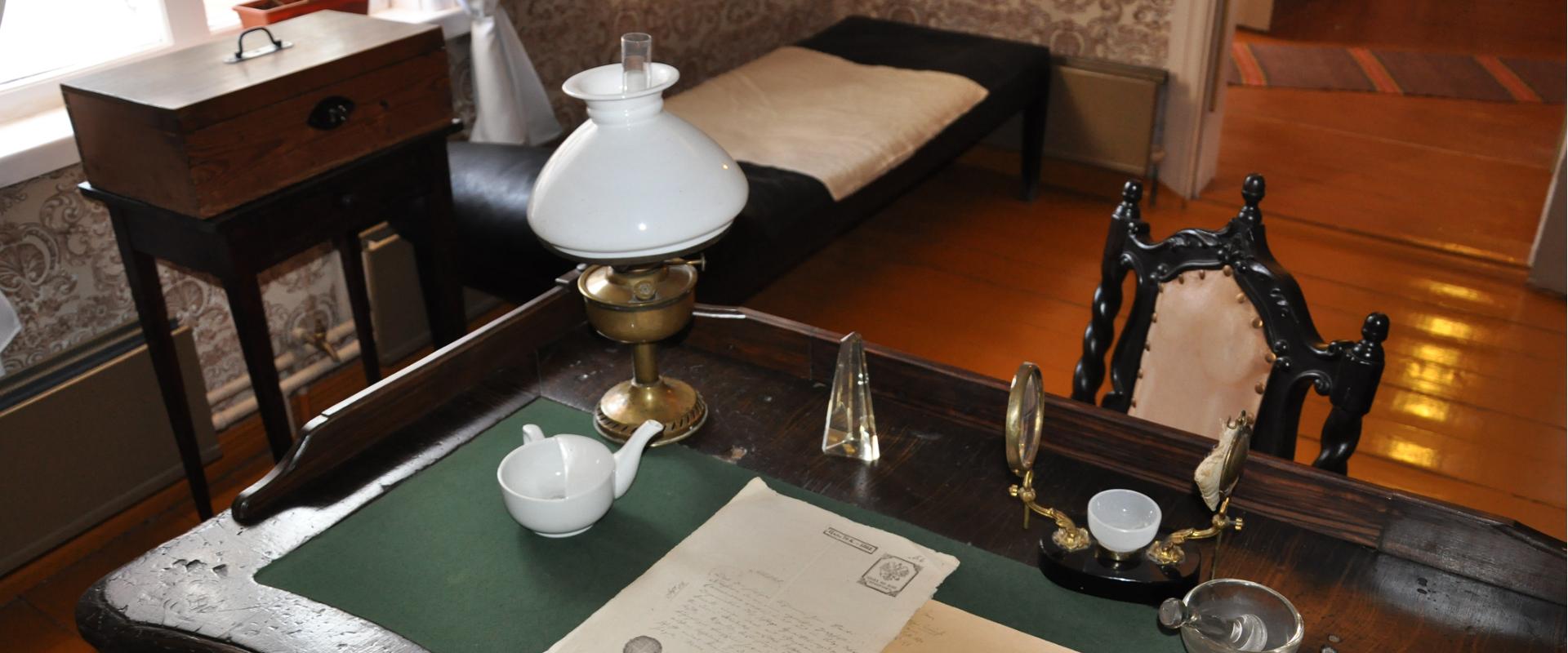
Theatre House of the Tartu Toy Museum

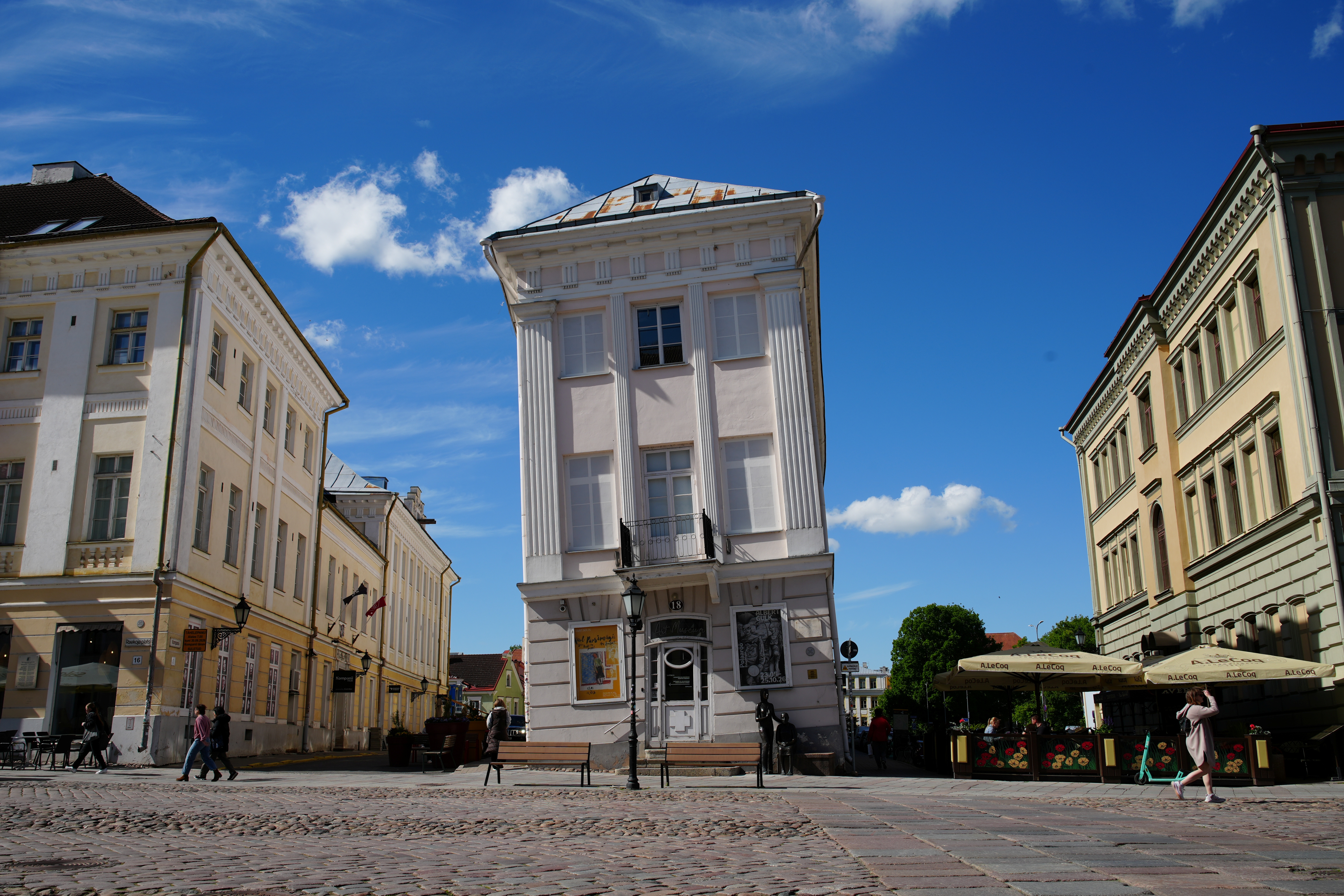
Theatre House, situated in Tartu Old Town, is a theatre inspired by a museum, forming a part of the Tartu Toy Museum. The Theatre House takes its inspiration from our childhood, the games we played, the dreams we had, and the fantasies we brought to life. The Theatre House stages plays, but you can also put on your own show, play games, make handicrafts, and discover what goes on behind the scenes in the theatre world. There is a children’s studio on the first floor, in which children’s groups can take part in theatre-themed programmes. Visitors find a museum, an automated puppet theatre, and several exciting theatre-themed exhibitions in the basement level.

  • Workshops
  • Estonian handicraft
  • Estonian design

Cyanotype on fabric in TYPA

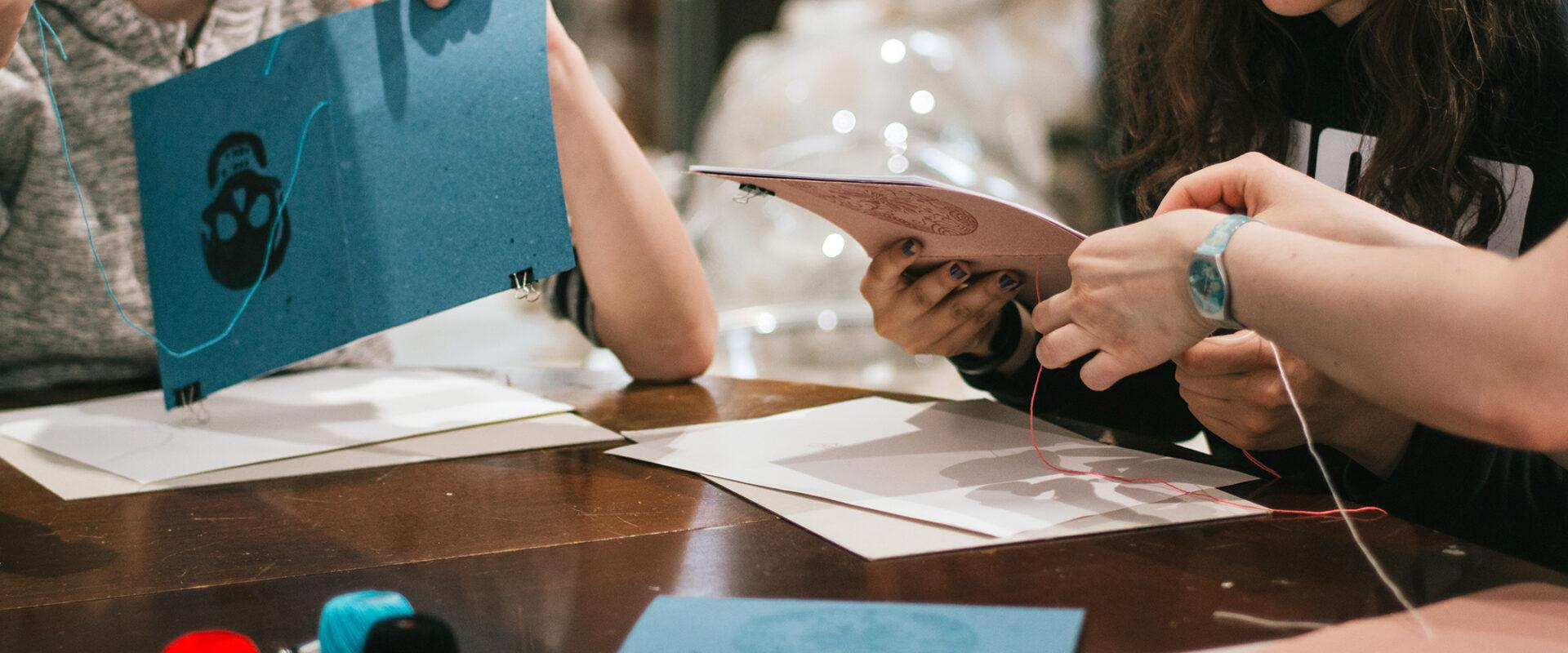
Cyanotype is the process by which an image is produced to fabric by the combination of chemicals and UV light. The result is an image with white lines on a blue background. Make an exciting gift and produce a photo, drawing, or silhouette of a dried plant on a T-shirt or a cloth bag. Fabrics with a thinner texture which have been washed without conditioner and ironed beforehand are suitable for this. It is also possible to buy a cloth bag on site.If you want to produce a photo, send it to us in digital form no later than one day before the workshop. We will help you with the rest.

  • Guided tours
  • Workshops

Värska Farm Museum

Värska Farm Museum is a unique place in Setomaa, offering comprehensive insight into the life of a wealthy Seto fortified farm in the 1920s. It is a great place to experience Seto culture, architecture, and traditions. The building complex includes a smoke sauna, a residential building, a clothing, dining and granary barn, an animal barn, a hay barn, a men's workshop, a threshing floor, a blacksmith's shop, and a pottery factory — you can get an overview of the entire Seto architecture. The museum also houses genuine Estonian farm animals. Various workshops are offered upon reservation, such as making sõir, bread making, and crocheting Seto lace, among others. The largest handicraft shop in Setomaa is open under the threshing floor! Come visit us!

  • Guided tours

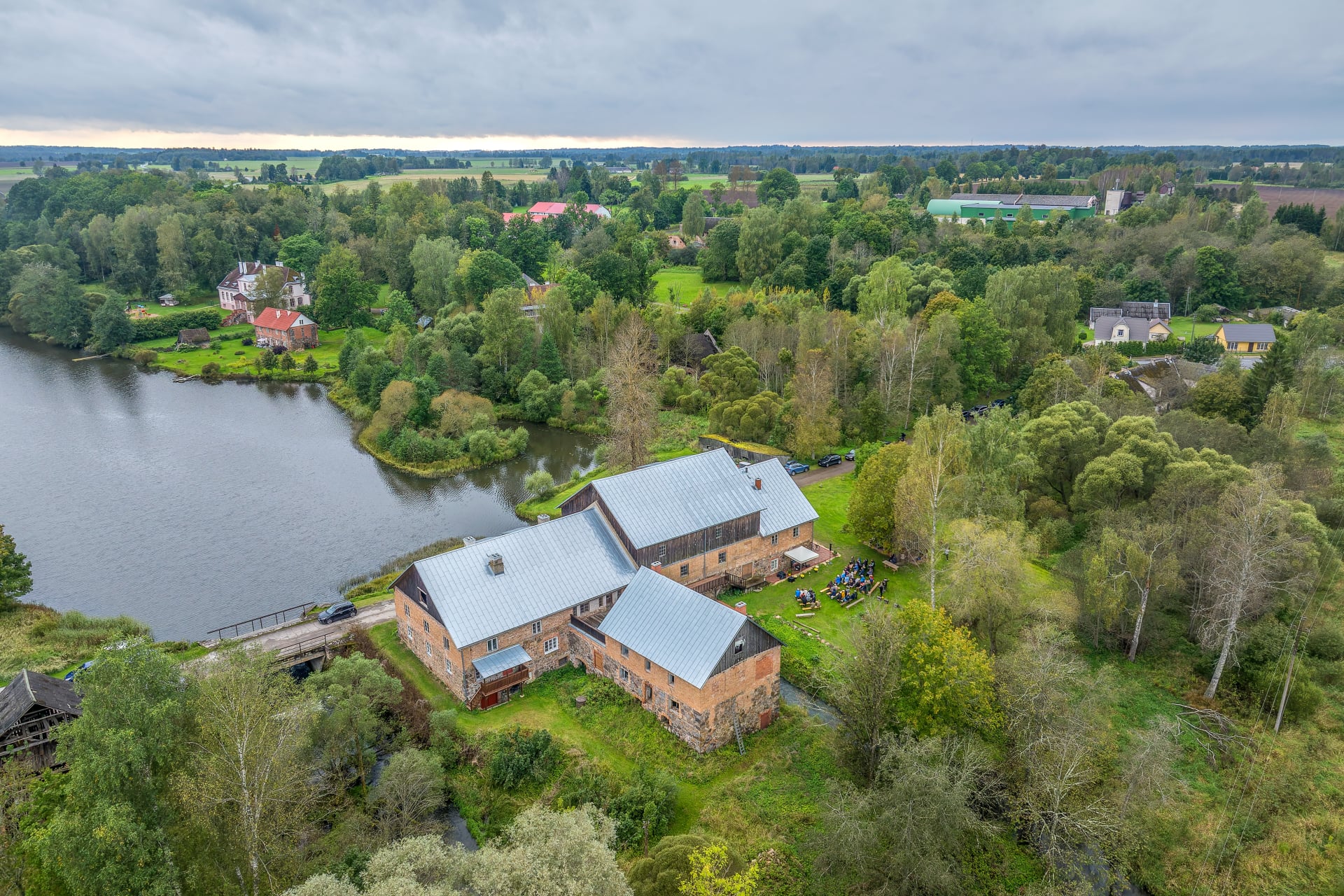
Siimusti Clay Industry

Siimusti Ceramics operates from the clay factory, which was founded in 1886 by Joosep Tiimann, a man born from a family of farmers. The location was suitable due to the clay deposits present here. At first the brick manufactury was created; afterwards they started producing oven pots and dishware.Nowadays you can get acquainted with the manufacturing process of ceramics: The pouring of clay into the mold and the firing and glazing processes. The end product can be bought onsite.

  • Guided tours

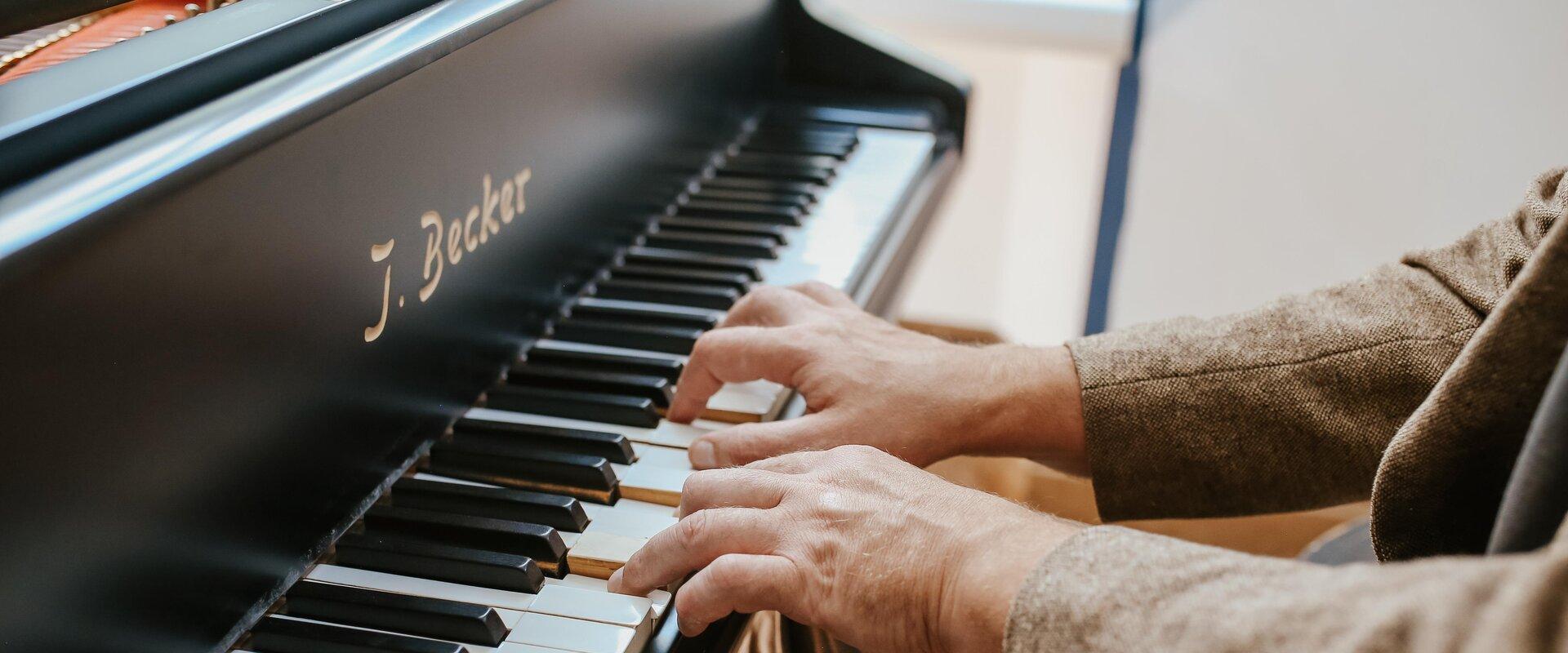
The National Piano Museum

The National Piano Museum is located in a special building - the historic Holdre Manor.The Art Nouveau-style main building, with its Heimat-style influences, was erected around 1910 during the time of Woldemar von Ditmar. Previously, the manor centre had not been built in a representative style. The architect of the building was Otto Wildau, who also designed the nearby Taagepera and Karksi manor buildings. The aim of the National Piano Museum is to collect as complete a collection of Estonian pianos as possible.By prior arrangement, we offer a musical guided tour with Alo Põldmäe, a composer, singer and music educator who is in charge of the Piano Museum.

  • Guided tours
  • Virtual reality (VR)

Old Believers Museum in Kolkja

Who are the Russian Old Believers? How and when did they arrive in Estonia? Why did they settle in the Peipsi region, and what are their customs? Why have they grown onions this way for centuries? The Old Believers Museum in Kolkja is located on the Onion Route and tells visitors the story of the Peipsi Region's Russian Old Believers. The exhibition is in Estonian, English, and Russian and includes virtual reality, where you can experience the Old Believer prayer. We also offer hour-long guided tours in Estonian and Russian. There is an observation tower overlooking Lake Peipsi at the museum! Come and discover the world of the Old Believers in Kolkja!

  • Privacy Policy

"*"обозначает обязательные поля

Это поле используется для проверочных целей, его следует оставить без изменений.
Я разрешаю маркетинг