• Avasta
    • Еда
    • Природа
    • Культура
    • Семья
    • Спорт
    • Сообщество
    • Блог
  • Planeeri
    • Размещение
    • Информация
    • Varamu
RUS
  • РусскийRUS
  • EestiEST
  • EnglishENG
  • LatviešuLAT
  • SuomiFIN
RUS
  • РусскийRUS
  • EestiEST
  • EnglishENG
  • LatviešuLAT
  • SuomiFIN
Populaarsed otsingud:
Näita kõiki tulemusi
  • Nature and Activities
  • Nature
  • Parks

Räpina Manor Park

Pargi põik 2, Räpina vald, Põlva maakond, 64505

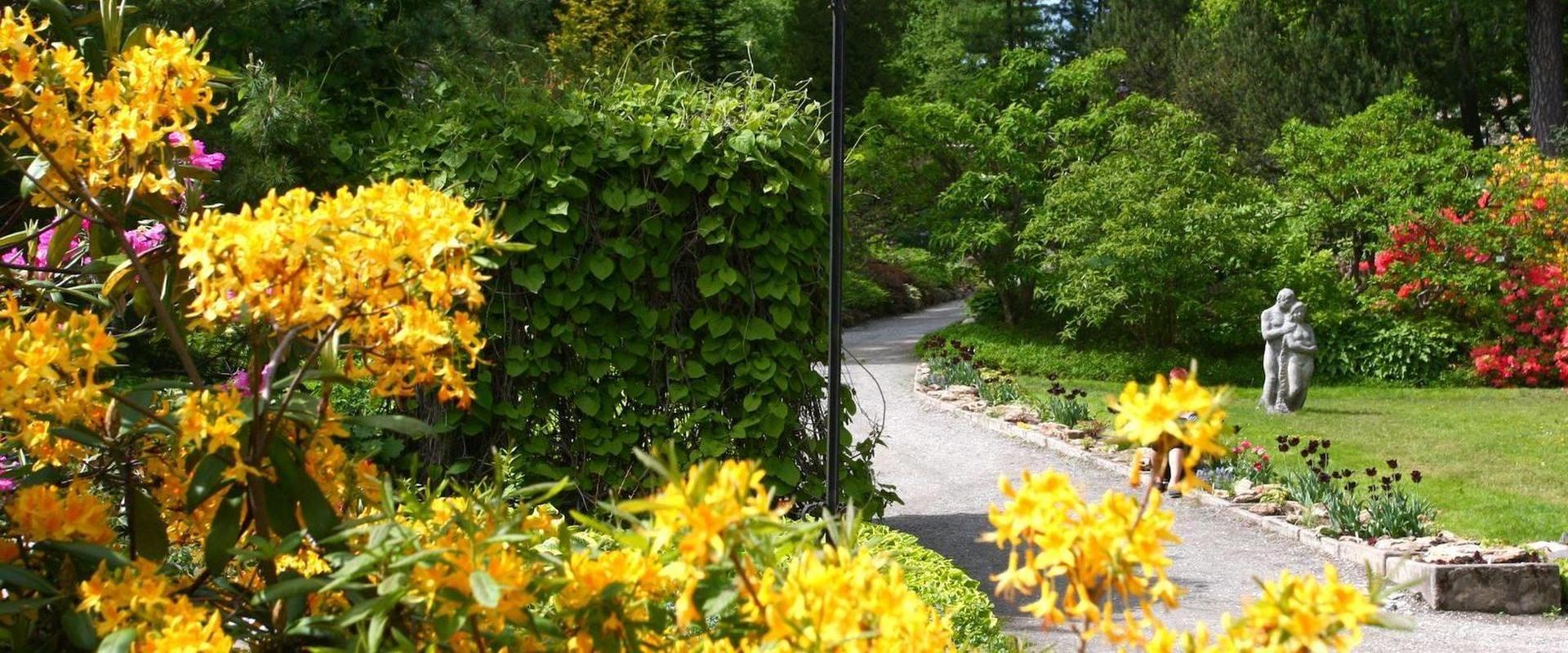
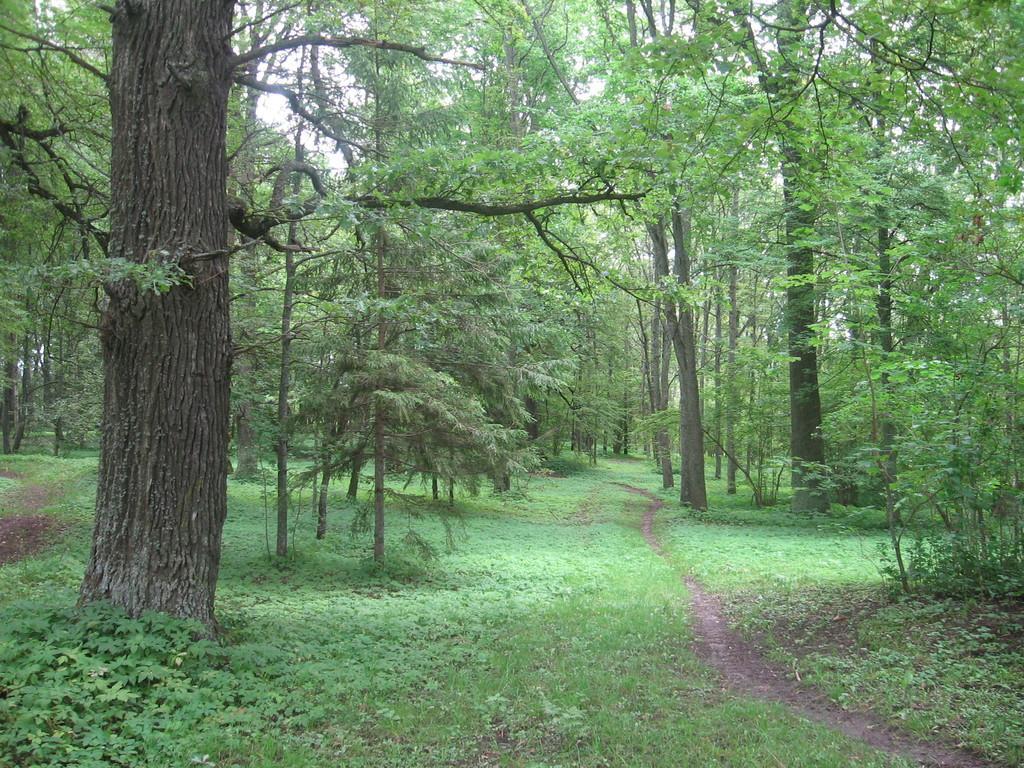
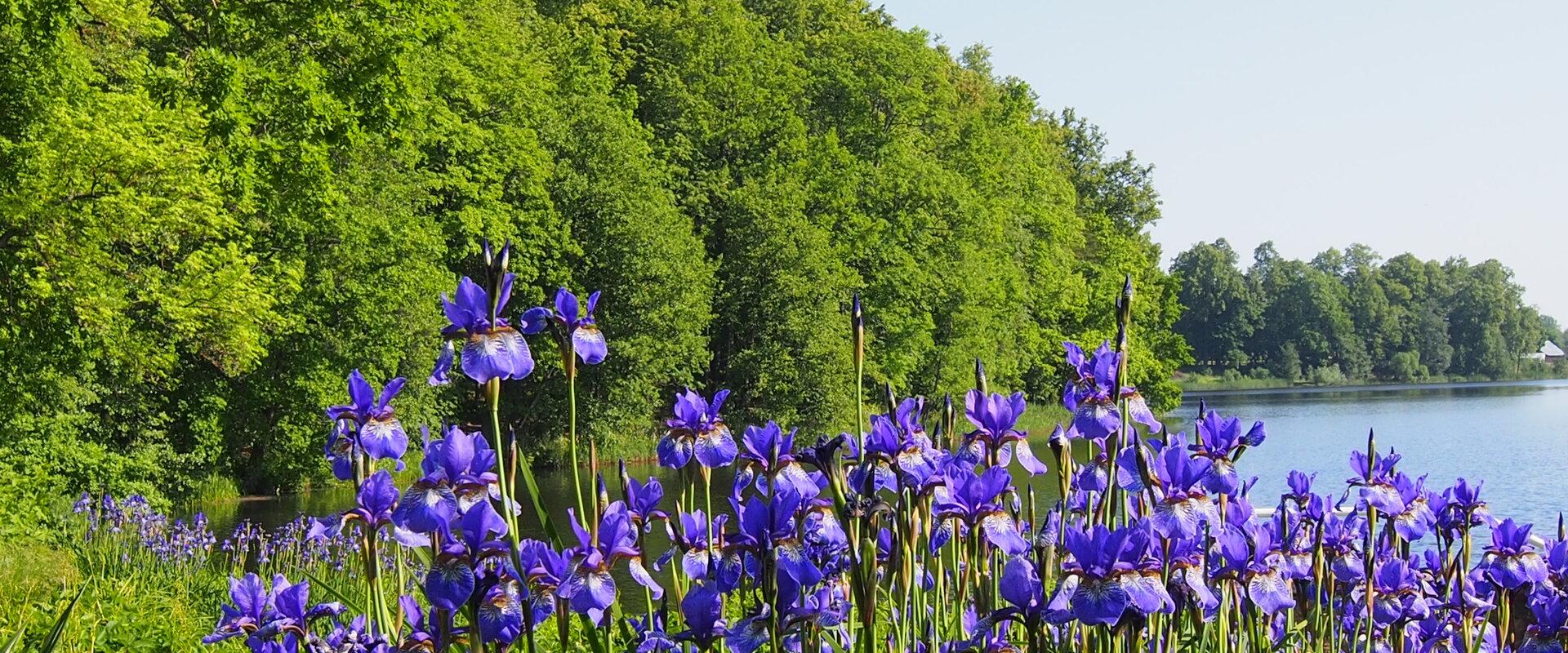
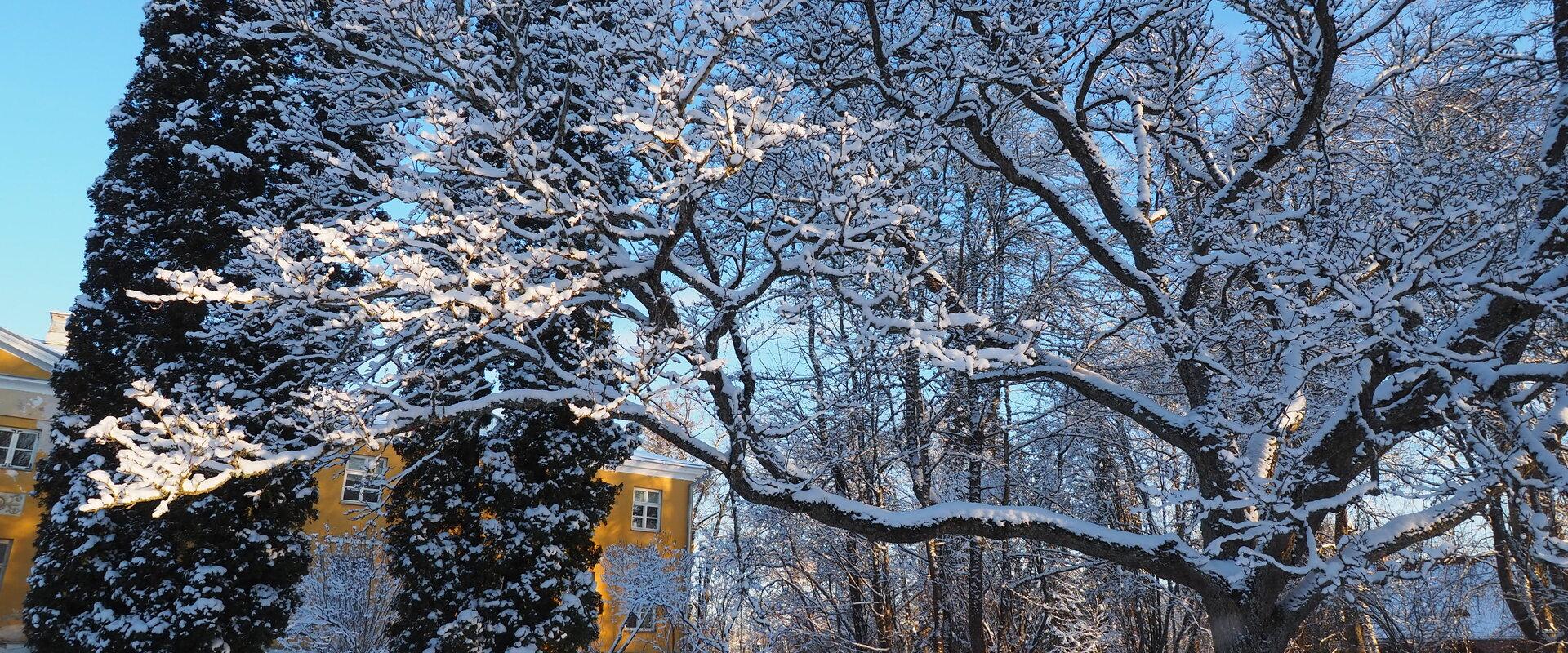
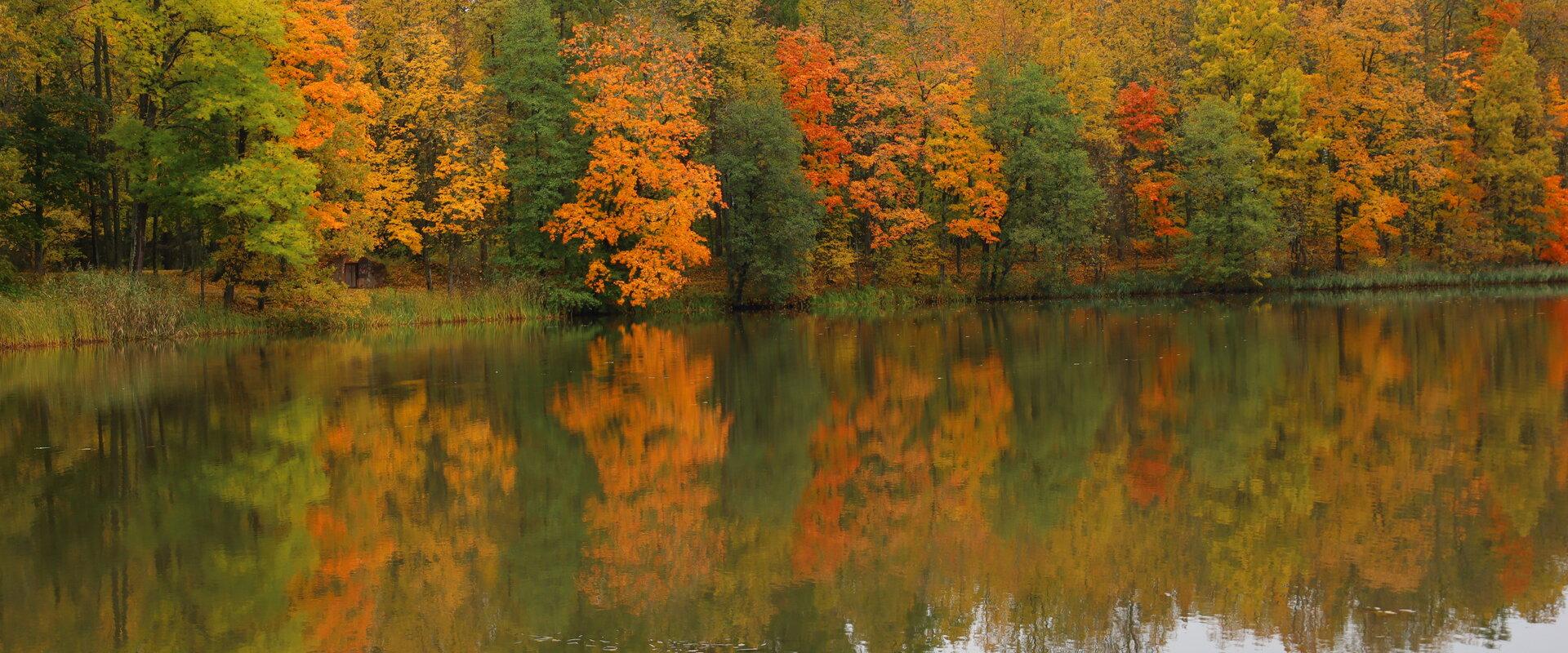
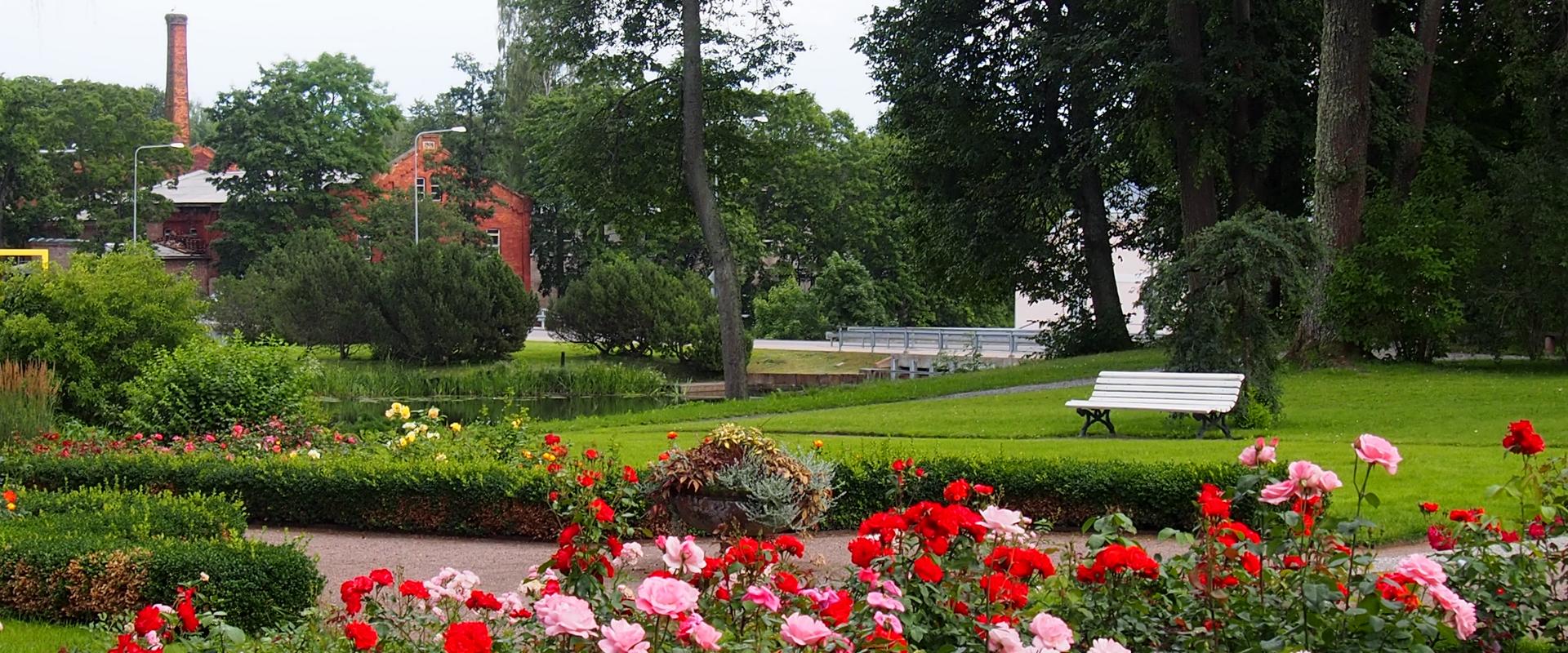
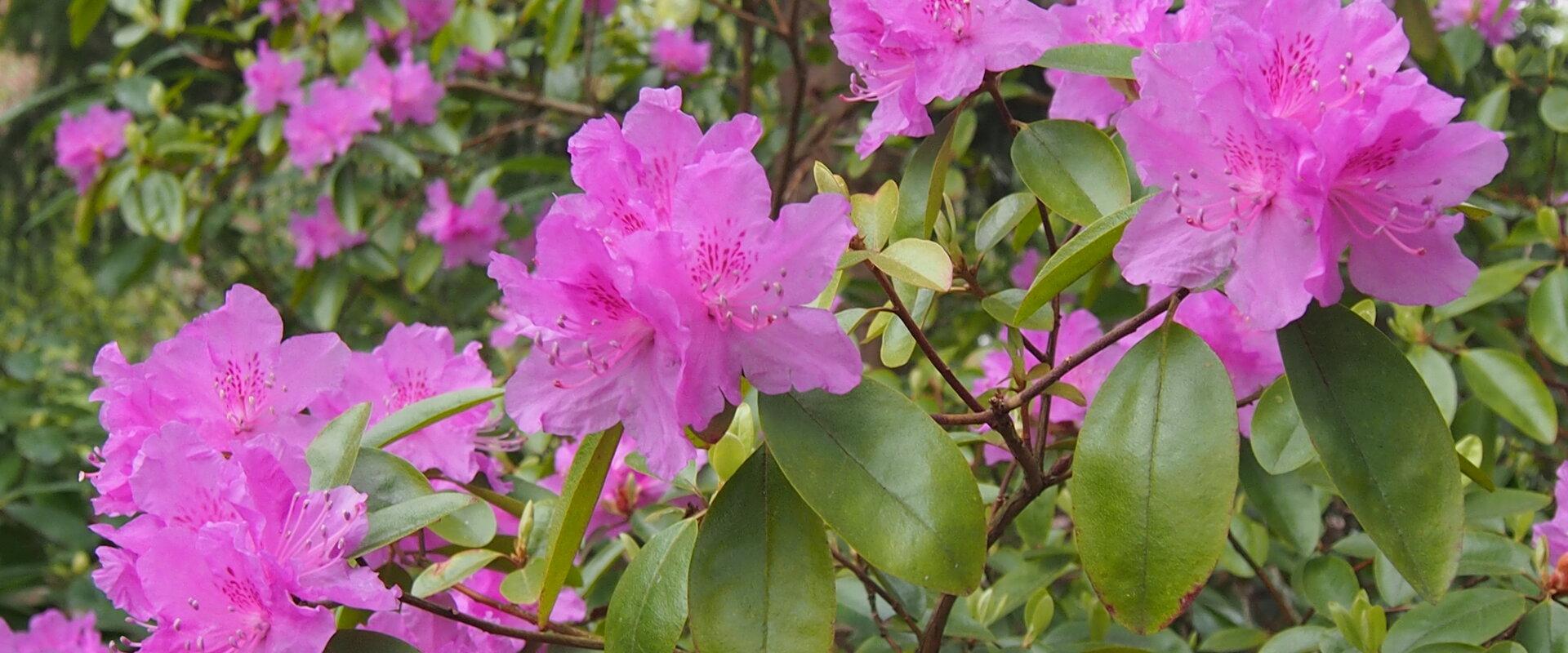
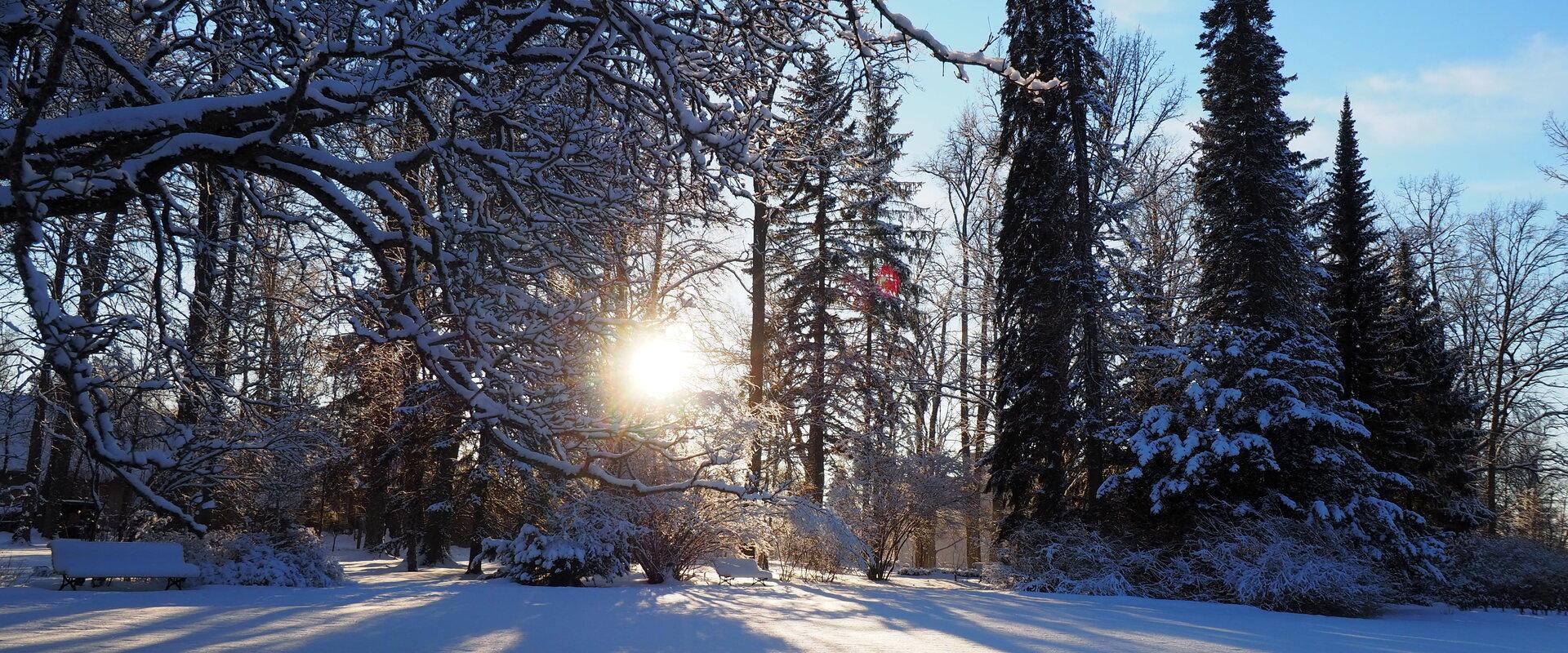
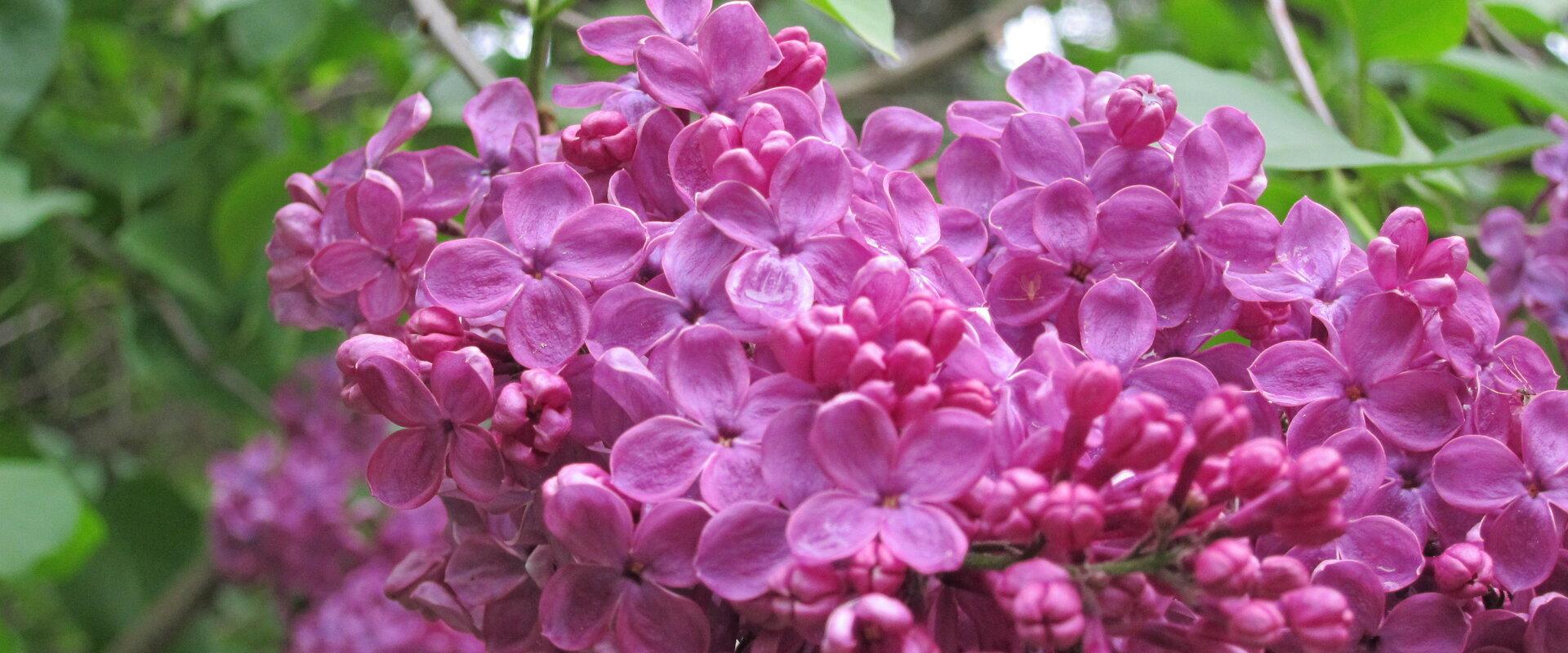
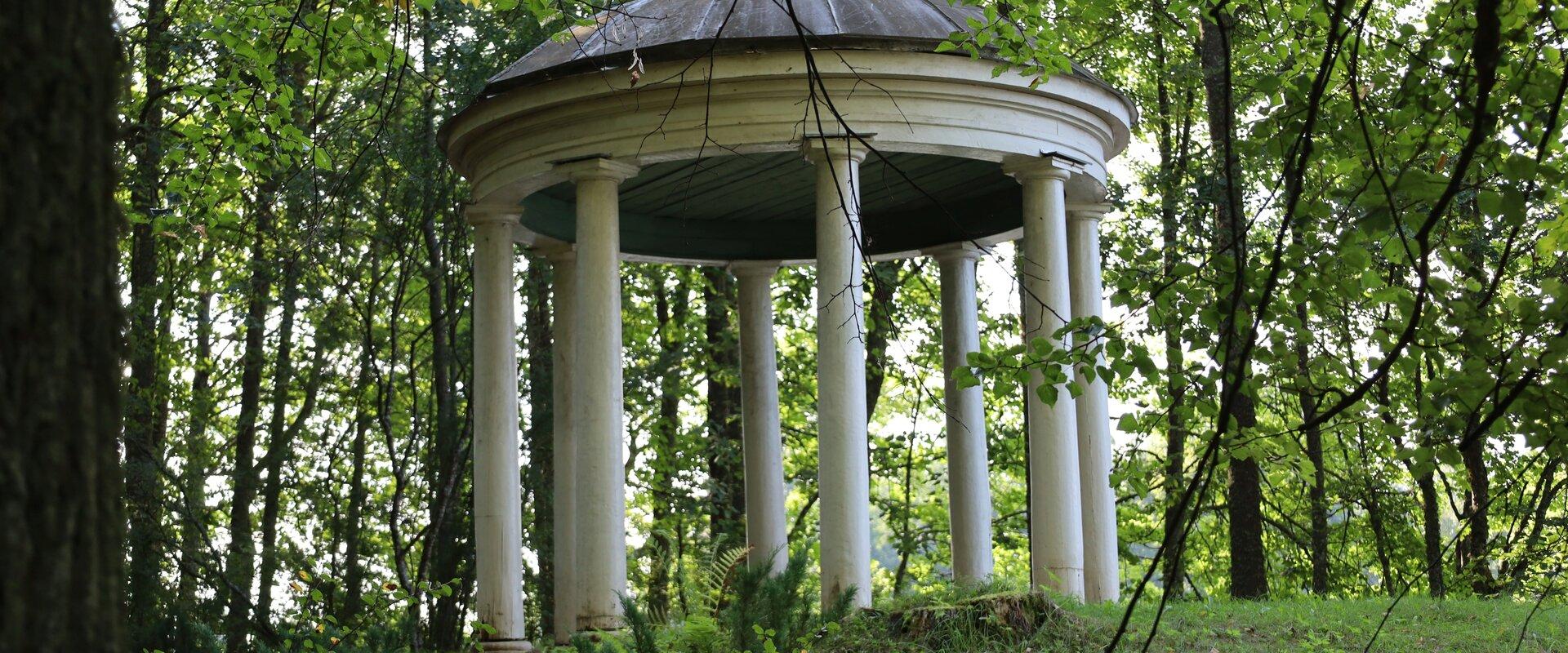
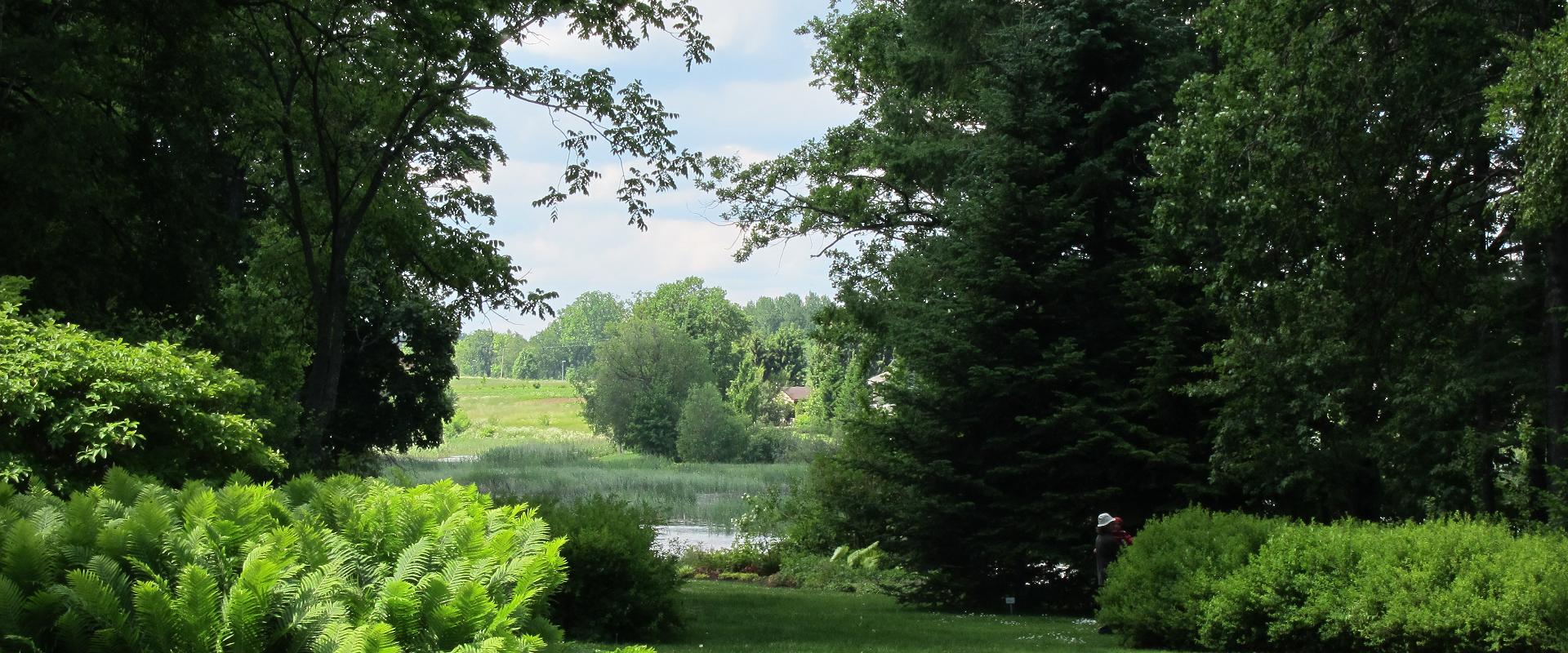
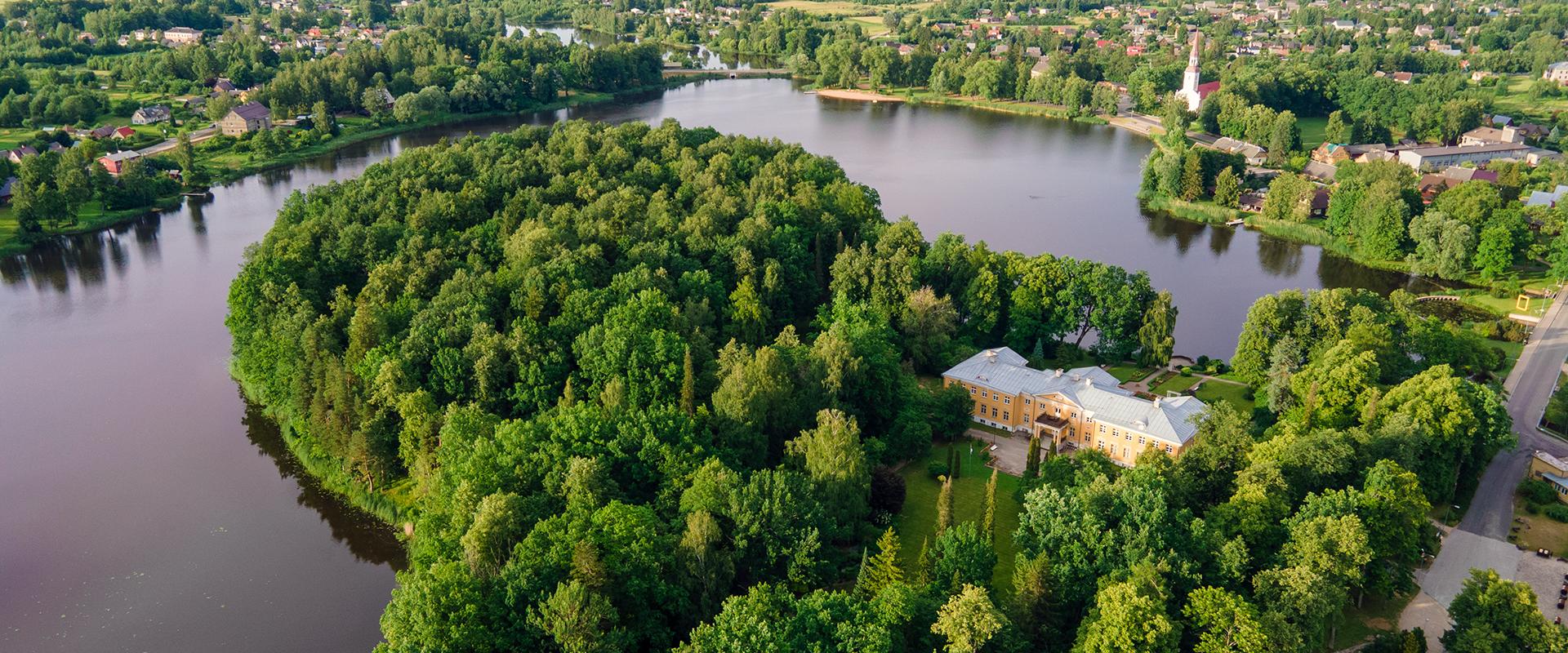
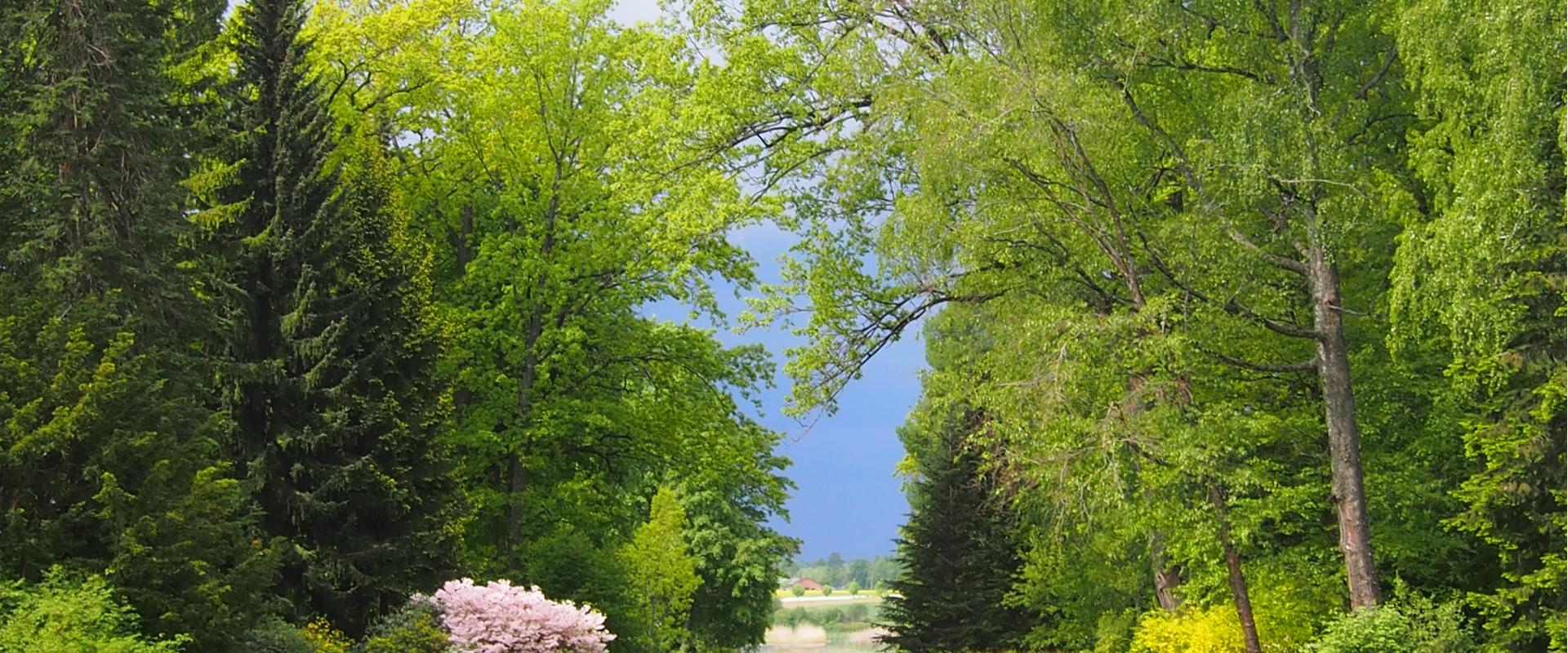
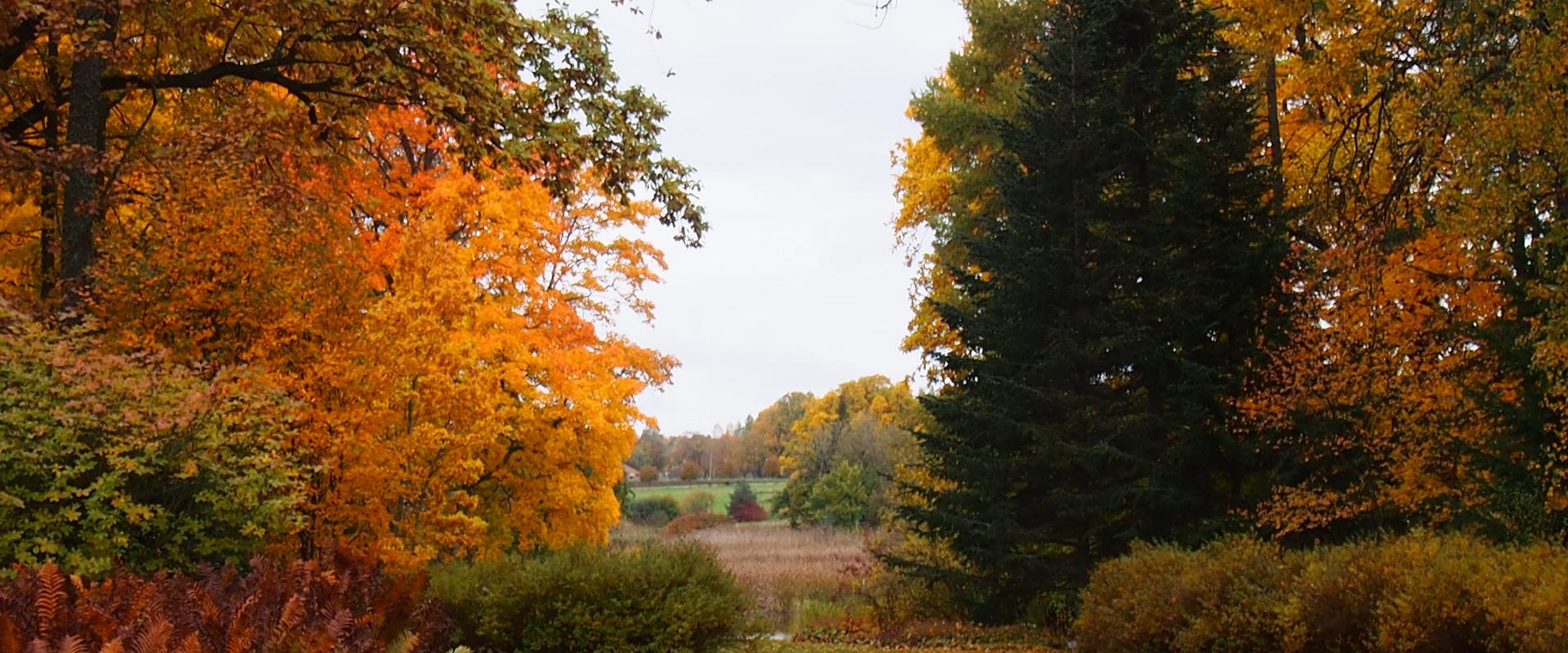
Räpina Manor Park is located on a picturesque peninsula surrounded by the Võhandu River, with Sillapää Castle in the middle. The mixed-style park consists of English, French and forest park parts. The manor house is surrounded by the manor park, which is rich in species (nearly 800 species of trees and shrubs, as well as roses, lianas, rhododendrons, grapevines, etc.). The manor park can be visited at any time. In the northern part of the park, on the bank of Võhandu River, in the shade of the primeval trees, there is an open pavilion-rotunda with a round domed roof and white columns.There are paved paths in the park, which are well suited for strollers. 
Mugavused

  • Information boards
  • Free parking

Lahtiolekuajad

1. jaan - 31. dets

Ööpäevaringselt

Kontakt

  • polvamaa@visitestonia.com

Lingid

www.gardenpearls.eu

Vaata lisaks

  • Parks

Palusalu Garden

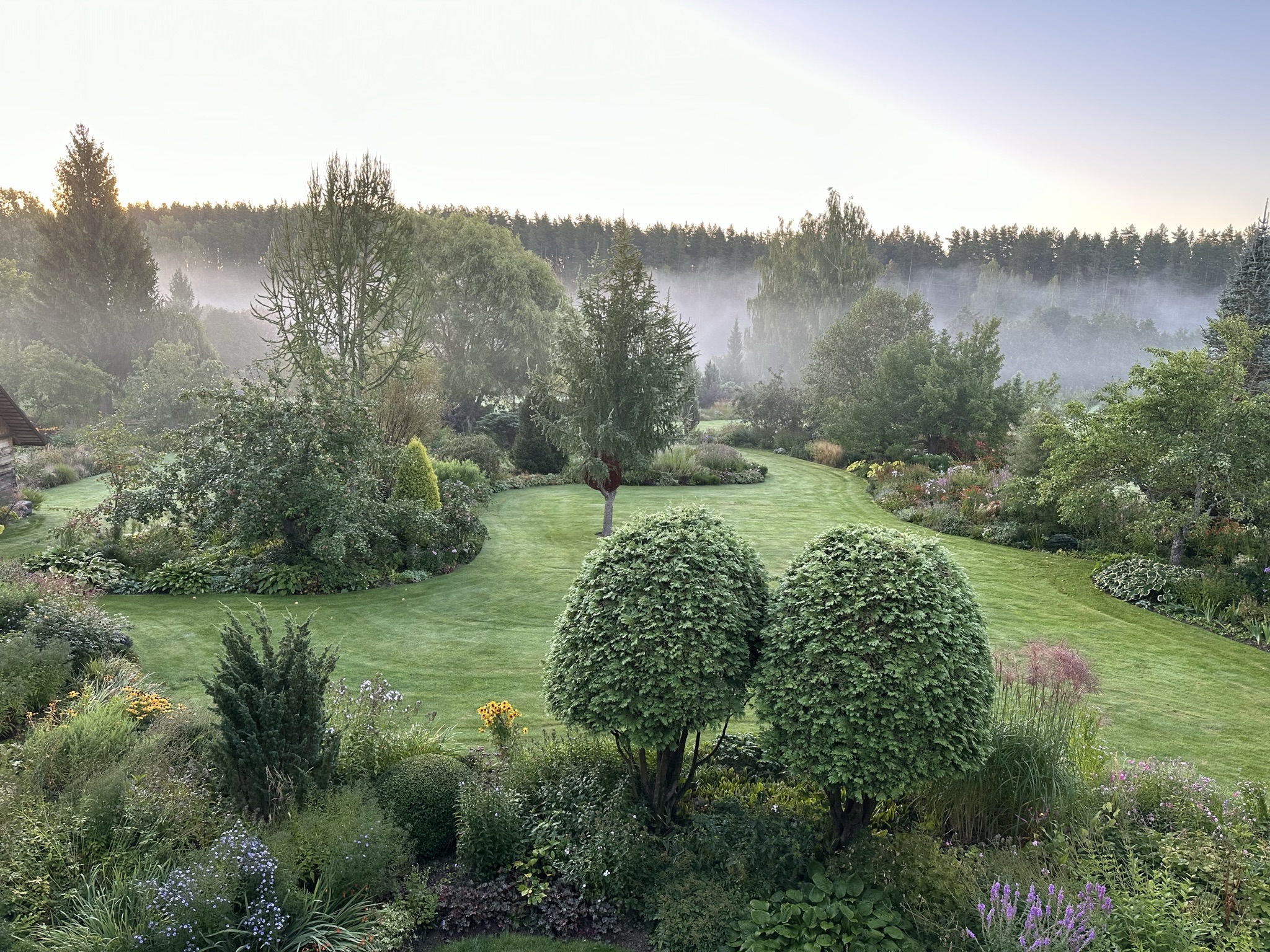
The garden was founded in 2004. The size of the flower garden is 1.5 ha; 0.5 ha of this is for planting. Picturesque views of the forest, hilly landscape and the Võhandu river can be enjoyed from the plot. Special attention has been paid to plant communities that require little care, frost resistant and healthy coniferous tree varieties and deciduous trees and bushes. The garden has been designed in English style, while keeping in mind all four seasons. More than 2000 taxa are represented here.The garden can be visited upon prior agreement. The minimum size of the group is 5 people. It is also possible to order luncheons for groups.

  • Parks
  • Gardens

University of Tartu Botanical Garden

The University of Tartu Botanical Garden offers study programmes and excursions for visitors of all ages. There are more than 10,000 species and varieties of plants in the garden. In addition to natural plants, including rare protected plants, we introduce new decorative plants. In the greenhouses, rainforest and desert plants can be seen. We are the oldest botanical garden in the Baltic States, operating for more than 200 years in the same location. The garden is designed by world-renowned botanists, professors Ledebour and Bunge. Guests can visit the greenhouses with a ticket, but the garden is open for everyone for free. There is a playground for children.

  • Parks

Sookalduse daffodil field

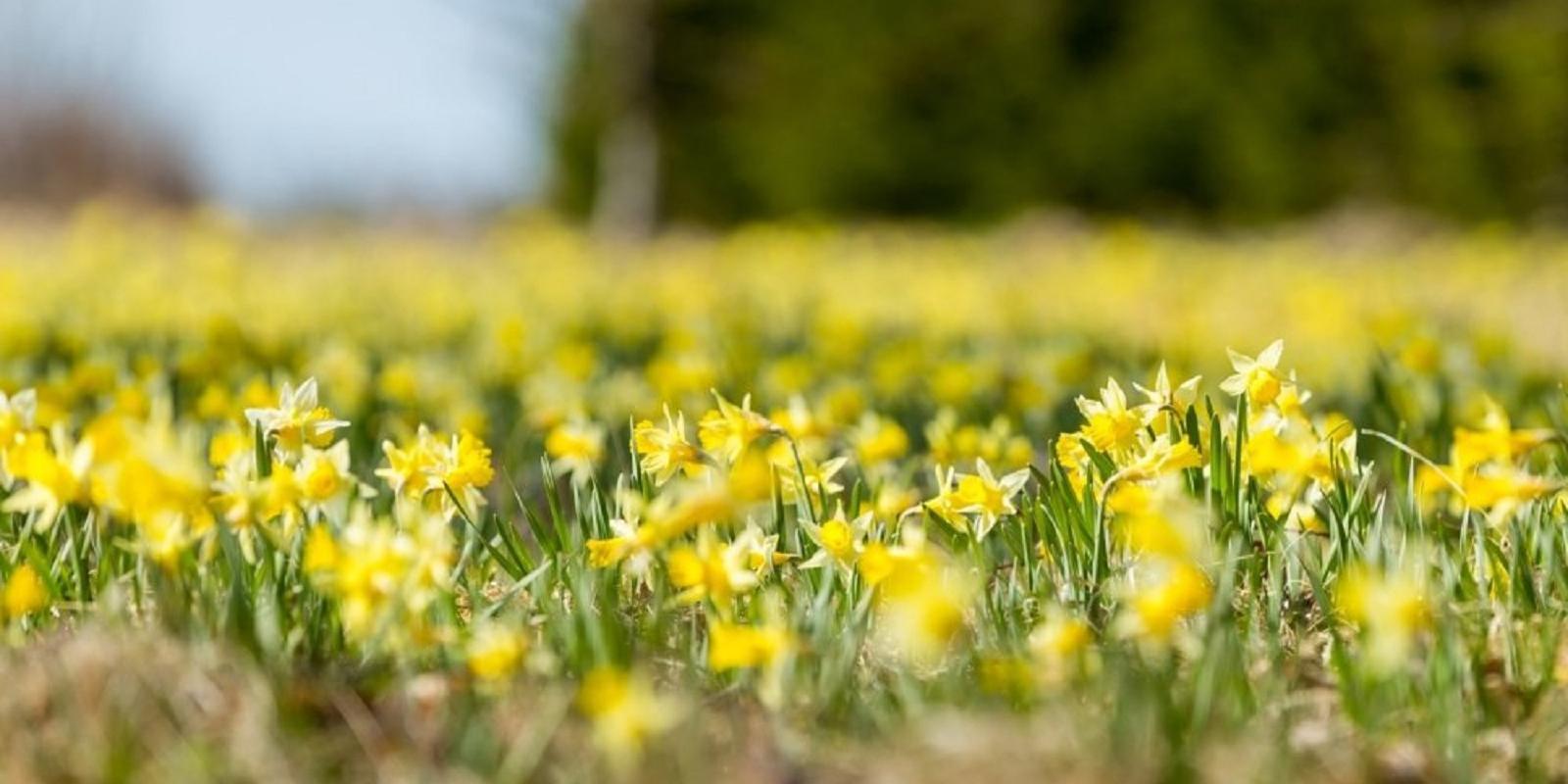
The field of naturally growing daffodils, which is unique in the Baltic states, can be found in the Vara rural municipality. Yellow daffodils are rare in the wild and the daffodil field in Sookalduse is a rarity that has been taken under conservation. The daffodils originate from the bulb that Peep Sibul, the landlord of Sookalduse, got from Saare Manor and planted in his garden in the end of the 19th century.The yellow sea of flowers can be enjoyed from around the middle of April, depending on the spring.

  • Hiking Trails
  • Parks
  • Beaches

Lake Pühajärv

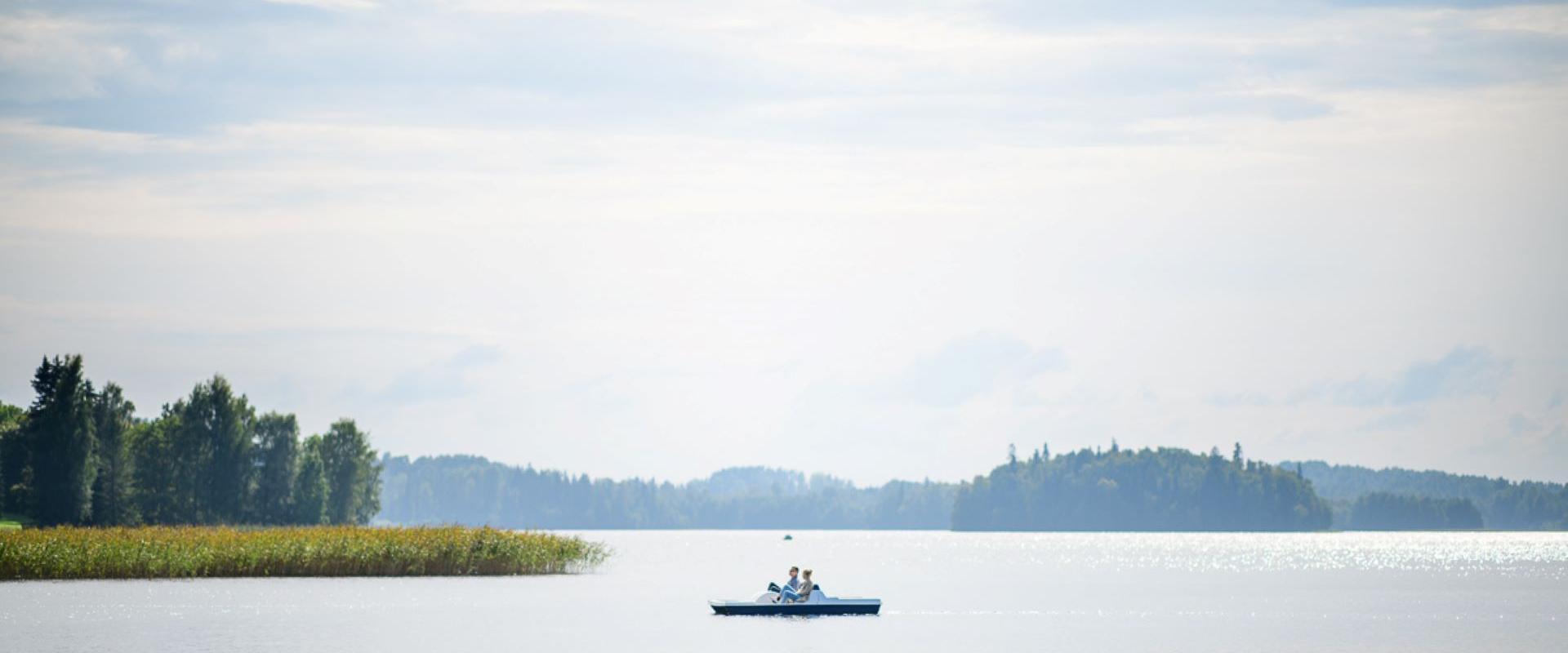
Pühajärv, with its picturesque winding shoreline and four islands, is the largest lake in Otepää Nature Park. At the northern tip of Pühajärv, there is a beach area with a beach house, ball courts, a children's playground, recreation areas, a café, and a boat harbor. At the southern tip is the Kooliranna recreation area, and from there begins the Väike Emajõgi, which meanders through Valgamaa. Pühajärve Park is the starting point for the Murrumetsa hiking trail, and around the lake runs the 12 km long Pühajärve hiking trail, which passes by the lake's most famous spring, the Armuallikas. In winter, when weather conditions are suitable, an ice trail is created on the lake for hiking, and a winter swimming area is open at Pühajärve Beach.Pühajärv has provided plenty of inspiration for writers and artists. For example, Fridebert Tuglas and Eino Leino have vacationed here. Information about Konrad Mägi's Pühajärv paintings can be found on an info board by the lakeshore near the GMP Pühajärve restaurant. In 1991, the Dalai Lama, Tenzin Gyatso, visited Otepää and blessed the lake, an event commemorated by a wooden sculpture on the shore of Pühajärve Park.

  • Parks

Luua Manor Park

Luua Manor Park is located in Vooremaa Landscape Protection Area in Jõgeva County. The main building of the Luua manor complex with its ancillary buildings and park are protected under heritage conservation. The park has been protected since 1959. Its area is 19.7 hectares.The park is extremely rich in species. It has about 150 taxa of trees and bushes; about 110 of them are alien species.The park is a home to protected bats: northern bats, Daubenton's bats, brown long-eared bats, Brandt' bats or whiskered bats, pond bats, Nathusius's pipistrelles, common noctules, common pipistrelles, and tawny owls.

  • Parks

Mõniste Manor Park

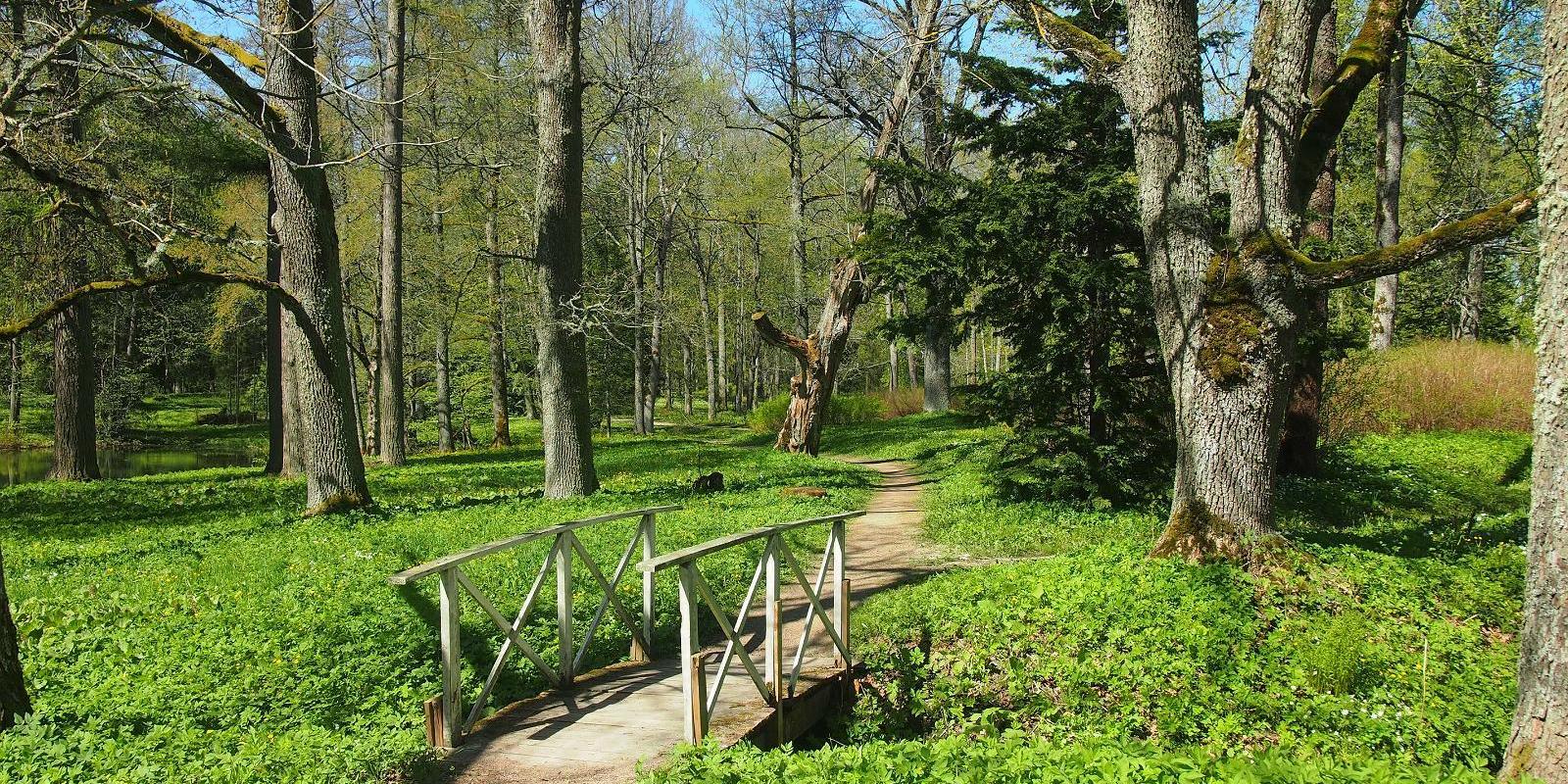
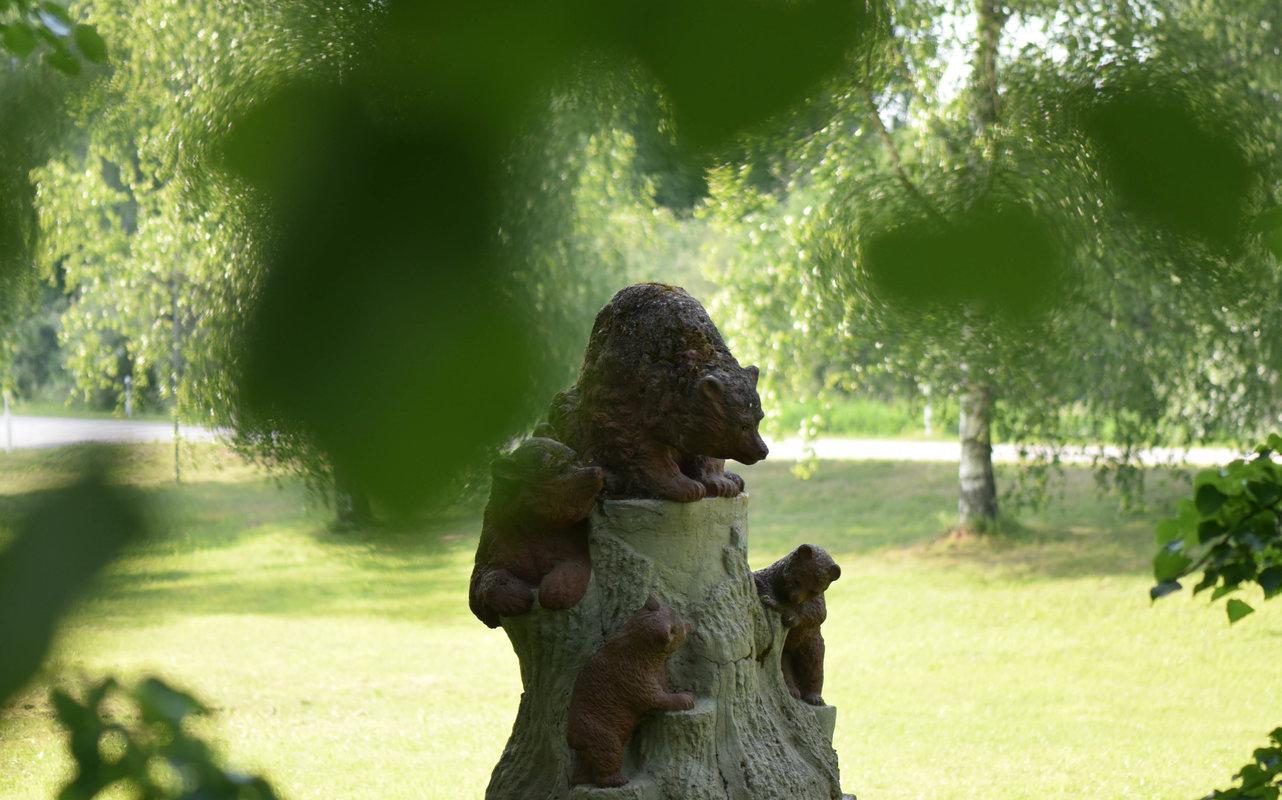
Mõniste Manor was first mentioned in 1542. The last owners of the manor were the von Wulff family, but the manor was destroyed in the Estonian War of Independence. The 14.6 ha park at Mõniste was founded in 1840 and is one of the oldest in Võru County. The Mõniste Reservoir plays an important role in the design of the park. The site of the former Manor House is now a large meadow. Spruce, oak, linden, silver birch and larch are indigenous to the park. Some of the more rare species include common spindle, Manchurian walnut and Douglas fir. A sculpture depicting bears is located near the park on the Võru-Valga highway - a reminder of the highway decorations that were in fashion during the Soviet occupation.

  • Hiking Trails
  • Parks

Pühajärve War Oak

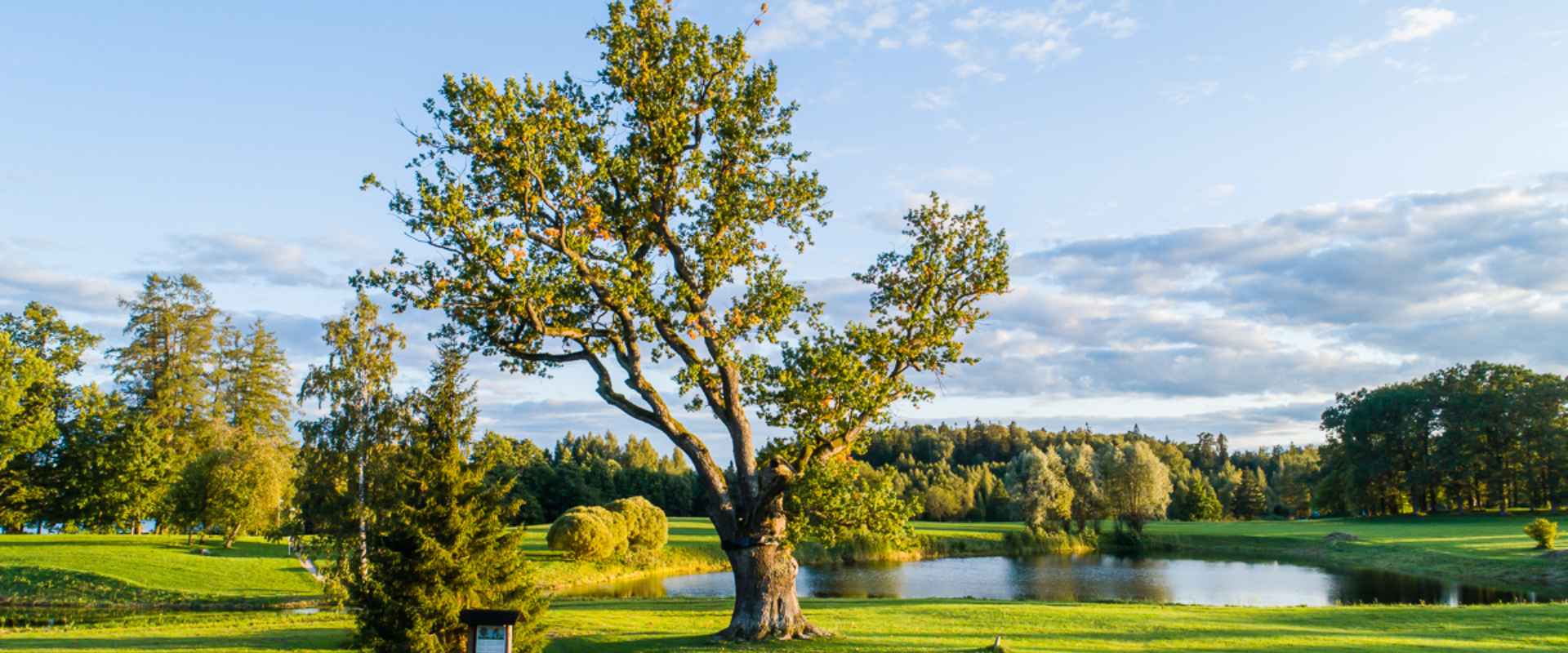
You'll need several people to measure the circumference of the ancient, nearly 400-year-old oak tree towering nearby Lake Pühajärv in Otepää! The trunk of this ancient tree has a circumference of 6.6 meters. It is called the War Oak because it has witnessed many historical events. Apparently, peasants of the Pühajärv Manor refused to work for the manor in autumn 1841 and the rebels were punished near the oak. The Pühajärve War was one of the first peasant uprisings against the landlords in Estonia, and in memory of it, an oak tree was planted nearby, where a memorial stone was erected on the 130th anniversary of the uprising. A beautiful park with walking tracks surrounds the tree today, and although the ancient tree is no longer in its full glory, it stands here to its full dignity, recalling times gone by.

  • Parks

Luunja Manor Park

Luunja Manor Park was established in the 18th century as a Baroque park by Count B.C. von Münnich and redesigned as an irregular landscape park at the end of the 19th century.There is a rose garden near the park that is a great place for cultural events, picnics, and walks in the summer. In addition to the park, there are also several historical monuments in the exhibition areas of the manor. These include the alleys of the manor, the walls surrounding the park and the garden, the old distillery and smithy, the gardener's house, and a cattle-barn complex.

  • Privacy Policy

"*"обозначает обязательные поля

Это поле используется для проверочных целей, его следует оставить без изменений.
Я разрешаю маркетинг