• Открой
    • Еда
    • Природа
    • Культура
    • Семья
    • Спорт
    • Сообщество
    • Блог
    У Вас появились свободные выходные, чтобы провести с детьми? Здесь собраны лучшие места в Южной Эстонии для семейного отдыха
  • Планируй
    • Размещение
    • Информация
    • Varamu
    Sustainability
RUS
  • РусскийRUS
  • EestiEST
  • EnglishENG
  • LatviešuLAT
  • SuomiFIN
RUS
  • РусскийRUS
  • EestiEST
  • EnglishENG
  • LatviešuLAT
  • SuomiFIN
Populaarsed otsingud:
Näita kõiki tulemusi
  • Nature and Activities
  • Nature
  • Parks

Mõniste Manor Park

Rõuge vald, Võru maakond, 66002

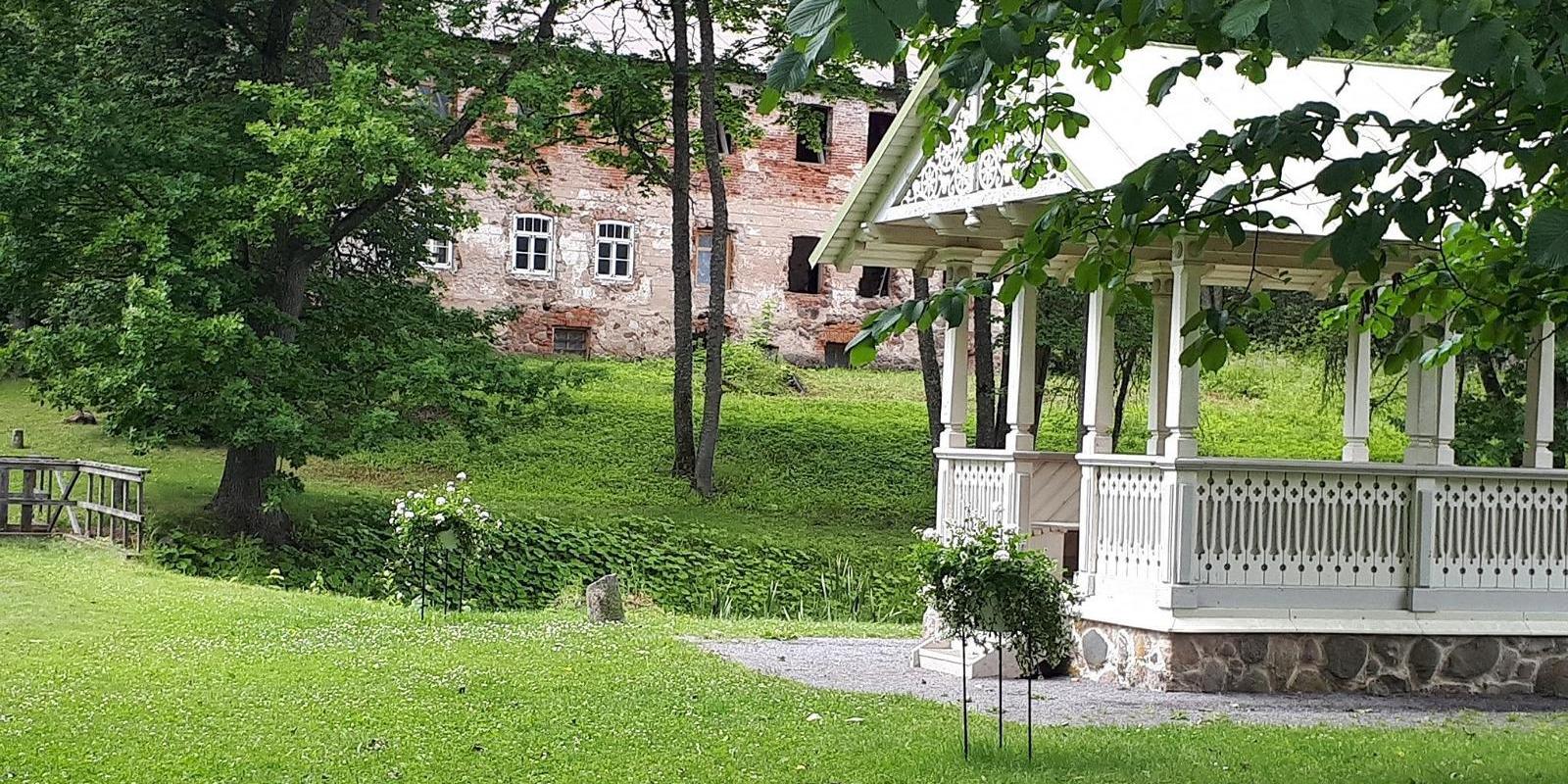
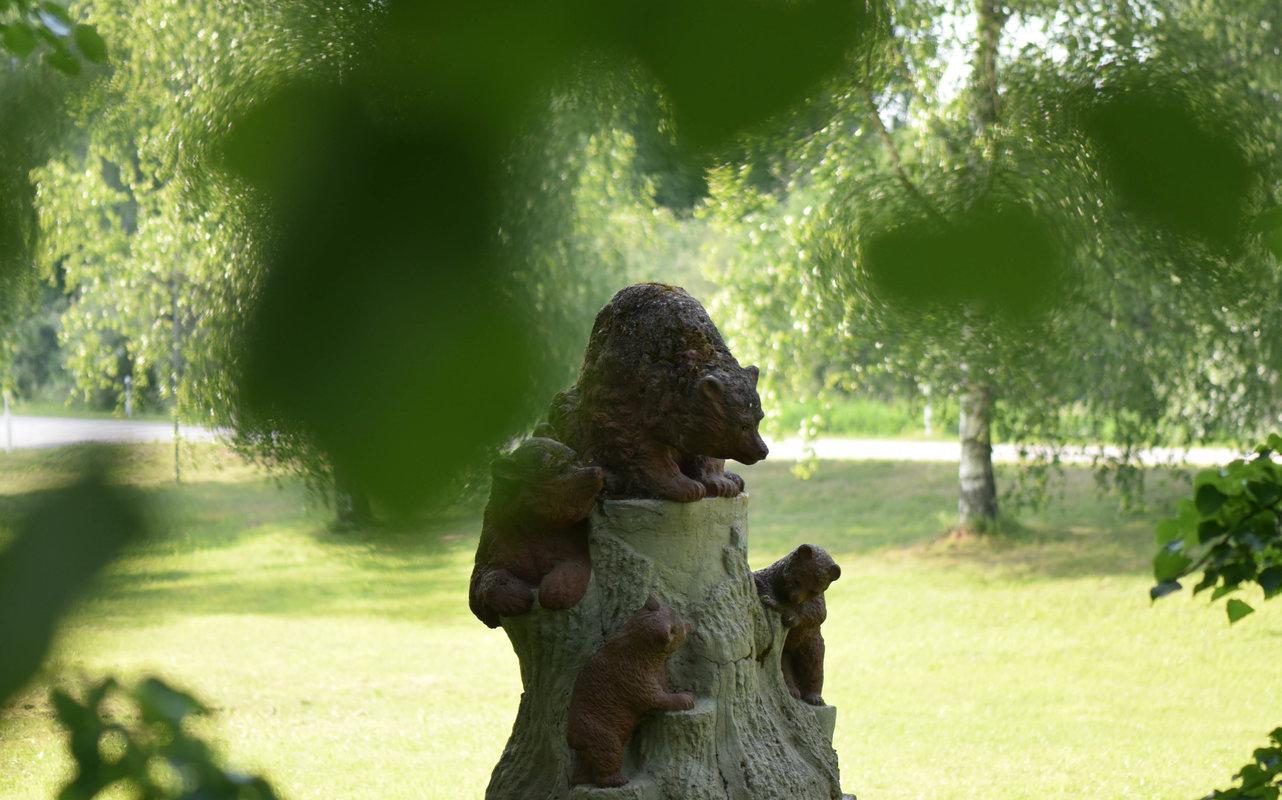
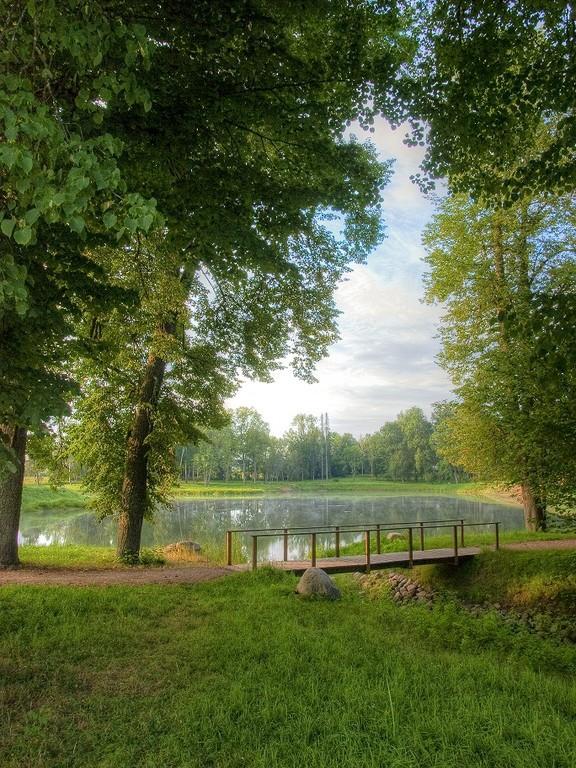
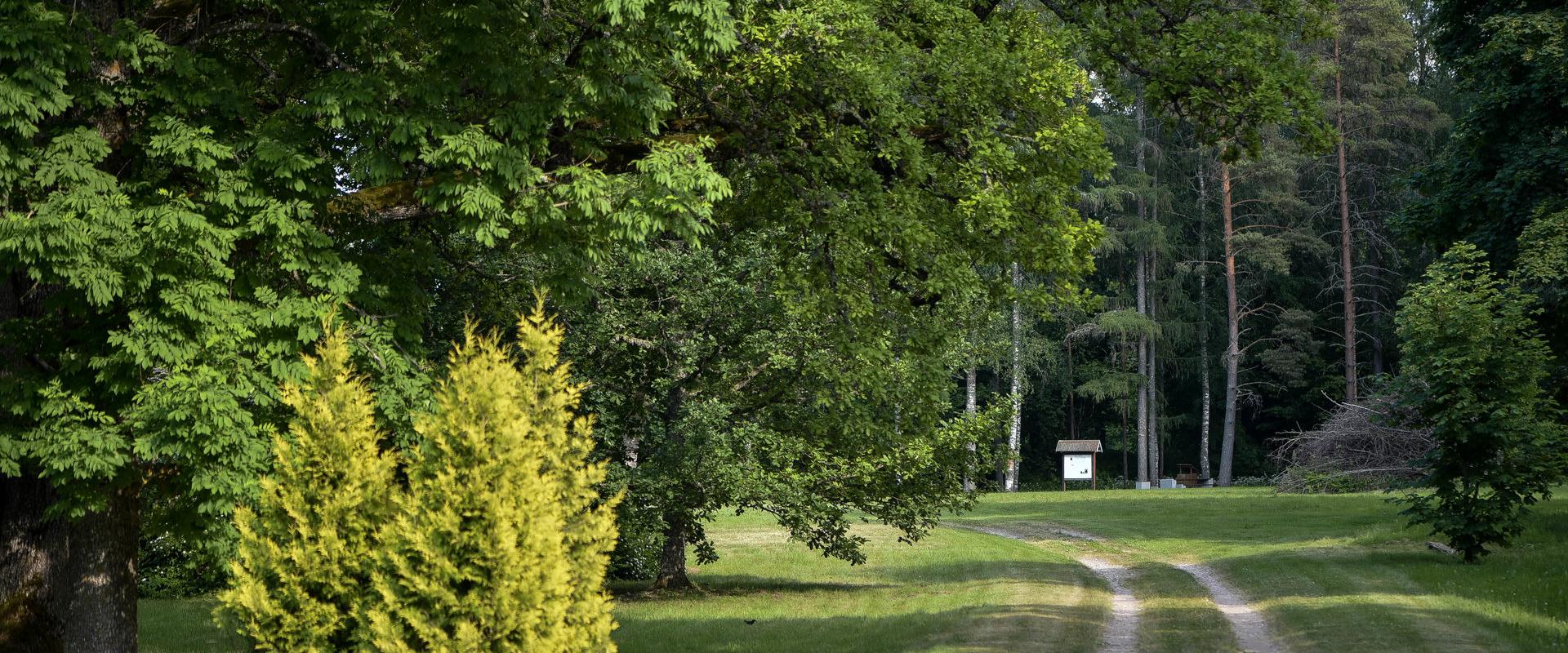
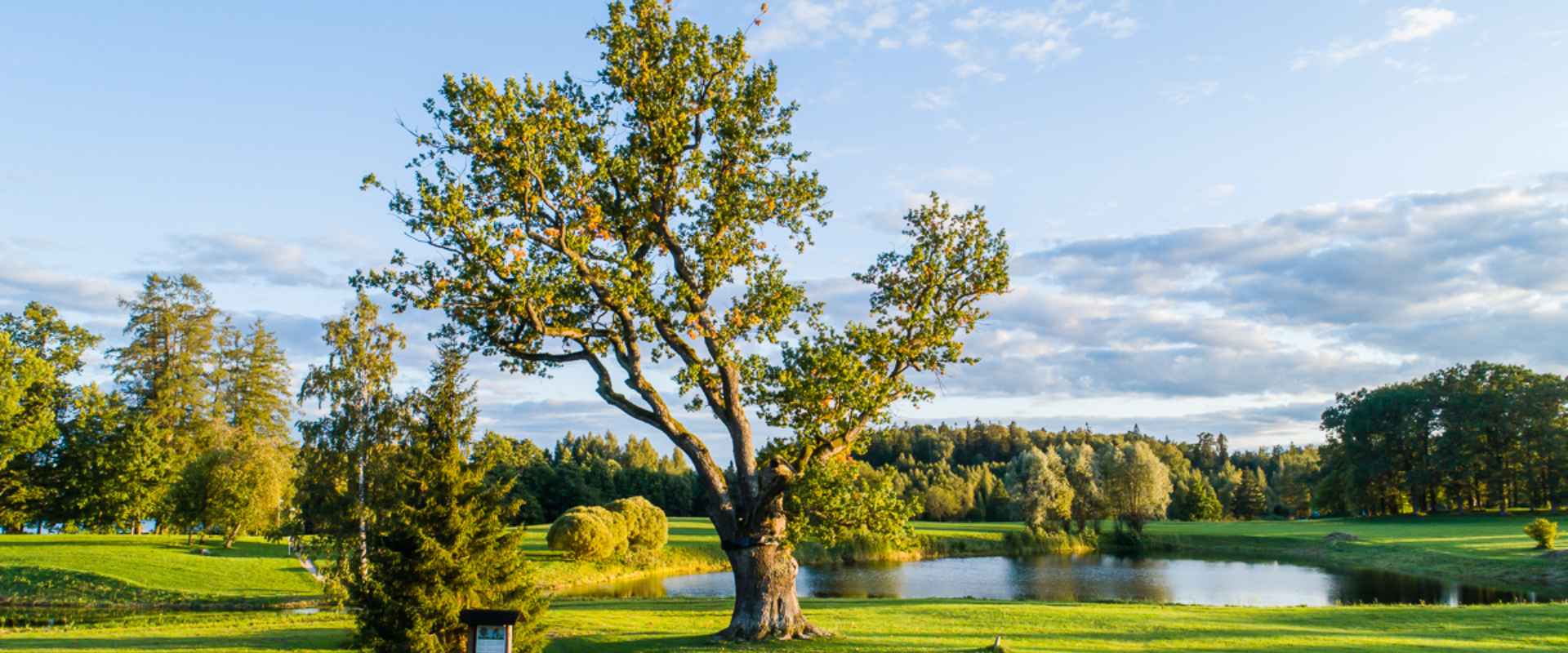
Mõniste Manor was first mentioned in 1542. The last owners of the manor were the von Wulff family, but the manor was destroyed in the Estonian War of Independence. The 14.6 ha park at Mõniste was founded in 1840 and is one of the oldest in Võru County. The Mõniste Reservoir plays an important role in the design of the park. The site of the former Manor House is now a large meadow. Spruce, oak, linden, silver birch and larch are indigenous to the park. Some of the more rare species include common spindle, Manchurian walnut and Douglas fir. A sculpture depicting bears is located near the park on the Võru-Valga highway — a reminder of the highway decorations that were in fashion during the Soviet occupation. 
Mugavused

  • Free parking

Часы работы

Круглый год

Ööpäevaringselt

Контакты

  • +372 528 2989
  • info@visitrouge.com

Ссылки

Подробнее

  • Hiking Trails
  • Parks

Pühajärve War Oak

You'll need several people to measure the circumference of the ancient, nearly 400-year-old oak tree towering nearby Lake Pühajärv in Otepää! The trunk of this ancient tree has a circumference of 6.6 meters. It is called the War Oak because it has witnessed many historical events. Apparently, peasants of the Pühajärv Manor refused to work for the manor in autumn 1841 and the rebels were punished near the oak. The Pühajärve War was one of the first peasant uprisings against the landlords in Estonia, and in memory of it, an oak tree was planted nearby, where a memorial stone was erected on the 130th anniversary of the uprising. A beautiful park with walking tracks surrounds the tree today, and although the ancient tree is no longer in its full glory, it stands here to its full dignity, recalling times gone by.

  • Parks

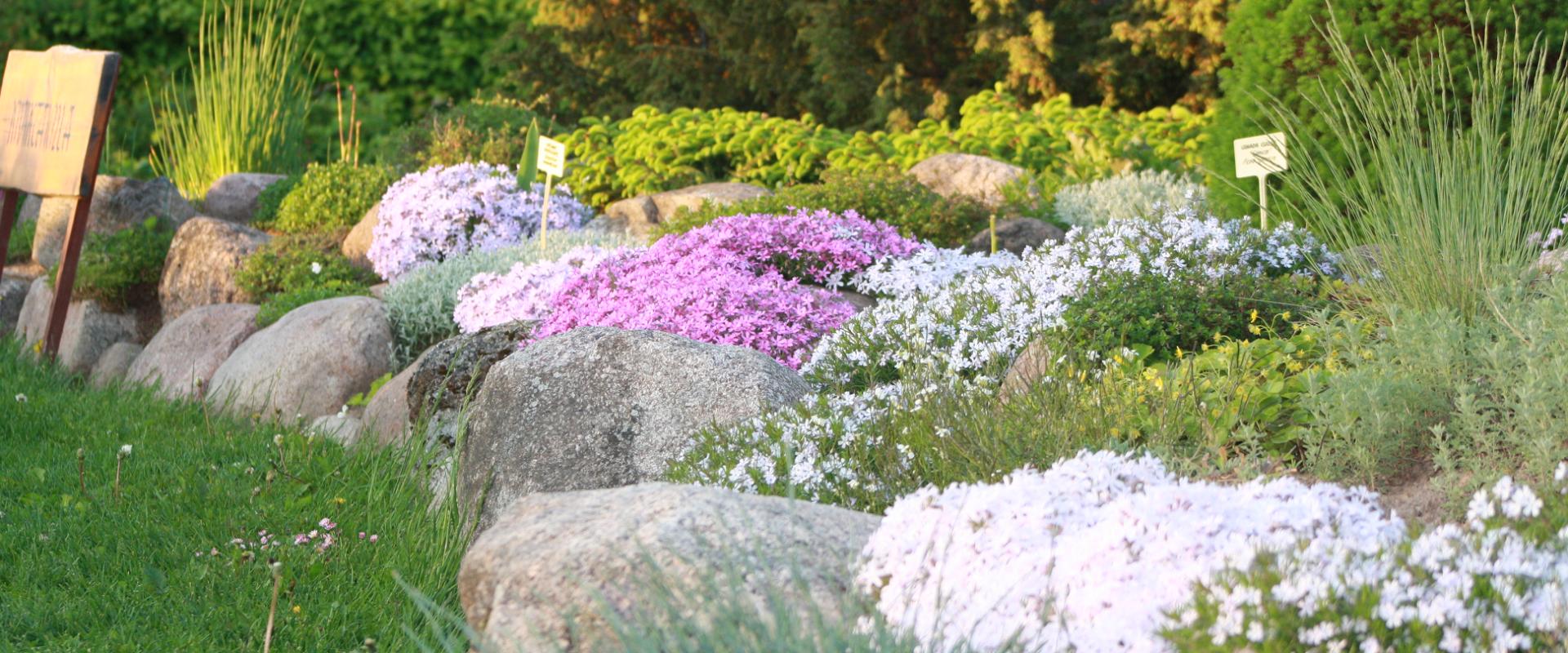
Räpina School of Horticulture collection garden

When walking around the Räpina School of Horticulture, you will find an exciting planting area for perennials, and you can enjoy various summer and perennial flowers in the collection garden. In the collection garden, you can admire 50 different varieties of park roses by Rein Joost, lilies of Mart Heering, about 30 varieties of lilacs by Adolf Vaigla, and 20 varieties of vines by Jaan Kivistik.There are more than 600 different species of trees and shrubs throughout the park and the school (dendrological plant material), with herbaceous plants that include perennials, roses, lianas, natural herbaceous plants, and summer plants – a total of almost 1,200 plants.It is possible to book excursions both in the park and in the collection garden.

  • Parks

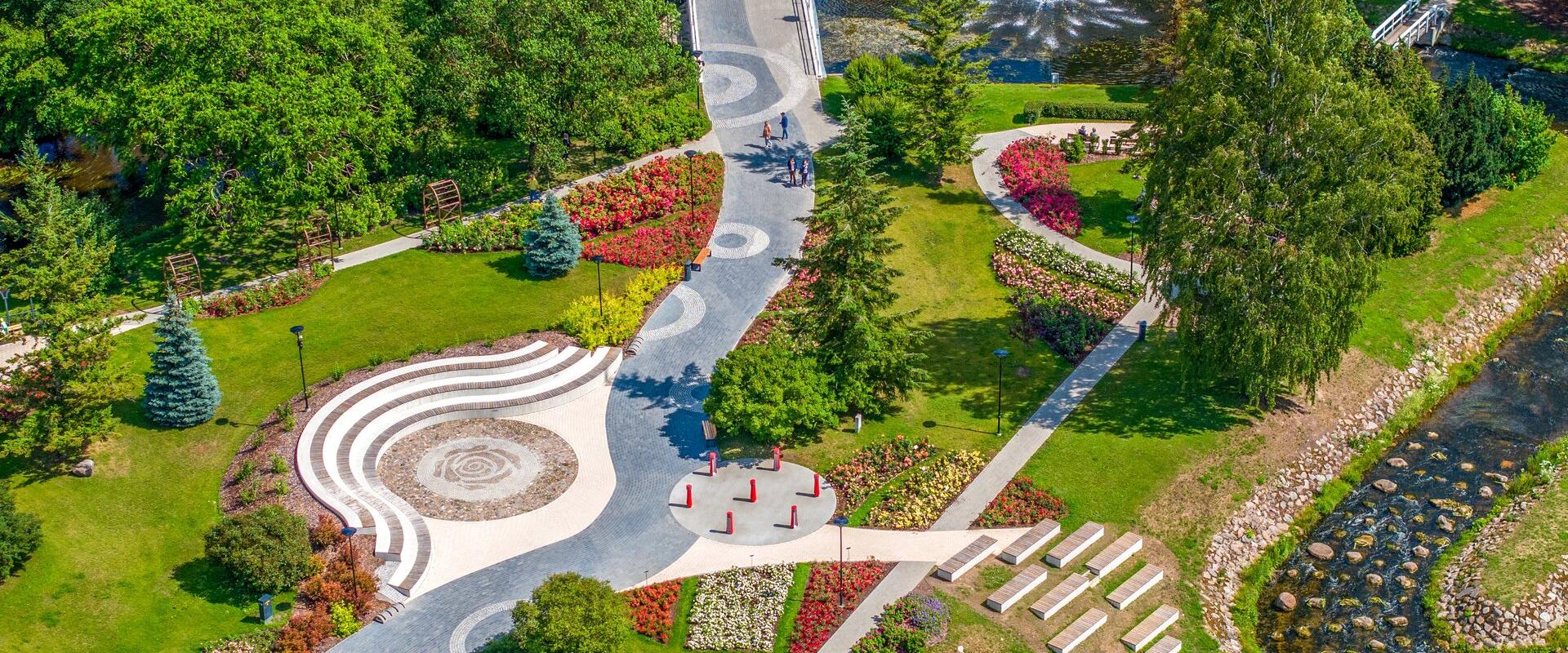
Rose Island in Põltsamaa

Põltsamaa is known as the city of bridges, parks, roses, and wines. Roosisaar (the Rose Island), which is located in the centre of Põltsamaa, was designed in 2001. There are 2,000 roses, a gazebo, walkways, and lighting. Before the Second World War, the island was the centre of the city: there were a lot of businesses on the island and it was called the Goods Island. The Rose Island offers a magnificent view of the Põltsamaa River and the fish ladder. It is also a great location for photographers.

  • Parks
  • Promenades

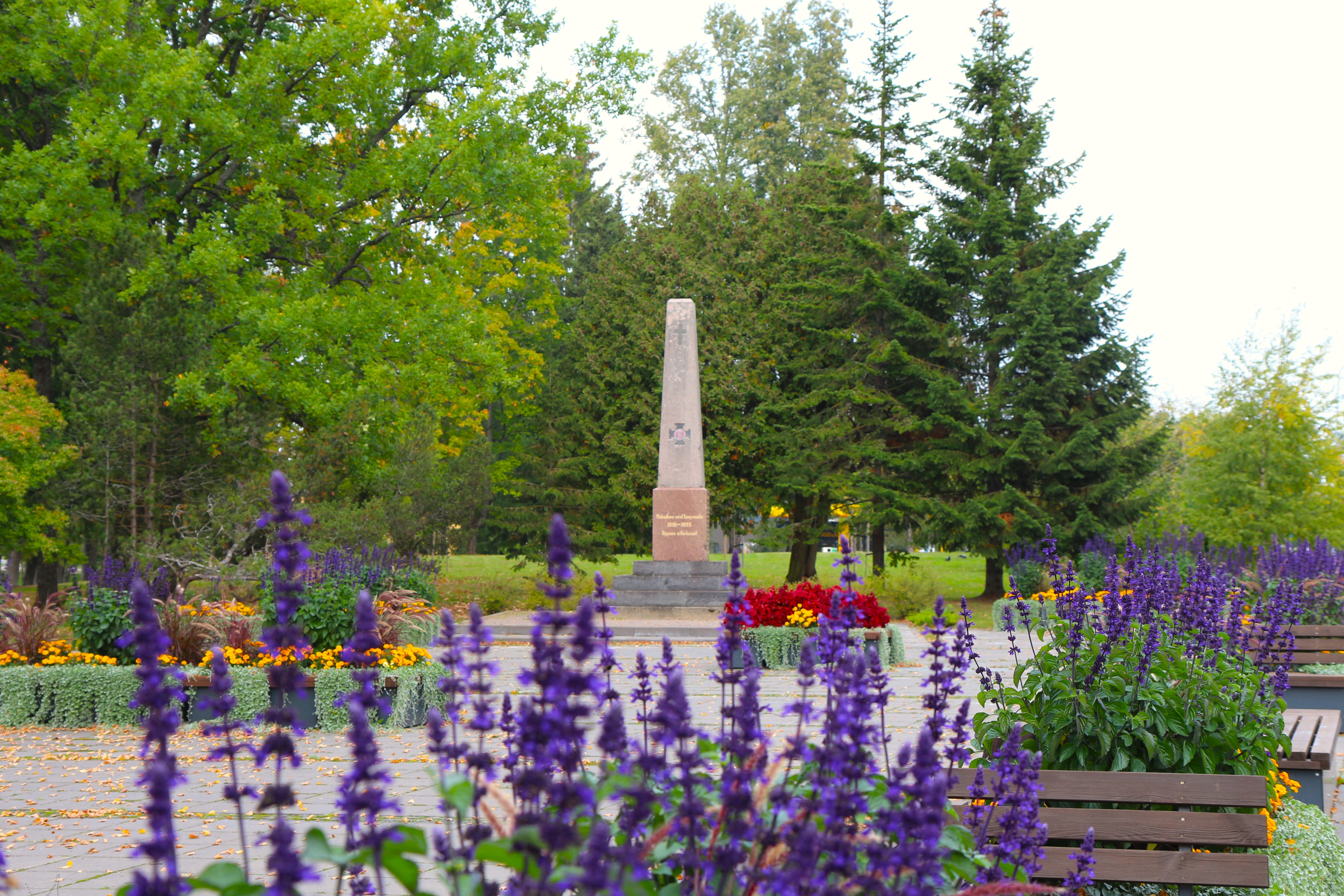
Monument Park (Ausamba park) in Räpina

The park is the city's historical representative square on the eastern shore of the Räpina artificial lake.What makes the park unique is the fact that two obelisks dedicated to the fallen soldiers stand side by side there. The new design of the park highlights the monument erected for the soldiers who fought in the Estonian War of Independence, and next to it, behind the thujas, is a memorial to the soldiers of the Soviet Army.The park is popular because it is located on the shores of the Räpina artificial lake. In addition, there are a lot of different species and an impressive poplar boulevard that leads to the city's public swimming area.

  • Family friendly
  • Lookout towers
  • Parks

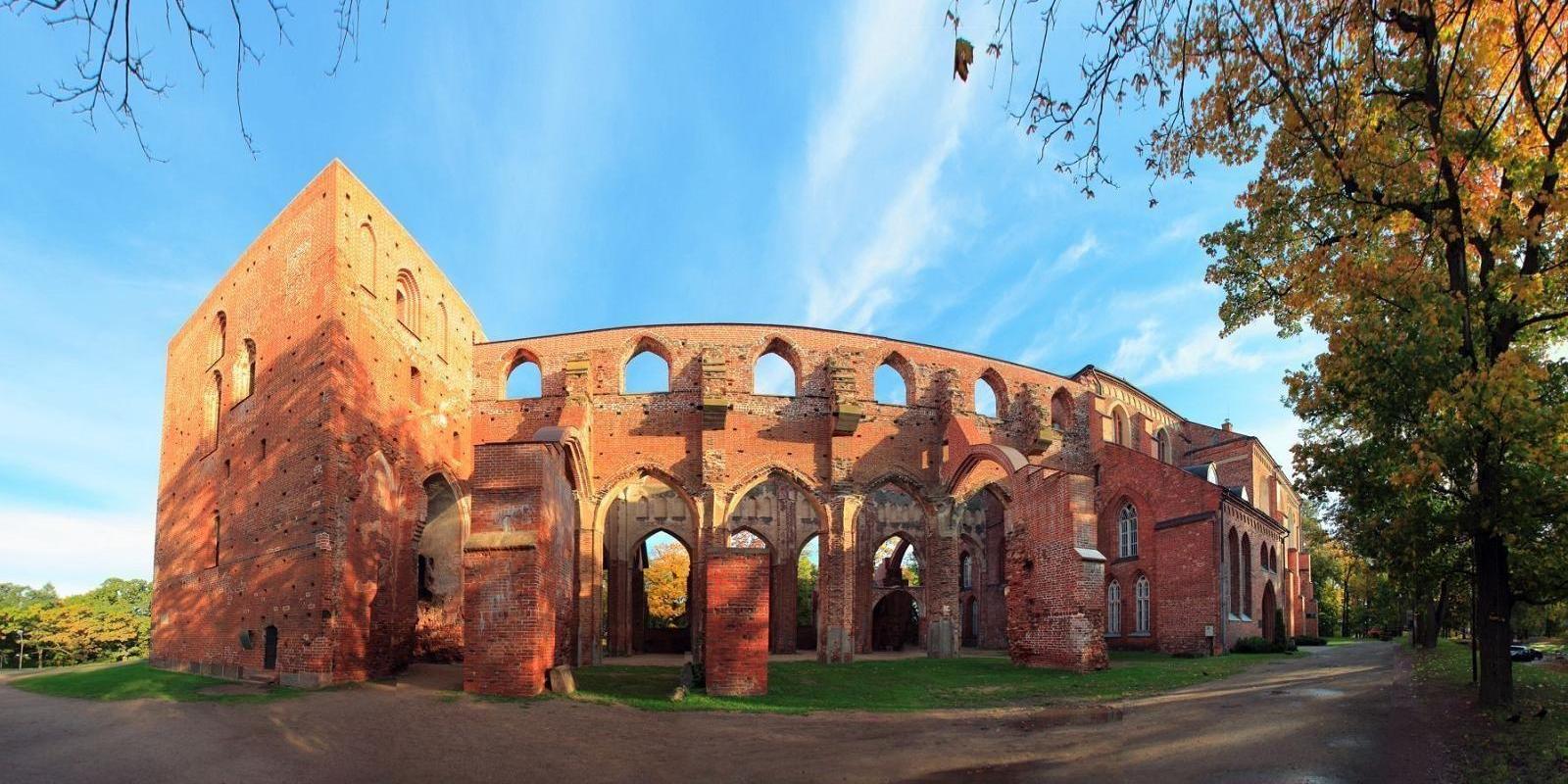
Toome Hill Park

Toomemäe Park, a natural hill with a rich history, is one of the favorite places for Tartu residents to enjoy greenery without leaving the city. In the cathedral located here, you can visit the University of Tartu Museum, which provides an overview of the university's history and scientific research, and enjoy the views from the towers' observation platforms. While walking in the romantic English-style park, don't miss the beautiful Angel Bridge with its twin Devil's Bridge, statues, outdoor exhibitions, and university buildings, such as the observatory and the old anatomical museum. The park is accessible with a stroller, there is a playground for toddlers and a sports park for more active visitors.

  • Parks

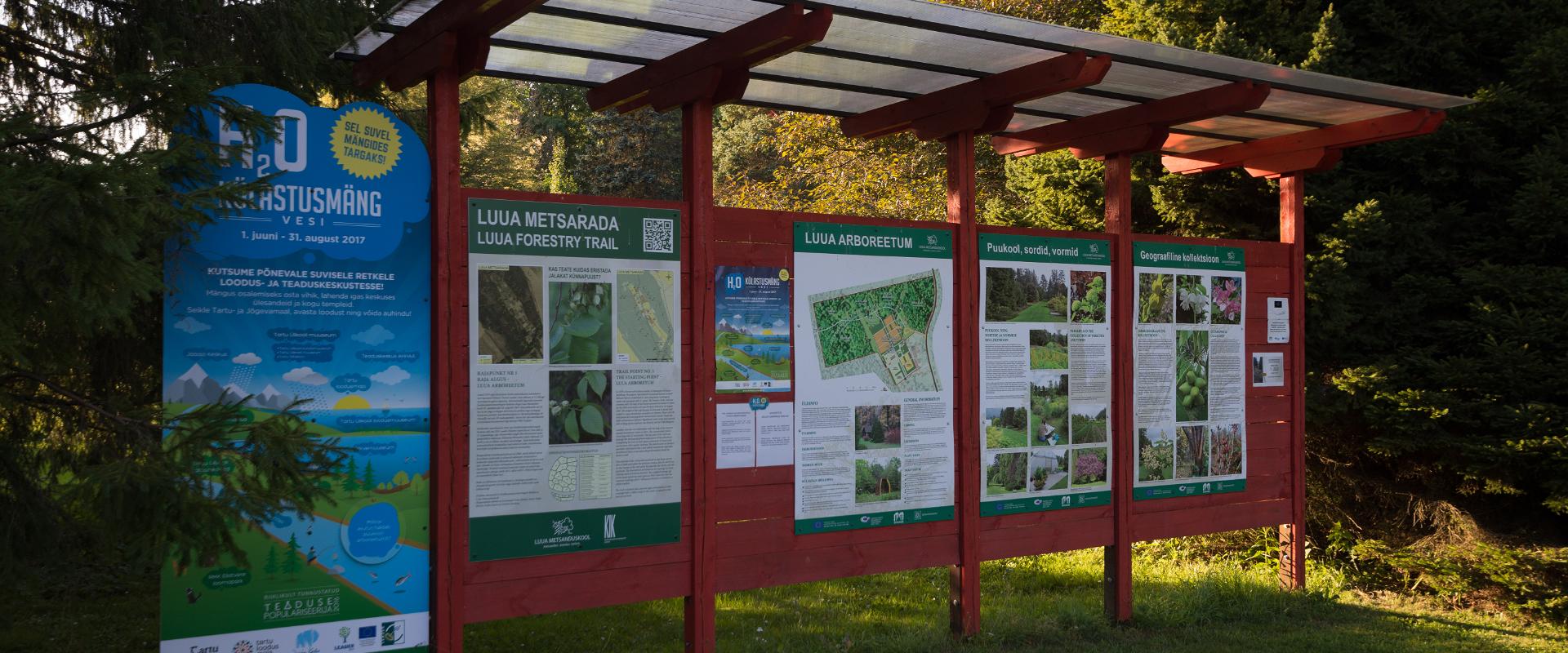
Luua Arboretum

Luua Arboretum exhibits about 500 species and forms of trees and bushes. The arboretum was founded based on the principles of botanical geography with the departments for plants from Europe, Siberia, Central Asia, the Far East and North America.

  • Parks

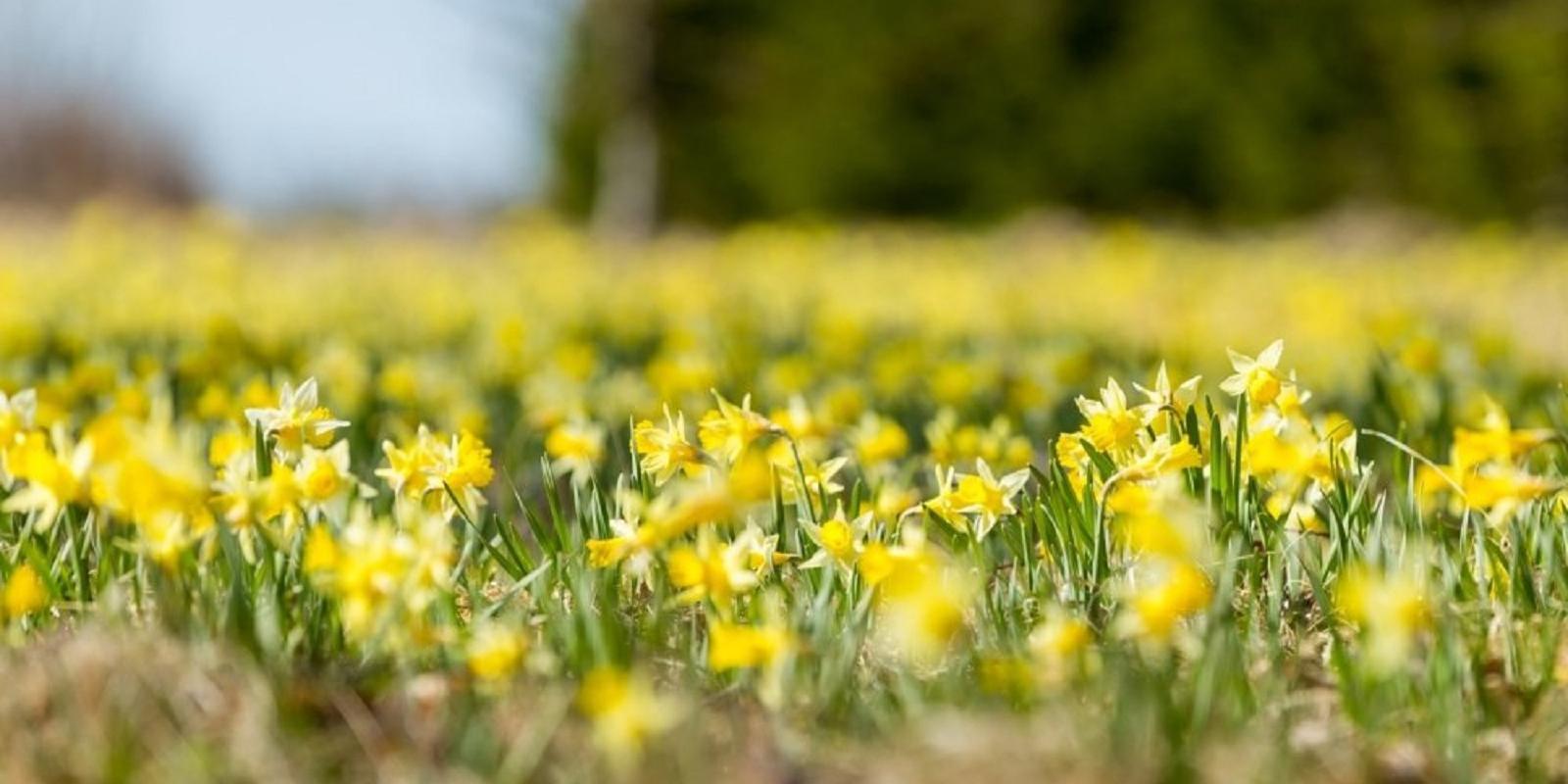
Sookalduse daffodil field

The field of naturally growing daffodils, which is unique in the Baltic states, can be found in the Vara rural municipality. Yellow daffodils are rare in the wild and the daffodil field in Sookalduse is a rarity that has been taken under conservation. The daffodils originate from the bulb that Peep Sibul, the landlord of Sookalduse, got from Saare Manor and planted in his garden in the end of the 19th century.The yellow sea of flowers can be enjoyed from around the middle of April, depending on the spring.

  • Parks

Luke Manor Park

The heart of Luke Manor is a beautiful neo-baroque park full of greenery and flowers. It has terraces on different levels, uniquely shaped trees, concrete lion statues, and a sculpture of Eve. The park also has a restored pond system, which adds a special charm. The manor was first mentioned in 1557. Today, the governor's house and the dollhouse-like Kärner's House have been restored. There is also an information point, an exhibition, and a cafe in the summer. The park is open all year round for free. Enjoy the sound of the water and the view from the pavilion of ducks swimming in the ponds. Forget about everyday life and immerse yourself in the romance of the manor era!

  • Privacy Policy

"*"обозначает обязательные поля

Это поле используется для проверочных целей, его следует оставить без изменений.
Я разрешаю маркетинг