Discover South Estonia’s Most Beautiful Manors and Castles
Hidden among the rolling hills and forests of South Estonia are fairytale-like manors and castles just waiting to be explored. Most of these estates were built and owned by Baltic German nobility, who ruled the region for centuries, while the local Estonian population worked the land.
Today, these historic buildings invite visitors to take a romantic manor tour, imagine life as nobility for a day, or simply enjoy strolling through beautiful parks and gardens. Royal architectural gems can be found across South Estonia, each with its own story and charming setting.
From dark histories to bright buildings, here are ten of South Estonia’s most impressive manors and castles waiting to be discovered.
Alatskivi Castle
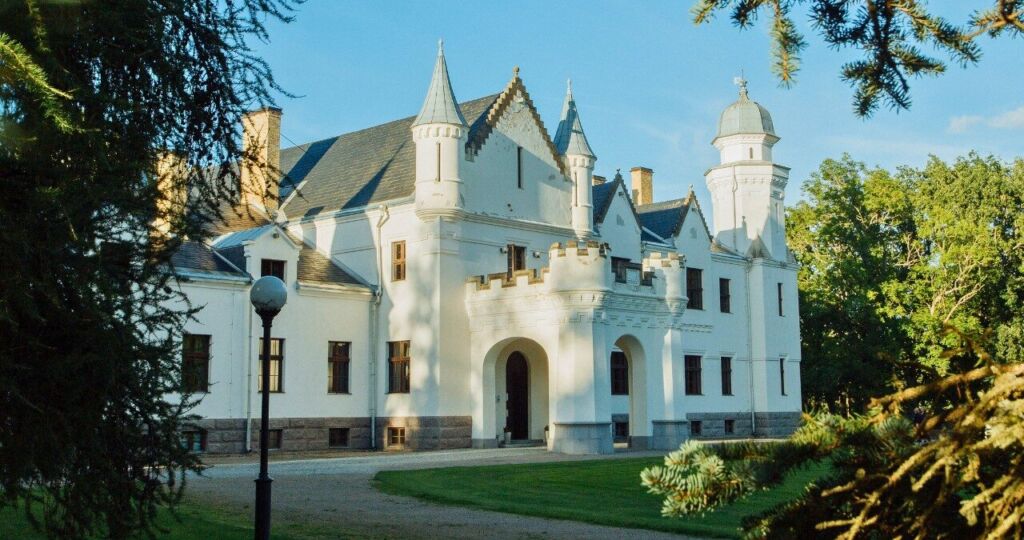
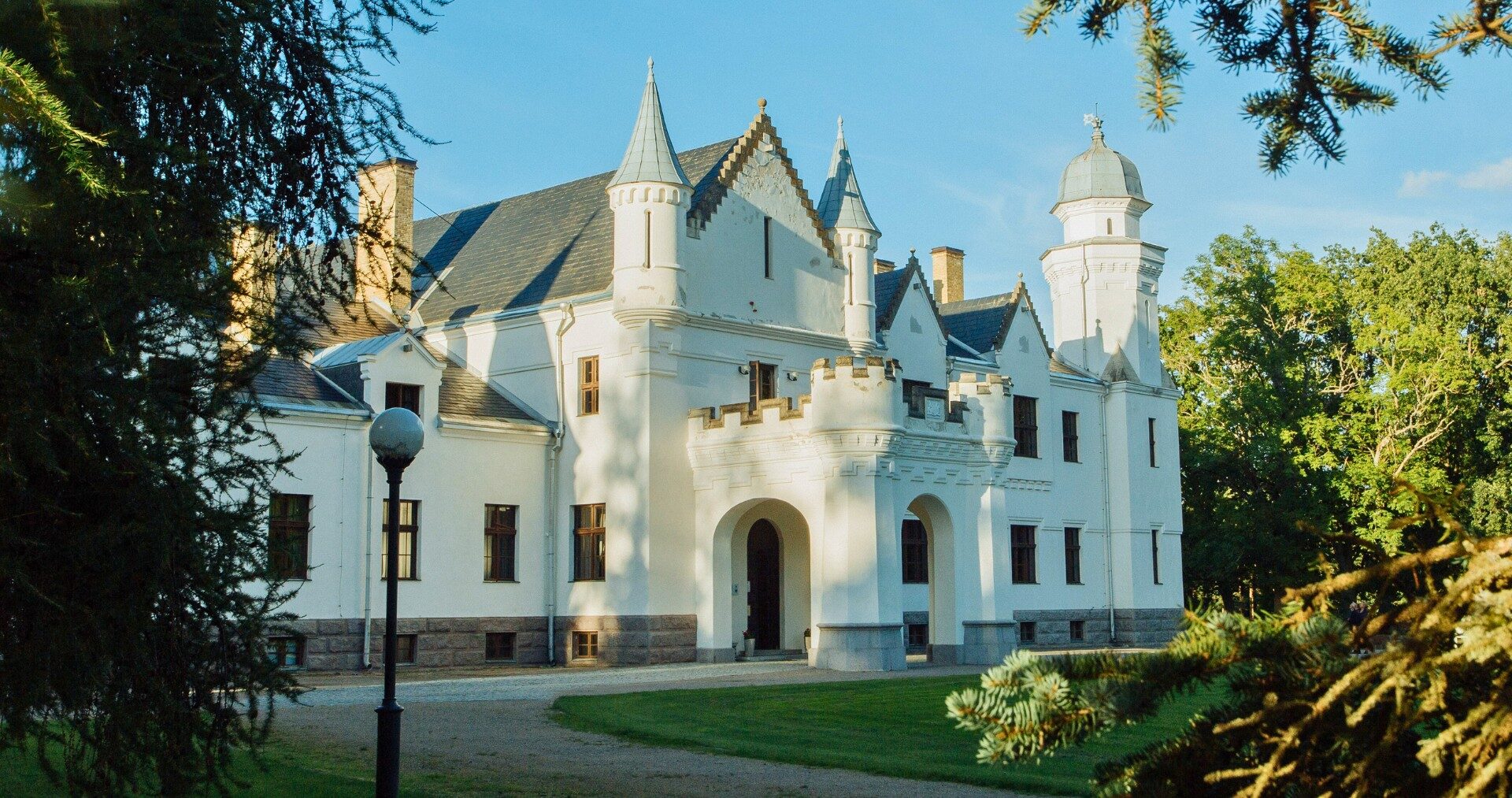
The crown jewel of the Onion Route, Alatskivi Castle is one of the most beautiful in Estonia. In 1870, it became the property of the noble Nolcken family, who built a new manor house in 1885 inspired by Scotland’s Balmoral Castle.
The castle is open year-round for overnight stays and also hosts a visitor centre, a restaurant, and a museum dedicated to local composer Eduard Tubin. The stables display historic carriages, and the castle park features a 4.5-kilometre walking trail.
Several outbuildings are still in use, offering activities and local culinary experiences. The former main house now houses the Peipsiääre municipal offices, and a craft shop operates in the old granary.
Kuremaa Castle
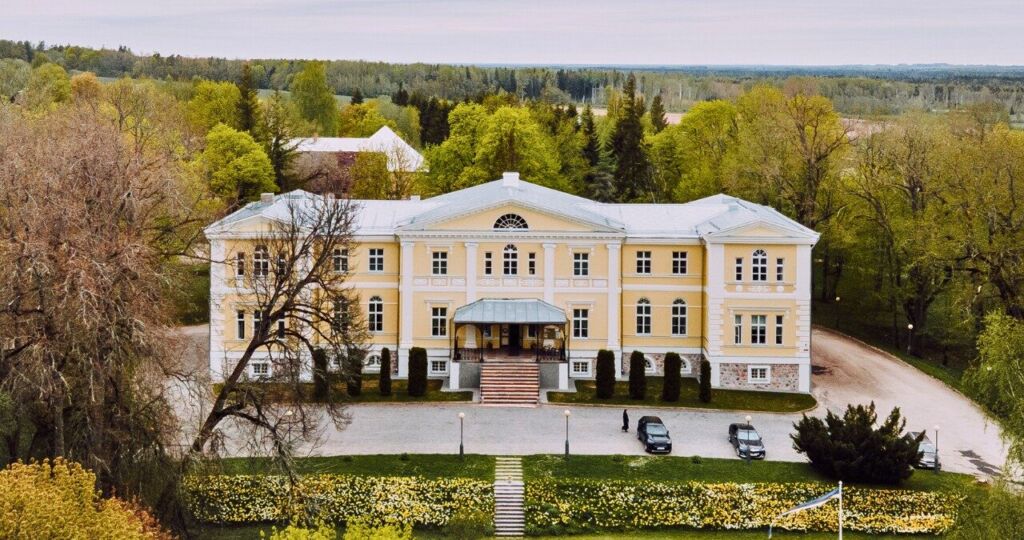
Kuremaa Castle is Jõgeva County’s most impressive manor. From 1921 to 2005, it was a college for agricultural engineering. Today the castle hosts conferences, cultural events, and private functions.
The castle is surrounded by a rich park that slopes down to the lake, enhancing the beauty of the manor and its grounds. The nearby Kuremaa Experience Centre offers a variety of leisure activities.
Mooste Manor
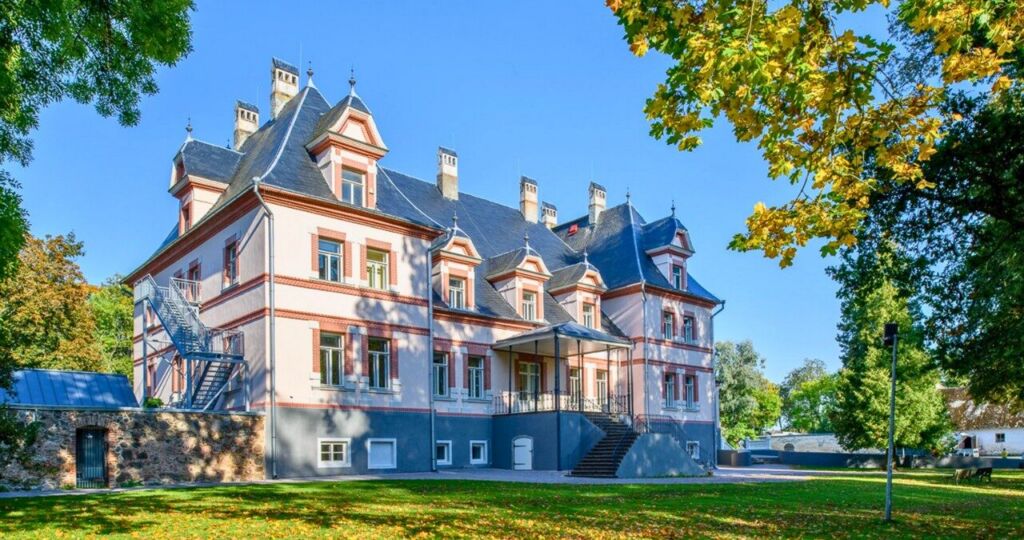
Mooste Manor in Põlva County is one of the best-preserved manor complexes in Estonia. It includes a main house, carriage house, granaries, smithy, distillery with outbuildings, and a surrounding wall with a clock tower.
Many buildings were constructed by local builders using decorated bricks and local stone. The earliest records date back to the late 16th century, but the manor’s current ensemble was shaped in the early 20th century by its last owner, Eduard Gustav von Nolcken.
The manor’s 1909 main house has served as a school for over 100 years. The former cattle barn was converted into Folgikoda, one of the largest concert halls in South Estonia. Each building has a purpose, making Mooste Manor a living manor community rather than a traditional museum.
Cantervilla Castle
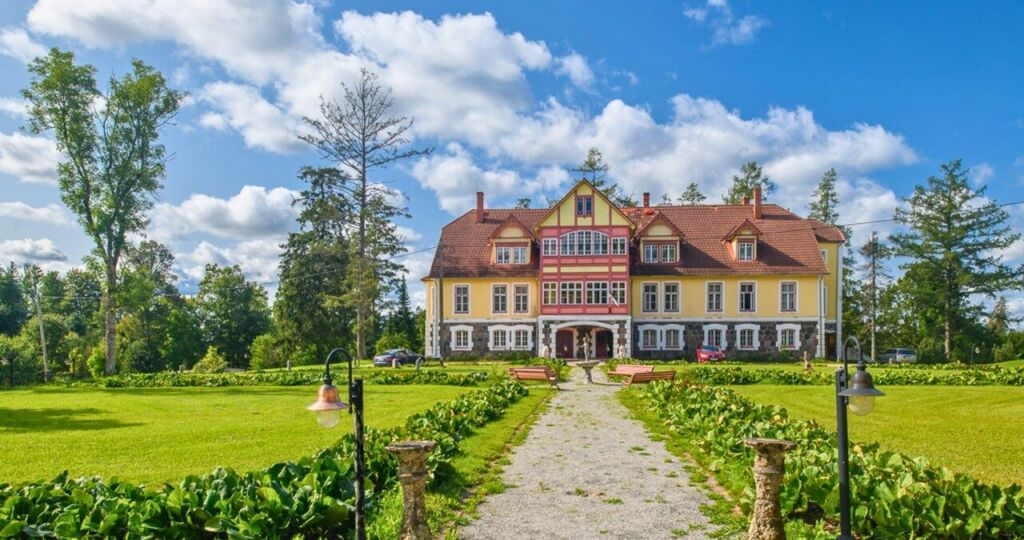
Cantervilla Castle, also known as Pikajärve Manor, offers luxurious accommodation year-round. Its elegant corridors are decorated with landscape paintings and portraits, while antique furniture and chandeliers add charm and romance.
In summer, the castle’s outbuildings and grounds host a manor-themed amusement area where families can enjoy activities together.
Sangaste Castle
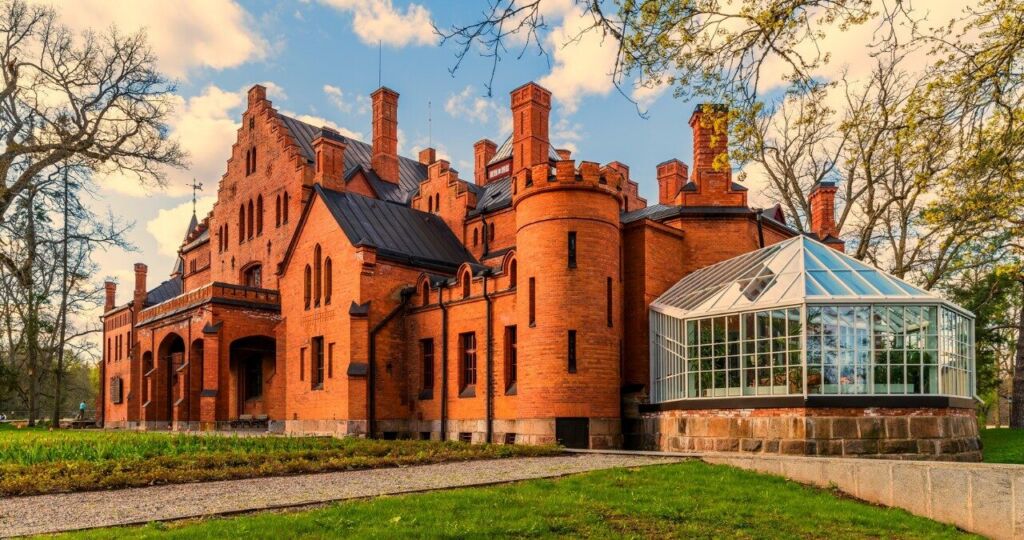
Owned by the Berg family, Sangaste Castle is known for its red brick design inspired by Windsor Castle and built by the last manor owner, rye breeder Fr. G.M. Berg.
The former horse stable now houses the exhibition “Rye Counts and the Wonders of the World,” telling the story of the Berg family and innovations of the early 19th century. Nature lovers can also explore the dendrological park created by Count Berg behind the castle.
Sillapää Castle
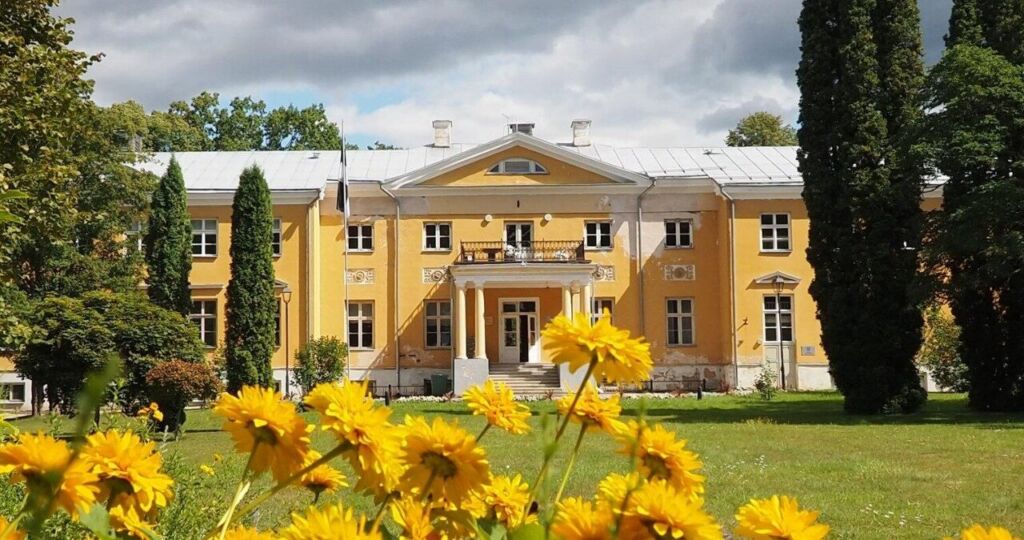
Sillapää Castle, also known as Räpina Manor, is a fine example of late classical architecture. The state manor of Räpina was founded in the late 16th century. The von Löwenwolde brothers, who acquired it in the 18th century, also laid the foundation for the paper mill that still operates today.
The current manor house was built in the mid-19th century. It now hosts the Räpina Museum of Local Lore and Horticulture and is part of the Räpina Gardening School. Visitors should also explore the manor park and the school’s collection gardens.
Rogosi Manor
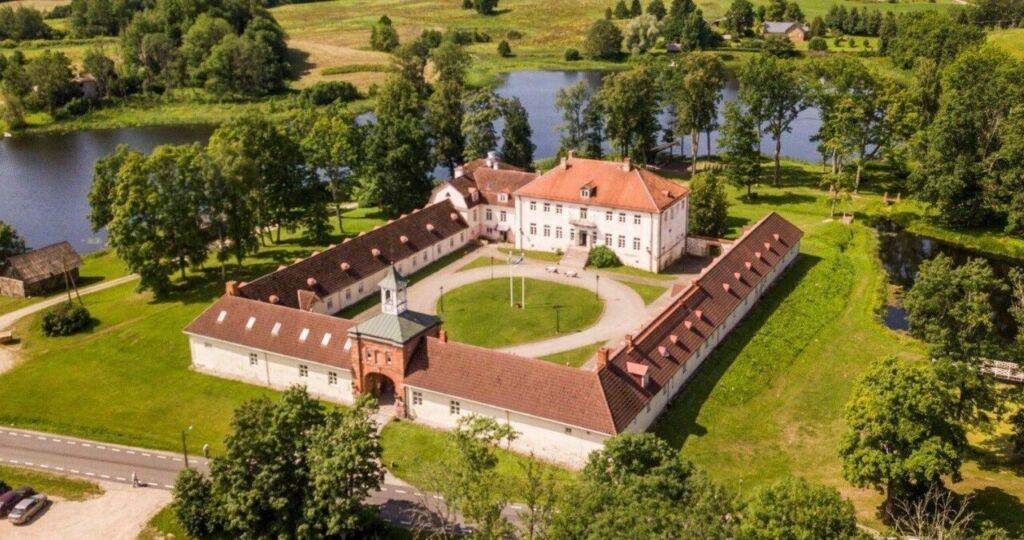
On the scenic Haanja Heights lies Rogosi Manor, first recorded in the 16th century. Its unusual layout features a complex surrounded by water on three sides with a central courtyard.
The manor once housed a school and now includes a museum in the clock tower and an exhibition on the manor school in the cellar. Visitors can also stay at the manor, enjoy meals, and take guided tours. A nature study trail makes exploring the park easy.
Kaagjärve Manor
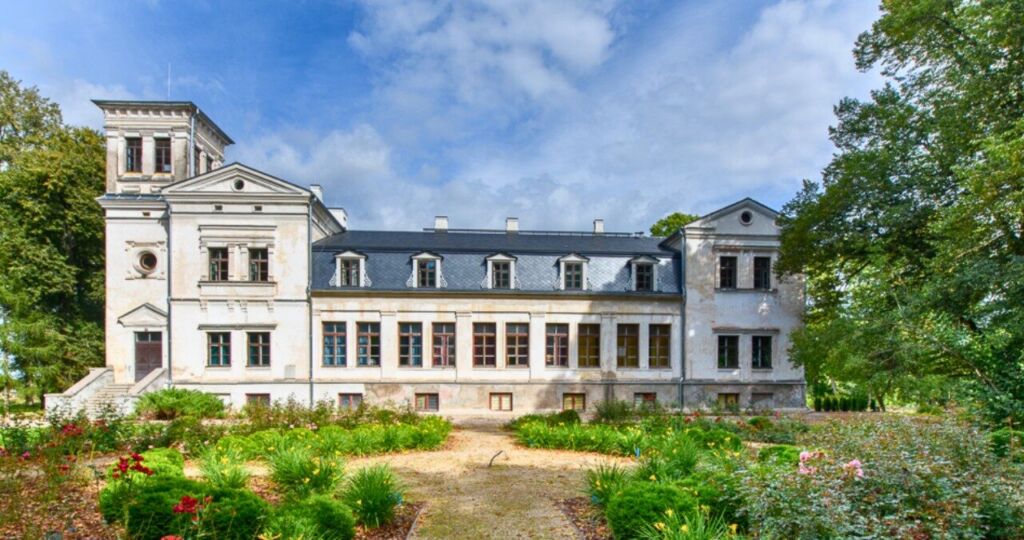
The slightly mysterious Kaagjärve Manor has a rich history. Owned by the Baltic German von Grote family, its main building once served as a school. Today it is privately owned and visits are possible by appointment. In summer, the manor’s rose garden is worth seeing.
Through collaboration with the von Grote descendants, the current manor team has created the Kaagjärve Manor Museum, showcasing historical materials, photos, and paintings. The manor once included one of Estonia’s largest manor industries, including a brewery and wool factory. The family’s summer residence in Valga now houses the Valga Central Library.
Luke Manor
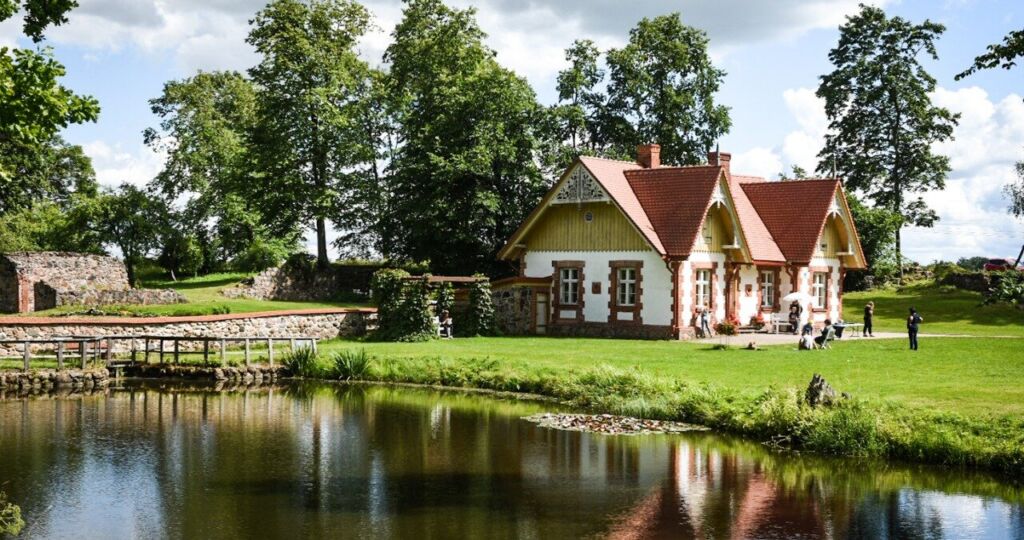
The main building of Luke Manor in Tartu County was destroyed in a 1944 fire, but the park and outbuildings in the old Baroque style remain worth exploring. In summer, the main house operates a café, the Kärner House can be rented for events, and lively summer concerts and performances are often held on site.
Hellenurme Manor
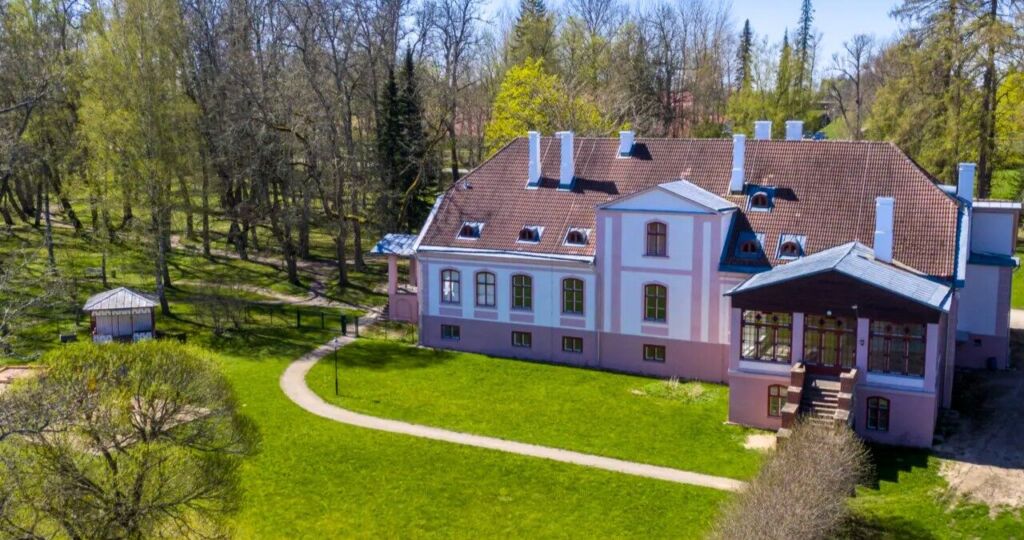
Located between Elva and Otepää, Hellenurme Manor was the birthplace of painter Konrad Mägi and at one time the home of Jakob Hurt, a key figure in collecting Estonian folklore.
Several of the main and outbuildings survive today. The real highlight is Estonia’s last working watermill. The mill keeper welcomes visitors, bakes bread, and also offers accommodation.