Birdwatching in South Estonia: what to notice and why to go
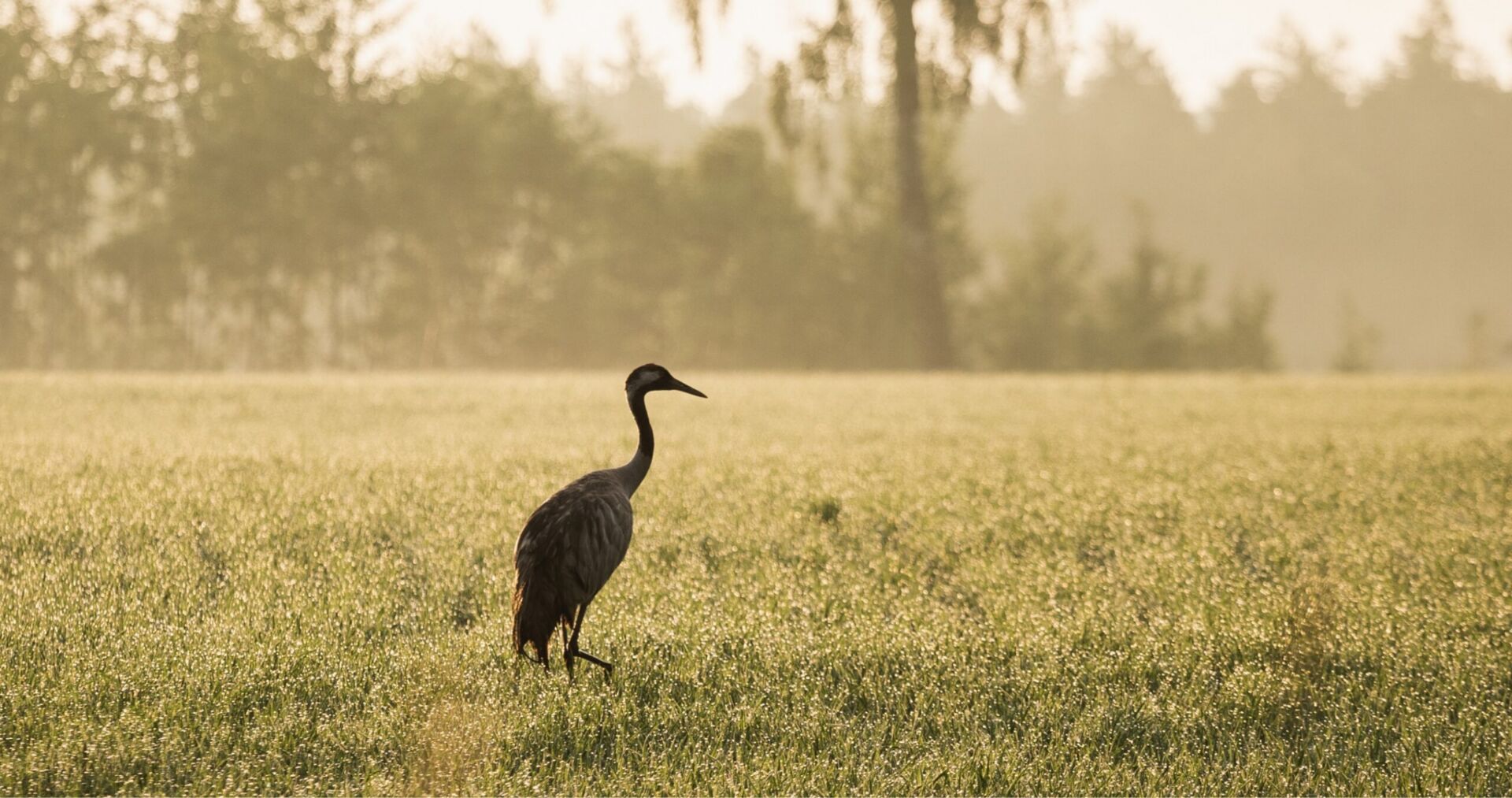
For Maris Kivistik, the host of Uue-Saaluse Winery, birdwatching has grown into a springtime passion over the past five years. It all began one January with feeding winter birds and quietly observing their daily rhythms.
By the end of spring, Maris’s list typically includes around 60 fascinating species. With a deep appreciation for nature, she encourages everyone to discover the rich and rewarding world of birdwatching in South Estonia.
Memorable encounters with birds
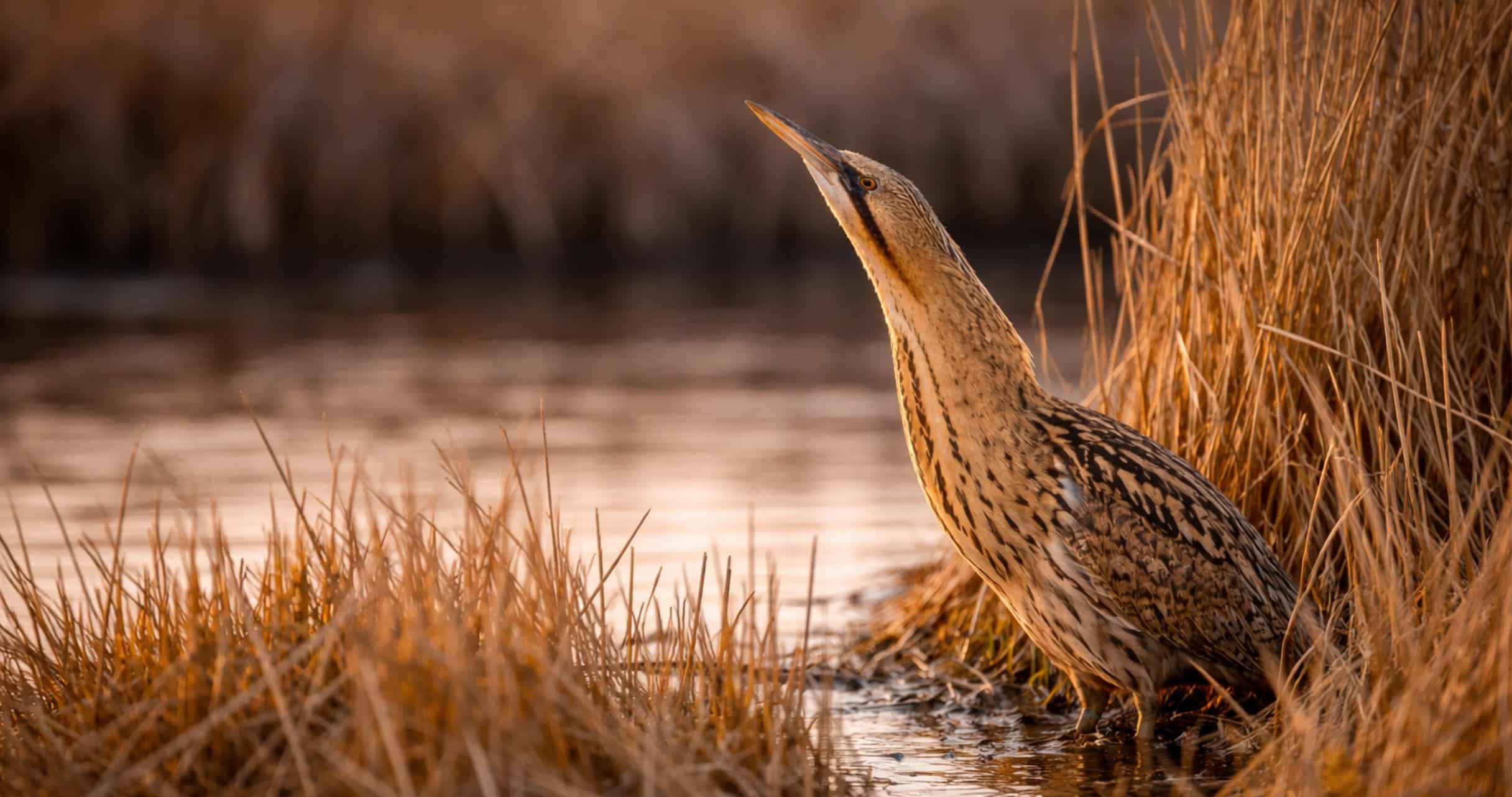
One of the most striking species to encounter is the Eurasian bittern, a secretive bird of marsh edges, known for its unusual appearance and deep, booming call that has earned it an almost mythical reputation in local folklore.
Among woodpeckers, the area is home to the great spotted woodpecker, middle spotted woodpecker, and the impressive black woodpecker, the largest woodpecker in Europe. At night, the atmosphere is shaped by the calls of the tawny owl and Ural owl, echoing through the forest.
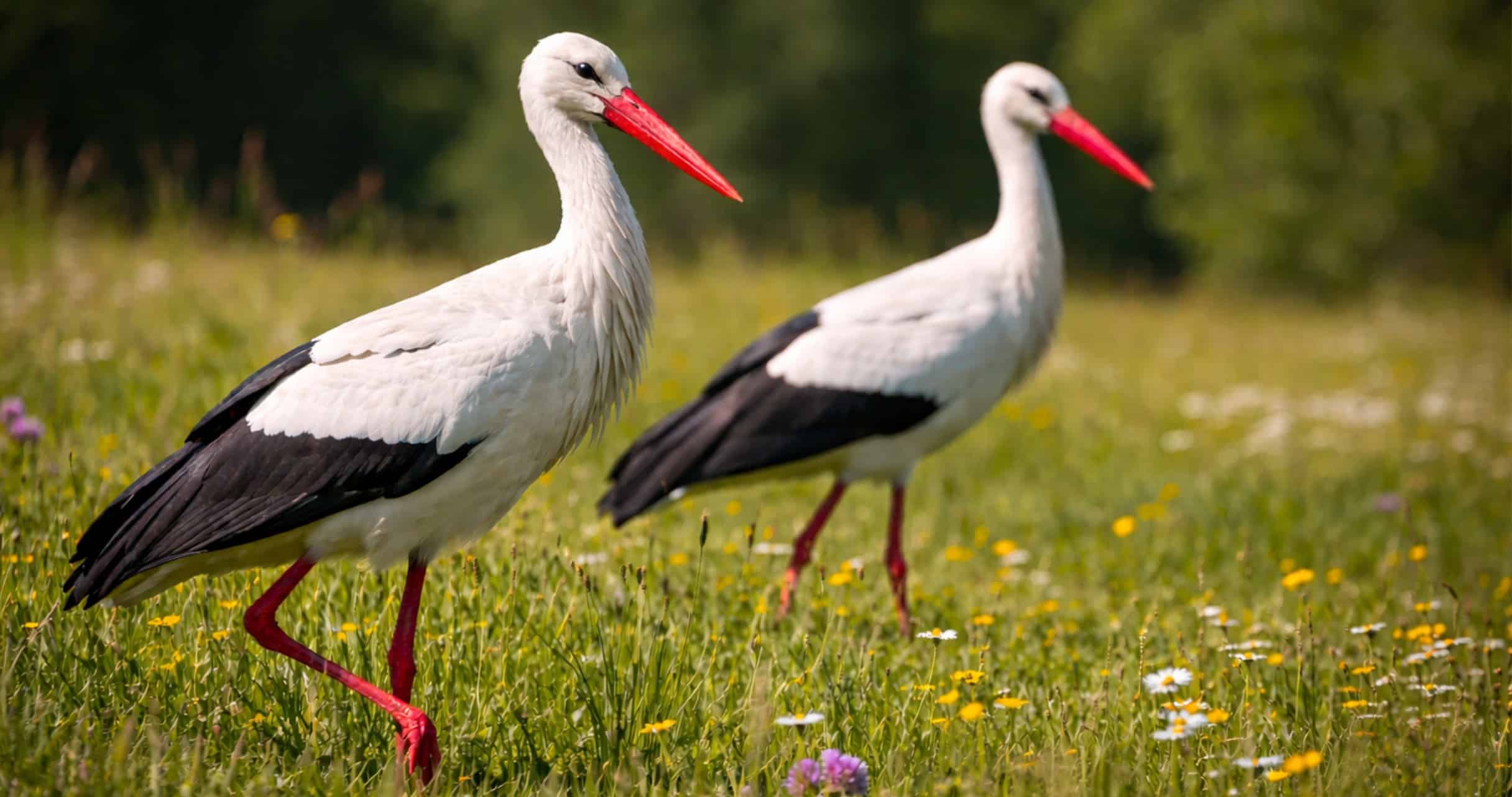
The white stork is a familiar sight in South Estonia, unlike in Finland. You may also often spot common buzzards, while in spring the fields come alive with the songs of the northern lapwing and Eurasian skylark.
In spruce stands, those with a keen ear may notice the tiny goldcrest, the smallest bird in Europe. Its high, delicate song resembles a fine thread of violin music, so high-pitched that not everyone can hear it.
A living mosaic landscape
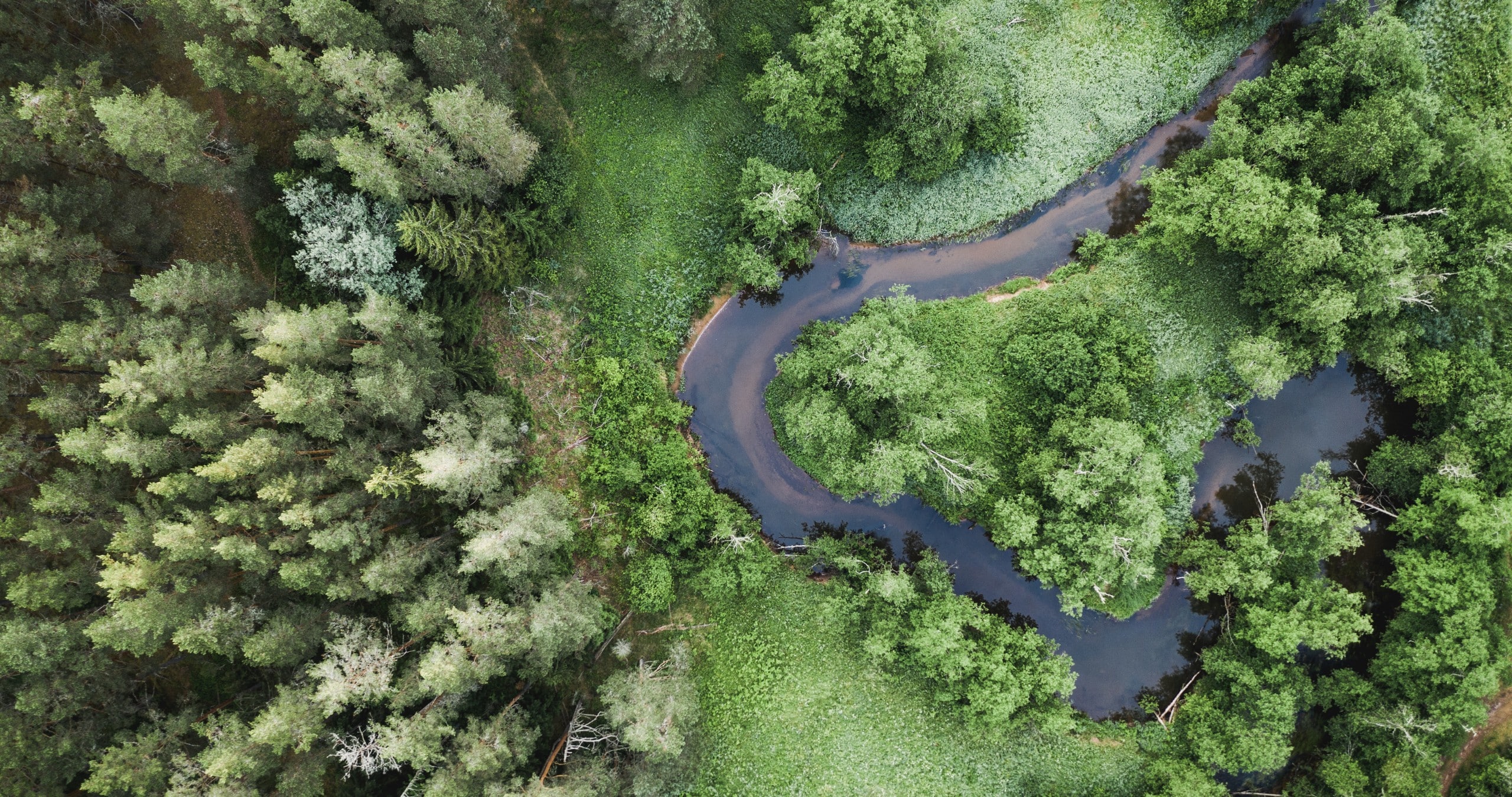
The landscape of South Estonia is wonderfully varied. Meadows and wetland edges alternate with patches of forest, forming a mosaic that supports an exceptional diversity of species.
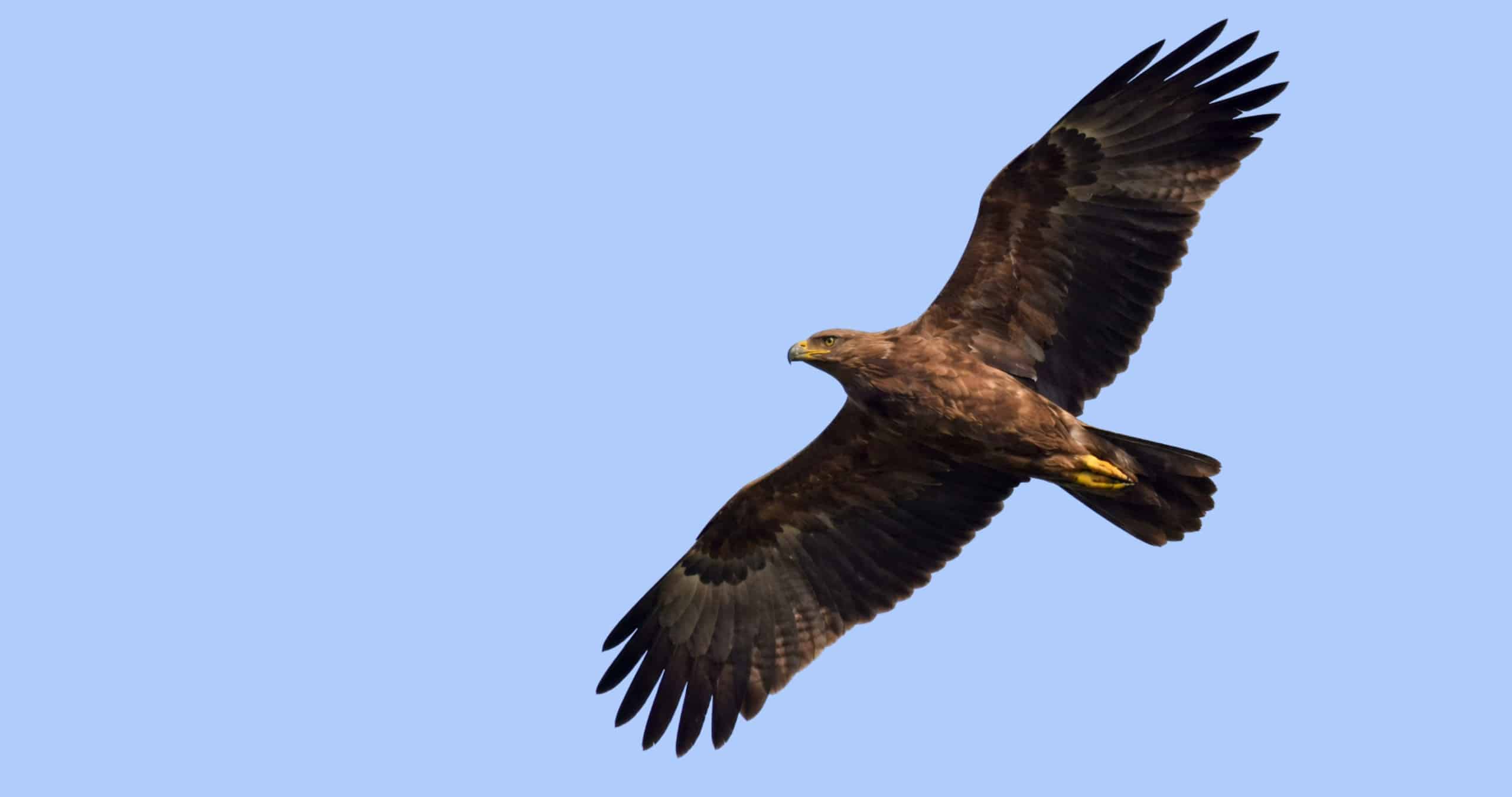
Among the most remarkable birds are the greater spotted eagle, lesser spotted eagle, and the black stork, all strictly protected species whose nesting sites are carefully kept undisclosed.
Spring in the bogs
Springtime in the bogs is something to experience firsthand. If you move quietly, you may witness the lekking displays of the black grouse, a powerful and ancient spectacle best observed from a respectful distance.
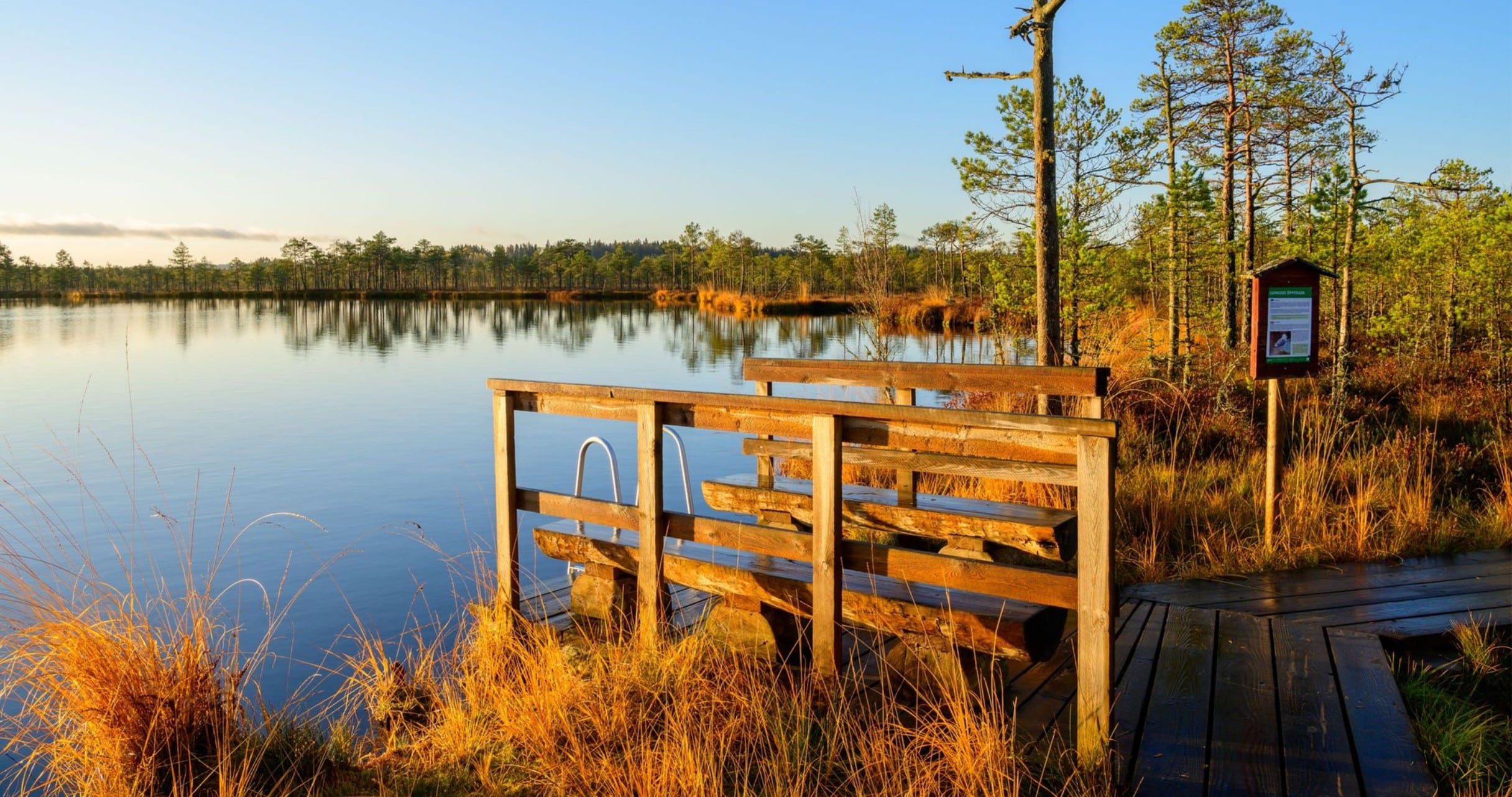
One of the most beautiful sites in the region is the Luhasoo bog, where a well-marked trail guides visitors through different stages of bog development and offers views of picturesque bog pools. Here you might also encounter the woodlark, while the pools are often visited by common goldeneye.
Forest bathing and quiet trails
In addition to Luhasoo, Maris recommends exploring the trails of Kirikumäe, Vällamäe, and the Piusa River valley. These paths are well marked, accessible, and equipped with information boards.
Along the way, you may encounter not only birds but also amphibians, insects, and diverse plant life. Walking these trails offers a chance for true forest bathing, an immersion in stillness and calm.
What makes a nature experience truly special is the moment you recognise a new species. As Maris puts it, we can only protect what we know and love. Ecological awareness is therefore an essential part of being human.
A nature retreat at Uue-Saaluse
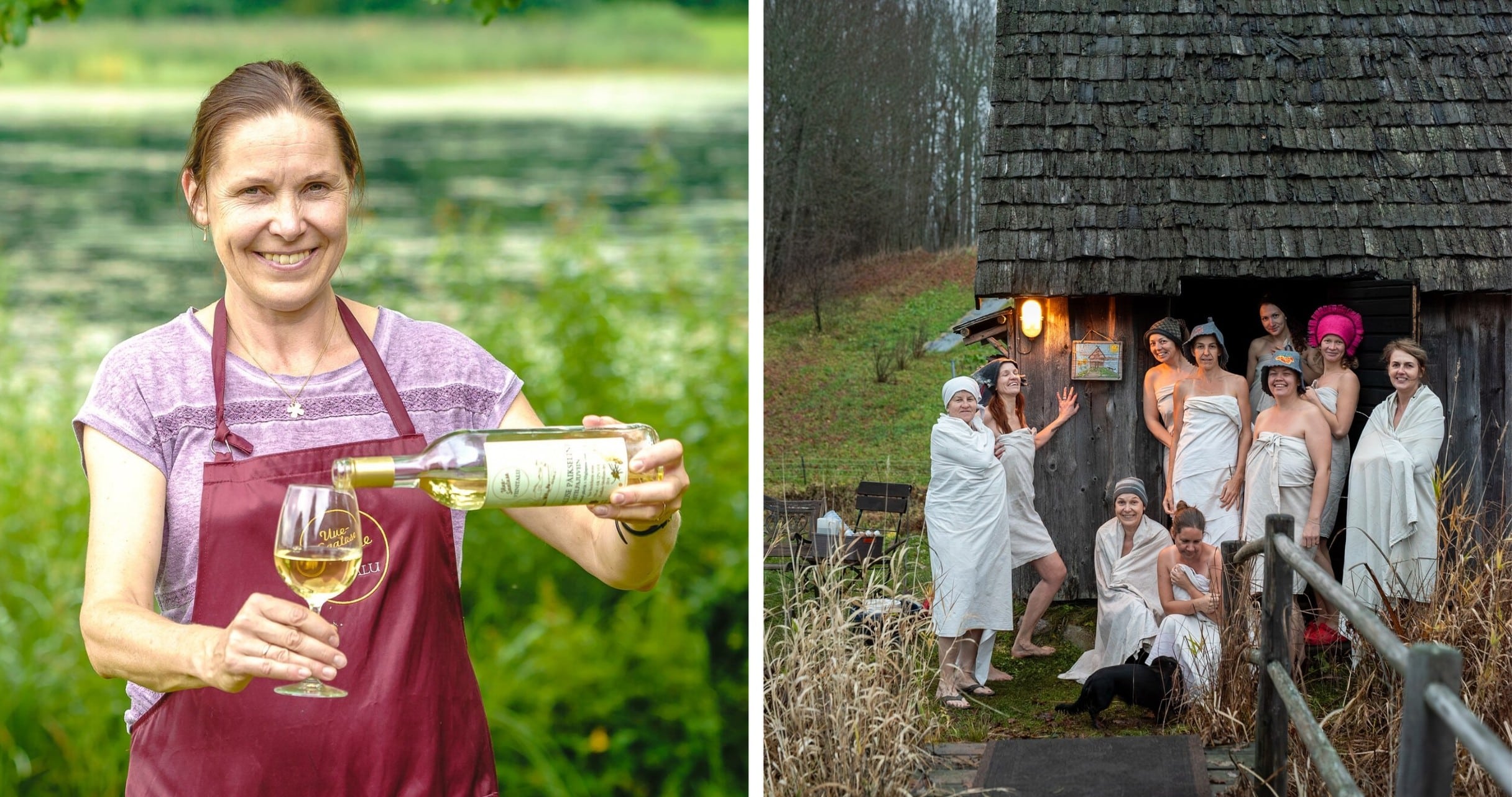
At Uue-Saaluse Winery, visitors can combine nature with local experiences. Guests can explore the wine cellar and berry plantations, and taste handcrafted wines produced on site. The winery is home to Estonia’s highest vineyard, located at 222 metres above sea level.
A unique experience here is the traditional Võromaa smoke sauna, a practice listed as UNESCO Intangible Cultural Heritage. After the sauna, you can cool off in the lake and enjoy a wine tasting or a relaxed dinner.
Learn more: uuesaaluseveinitalu.ee