• Avasta
    • Еда
    • Природа
    • Культура
    • Семья
    • Спорт
    • Сообщество
    • Блог
  • Planeeri
    • Размещение
    • Информация
    • Varamu
RUS
  • РусскийRUS
  • EestiEST
  • EnglishENG
  • LatviešuLAT
  • SuomiFIN
RUS
  • РусскийRUS
  • EestiEST
  • EnglishENG
  • LatviešuLAT
  • SuomiFIN
Populaarsed otsingud:
Näita kõiki tulemusi
  • History & Culture
  • Art & design
  • Sculptures

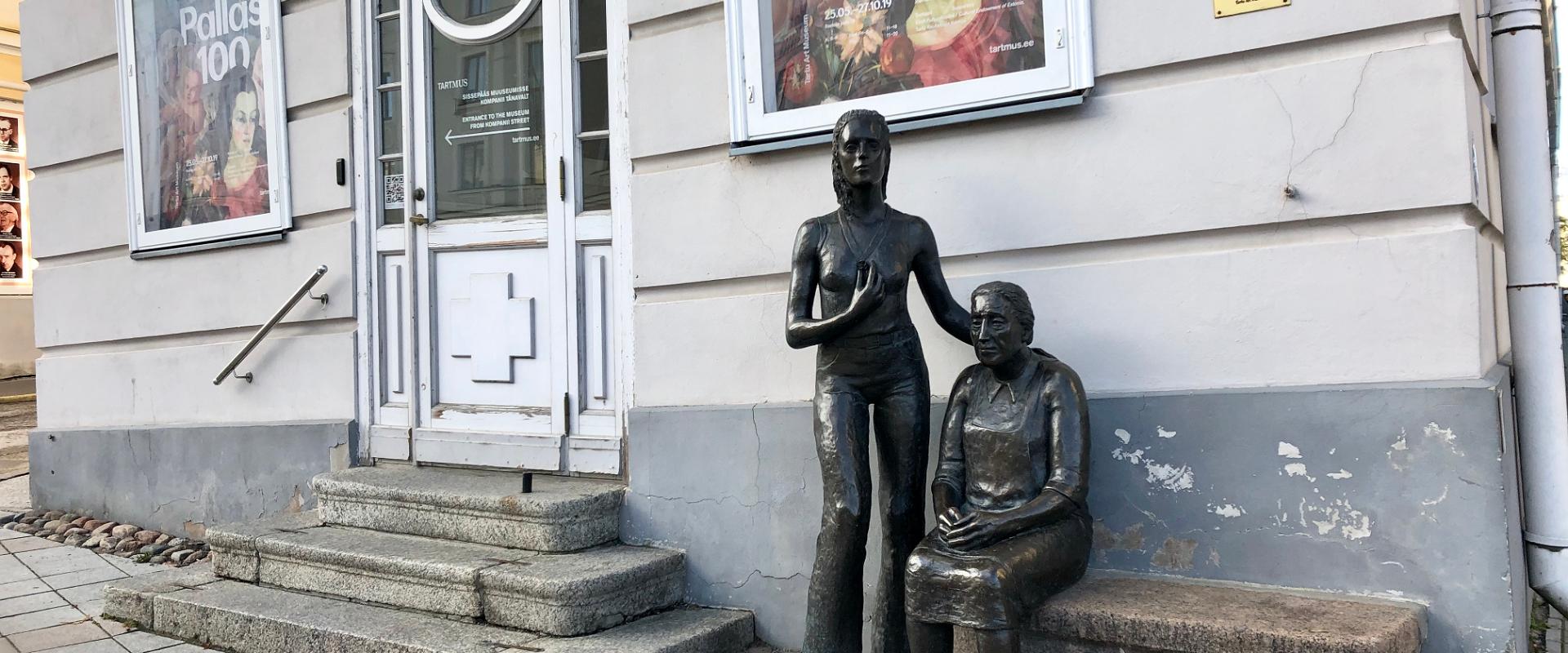
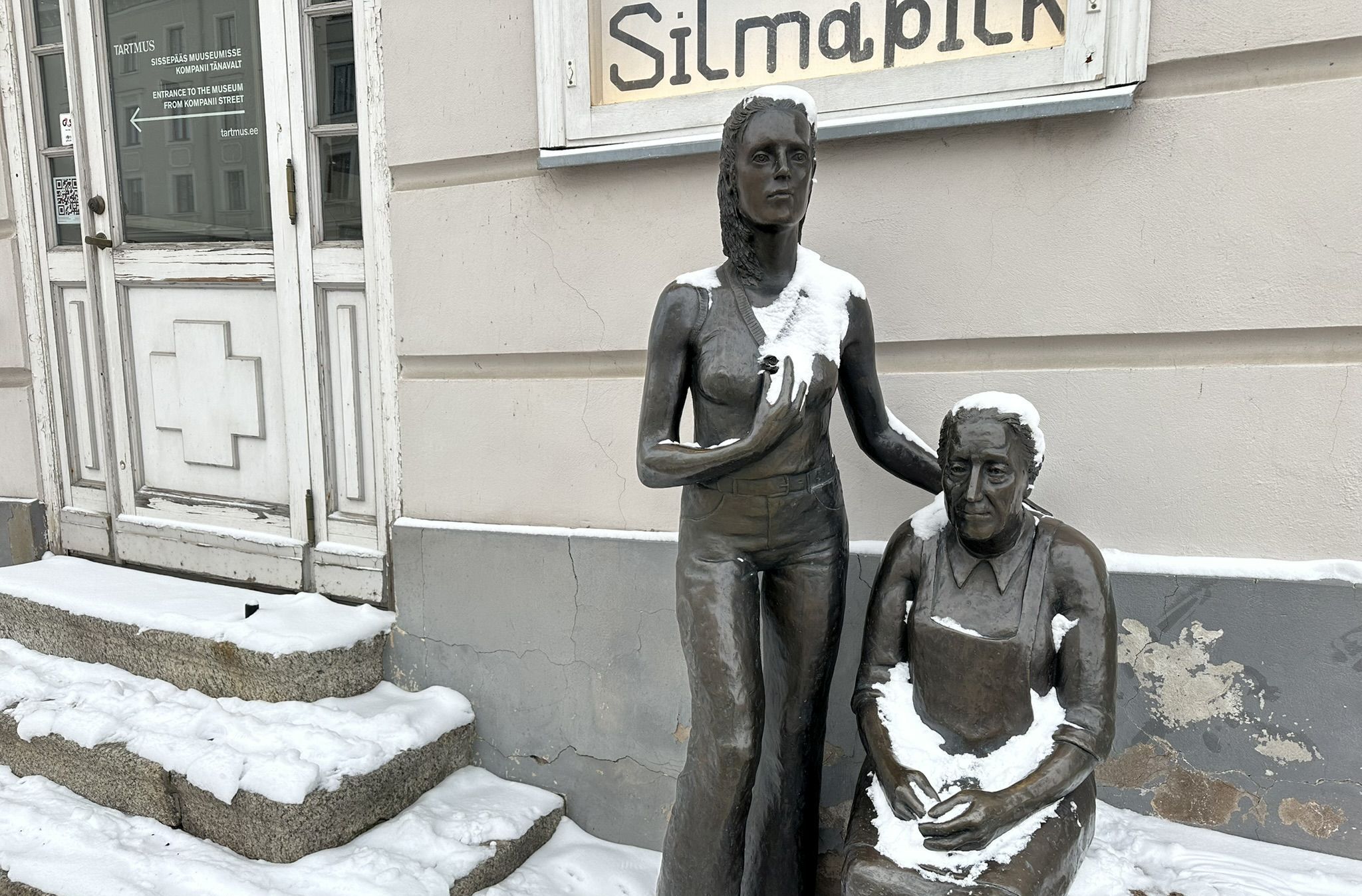
Sculpture ‘Countrywomen’ (Maanaised)

Raekoja plats 18, Tartu linn, Tartu maakond, 51004

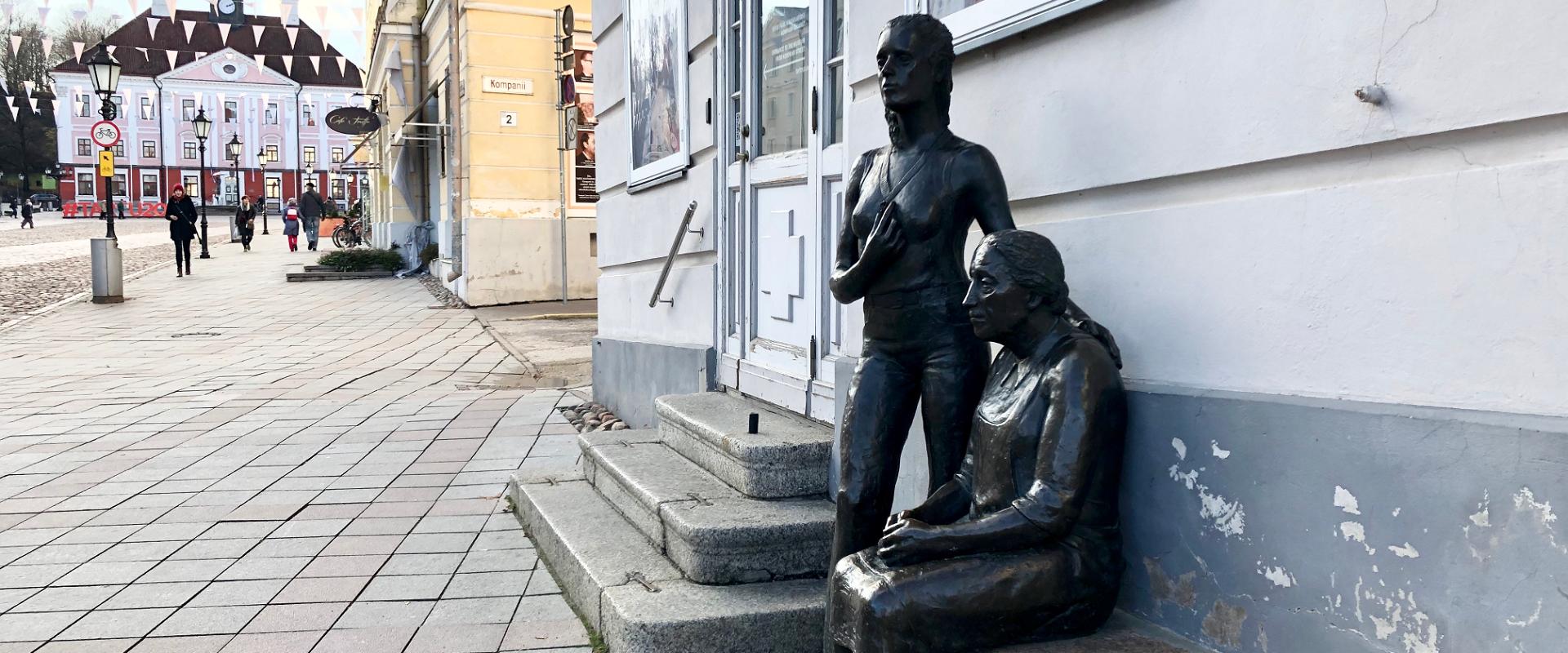
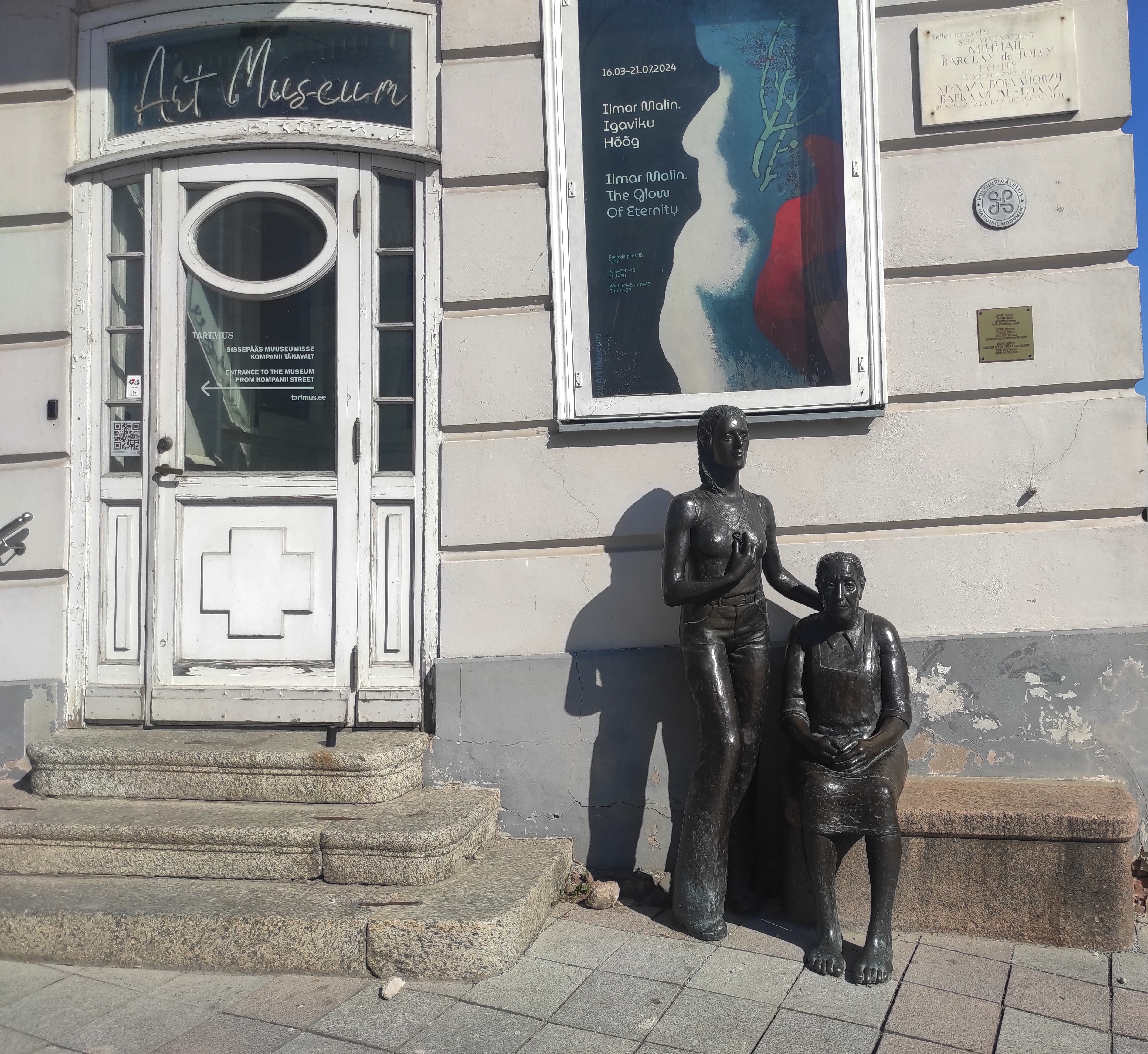
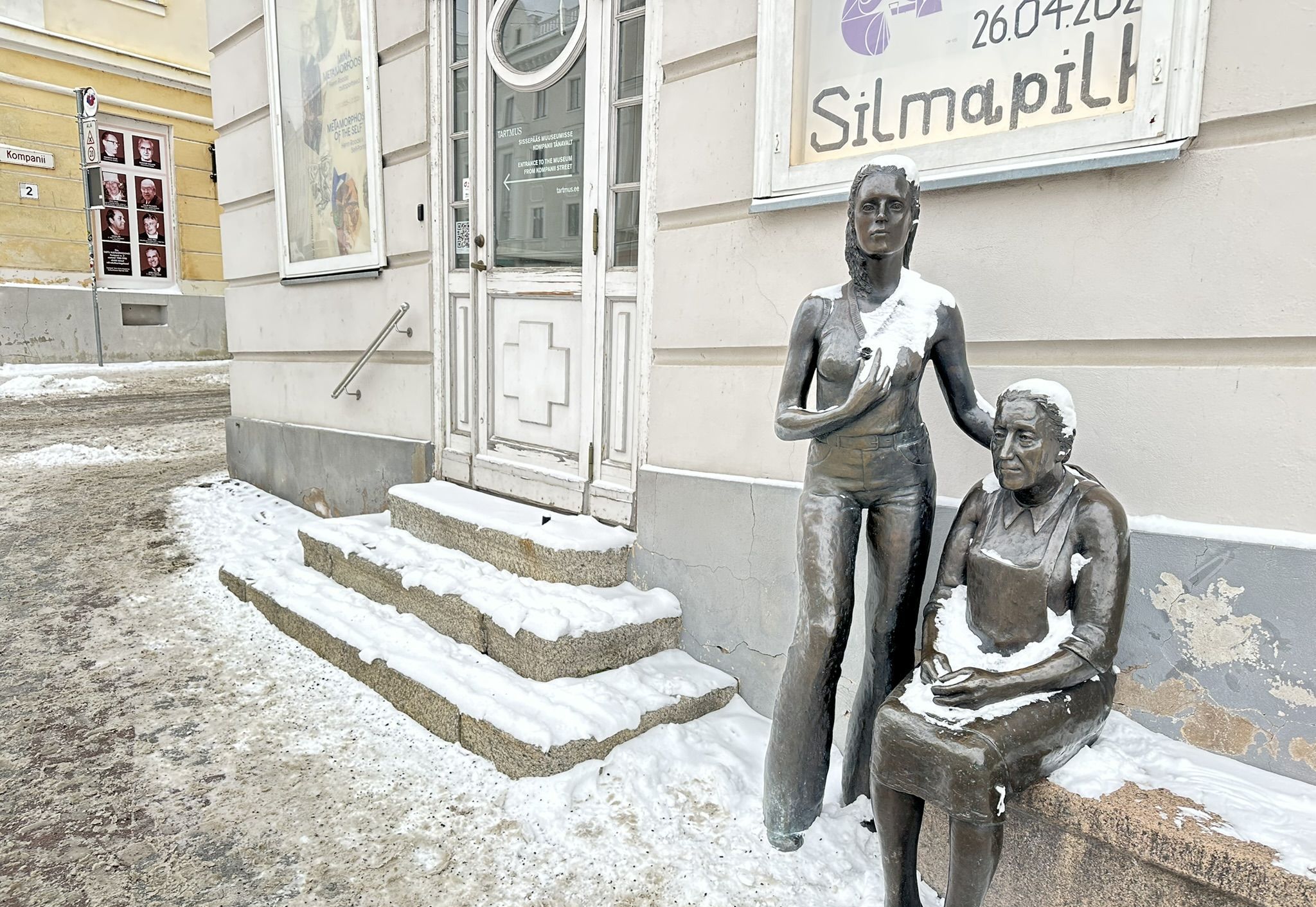
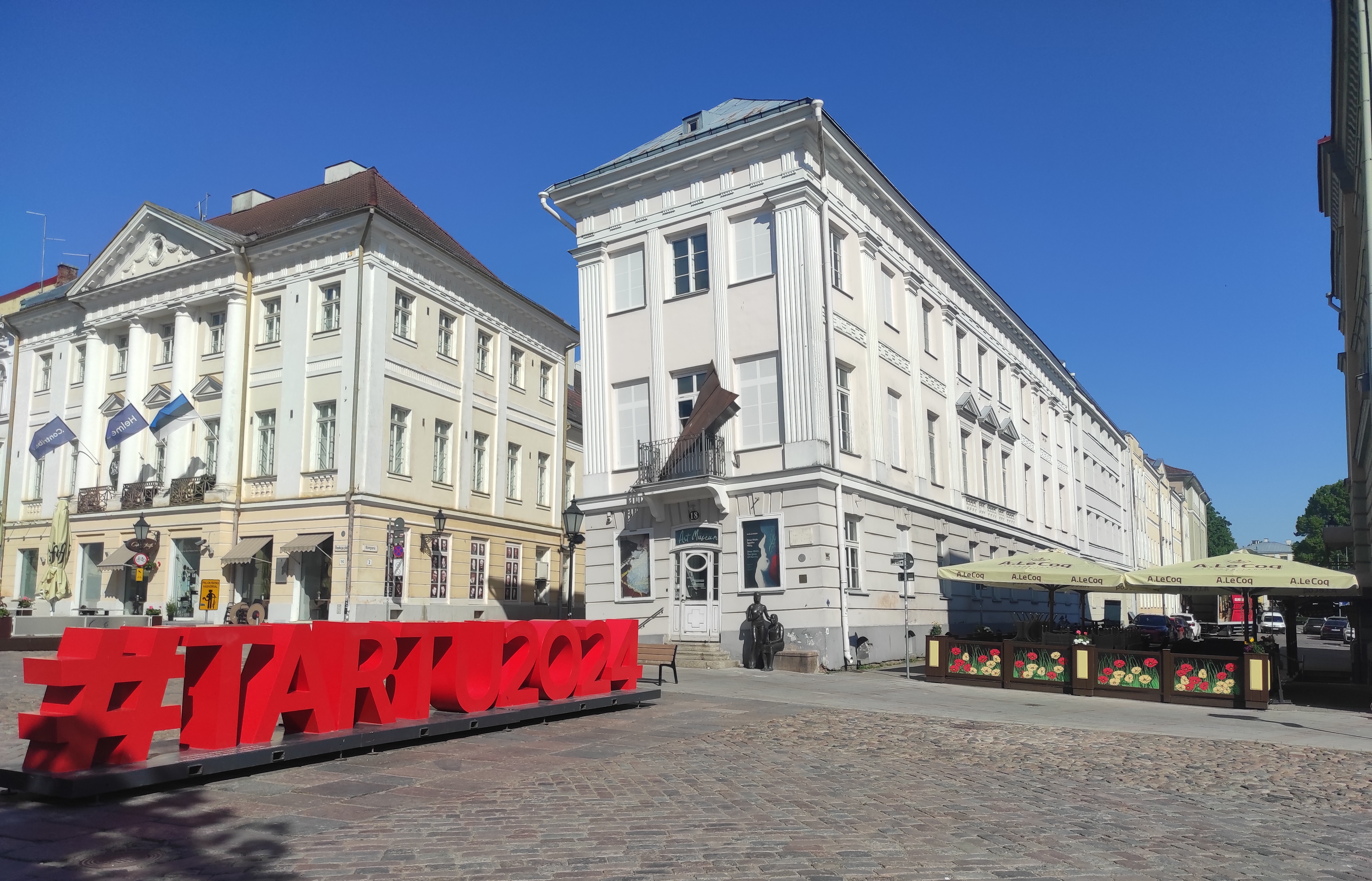
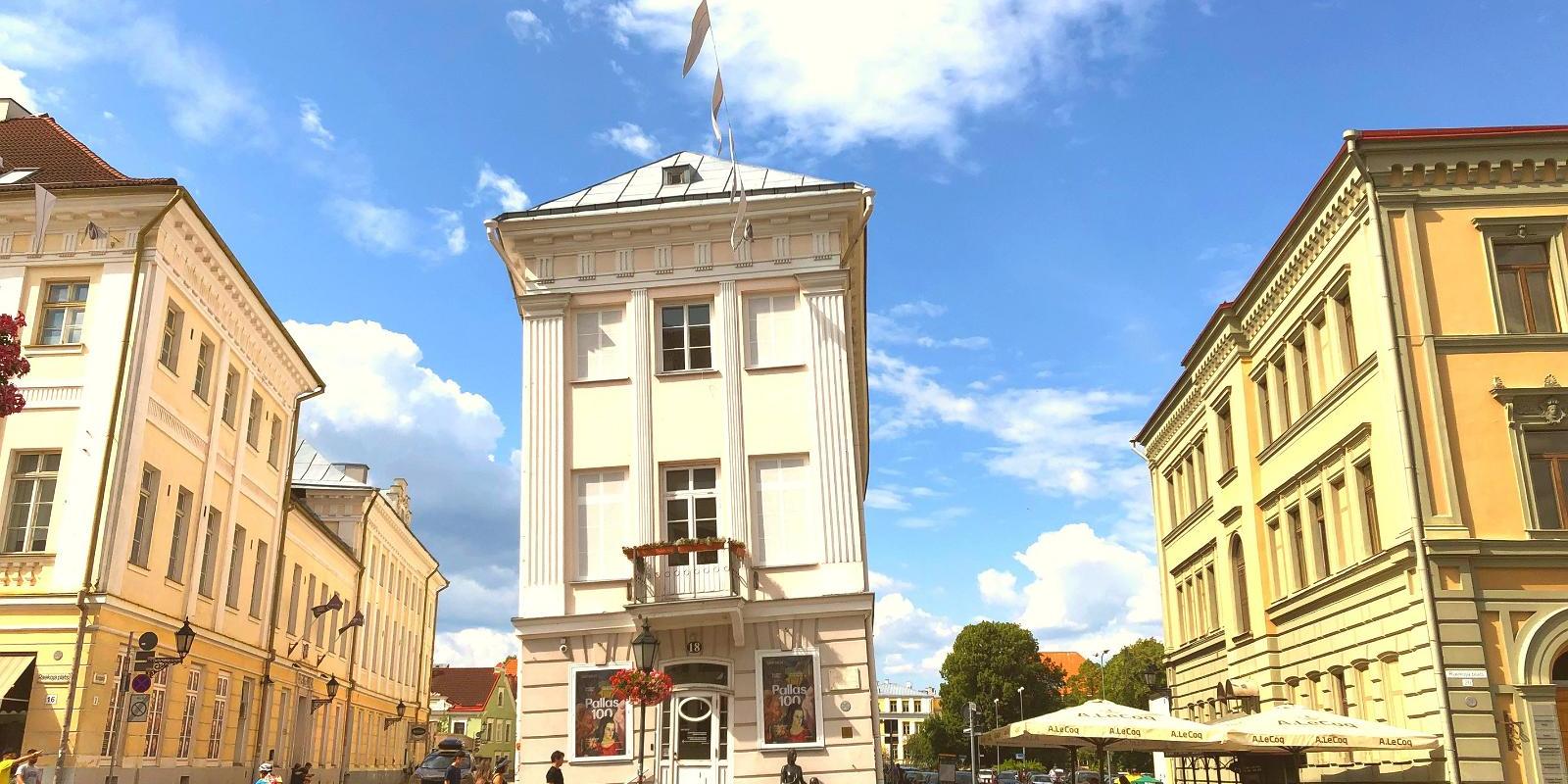
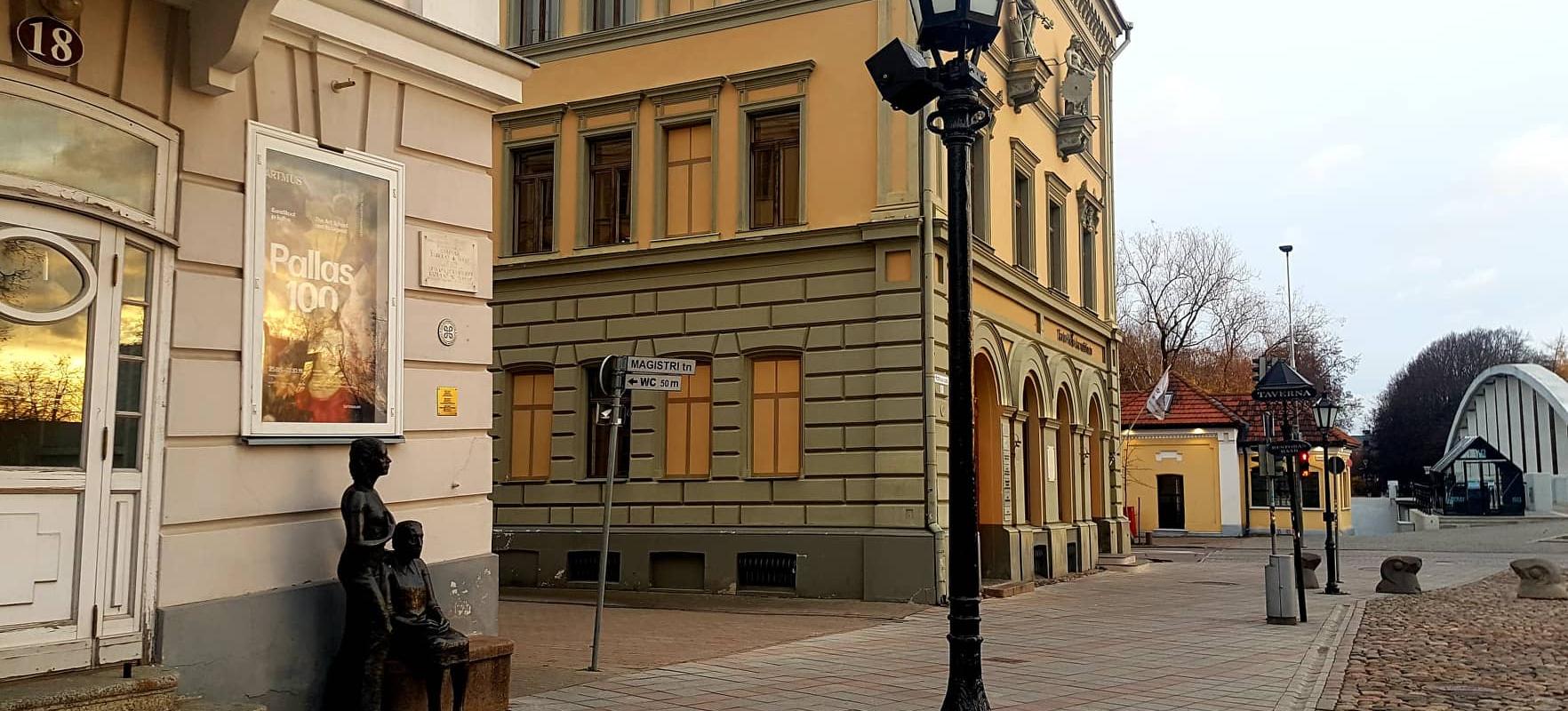
‘Countrywomen’ is a group of sculptures by sculptor Mare Mikofi, completed in 1974, which has been on display at the Town Hall Square in front of the Tartu Art Museum since 2013.It depicts two women, the older one sitting and being content and exhausted, and the other, the younger, standing beside her, empathetically holding her arm around the older woman’s shoulder. The difference between the generations is strongly reflected in their clothing – the younger is wearing trousers, a light vest and platform shoes, and the older one is wearing a dress and an apron, leaving her feet bare.The installation of ‘Countrywomen’ celebrated the 25th anniversary of the Tartu Art Museum in the Leaning House.
Lahtiolekuajad

Aastaringselt

Ööpäevaringselt

Kontakt

  • +372 5881 7811
  • tartmus@tartmus.ee

Lingid

tartmus.ee

Vaata lisaks

  • Sculptures

Monument to the Visit of Dalai Lama

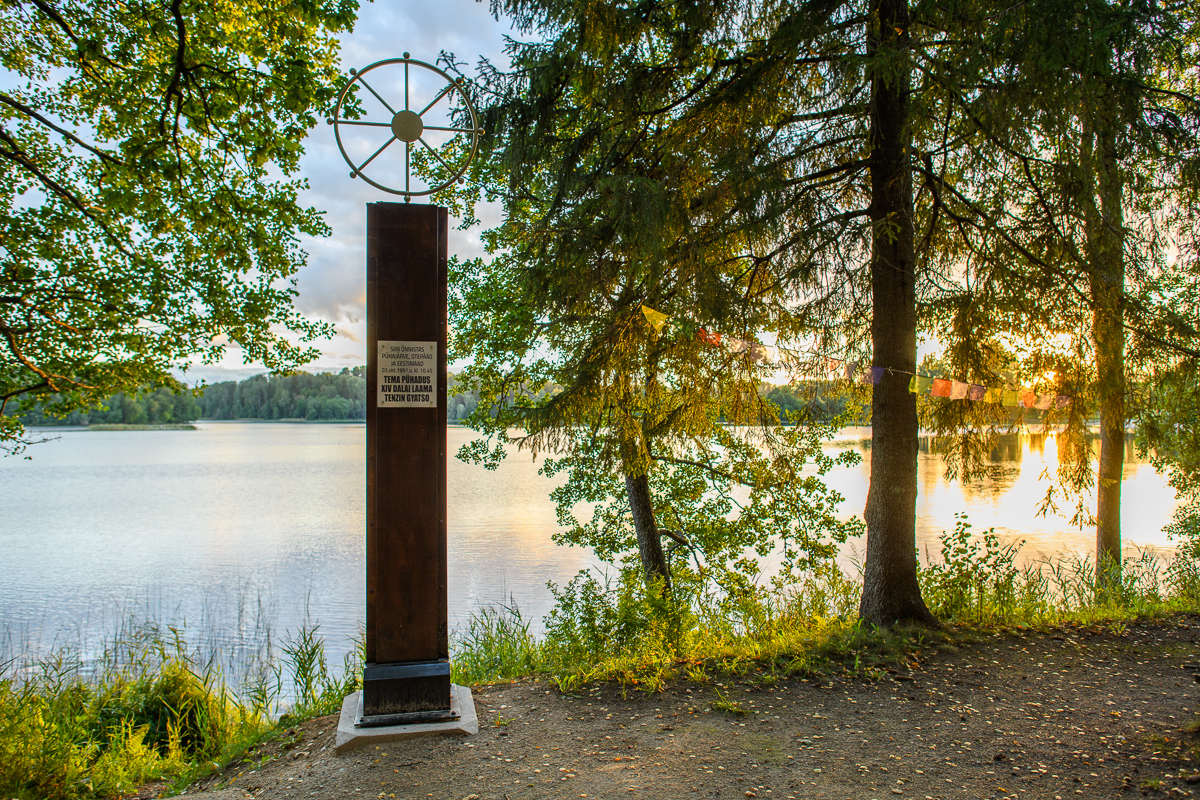
You can feel touched by the divine when walking on the beach or swimming in Lake Pühajärv.Namely, His Holiness the 14th Dalai Lama Tenzin Gyatso (born 1935), the leader of the Tibetan people, visited Estonia and Otepää on 3 October, 1991. He blessed Lake Pühajärv on the same day. The historical visit is commemorated with a wooden sculpture near the beach in Pühajärv Park.

  • Sculptures

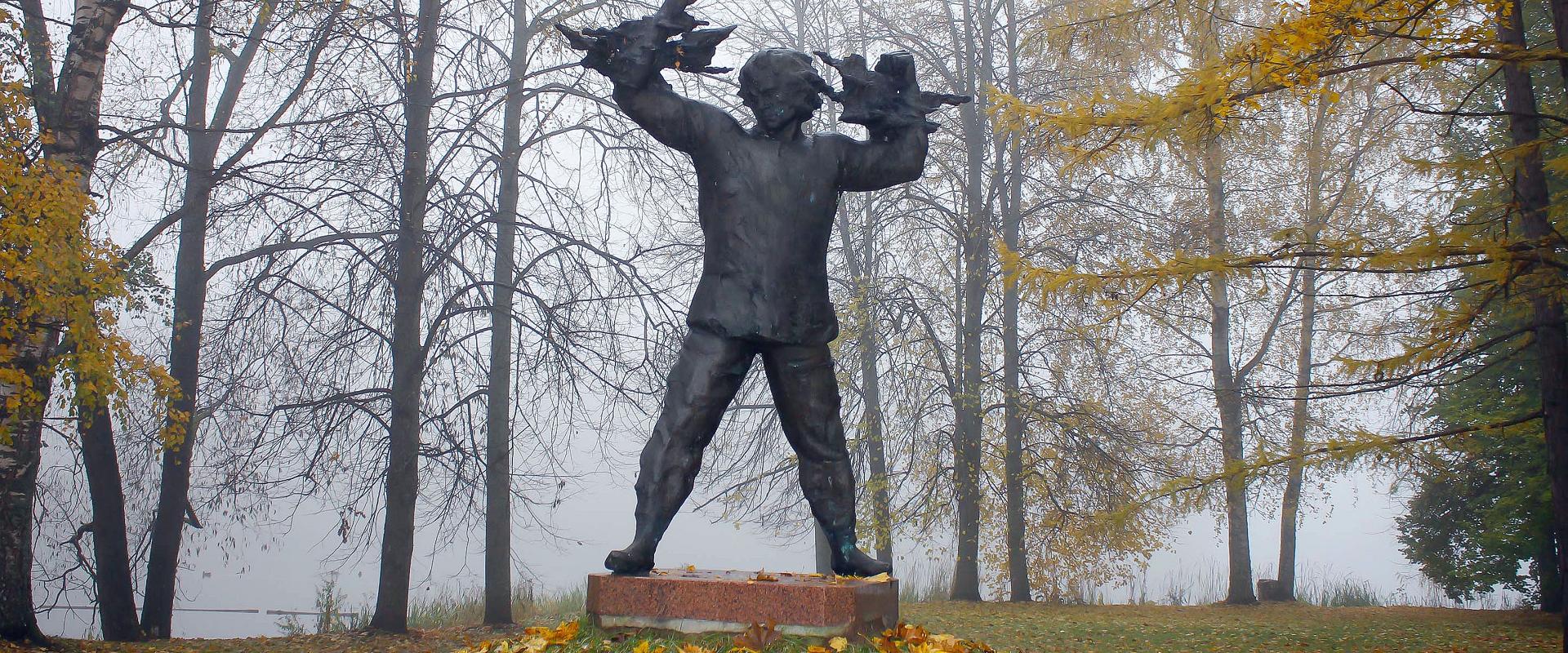
The Tree Garden Warrior

Standing in the landcaped area opposite the former main entrance of the Räpina Paper Factory is the Tree Garden Warrior, a monument to the historical Tree Garden War designed by Riho Kuld in 1984. The locals refer to the warrior as the Iron Man.In 1784 a peasant uprising took place in Räpina following the levying of a bounty tax. In the tree garden of the local manor a battle erupted between the soldiers and the local farmhands, who were armed with poles - ending in the deaths of five local men.

  • Sculptures

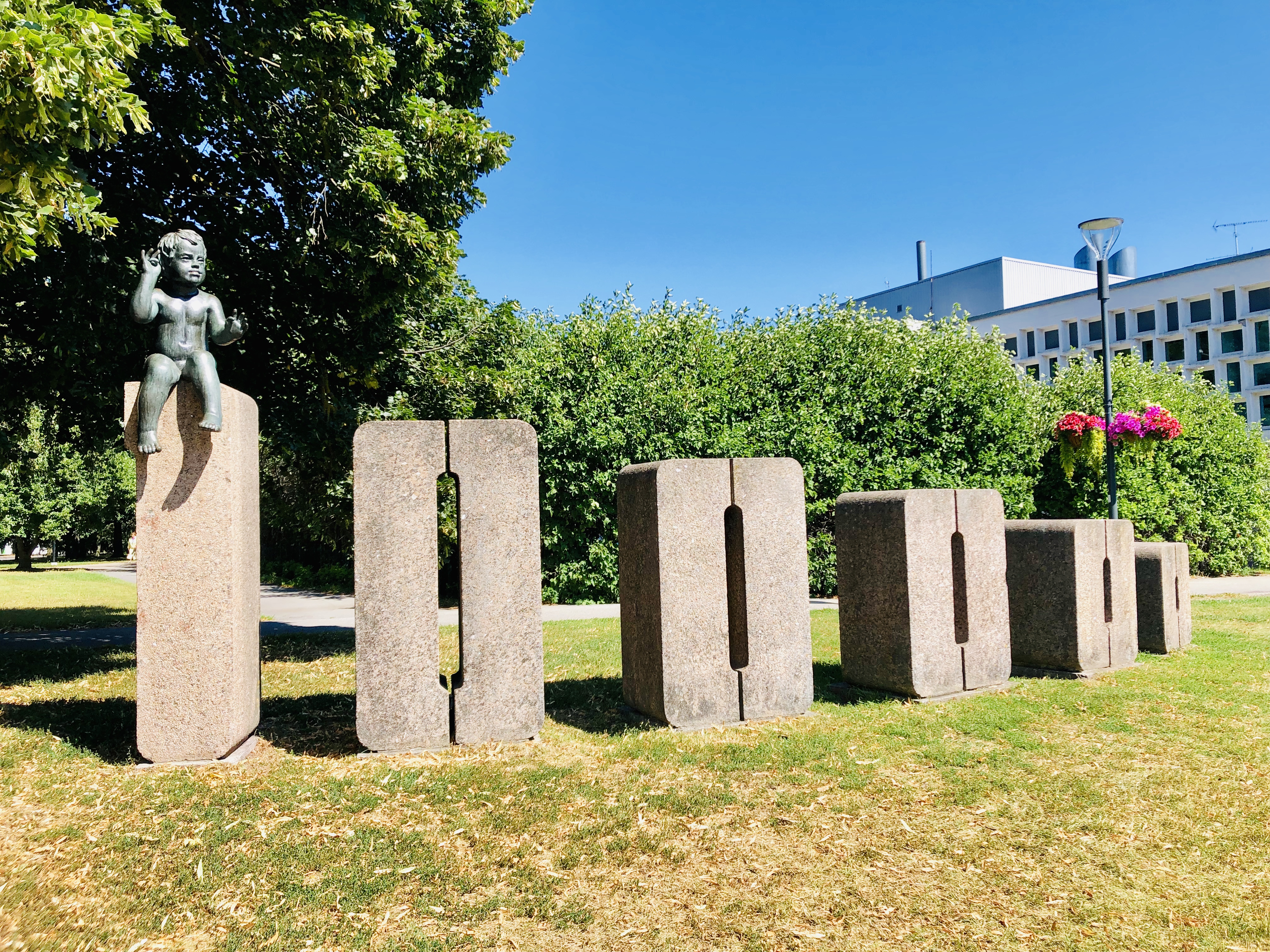
Group of sculptures to celebrate the birth of the 100,000th resident of Tartu

The monument consists of the number 100,000 carved of granite with the bronze sculpture of a child sitting on number 1. The monument celebrating the birth of the 100,000th Tartu resident was initially located in the green area between the former Restaurant Kaunas and the Võidu Bridge. The monument was moved onto the banks of the Emajõgi River between Atlantis and Kaarsild.

  • Sculptures

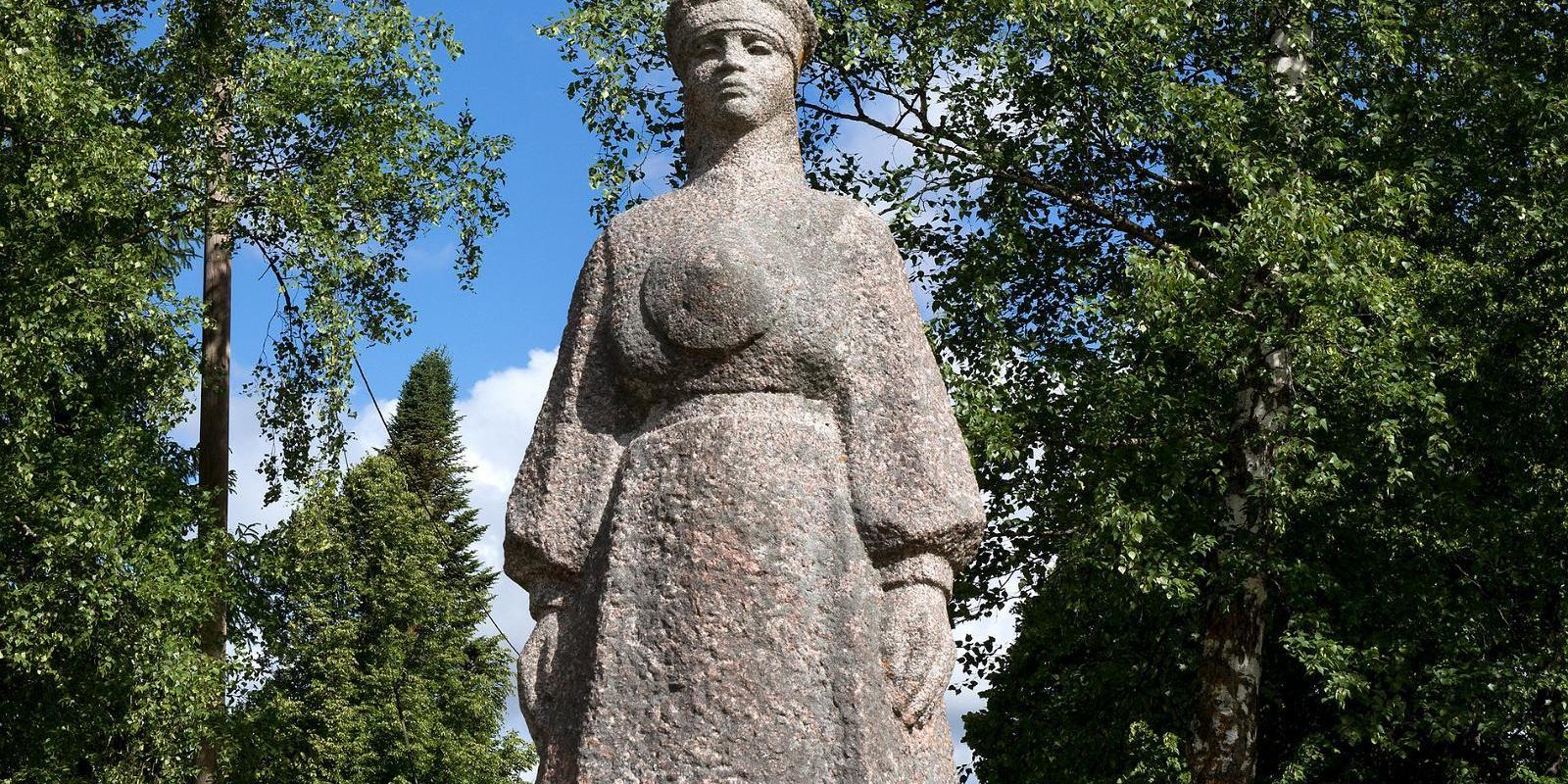
Singing Mother Monument

On the vista overlooking Obinitsa Lake stands the stone Singing Mother Monument. It's a memorial to all the "singing mothers" (Estonian: lauluemad) of Setomaa. The statue was erected in 1986. Around its base are many stones for local singers. The area around the monument offers a good view of Obinitsa Lake and the older part of the village. This is also a good place for a group picture. To the left of the Singing Mother Monument is Obinitsa's old school-church (1904).

  • Sculptures

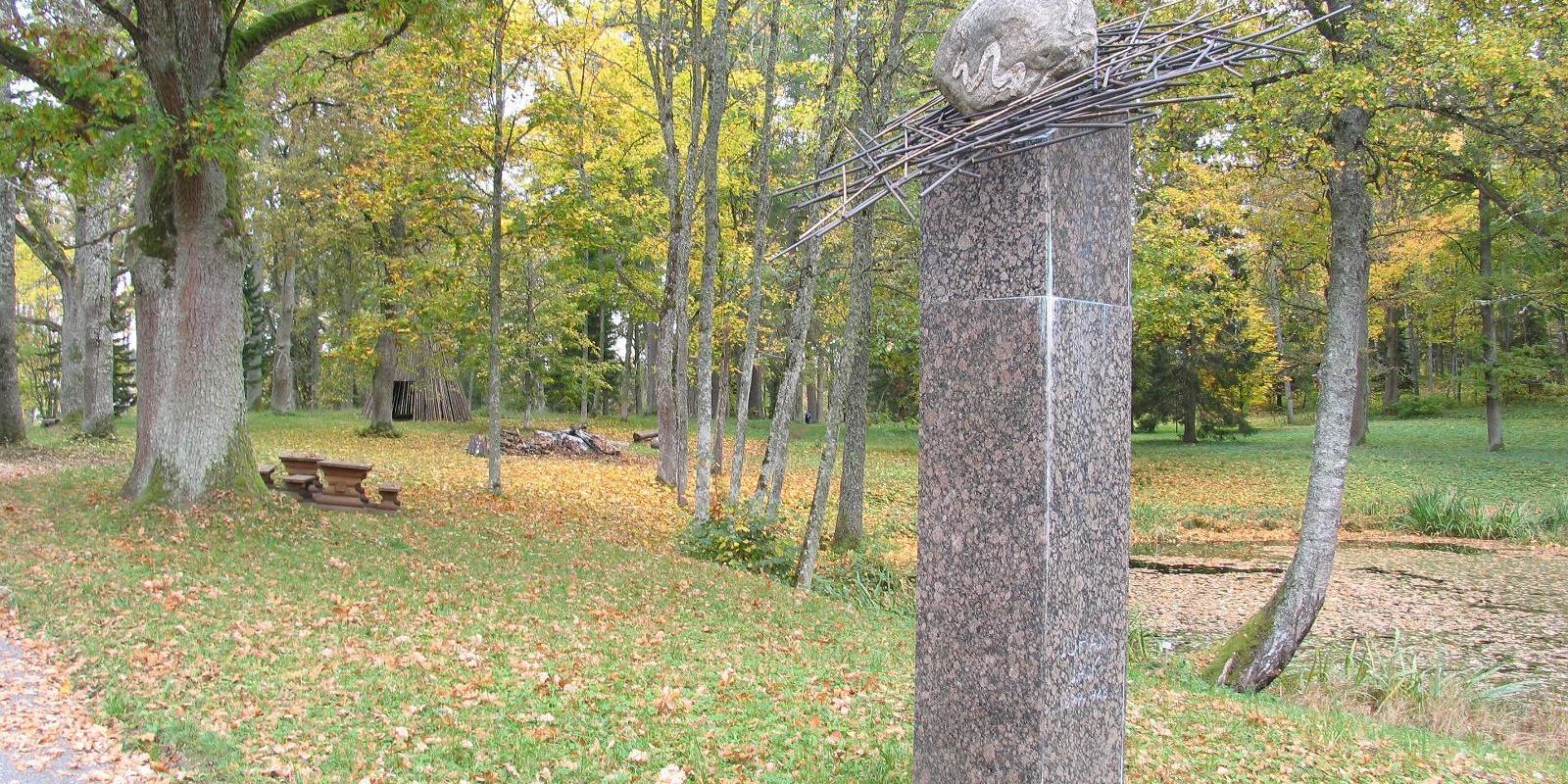
Kaarnakivi Stone in Rõuge Park

The Kaarnakivi Stone by the sculptor Tiiu Kirsipuu is a memorial to the writer Juhan Jaik erected on the occasion of the 100th anniversary of his birth. Fantasy author Juhan Jaik (1899-1948), born in Sänna in Võru County, wrote captivating and enchanting stories and poems for both adults and children. "Kaarnakivi", a collection of ghost and animal stories, is an Estonian children's literature classic that continues to excite readers today.The "kaarnakivi", as many Estonians already know, is a stone that gives its finder whatever he or she wants, if a person knows how to use it prudently.

  • Sculptures

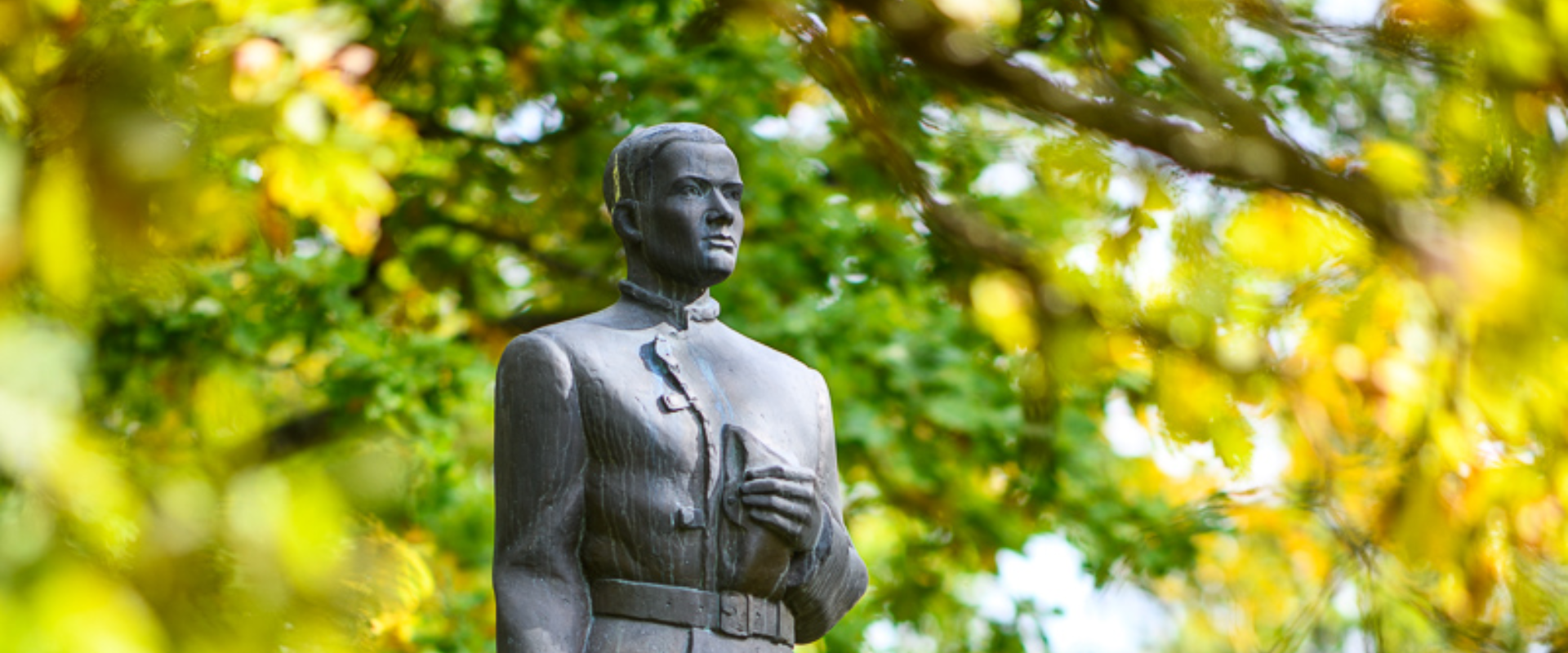
War of Independence Memorial Column

The memorial column erected in 1928 to commemorate those who fell in the War of Independence stands in the park next to Tõrva Upper Secondary School. The author of the monument is Aleksander Eller. The monument was taken down by local communist authorities during the Second World War in 1940 and it was reopened on Victory Day, 23 June 1990.Interesting facts: Schoolboys gave the monument the friendly name Juku.

  • Sculptures

‘Father and Son’ sculpture

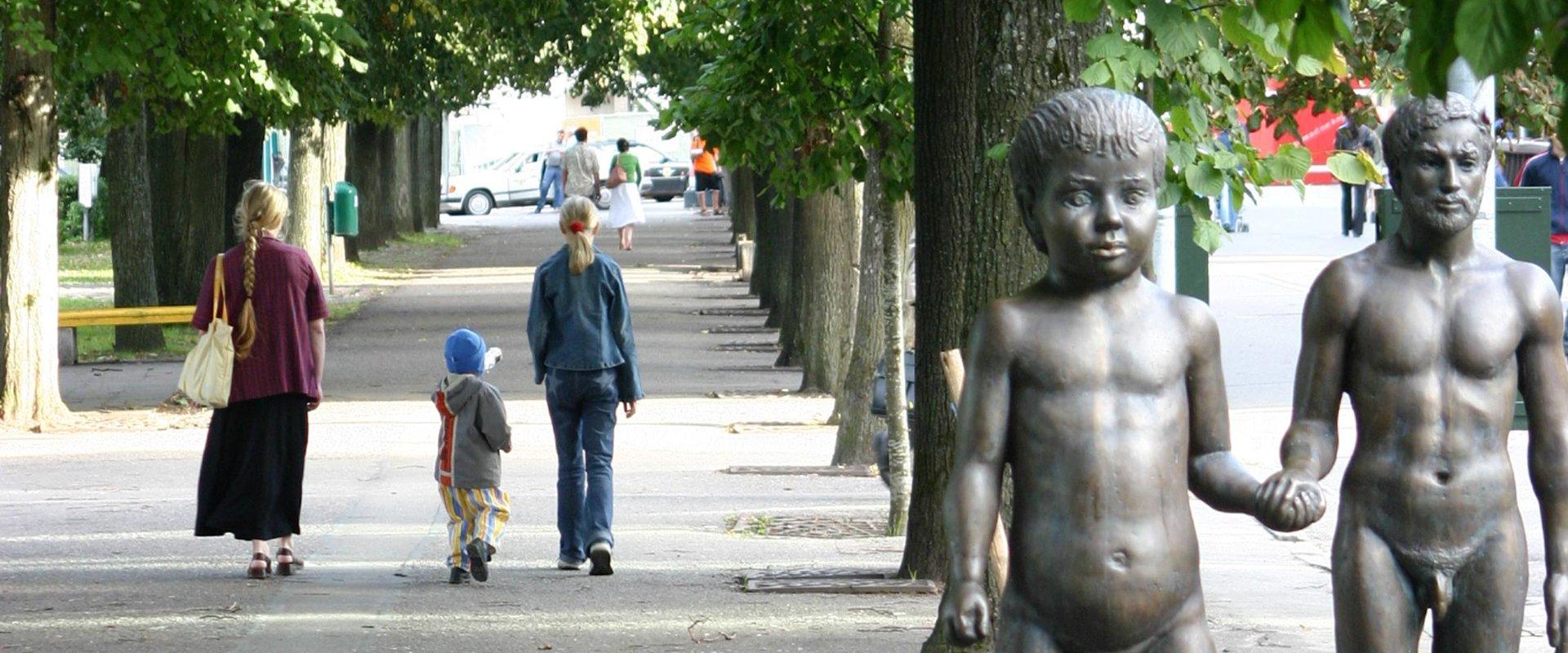
The sculpture "Father and Son" is a symbol of the relationship between different generations, where children are increasingly growing apart from their parents. The bronze work by sculptor Ülo Õun (1944-1988) was unveiled on Children's Day, June 1, 2004, on Küüni Street. The work represents the sculptor himself and his son Kristjan when the son was one and a half years old.

  • Sculptures

Sculpture of Karl Menning

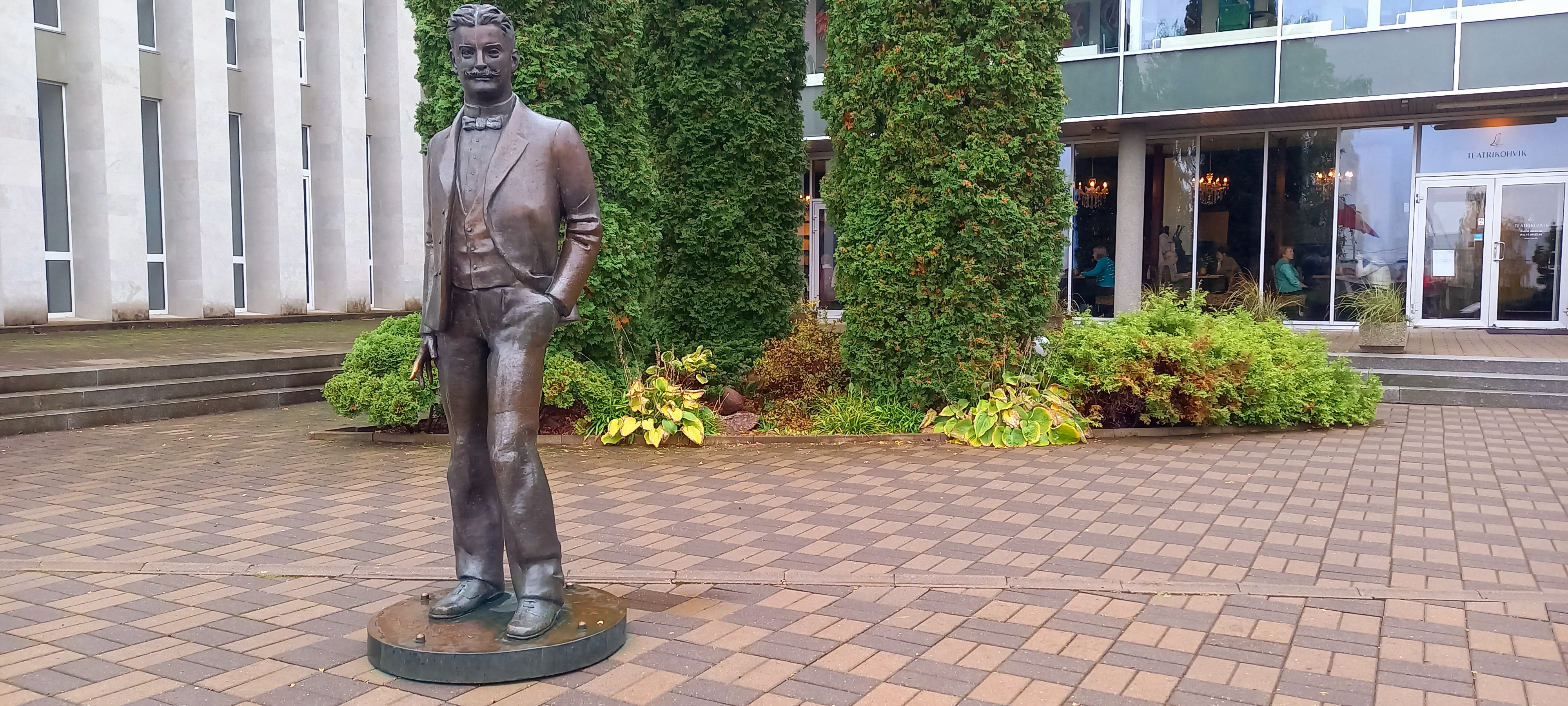
Karl Menning was the founder of professional theatre in Estonia and the first professional theatre and stage director in the country. He was the director of the Vanemuine Theatre from 1906 to 1914. His sculpture was created by Mare Mikoff and is unique for the fact that it can be turned on the spot.

  • Privacy Policy

"*"обозначает обязательные поля

Это поле используется для проверочных целей, его следует оставить без изменений.
Я разрешаю маркетинг