• Avasta
    • Еда
    • Природа
    • Культура
    • Семья
    • Спорт
    • Сообщество
    • Блог
  • Planeeri
    • Размещение
    • Информация
    • Varamu
RUS
  • РусскийRUS
  • EestiEST
  • EnglishENG
  • LatviešuLAT
  • SuomiFIN
RUS
  • РусскийRUS
  • EestiEST
  • EnglishENG
  • LatviešuLAT
  • SuomiFIN
Populaarsed otsingud:
Näita kõiki tulemusi
  • History & Culture
  • Architecture and history
  • Churches

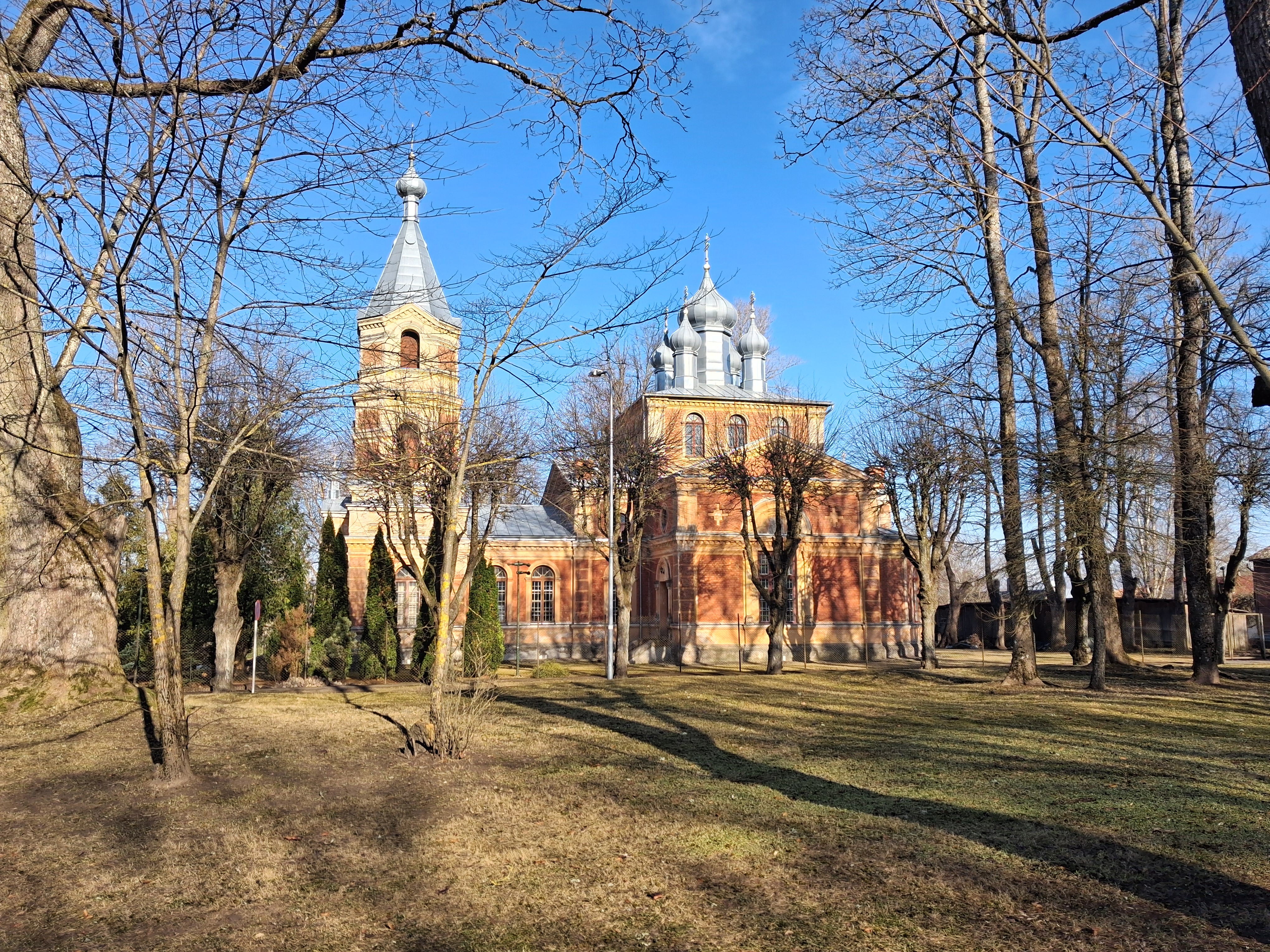
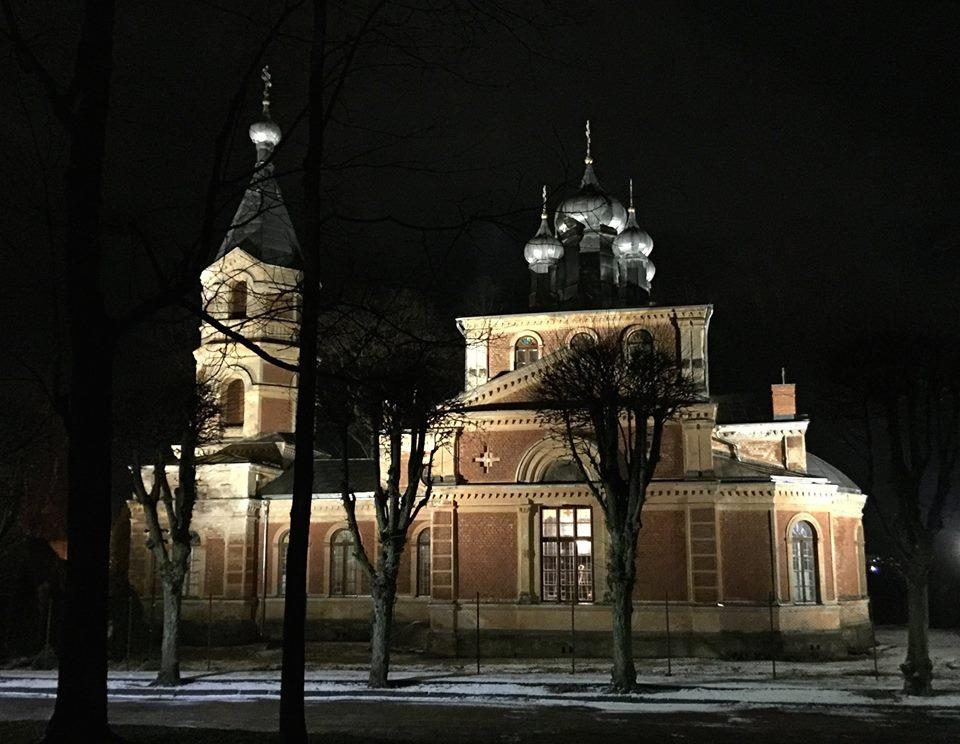
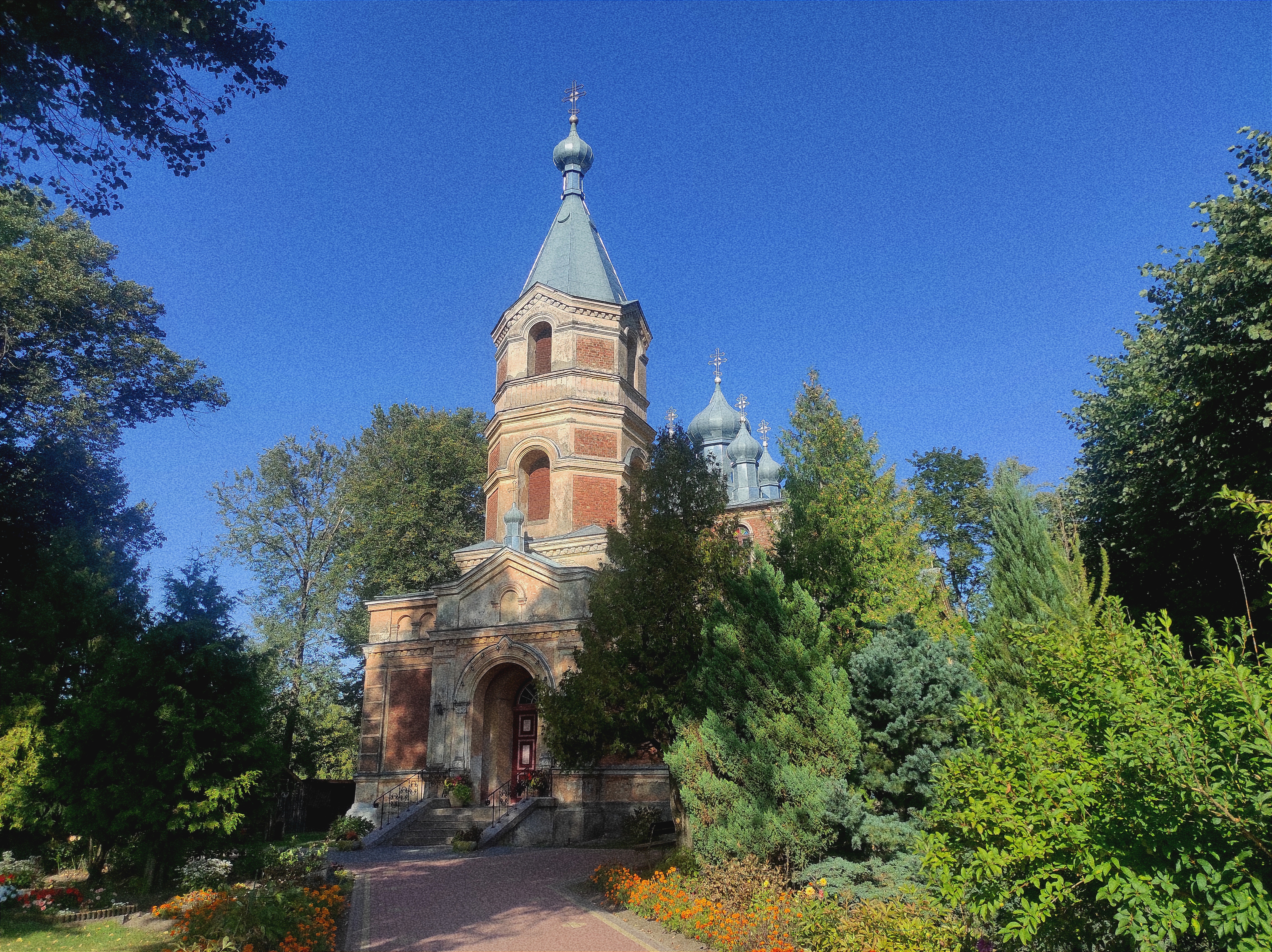
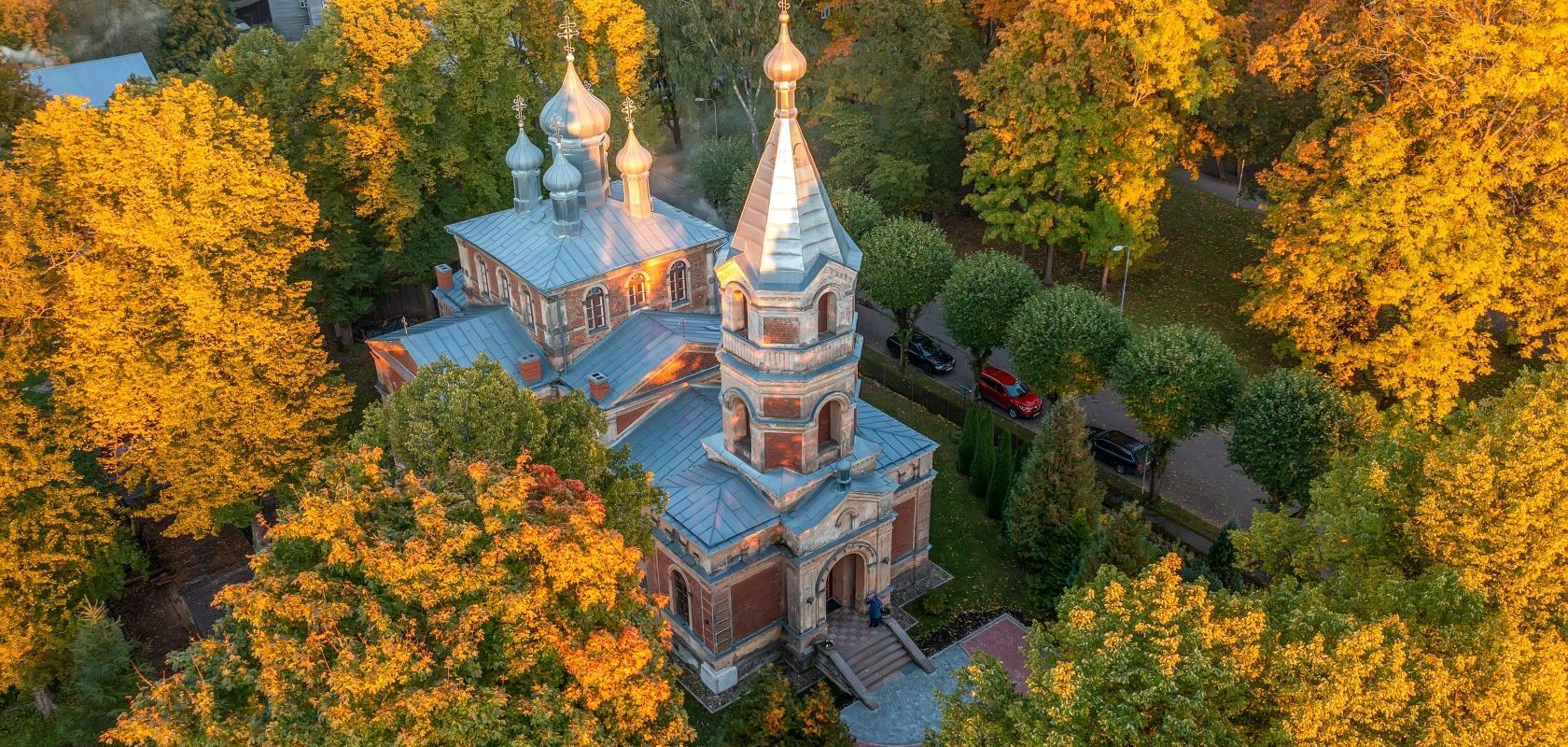
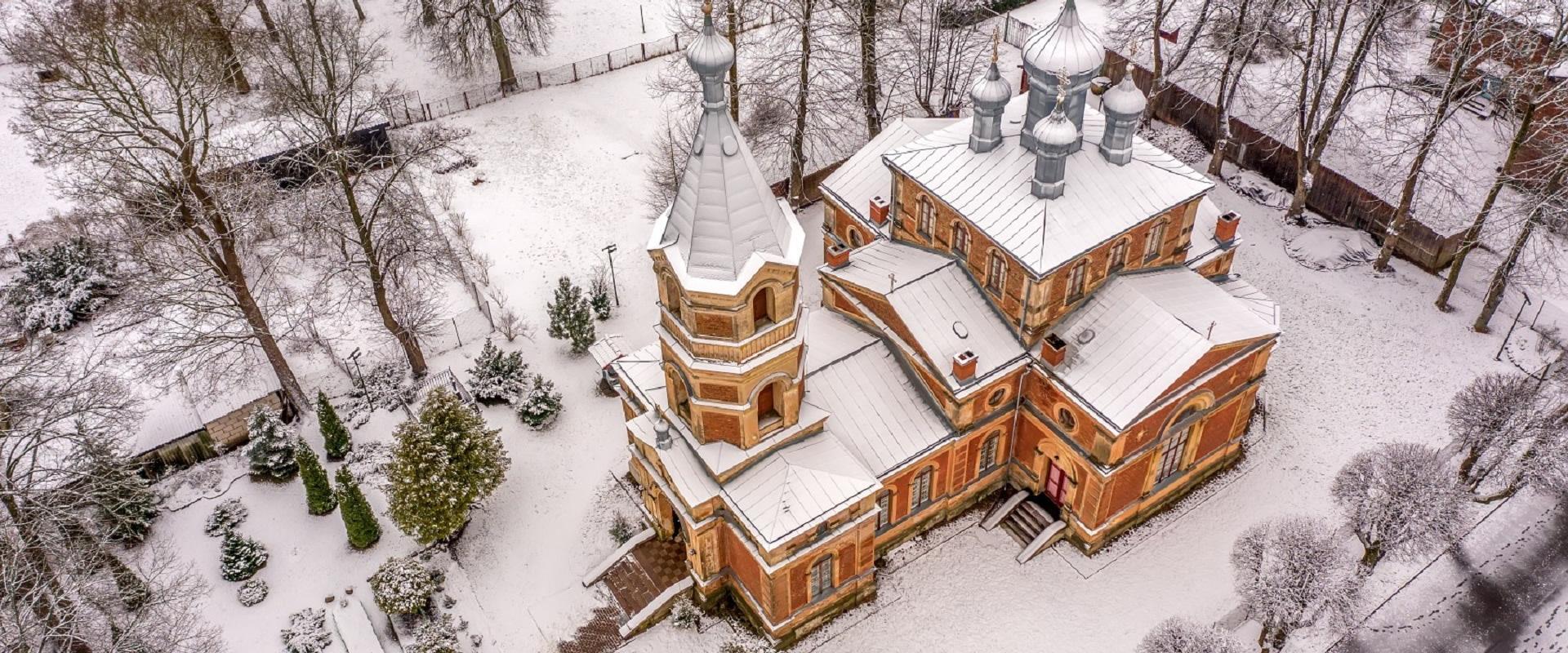
Saint Isidore’s Main Church in Valga

Pargi tn 1a, Valga vald, Valga maakond, 68204

This historicist-style church is built from red and yellow bricks and has five domes and a bell tower. It is one of the four representative churches of the Apostolic Orthodox Church in Estonia. The church is named after the priest martyr Isidore of Tartu. The church was built in 1897–1898 and was consecrated in 1898. The architect of the building is Vladimir Lunski.The church was built in 1896 for the congregation of Orthodox Russians and Latvians.

Mugavused

  • Free parking

Lahtiolekuajad

Aastaringselt

Eemalt vaadeldav

Kontakt

  • +372 5344 8404

Lingid

Vaata lisaks

  • Churches

Karula Maarja (St Mary’s) Church

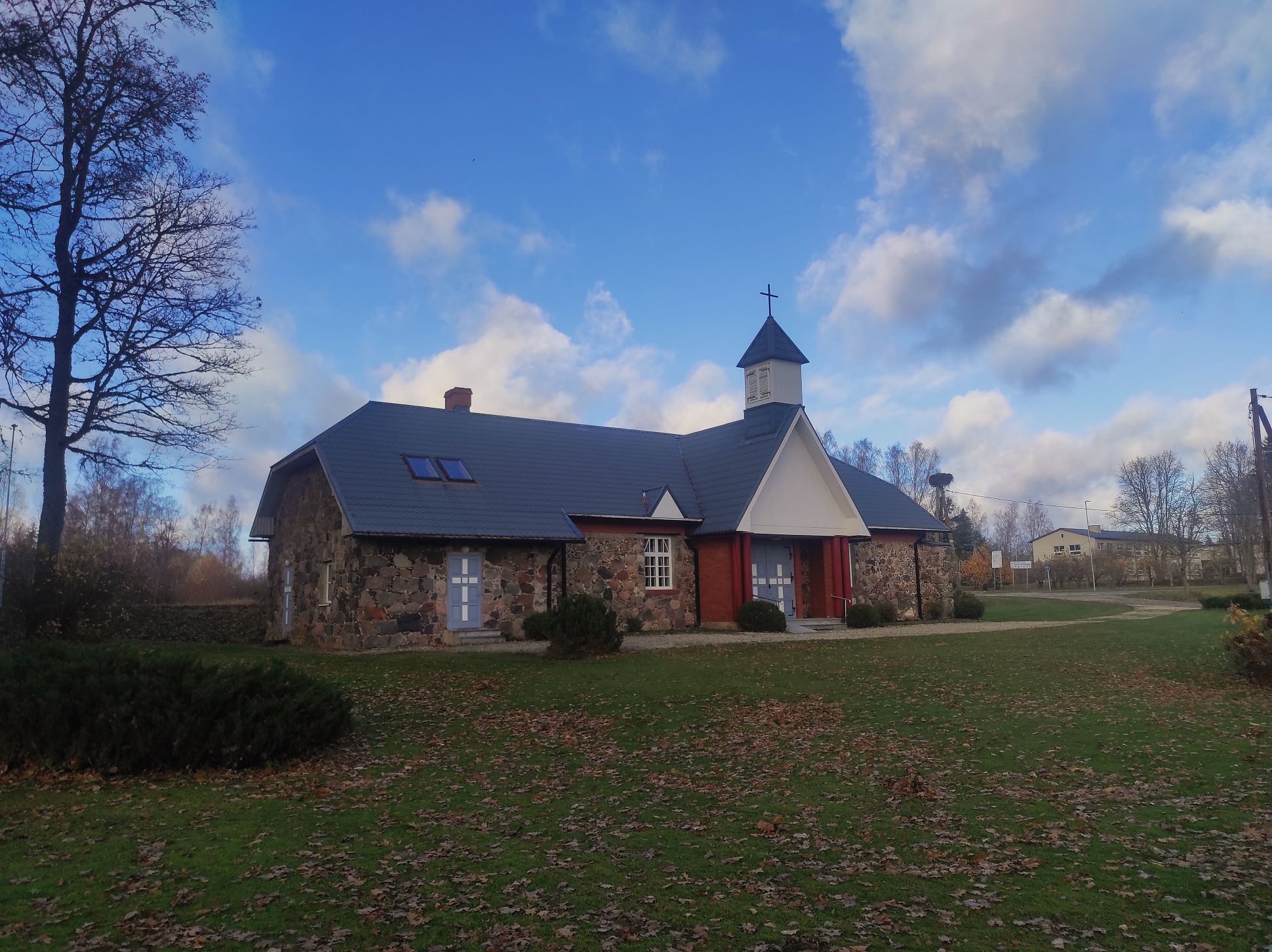
Karula Church has been working in the converted manor granary since 1997. The most special feature of the church is the stained glass painting 'Eucharist' of Estonian artist Dolores Hoffmann which depicts local people as the disciples against the background of the holly landscape of Karula.The doors of the Karula Church are open to visitors during Sunday services. Please contact a representative of the congregation if you wish to visit the church some other time. Interesting facts: • The same building was used as an animal barn during the Soviet times. • The stained glass painting was donated to Karula Church by the descendants of the German squires the von Grotes.

  • Workshops
  • Castles
  • Churches
  • Ruins
  • Pet friendly
  • Family friendly
  • Lookout towers
  • Guided tours

Põltsamaa Castle

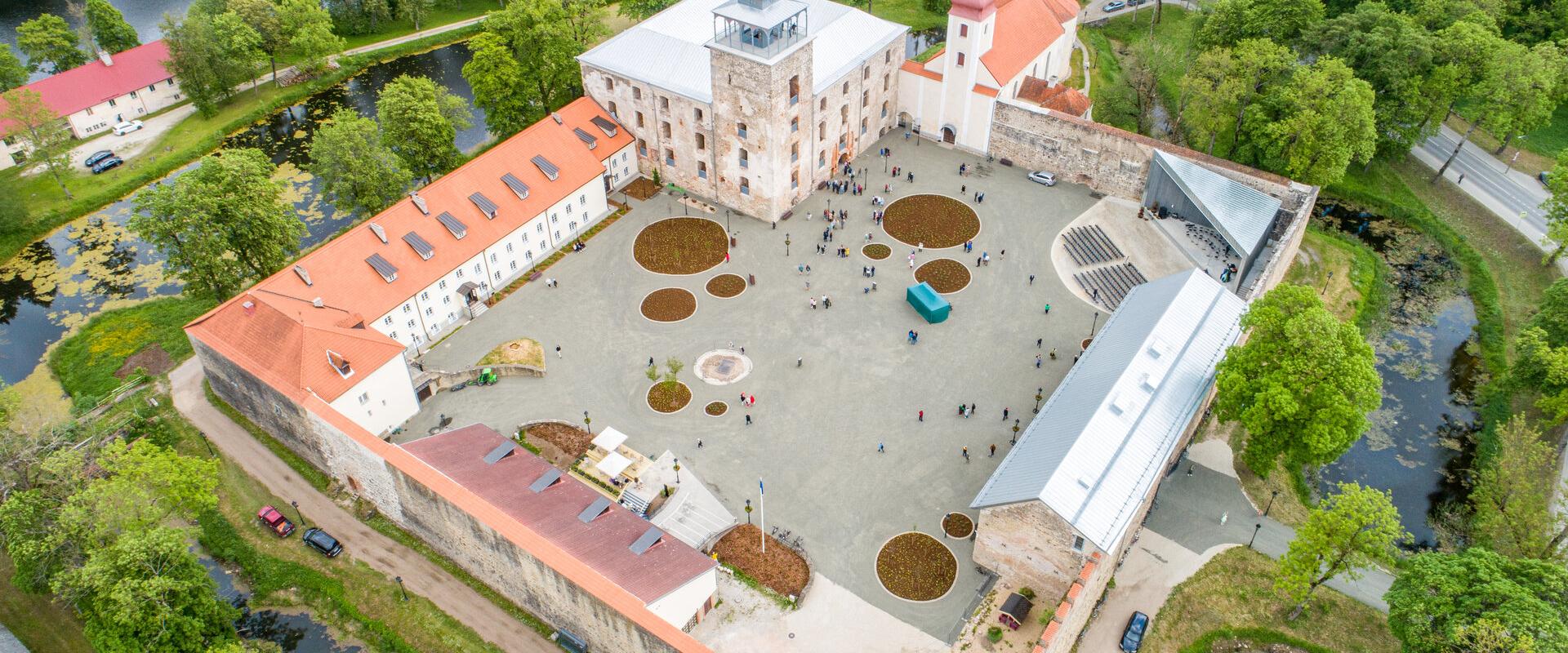
Põltsamaa Castle has been an important site throughout the centuries and carries a distinguished history – founded in 1272 on the riverbank, it was the residence of Magnus, the King of Livonia, and later evolved into a magnificent Rococo palace. Wars and fires left the castle in ruins, but now it has come back to life and is waiting for you to visit! Today, the castle offers visitors plenty of excitement. First and foremost, it is worth climbing to the viewing platform of the seven-story castle tower, where a captivating view of the city unfolds in every season. The tower is crowned by a restored historical dome, which is unique in all of Estonia. The church, located within the complex, is built directly into the castle's fortification walls and tower, and is open daily during the summer. The convent and gatehouse feature a modern exhibition that tells the colorful story of the castle and the town of Põltsamaa. In the castle courtyard, craft workshops await, where you can watch the work of masters or purchase something interesting yourself. Culinary experiences are offered by the restaurant Oberpahlen, where history and excellent food come together. Discover Põltsamaa Castle – a place where history comes to life!
  • Churches

Tartu Salem Baptist Church of the Alliance of Estonian Evangelical Christian Baptist Congregations

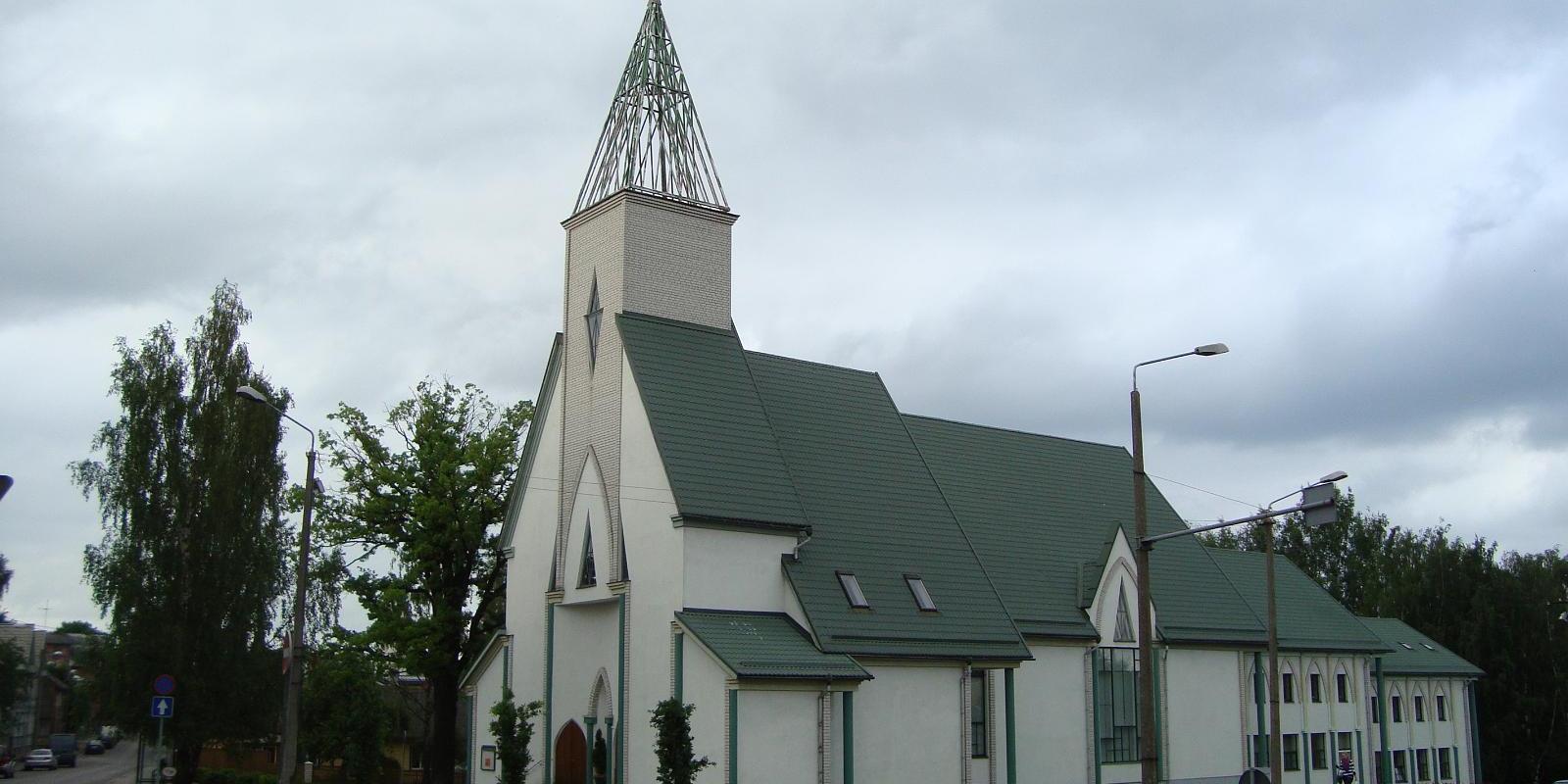
Come and take look at the modern and spacious church of the Tartu Salem Baptist Congregation (architect Maarja Nummert). The church was opened on 28 June 1988 with a concert and thanksgiving service. You are welcome to enjoy concerts in the church hall that has great acoustics and space for almost 400 people. Interesting facts: - the only baroque organ in Tartu is in the Tartu Salem Baptist Church; - the church offers accommodation to travellers.

  • Churches

Nõo St Lawrence Church of the Estonian Evangelical Lutheran Church

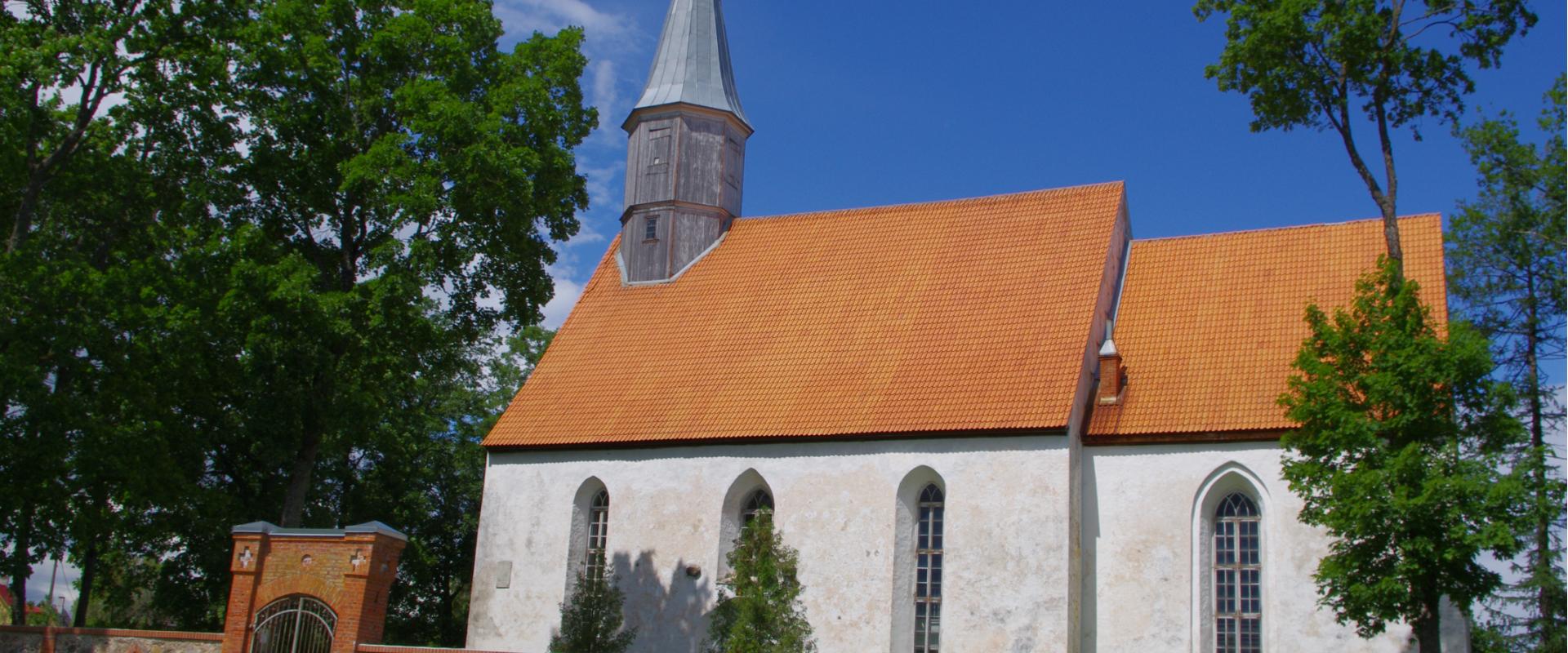
In Nõo, you can visit the only rural church with genuine medieval arches (13th century) in Southern Estonia. The church has a wooden tower (1879) and pseudo-gothic furnishings from the 19th century. You will see the altar painting Christ on the Cross by Tõnis Grenzstein from 1895, four wooden sculptures of apostles (Jaan Koort, 1910), two organs – Walcker (large, 1890) and Müllverstedt (small, 1903), and the bust of Martin Lipp (1854–1923), a long-time teacher of the congregation and the author of the lyrics of the song of the Estonian flag.In the summer months, Nõo Church participates in the Estonian Council of Churches' Wayfarers' Churches project.Services take place every Sunday at 11 a.m.

  • Churches

St John’s Lutheran Church in Kanepi

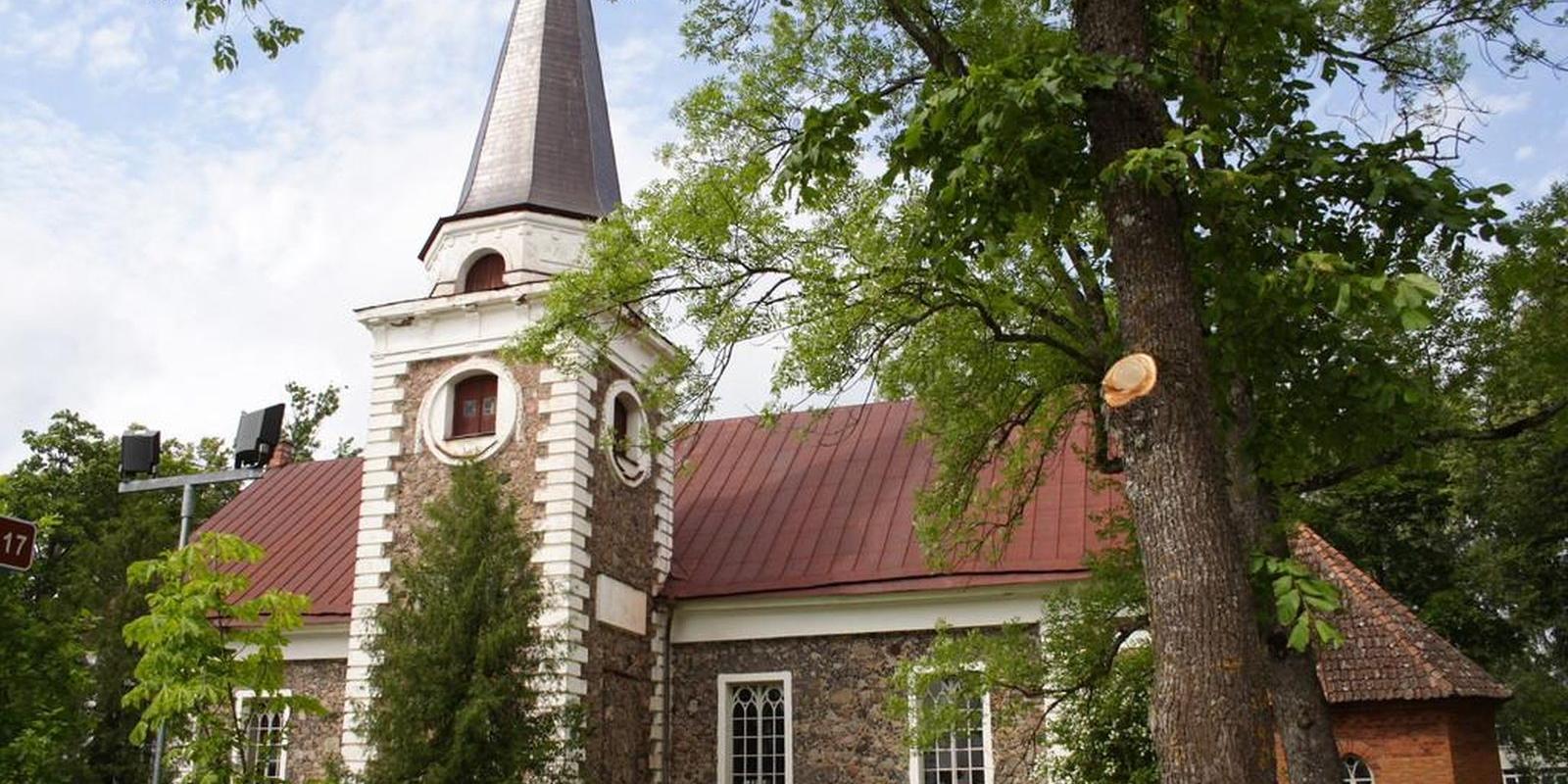
St John’s Church is an eye-catching building; its architect was Friedrich Siegel. There is an altar painting Christ on the Cross (A. Bauer, 1857) and a pseudo-Gothic altar, and two nationally protected wooden candlesticks (1810) and an armchair from the birch wood dating from the 18th century. On top of the spire there is a morning star. Interesting to know: St John’s Church in Kanepi was built in 1804-1810 to replace the old wooden church. In 1831 the church was set on fire by lightning. The church in Kanepi has been in its current state since the year 1877.

  • Churches

Elva Church of the Estonian Evangelical Lutheran Church

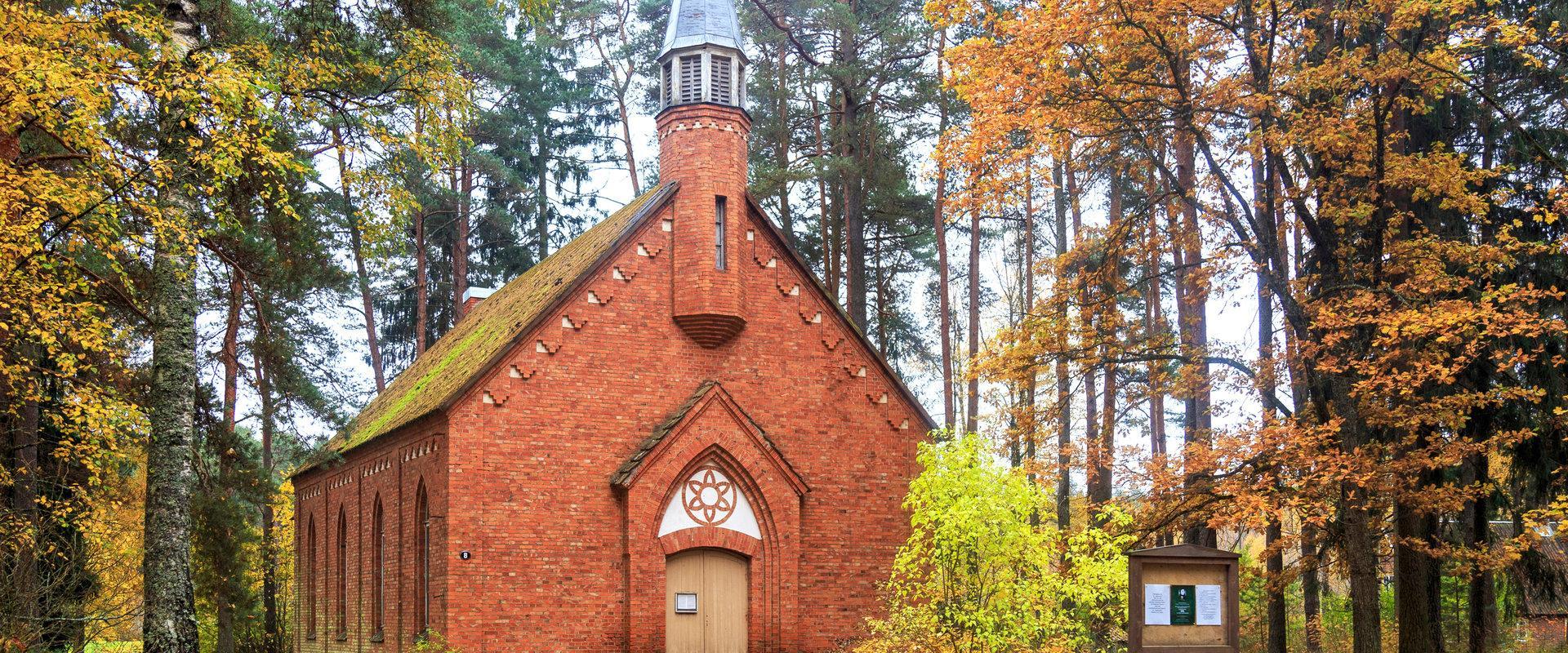
You will find this historicist red-brick church (architect Arved Eichorn), which is the first new church built in the Republic of Estonia, in the peaceful little town Elva. Tartu St John’s Congregation used to operate in Elva for some time. This is why some details of the Elva Church remind of Tartu St John’s Church – the rarely used plaster and brick imitation of a rose window on the western wall of the church refers to the medieval rose window that can be found in Tartu St John’s Church.

  • Guided tours
  • Churches

Varnja Old Believers Prayer House of the Estonian Association of Old Believers Congregations

The big beautiful prayer house in Varnja Village on the shores of Lake Peipus was funded and built by the congregation itself. Most of the many icons of the prayer house date back to the start of the 20th century.Visitors can only enter the church with a reservation.The cost of a single visit for a group starts from 50 euros. Visitors get an interesting overview of the life and history of the Old Believers from a local guide who is also an Old Believer. The excursion may last for about an hour - the visit and a warm experience are worth it!Reminder: Women are asked to enter the prayer house with a covered head.We ask you not to take photos or videos in the prayer house.

  • Churches

Valga Roman Catholic Church of the Holy Spirit

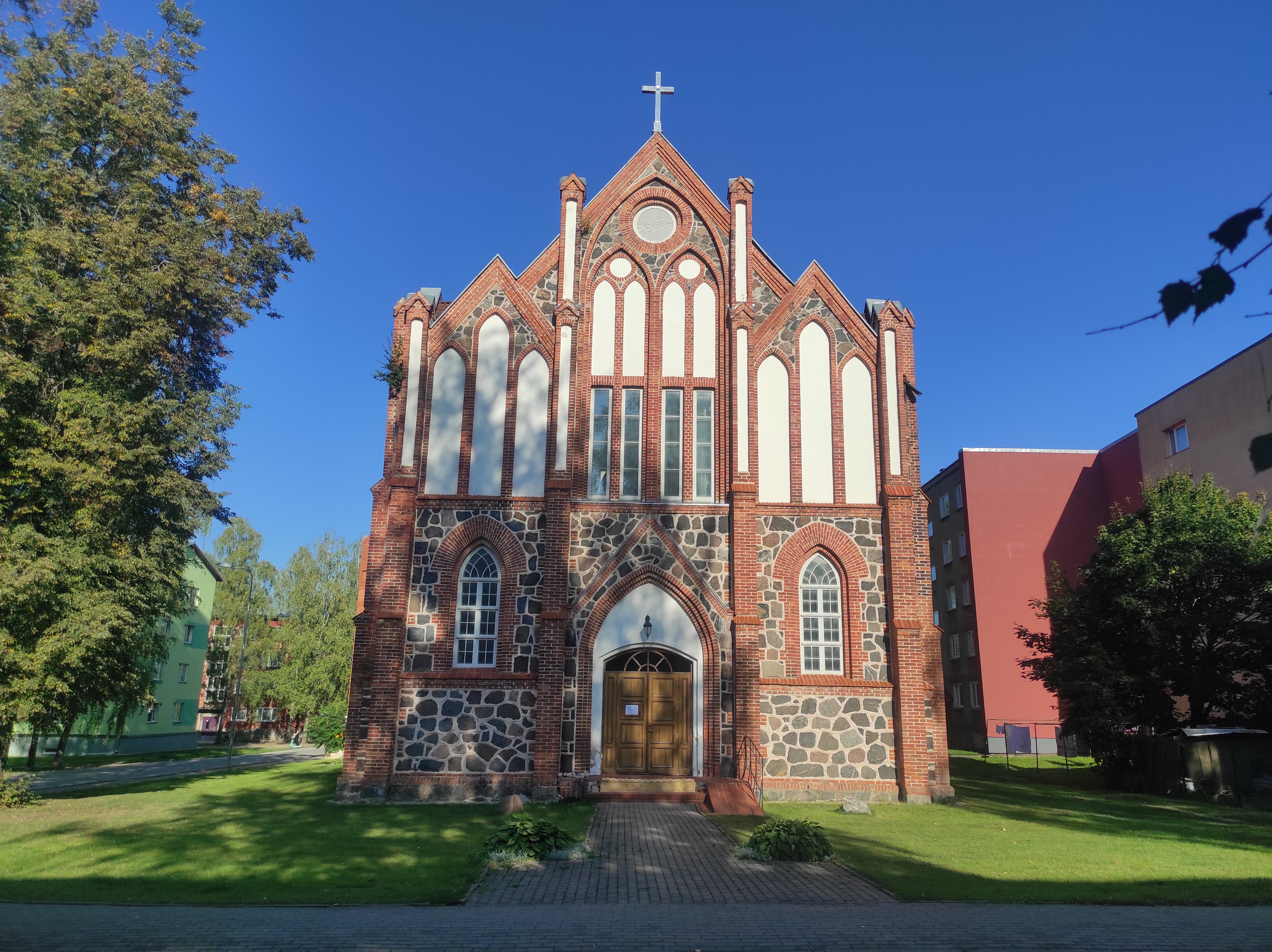
The church was built of natural stone and bricks in 1907. Lithuanian and Polish railway workers were actively involved in building the church. The church operated until 1940 and from 1945, the building was used as a warehouse and later as a gym.The extension of the church was built in 1995 and the church was renovated. Interesting facts: * the church does not have a tower as the imperial government of Russia refused to give permission to build one.

  • Privacy Policy

"*"обозначает обязательные поля

Это поле используется для проверочных целей, его следует оставить без изменений.
Я разрешаю маркетинг