• Avasta
    • Еда
    • Природа
    • Культура
    • Семья
    • Спорт
    • Сообщество
    • Блог
  • Planeeri
    • Размещение
    • Информация
    • Varamu
RUS
  • РусскийRUS
  • EestiEST
  • EnglishENG
  • LatviešuLAT
  • SuomiFIN
RUS
  • РусскийRUS
  • EestiEST
  • EnglishENG
  • LatviešuLAT
  • SuomiFIN
Populaarsed otsingud:
Näita kõiki tulemusi
  • Accommodation
  • Experience accommodation

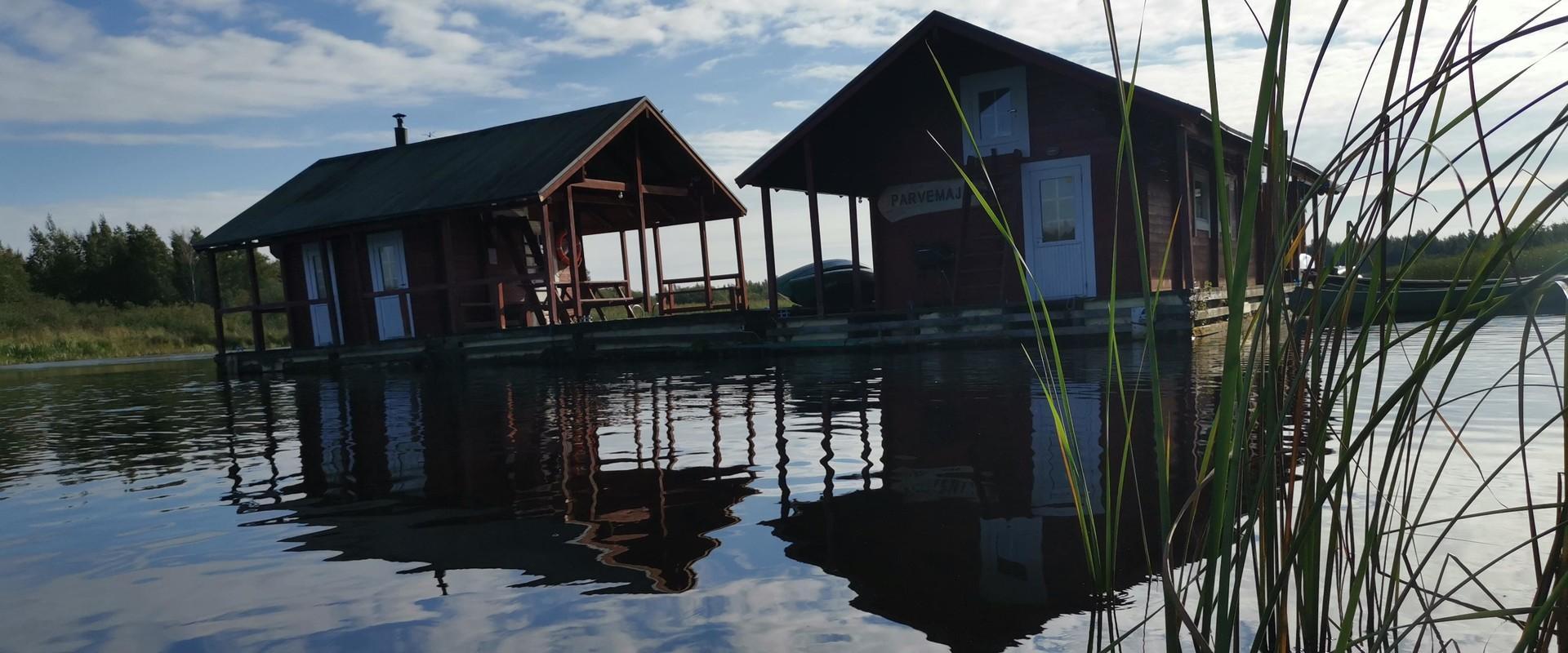
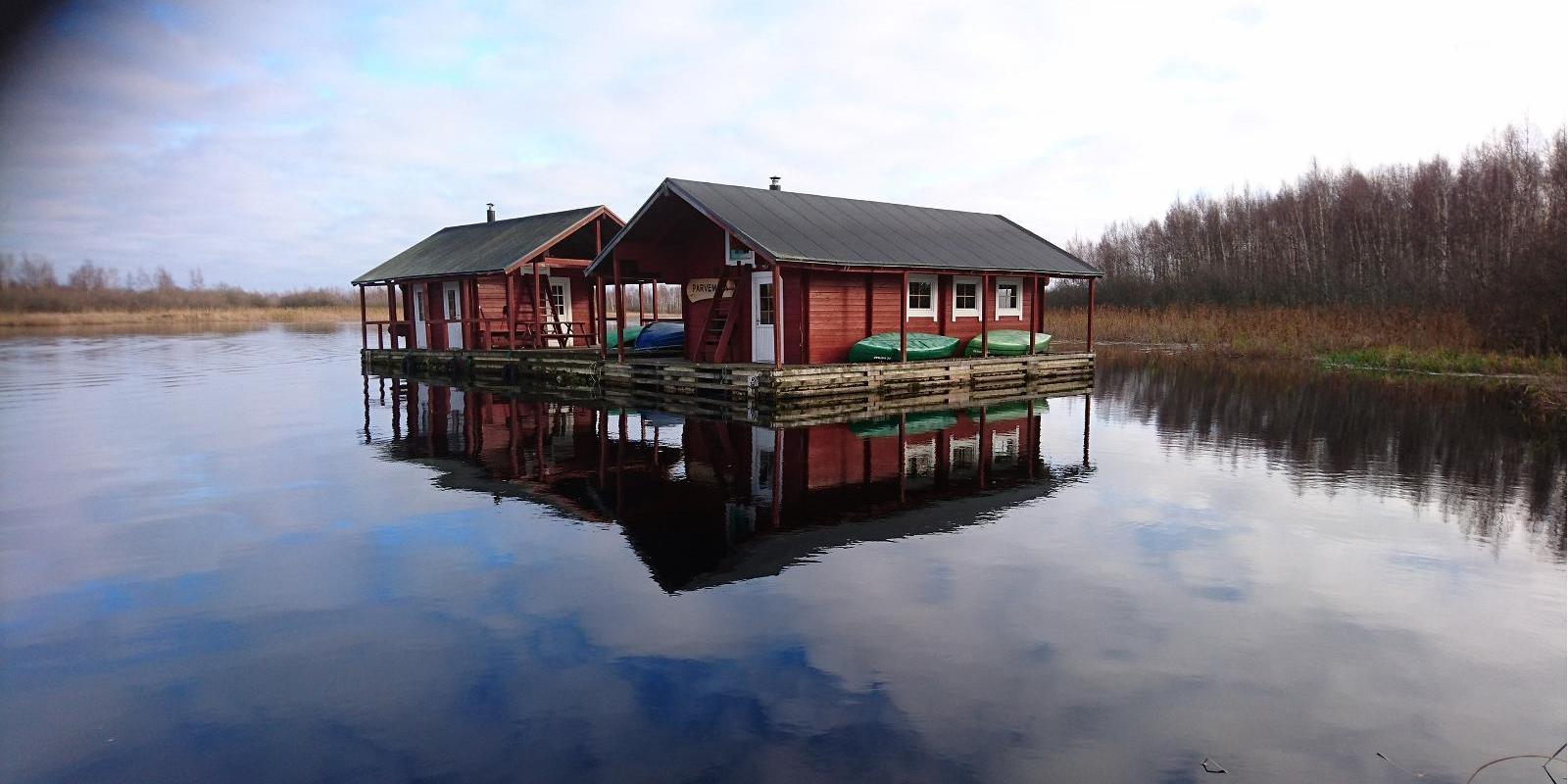
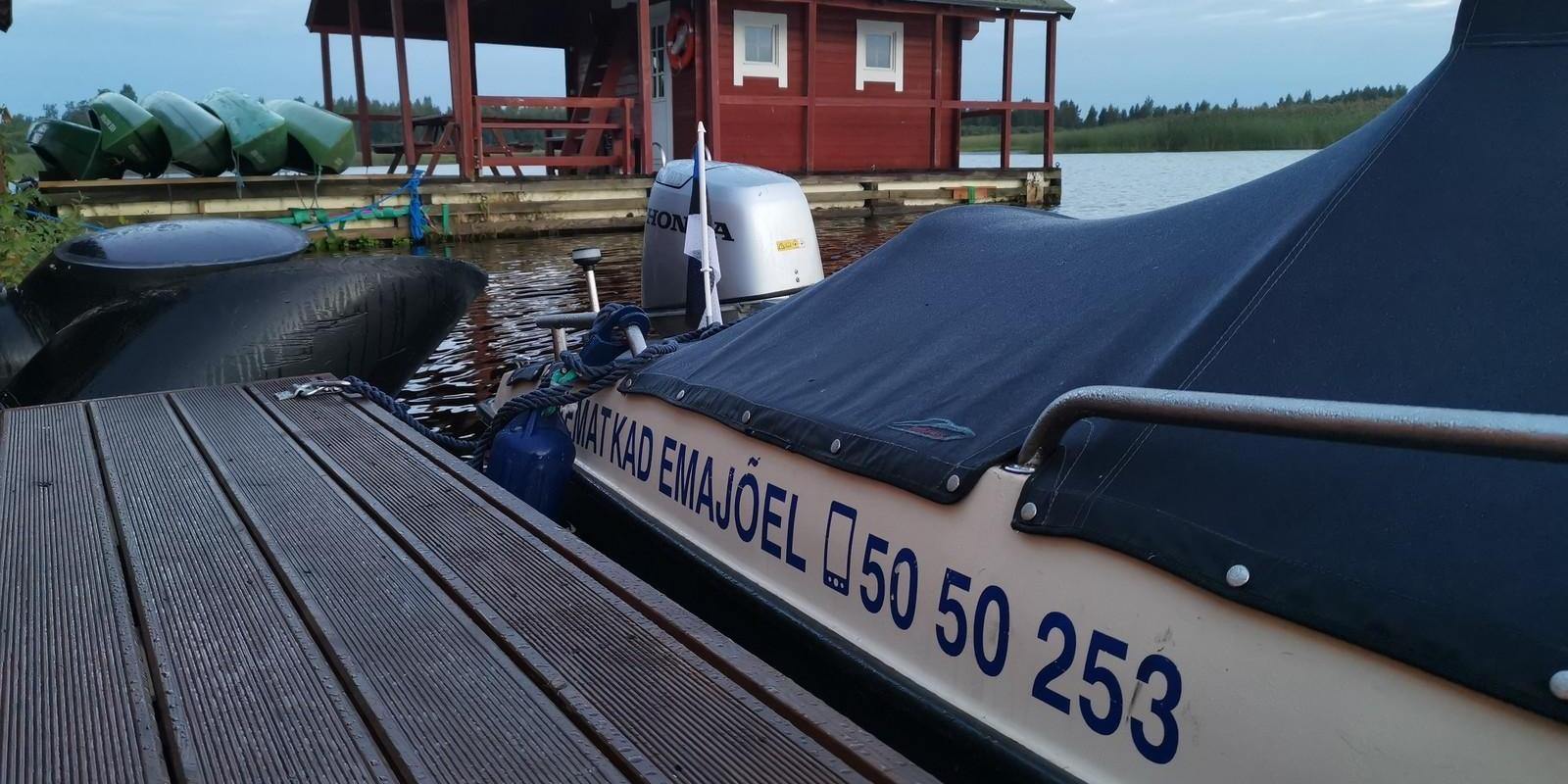
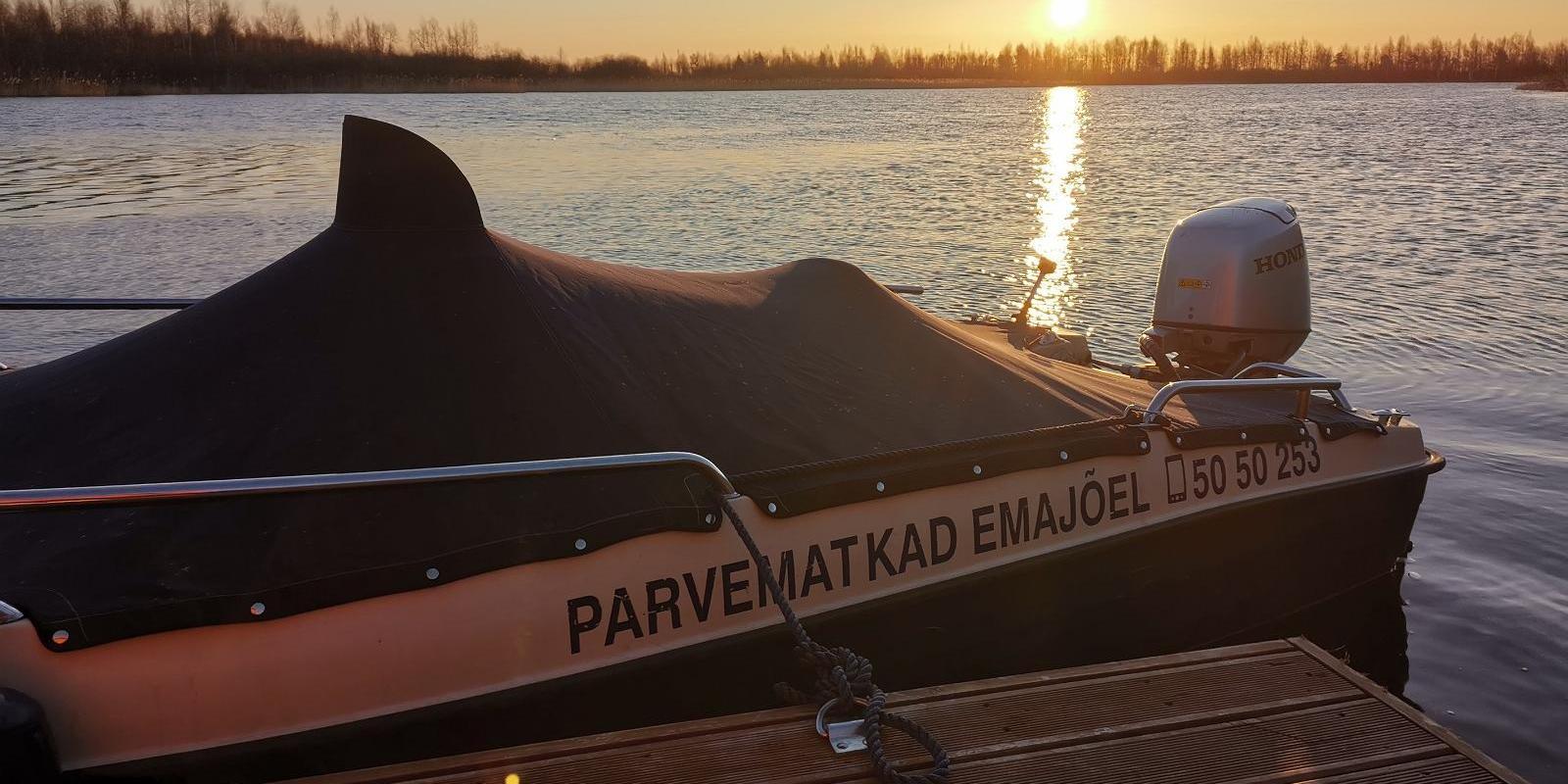
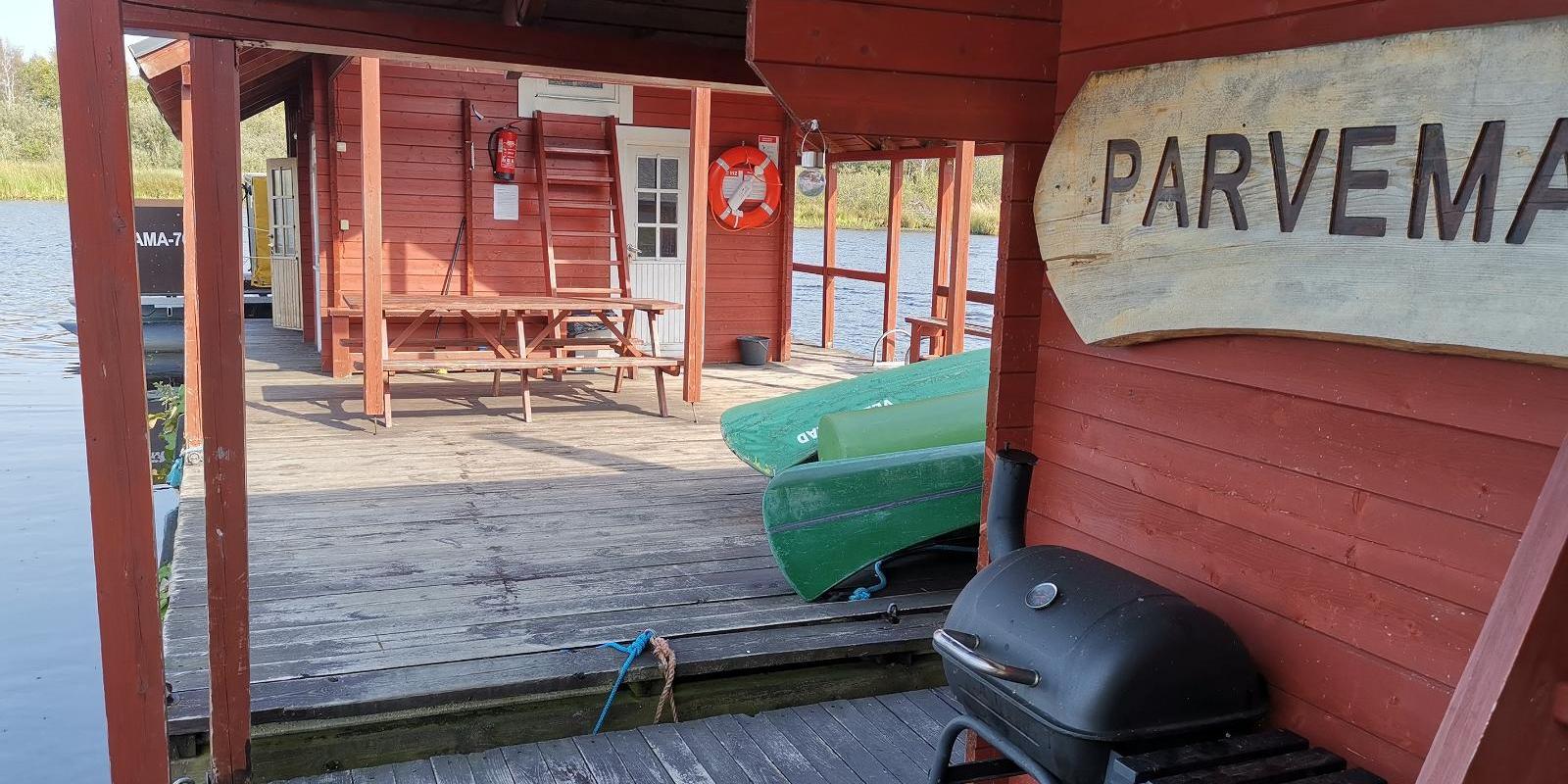
Raft house in Emajõe-Suursoo

Järvselja metskond 7, Kastre vald, Tartu maakond, 62414

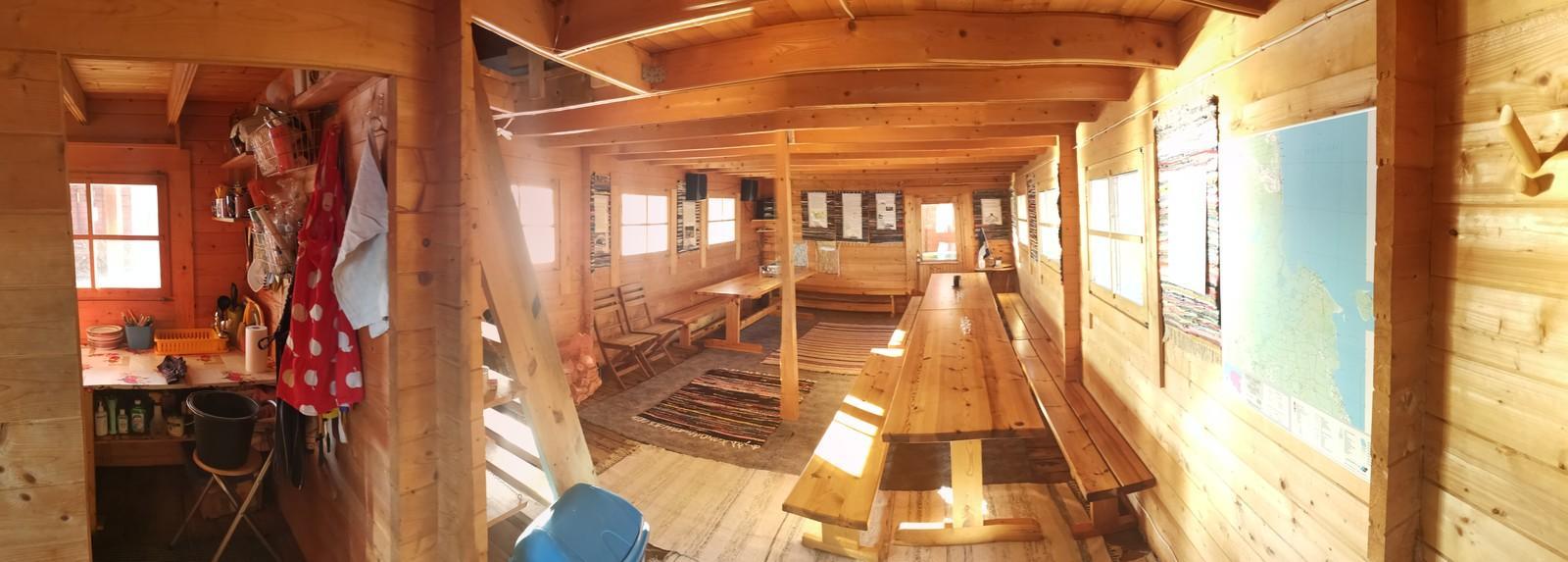
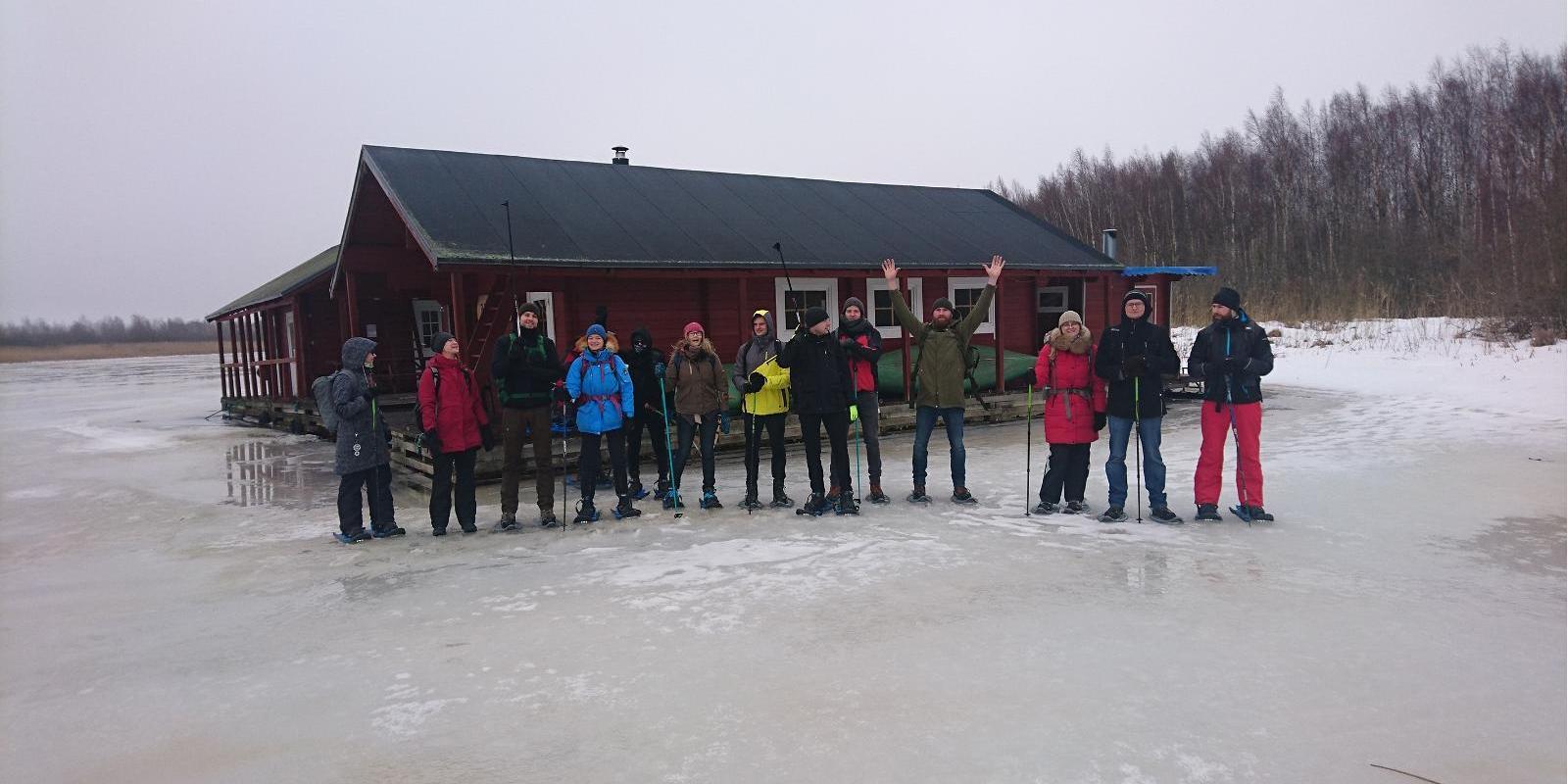
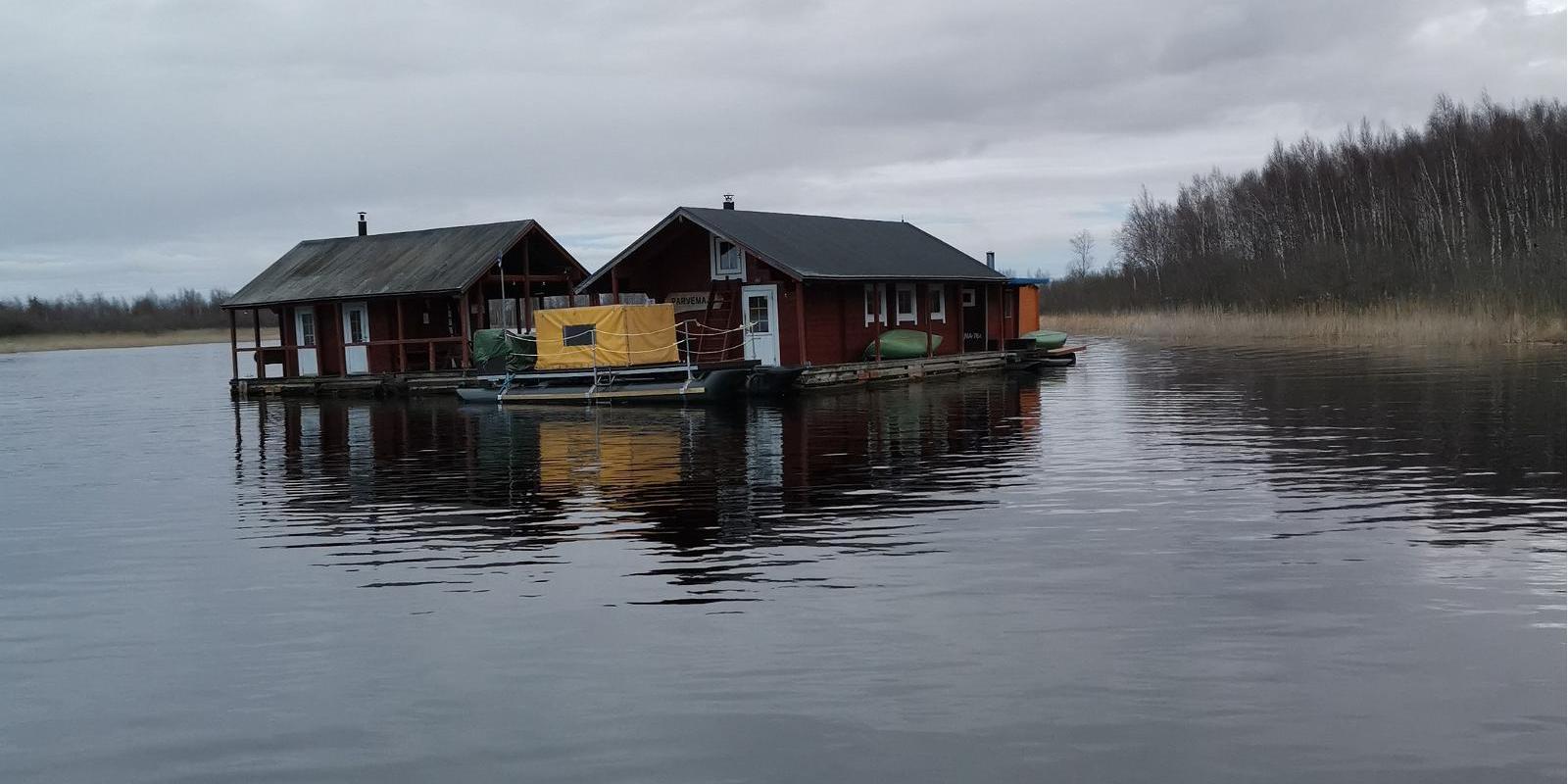
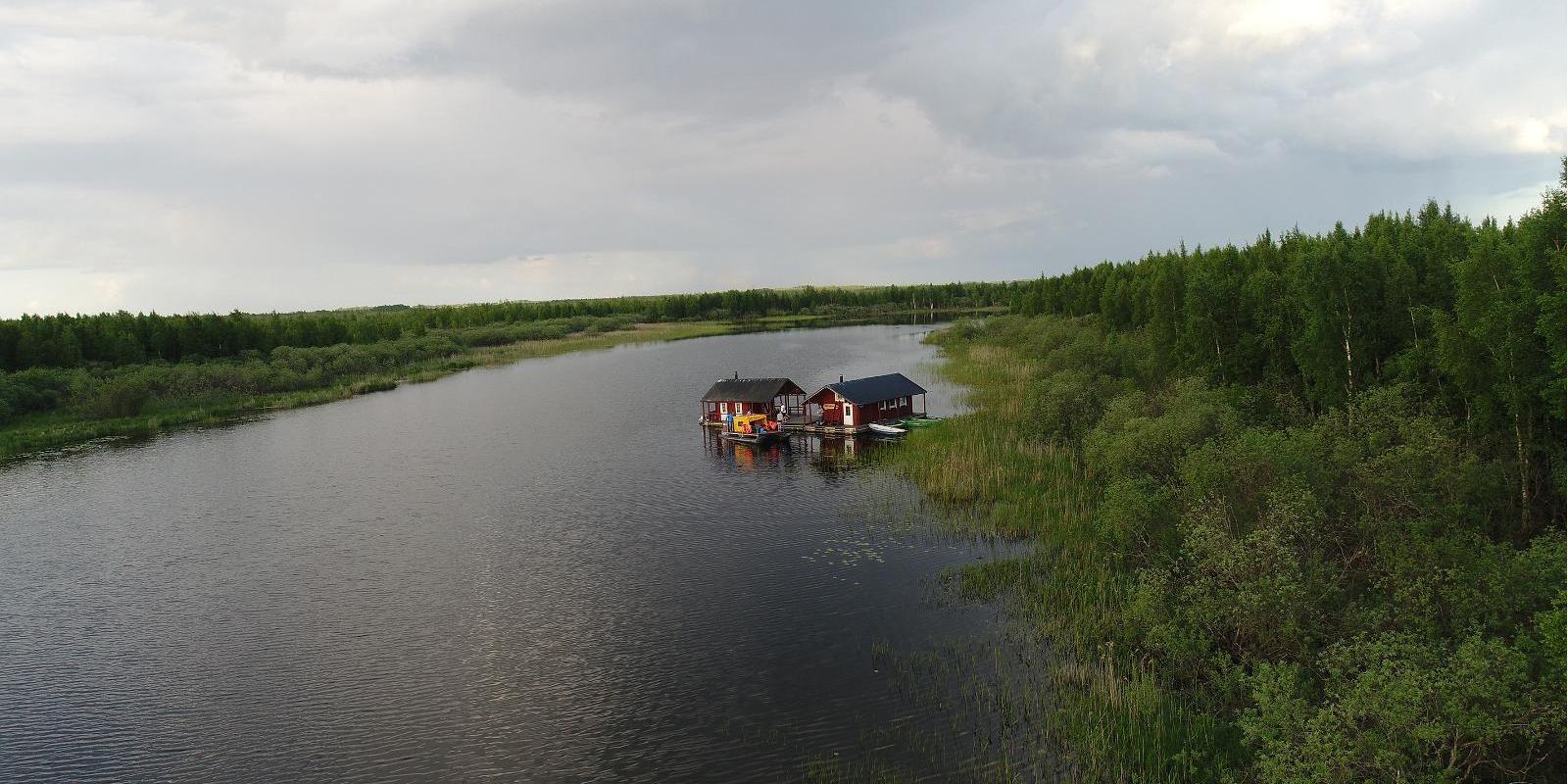
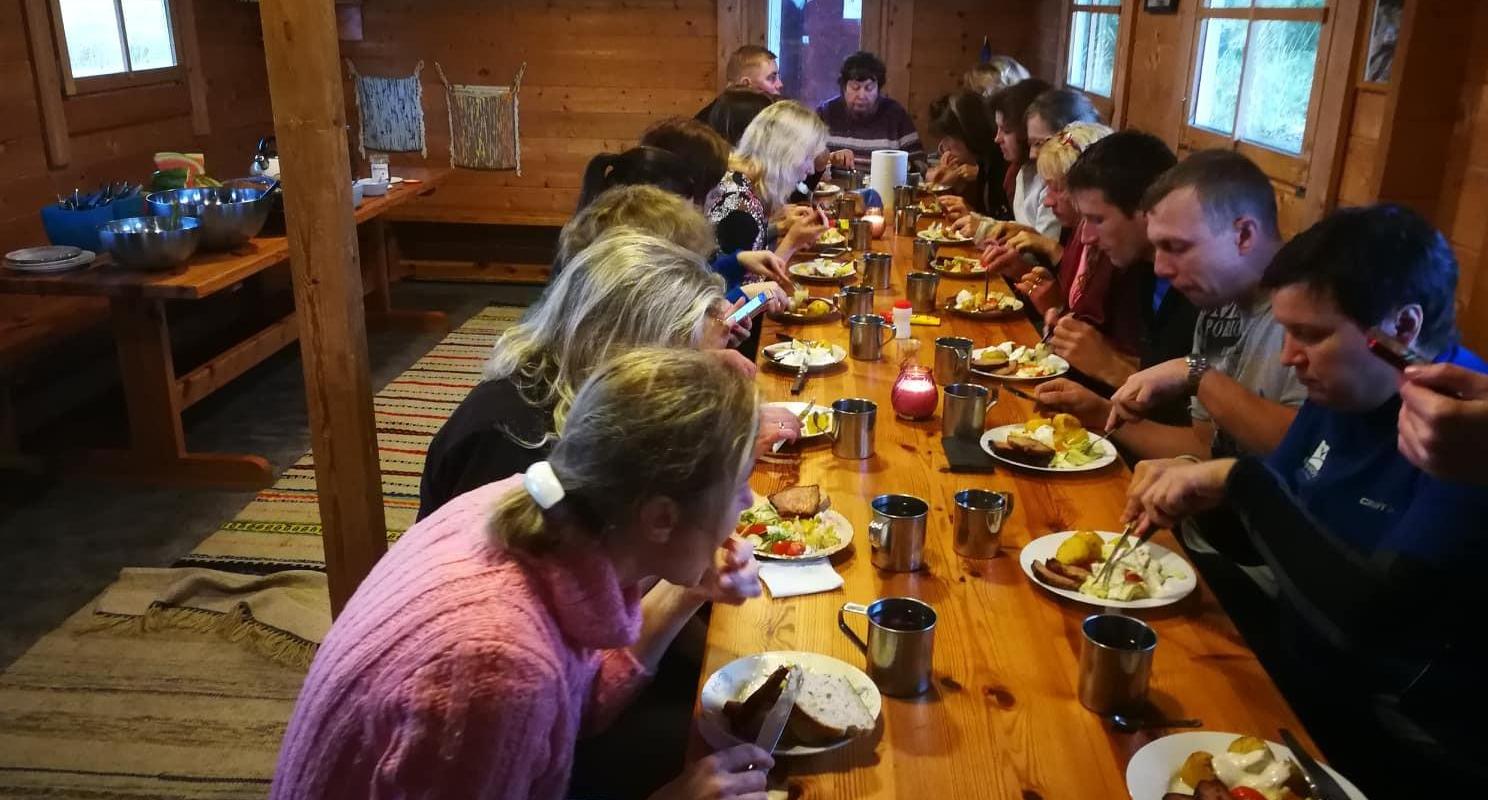
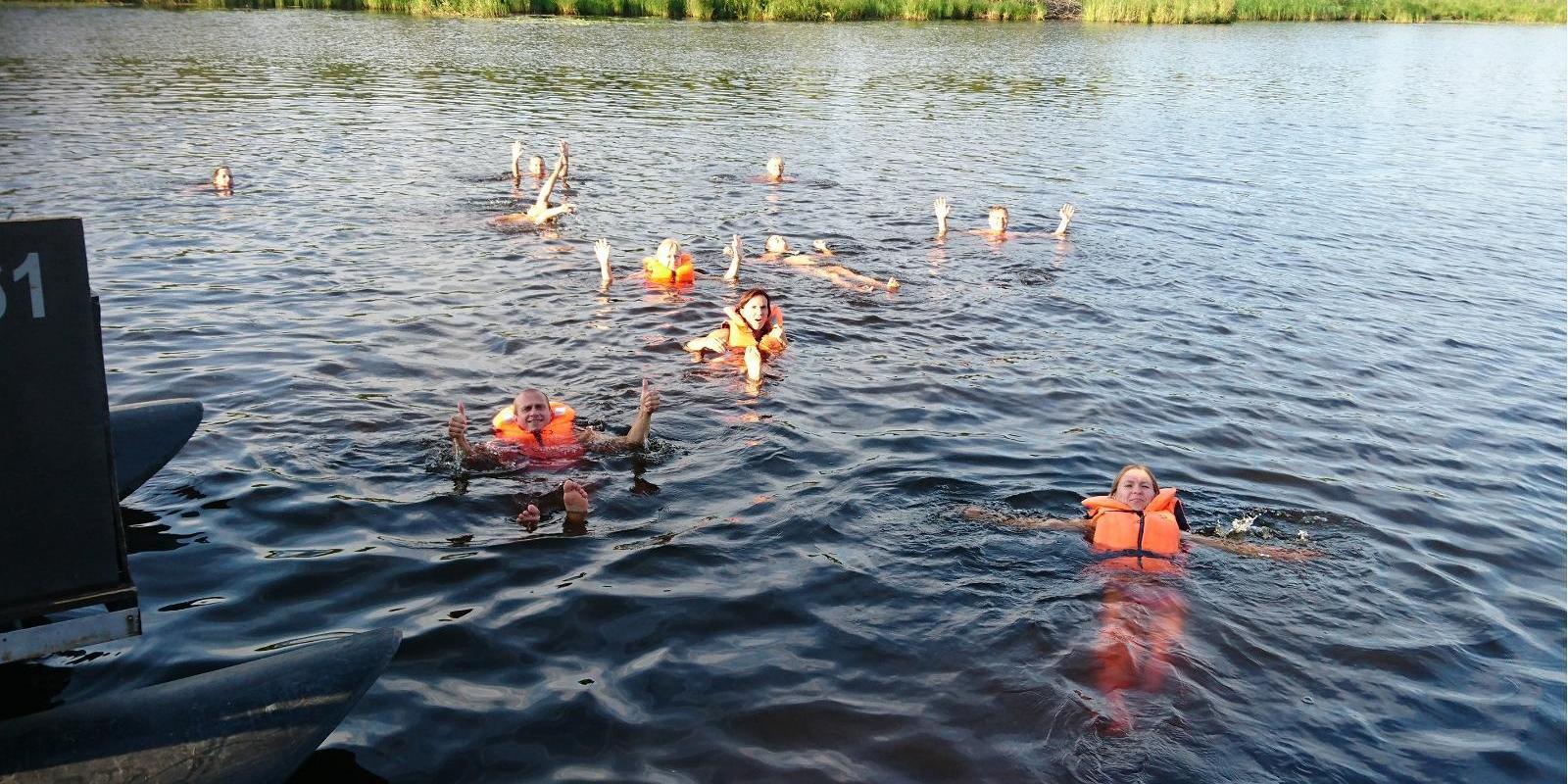
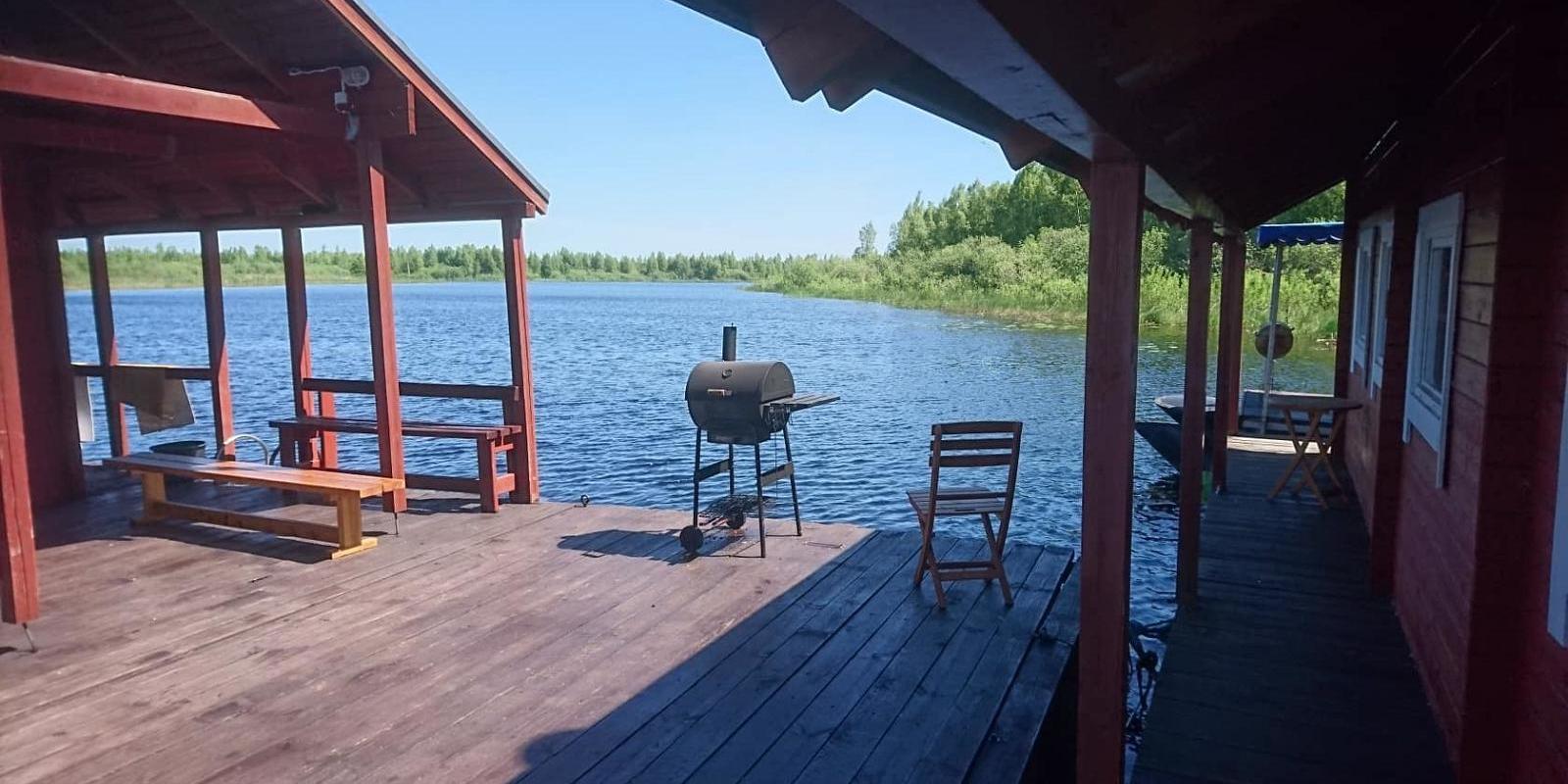
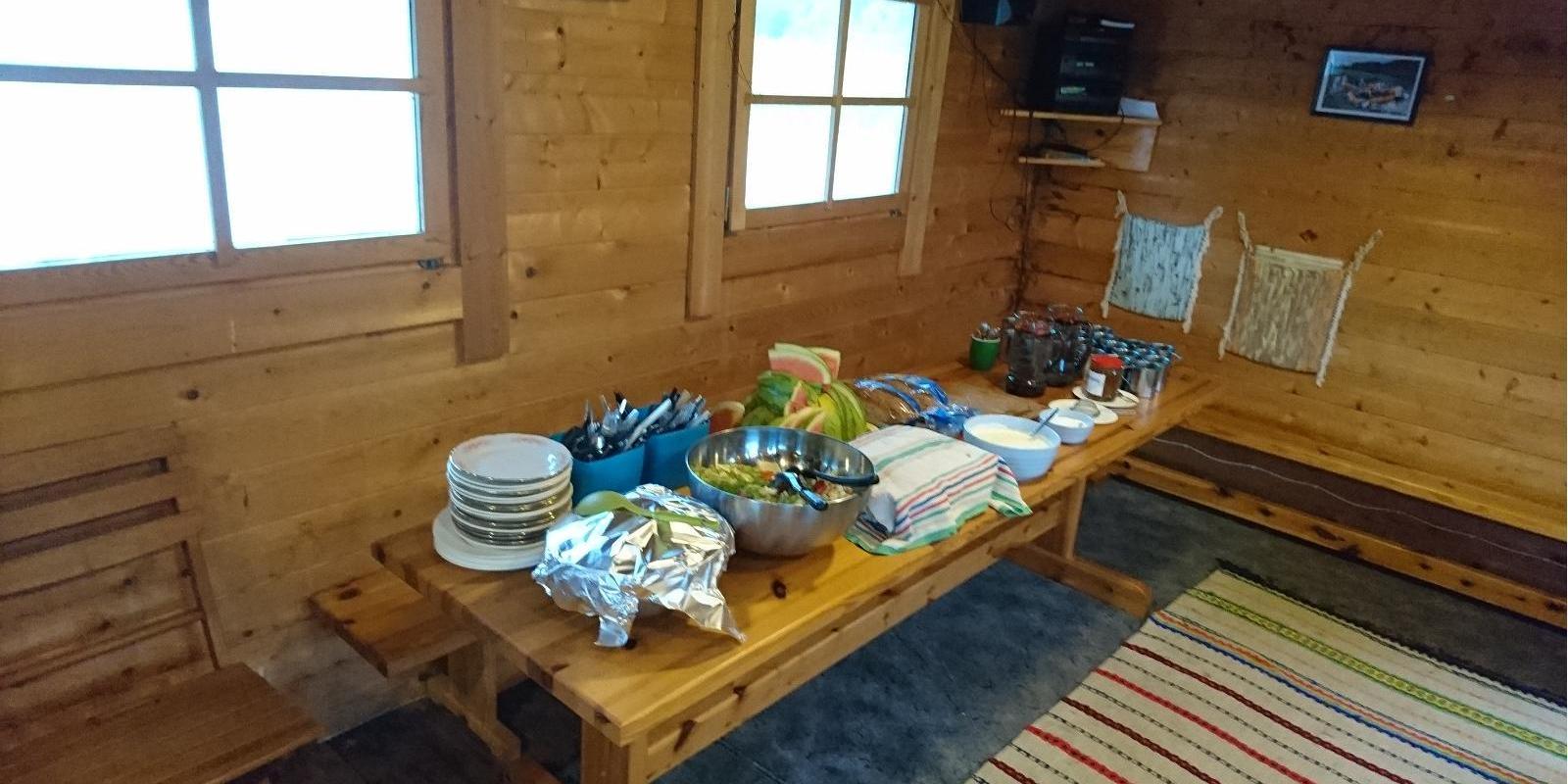
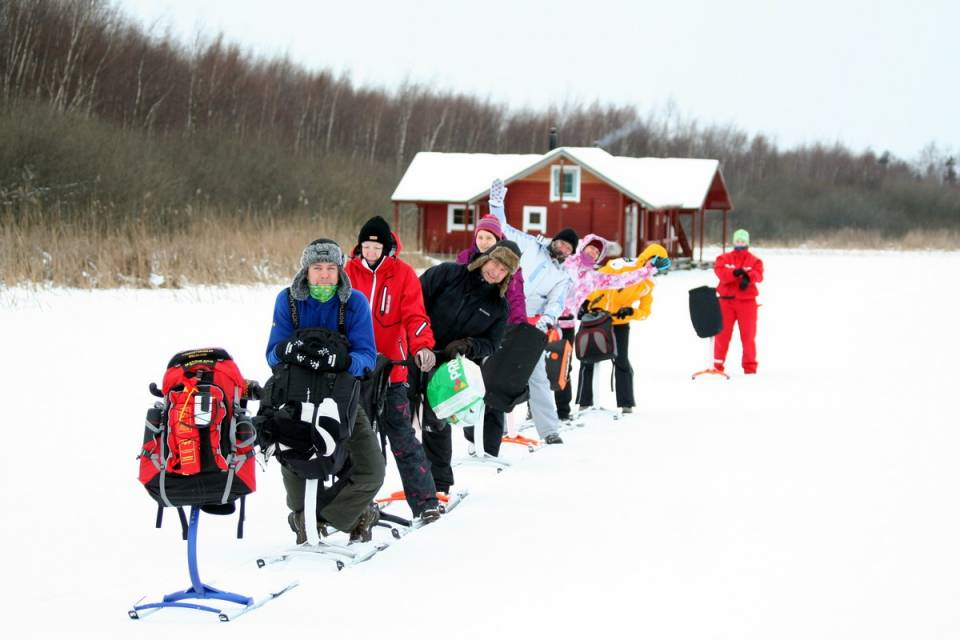
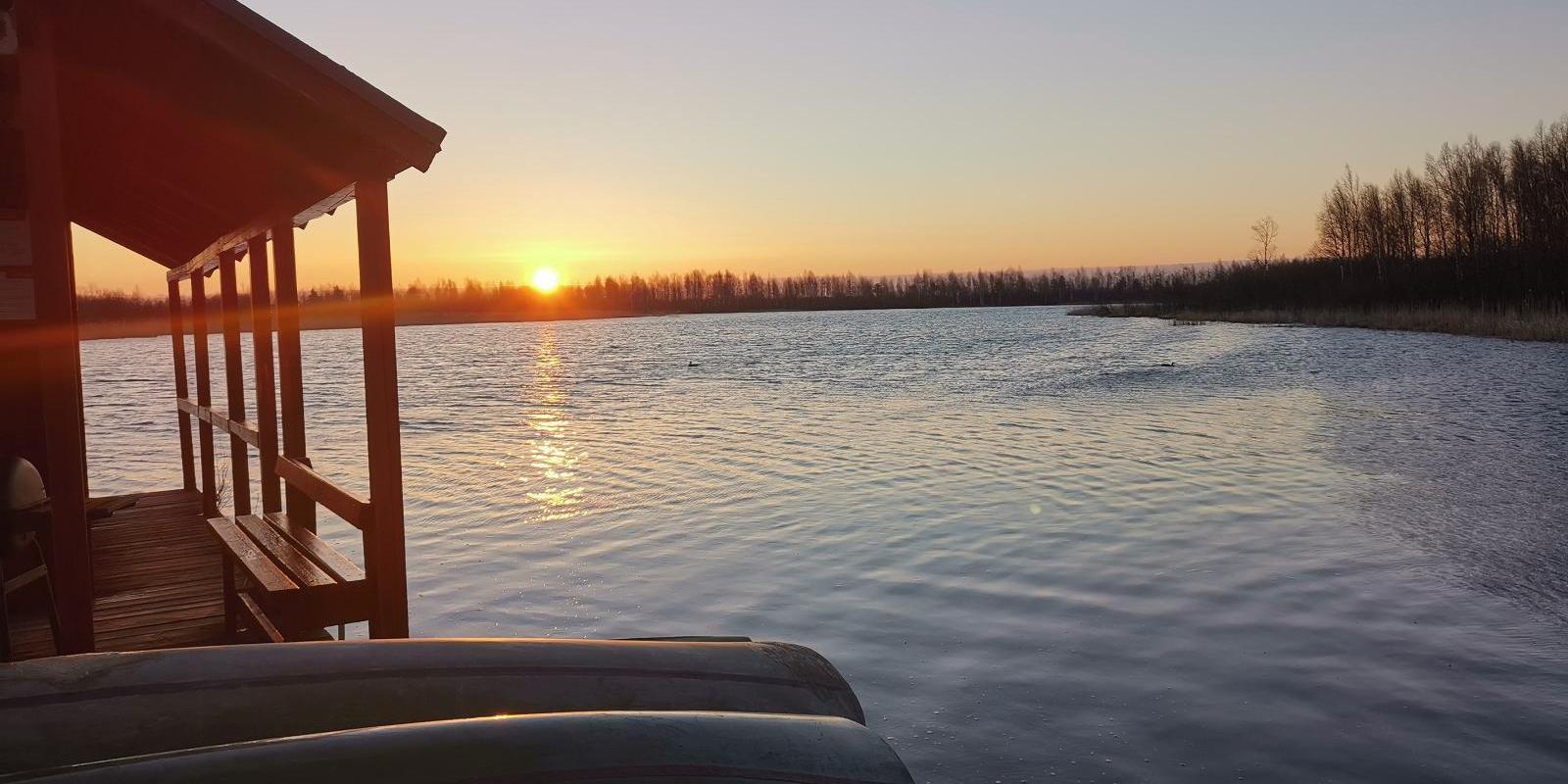
A unique floating house in the middle of the Kalli River is waiting for you – away from civilization and only accessible by water!The floating house is suitable for a holiday in Estonian nature for both colleagues and families/friends. We offer accommodation for up to 30 people (mattresses and pillows are available). When staying here, be sure to bring a sleeping bag, bath towel, swimwear, your own food, and drinking water. There is electricity (with a generator) and a gas stove in the kitchen with everything you need. The raft house has a sauna and a separate lounge, and canoes and rowing boats can be used.The price starts from 450 euros and depends on the size of the group.
Mugavused

  • Free parking
  • Seminar room
  • Recreation area/picnic ground

Lahtiolekuajad

Aastaringselt

Eeltellimsel

Kontakt

  • +372 5050253
  • kalle@parvematk.ee

Lingid

Vaata lisaks

Kassinurme Hillfort and Sacred Grove

The Kassinurme ancient area was established 1.5 thousand years ago. The sacred grove was discovered when the settlement was established, and it is one of the oldest sacred places in Estonia. A fragment of the ancient fort has been restored. At present the sacred grove is the favourite place for history enthusiasts who organise ancient war games there, revive old folk customs, and celebrate folk calendar holidays. The health trail lets visitors see the varied nature of the region and enjoy beautiful surface forms.

  • Family friendly
  • Adventure parks

Põltsamaa Adventure Park

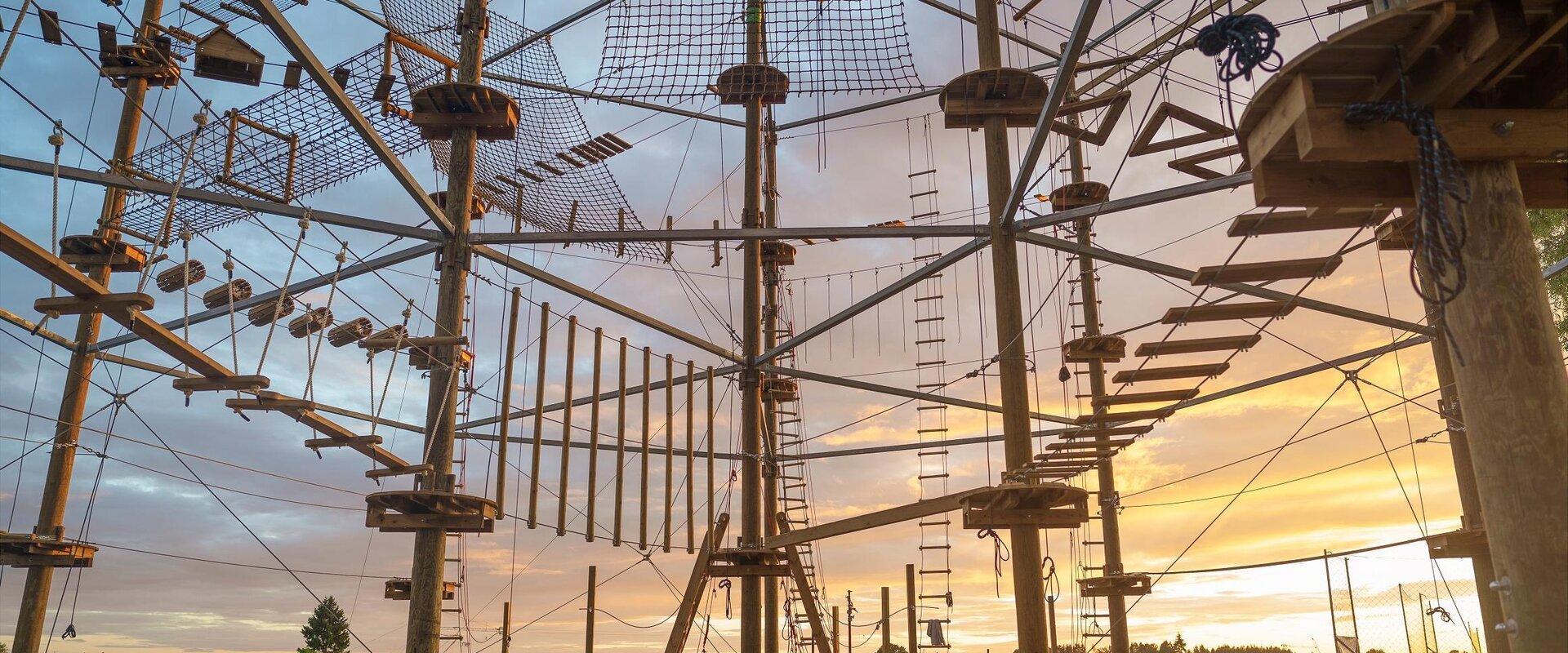
Põltsamaa Adventure Park is located in WPark, a summer mecca that offers active holidays, adventure, and fun water sports.Our adventure park is built on 9-metre-high pillars, which makes it one of the most unique adventure parks in Estonia. Climbing is done floor by floor, and each new level brings more excitement and challenges. There are 60 platforms in total and at the end there's a 130 m long zipline to the small island on Lake Kamari. One of the advantages when coming with friends, family or colleagues is that you can stay together and support each other while climbing. Different seasons and weather don't affect the adventure park. Come at any time and in any weather, we are waiting for you!

  • Swimming pools

Värska Water Center

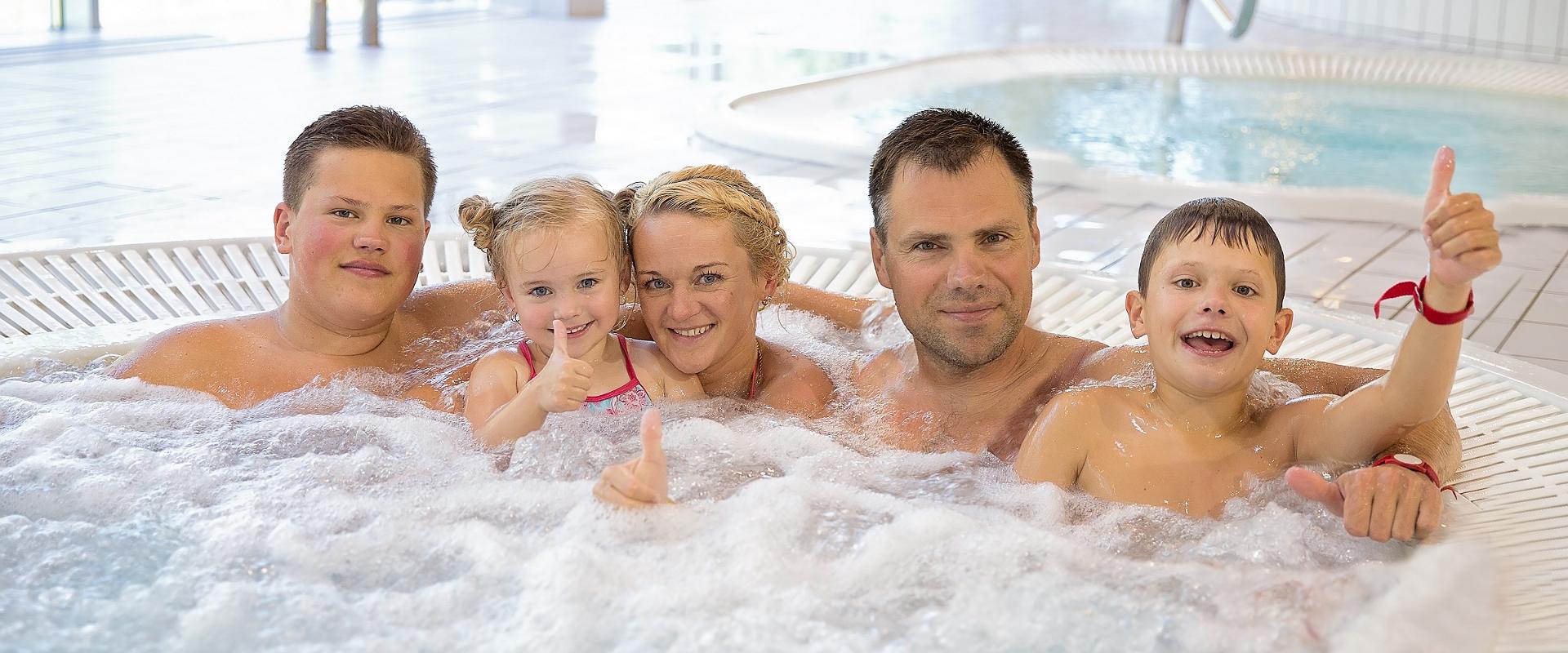
With its many attractions, Värska Water Center is an ideal place for visitors of all ages to relax! Located in the Värska resort area, it is the only water park in Estonia that partially uses natural mineral water directly from the earth. The park offers pressure sprays, an upstream channel, tropical rain, mineral water contrast whirlpools at 26°C and 34°C, a mineral water paddling pool, a water slide, a pebble track, a 25-meter swimming pool, a children's pool, a sauna world, and a water bar. The same building also houses a 22-room hotel, the Näki Café, seminar rooms for 50 and 10 people, a gym, a solarium, and a party room.

  • Beaches

Kubija beach

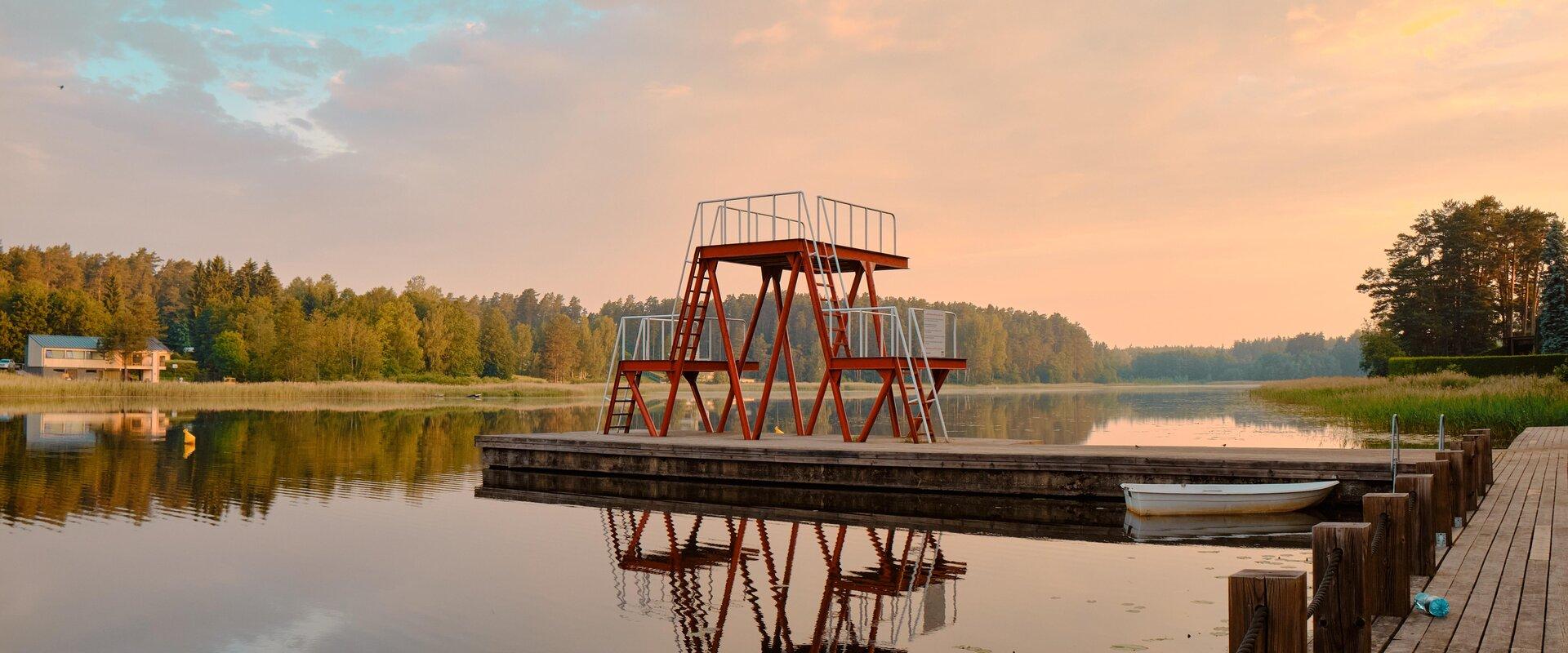
Lake Kubija is in the Kubija district on the outskirts of Võru. There are changing rooms, bathrooms, a boat landing and a diving tower on the beach. A life guard also works on the beach in summer.Kubija Hotel and Nature Spa and Kubija campsite are nearby, and in summer there are moped lanes. The surrounding pine forests provide ski tracks in winter.The lake covers more than 15 hectares but is never more than 5 metres deep. There is good fishing here, with common catches including bream, perch and pike, and occasionally also pike perch and bleak.

  • Lookout towers
  • Guided tours
  • Churches

St. Paul’s Church in Tartu

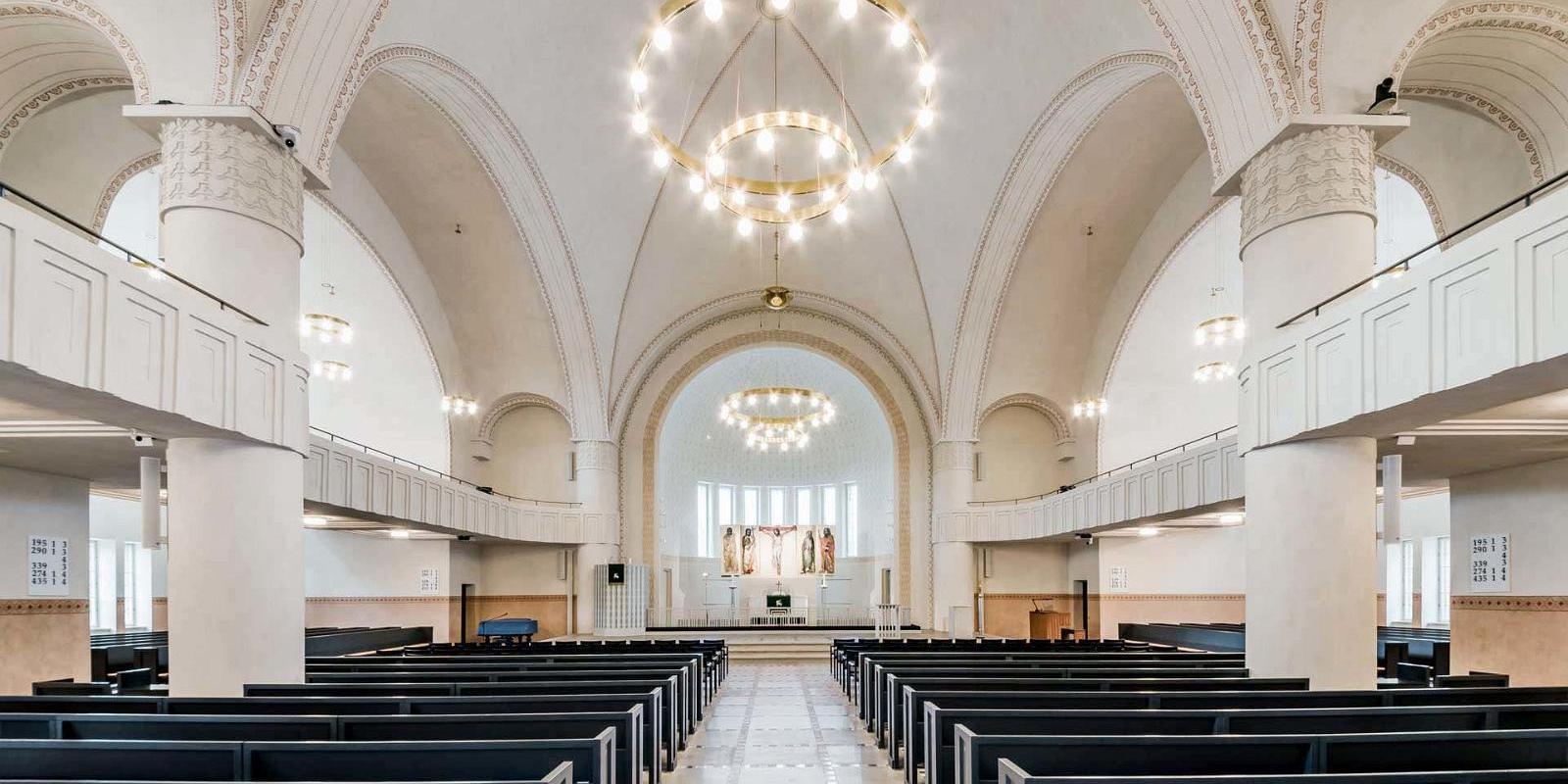
St. Paul's Church in Tartu is unique because it is the only Art Nouveau church in Estonia. The church features a national romantic and geometric design. The church is also famous for its two steel bells, which were made in 1922 in Germany. The glass-domed bell tower offers a stunning view of the city of Tartu. It can be reached by stairs, and on the way to the tower, you can see a small gallery that explains the church's history. A visit to the church tower is available for an additional fee. The church has a columbarium, a crypt, and a bookstore. You can also order a church tour, a private organ concert, or catering from the church kitchen.

Model of Kivisild

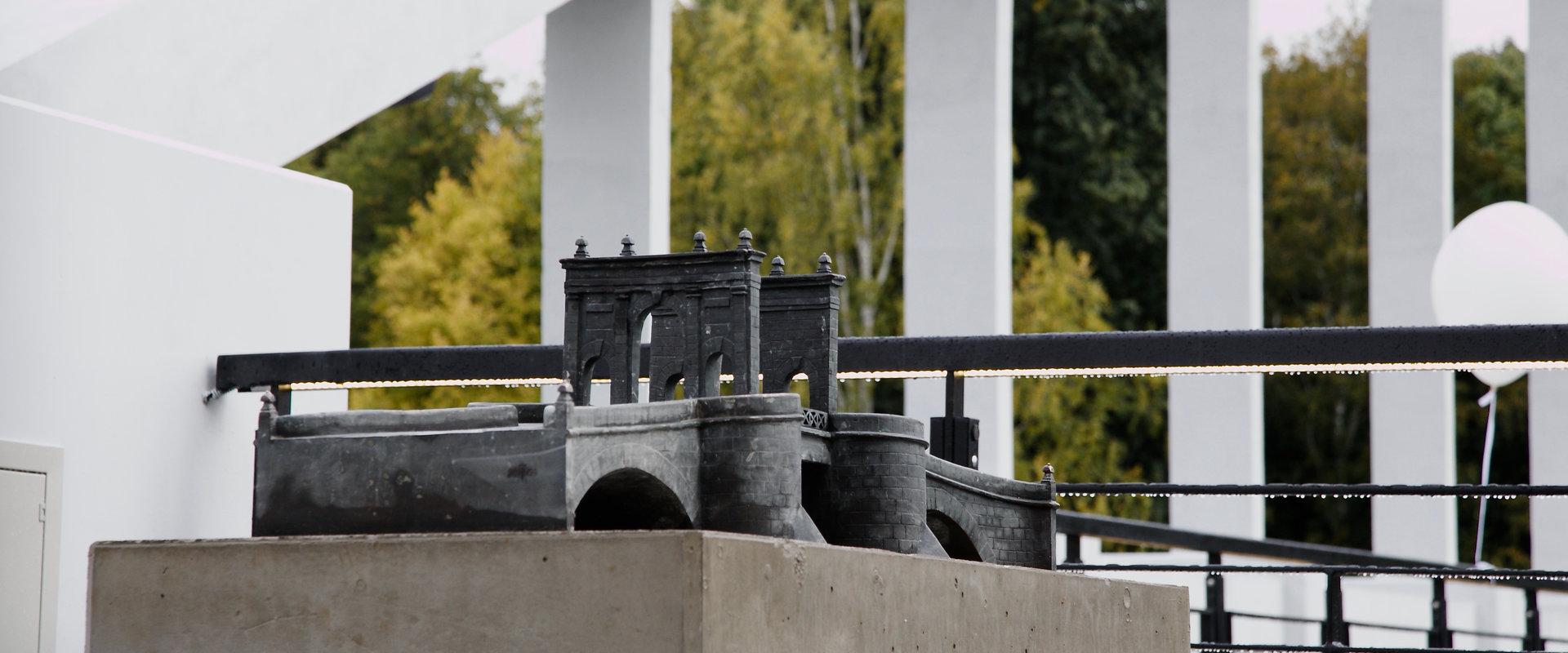
The first stone bridge to be constructed in the Baltic States was erected in the 18th century at one end of the Town Hall Square in Tartu, with two triumphal arches and a raisable mid-section. Dedicated to Russian empress Catherine II, it was opened to traffic in 1784. The bridge was destroyed during World War II. All that remains to admire is the 2004 model of the bridge (created by Tiiu Kirsipuu).

  • Monuments

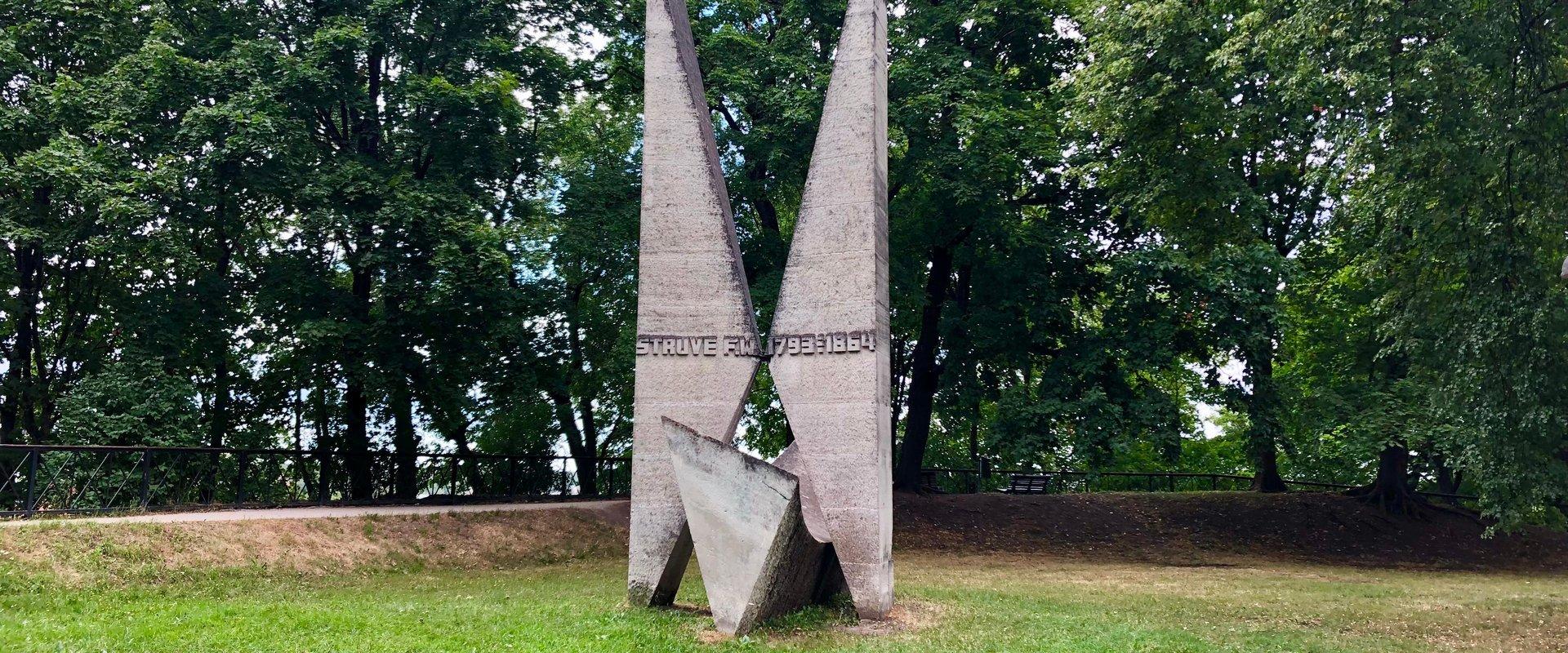
Friedrich Georg Wilhelm Struve Monument

Opened in 1969, the Struve Monument is dedicated to the former director of the Tartu Observatory, Fr. G. W. Struve (15 April 1793 – 23 November 1864), a Russian astronomer and geodesist of German origin. Under his leadership, the meridian arc was measured between 1816 and 1855 to determine the shape and size of the globe.The monument is an abstract work, inspired by the spirit of its era, reflecting the pursuit of the human race into space. The lower part of the sculpture is a sundial and the upper part is an hourglass. The authors of the monument are Olav Männi and Udo Ivask.The Struve street and the geodetic arc are also dedicated to him in Tartu.

  • Churches

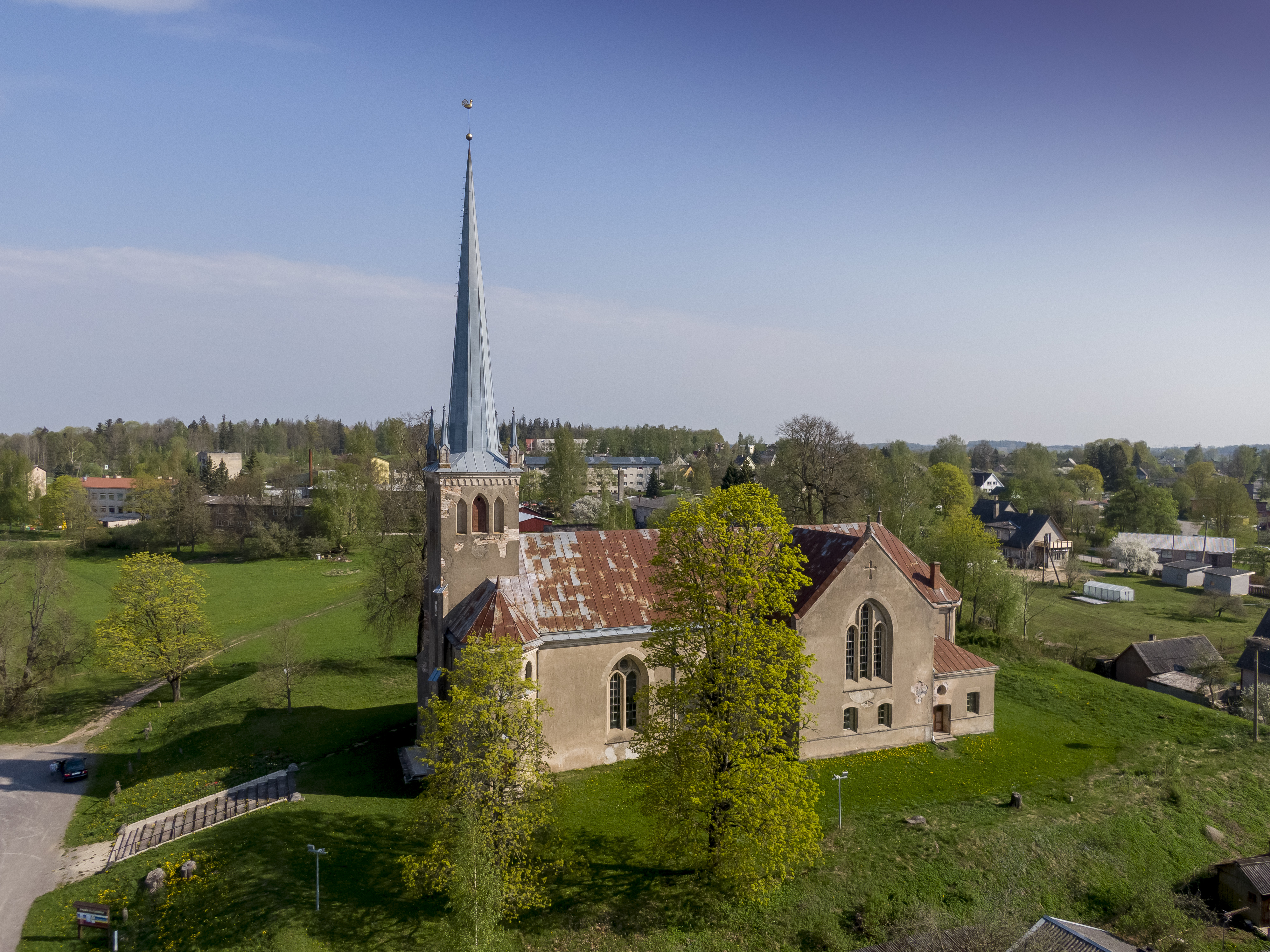
Rõngu St Michael’s Church of the Estonian Evangelical Lutheran Church

The medieval Rõngu St Michael's Church is dedicated to the Archangel Michael. The church is also known as the oldest building in Rõngu.The church has suffered major damage in several wars, and over time, the original architecture has been partially altered during the restorations. The current shape of the church dates from the last reconstruction in 1901.Today, the most significant parts of the church are the altarpiece (1901, the work of a Dresden artist), the organ (V. Müllverstedt, 1874), and the stained-glass windows (1900, the work of Riga artists).The church participates in both the 'Wayfarers' Churches' and the 'Night of Churches' programme.The church can be visited on Sundays during the service or by prior arrangement.

  • Privacy Policy

"*"обозначает обязательные поля

Это поле используется для проверочных целей, его следует оставить без изменений.
Я разрешаю маркетинг