• Avasta
    • Еда
    • Природа
    • Культура
    • Семья
    • Спорт
    • Сообщество
    • Блог
  • Planeeri
    • Размещение
    • Информация
    • Varamu
RUS
  • РусскийRUS
  • EestiEST
  • EnglishENG
  • LatviešuLAT
  • SuomiFIN
RUS
  • РусскийRUS
  • EestiEST
  • EnglishENG
  • LatviešuLAT
  • SuomiFIN
Populaarsed otsingud:
Näita kõiki tulemusi
  • History & Culture
  • Architecture and history

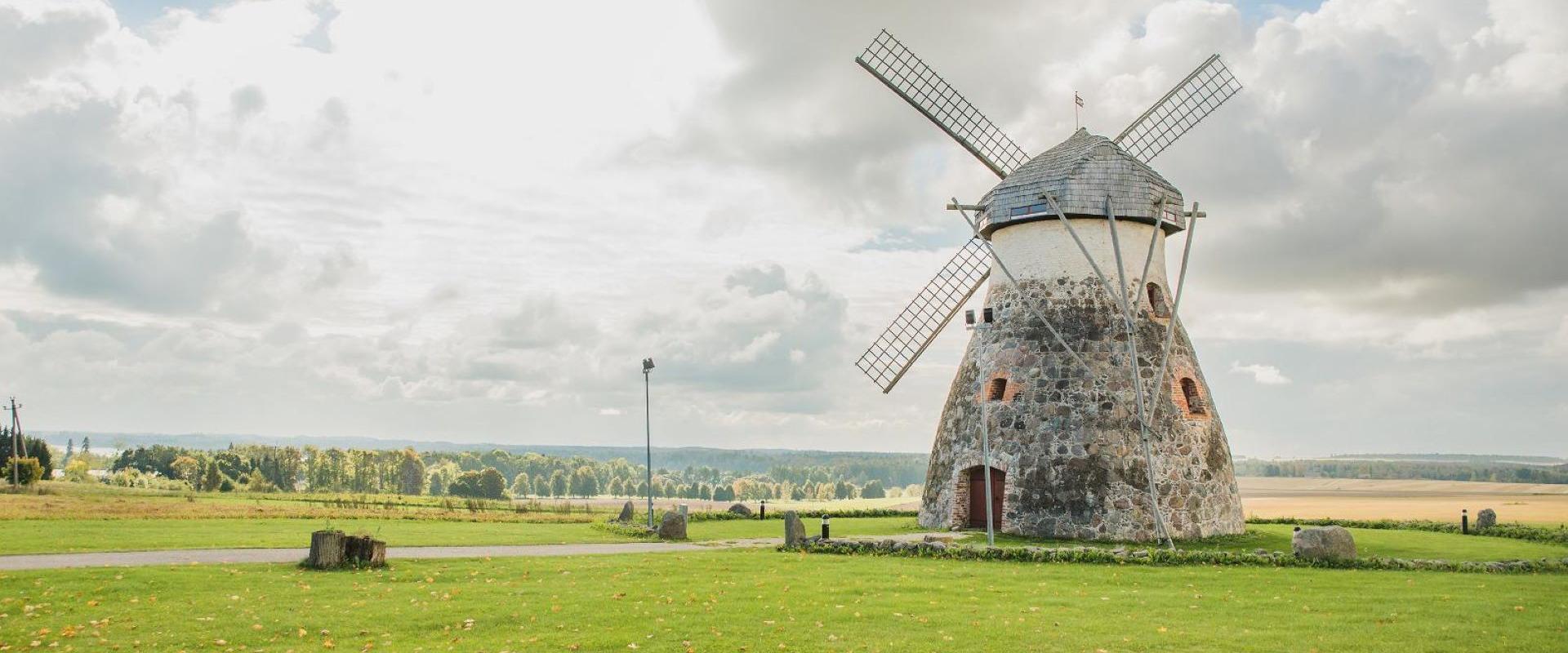
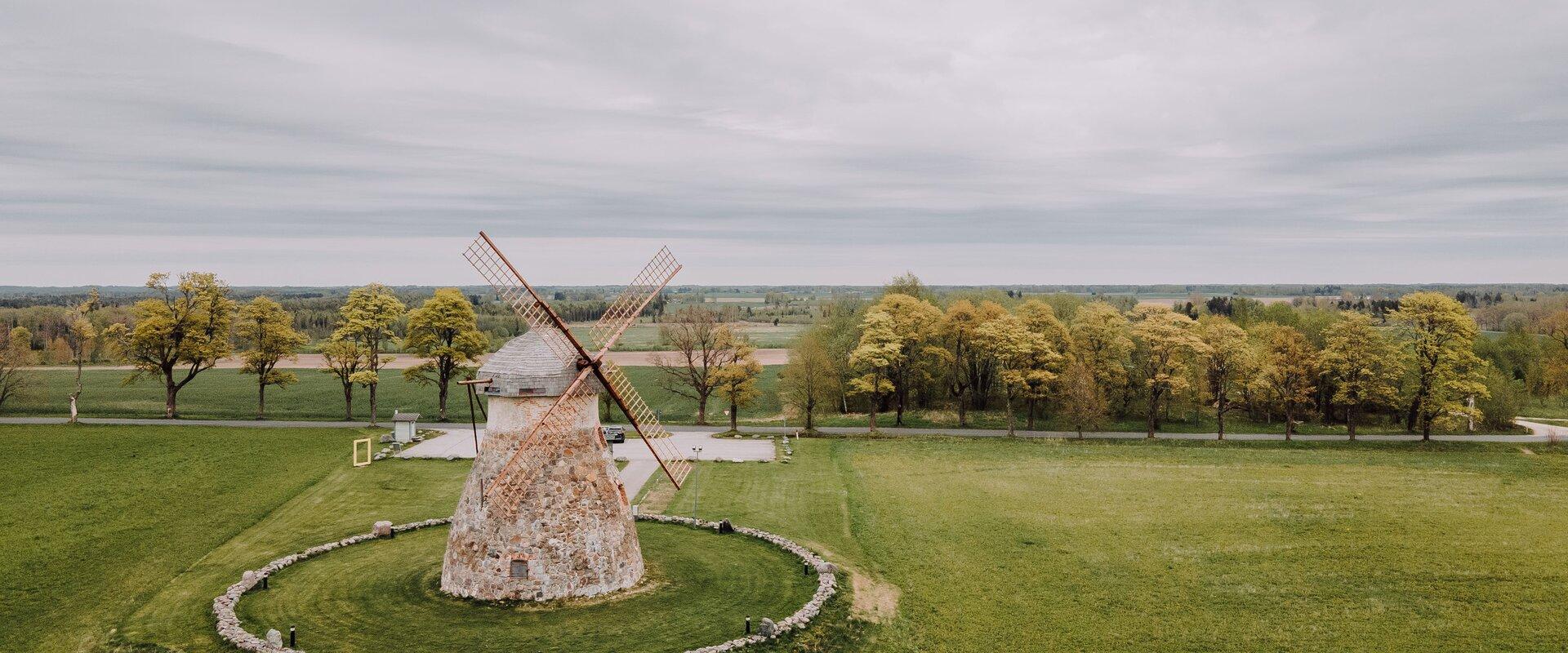
Kuremaa mill

Jõgeva vald, Jõgeva maakond, 48419

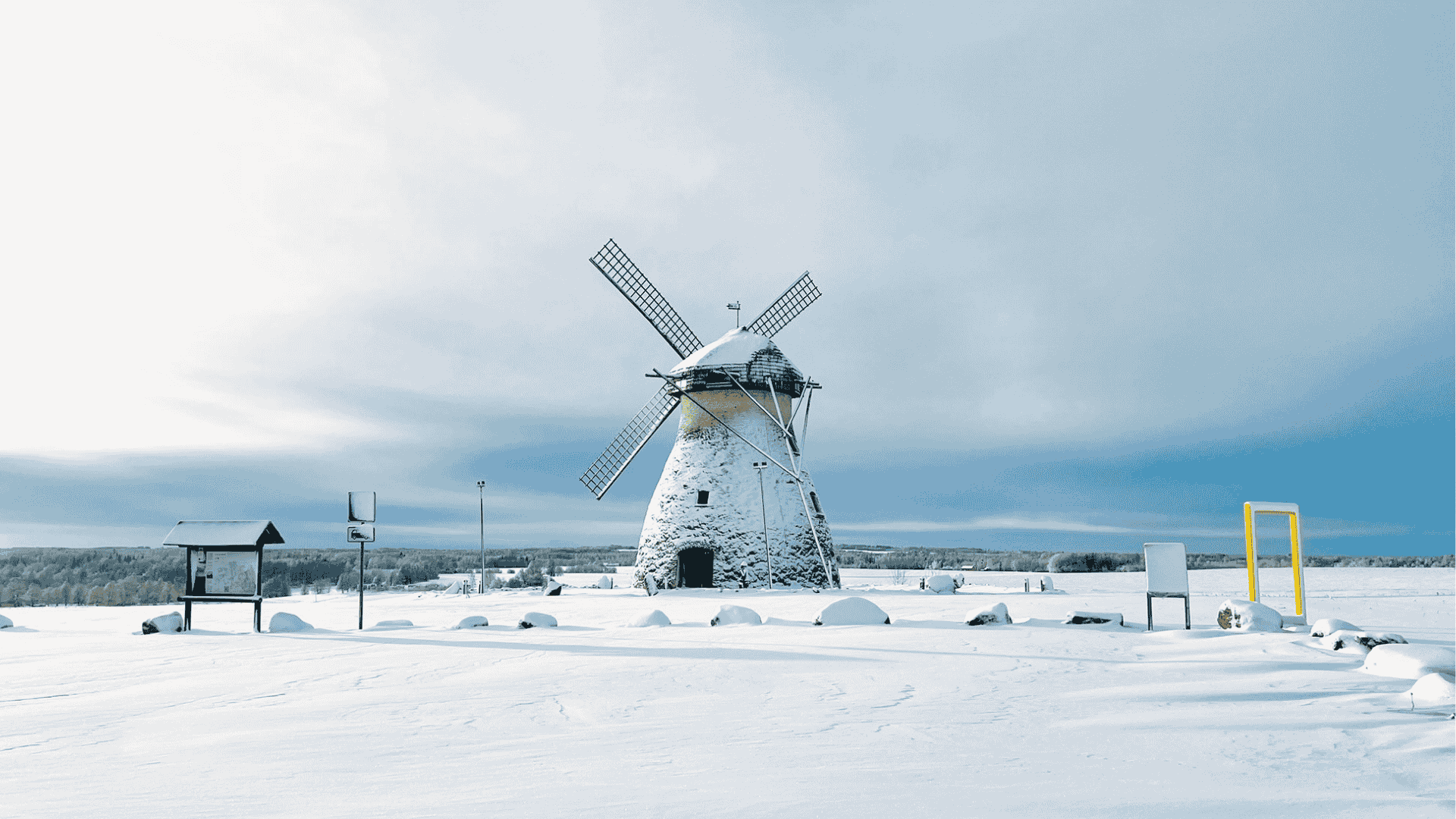
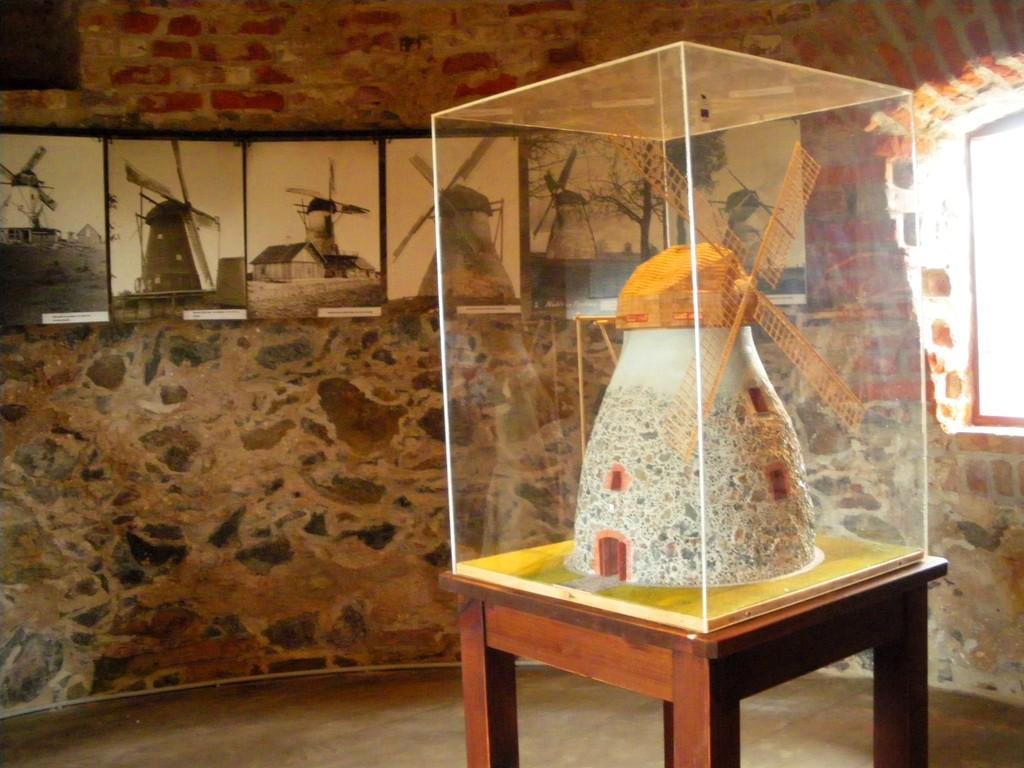
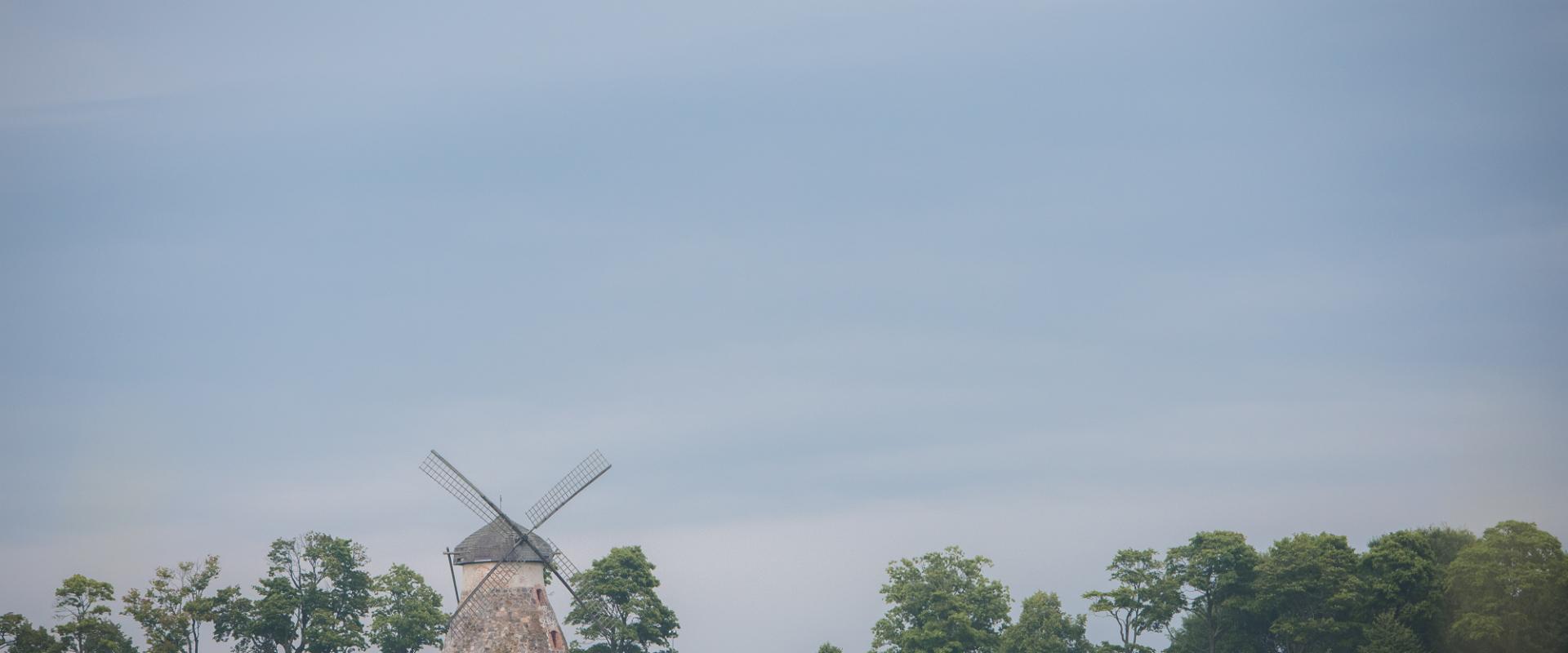
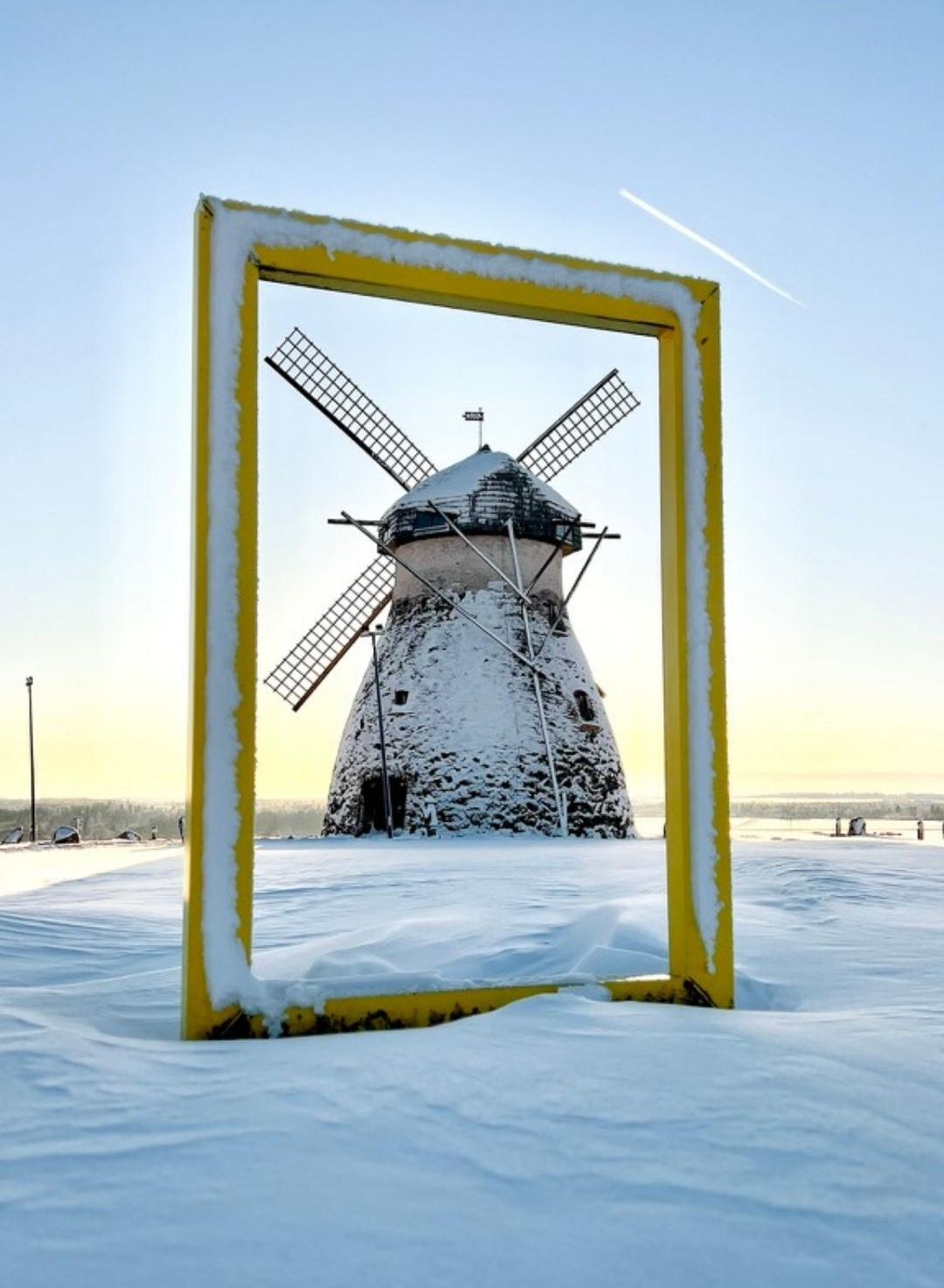
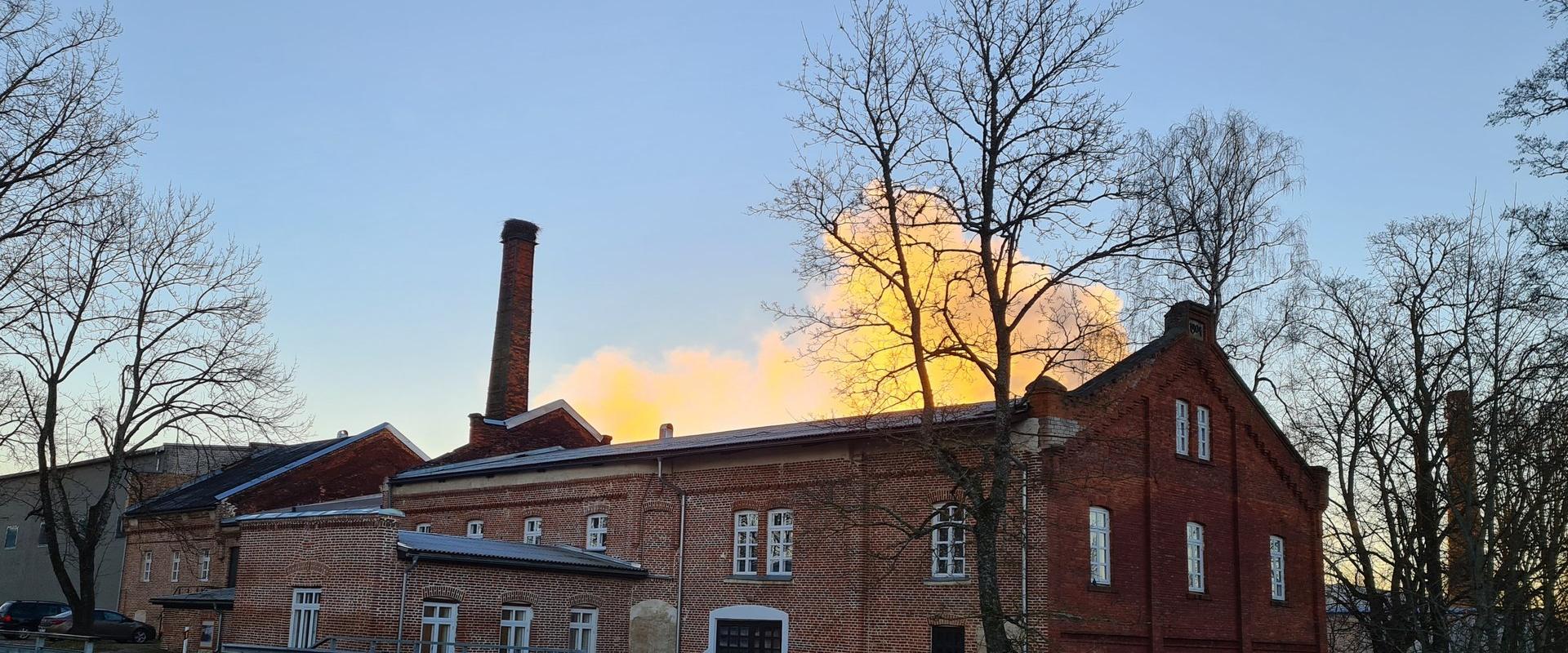
Kuremaa mill is part of the Kuremaa manor complex; the fully renovated mill reopened in 2009. The ground floor is home to a function room with its own fireplace and a sales counter, while the first floor is the perfect place for exhibitions and training events. The second floor hosts an exhibition on the Dutch-style windmills that can be found in Estonia – including its most impressive piece, a model of the Kuremaa windmill. On the third, that is the top floor, you can admire the views over Vooremaa from the narrow windows.The Kuremaa mill is marked with a yellow National Geographic window, representing one of the 21 places worth discovering in South Estonia; these are highly recommended to nature enthusiasts.
Mugavused

  • Information boards
  • Free parking
  • Recreation area/picnic ground
  • Catering

Lahtiolekuajad

1. juuni - 31. aug

11:00 - 22:00

Kontakt

  • +372 5878 9740
  • info@kuremaaelamuskeskus.ee

Lingid

Vaata lisaks

Järvselja Primeval Forest Nature Reserve

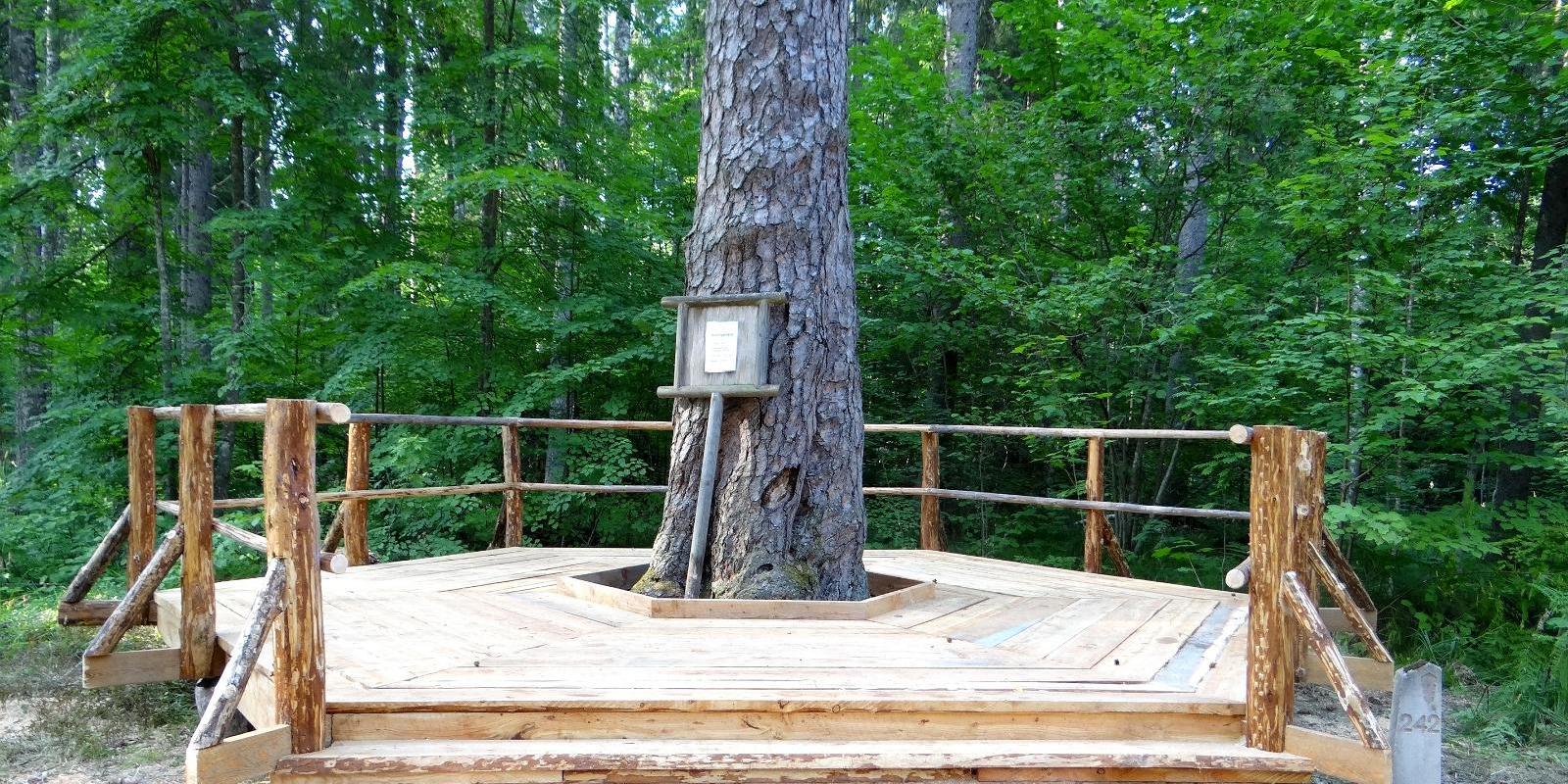
Järvselja Primeval Forest or Nature Reserve is the first and, therefore, the oldest forest protection area in Estonia. It was placed under protection in 1924. In 2006, Järvselja Nature Reserve was established, which includes the primeval forest, the surrounding quarters, and the Riiupalu pine forest, a total of 184.4 hectares of land. 2014 marked the year that the nature conservation quarter had not been included in forestry activities for 90 years.Järvselja Primeval Forest is a truly ancient and special, naturally beautiful and untouched place, where, in addition to primeval trees, many unique bird species can be seen.

Räpina Paper Factory

Räpina Paper Factory (originally a paper mill) was completed in 1734, making it the oldest Estonian industrial company to still be in operation. It is also one of the most unique examples of industrial architecture in Europe. The first paper machine arrived in Räpina from Germany in 1873, which was when the mill became a factory. It produced a variety of paper for writing and printing. Three more machines were later introduced to the factory, one of which is still in use - if a little rejigged - today.As a company that cares about the environment, the factory aims to combine contemporary and environmentally friendly production technology with 300 years of production experience.

  • Workshops

Weaving Chipwood Baskets in the Avinurme Wooden Handicrafts Center

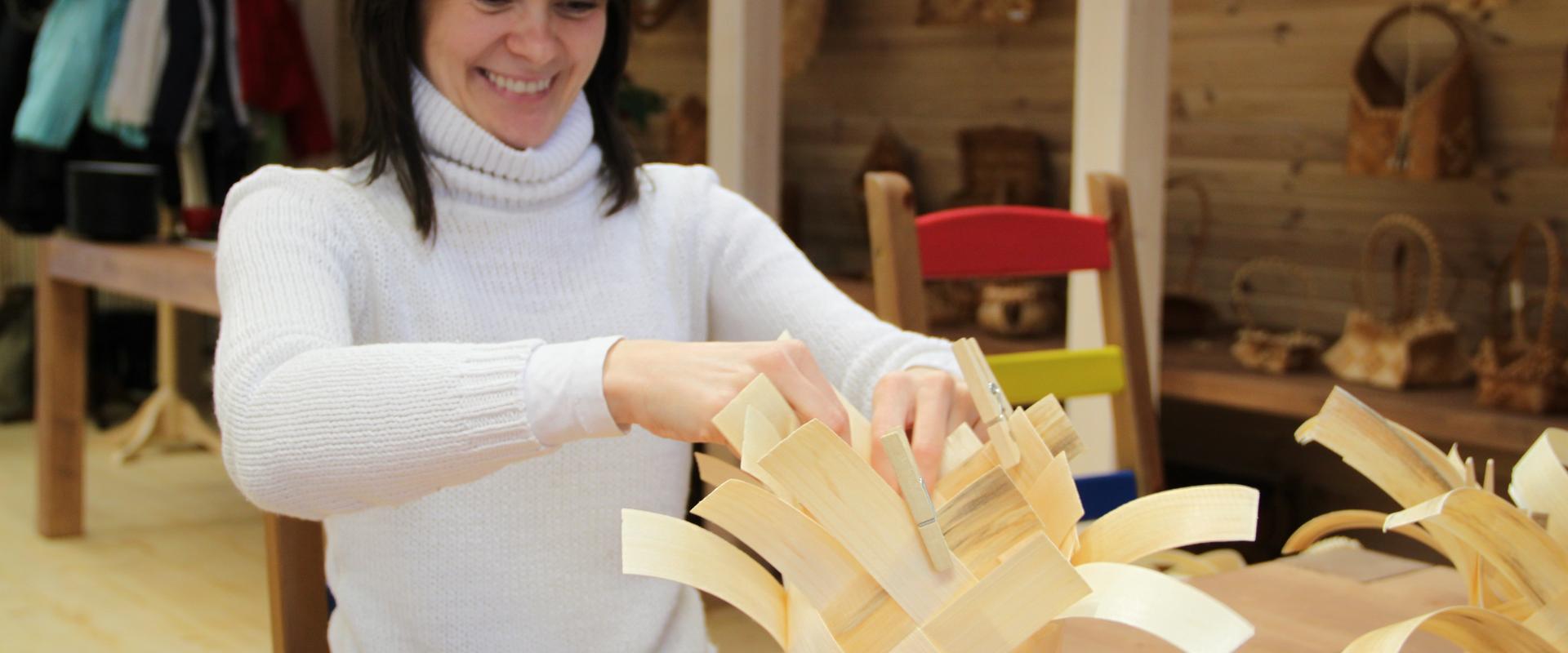
Weaving a chipwood basket is the most popular attraction in the wooden handicraft centre and if there's a place in Estonia where this craft is known, it's Avinurme. Everyone can learn the basics of weaving a basket in the workshop with the help of an instructor: you pick out chipwood, weave a berry basket from the chips and finally apply a finish. All the participants will be given the necessary tools for weaving a basket and at the end of the workshop you have your own basket.We have seen the most genuine joy over something made with your own hands in the basket weaving workshop.

Monument to Johan Skytte

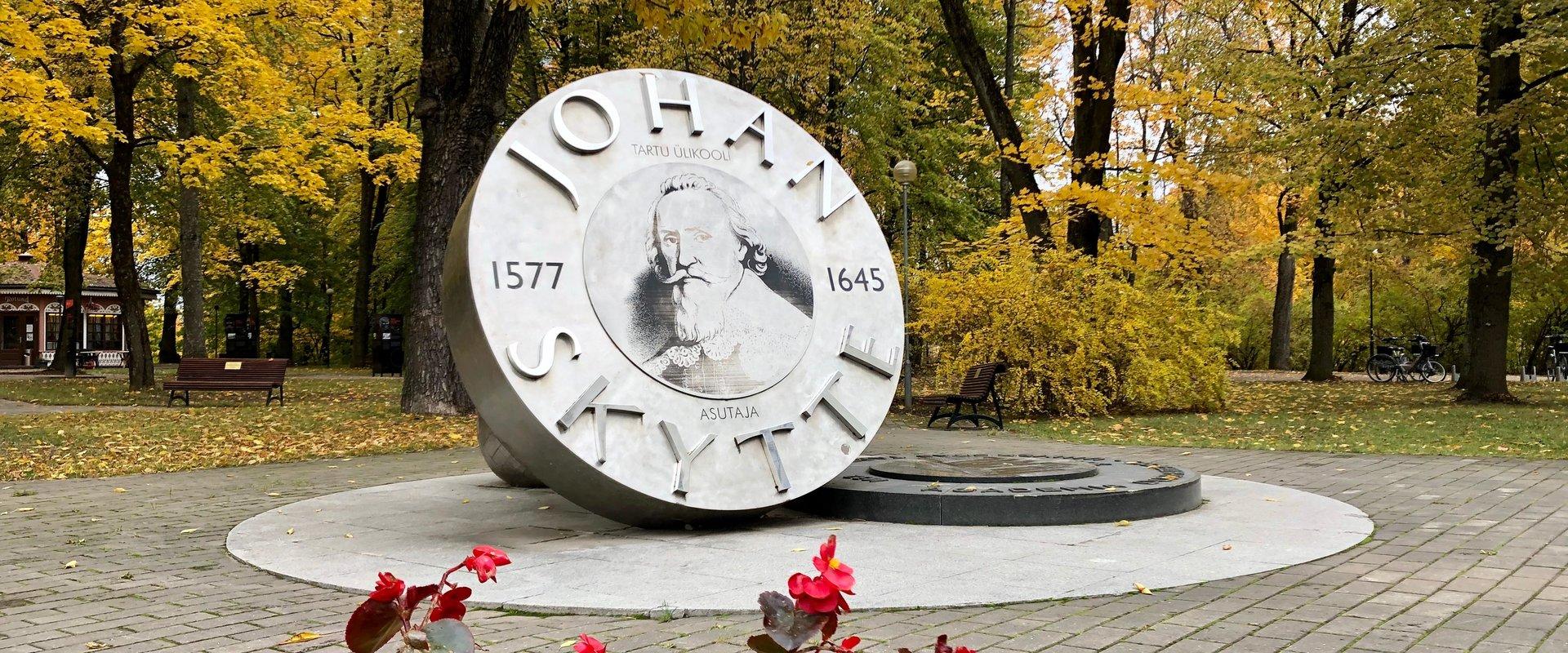
Johan Skytte was a Swedish state official and a teacher and advisor to King Gustav II Adolf of Sweden. Skytte was the initiator of the idea of establishing the University of Tartu, the creator of its privileges, and the first chancellor.The monument to Johan Skytte was opened on the 375th anniversary of the University of Tartu and is located in front of the Supreme Court building.The authors of the seal-shaped monument are Tiiu Kirsipuu and architect Ain Rööpson.

Kaasiku Holiday House

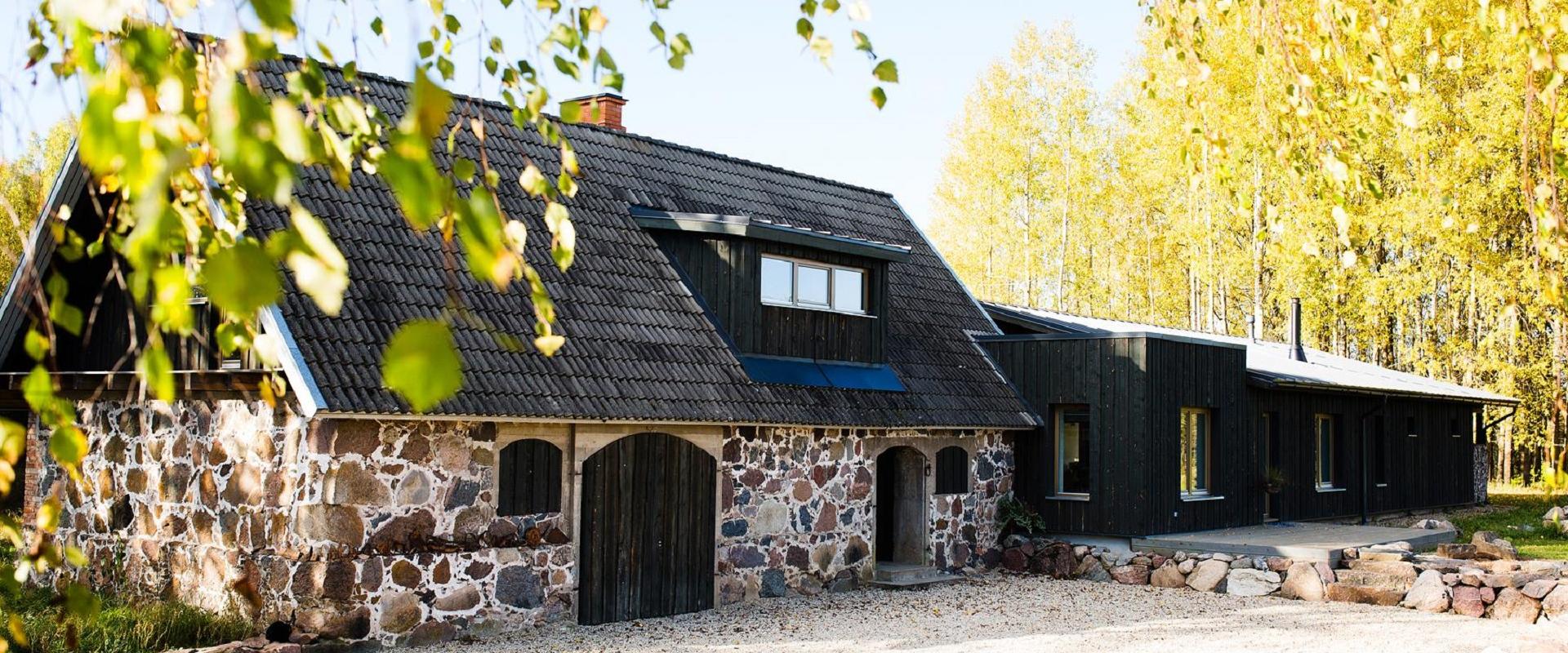
Kaasiku Holiday House is located in Kambja rural municipality, near the Pangodi Nature Reserve, a 15-minute drive from Otepää and Elva.The modern holiday house has everything you might need for a cosy stay: a fully equipped kitchen, four bedrooms (for a total of 10 people), a Finnish sauna and a steam sauna, and a heated pool.It is the perfect place for families looking for peace and quiet, as well as for groups of friends who seek to spend an active holiday.The holiday house is rented out as a complex and for a minimum of two nights.

Andri-Peedo Farm Shop

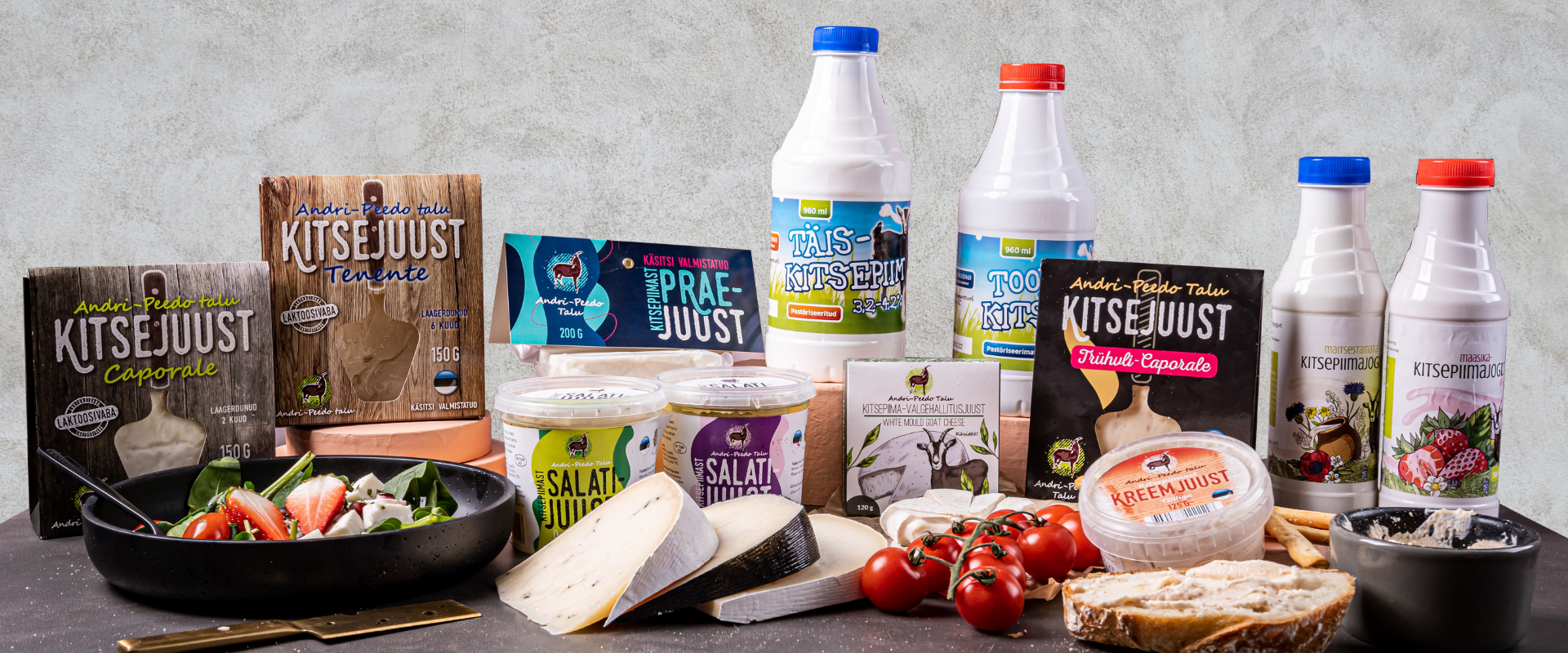
The farmers of Andri-Peedo farm started raising goats in 2009, and in 2017, the most modern goat farm in the Nordic countries was opened. We have a spacious goat shed, a hay dryer that is unique in Estonia, a high-tech dairy, and a cosy farm shop. Because we offer good living conditions and the best food to our goats, we are able to offer high-quality goat milk and cheeses which several top chefs prefer to use. Andri-Peedo Farm Shop sells fresh goat milk and cheeses made in our dairy. In addition, we also sell handmade products from other small businesses in the area.

Mooste Manor Linakoja Guesthouse

Mooste Manor in South Estonia, Põlva County, is one of the best-preserved manor complexes in Estonia. The main building currently houses a manor school, and the former cow barn has become one of the largest concert and seminar halls in South Estonia — Mooste Folgikoda. Various craftsmen operate in the former outbuildings, passing on their skills to all interested parties. Mooste Manor's Linakoja Guesthouse has a total of seven rooms. The rooms located in the manor's former woodworking shop are mostly on the second floor and are simple and cozy. Five rooms have shared bathroom facilities. For a slightly more spacious and comfortable stay, there is the "Cabinet" apartment on the second floor and the family-friendly "Summer Room," with a separate entrance on the first floor. Information about visiting the manor can be obtained from the guesthouse reception, and manor tours also start from here. The nearby café, Evelynes, offers a delicious breakfast to overnight guests.

  • Churches

Church of St Catherine in Võru

Construction of the Church of St Catherine in Võru commenced in 1793 during the reign of Empress Catherine II. It is thought to have been designed by the Livonian architect Schons, while the man responsible for the building of the church was Võru's own Johann Karl Otto. The church was surrounded with a formidable fence. It is famous for its cross-shaped floor plan, substantial bell tower, high dome-like secondary tower and arched windows. Designed in classicist style, it was completed in 1804 in honour of St Catherine. The grounds around the church were restored in 2008 and are now home to an open air exhibition of religious text-themed illustrations by artist Marje Ernits.

  • Privacy Policy

"*"обозначает обязательные поля

Это поле используется для проверочных целей, его следует оставить без изменений.
Я разрешаю маркетинг