• Avasta
    • Еда
    • Природа
    • Культура
    • Семья
    • Спорт
    • Сообщество
    • Блог
  • Planeeri
    • Размещение
    • Информация
    • Varamu
RUS
  • РусскийRUS
  • EestiEST
  • EnglishENG
  • LatviešuLAT
  • SuomiFIN
RUS
  • РусскийRUS
  • EestiEST
  • EnglishENG
  • LatviešuLAT
  • SuomiFIN
Populaarsed otsingud:
Näita kõiki tulemusi
  • History & Culture
  • Architecture and history

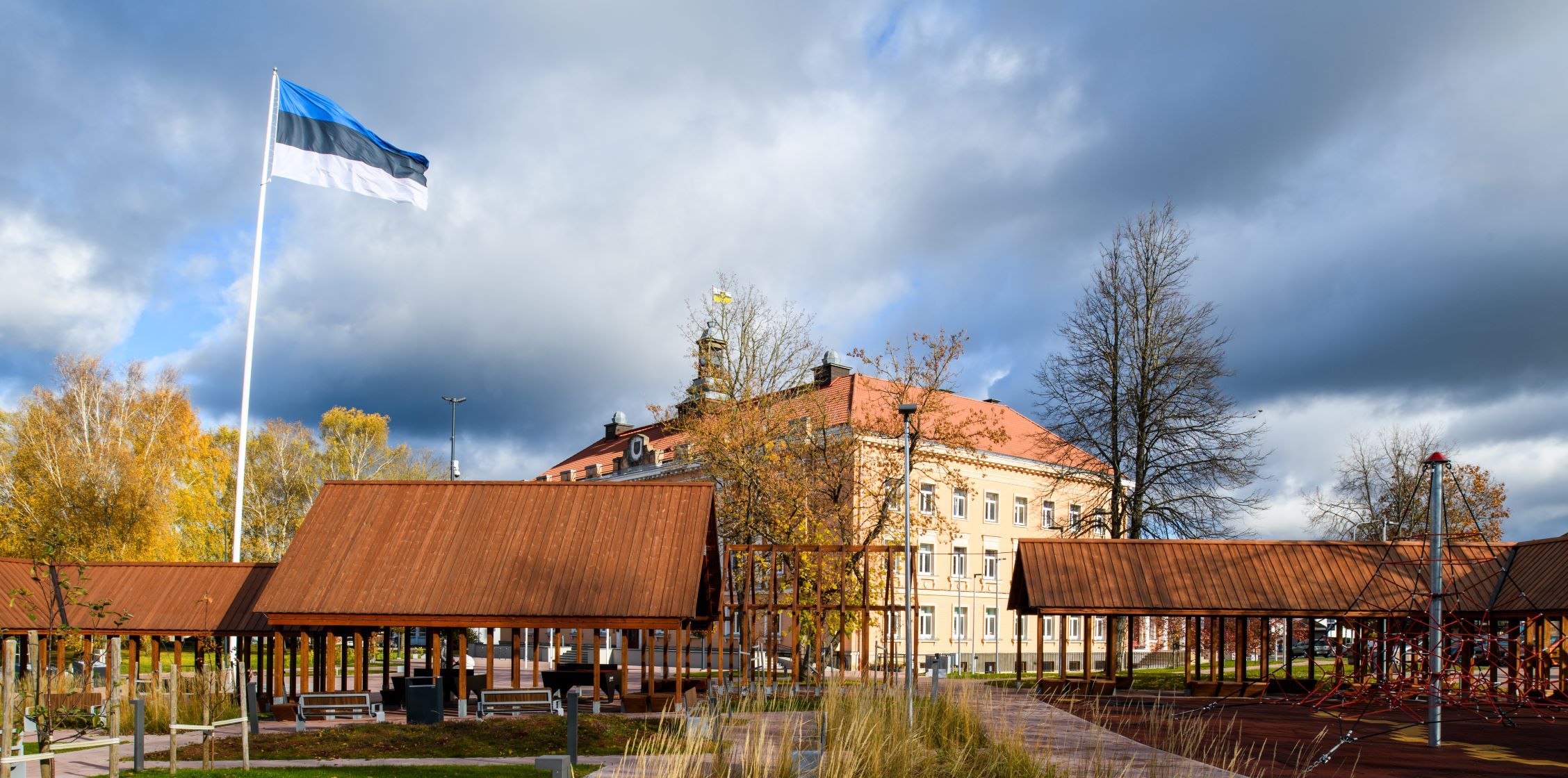
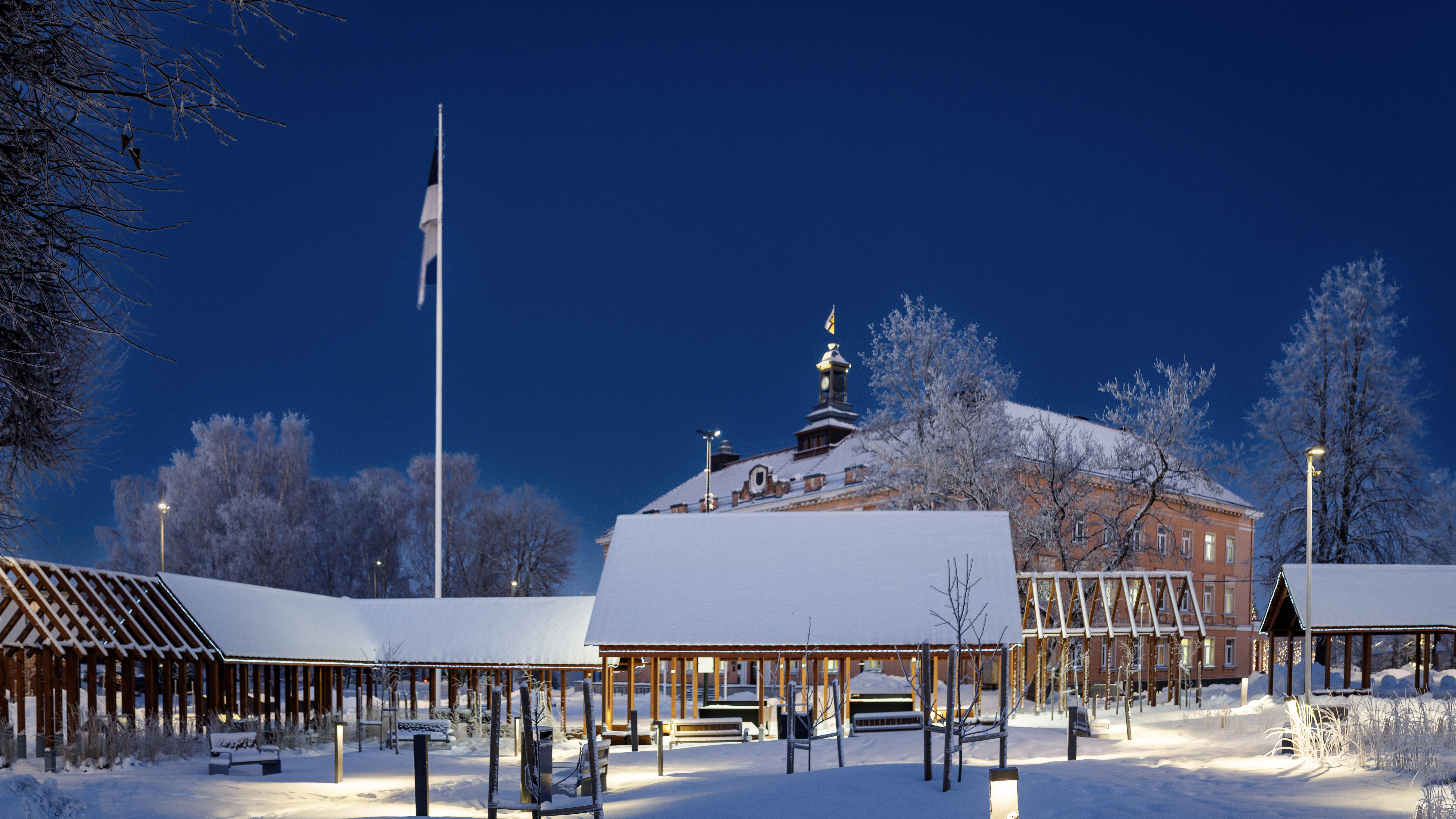
Estonian flagstaff in Otepää

Otepää vald, Valga maakond, 67405

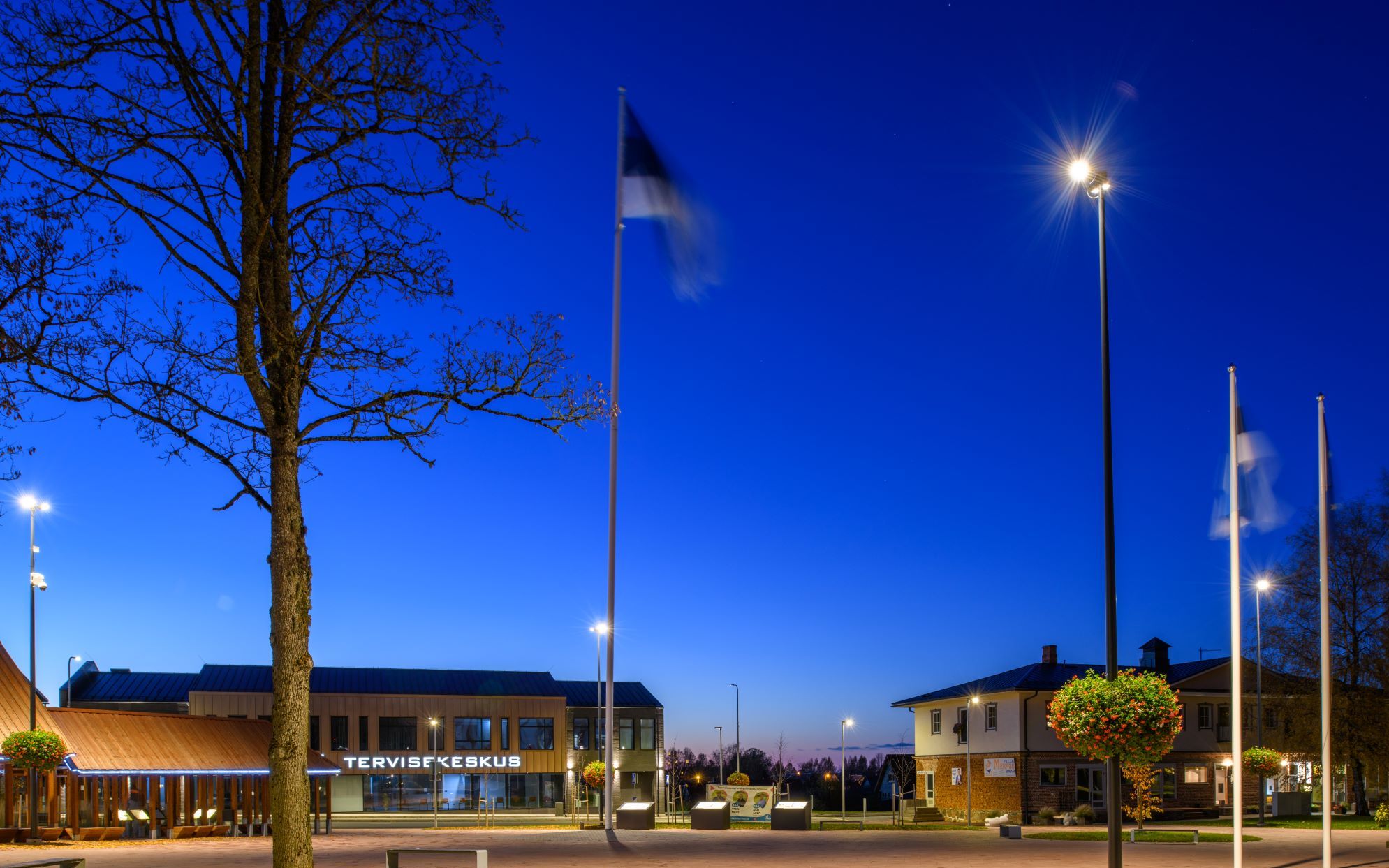
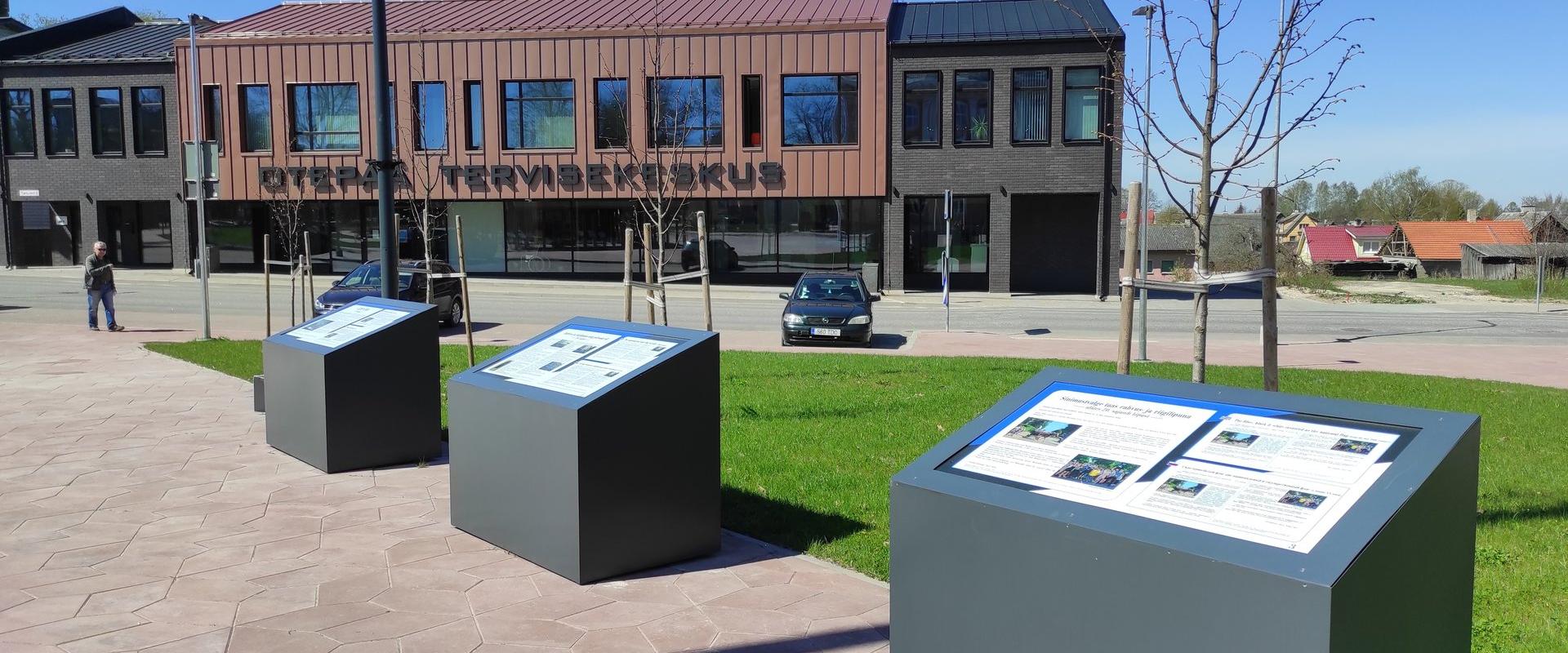
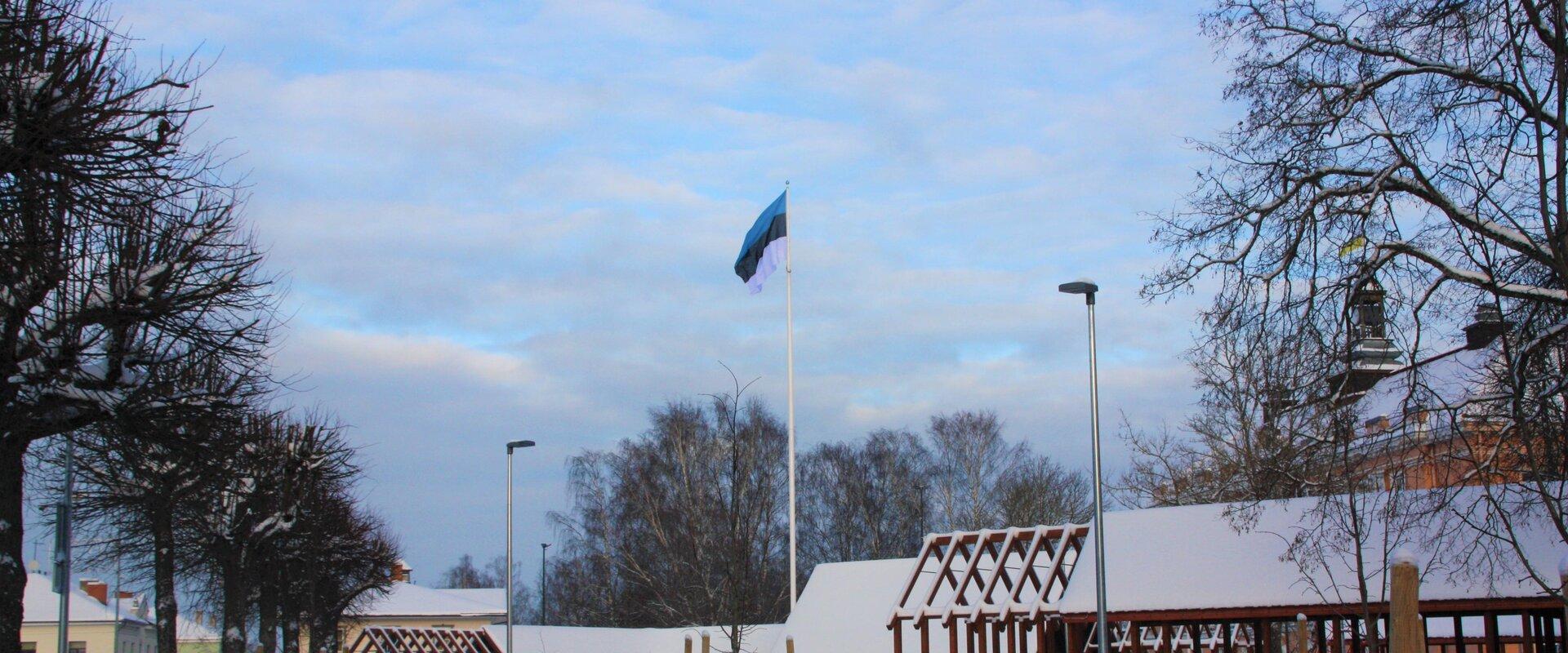
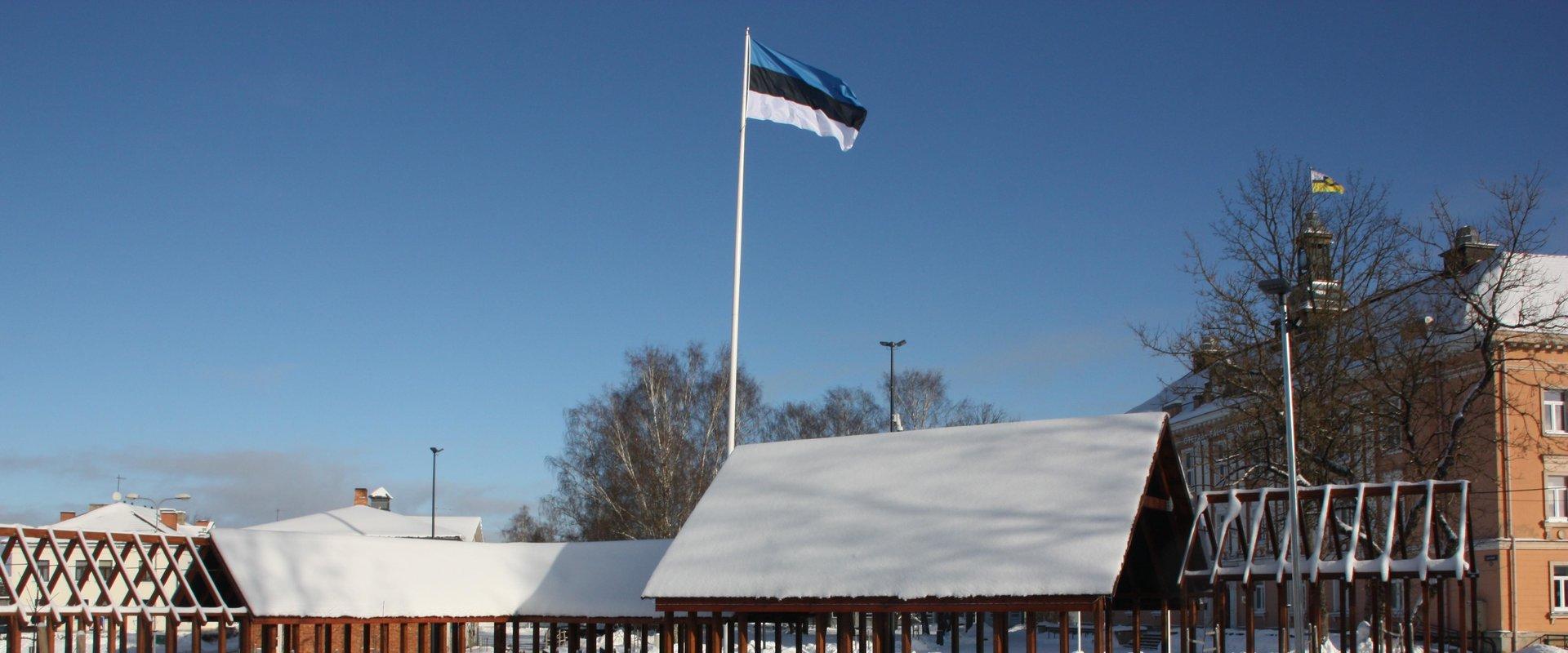
The Estonian blue-black-and-white national flag waves in the highest flagstaff in Estonia – on the renewed Central Square in the centre of Otepää. The flag was hoisted on a 20-metre flagstaff on the National Flag Day on 4 June 2009, when 125 years passed from the day when the first blue-black-and-white flag was commemorated and consecrated. Next to the flag are information stands with the story of the Estonian flag, and in the nearby Community Garden, you can learn exciting facts about the history of Otepää.The flag consecrated on 4 June 1884 was initially the flag of Estonian University Students, then the Estonian national flag, and when the Republic of Estonia was established, blue, black, and white were declared the national colours.
Mugavused

  • Information boards
  • Free parking

Lahtiolekuajad

Aastaringselt

Ööpäevaringselt

Kontakt

  • +372 766 1200
  • turism@otepaa.ee

Lingid

www.riigikantselei.ee

Vaata lisaks

Lucky Loore sports bar

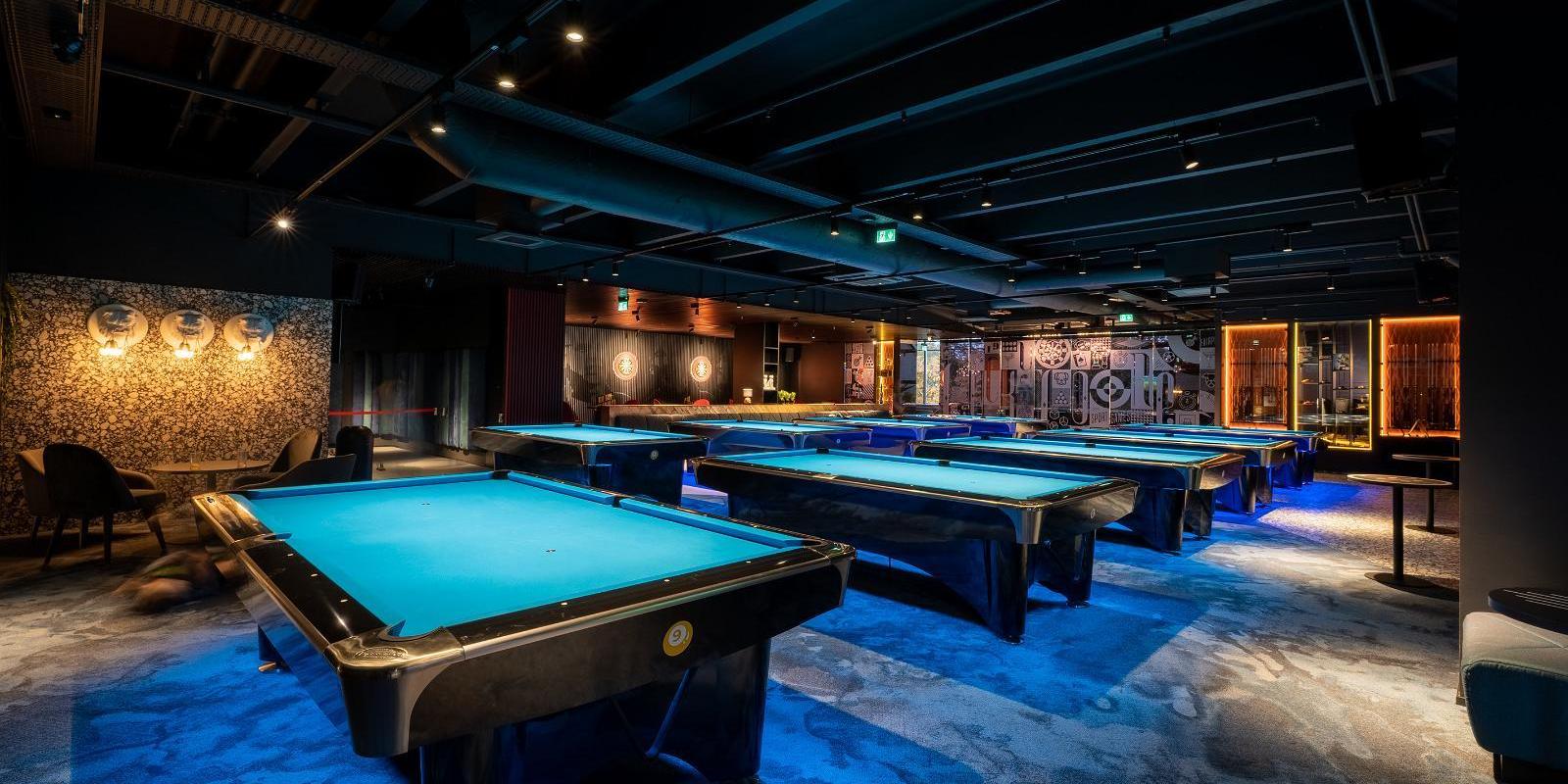
Lucky Loore is a luxurious sports bar in the heart of Tartu, which offers the best entertainment in town!We have high-quality pool tables, modern racing simulators, a professional darts stage and much more, so that you can have a good time with family and friends. In our sports bar, you can also watch sports broadcasts on a big screen with powerful sound! Comfortable sofa, delicious snacks, and cooling drinks await you every night.

  • Castles

Sillapää Castle

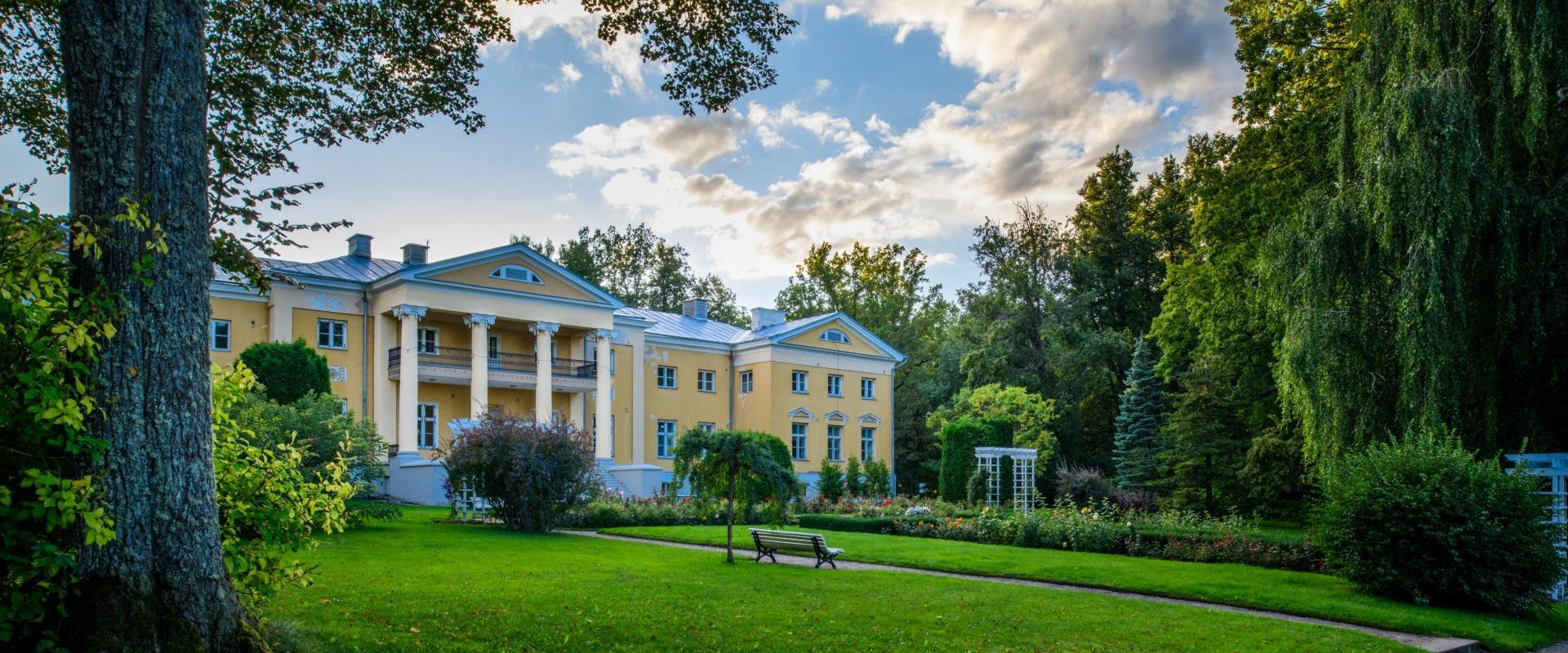
Räpina Mäemõisa Manor House, also known as Sillapää Castle representing the Late Classical style was built in the middle of the 19th century. The centre and annexes of the original building had two storeys which were connected with one-storey galleries. The rear of the building is decorated by four Ionic columns with triangular pediment portico. In 1924 the predecessor of the gardening school started its activities in the building. During 1937-1938 the castle was reconstructed as a fully two-storey building. Today the Manor House accommodates the Räpina Local Lore and Gardening Museum, the Räpina Music School and the Räpina Folk School.

  • Family friendly
  • Guided tours

Põltsamaa Museum

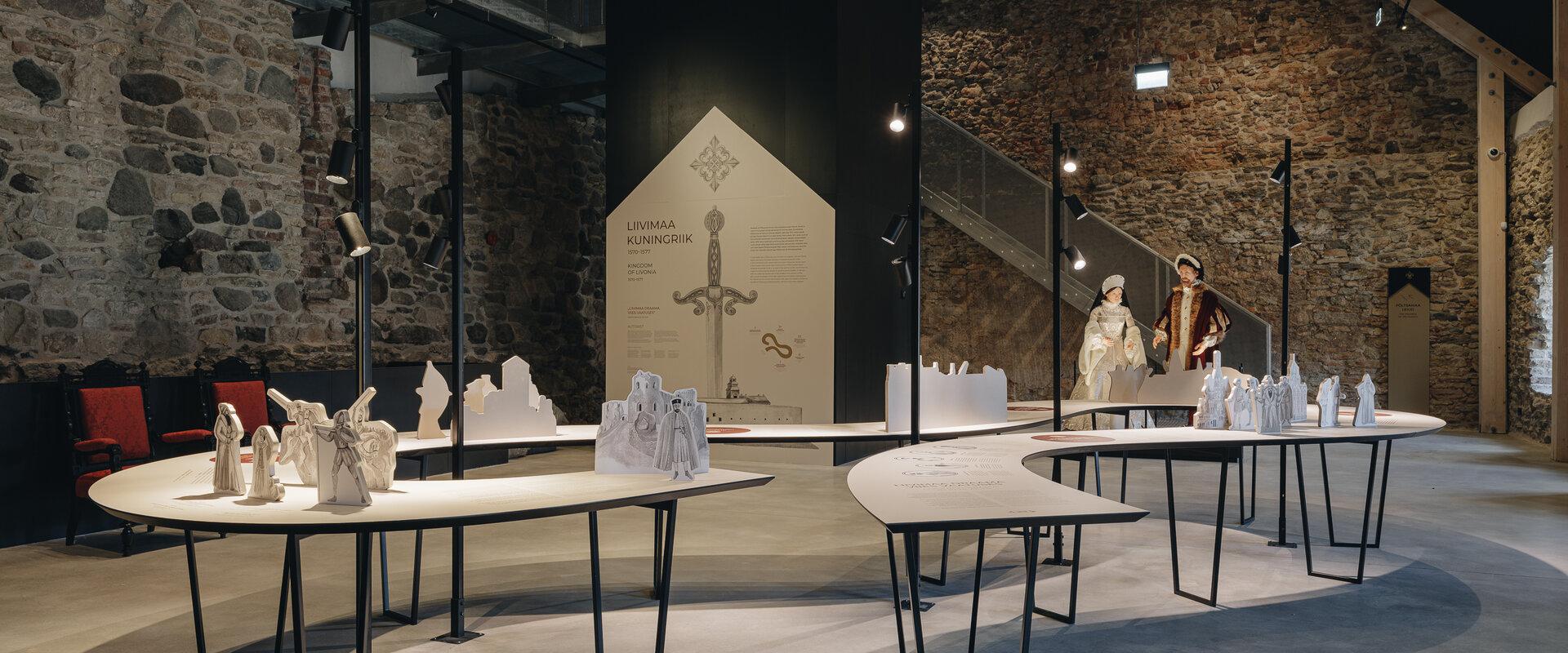
Põltsamaa Museum is located within the walls of the ancient Põltsamaa Ordensburg. Põltsamaa Museum gives an overview of the glorious past of the stronghold, town and the parish: Interesting facts: During the Livonian War the castle was the residence of the King of Livonia In the 19th century the castle was a Rococo style castle, a flourishing centre of culture and industry.

Karl August Hermann Monument

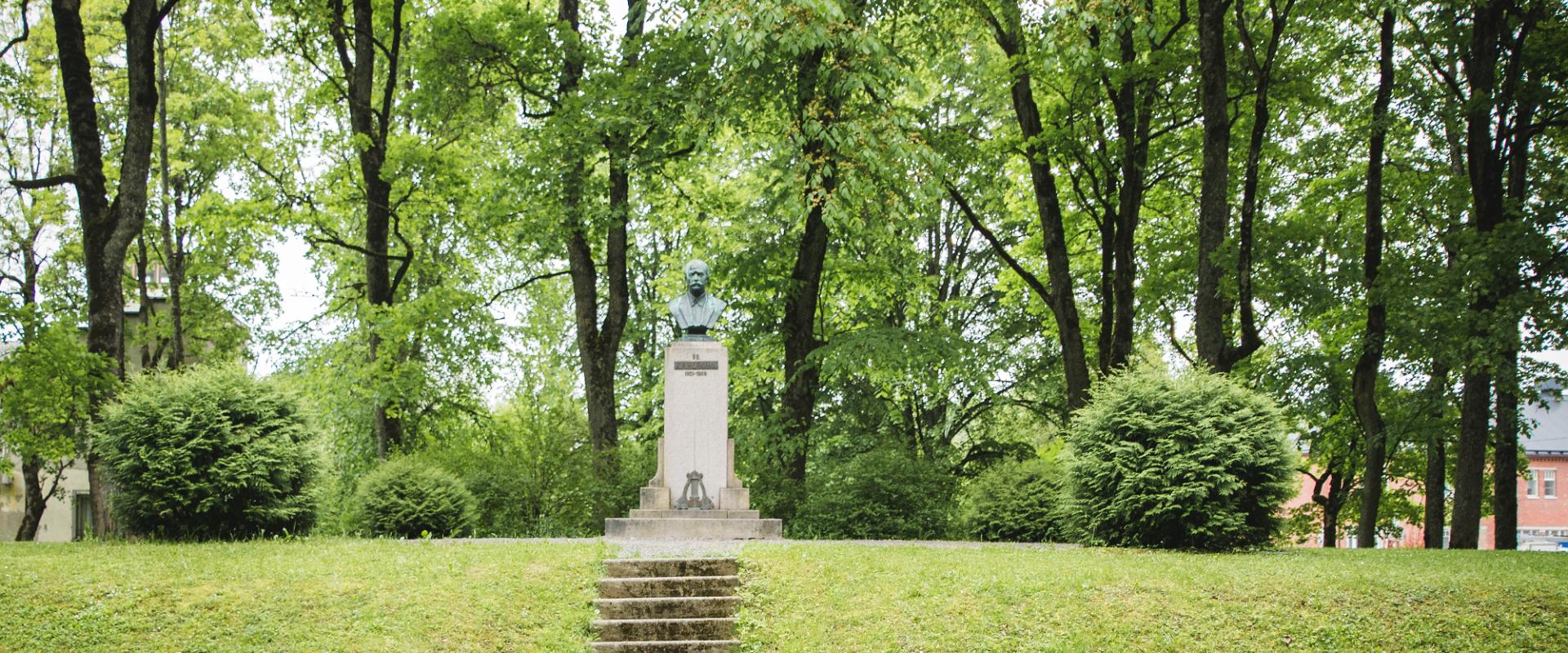
Karl August Hermann (23 September 1851, Võhma village, Põltsamaa parish – 11 January 1909, Tartu) was an Estonian composer, linguist, and encyclopaedist. He was an important figure in the national movement. He published the first encyclopaedia in Estonian, was one of the organisers of several song festivals, and composed several hundred pieces of music, the best known of which are, for example, 'Kungla rahvas' and 'Oh laula ja hõiska'. He bought Perno Postimees, brought the publication to Tartu, and turned it into the first Estonian-language daily newspaper.The monument to Karl August Hermann in the park of Vana-Põltsamaa Manor was opened on 10 June 1935. The author of the statue is Alfred Zolk-Leius.

  • Green Key

Art Hotel Pallas

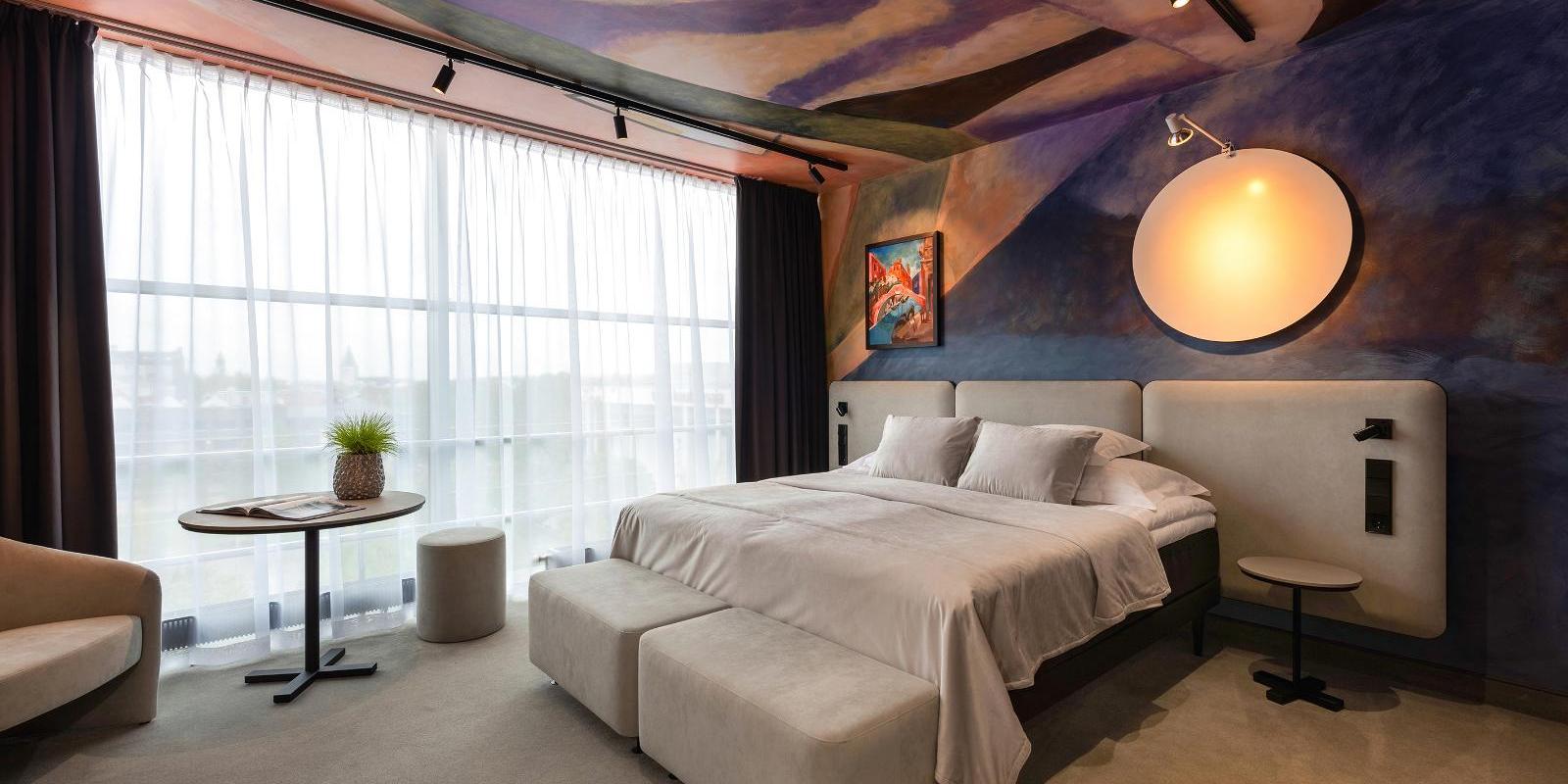
Art Hotel Pallas offers comfortable and affordable accommodation in the heart of Tartu, where the Old Town and modern buildings meet. The interior design of the hotel's rooms, which received the Annual Award of the Estonian Association of Architects, is inspired by the works of artists of the Pallas school of the 1920s. The colorful rooms located on the three upper floors of the building offer views of the city or the quiet courtyard. For these reasons, Art Hotel Pallas has become a favorite hotel in Tartu for scientists and creative people, culture and sports enthusiasts, families, lovers and thrill seekers!

  • Monuments

Monument to Soldiers Killed in the War of Independence

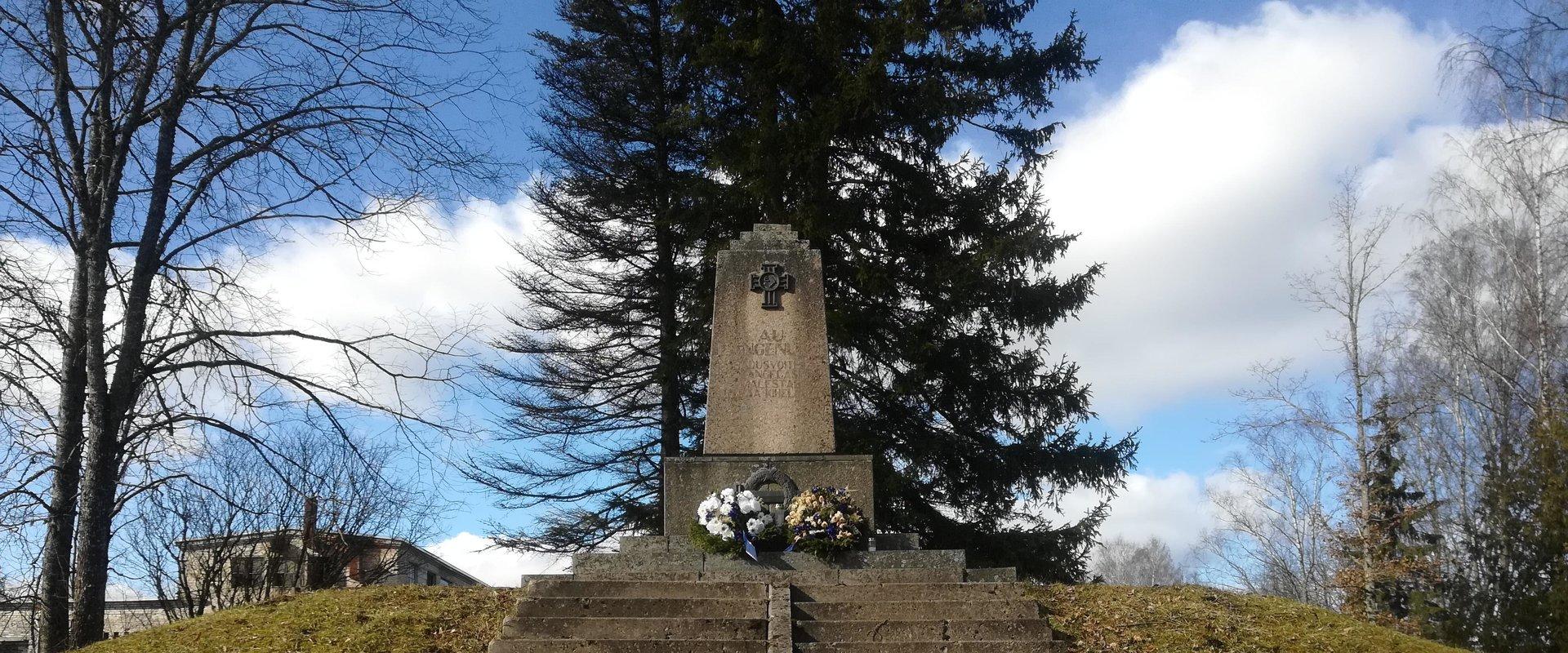
The monument to soldiers who fell in the War of Independence stands on a hill in front of Otepää Maarja Church and it is remarkable because it was hidden underground for 30 years. The monument was reopened in 1989 after renovation. The top part of the monument bears the words HONOUR THE FALLEN and a list of 22 names. The granite piece with the full list has been lost. The metal decorations were created at the initiative of sculptor Jüri Ojaver.Interesting facts: The initial monument was designed by Voldemar Melnik and made by stonemason Peeter Veeber. The monument was opened for the first time on 10 June 1928.

Võru Old Pharmacy building (Steding House)

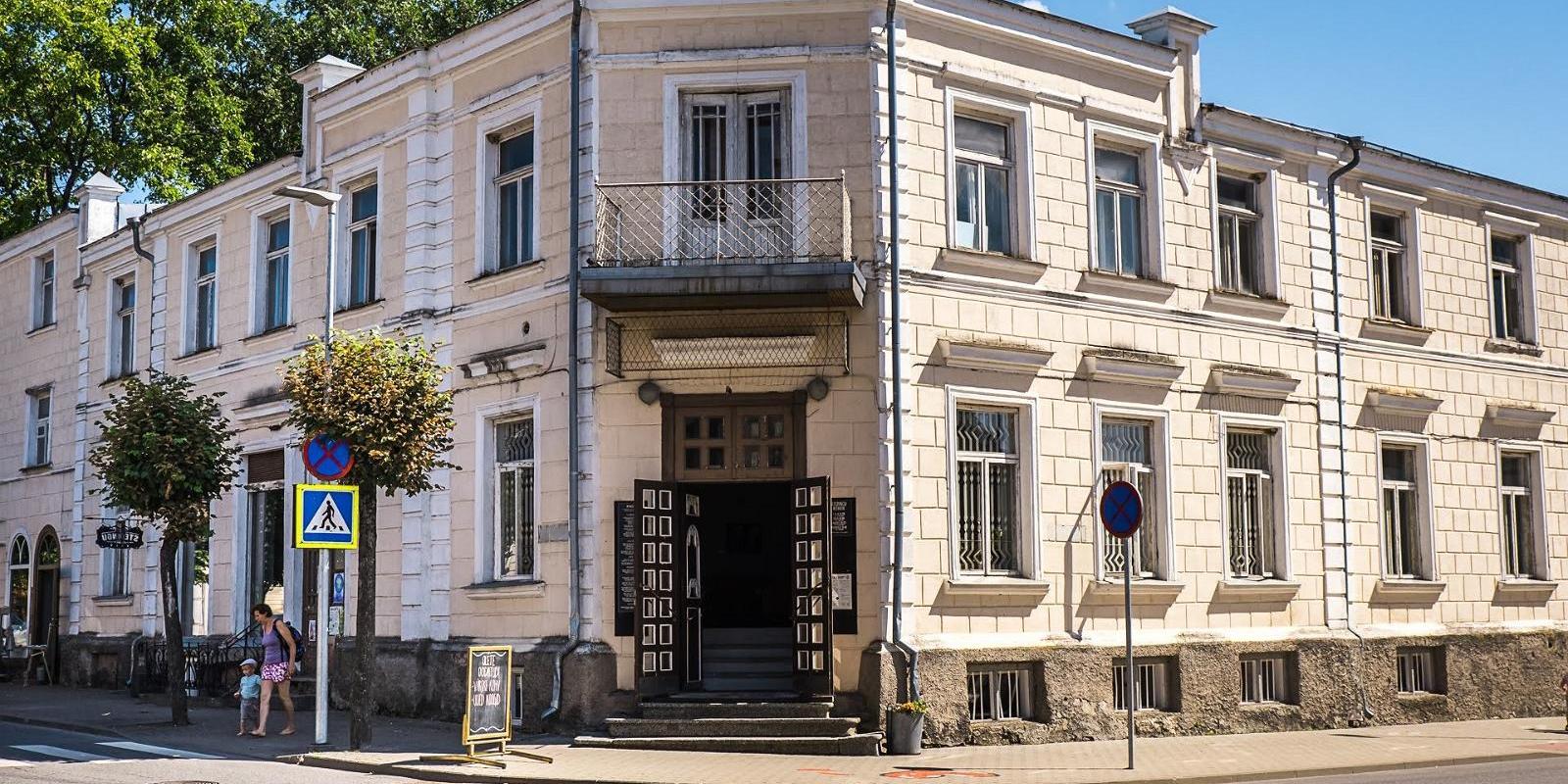
In the center of Võru stands the dignified Steding House – a stone building from the 19th century, also known as the Old Pharmacy House. The walls of the building hide several layers: beneath the plaster layers, stencil paintings and decorations have been found that tell stories of past eras. Unlike sterilely restored museums, Steding House has preserved genuine history – it is a building that shows its layers and carries the memories of the city. One wall is adorned with hand-formed ceramic tiles (author Kristel Sihiveer). The eclectic interior is from reuse. Today, Steding House is a meeting place for the community and guests. There is a café; art exhibitions, concerts, and movie nights are organized; additionally, creative and service enterprises find a home here. In summer and on weekends, the house is especially lively – a buzzing crowd on the terrace, and nighttime entertainment offered in the basement. Steding House is both a sight and a vibrant cultural center – a place where a visitor can experience the unique atmosphere of the city of Võru.

  • Ruins

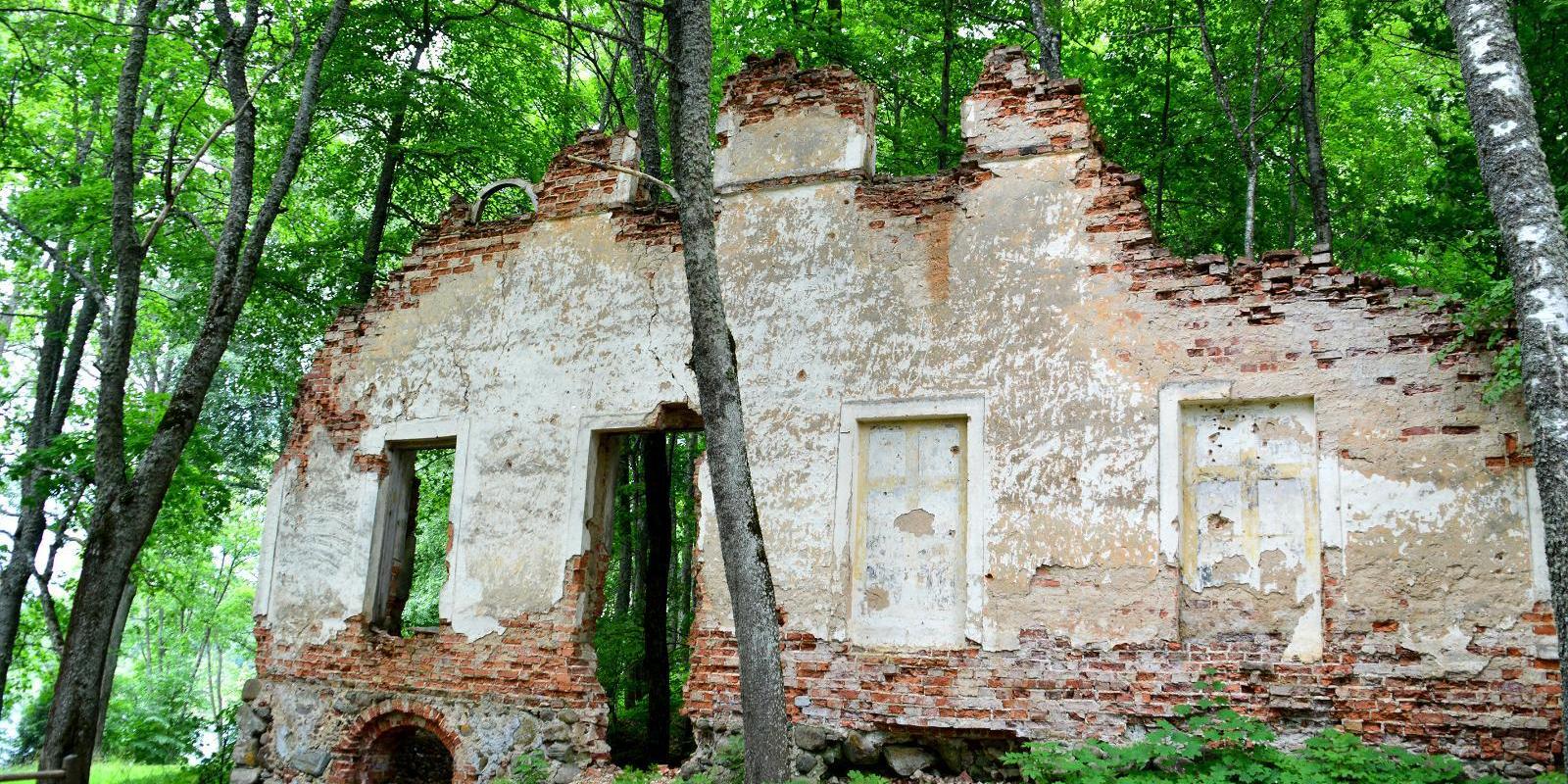
Ruins of the Uue-Saaluse manor

The Uue-Saaluse manor, that was built in 1540, has had many owners, the first one being Reinhold Salis, after whom the manor is also named.The heart of the manor is in a beautiful place on a hill on the eastern shore of Lake Kavadi. The manor belonged to the von Maydell family from 1843 to 1919, when it was dispossessed.The Saaluse manor was nationalised after that, land was divided among those, who participated in the War of Independence, and the manor staff, until their own houses were built. Later the building was used for public festivals, as a school for two years and then as a community centre, which also housed a shop.Only ruins remain of the manor.

  • Privacy Policy

"*"обозначает обязательные поля

Это поле используется для проверочных целей, его следует оставить без изменений.
Я разрешаю маркетинг