• Avasta
    • Еда
    • Природа
    • Культура
    • Семья
    • Спорт
    • Сообщество
    • Блог
  • Planeeri
    • Размещение
    • Информация
    • Varamu
RUS
  • РусскийRUS
  • EestiEST
  • EnglishENG
  • LatviešuLAT
  • SuomiFIN
RUS
  • РусскийRUS
  • EestiEST
  • EnglishENG
  • LatviešuLAT
  • SuomiFIN
Populaarsed otsingud:
Näita kõiki tulemusi
  • History & Culture
  • Architecture and history
  • Manors

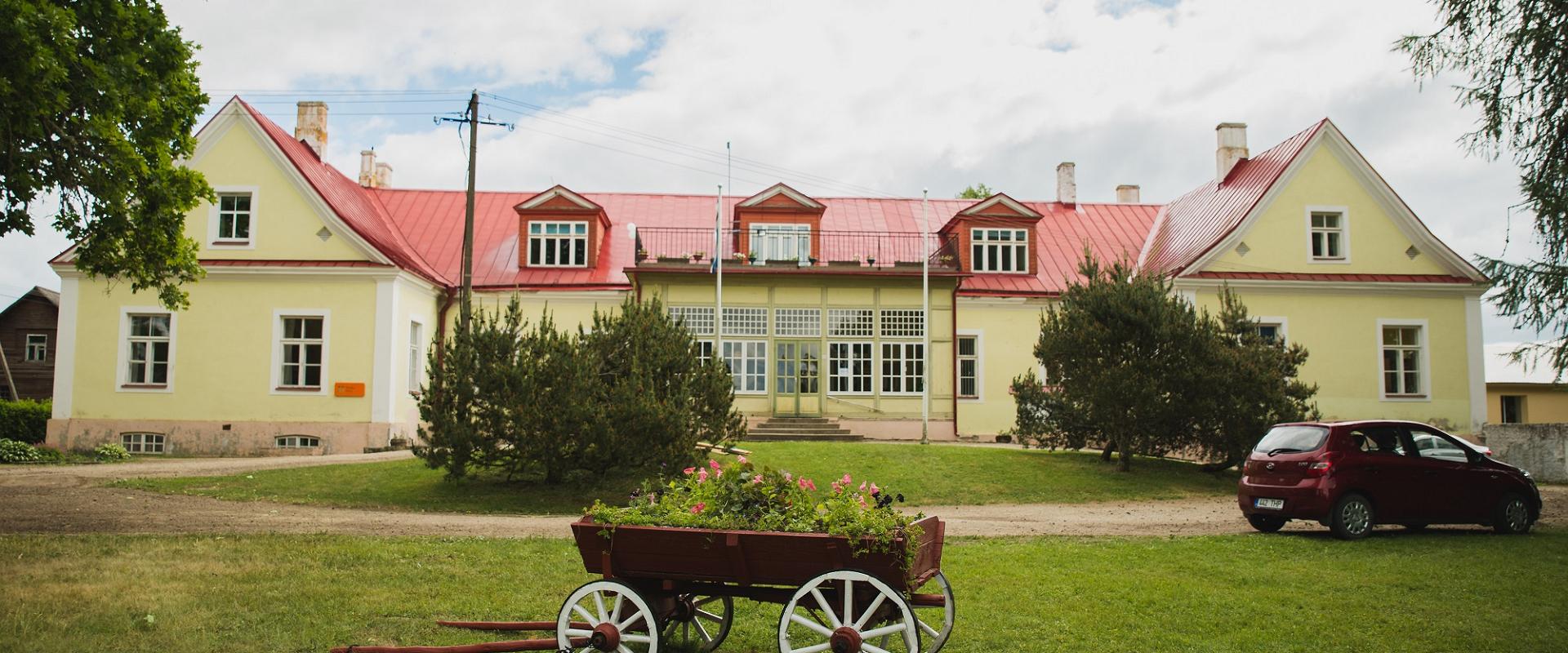
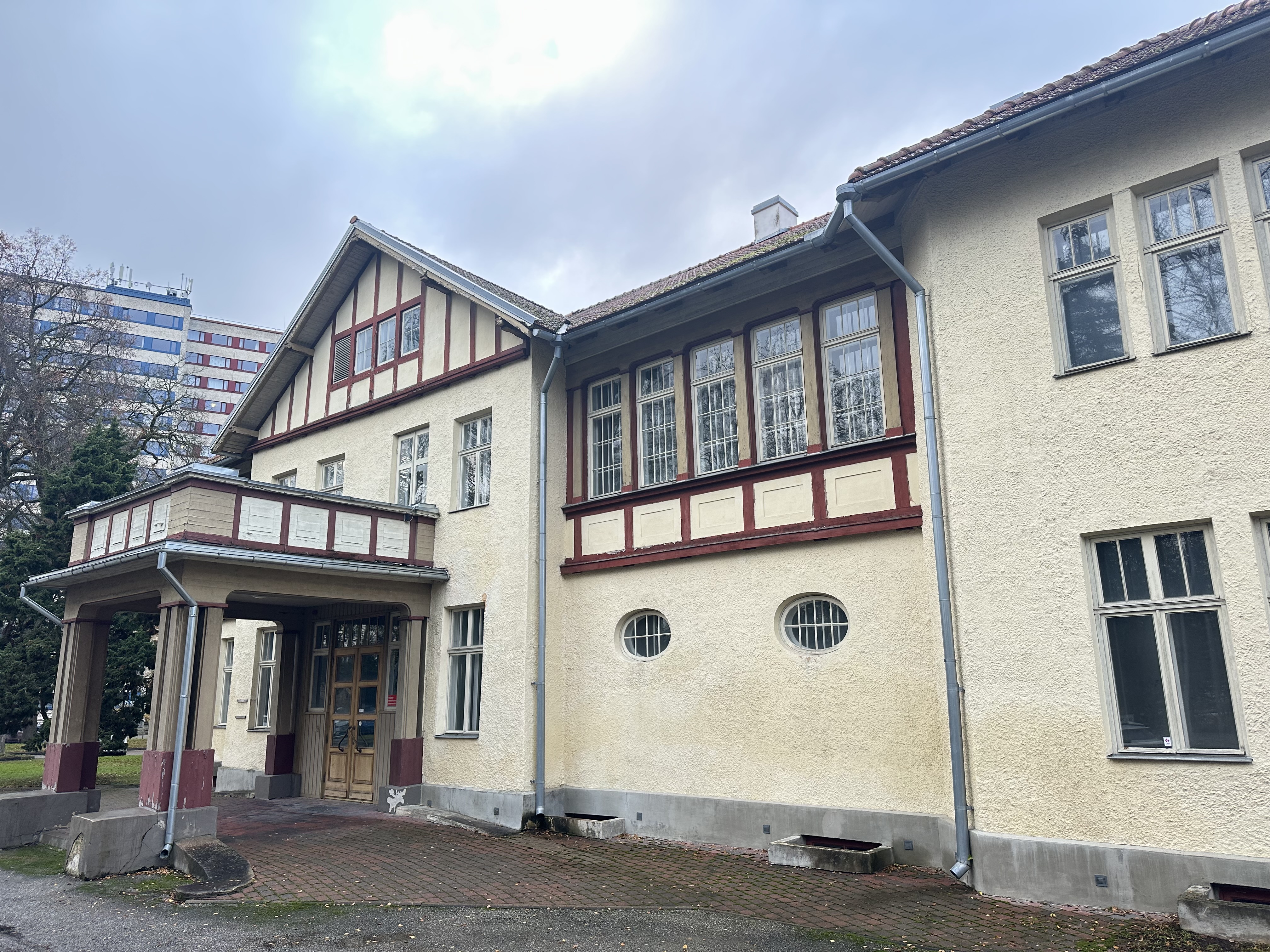
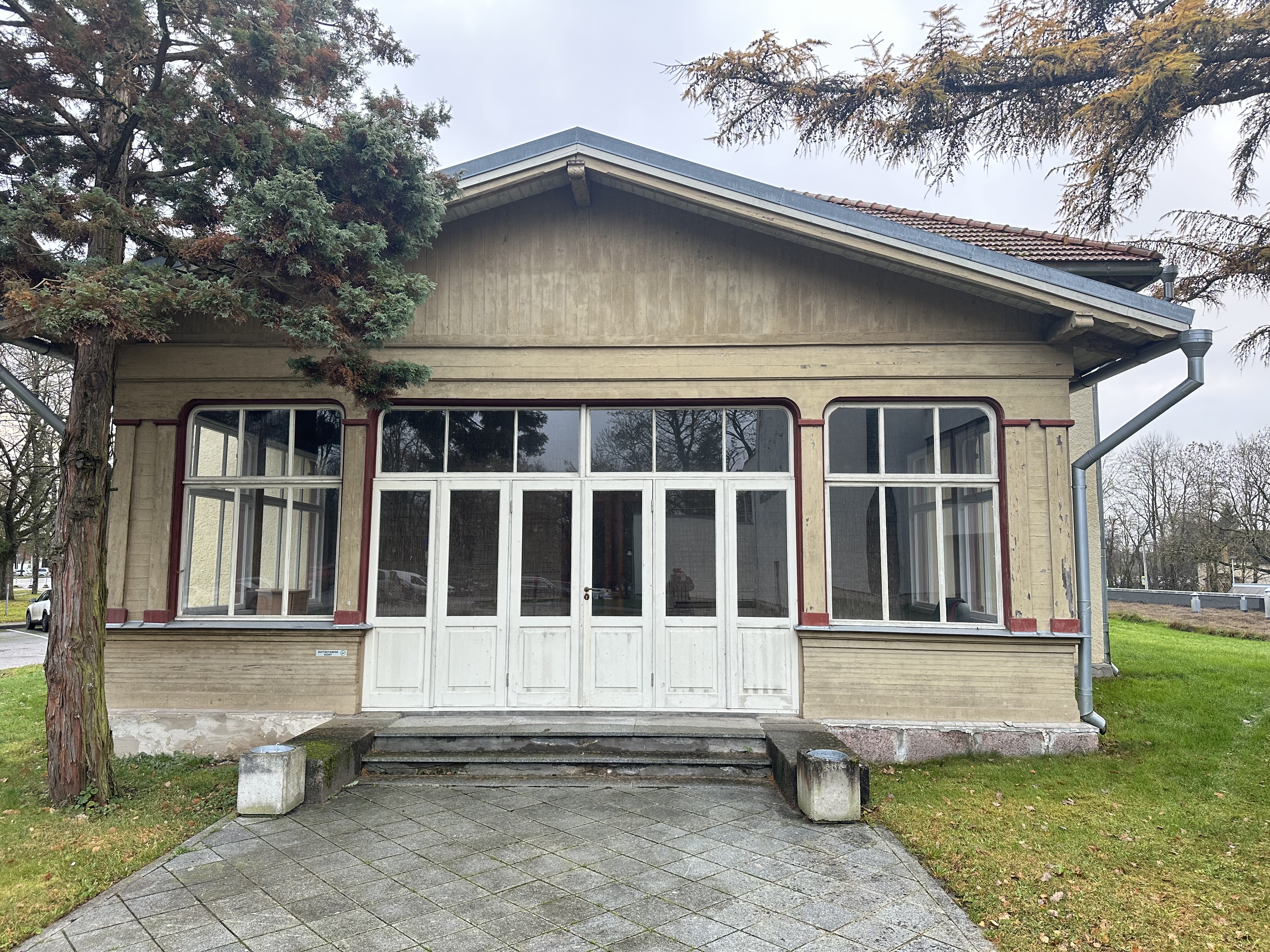
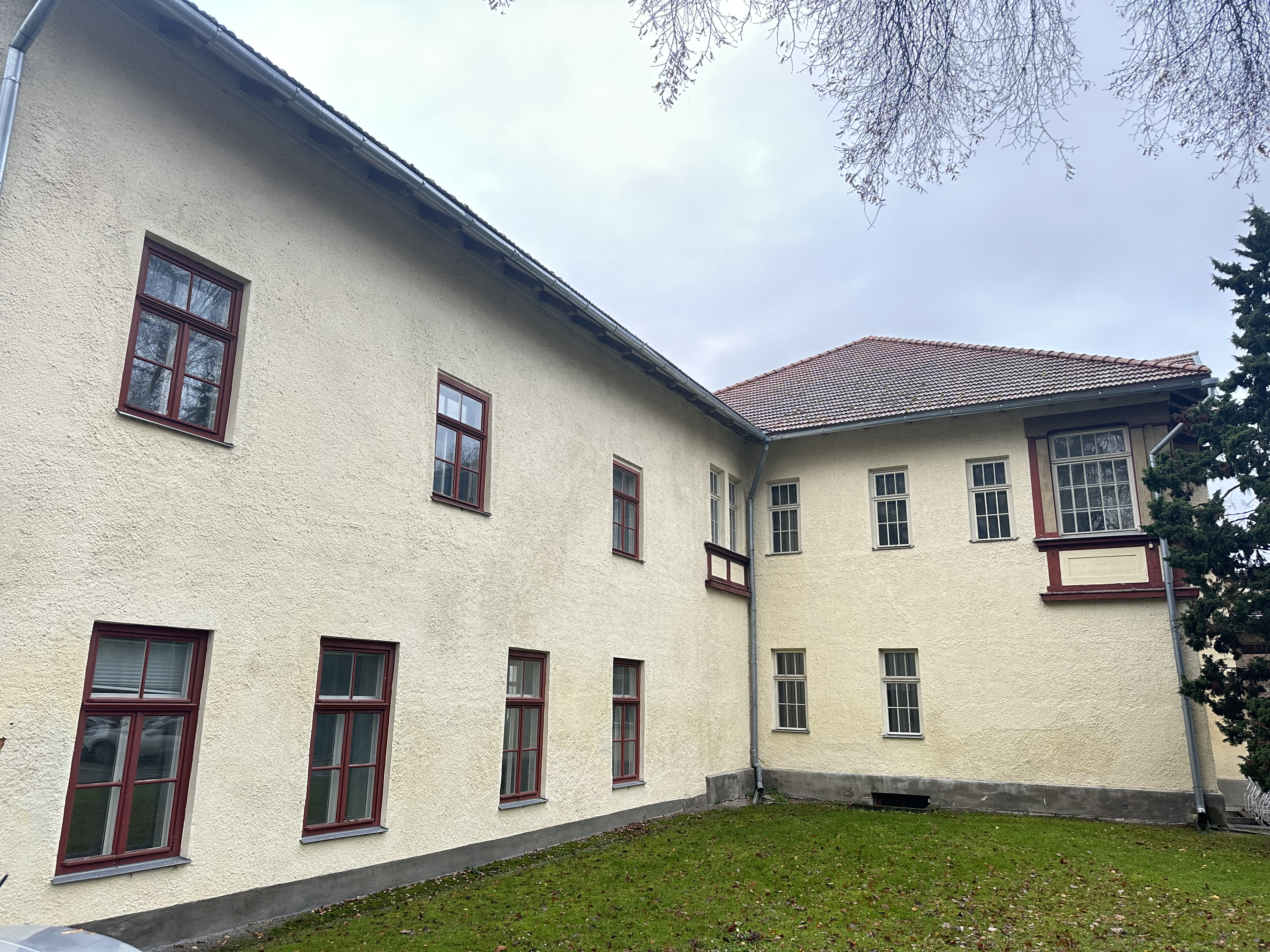
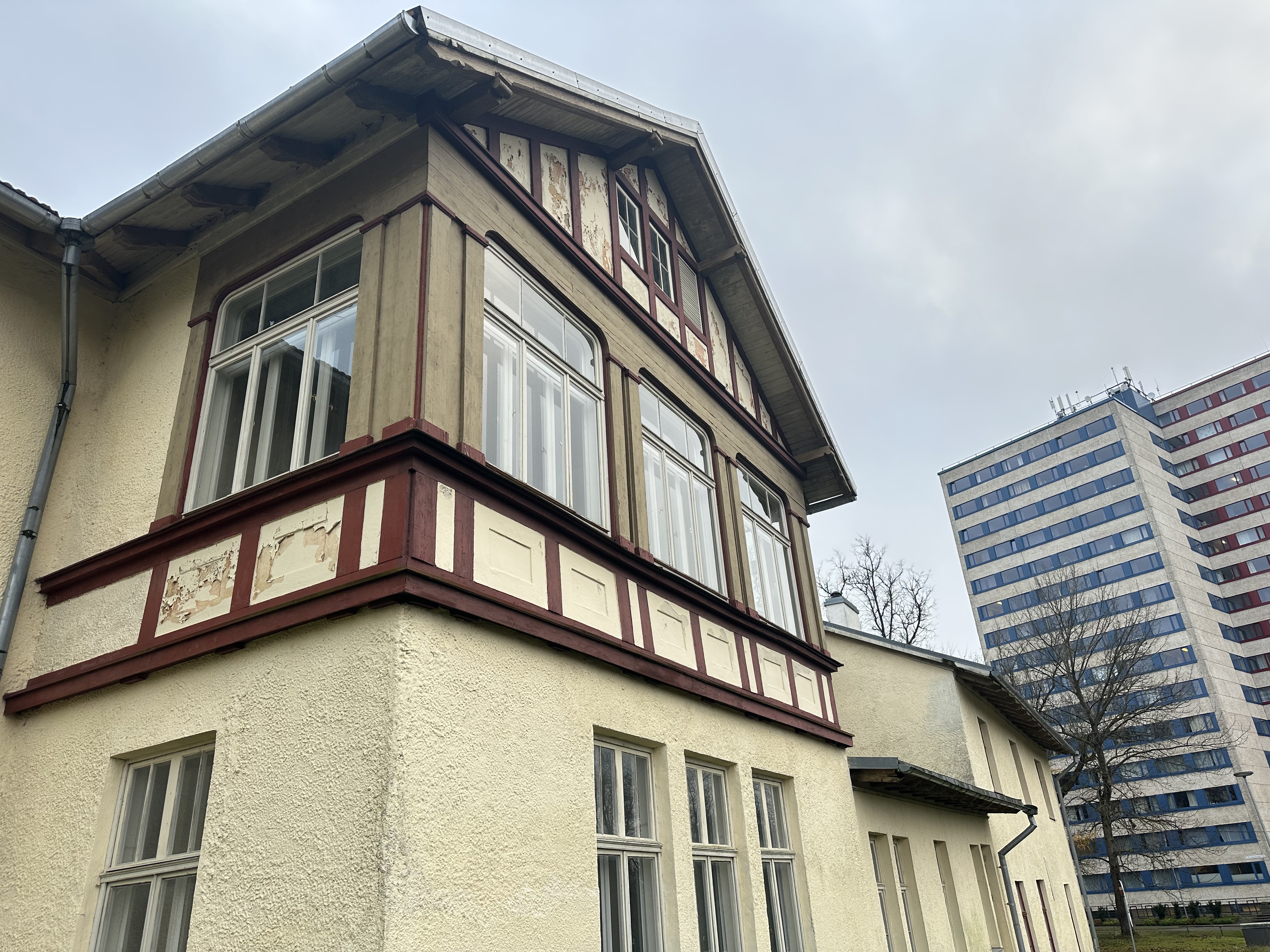
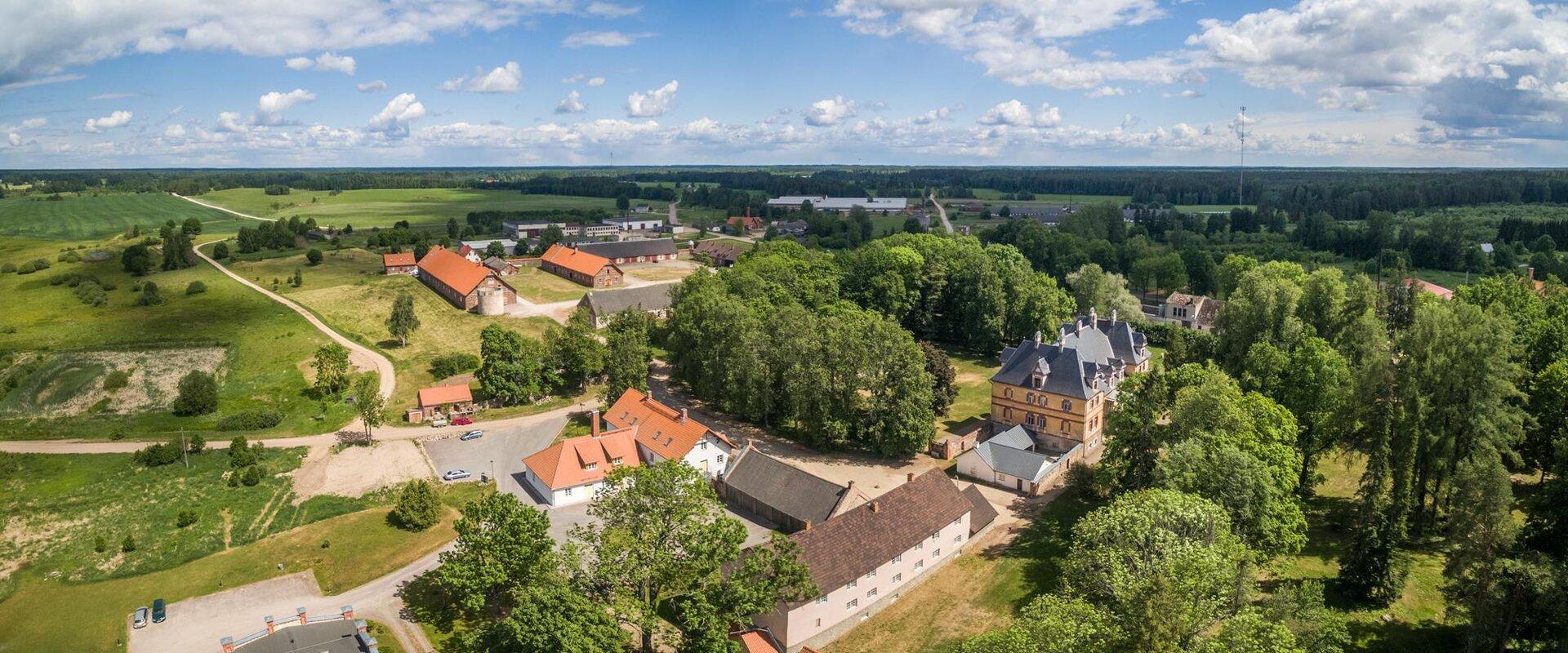
Tähtvere Mansion

F. R. Kreutzwaldi tn 1, Tartu linn, Tartu maakond, 51006

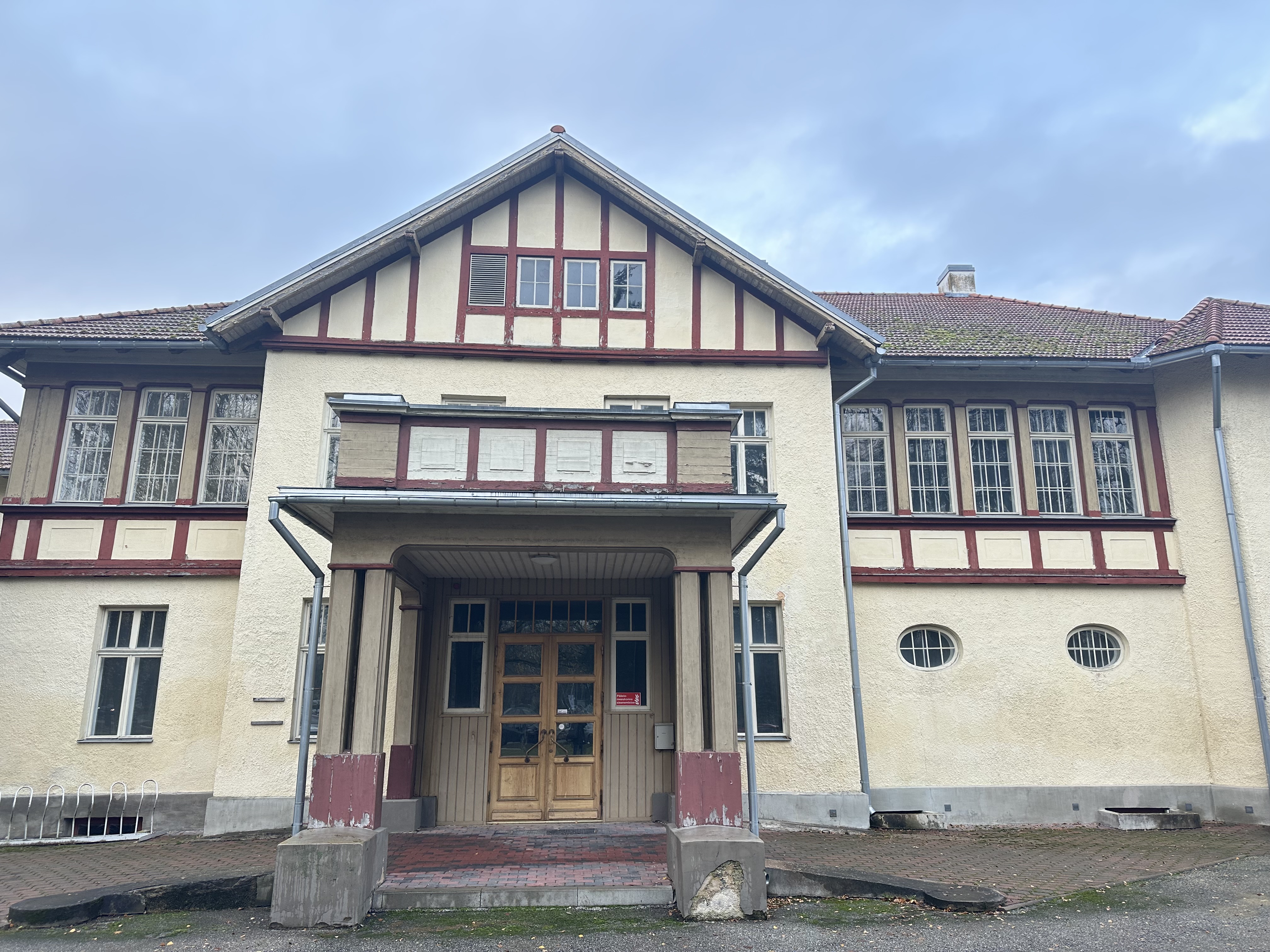
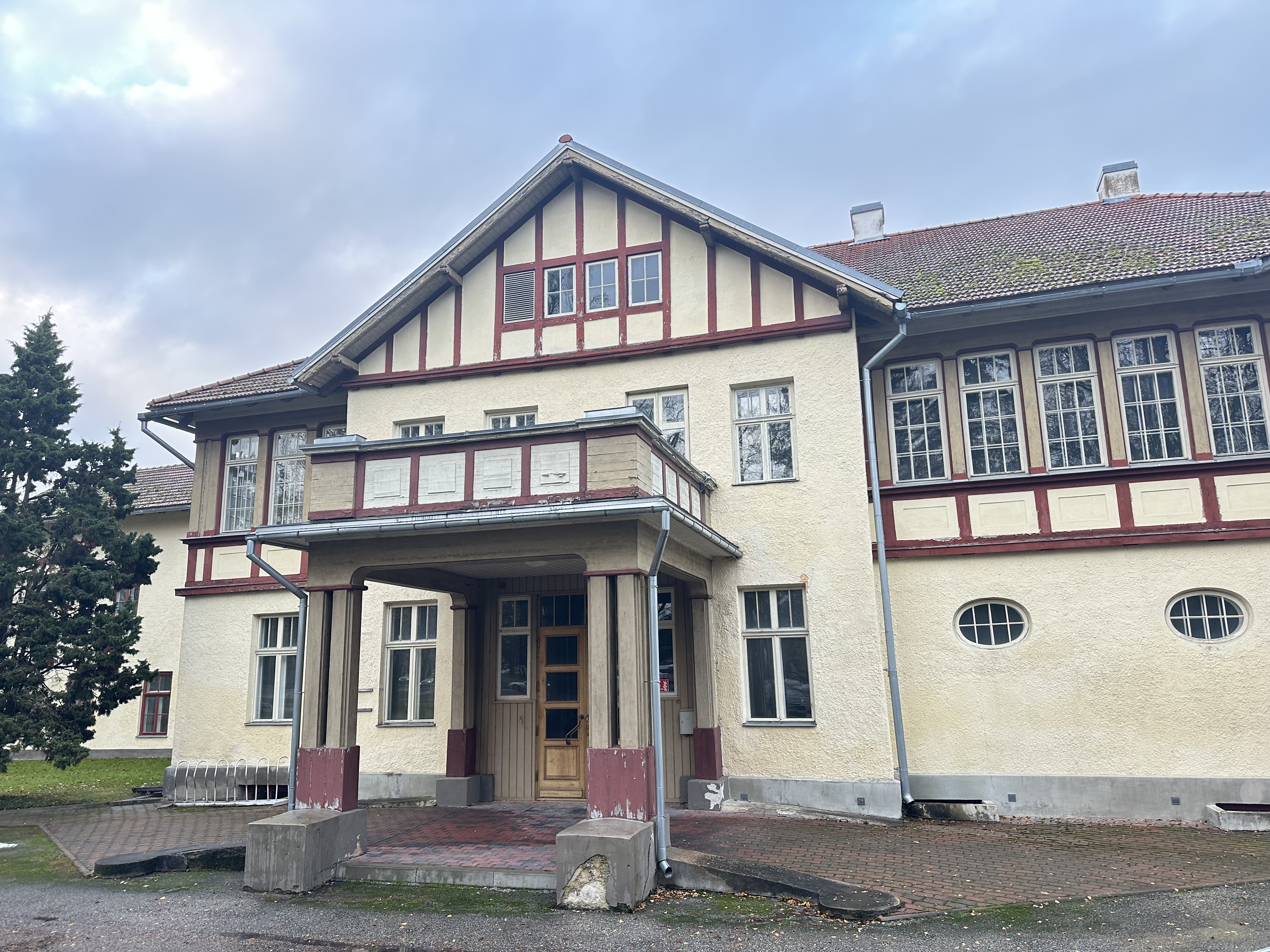
Tähtvere Mansion was first mentioned in 1515 and belonged to the Bishop of Tartu in the Middle Ages. In 1919, part of the lands of Tähtvere Mansion were sold as the first building plots of Tähtvere District. The main building of the mansion (built in 1910 in the heimat style) has been preserved and is used as one of the study buildings of the Estonian University of Life Sciences (an extension has been added to it).The surviving outbuildings of the mansion are a small animal barn, a maid’s house, a barn/grain dryer, a cattle barn, a farmhand’s house, and a smithy.The Mansion can only be seen from the outside and it can also be seen for example in the guided bicycle tour «Tartu City Mansions».

Mugavused

  • Free parking

Lahtiolekuajad

Aastaringselt

Eemalt vaadeldav

Lingid

www.mois.ee

Vaata lisaks

  • Guided tours
  • Manors

Mooste Manor

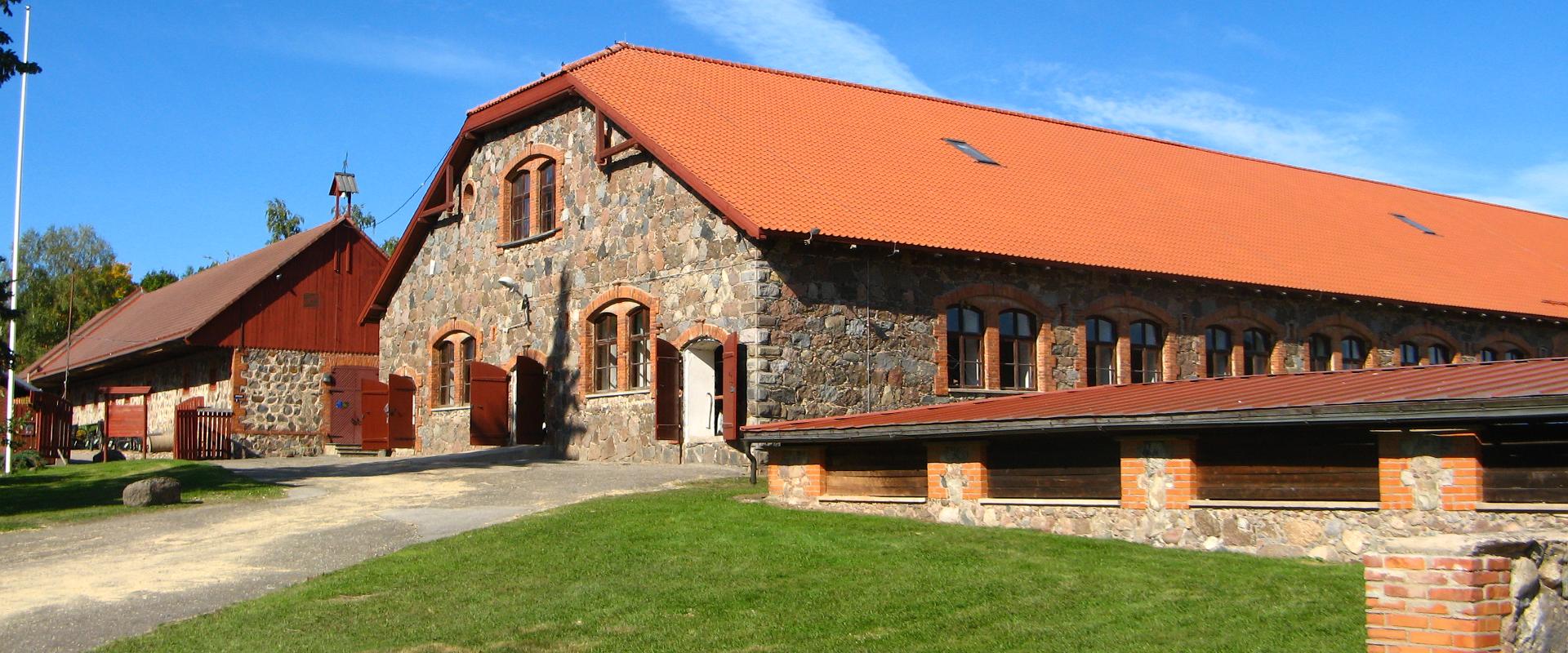
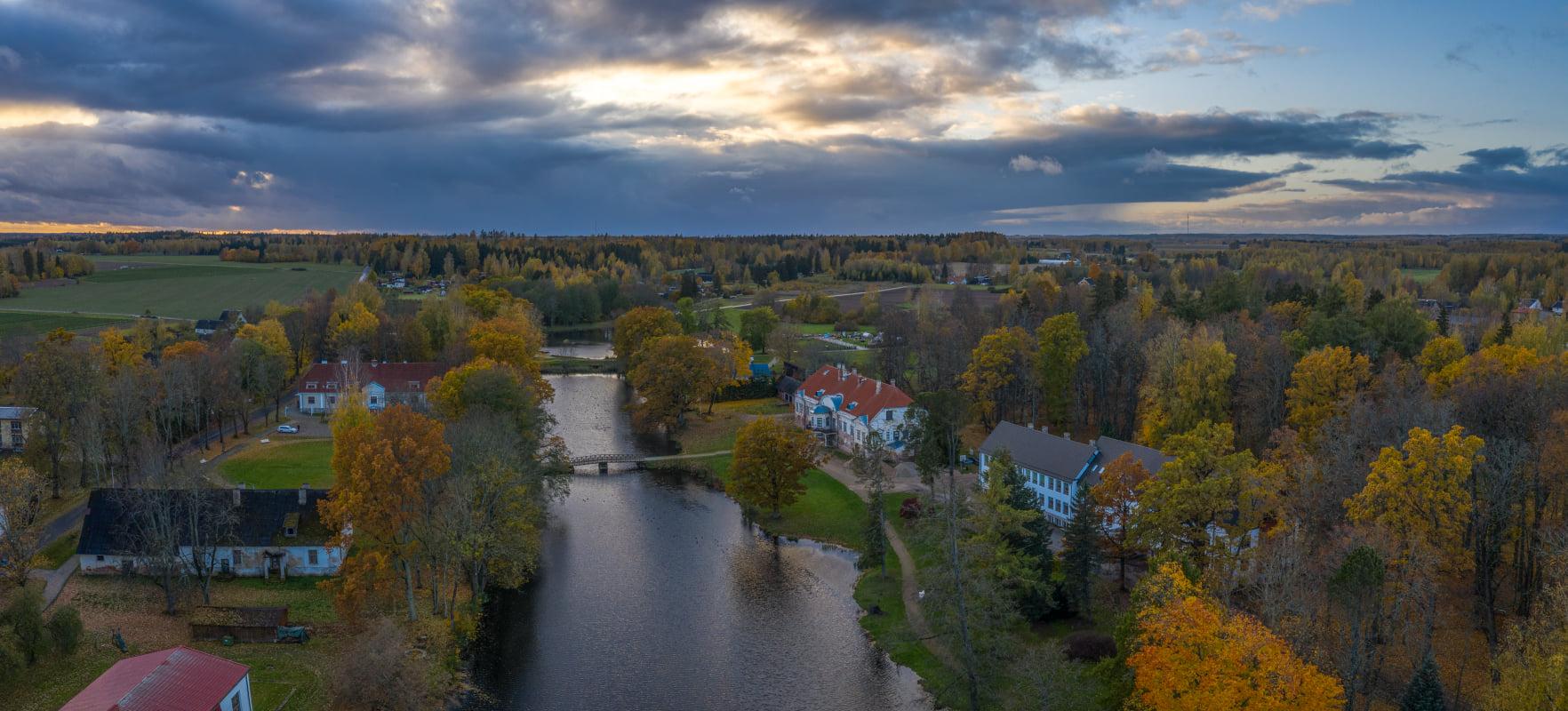
Mooste Manor, established at the time when the Nolcken family ruled the area, lies on the shore of Lake Mooste. Beside the beautiful manor house you will find the pride of Mooste Manor, one of the most impressive auxiliary building ensembles built in the historicist style. Most of the buildings are constructed from stones and decorated with brick. An English-style park adds to the appearance of the manor. The manor house accommodates a school, and the former woodworking workshop has been renovated into the Mooste Manor Guest House. A restorer’s workshop operates in the old workhorse stable, and the Centre for Arts and Social Practice occupies the steward’s house, while the former barn has been transformed into a 500-seat concert hall.

  • Guided tours
  • Manors

‘Tartu City Manors’ Guided cycling tour

Did you know that historically, there were nine manor houses in Tartu? The city of Tartu has expanded in all directions to the areas of former manors, and several districts have been named after these manors. Seven of them still exist and are waiting for you to visit.As part of the guided tour 'Tartu City Manors', we will visit five manors: Tähtvere, Maarjamõisa, Tamme, Ropka, and Karlova. We can take the tour by bike, car, or bus and you can order it in Estonian, English, German, French, Russian, Lithuanian, or Spanish.Contact us and let's explore the historic manors!

  • Manors

Võisiku manor

Võisiku manor was first mentioned in 1558. It was one of the biggest manors in Livonia in the 18th and 19th centuries, stretching from Põltsamaa to Lake Võrtsjärv. There were 52 buildings on the manor originally, some of which we can still see today, and a further 67 in outlying parts of the manor and its mirror factory. Lord of the manor Timotheus Eberhard von Bock, who drew up Russia's first constitution for Emperor Alexander I and was sent to the Schlüsselburg fortress for 9 years for doing so, is the central character in Estonian author Jaan Kross' novel "The Emperor's Madman". Did you know...? *Today the main building houses Võisiku Nursing Home and can only be viewed from the exterior

  • Manors

Ülenurme Manor

The well-preserved Ülenurme Knight's Manor (Üllenorm) in Ülenurme is first mentioned in writing in 1646, when a military man called Bernhard Bousselberg received the manor from the Kingdom of Sweden in exchange for a stone building in Tartu.The park and the main building were probably created by Count Cancrin who was the owner of Ülenurme manor between 1856 and 1883.The manor has been passed from owner to owner, and the main source of its income was grain farming.At the beginning of 1970, the complex of numerous stone buildings of the former Ülenurme Manor's centre was allocated to the Estonian Agricultural Museum that opened its doors to visitors in 1981.You have to buy a ticket in order to visit the museum. The complex has a gazebo, a village swing, and stables.

  • Manors

Pajusi manor

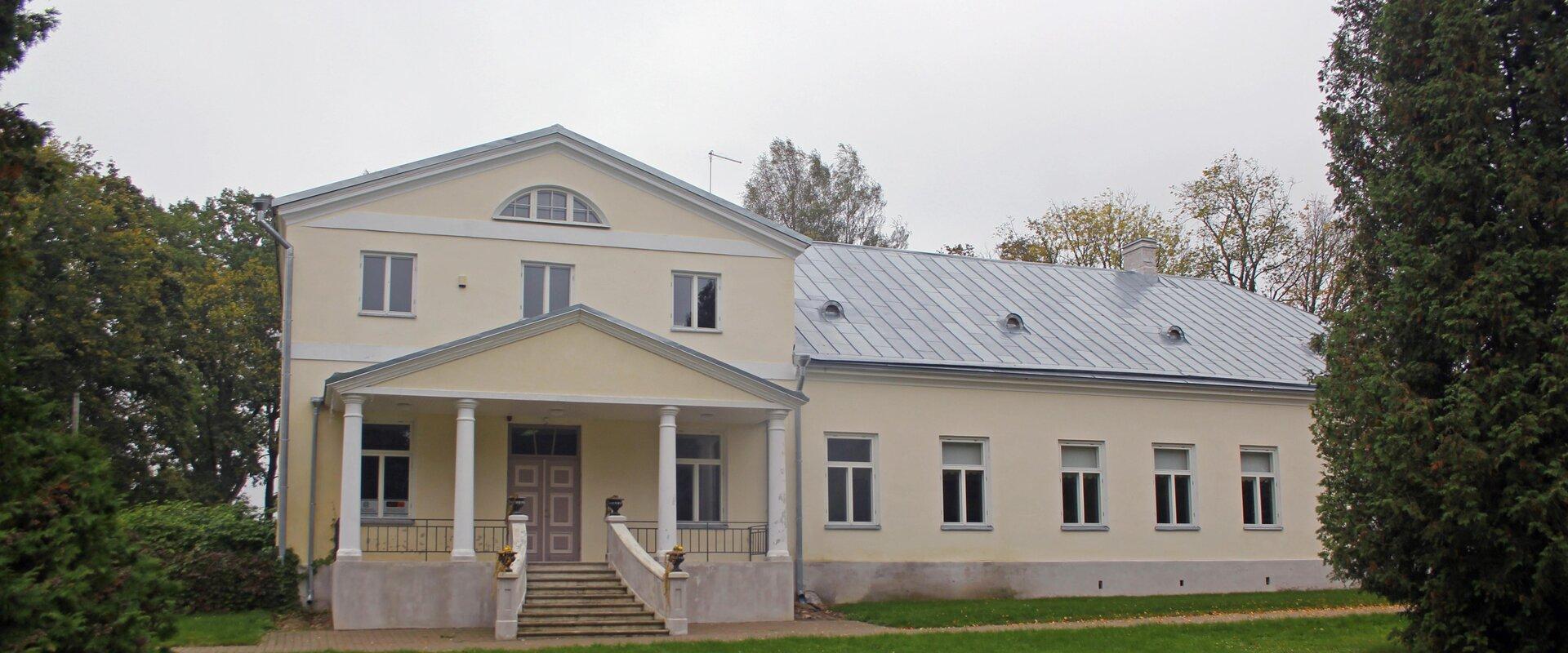
Pajusi manor was constructed in the 17th century. Its long, stone main building in Classicist style is thought to have been erected in the early 19th century. It was one-storey; only the central section was adorned with a small upper floor, which bears a distinct decorative window. In addition to the main building, the manor as a whole includes a number of other buildings and a large park. Did you know...? *Remaining of the main building of the manor are its central part and right-hand wing, which is home to Pajusi Community Centre

  • Guided tours
  • Workshops
  • Manors

Luke Manor

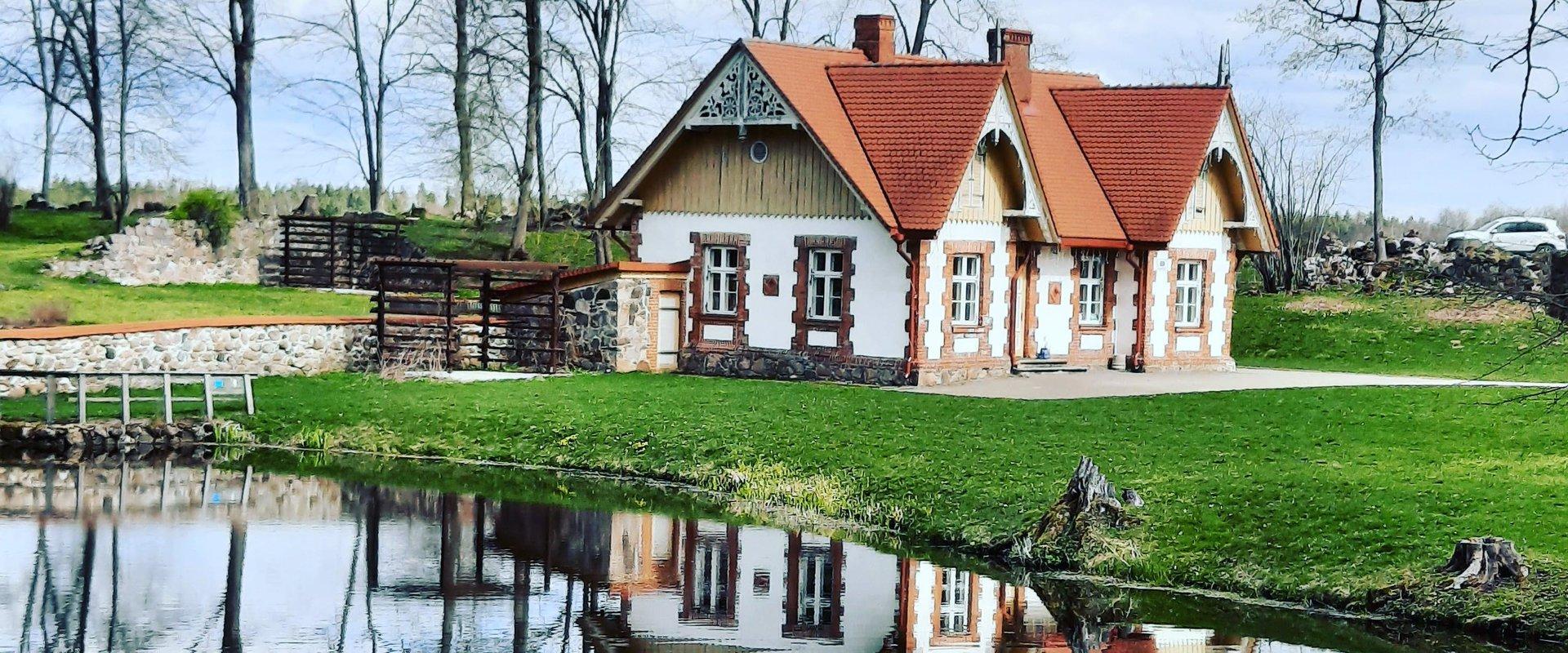
Luke Manor invites you to discover the historical architecture of its former knight's manor and the enchanting park, where you can find the stylish dollhouse-like Kärnerimaja, which has an information point, an exhibition introducing the manor, and a café in the summer. The restored Governor's House adds historical depth to the manor complex. The water fountain and the pavilion's view of the ponds invite you to immerse yourself in the romance of the manor era. The manor's terraces, an alley of uniquely shaped trees, and the concrete lion statues on the stairs (a favorite with the youngest visitors) create a unique and majestic atmosphere. At Luke Manor, you can organize a seminar, take a tour, attend a concert, or tinker in the craft workshop!

  • Manors

Ahja Manor

Ahja Manor dates back to the Middle Ages (from 1553). The two-storey main building of the baroque Ahja Manor with a half-hipped roof, completed in the late 1740s, was one of the most luxurious in Southern Estonia at that time. In the years 1929–1997, a school operated in the manor house.In 2007, there was a fire in the building and only the walls remained. Several smaller buildings have been preserved from the manor, although most of them have been rebuilt. There is also a beautiful park with a pond which is under nature and heritage protection.The manor with the park is known to many thanks to the book Little Illimar based on the childhood memories of the folk writer Friedebert Tuglas from Ahja.

  • Manors

Ropka Manor

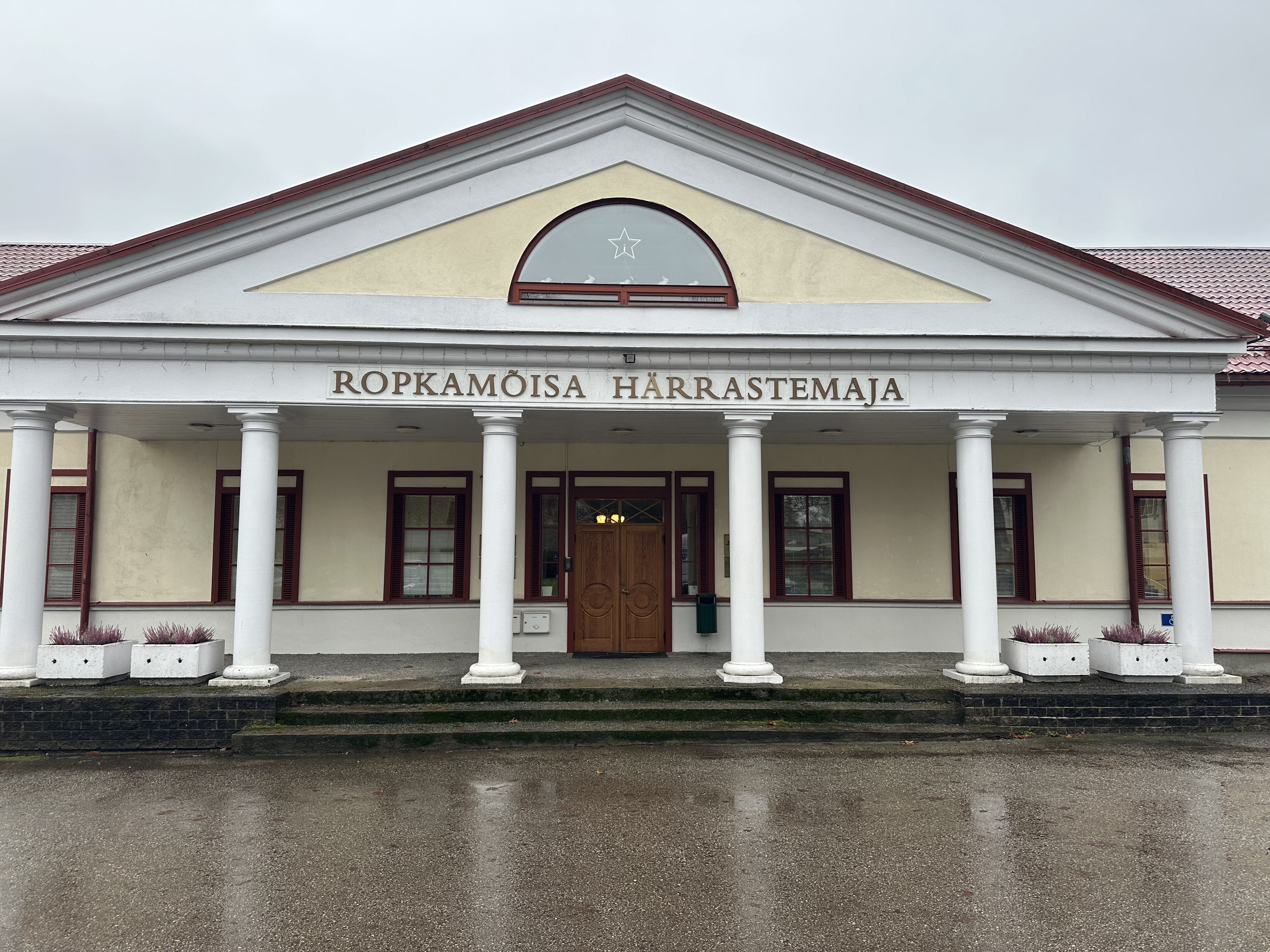
The one-storey stone manor was built in the first half of the 19th century. The buildings of Ropka Manor are located on both sides of the street of Ropka tee. Preserved manor buildings include the farm hand's house, cattle barn, converted stables and a barn, a cellar and a park. There were three ponds in the park and it is planned to restore one of them. There was an orchard with a regular plan on the western side of the servants' house, which is now a built-up area.The building is in private ownership and can only be viewed from the outside.

  • Privacy Policy

"*"обозначает обязательные поля

Это поле используется для проверочных целей, его следует оставить без изменений.
Я разрешаю маркетинг