• Avasta
    • Еда
    • Природа
    • Культура
    • Семья
    • Спорт
    • Сообщество
    • Блог
  • Planeeri
    • Размещение
    • Информация
    • Varamu
RUS
  • РусскийRUS
  • EestiEST
  • EnglishENG
  • LatviešuLAT
  • SuomiFIN
RUS
  • РусскийRUS
  • EestiEST
  • EnglishENG
  • LatviešuLAT
  • SuomiFIN
Populaarsed otsingud:
Näita kõiki tulemusi
  • Architecture and history
  • History & Culture

Elva station building

Pargi tn 2, Elva vald, Tartu maakond, 61503

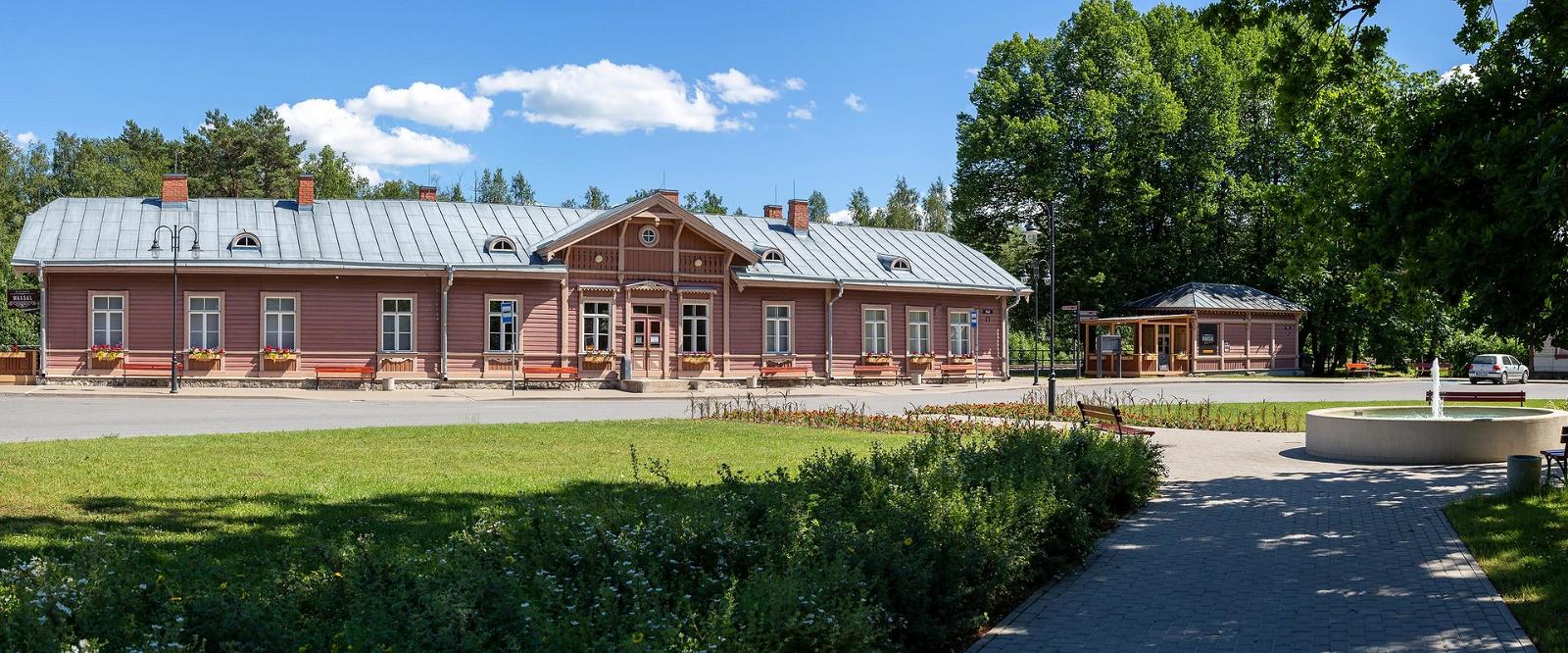
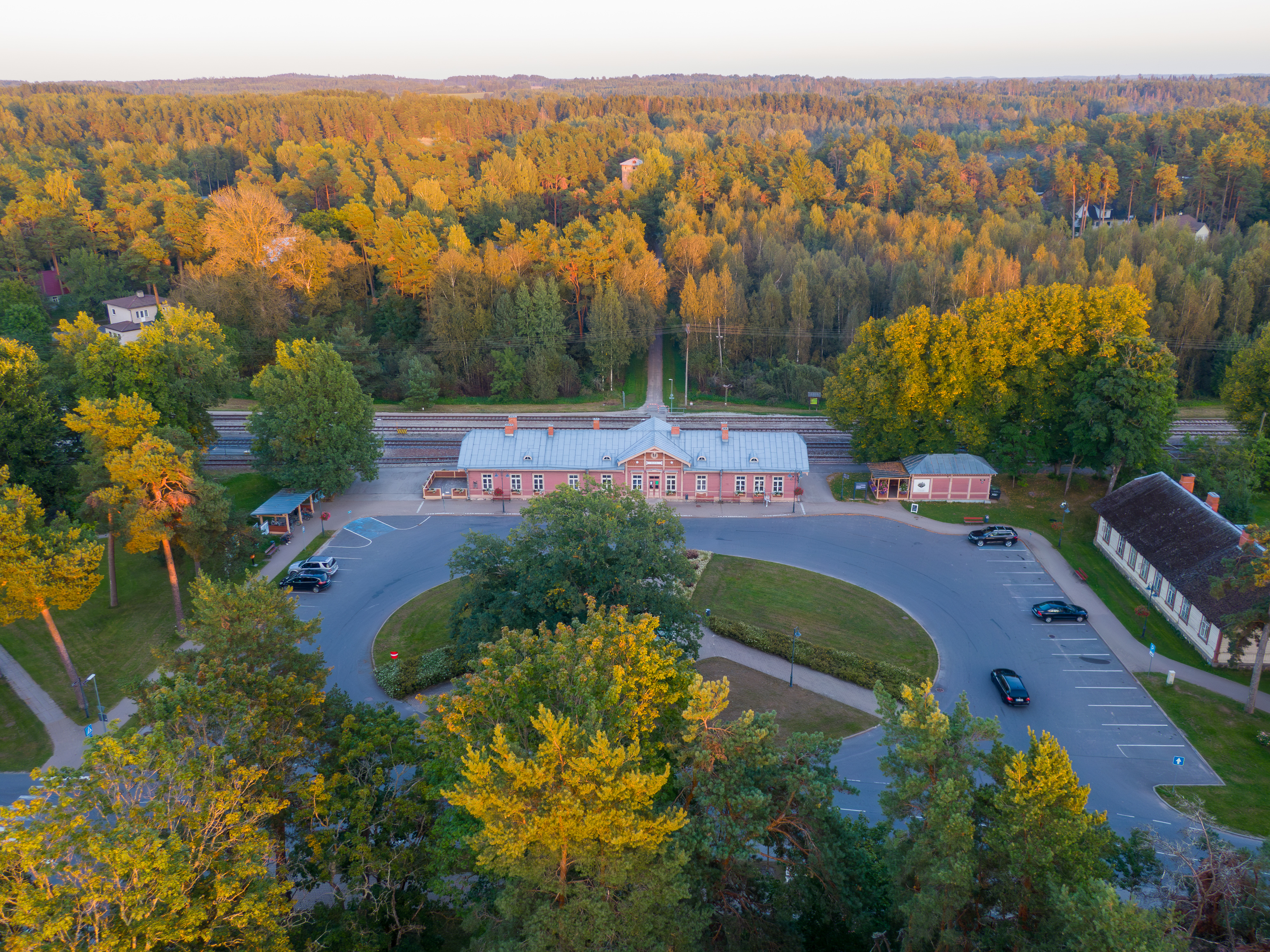
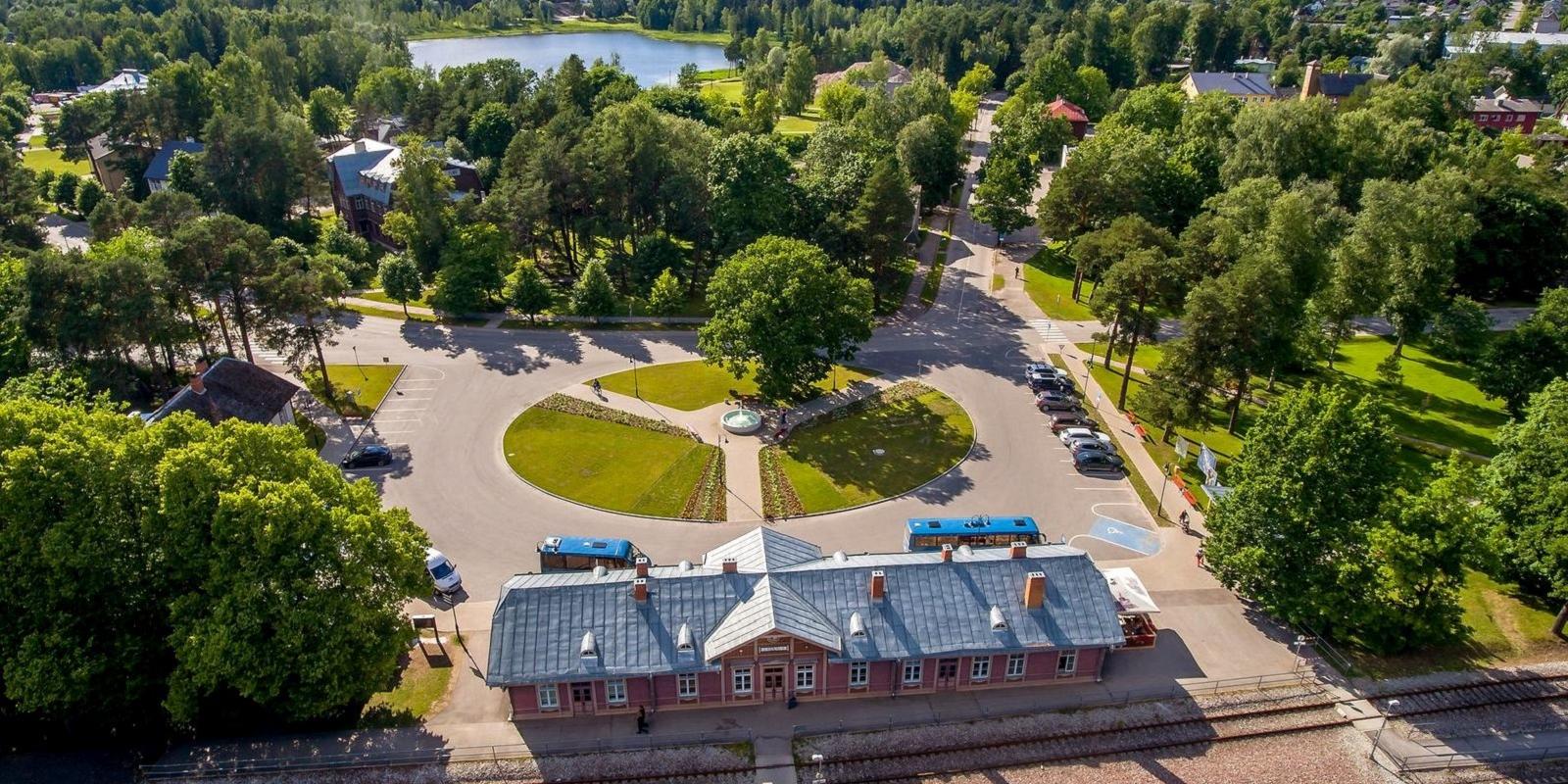
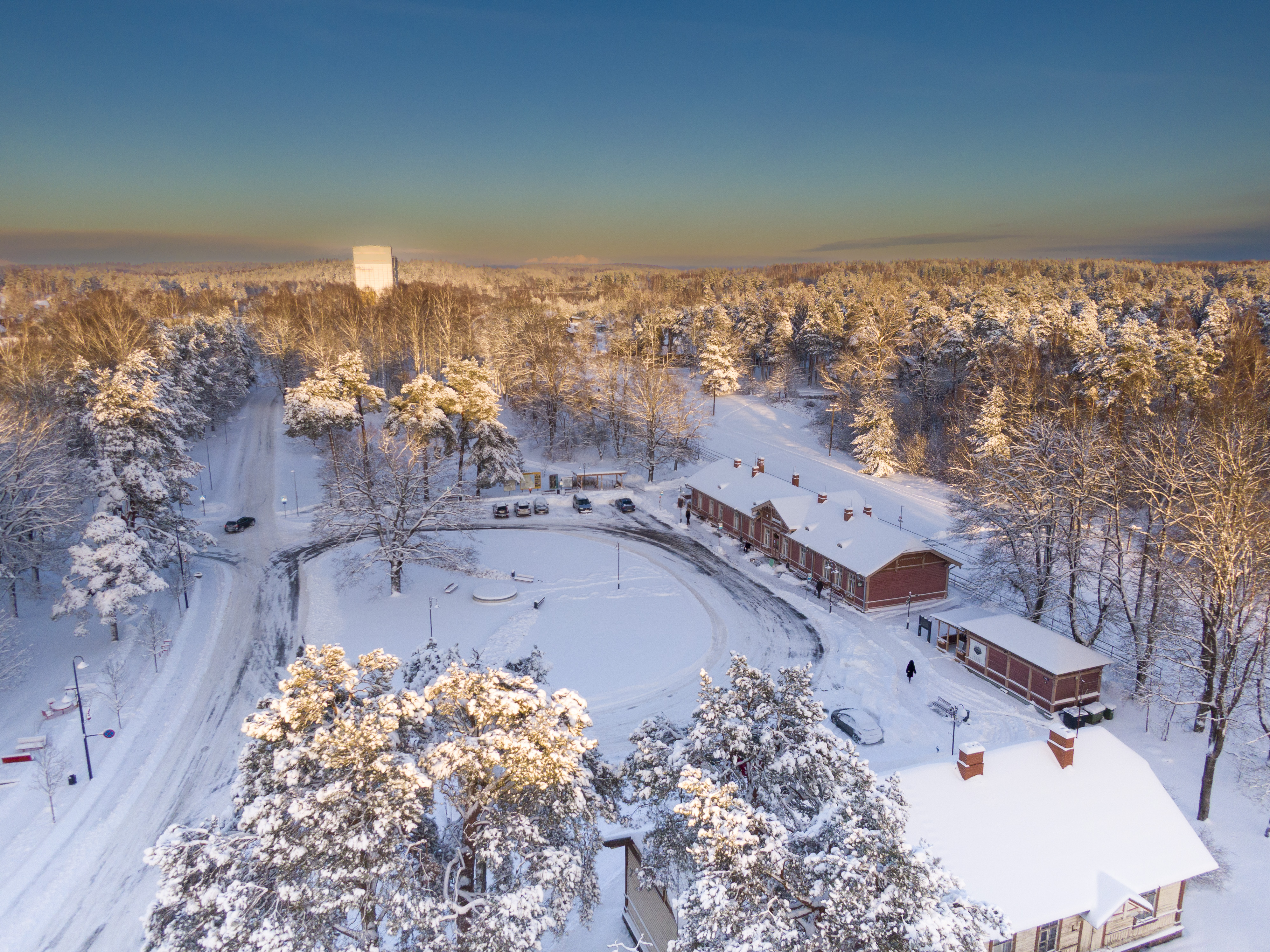
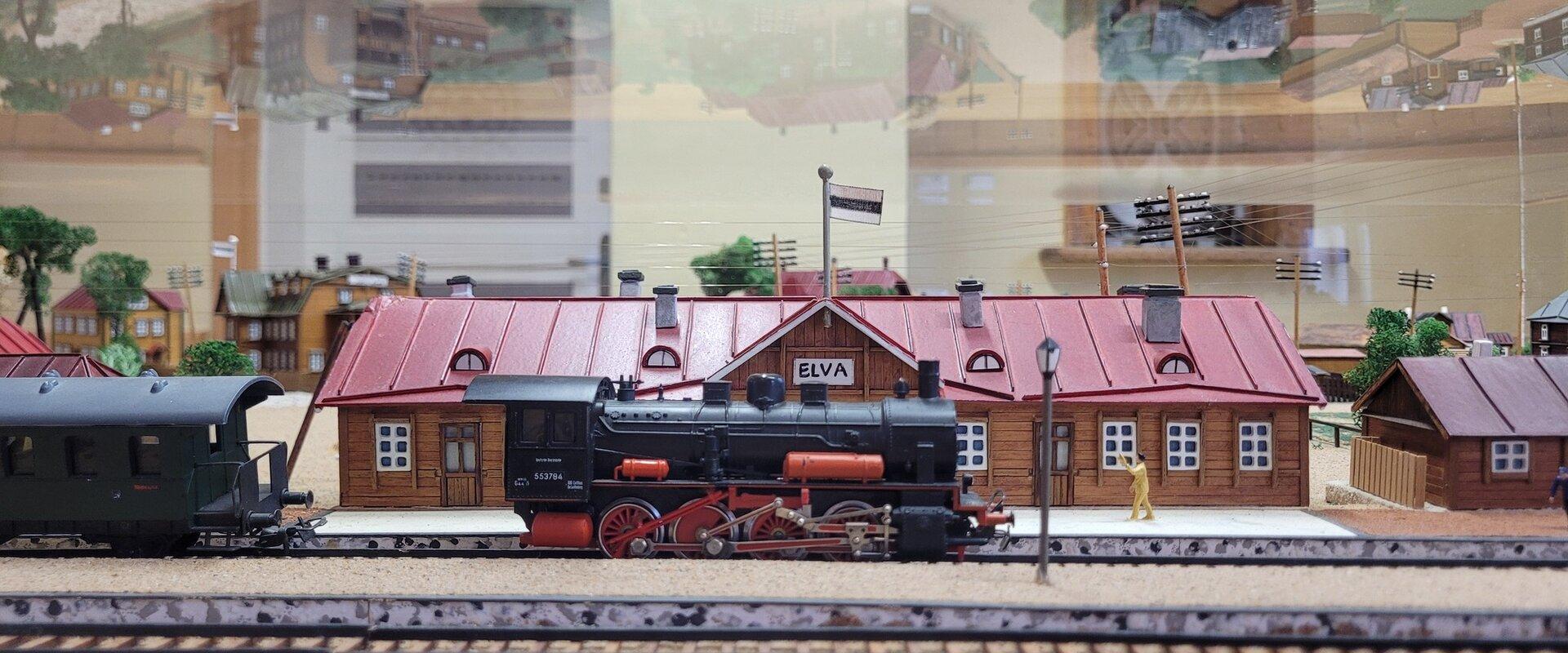
This romantic, historic railway station building, established in 1889, laid the foundation for Elva’s birth and development. Thanks to the railway and the completion of the station building, Elva became a popular resort destination, attracting many holidaymakers.
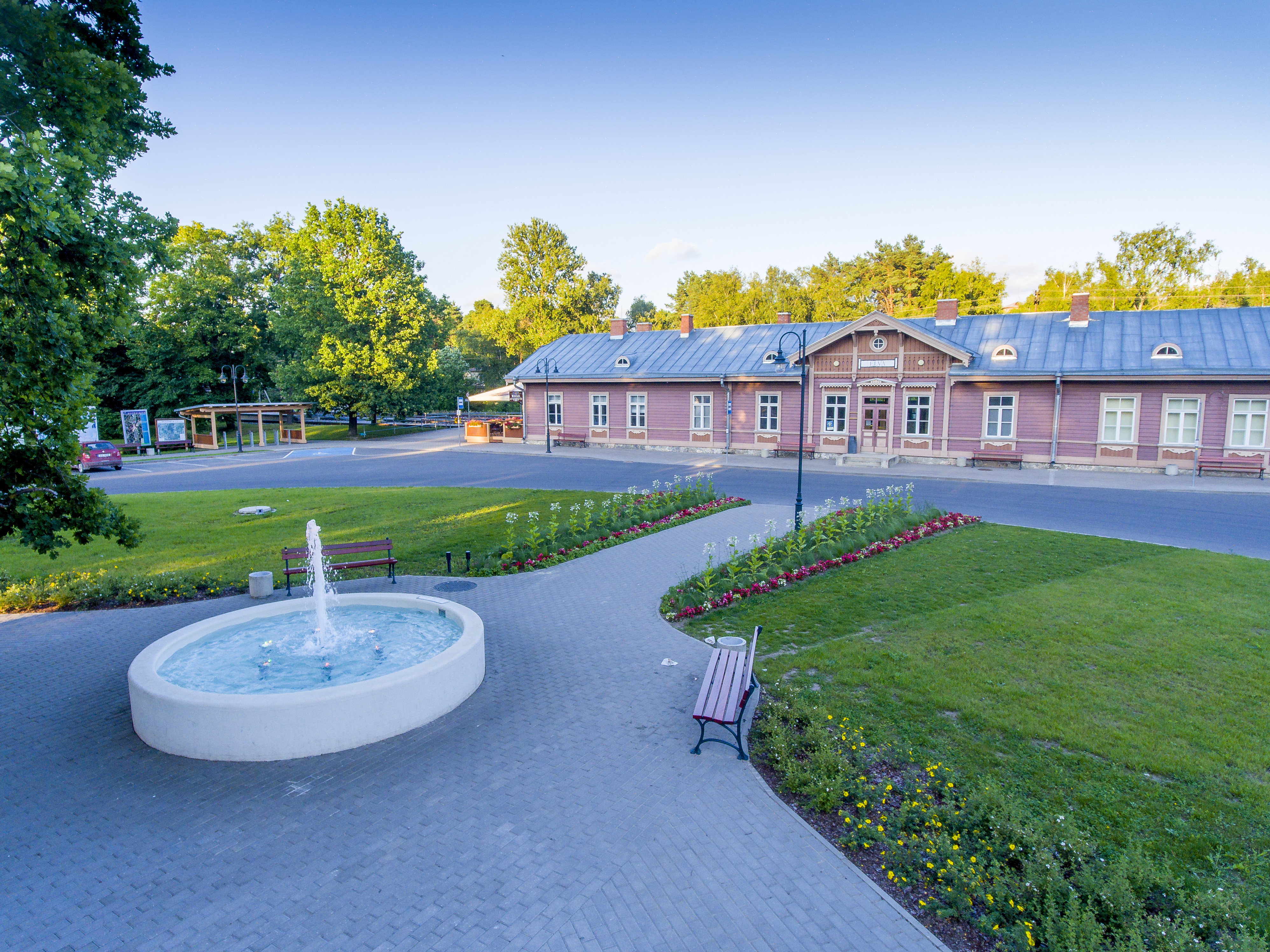
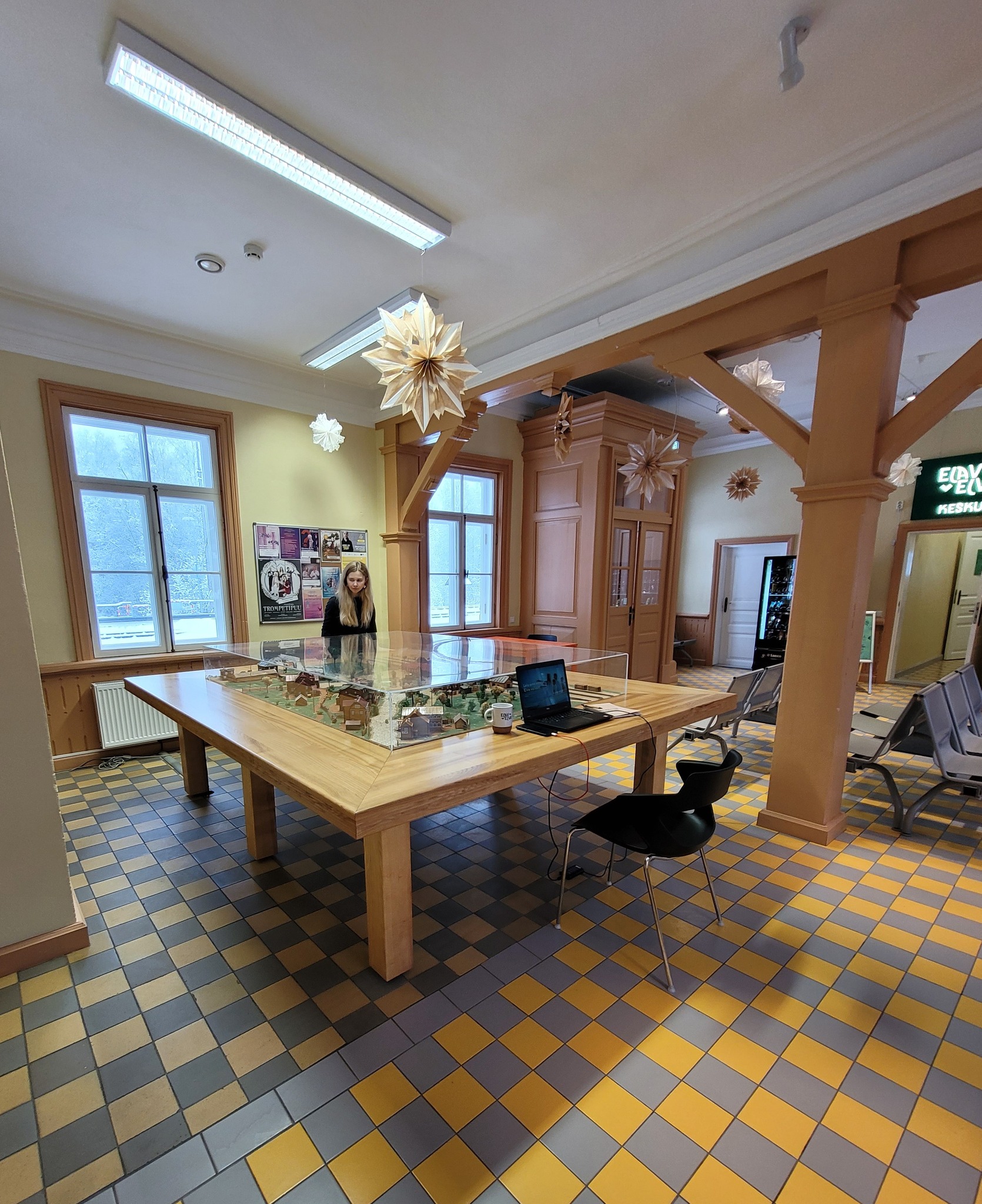
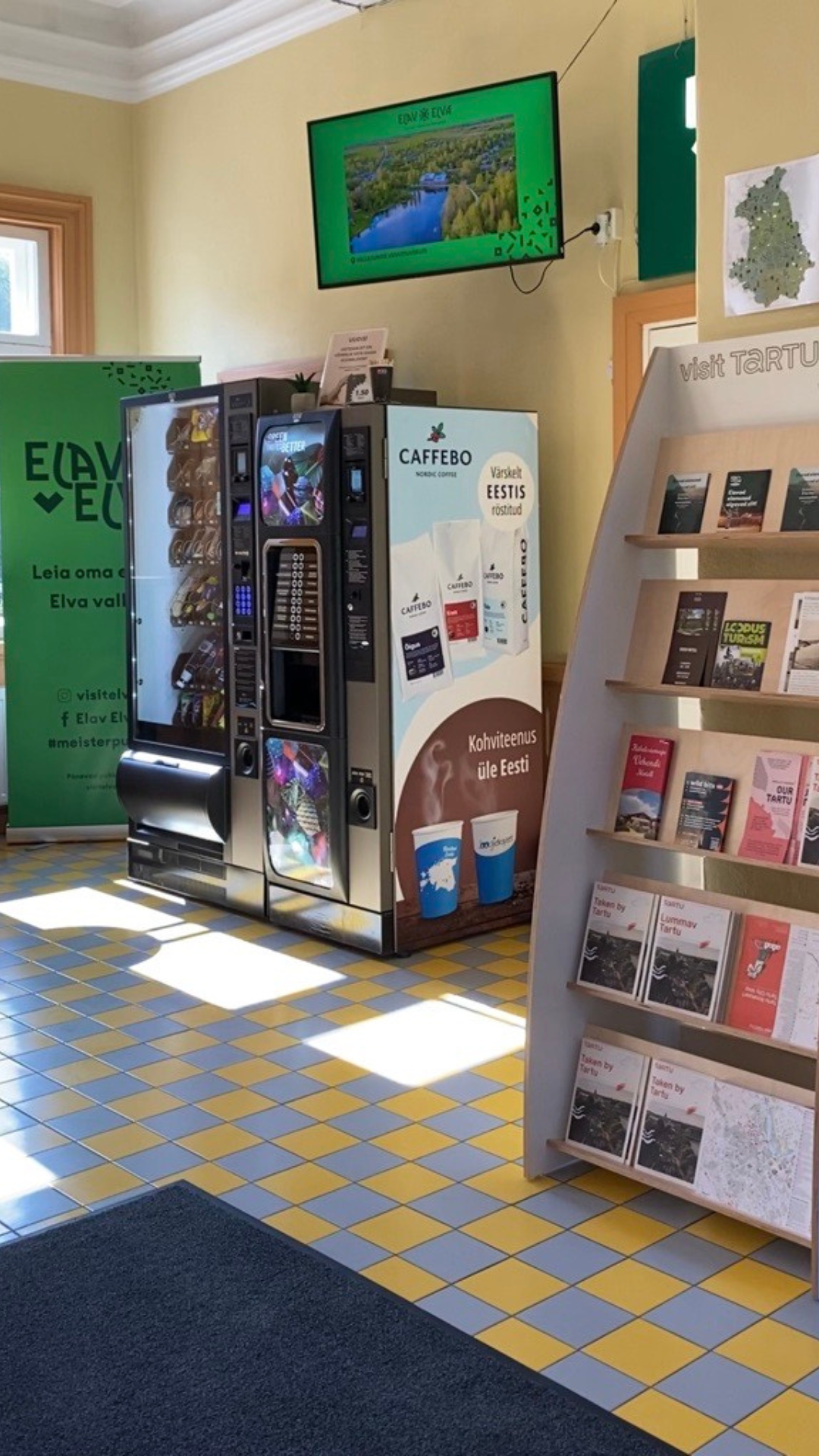
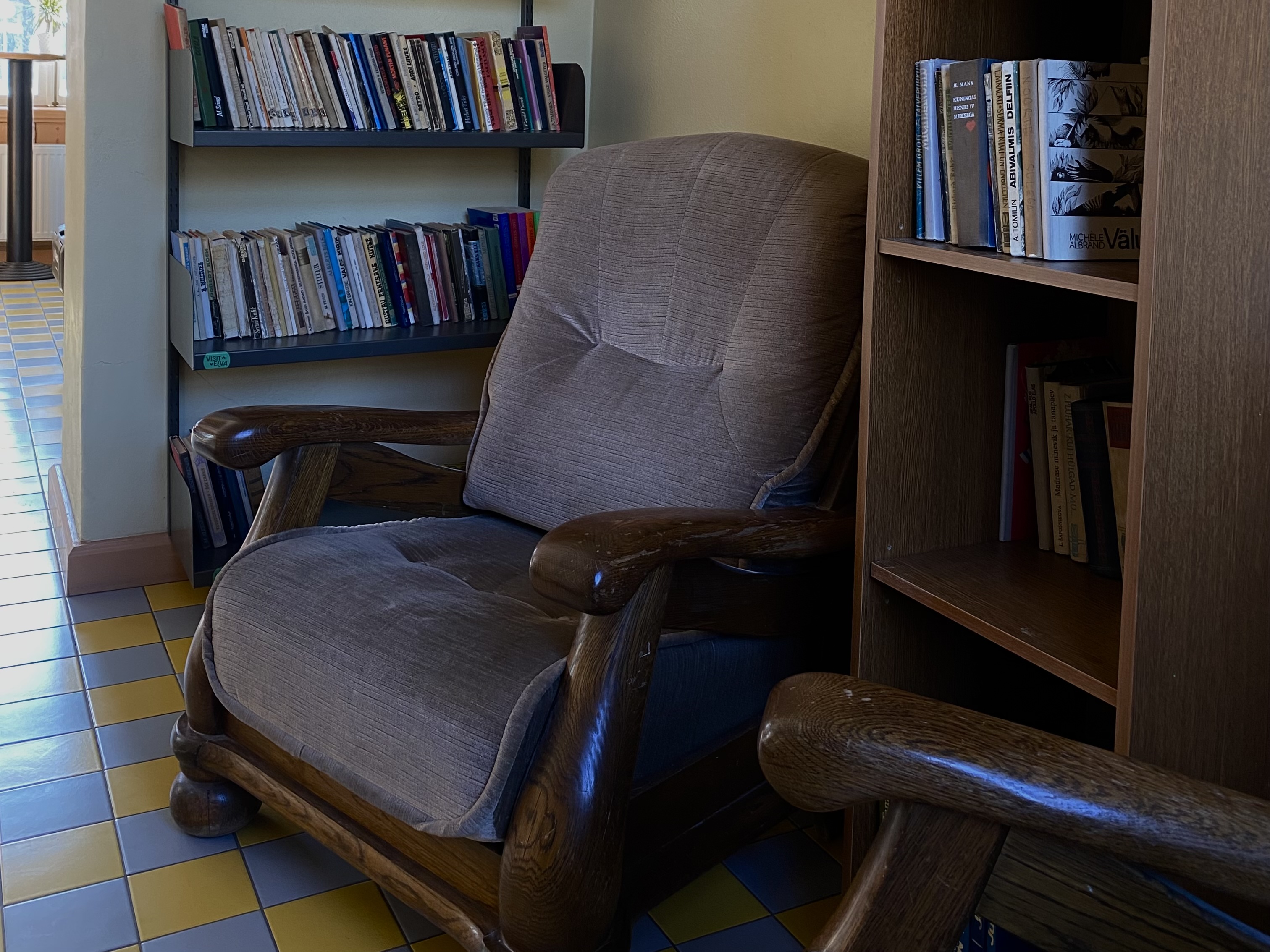
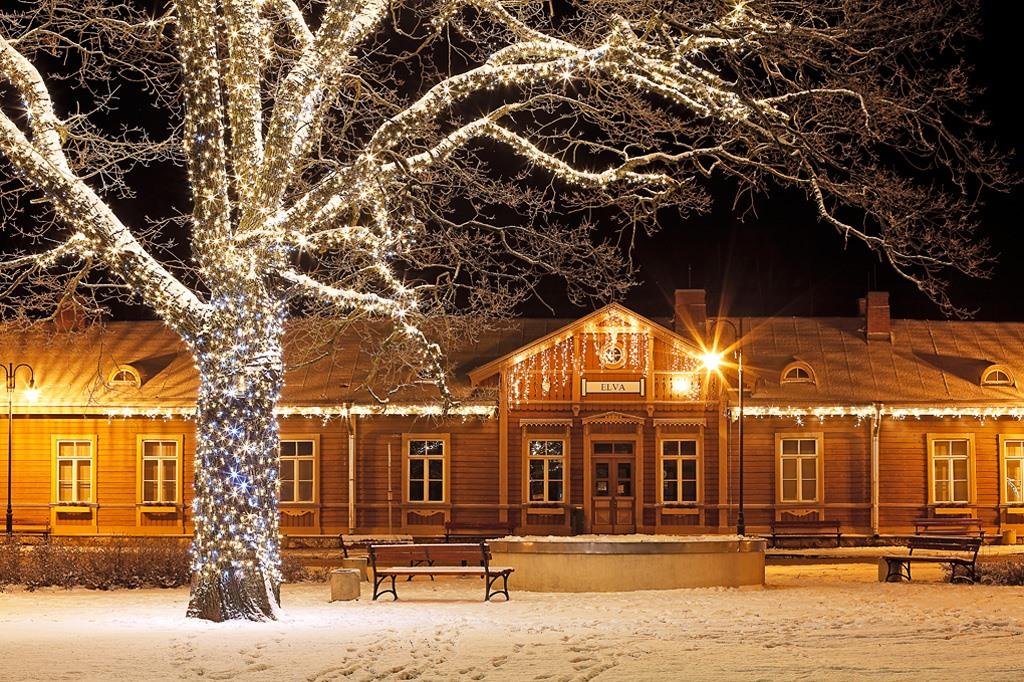
The station building in the heart of Elva is built in a classical style, and its beautiful facade is characteristic of 19th-century station buildings. Due to its architectural value, the building is under heritage protection. The old building, wooden details, and fascinating history create a pleasant backdrop for photography enthusiasts and those intrigued by architecture and history. While waiting for a train or bus, one can browse the lively library in the cozy waiting room, work remotely, or enjoy a hot drink. The station building also houses the café A la Ain, which offers flavors from around the world.
In front of the building is a fountain restored in 2017 with community support. It is the same type of fountain that was originally built there in 1926 and became one of Elva’s symbols in the 20th century.
Mugavused

  • Information boards
  • WiFi
  • Free parking
  • Seminar room

Lahtiolekuajad

Aastaringselt

E-P06:00 - 21:00

Kontakt

  • +372 524 2702
  • turism@elva.ee

Lingid

visitelva.com

Vaata lisaks

A permaculture community garden Emajõe Aed

Emajõe Aed, located by the River Emajõgi, is a public permaculture community garden. Permaculture is a sustainable and environmentally-friendly way of cultivating land, and the aim of the Emajõe Aed is to introduce permaculture and urban gardening to townspeople, enrich the diversity of urban nature, and enliven the urban space.We grow food together in the garden, following the principles of permaculture, and those who wish can become community gardeners. All visitors can explore the garden on their own, and we can also organise excursions in the garden for those who are interested.During the gardening season, public workshops, campfire evenings, and other events take place regularly in the garden.

Tobrova Village Chapel

The small wooden Tobrova tsässon on the right side of the Tobrova-Küllätüvä road looks like a small barn with a modest cross on the roof. This Orthodox chapel built in 1932 is dedicated to Easter – the most important holiday in Tobrova and nearby villages. Behind the Tobrova tsässon is the Luikjärve farm fort: a well-preserved Seto farm with a closed courtyard, which has been restored by the Obinitsa Museum.Contact the Obinitsa Museum for more information about the tsässon and the farm.

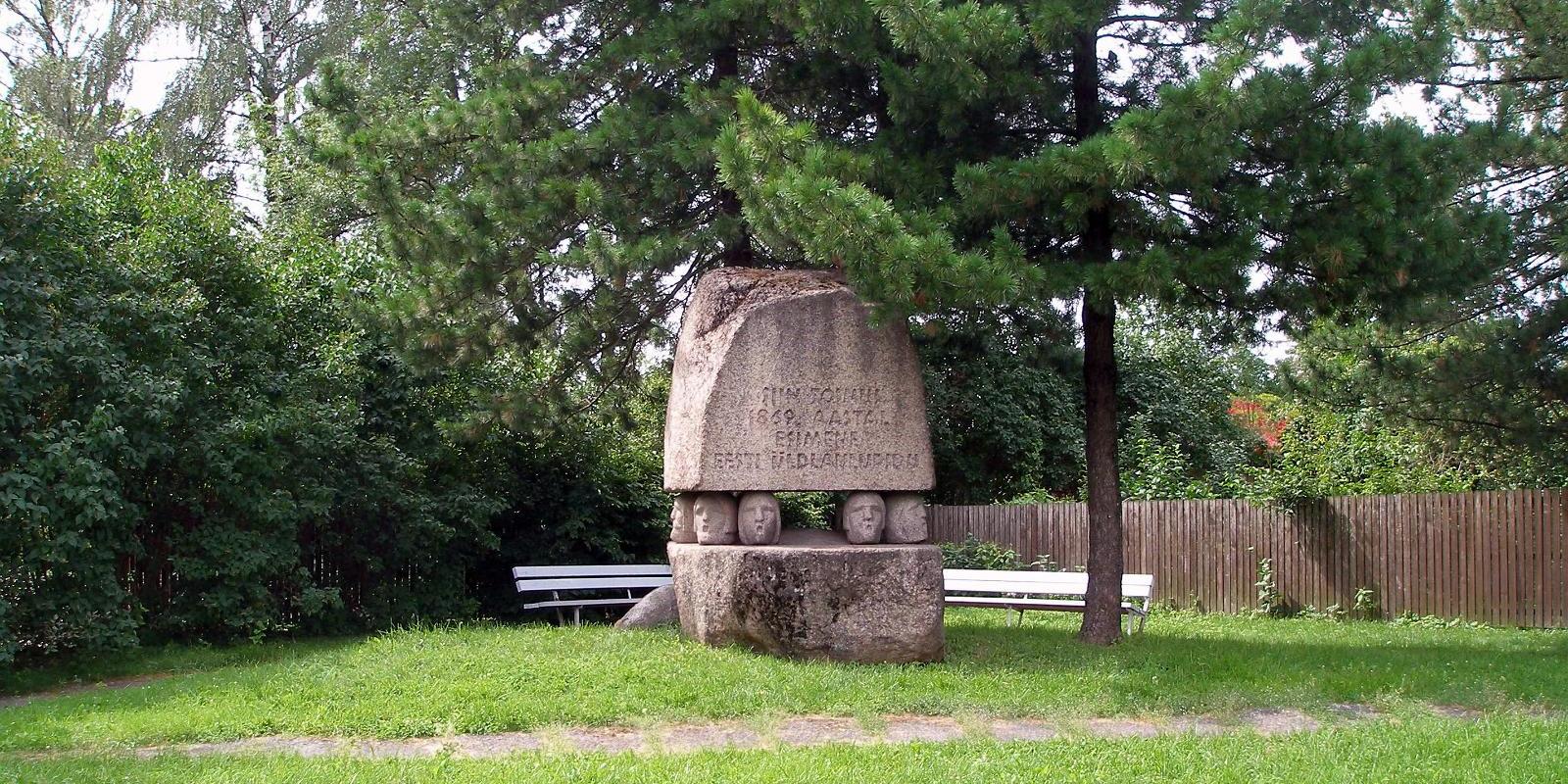
Memorial stone to the first Estonian Song Festival

The memorial stone to the first Estonian song festival was unveiled on the 125th anniversary of the festival in 1994. It was designed by Mati Karmin.Between the two millstones (czarist power and hard work and austerity), the heads are like grains that are being ground. They sing despite the pressure (Mati Karmin XL, 2019).The first song festival was held in Tartu from 18–20 June 1869. It was opened in Toomeoru but mainly took place in the gardens of the Ressourc society opposite St Peter’s Church, which enjoyed beautiful views over the town and the Emajõgi River. The festival was attended by 46 choirs, involving almost 800 male singers and four brass bands. Almost 15,000 people attended the festival.

  • Ruins

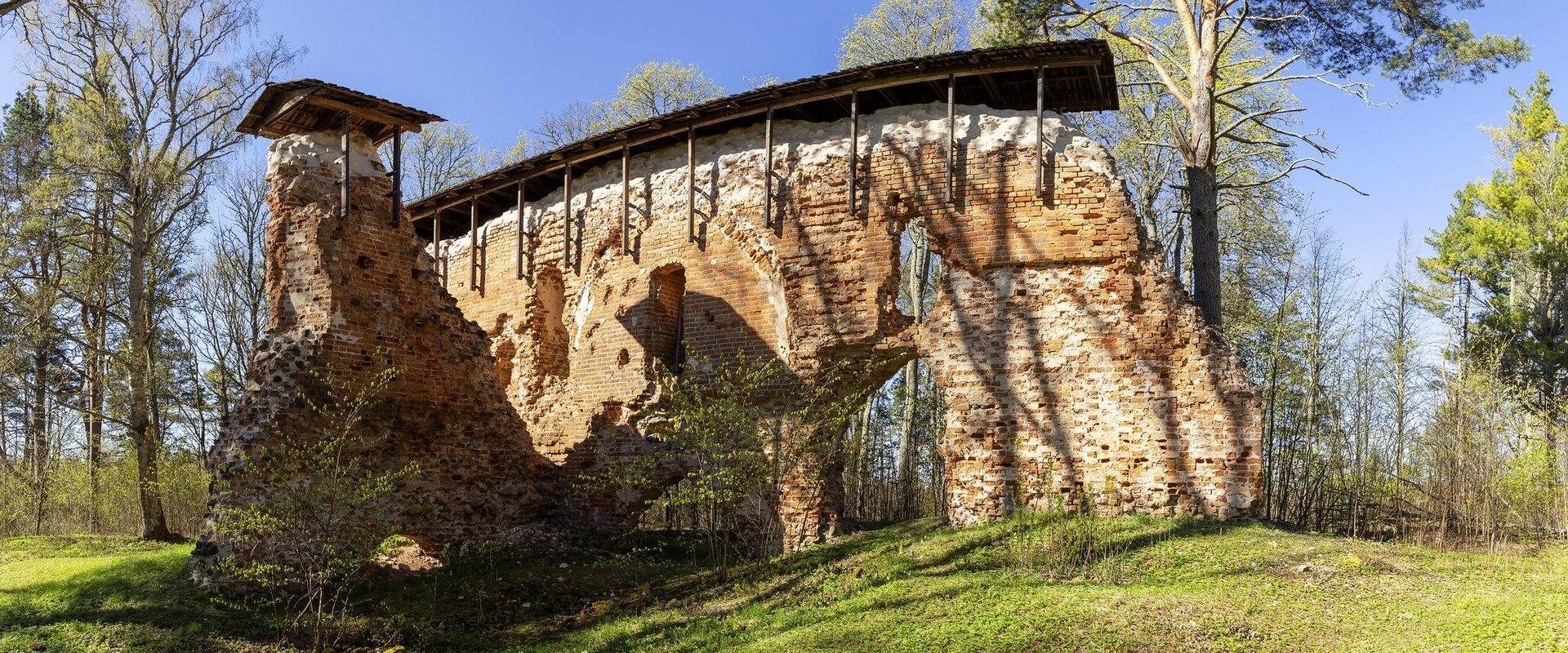
Ruins of Rõngu Vassal Castle

The ruins of Rõngu Vassal Castle are located in Rõngu, Elva Parish, Tartu County, and are among the most fascinating medieval monuments in South Estonia. The castle was likely established in the 14th century as a vassal castle of the Bishop of Tartu and was part of the bishopric's defense system, guarding important roads and the surrounding area. During medieval times, it was a complex of fortified buildings with an inner courtyard enclosed by walls. The castle also housed a chapel, which is mentioned in sources from the early 15th century. The castle lost its significance in the 16th century during the Livonian War when it was destroyed and fell into ruins. Today, the remnants of Rõngu Vassal Castle consist of wall remains located in the picturesque Lossimäe Park. The area is freely accessible and is suitable for walks, exploring history, and photography. The ruins offer an interesting time-travel experience for history enthusiasts and families looking to combine nature outings with cultural heritage exploration.

  • Medical spas
  • Family friendly

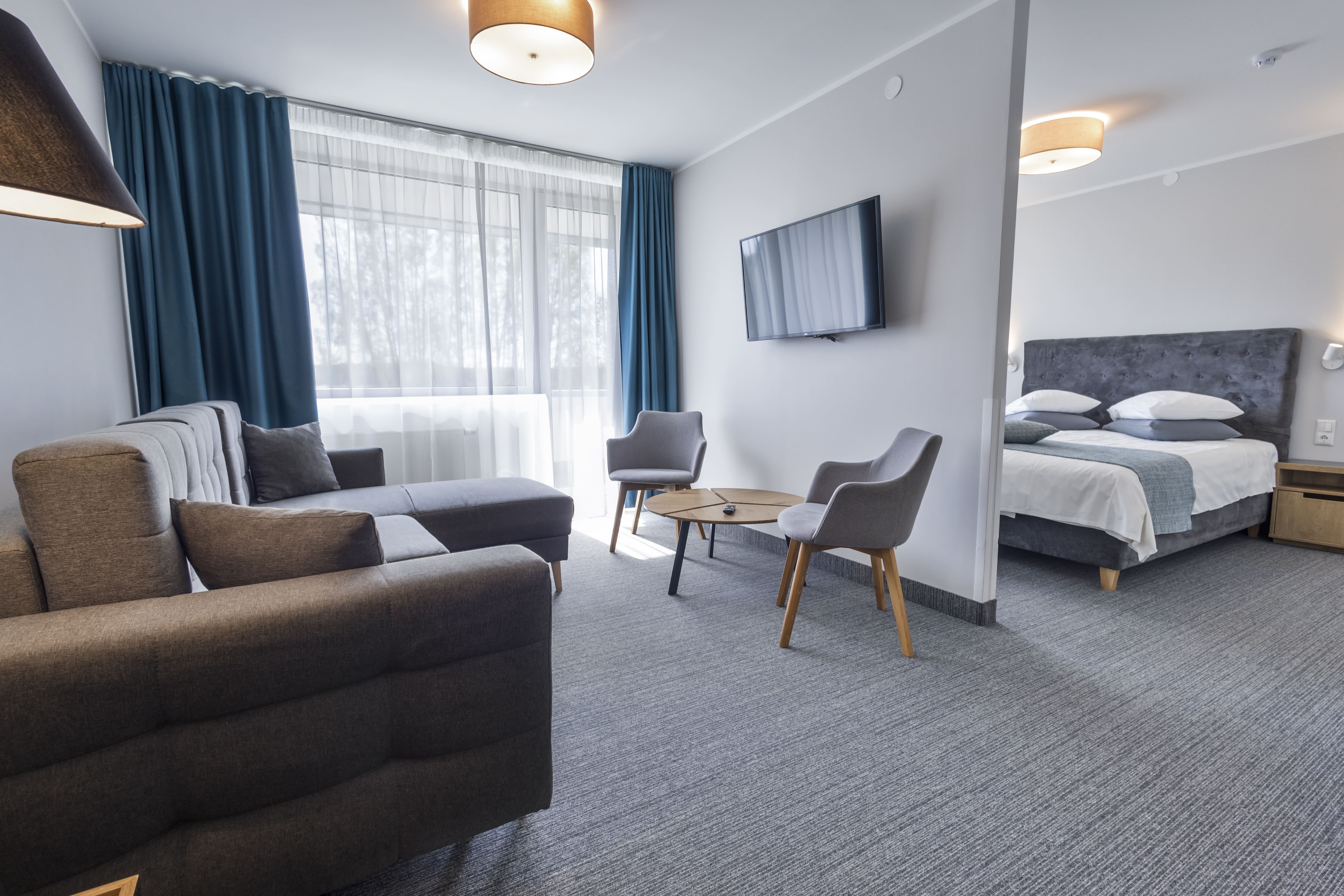
Värska sanatorium Hotel

In the Värska resort treatment Center hotel has comfortable and light-filled rooms. Most rooms have enchanting views of Lake Lämmijärv. Standard rooms, family rooms, and suites. Buffeet catering is offered 3 times a day in the Bay resto. There are mineral water taps in the lobby, where you can drink free Värska Mineral water. A wide range of treatments and treatments, a water park with a sauna world and swimming pool, and recreation facilities in fresh air amid clean nature, 2 cafes and a shop. Seminar rooms (80, 50 and 10) are well suited for organising various gatherings and seminars.

  • Canoeing
  • Guided tours

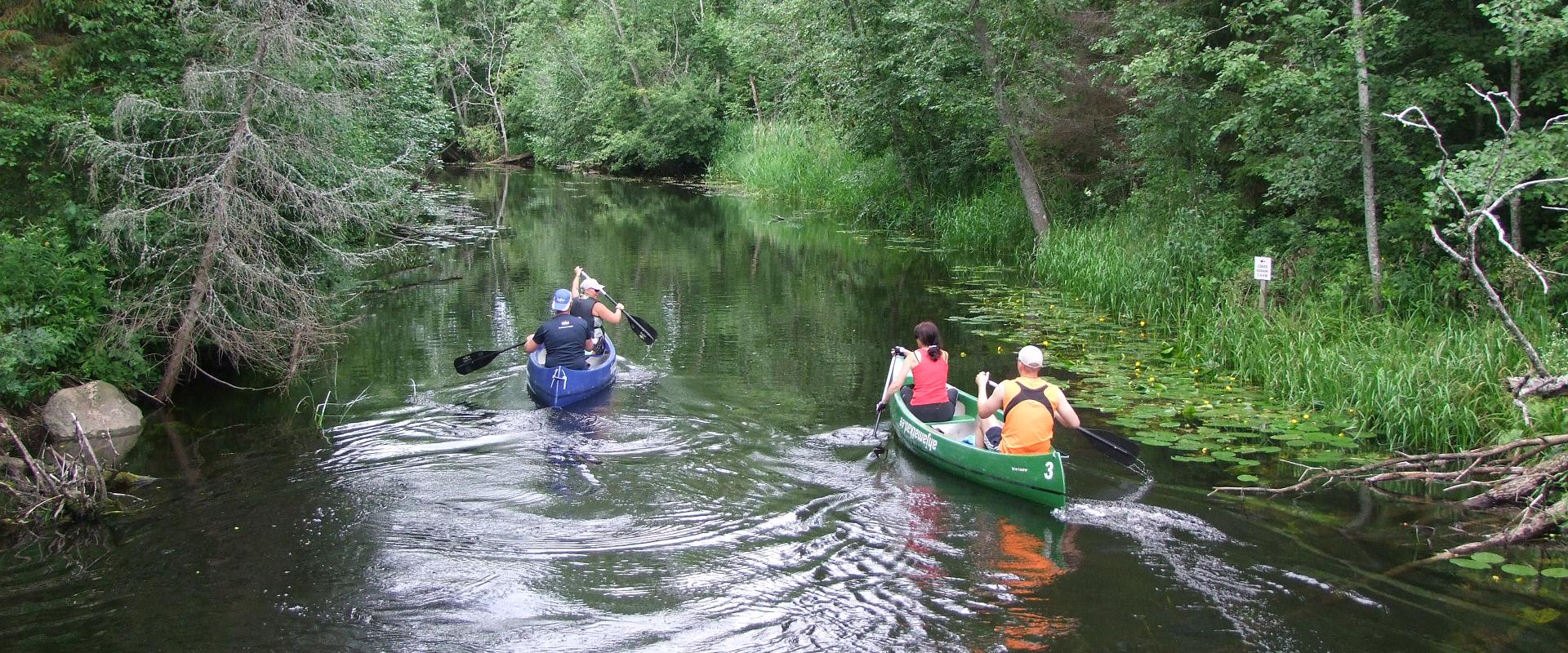
Canoe trip on the Põltsamaa River through Endla Bog

A canoe trip on the Põltsamaa River takes you away from the city directly into the silence of the bog. The Põltsamaa River flows through the Endla Nature Reserve, where views of the authentic bog landscape open up. Nature is constantly changing: water levels, weather, and seasons make each trip unique. During the trip, you can stop and step directly onto the edge of the bog from the canoe to pick cranberries, bilberries, or rare cloudberries. The journey takes you through quiet river stretches, offering real relaxation and the peace of nature. The trip can be chosen as a one-day, two-day, or multi-day adventure. There is an option to make a detour to Lake Endla. A shorter route can be completed at the Kirikumäe campfire site, while the longer route ends at Jõeküla Bridge. If desired, you can continue from there for a multi-day journey. The Põltsamaa River is known for its clear water and is very popular among fishermen. Before or after the canoe trip, it is worth exploring the nearby springs (Norra Springs, Oostriku Springs, Sopa Spring, etc.). A true nature experience awaits — grab a paddle and come discover!

Räpina Paper Factory

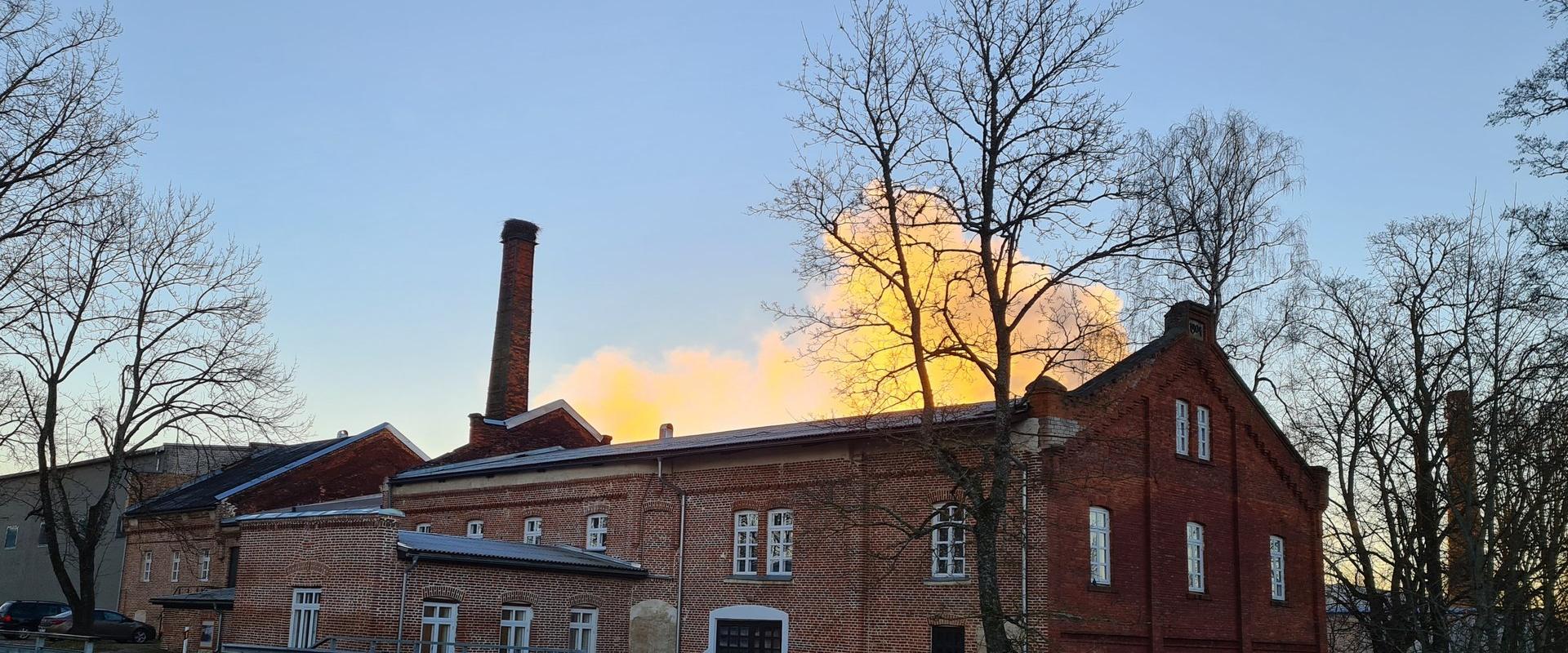
Räpina Paper Factory (originally a paper mill) was completed in 1734, making it the oldest Estonian industrial company to still be in operation. It is also one of the most unique examples of industrial architecture in Europe. The first paper machine arrived in Räpina from Germany in 1873, which was when the mill became a factory. It produced a variety of paper for writing and printing. Three more machines were later introduced to the factory, one of which is still in use - if a little rejigged - today.As a company that cares about the environment, the factory aims to combine contemporary and environmentally friendly production technology with 300 years of production experience.

The Suites of Alatskivi Castle

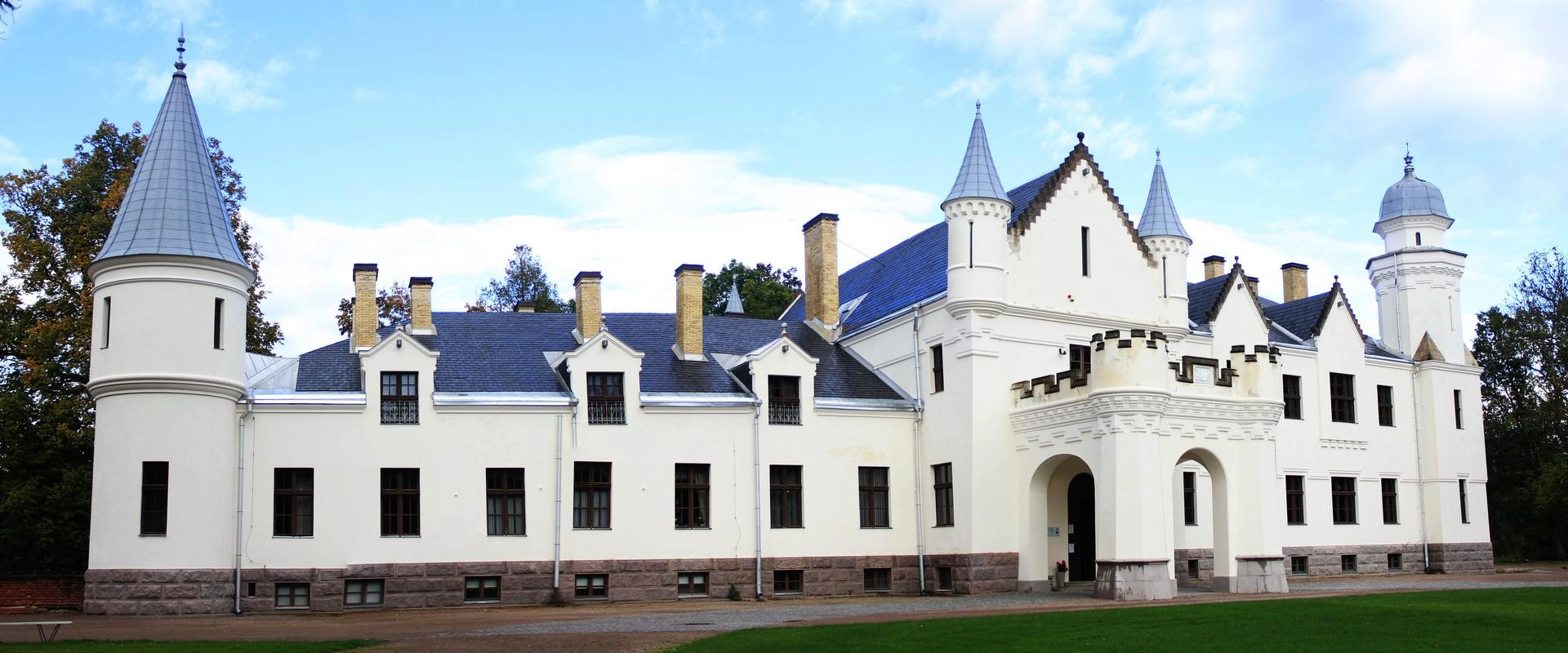
Spend a night in a fairy tale castle! Four rooms with accommodation for up to eight people await on the second floor of Alatskivi Castle. Each room has a WC and bathroom. In the Tower Room, the most luxurious room of them all, the bed has been placed in a niche in the corner tower. Two of the rooms, the Chambermaid Room and Governess Room, can be combined into one family room.Prices include breakfast in the Castle restaurant.

  • Privacy Policy

"*"обозначает обязательные поля

Это поле используется для проверочных целей, его следует оставить без изменений.
Я разрешаю маркетинг