• Открой
    • Еда
    • Природа
    • Культура
    • Семья
    • Спорт
    • Сообщество
    • Блог
    У Вас появились свободные выходные, чтобы провести с детьми? Здесь собраны лучшие места в Южной Эстонии для семейного отдыха
  • Планируй
    • Размещение
    • Информация
    • Varamu
    Sustainability
RUS
  • РусскийRUS
  • EestiEST
  • EnglishENG
  • LatviešuLAT
  • SuomiFIN
RUS
  • РусскийRUS
  • EestiEST
  • EnglishENG
  • LatviešuLAT
  • SuomiFIN
Populaarsed otsingud:
Näita kõiki tulemusi
  • History & Culture
  • Architecture and history

Võru State House

Jüri tn 12, Võru linn, Võru maakond, 65605

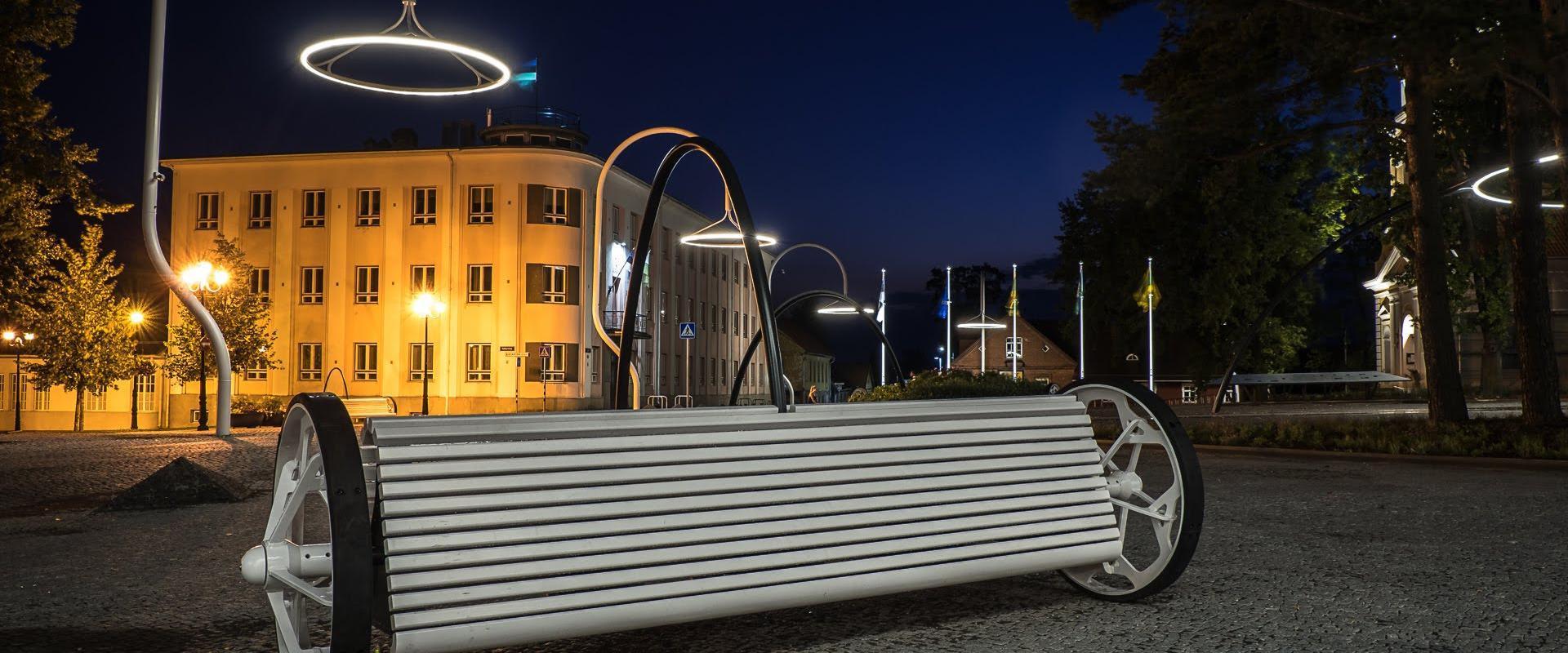
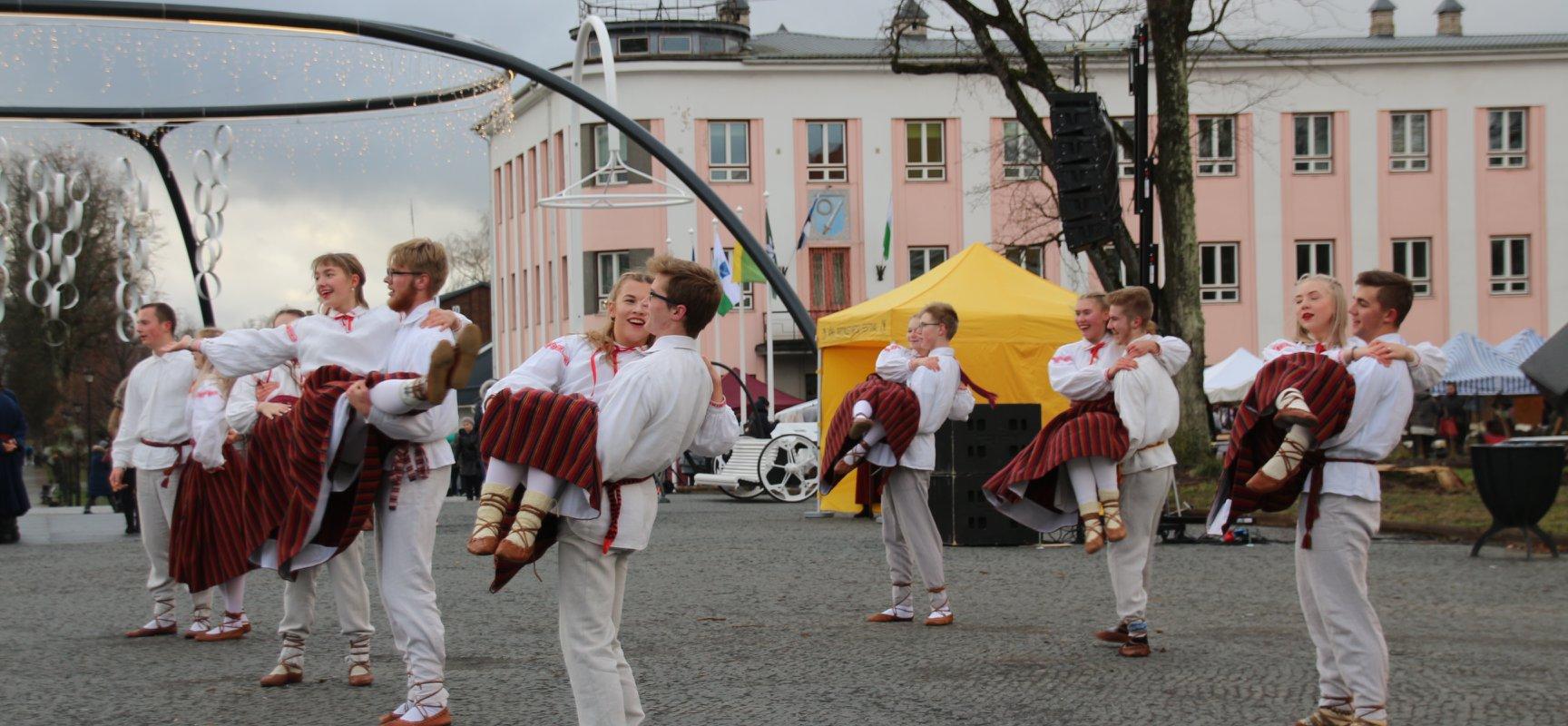
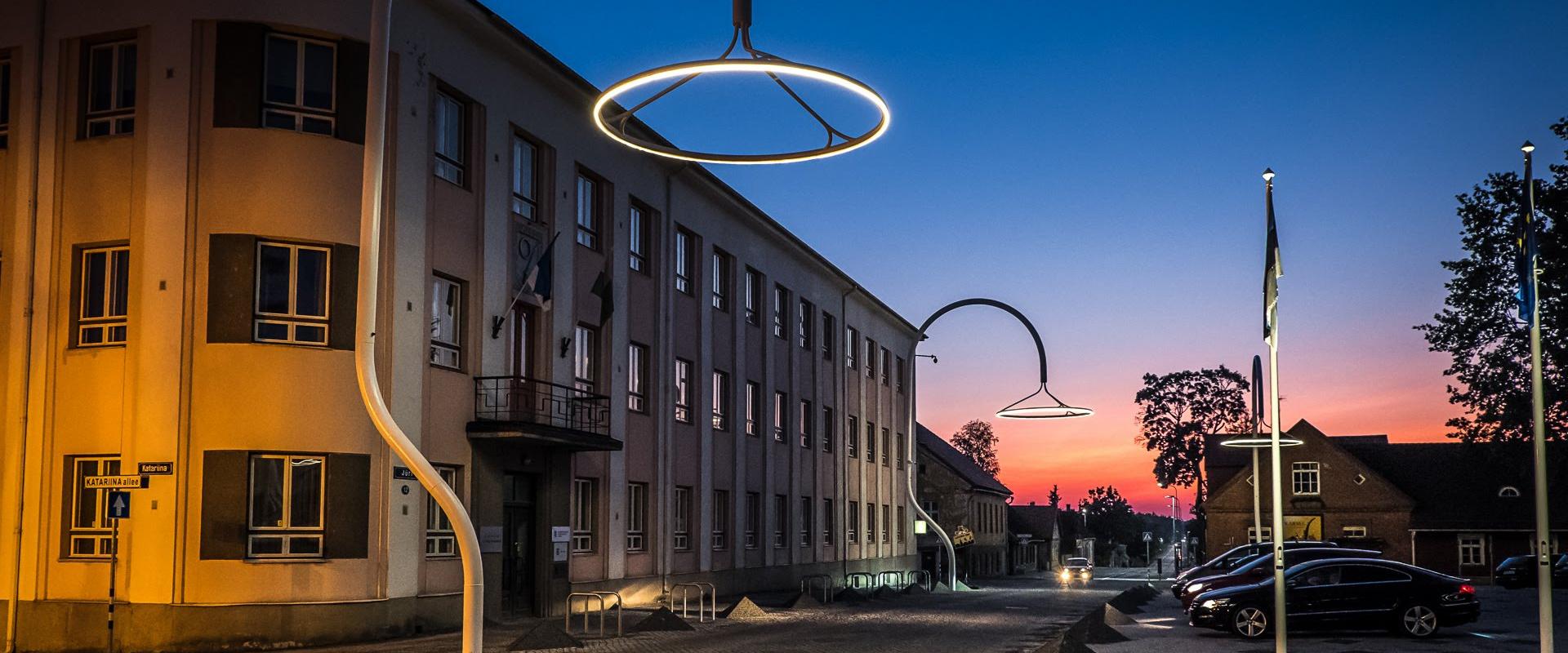
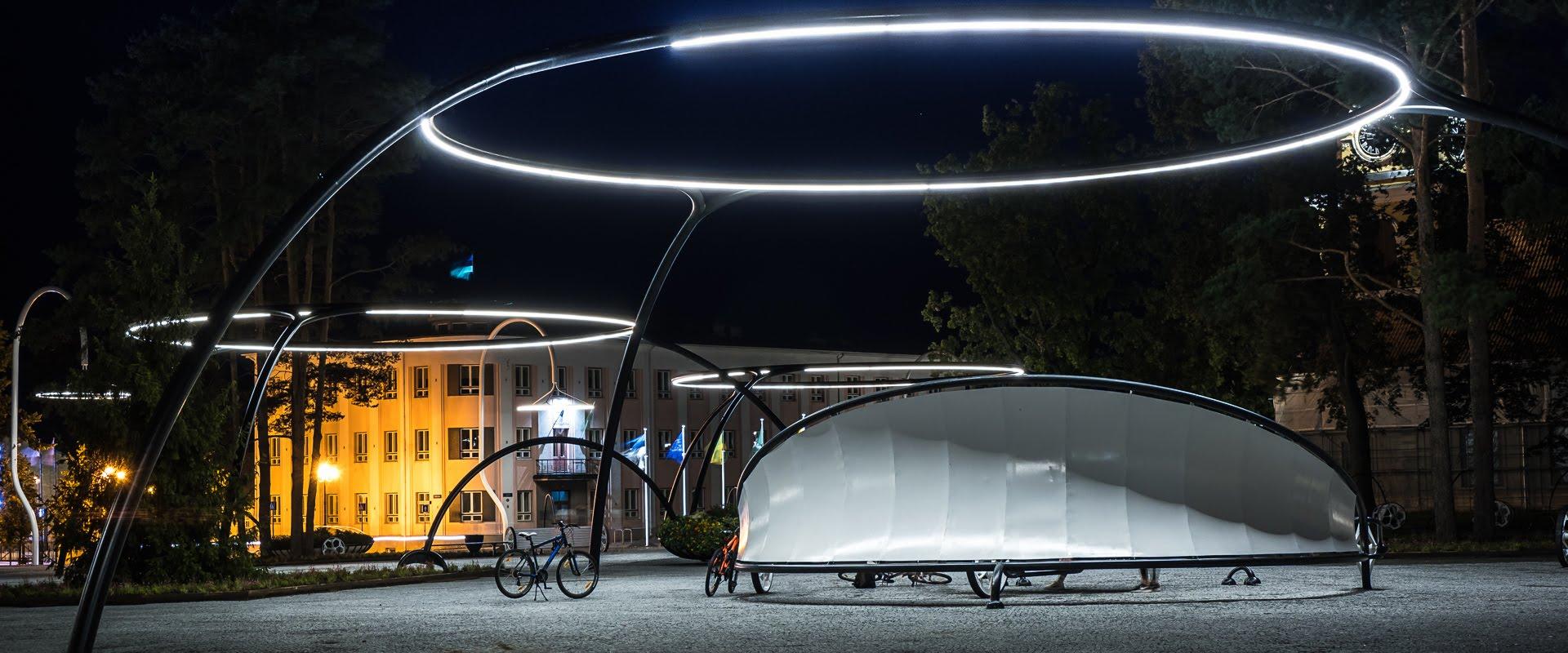
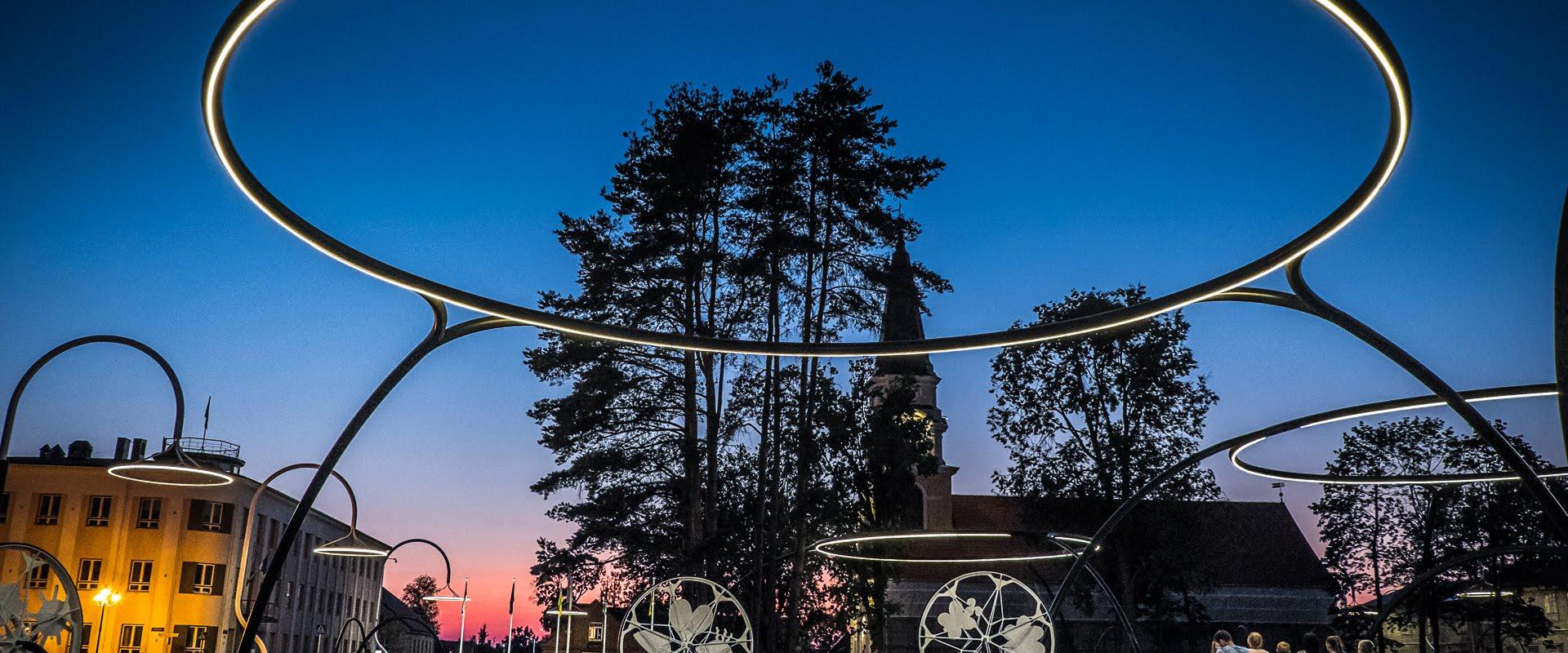
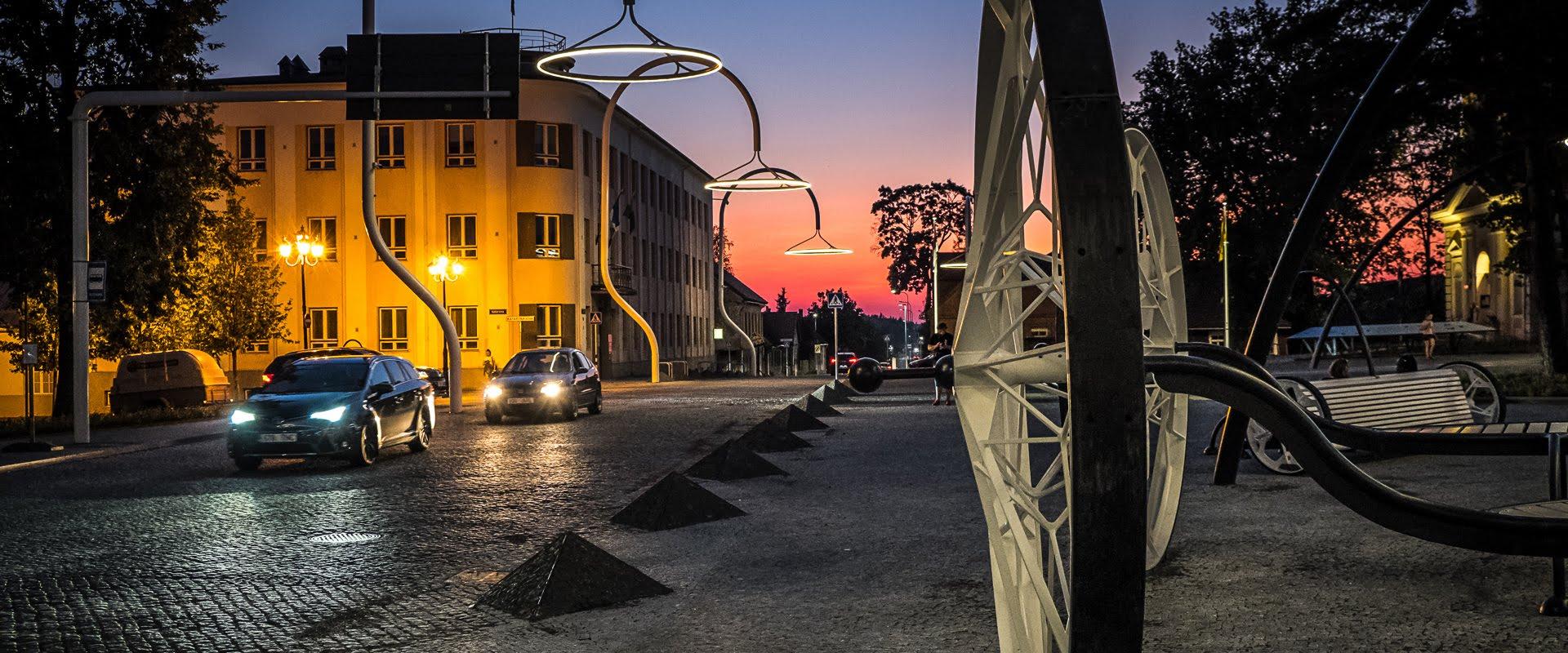
The central square is surrounded by prominent stone buildings, which enrich the architectural look of Võru that is mainly home to wooden houses.Designed by architect Henn Kuvasto, the functionalist building was completed in 1938 for the county government. Before that, the Võru postal station of the historical Tartu–Võru post road was located at the same place. The house has always been used as an administrative building and today, it functions as the Võru State House.
Mugavused

  • Information boards
  • Free parking

Часы работы

Круглый год

Eemalt vaadeldav

Контакты

  • voru@visitestonia.com

Ссылки

Подробнее

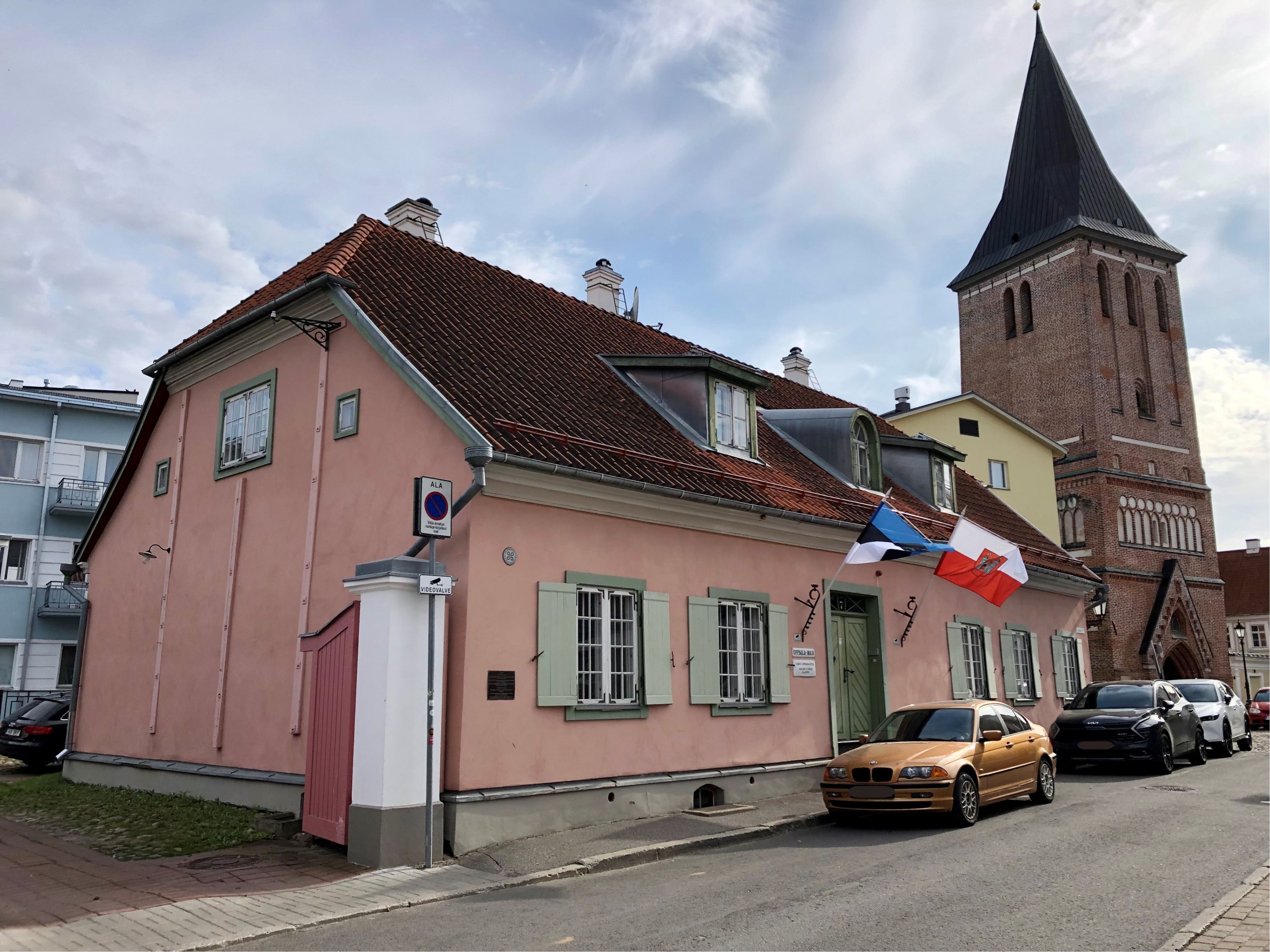
Uppsala House in Tartu

Uppsala House is a typical 18th century citizen’s home – a one-storey building with a mansard roof. In 1993, the cities of Uppsala and Tartu entered into a cooperation project 'Restoration of Old Buildings'. This led to the restoration of Uppsala House, which currently belongs to Tartu City Government.Did you know...? The families of a secretary of the highest Livonian court, a saddle maker, tailors and representatives of many other interesting professions have lived in the building at different times. There were rental flats for students in the building in the beginning of the 19th century.Only the exterior of the Uppsala House can be enjoyed by the visitors!The building is listed in the Estonian National Register of Cultural Monuments.

  • Manors

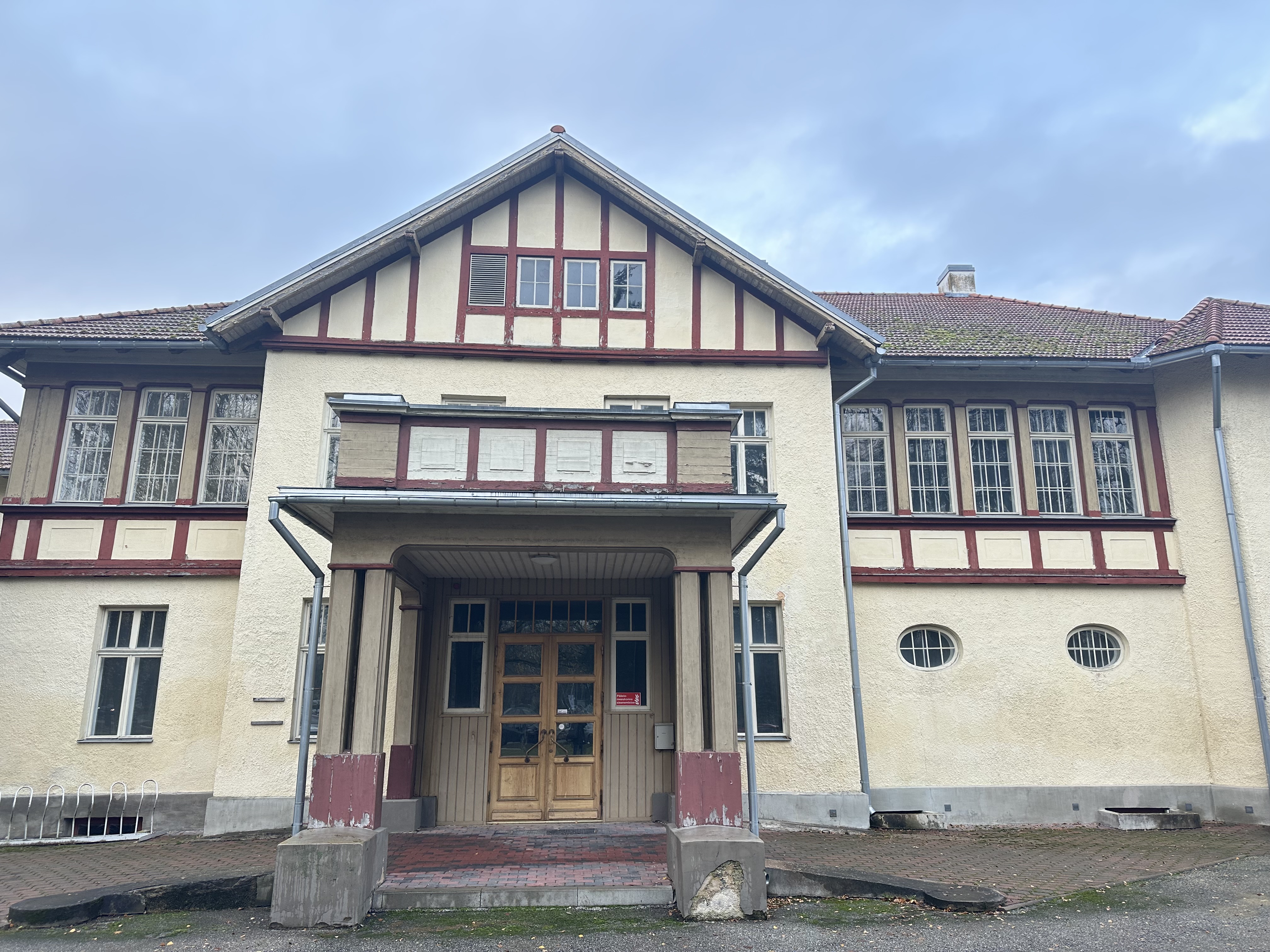
Tähtvere Mansion

Tähtvere Mansion was first mentioned in 1515 and belonged to the Bishop of Tartu in the Middle Ages. In 1919, part of the lands of Tähtvere Mansion were sold as the first building plots of Tähtvere District. The main building of the mansion (built in 1910 in the heimat style) has been preserved and is used as one of the study buildings of the Estonian University of Life Sciences (an extension has been added to it).The surviving outbuildings of the mansion are a small animal barn, a maid's house, a barn/grain dryer, a cattle barn, a farmhand's house, and a smithy.The Mansion can only be seen from the outside and it can also be seen for example in the guided bicycle tour "Tartu City Mansions".

  • Shopping centres

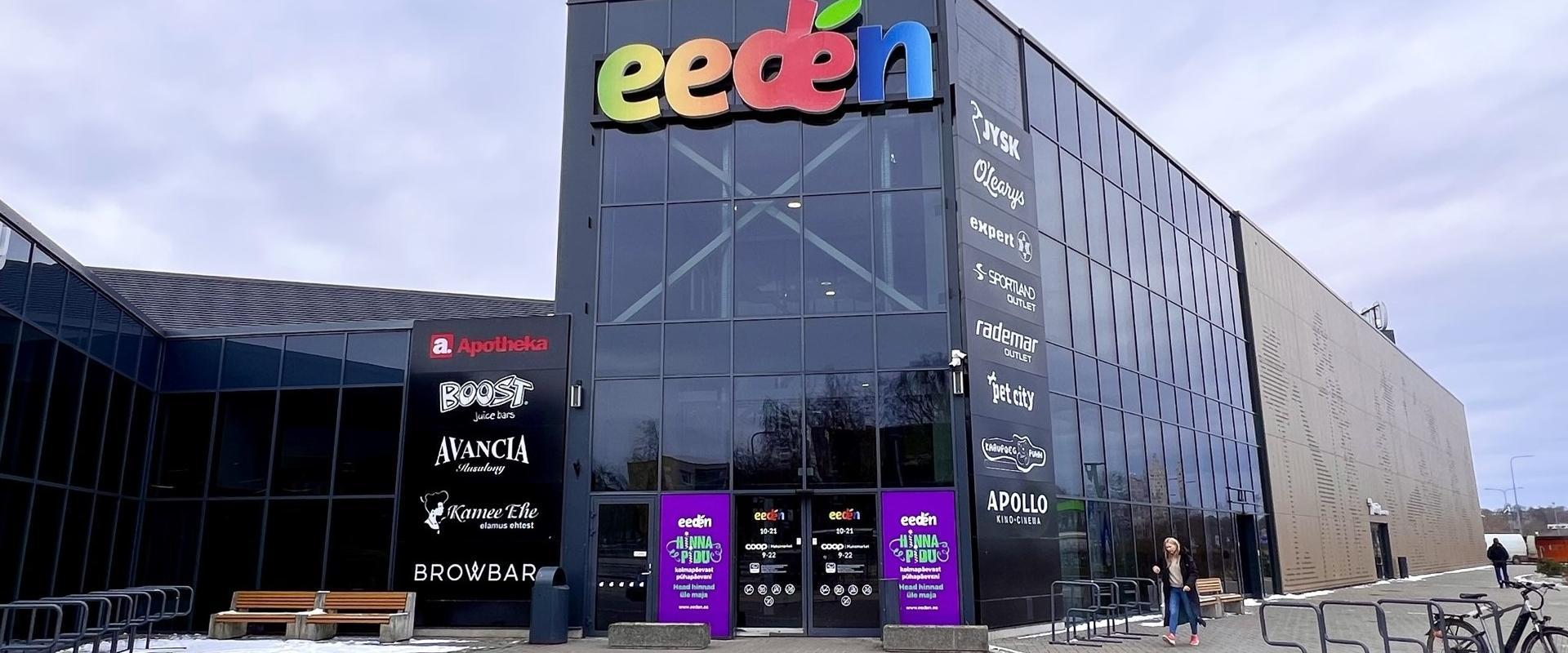
Eeden Shopping and Leisure Centre

Eeden is a community centre that offers its customers everything they need on a daily basis: groceries, clothing and footwear, cosmetics and jewellery, household and technical goods, children's goods, pet goods, animal clinic and grooming salon, FitLife sports club, parcel machines, Apollo cinema, etc.There is a convenient car park on the side of the building that faces the A. Le Coq sports centre. The car park has 314 parking spaces on three floors.You can eat at O'Learys, Chi, Chopsticks, Poke Bowl, Hesburger, Boost Juice Bars, Pizzakiosk, Sõõrikumeistrid donuts, and Coffee In & Yo.

  • Churches

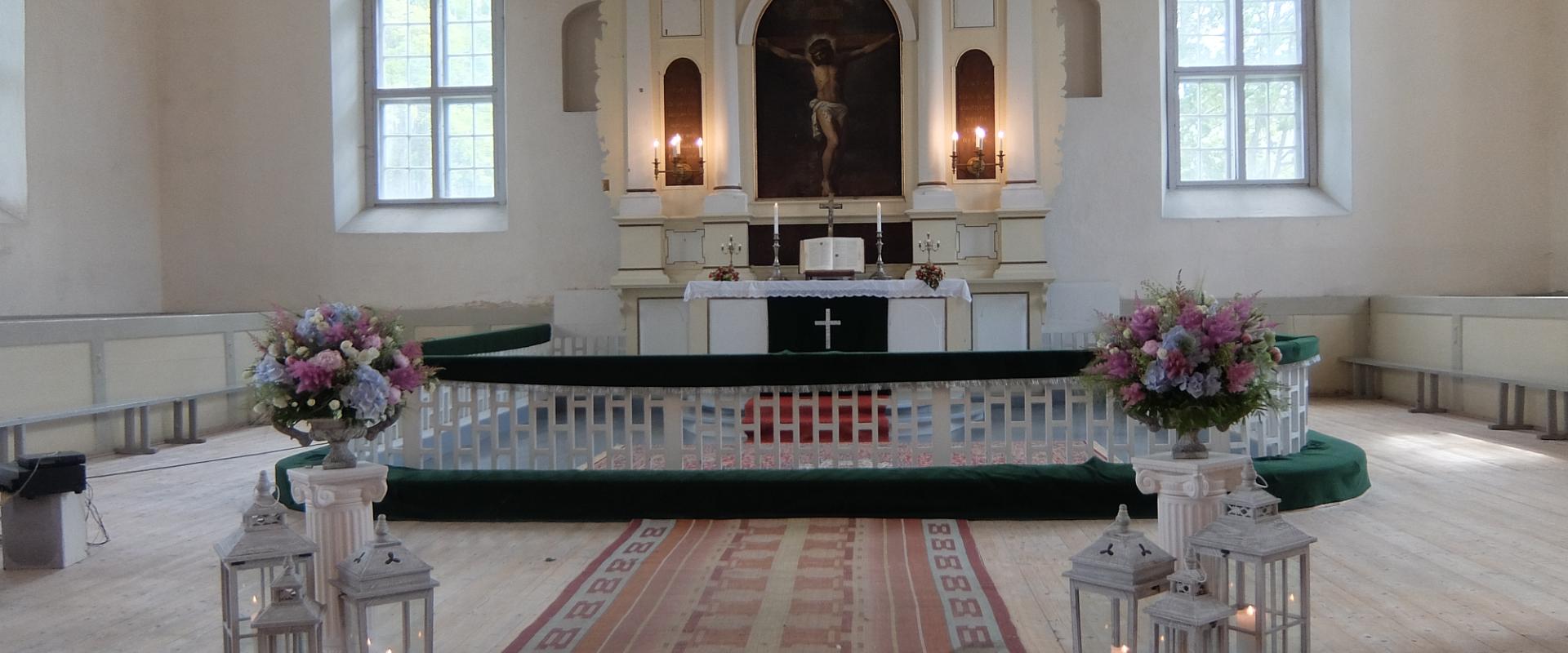
St. Mary’s Church in Rõuge

The first stone church was constructed in Rõuge in the 16th century. In 1730, the original church, which was destroyed in the Great Northern War, was replaced with one which had an imposing square tower. The church was blessed in the name of St. Mary. The altar-piece "Christ on the cross" by R. von Mühlen is from 1854. In 1860 the walls were made higher and a mirrored arch was installed. In 1930 the church got a 31-register organ built by the Kriisa brothers. The first Estonian pastor in Rõuge was Rudolf Gottfried Kallas.Useful information! You can attend mass at the church every Sunday at 11:00 and in summer, the church is used as a wayfarers' church. Entrance to the tower is for a fee (grown ups 1.50, children 1 and family ticket 3 euros).

  • Churches

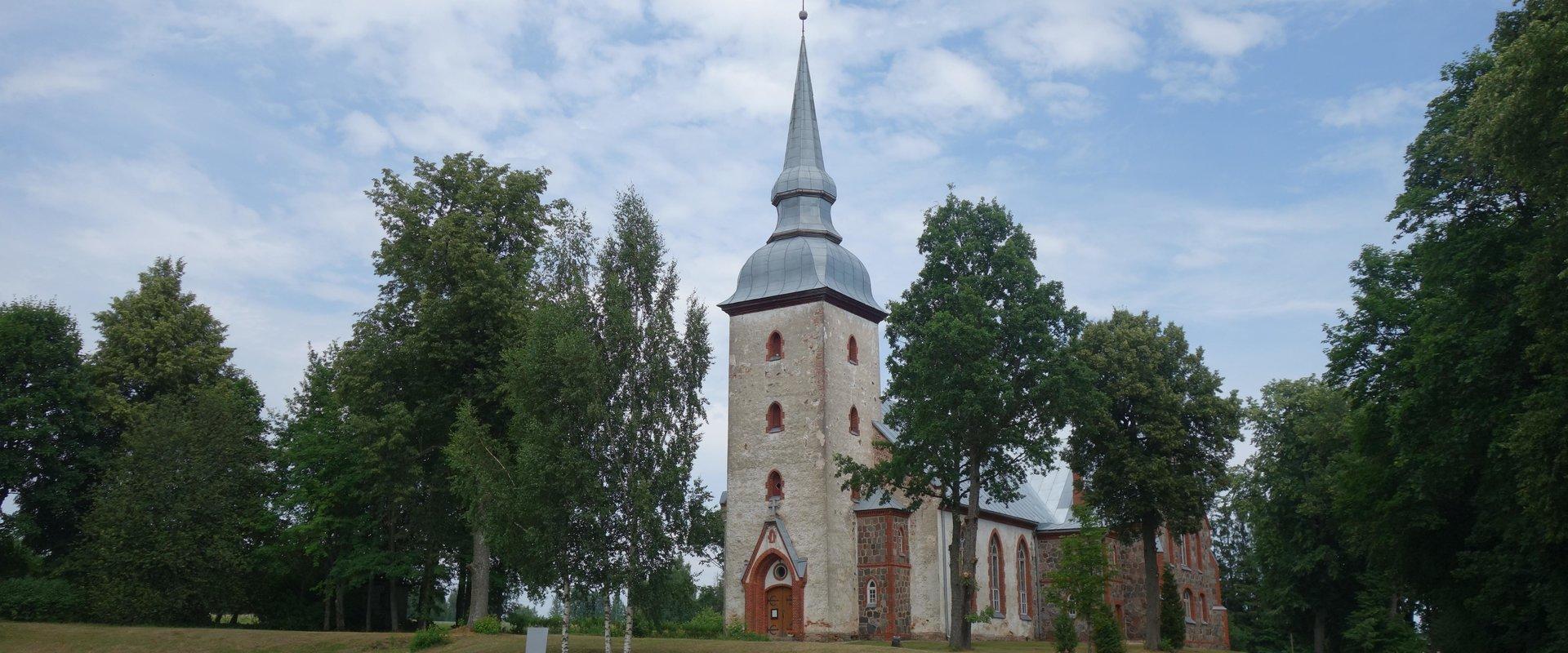
Vastseliina Church

Vastseliina Castle was built in 1342. The Swedish Army gave the order to build another church outside the walls of the castle as an addition to the Vastseliina Castle Chapel. The new church was consecrated as St. Catherine's Church. The church was destroyed together with the Vastseliina Castle by Russian cannon fire. Another church was built, and construction began on a stone church. Von Liphardt donated an organ made by Kessler and an alter painting by Baron Maydell to the church. Vastseliina Church was reconstructed according to the plans of the architect Pohlmann. In 1911 the church obtained a new organ built by the brothers Kriisa. Church service is held on Sunday.

  • Estonian handicraft

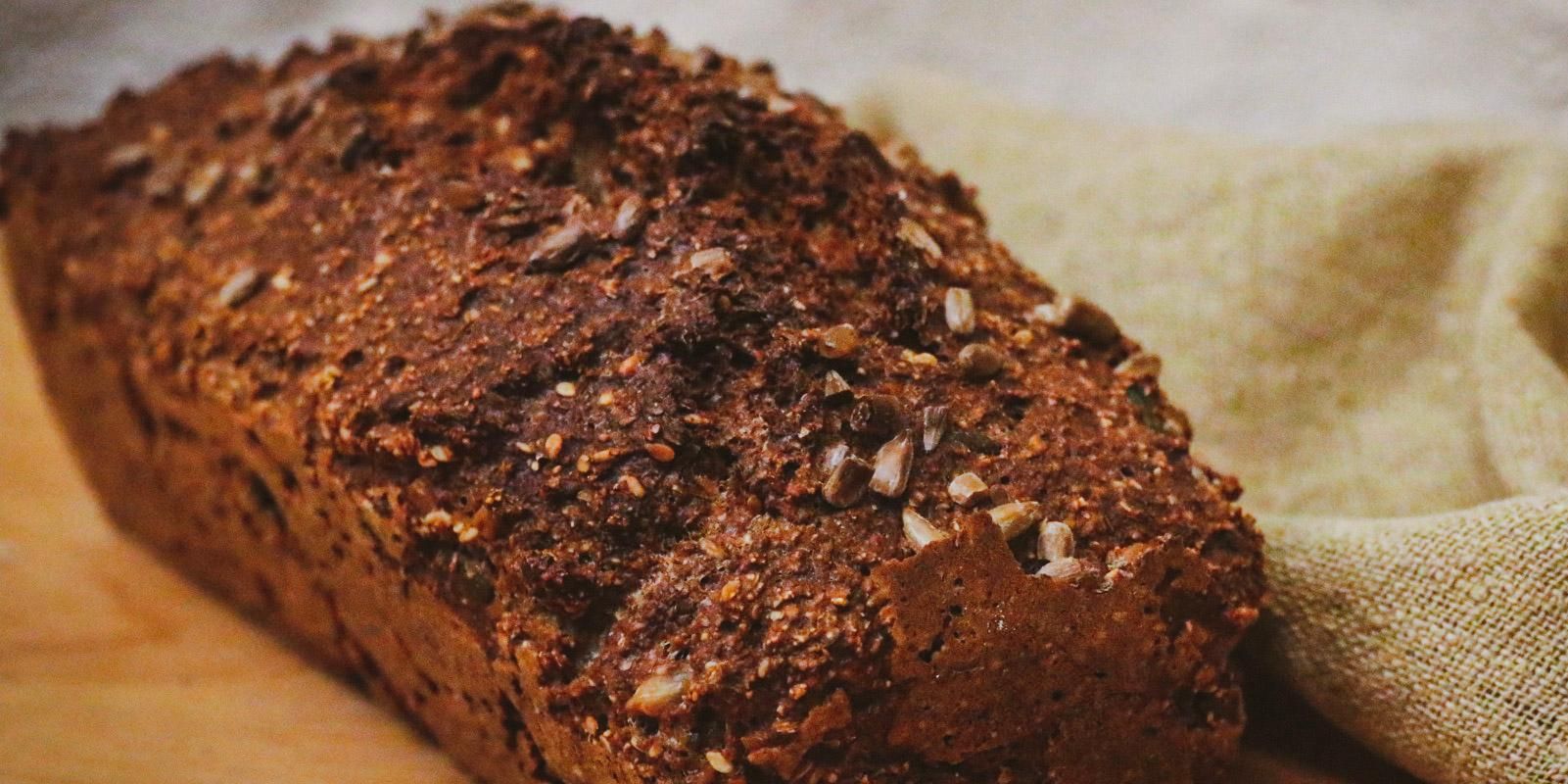
Bakery Rosiine Leivad

Rosiine Leivad is a bakery located in the Old Town of Tartu, where all products are made on-site. There are more than 15 different breads, both savoury and sweet. Wheat flour, sugar, and yeast have not been added to the breads made from whole rye flour with apple juice and fermentation starter. The bakery also makes soda bread, snacks, and cookies. We also sell nostalgic products such as honey bread, pumpernickels, and Tallinn breads. No preservatives have been added to any of the products.Rosiine Leivad is named after our grandmother Linda Rosiine who taught us to bake genuine rye bread.Bread made with love – healthy and delicious!

  • Churches

Elva Church of the Estonian Evangelical Lutheran Church

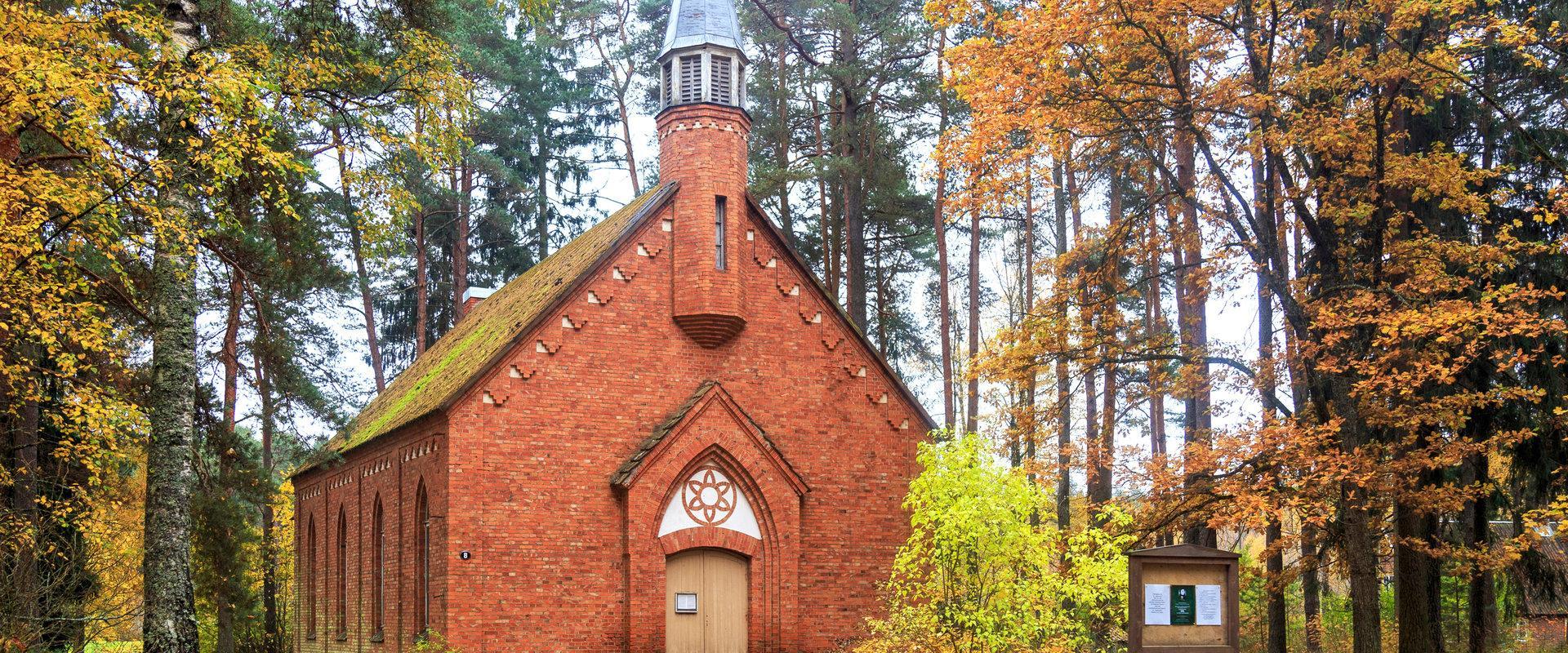
You will find this historicist red-brick church (architect Arved Eichorn), which is the first new church built in the Republic of Estonia, in the peaceful little town Elva. Tartu St John’s Congregation used to operate in Elva for some time. This is why some details of the Elva Church remind of Tartu St John’s Church – the rarely used plaster and brick imitation of a rose window on the western wall of the church refers to the medieval rose window that can be found in Tartu St John’s Church.

  • Manors

Võisiku manor

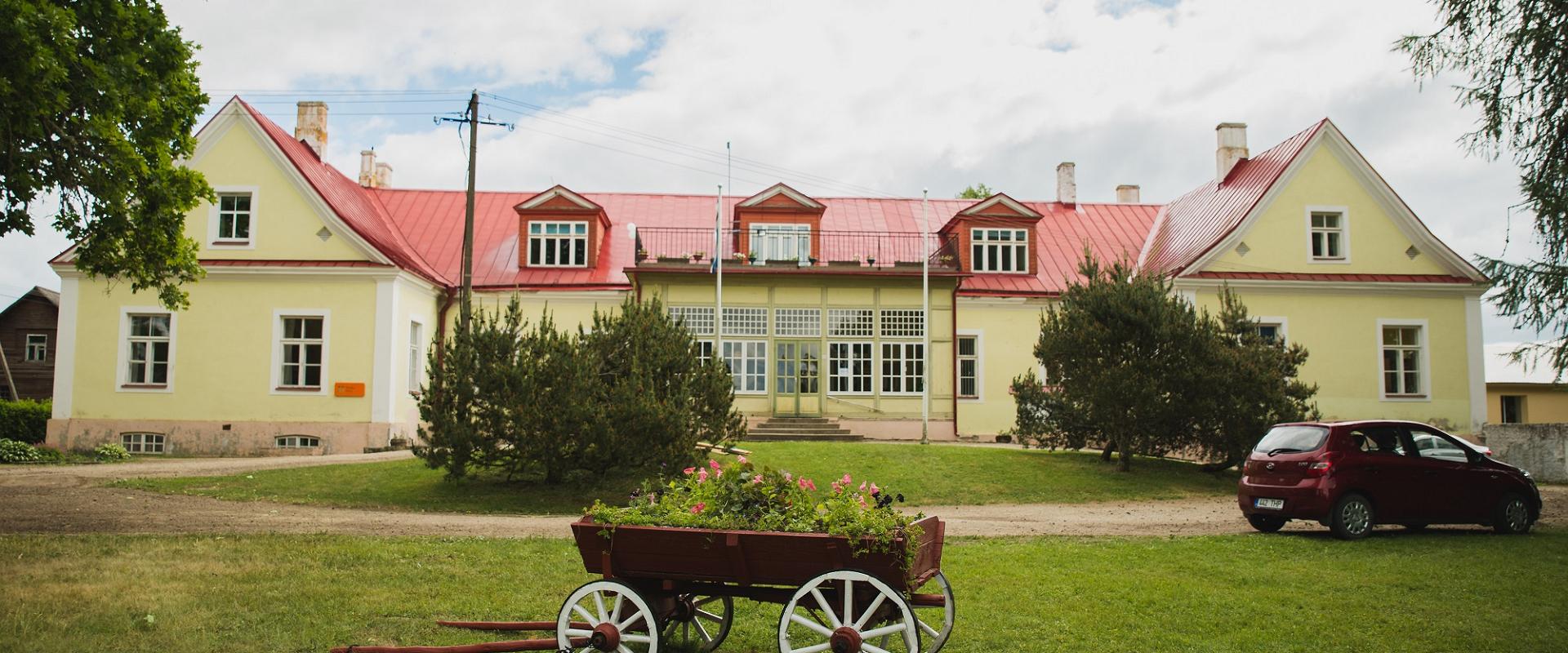
Võisiku manor was first mentioned in 1558. It was one of the biggest manors in Livonia in the 18th and 19th centuries, stretching from Põltsamaa to Lake Võrtsjärv. There were 52 buildings on the manor originally, some of which we can still see today, and a further 67 in outlying parts of the manor and its mirror factory. Lord of the manor Timotheus Eberhard von Bock, who drew up Russia's first constitution for Emperor Alexander I and was sent to the Schlüsselburg fortress for 9 years for doing so, is the central character in Estonian author Jaan Kross' novel "The Emperor's Madman". Did you know...? *Today the main building houses Võisiku Nursing Home and can only be viewed from the exterior

  • Privacy Policy

"*"обозначает обязательные поля

Это поле используется для проверочных целей, его следует оставить без изменений.
Я разрешаю маркетинг