• Avasta
    • Еда
    • Природа
    • Культура
    • Семья
    • Спорт
    • Сообщество
    • Блог
  • Planeeri
    • Размещение
    • Информация
    • Varamu
RUS
  • РусскийRUS
  • EestiEST
  • EnglishENG
  • LatviešuLAT
  • SuomiFIN
RUS
  • РусскийRUS
  • EestiEST
  • EnglishENG
  • LatviešuLAT
  • SuomiFIN
Populaarsed otsingud:
Näita kõiki tulemusi
  • Accommodation
  • Holiday house

Toidupada Holiday Home

Otepää vald, Valga maakond, 67307

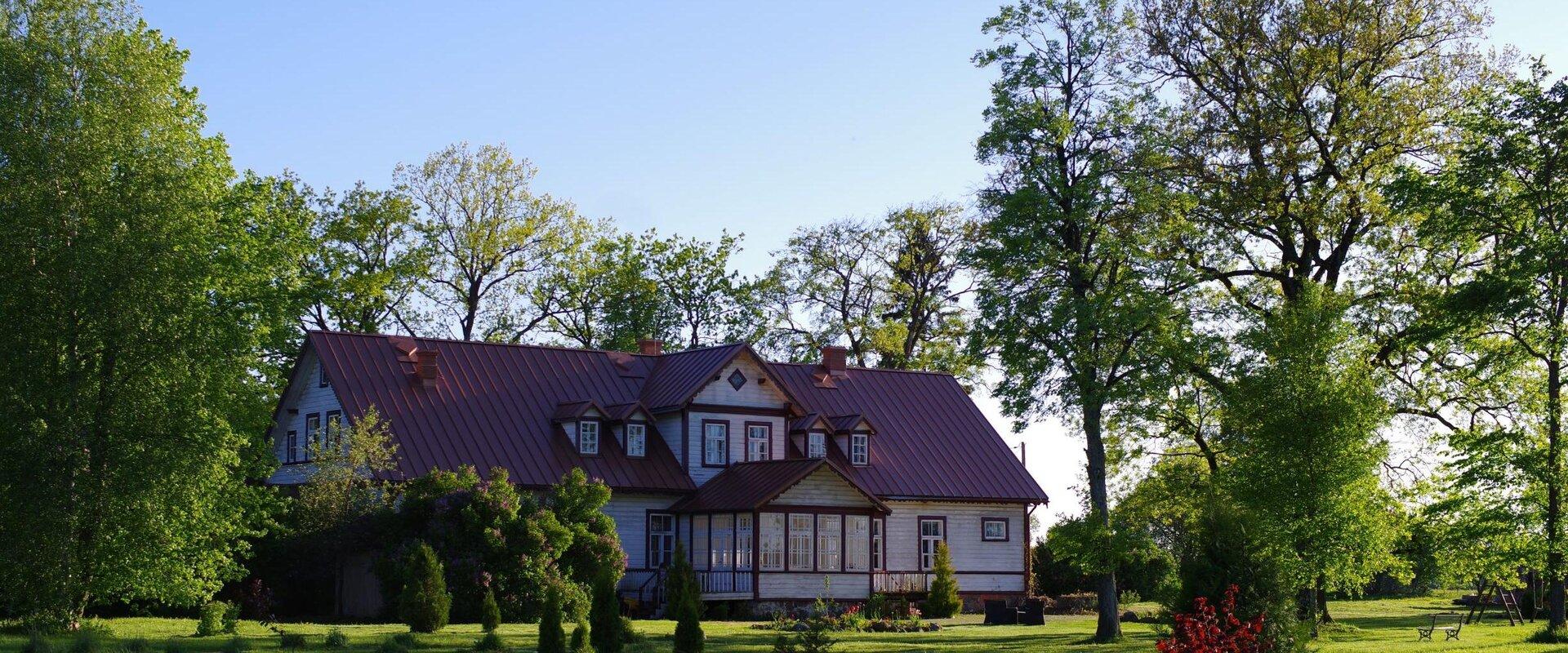
Silence, beautiful nature between the picturesque hills of Otepää and a warm family – there are a million reasons to come and stay!
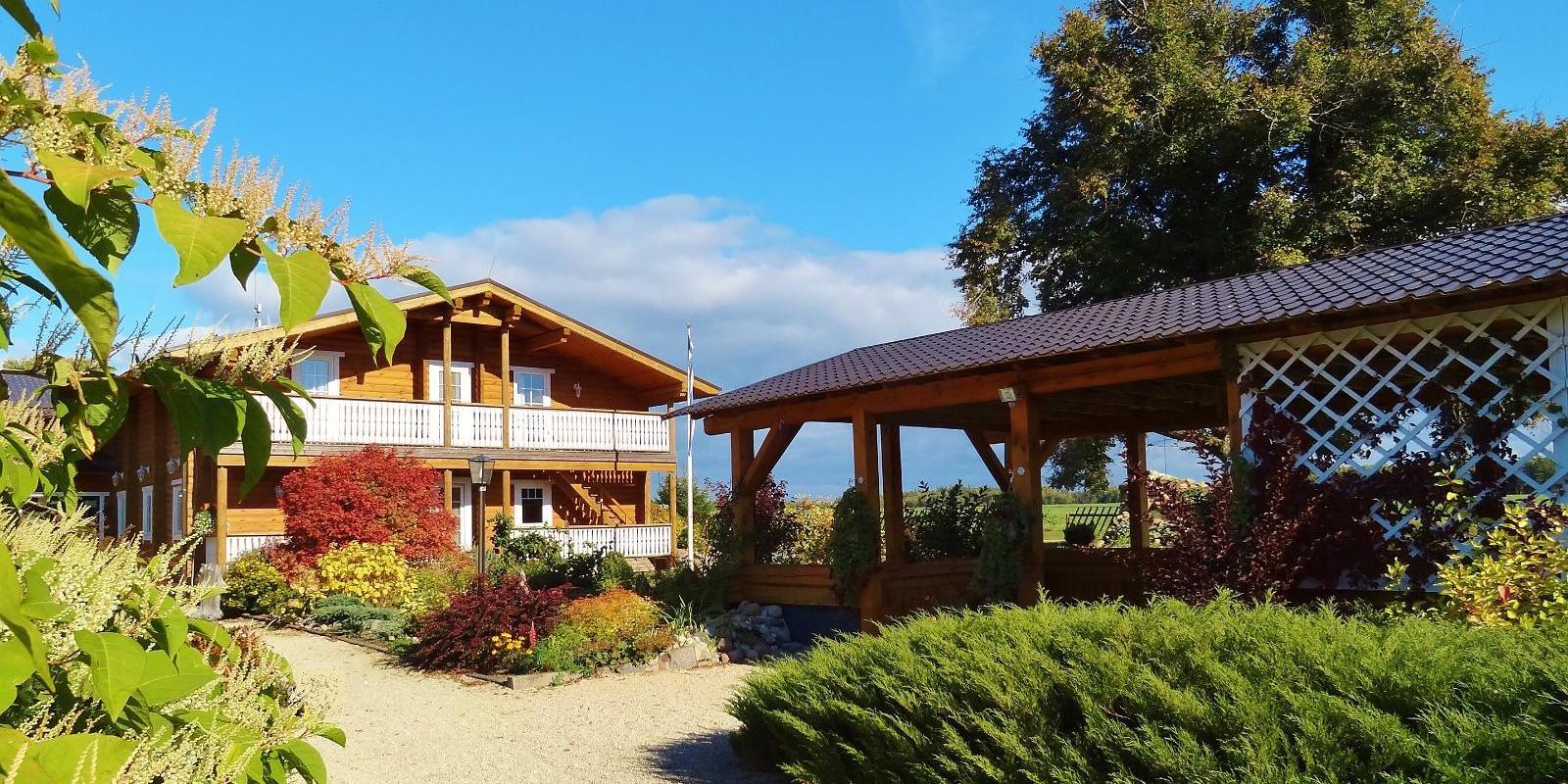
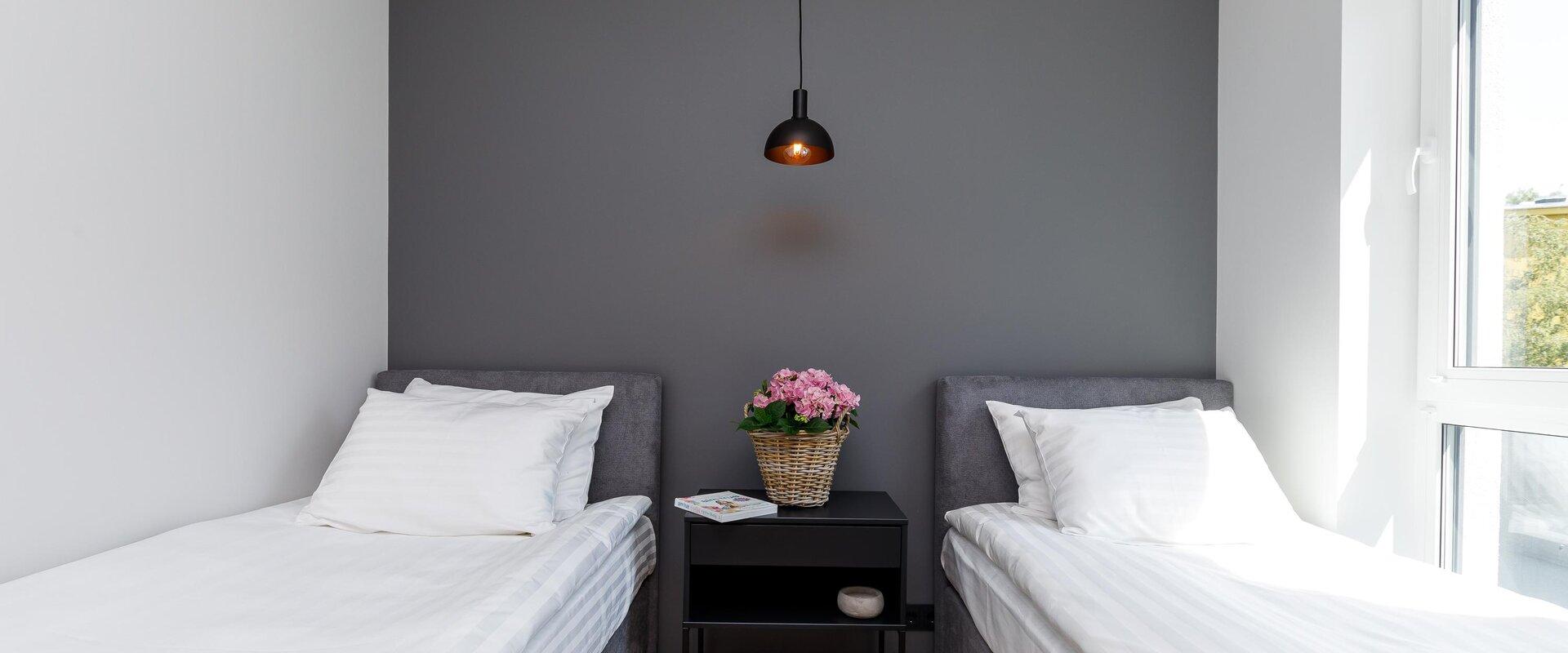
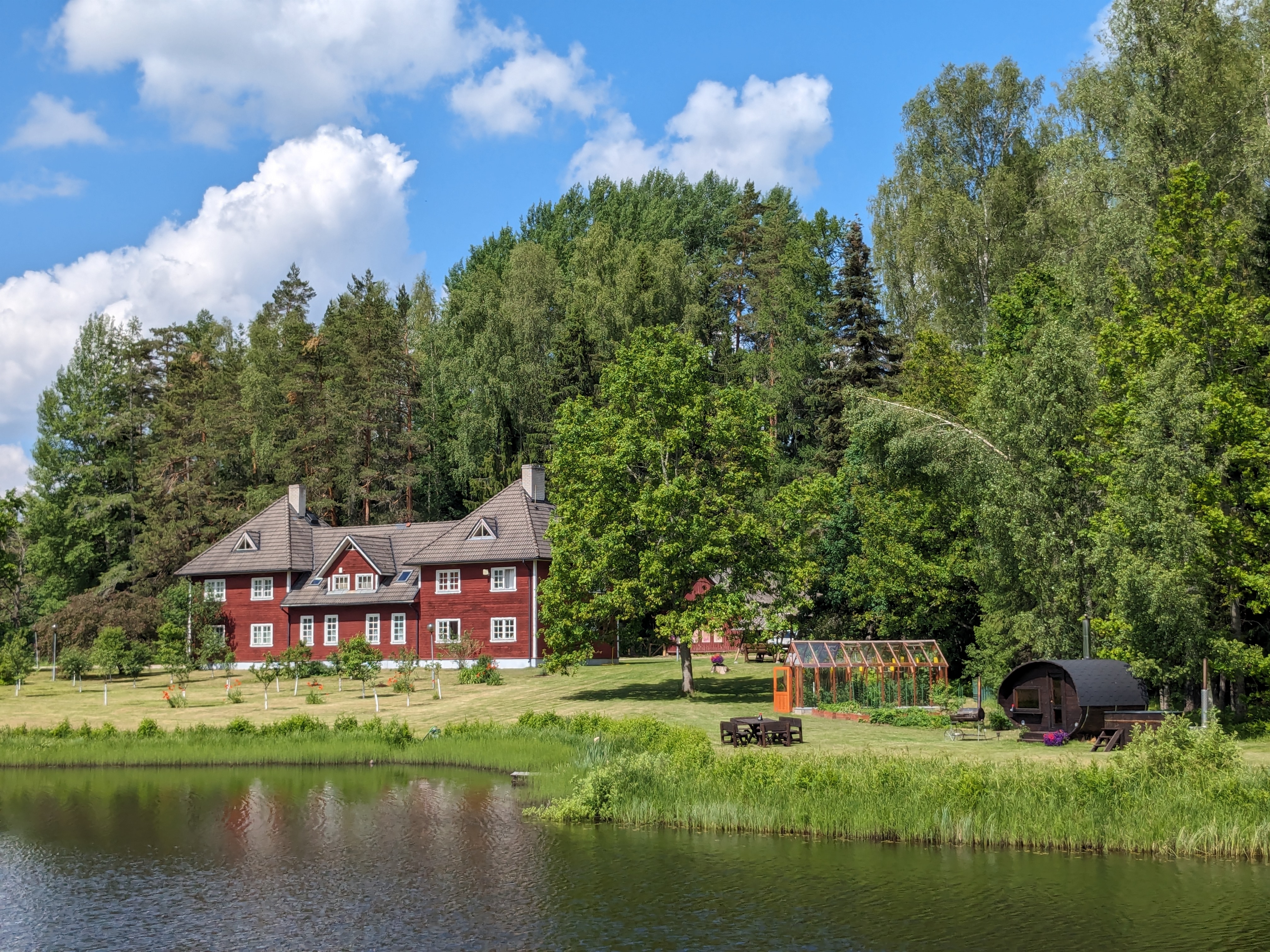
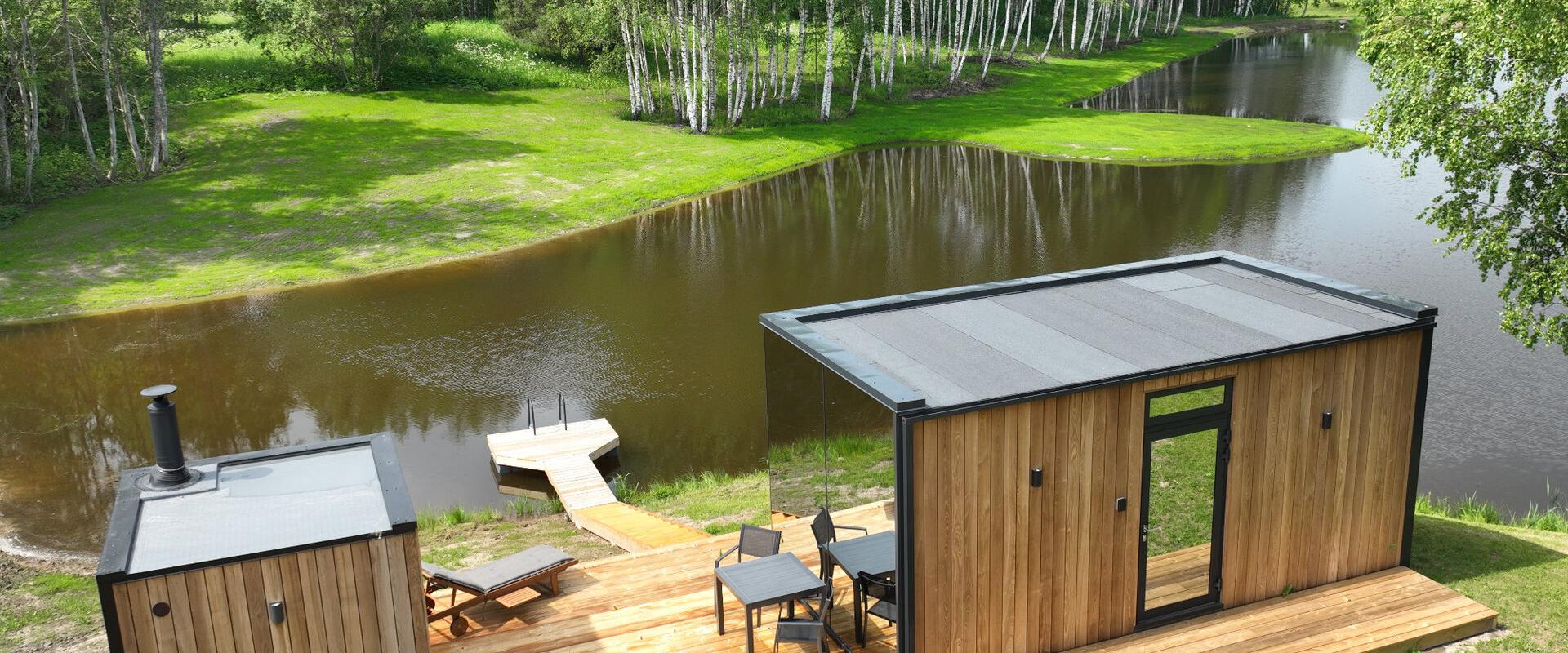
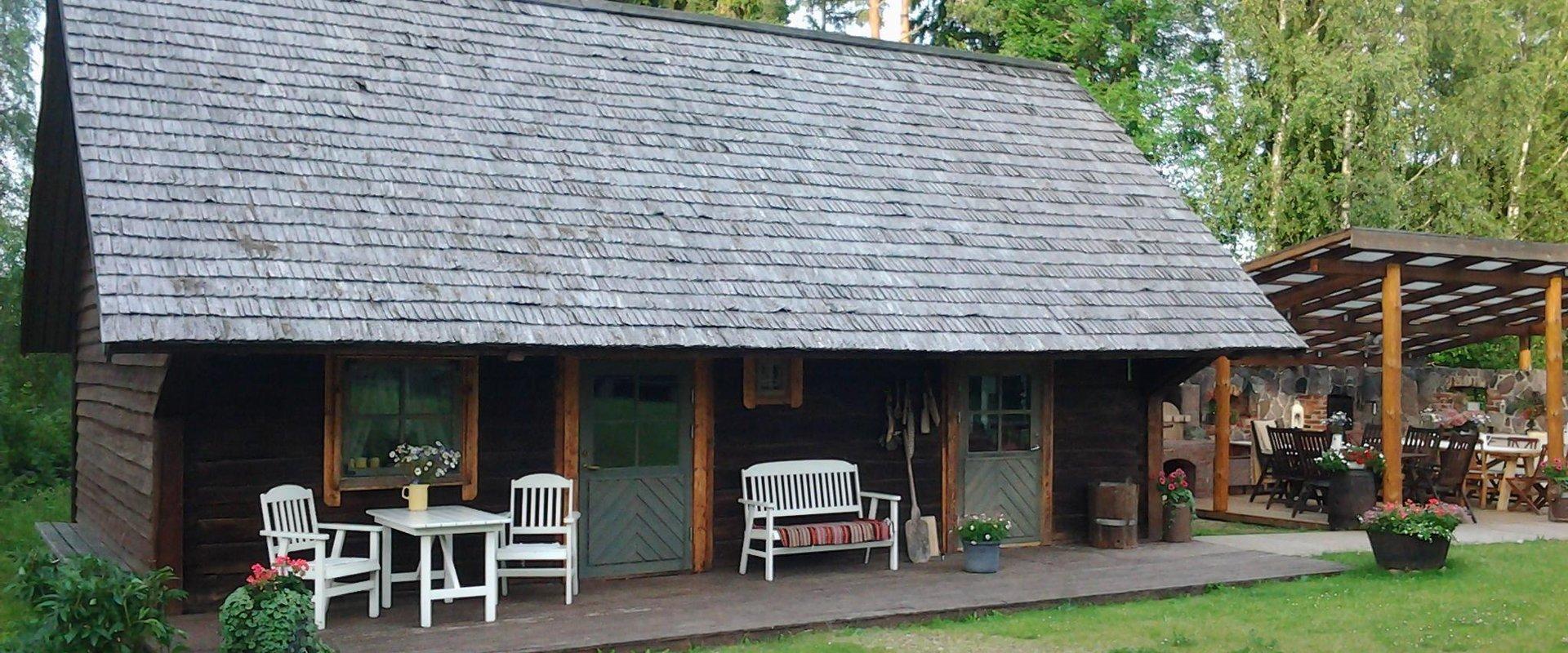
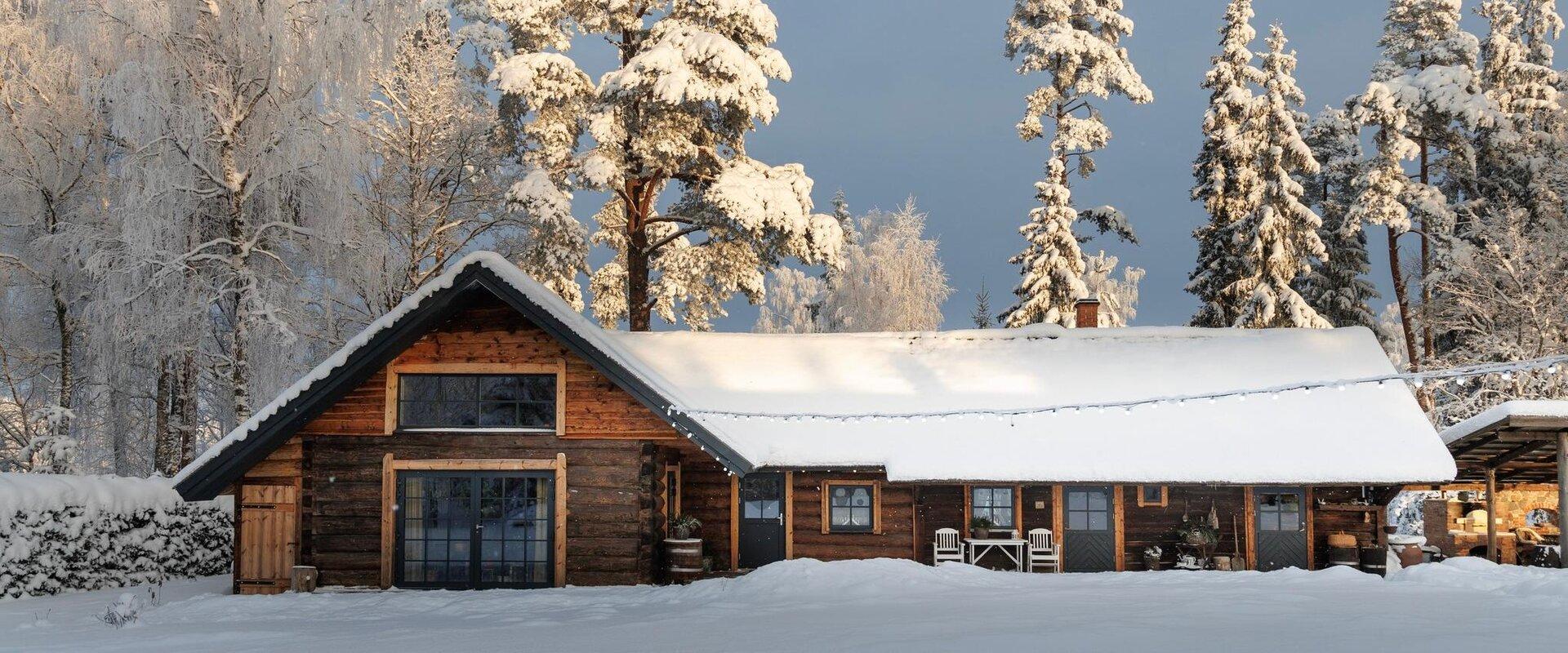
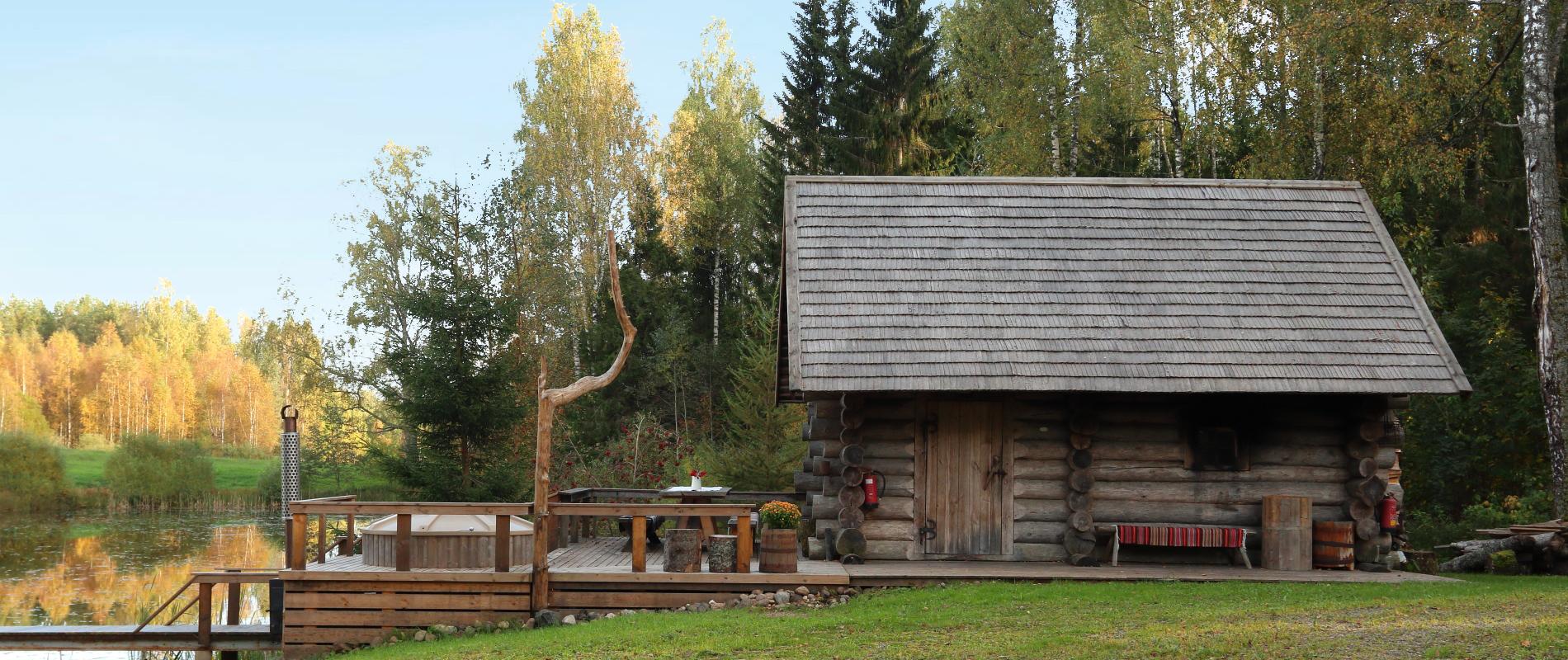
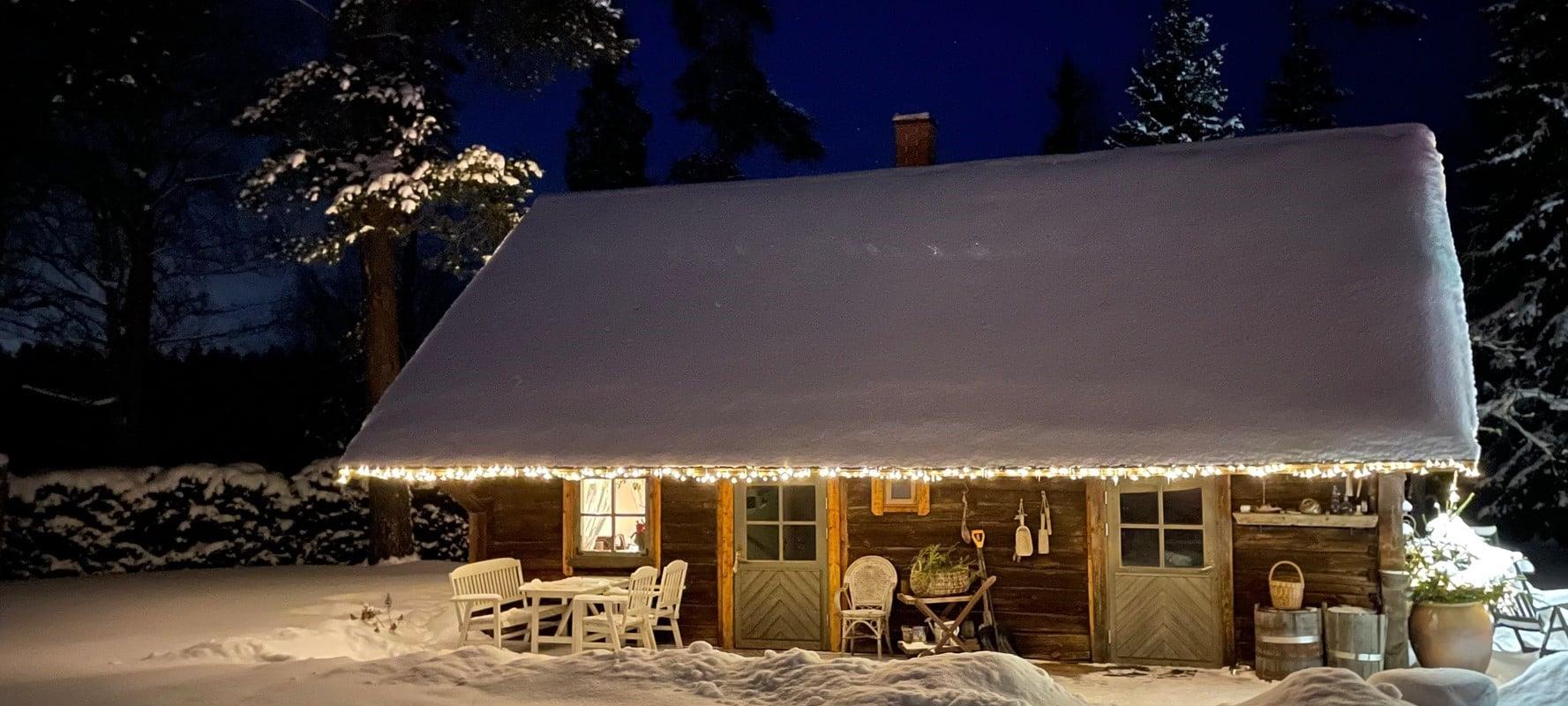
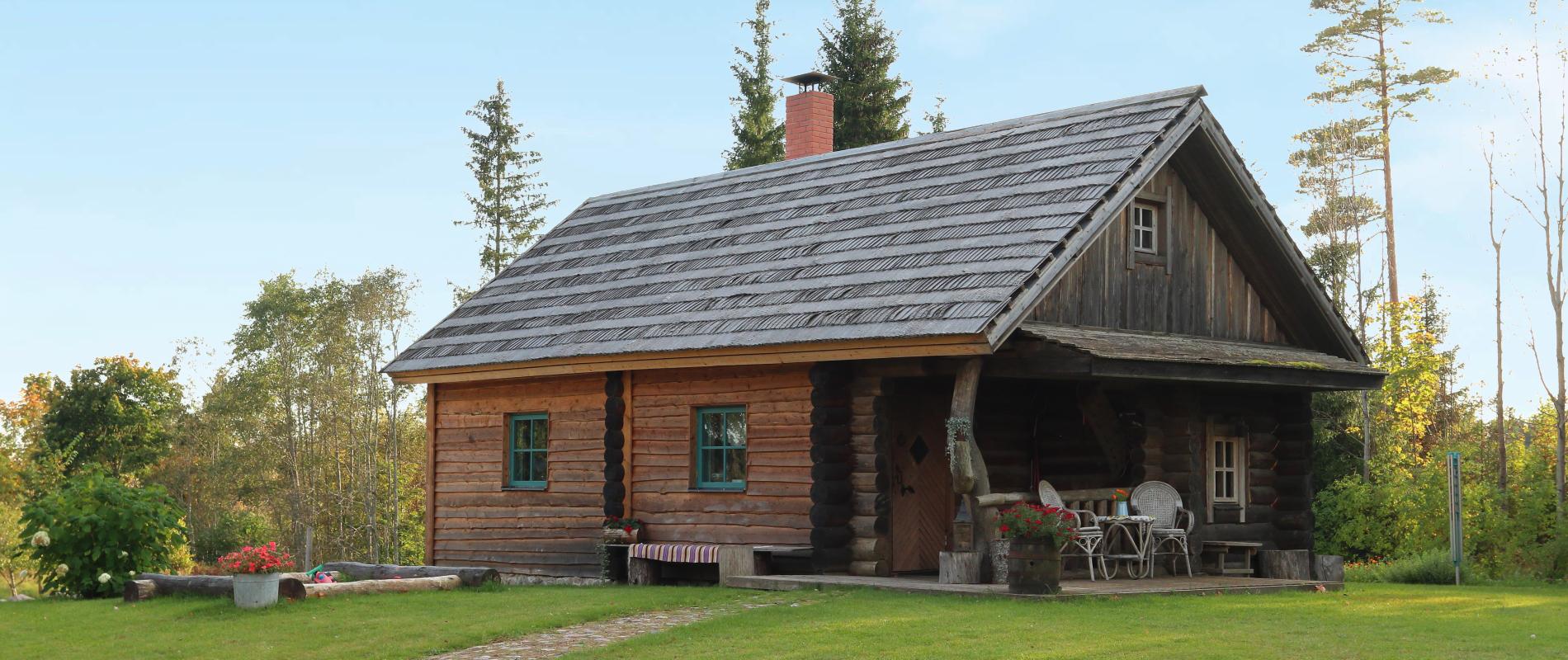
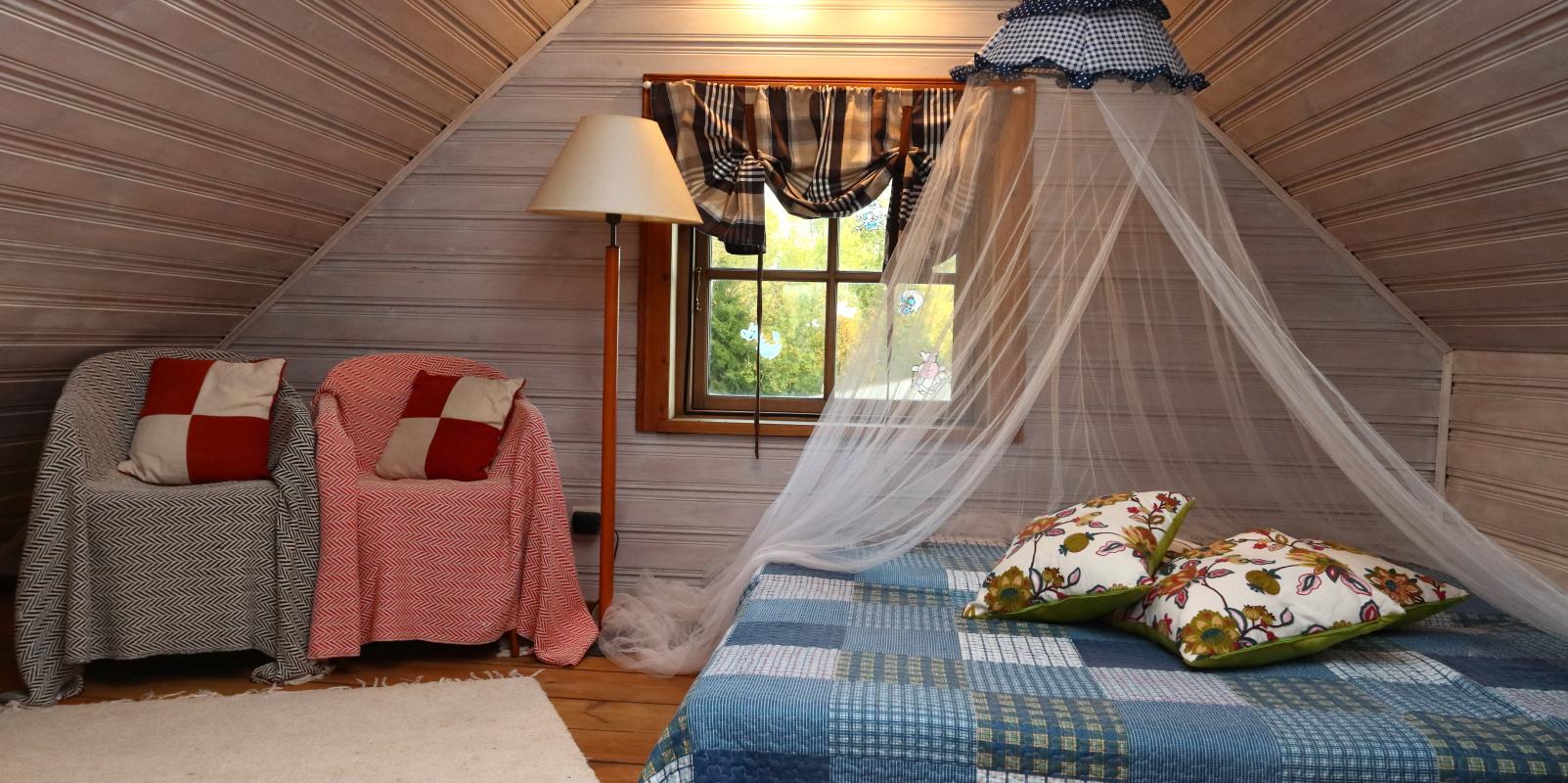
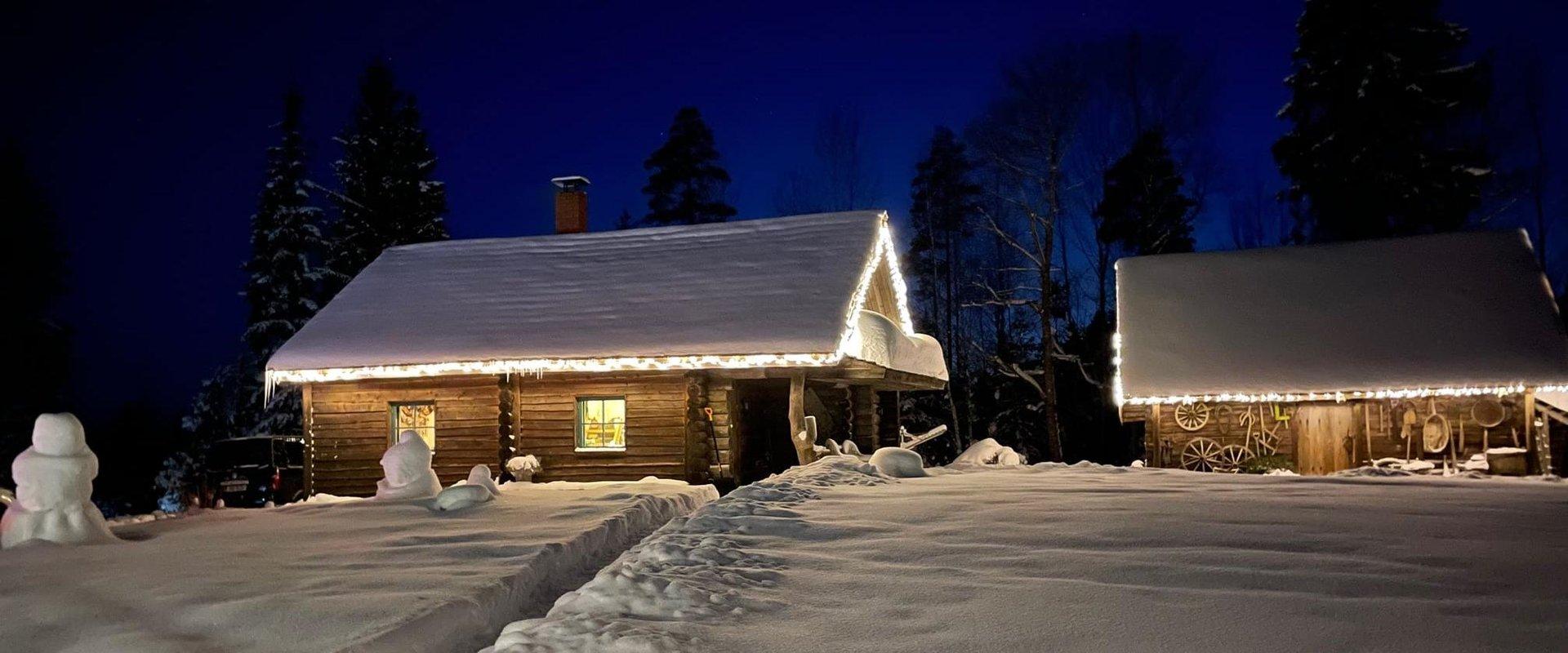
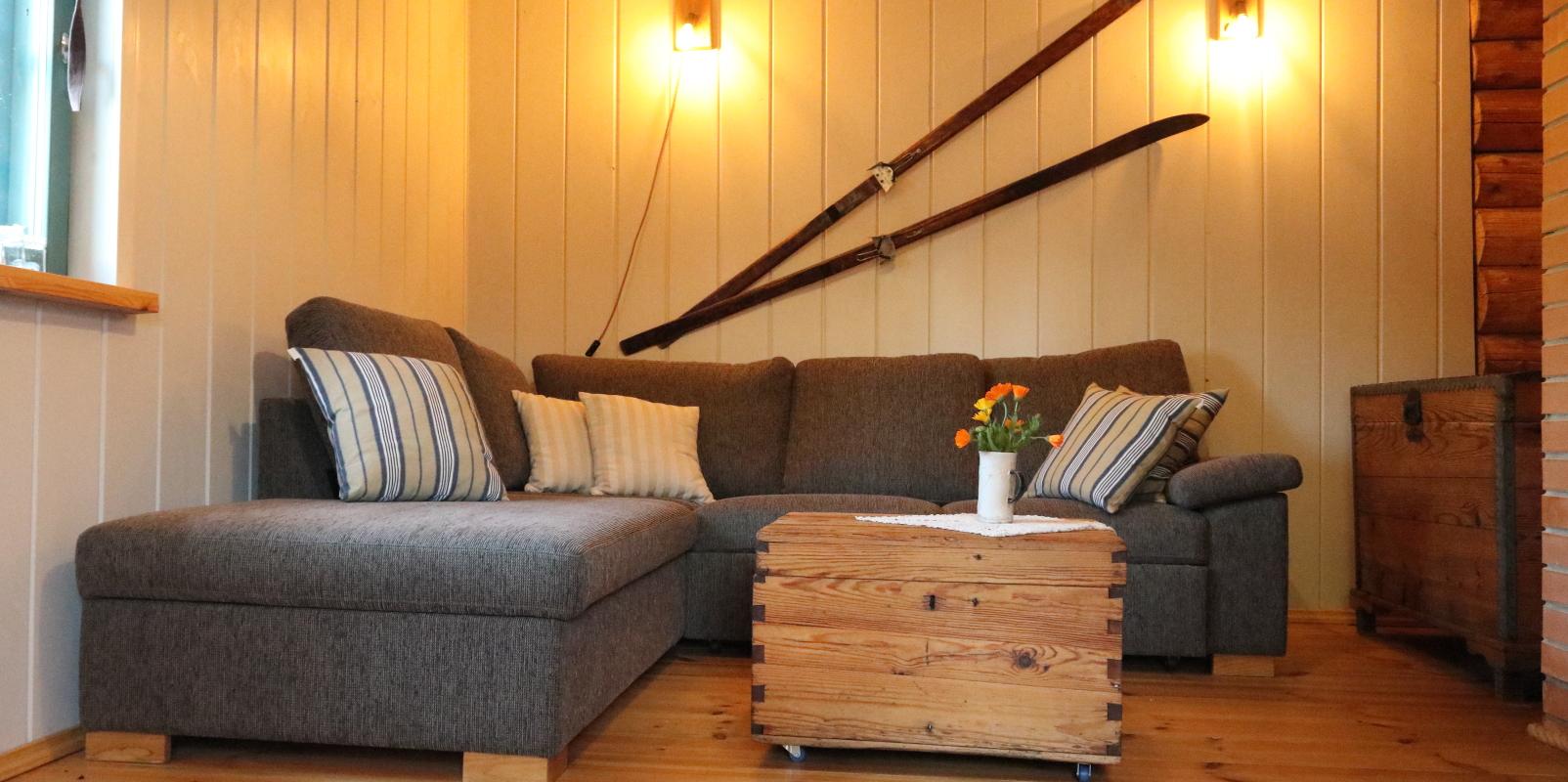
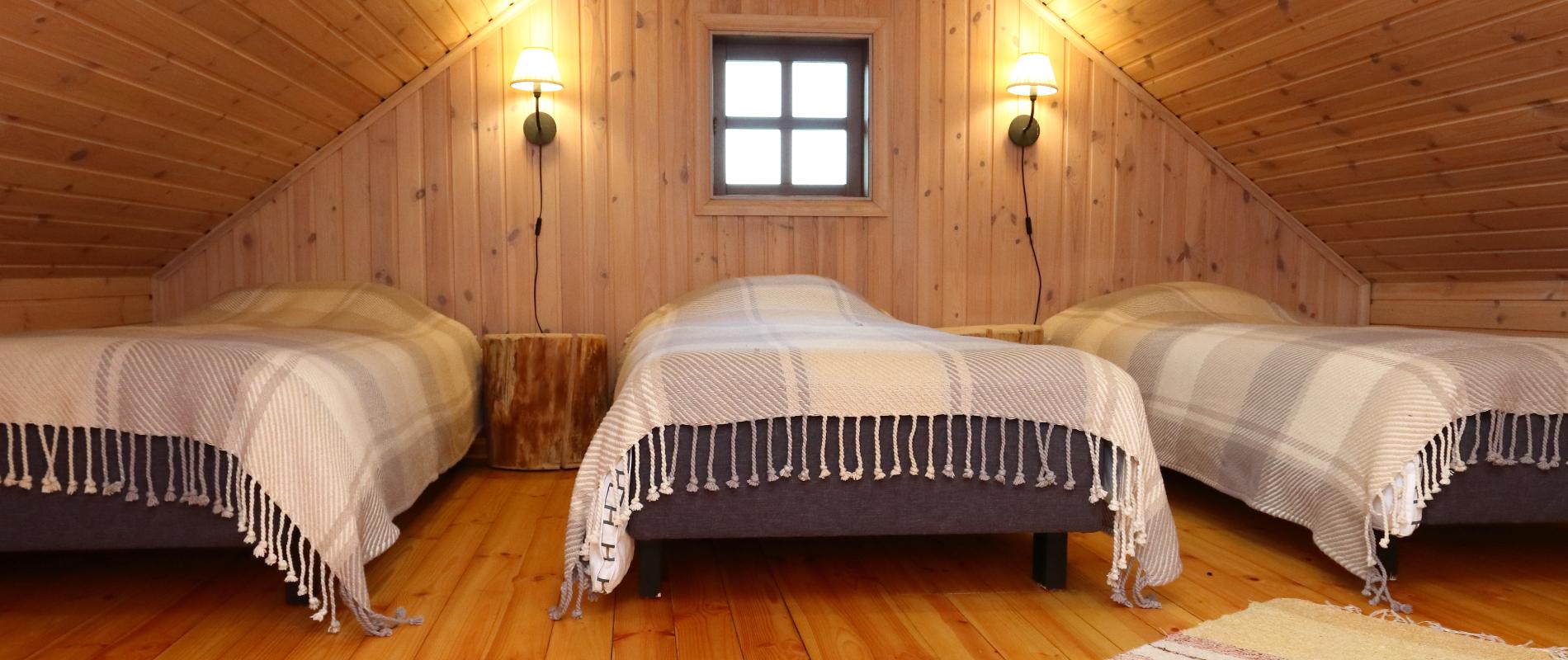
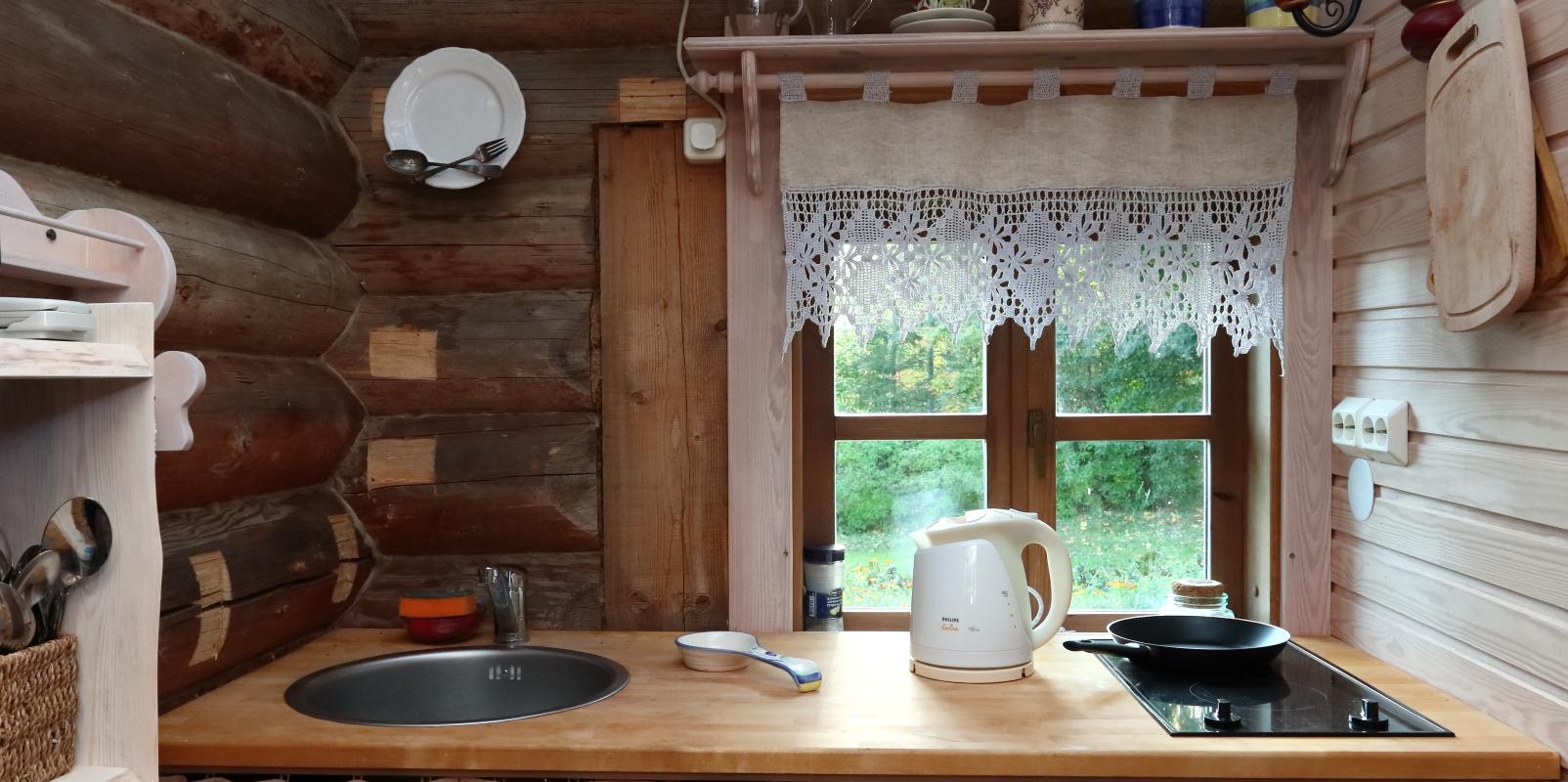
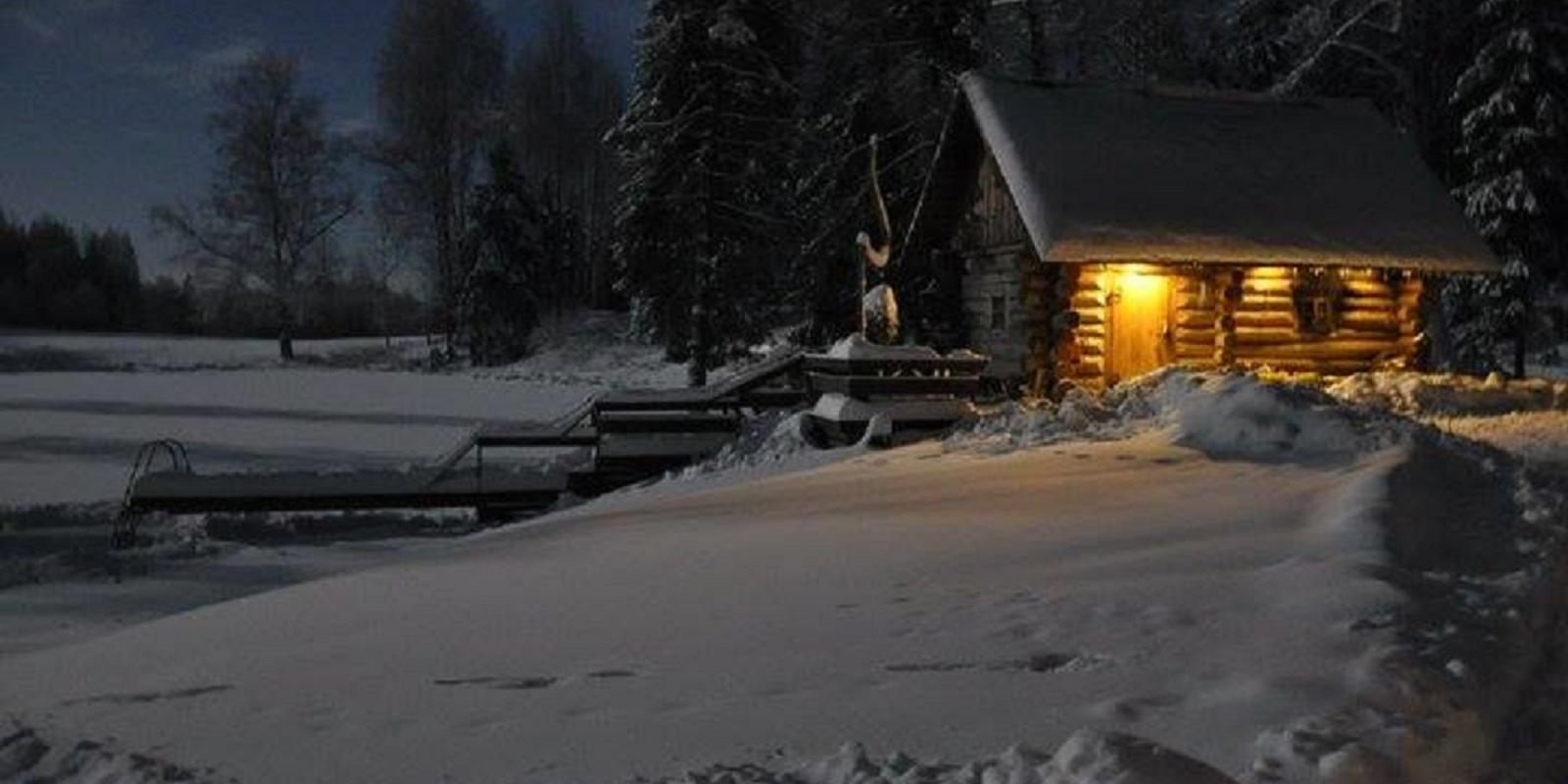
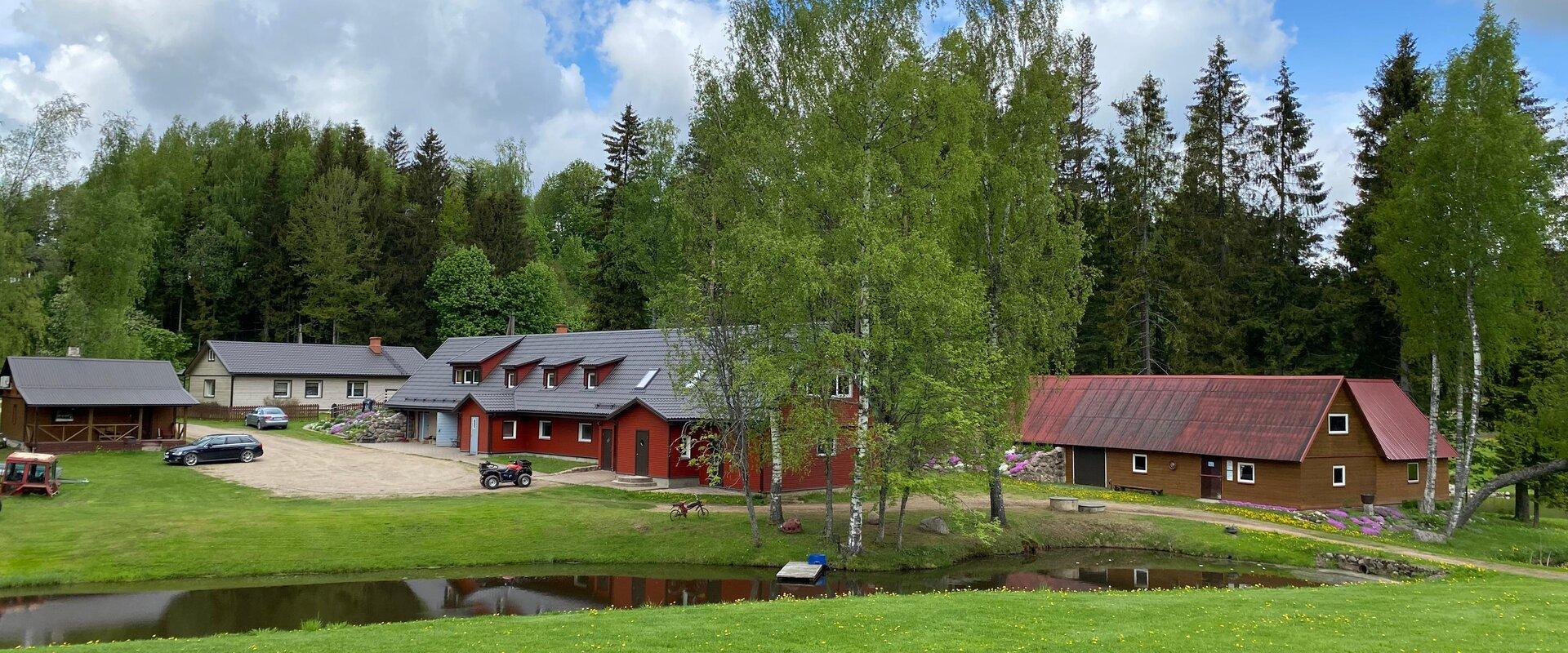
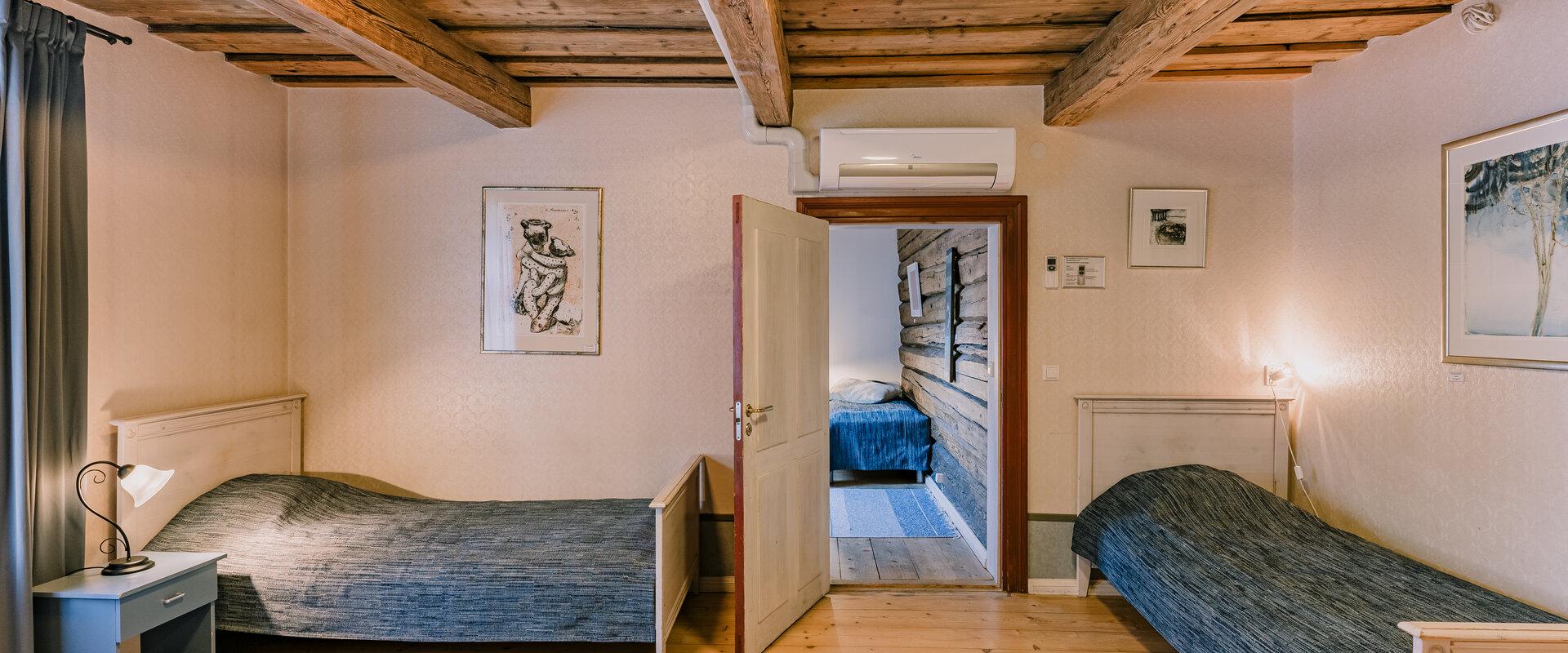
In the cozy sauna and barn house, we offer accommodation for up to 14 people, such as a large family or group of friends. The barn has two rooms, and the comfortable sauna house has three rooms. On the barn’s ground floor, there is a party room for about 40 people.
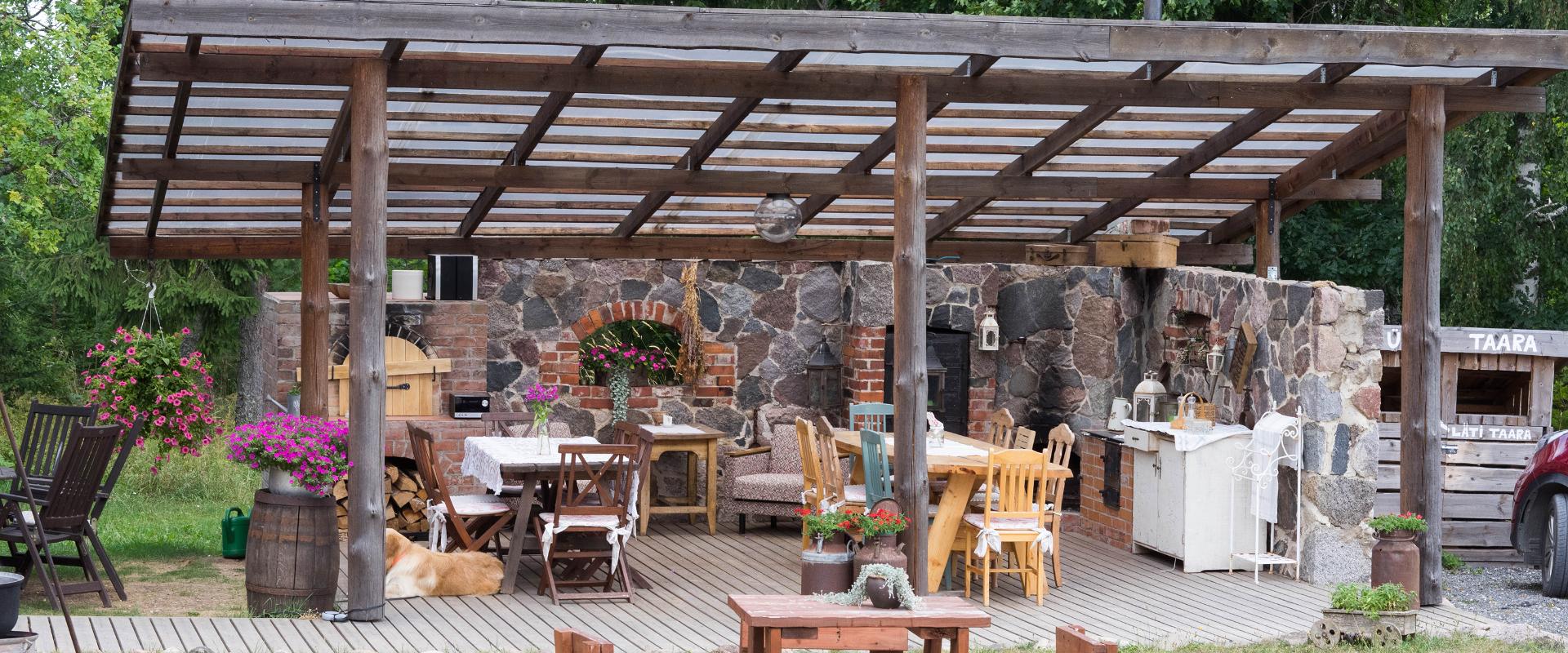
The rustically romantic courtyard has a roofed outdoor kitchen with an oven, stove, grill, and fireplace. Toidupada offers experiential catering where food is mainly prepared over a live fire in a cauldron, pan, or directly on the charcoal!
You can use the smoke sauna and hot tub by the pond for an additional fee.
Mugavused

  • Free parking
  • Fridge
  • Recreation area/picnic ground
  • Sauna
  • Catering
  • Group catering

Lahtiolekuajad

Aastaringselt

Eeltellimsel

Kontakt

  • +372 5623 0922
  • info@toidupada.ee

Lingid

toidupada.ee

Broneeri

Vaata lisaks

  • Sculptures

Memorial to the War of Independence in Valga

This memorial, which is dedicated to the freedom fighters of southern Estonia, represents the figure of an unknown soldier, his sword sheathed, with a flag held aloft in one hand and the other outstretched. The first memorial was unveiled here on 11 October 1925, dedicated to Lieutenant Julius Kuperjanov, but it was destroyed by Soviet forces on the night of 21 September 1940. The new memorial was inaugurated on 16 August 2013 in the original location on Kuperjanov Street. The design and mould of the memorial were made in 1925 by Amandus Adamson, who was also involved in the production of the bronze figure in Italy. This figure was restored to its original size by sculptor Jaak Soans. Restoration of the memorial was led by Major Meelis Kivi.

  • Sculptures

Sculpture of Oscar Wilde and Eduard Vilde

A sculpture created in Tartu's Old Town in 1999 depicts a fun speculation about the history of literature. Sitting on a bench are contemporaries and namesakes, or the two Wildes: Irish-born writer Oscar Wilde (1854-1900) and Estonian writer Eduard Vilde (1865-1933). Sculptor Tiiu Kirsipuu, who modeled the figures of the writers based on photographs, has noted that when creating the twin figures, she had in mind the year 1890, when the two Wildes could have really met each other and had a few witty words. The sculpture symbolizes friendship and intercultural dialogue. The sculpture of the two writers is located in front of the former Mattiesen printing house, one of Tartu's architectural monuments, which now houses the wine and art restaurant Vilde ja Vine. The statue is a beloved landmark among both locals and visitors. Sitting on the bench next to the writers allows you to take nice pictures as a souvenir of your visit to Tartu. In 2004, a copy of the sculpture was also donated to the city of Galway in Ireland, where the paternal family of literary classic Oscar Wilde came from.

  • Hiking Trails

A nature study trail in the southernmost point of Estonia

Drive along the Võru-Valga highway from Saru to Kuutsi-Tiitsa-Karisöödi-Ura-Naha (about 14 km). The trail is about 4.8 km long and it takes a couple of hours to walk it through. The trail starts under the oak-tree with a perimeter of about 4 metres in Naha farm and runs very close to the state border, so make sure you take your ID with you. Interesting to know: you cannot put your foot down on the southernmost point, as the geographically correct southernmost point of Estonia is situated about 5 steps away from the marked spot, just in the middle of the Peetri River.

  • Guided tours

Supilinn — Tartu’s historic neighborhood of wooden homes

Supilinn is Tartu's most bohemian district, where 18th-century wooden houses, courtyards awash in urban greenery, and the banks of the Emajõgi River create an unparalleled atmosphere. It combines the best of city living with a natural environment, where you can feel the community spirit and local creativity. Go for a walk in Supilinn on the beautiful promenade along the Emajõgi River, where century-old trees and a tranquil frog pond give the city a breath of fresh air. Street art, colorful courtyards, and wooden houses tell Supilinn's story, which is best experienced during the spring Supilinn Days, when courtyards and gardens open to guests and the entire district turns into a large festival. The best way to explore Supilin is on foot or by bike, so you can notice hidden corners, shutter patterns, and backyard gardens. A walk with a local guide can reveal hidden layers of the district and highlight its bohemian spirit. More information about guided tours can be found on the Tartu Guides page.

Räpina Local History and Gardening Museum

The exhibition at the Räpina Local History and Gardening Museum provides an overview of the manor and parish of Räpina, the history of the town, its tradition of gardening education and one of the oldest paper factories in Europe. A stroll around the castle park and the flowerbeds of the Gardening School is a must.

Tartu Devil’s Bridge

The Devil's Bridge in Tartu is one of the few remaining concrete bridges from the early 20th century. Together with the Angel's Bridge, it forms one of the symbols of Tartu. Everyone is welcome to walk on the bridge, especially visitors interested in history and architecture. The Devil's Bridge was built in 1913 to celebrate the 300th anniversary of the Romanov dynasty. It is decorated with a bronze relief of the Russian Emperor Alexander I, "Alexandro Primo." According to legend, the name "Devil's Bridge" comes from its dark appearance, which contrasts with the bright Angel's Bridge. The Devil's Bridge is ideal for walking or taking exciting photos!

  • Vegan food
  • Vegetarian food

Café Crepp

In the Old Town of Tartu, on Rüütli Street, there is a French oasis – Café Crepp. Time truly stands still here, and the food takes you straight to France. If you are looking for a cozy place to spend a pleasant morning, lunch, or evening, then Crepp is just for you. The atmosphere of Café Crepp is truly special. The cozy interior, friendly service, and pleasant background music create the perfect environment for enjoying good food, chatting with friends, or just sitting and contemplating the world. Bon appétit!

Võru Old Pharmacy building (Steding House)

In the center of Võru stands the dignified Steding House – a stone building from the 19th century, also known as the Old Pharmacy House. The walls of the building hide several layers: beneath the plaster layers, stencil paintings and decorations have been found that tell stories of past eras. Unlike sterilely restored museums, Steding House has preserved genuine history – it is a building that shows its layers and carries the memories of the city. One wall is adorned with hand-formed ceramic tiles (author Kristel Sihiveer). The eclectic interior is from reuse. Today, Steding House is a meeting place for the community and guests. There is a café; art exhibitions, concerts, and movie nights are organized; additionally, creative and service enterprises find a home here. In summer and on weekends, the house is especially lively – a buzzing crowd on the terrace, and nighttime entertainment offered in the basement. Steding House is both a sight and a vibrant cultural center – a place where a visitor can experience the unique atmosphere of the city of Võru.

  • Privacy Policy

"*"обозначает обязательные поля

Это поле используется для проверочных целей, его следует оставить без изменений.
Я разрешаю маркетинг