• Avasta
    • Еда
    • Природа
    • Культура
    • Семья
    • Спорт
    • Сообщество
    • Блог
  • Planeeri
    • Размещение
    • Информация
    • Varamu
RUS
  • РусскийRUS
  • EestiEST
  • EnglishENG
  • LatviešuLAT
  • SuomiFIN
RUS
  • РусскийRUS
  • EestiEST
  • EnglishENG
  • LatviešuLAT
  • SuomiFIN
Populaarsed otsingud:
Näita kõiki tulemusi
  • Nature and Activities
  • Active holiday

Rafting for pupils on Emajõgi River

Parve tee 17, Luunja vald, Tartu maakond, 62204

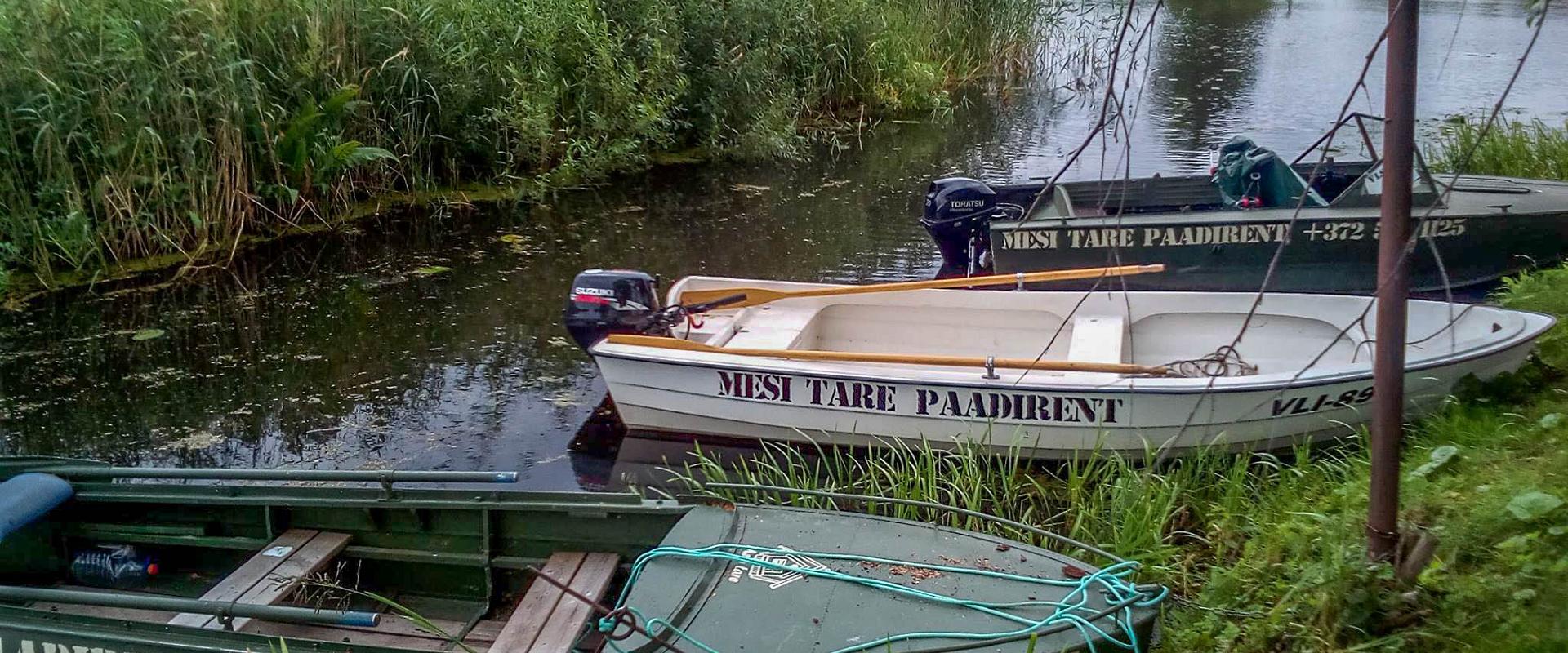
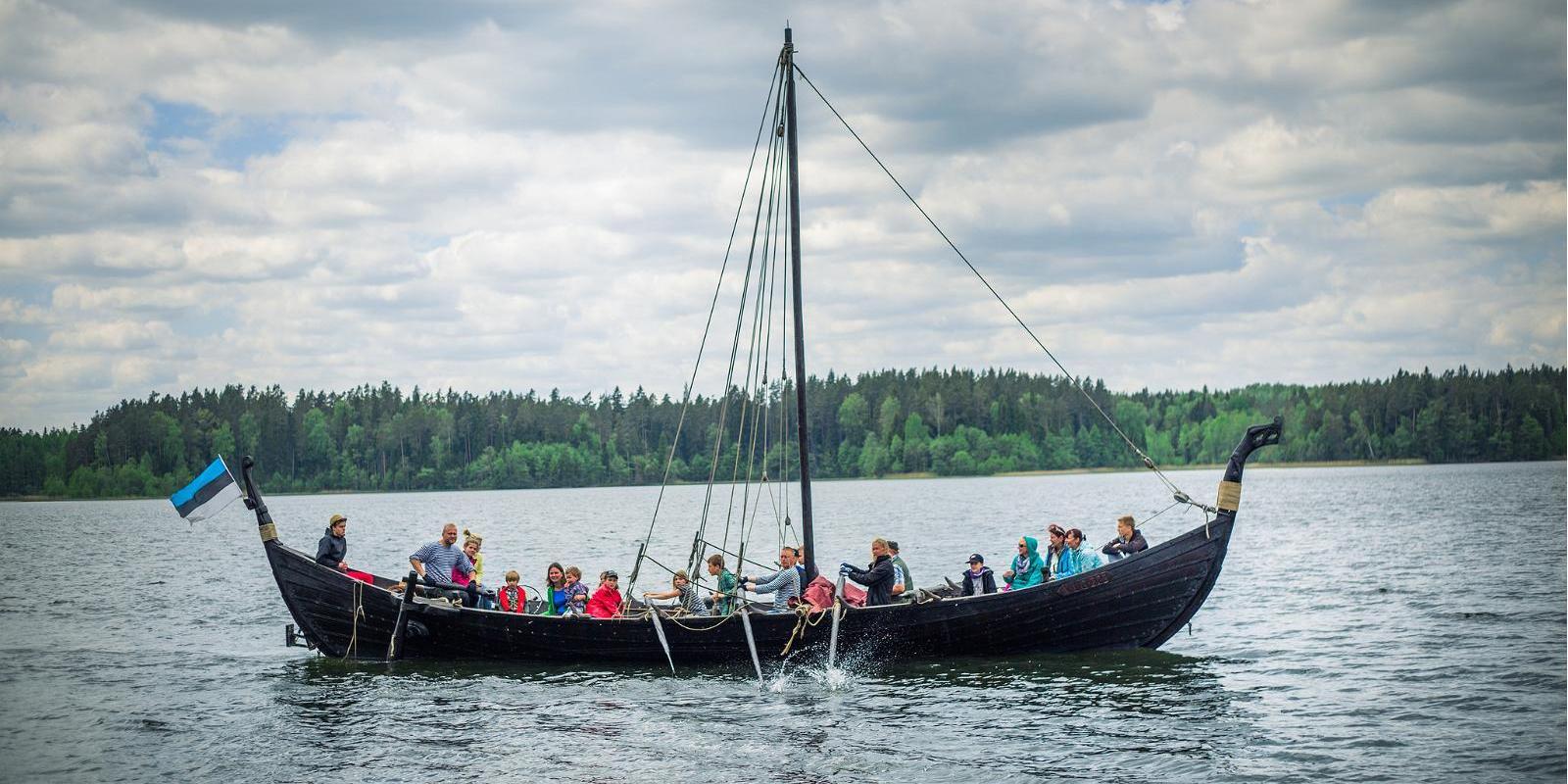
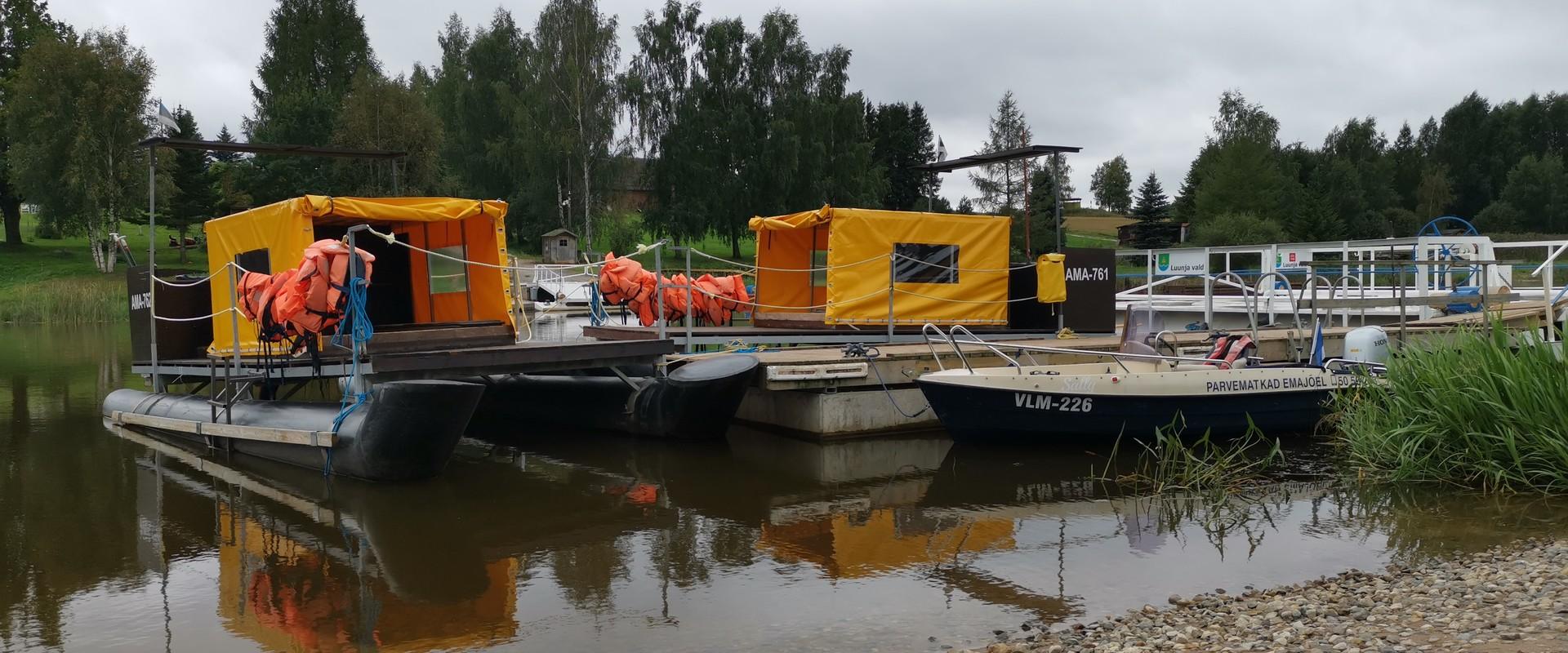
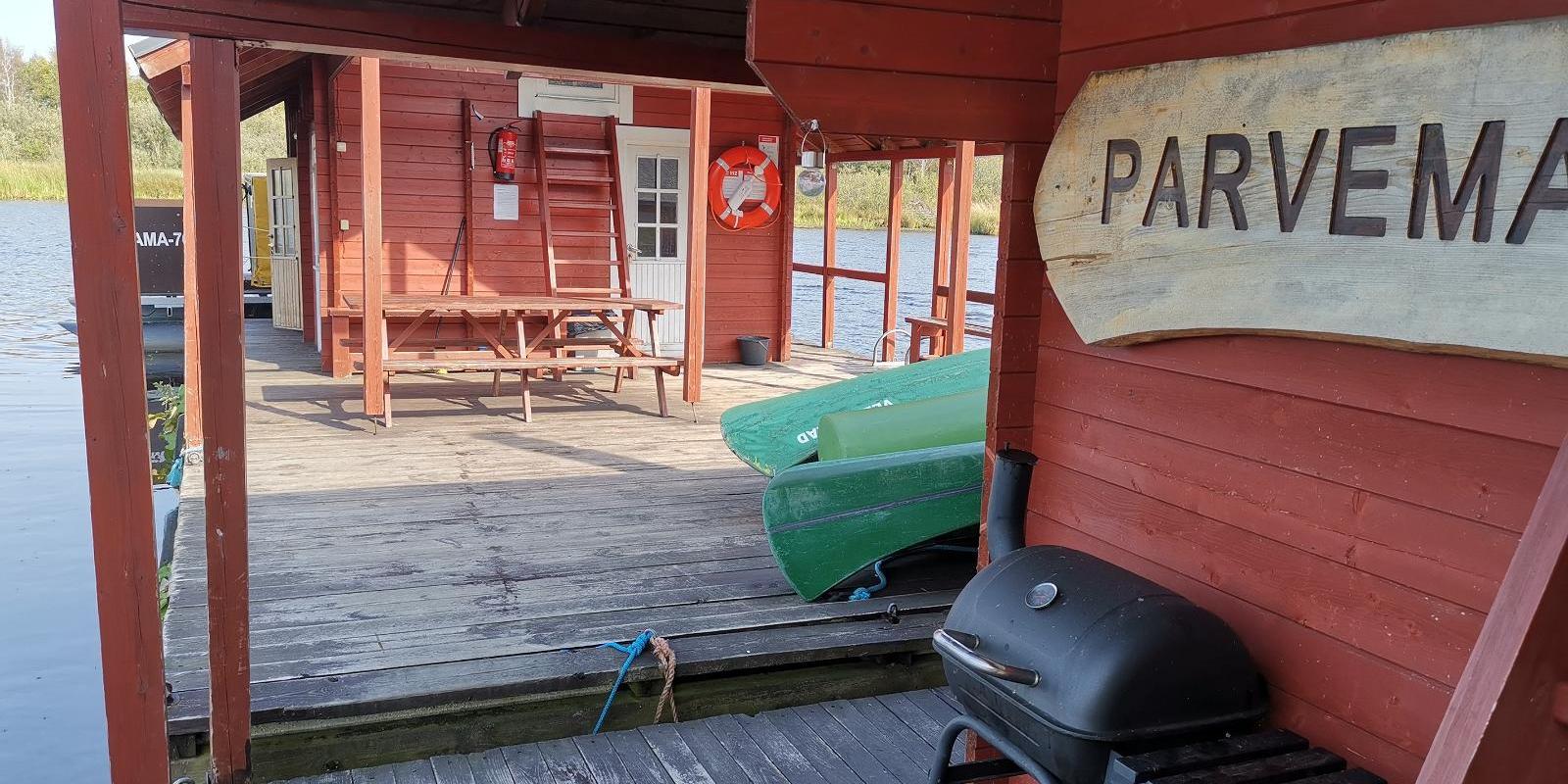
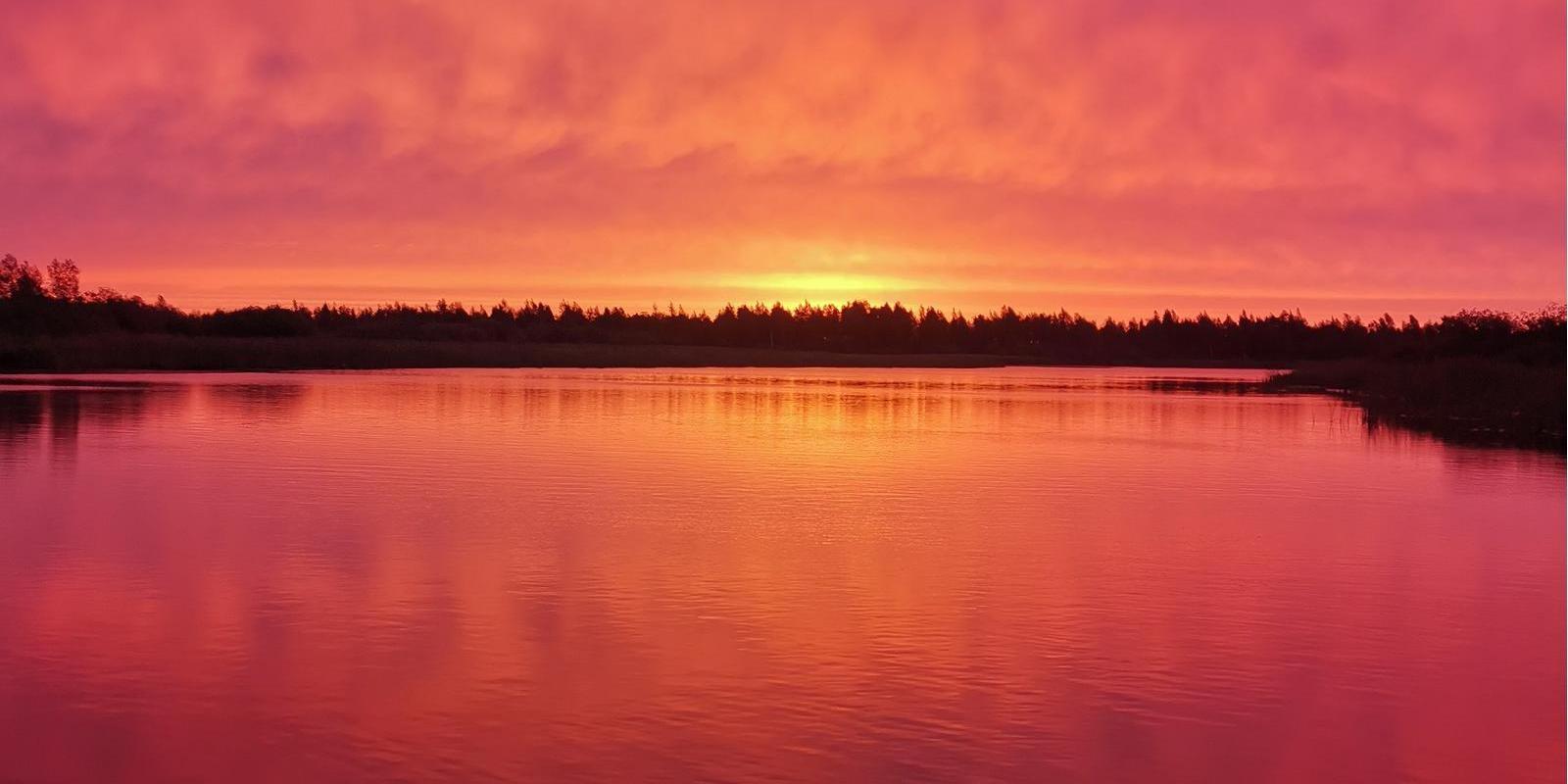
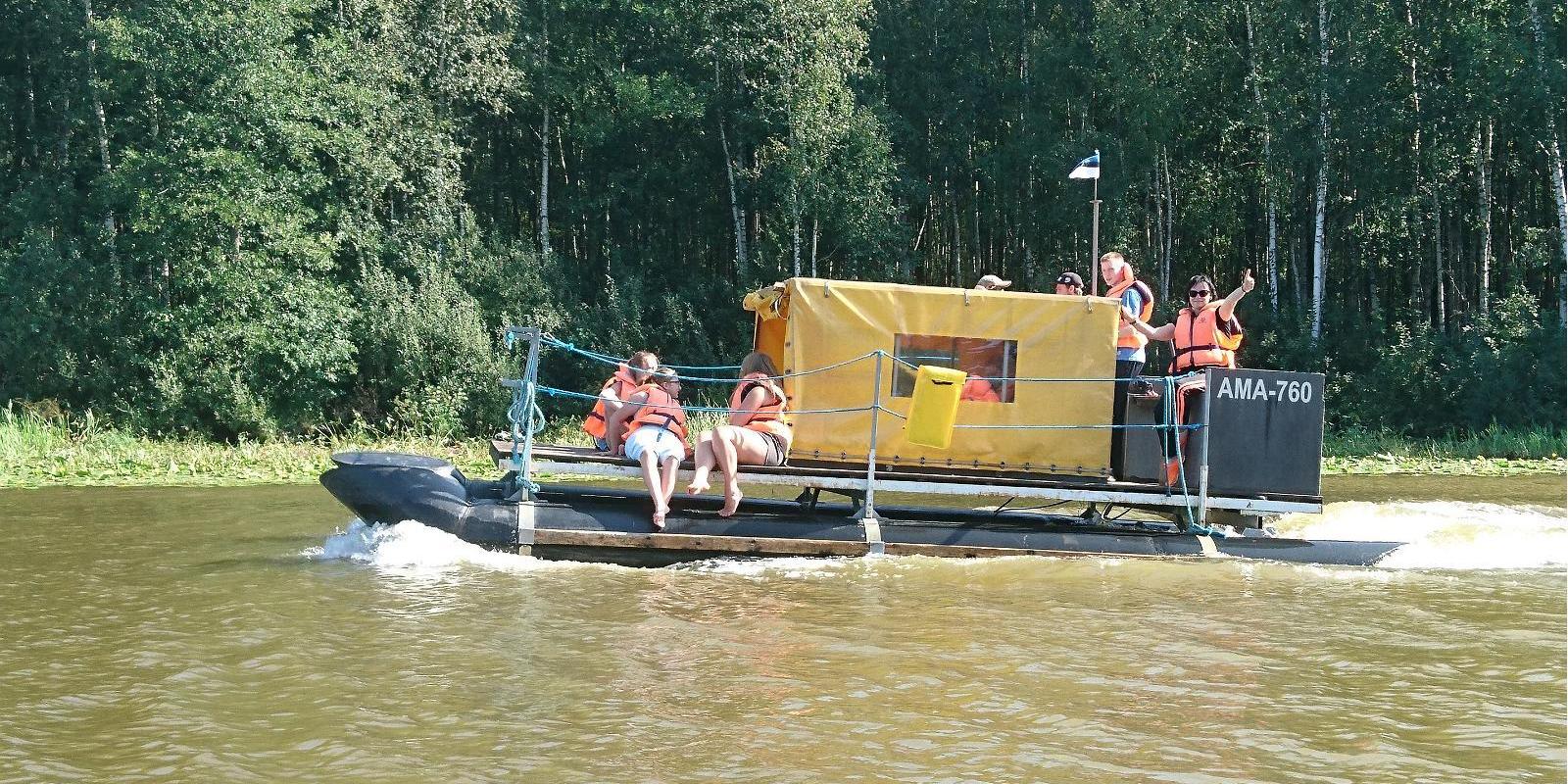
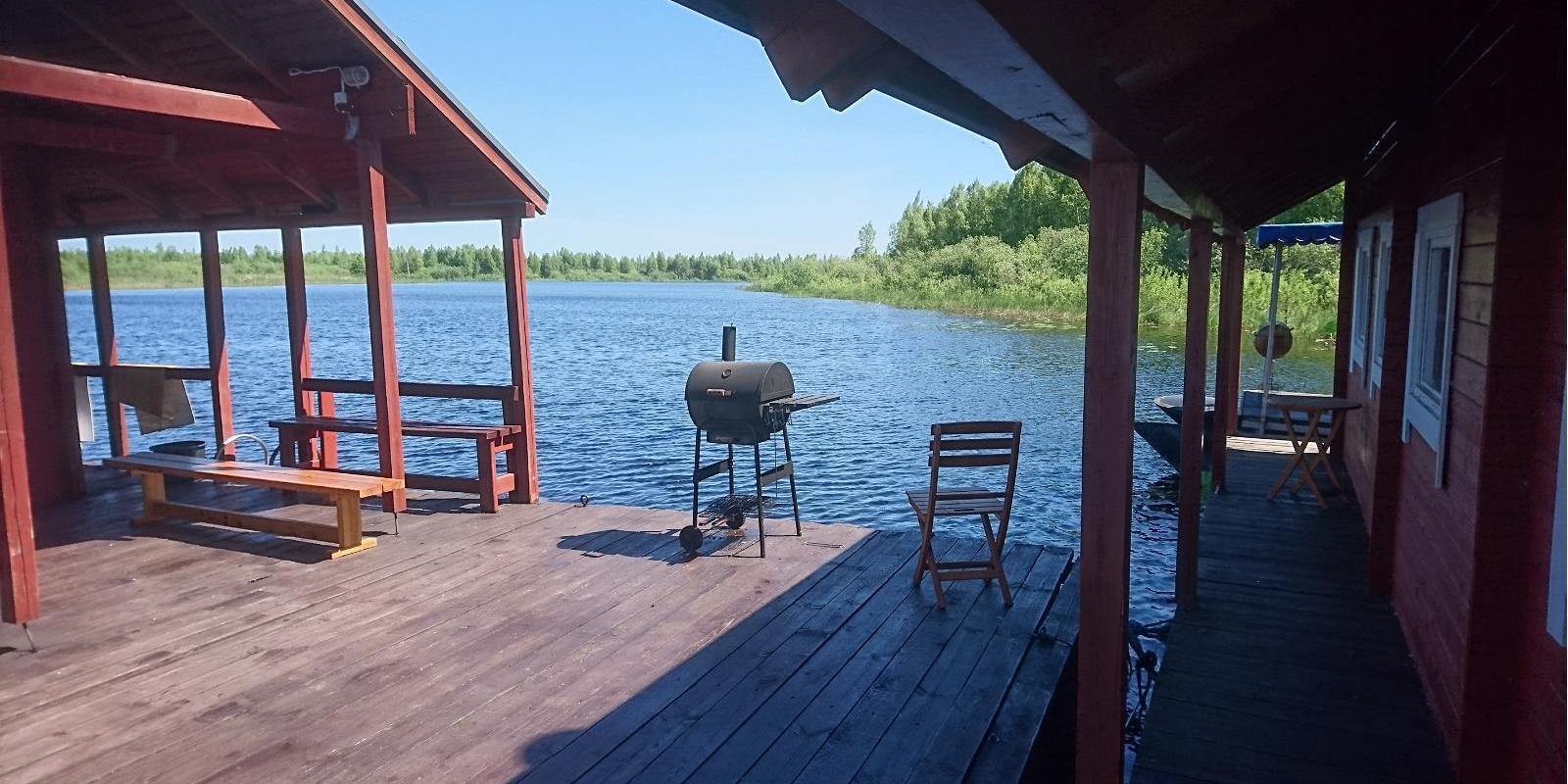
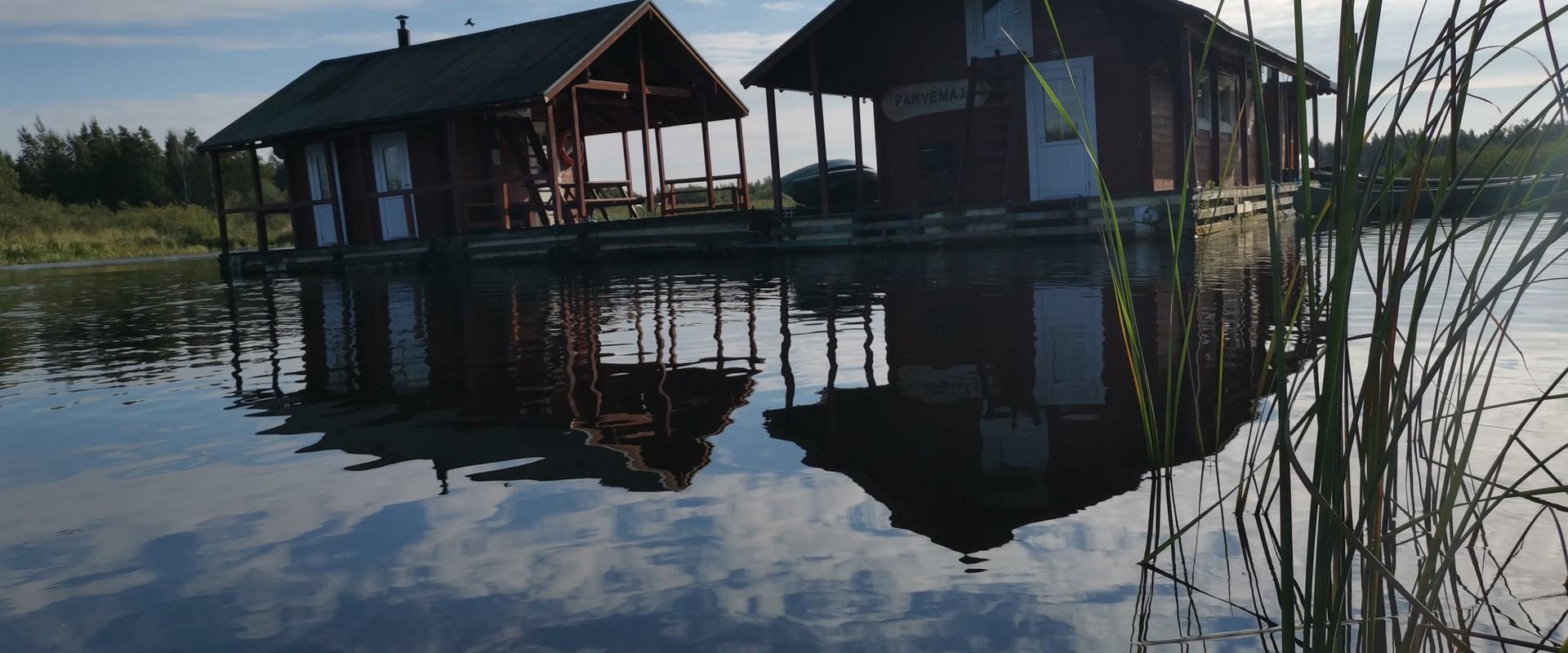
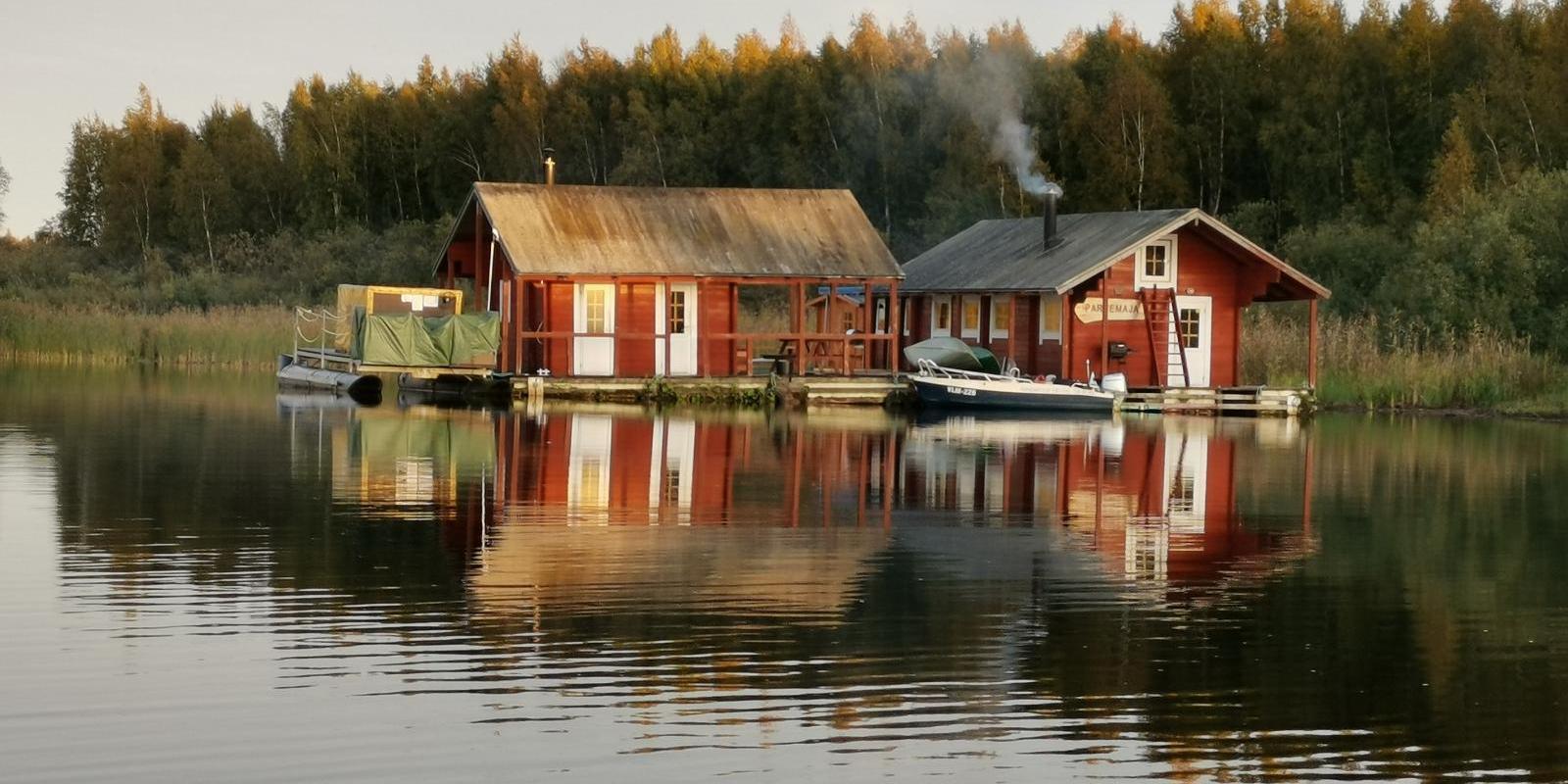
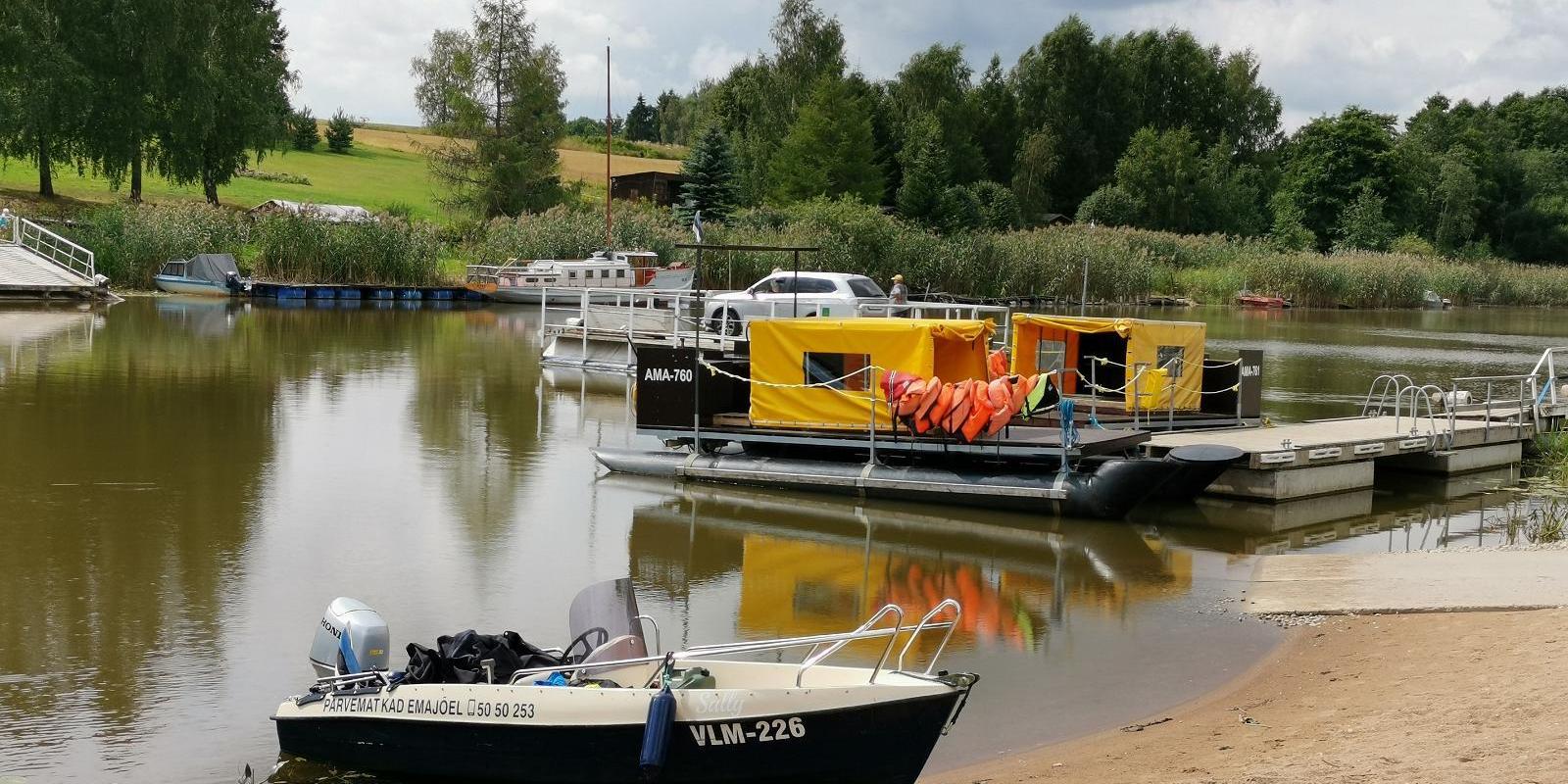
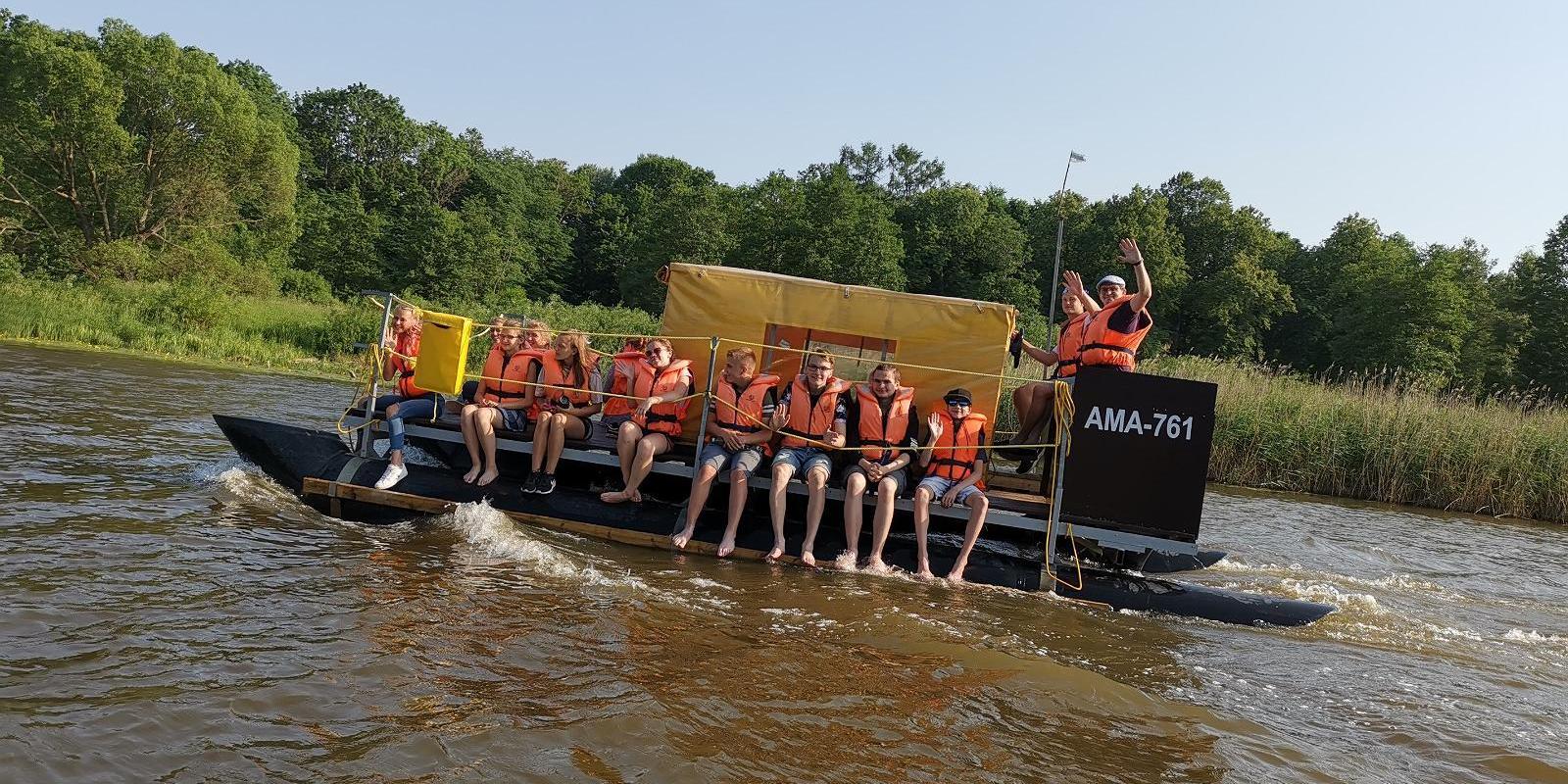
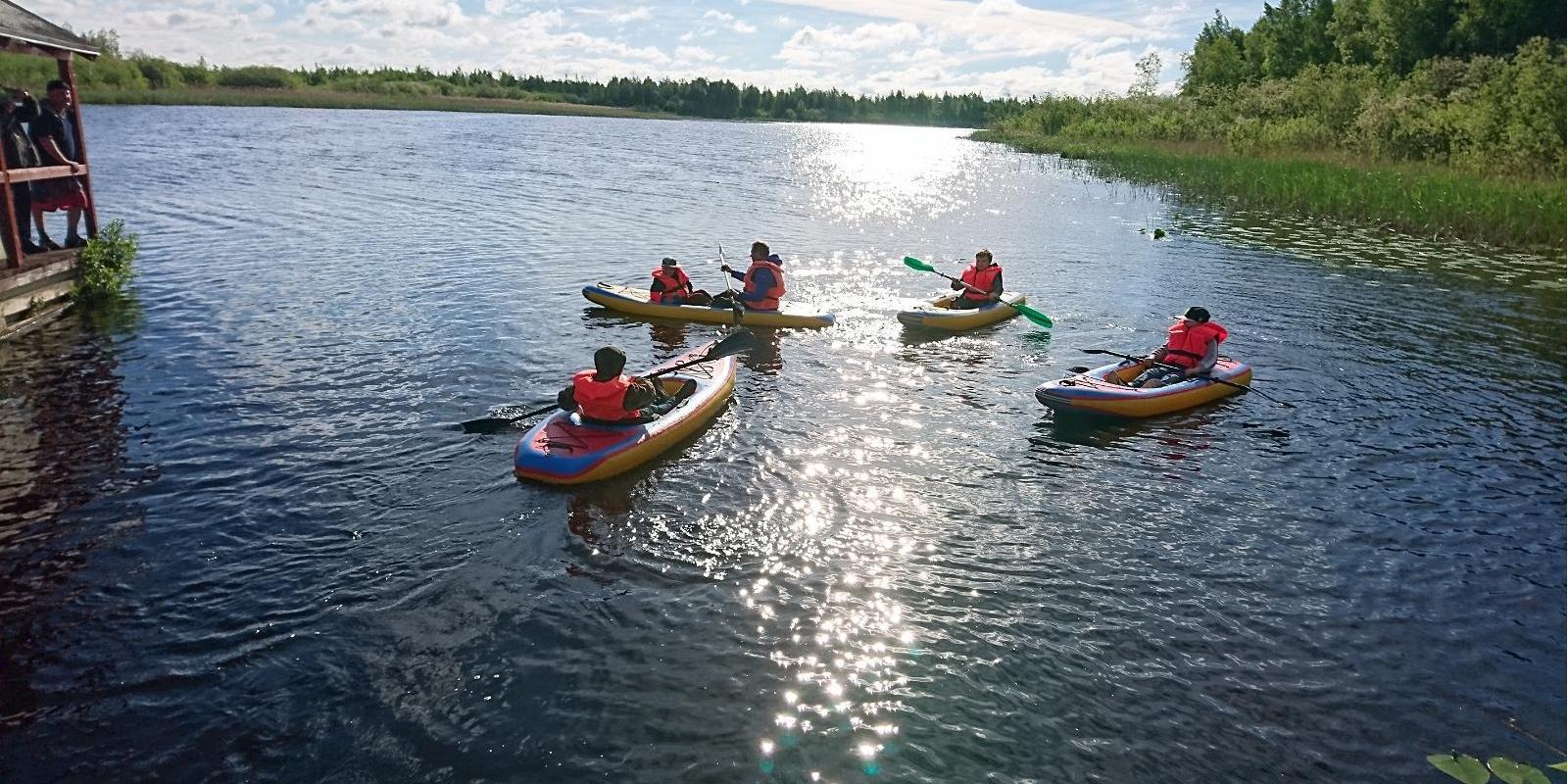
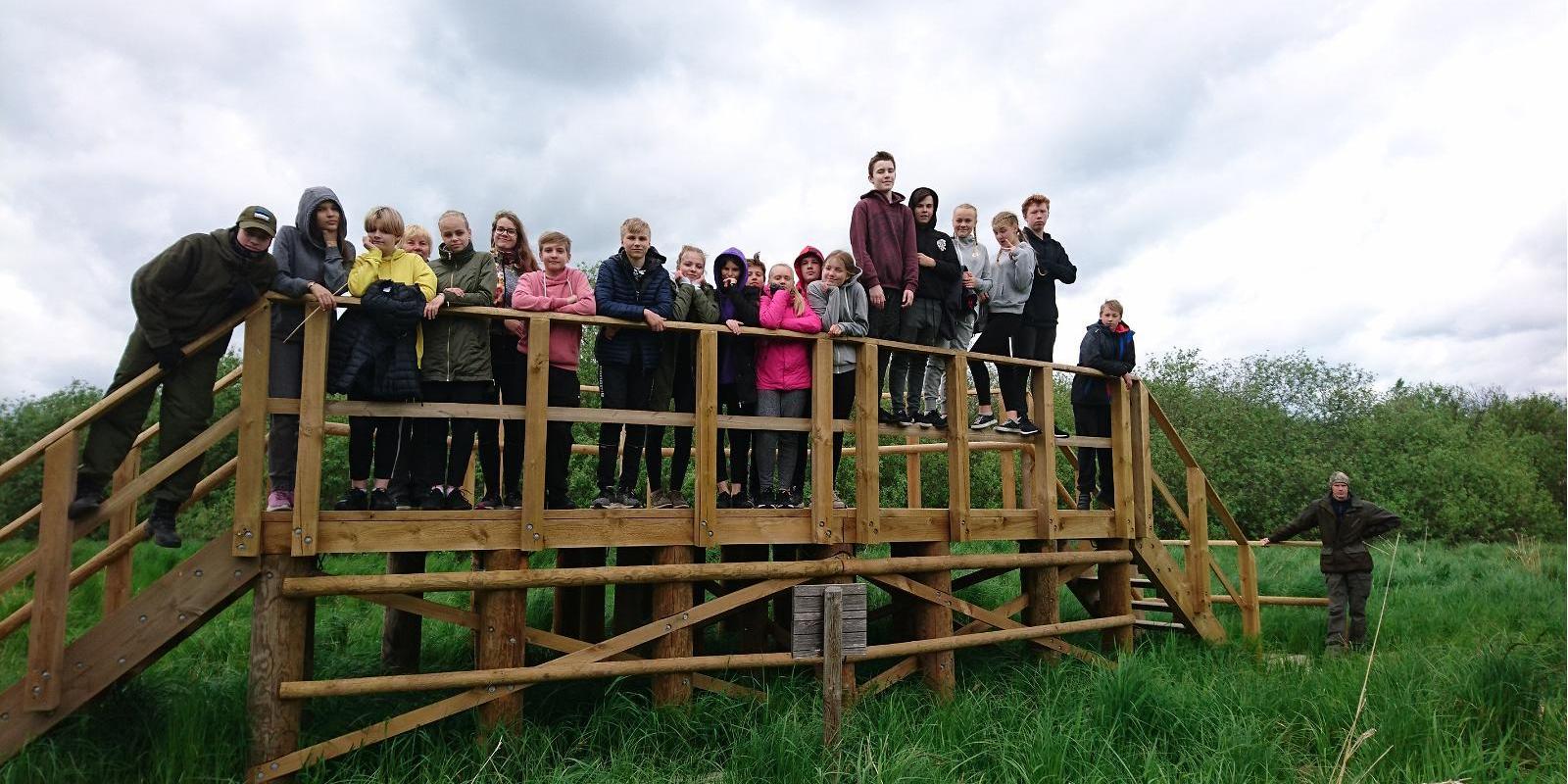
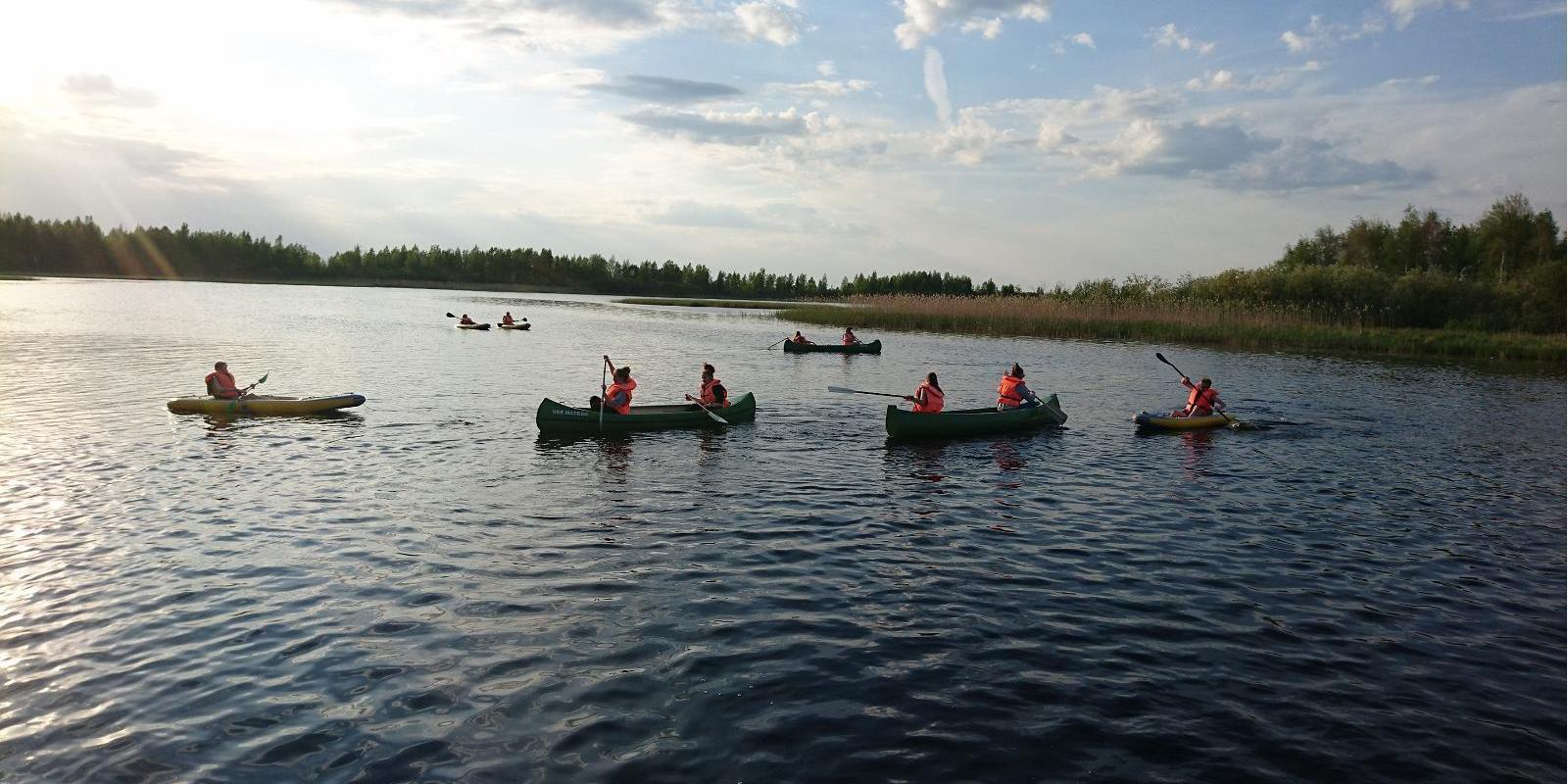
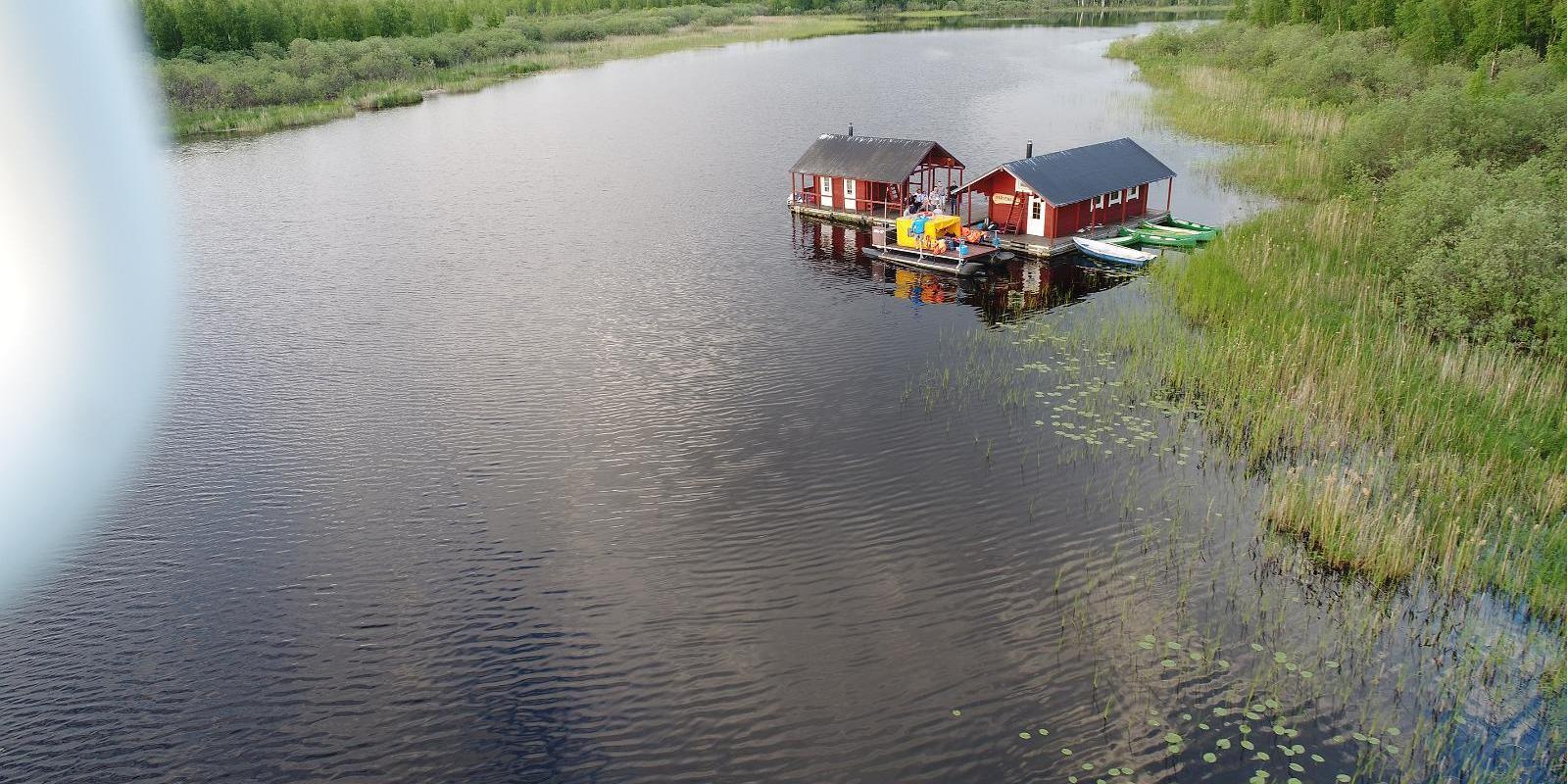
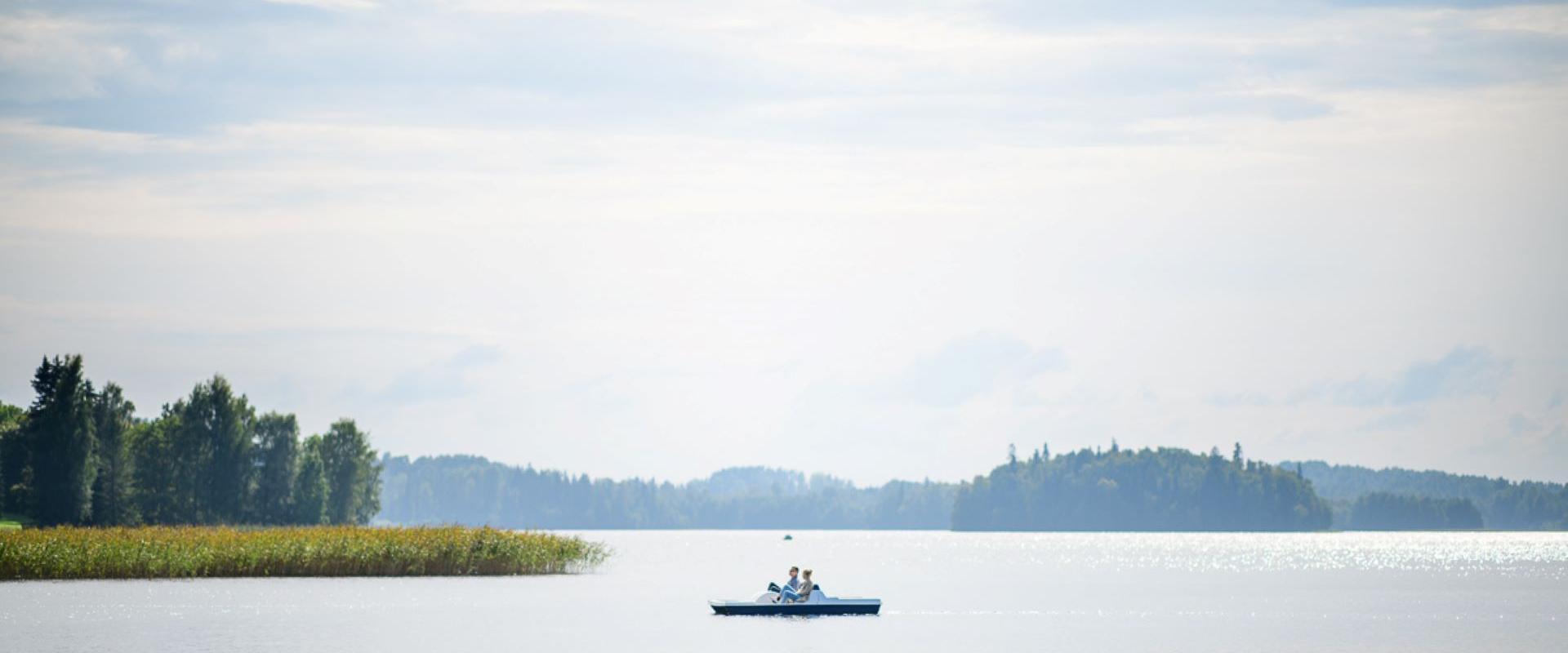
This two-day (24h) adventure takes place on the Emajõgi River and in Peipsiveere Nature Reserve. The mode of transport are motorised and safe pontoon catamarans. By self-piloting (with the help of an adult), you chart your own course through the waterways, stopping at the Emajõe-Suursoo Nature Centre along the way. You then make your way to the fifth biggest body of inland water in Europe – Lake Peipus – before reaching your stop for the night at the raft house, where you will find a warm bed, dinner, canoes, and a sauna.The rafting trips require groups of at least 20 pupils and two adults.
Mugavused

  • WC
  • Free parking

Lahtiolekuajad

1. mai - 30. okt

Eeltellimsel

Kontakt

  • +372 5050253
  • Kalle@parvematk.ee

Lingid

Vaata lisaks

  • Camping sites
  • Pet friendly

Kiviranna holiday homes TORM and TUUL

On the shores of Lake Võrtsjärv, you will find the Kiviranna recreation centre and its two holiday homes – TORM (STORM) and TUUL (WIND). Each house can accommodate up to six people. There is a bedroom with four single beds (extra beds can also be provided) on the first floor of both houses. On the ground floor, there is a sofa bed for two. The houses have a kitchenette and the necessary kitchenware. The living room has a TV and a stereo system, and a small library for younger and older guests alike. We recommend asking for an IGLOO SAUNA.

  • Camping sites
  • Beaches

Erastvere manor park

Erastvere is one of the oldest settlements near Põlva. There is an old manor park with the tallest lime-tree in Estonia, with the height of 35 m. A chapel of the noble German family von Ungern-Sternberg which is built on the foundation of the former Church of Mary and called after the last family member born in Estonia – Gerhard – is located in the middle of the park. The park also includes the fascinating Lake Erastvere which offers good opportunities to bathe, camp and spend a good time. The Ahja River starts from the north-eastern part of Lake Erastvere.

Karl August Hermann Monument

Karl August Hermann (23 September 1851, Võhma village, Põltsamaa parish – 11 January 1909, Tartu) was an Estonian composer, linguist, and encyclopaedist. He was an important figure in the national movement. He published the first encyclopaedia in Estonian, was one of the organisers of several song festivals, and composed several hundred pieces of music, the best known of which are, for example, 'Kungla rahvas' and 'Oh laula ja hõiska'. He bought Perno Postimees, brought the publication to Tartu, and turned it into the first Estonian-language daily newspaper.The monument to Karl August Hermann in the park of Vana-Põltsamaa Manor was opened on 10 June 1935. The author of the statue is Alfred Zolk-Leius.

  • Monuments

Cornflower – Monument to the Victims of Stalinism

The Cornflower (or Broken Cornflower) memorial to the victims of Stalinism was established in 1990 and its author is P. Saar.On top of the granite boulders is a broken cornflower (Estonian national flower). Black stripes run through the grey stone parquet of the square. They depict the railway tracks that symbolise deportation to Siberia. The waterworks of the monument make it possible for water to drip off the petals of the cornflower, like tears.The monument, which was initially erected on the corner of Riia and Pepleri streets in Tartu by the association of freedom fighters Memento, was reopened in its new spot at Pepleri 27. The monument is located next to the grey building. During the Soviet era, a KGB remand prison was located there, where the deportation of many Estonians to Siberia began.

Mokko Farm

Mokko is suitable for those who love nature, peace and quiet. We can accommodate individual tourists, families with children and groups of up to 40 people. A small group or a company can organize an event or a training here without being disturbed by other visitors. Our guests can use a large hall and a fully-equipped seminar room in the main building; you will be accommodated in two suites with all conveniences and two double rooms on the first floor of the main building and in six double rooms with all conveniences in the new barn.In addition, you can rent the privately located sauna by the pond (up to 4 people) and our outbuilding (up to 4 people).

Barlova Bar

Barlova is a community bar located in the heart of Karlova. Here's where you will find a cosy interior, colourful characters among both customers and employees, and lovely evenings. You can taste local craft beers, Saicaf coffee, and Italian wines and pizza.Keep an eye on our cultural programme on Facebook because every month new art exhibition hangs on the bar's walls. Additionally, from time to time, you can enjoy musical performances or test your knowledge in a quiz. However, unannounced events take place as well, so you will have to come and see for yourself!

  • Camping sites
  • Pet friendly

Paju Holiday Village

Paju Holiday Village is the ideal place for people who like to enjoy the nature during their holidays as it is just 300 m from Lake Pühajärv. The holiday village has a private holiday house with a sauna and a separate area with washing and utility rooms where people can pitch up their tents. It is suitable for family holidays. There are spaces for tents and camping opportunities and summer and there is also a roofed picnic area.

  • Guided tours

Guided tour in the Liiv Museum

At the Liiv Museum, visitors can experience the environment that 19th-century Estonian peasants lived in. The guided tour gives an overview of the three cultures characteristic of the region. Two main elements are combined - the life of an Estonian peasant and the life and work of Juhan Liiv in the context of Estonian culture.The main farm buildings, objects, and their functions are all introduced.In seeing the life of the peasants, it becomes clear under what conditions Juhan Liiv grew up. Studying the life of the writer and poet gives the visitors ideas about very different parts of his life.It is possible to vary the topics based on the interests of the group visiting.

  • Privacy Policy

"*"обозначает обязательные поля

Это поле используется для проверочных целей, его следует оставить без изменений.
Я разрешаю маркетинг