• Открой
    • Еда
    • Природа
    • Культура
    • Семья
    • Спорт
    • Сообщество
    • Блог
    У Вас появились свободные выходные, чтобы провести с детьми? Здесь собраны лучшие места в Южной Эстонии для семейного отдыха
  • Планируй
    • Размещение
    • Информация
    • Varamu
    Sustainability
RUS
  • РусскийRUS
  • EestiEST
  • EnglishENG
  • LatviešuLAT
  • SuomiFIN
RUS
  • РусскийRUS
  • EestiEST
  • EnglishENG
  • LatviešuLAT
  • SuomiFIN
Populaarsed otsingud:
Näita kõiki tulemusi
  • History & Culture
  • Architecture and history

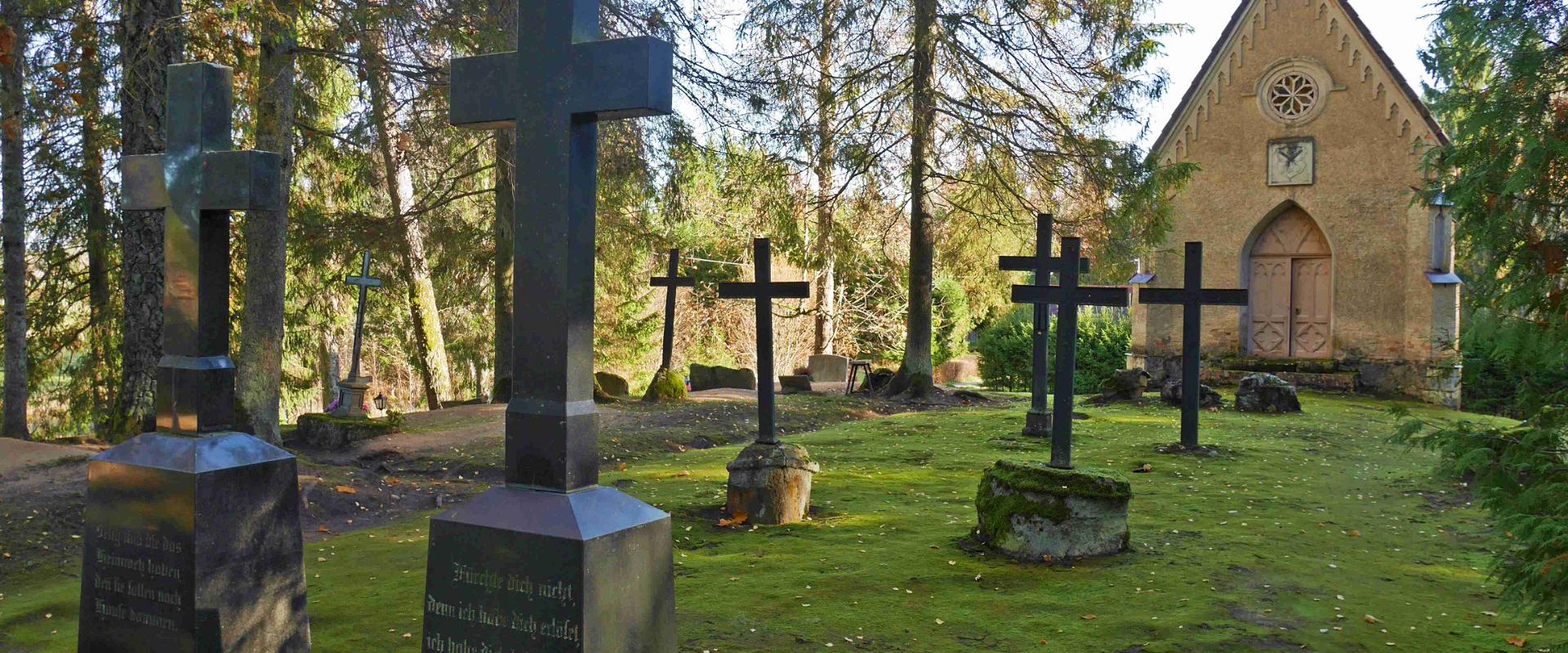
Kütimäe cemetery

Põltsamaa vald, Jõgeva maakond, 48203

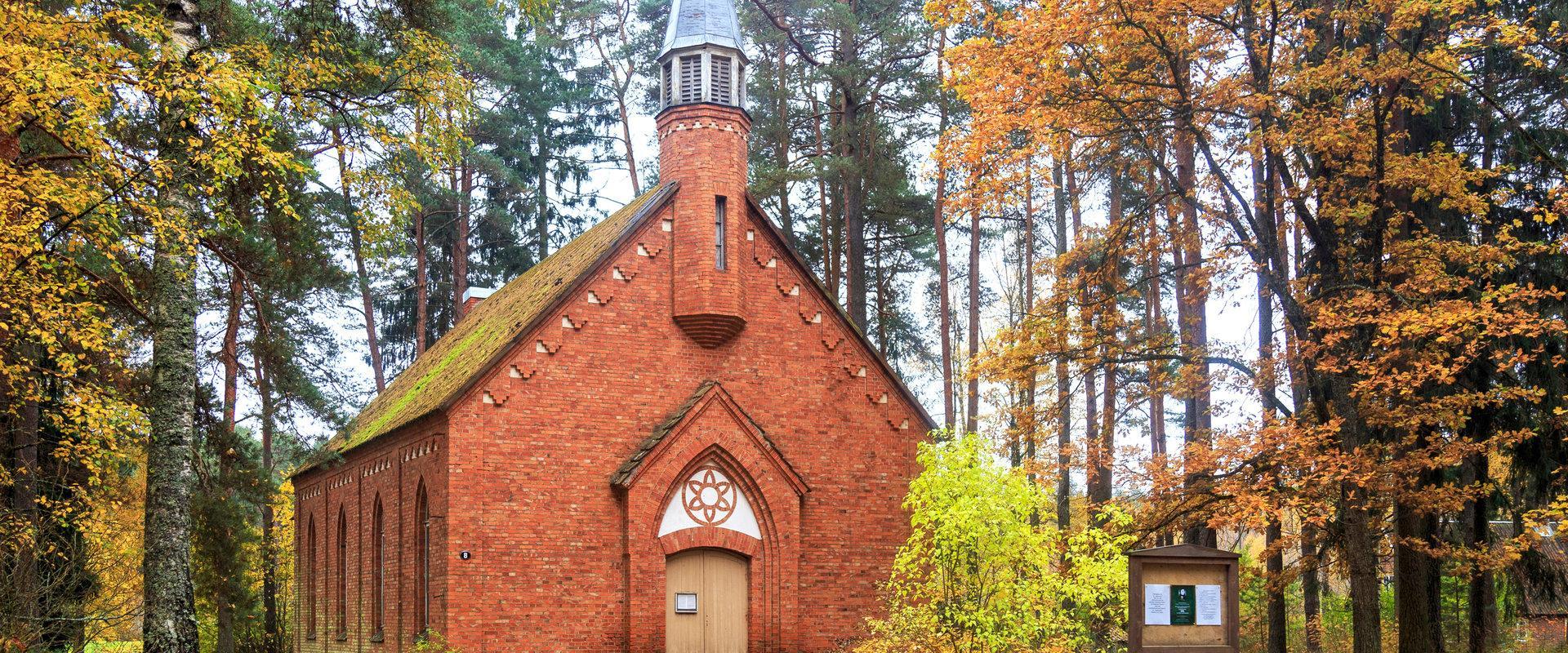
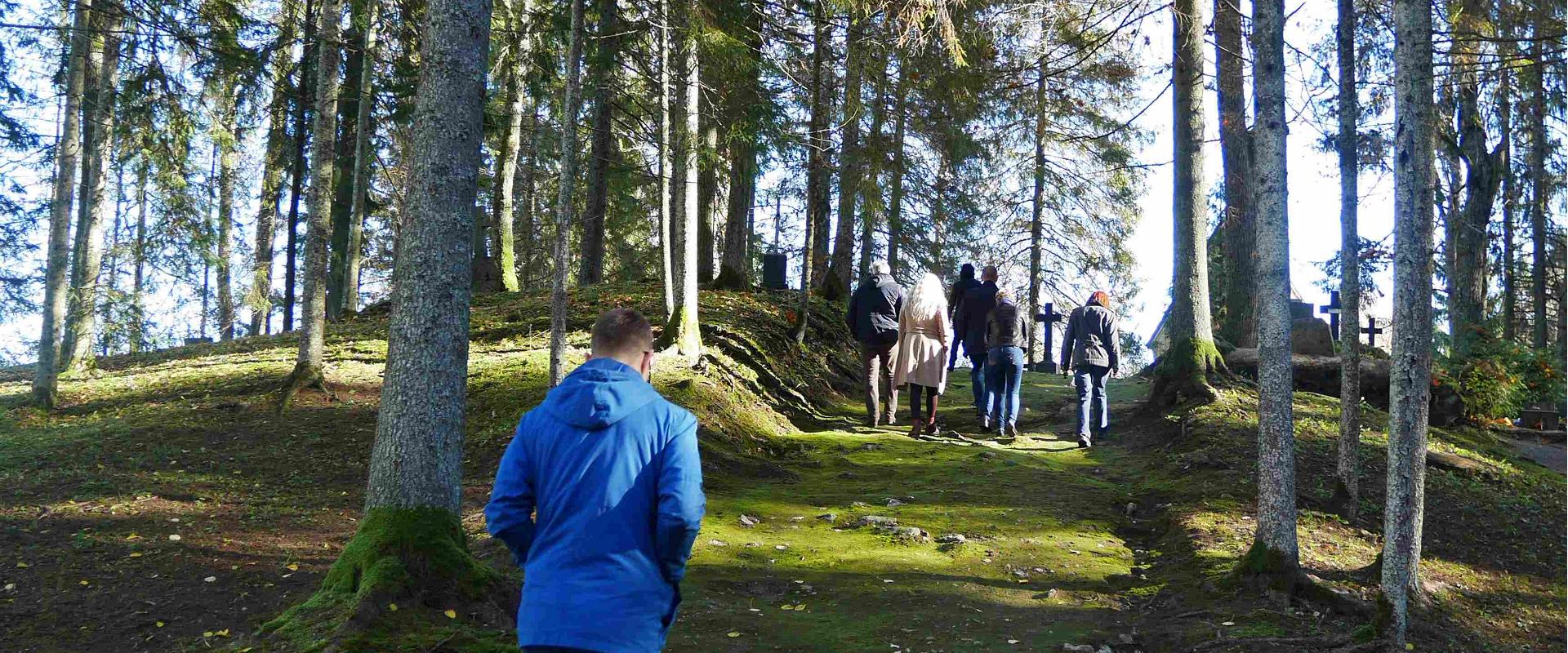
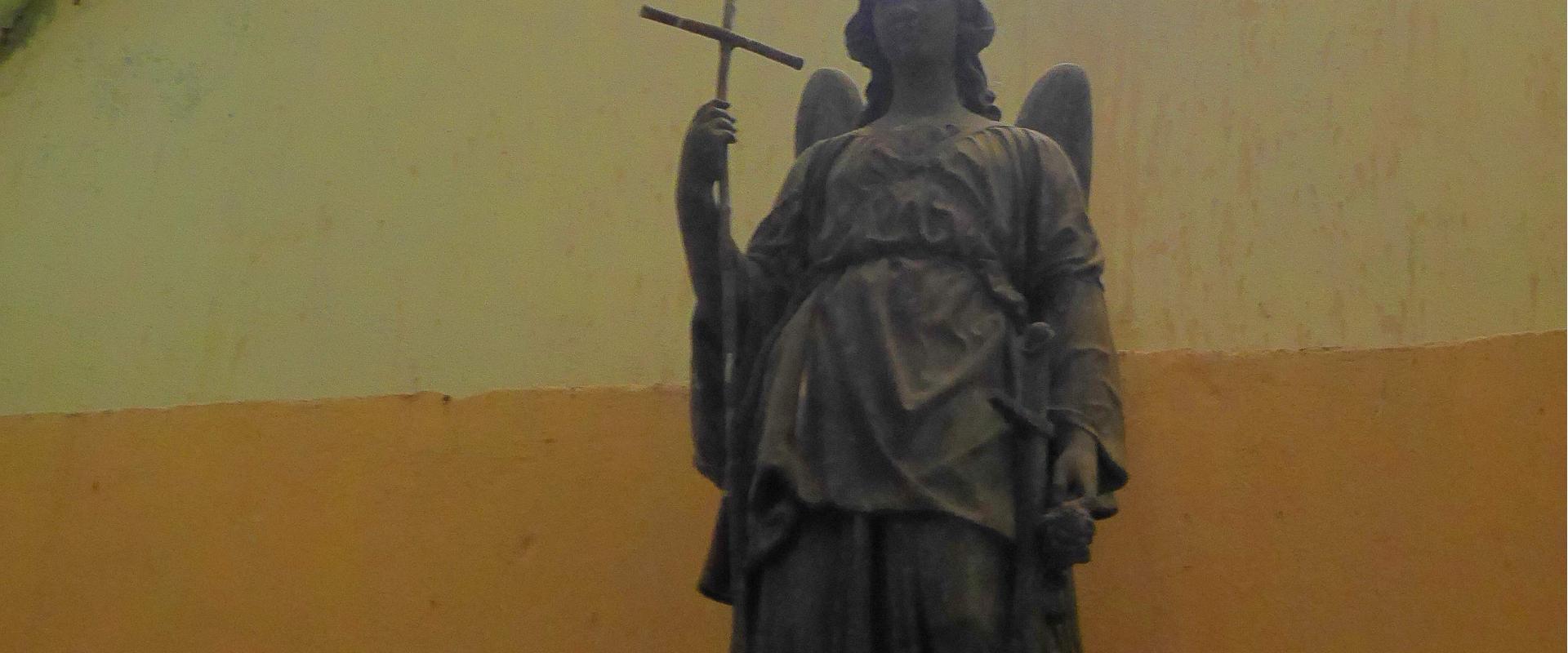
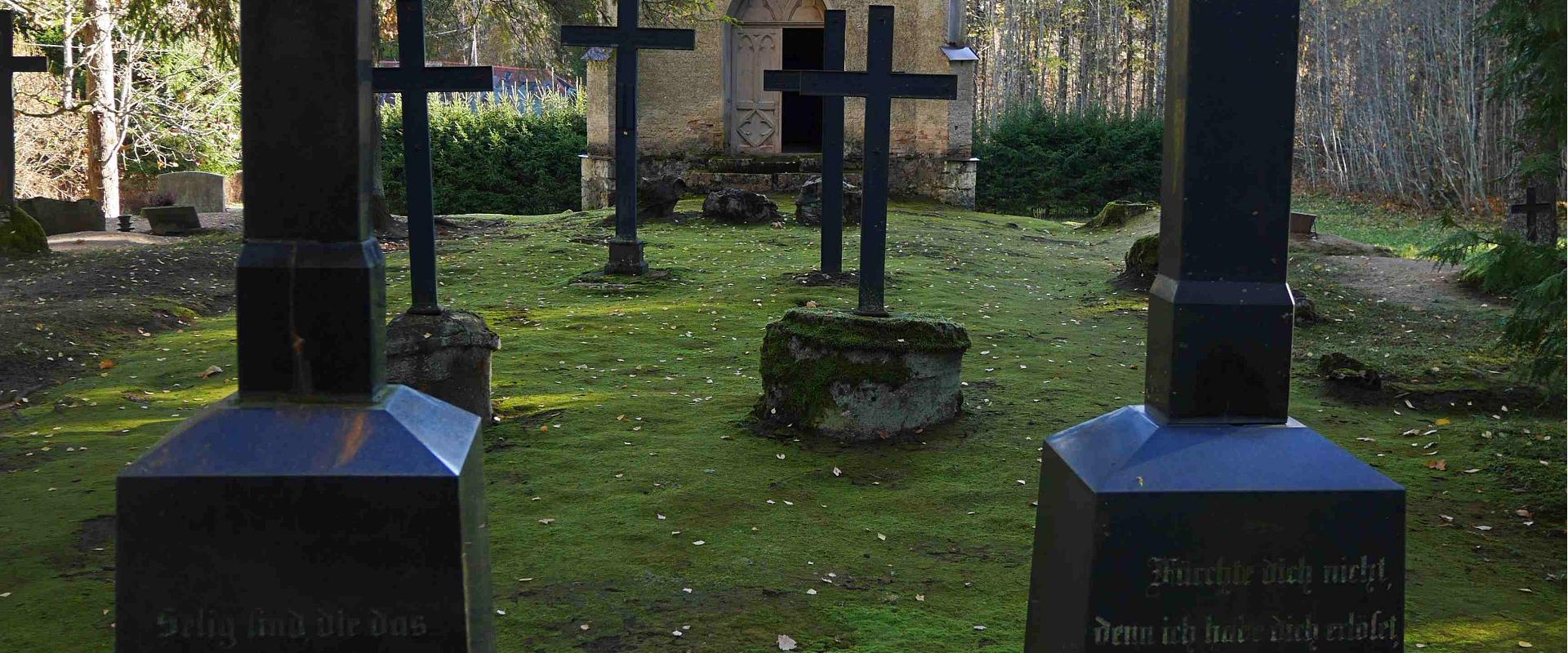
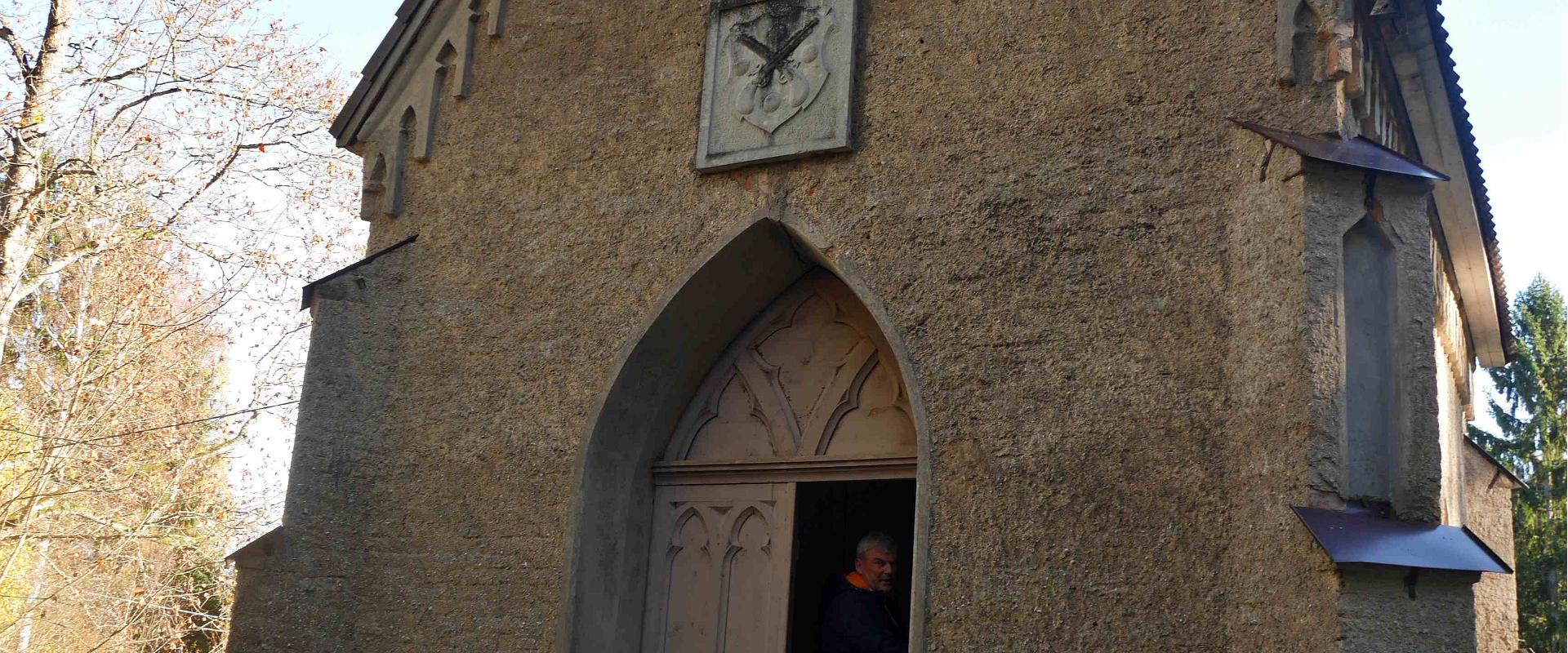
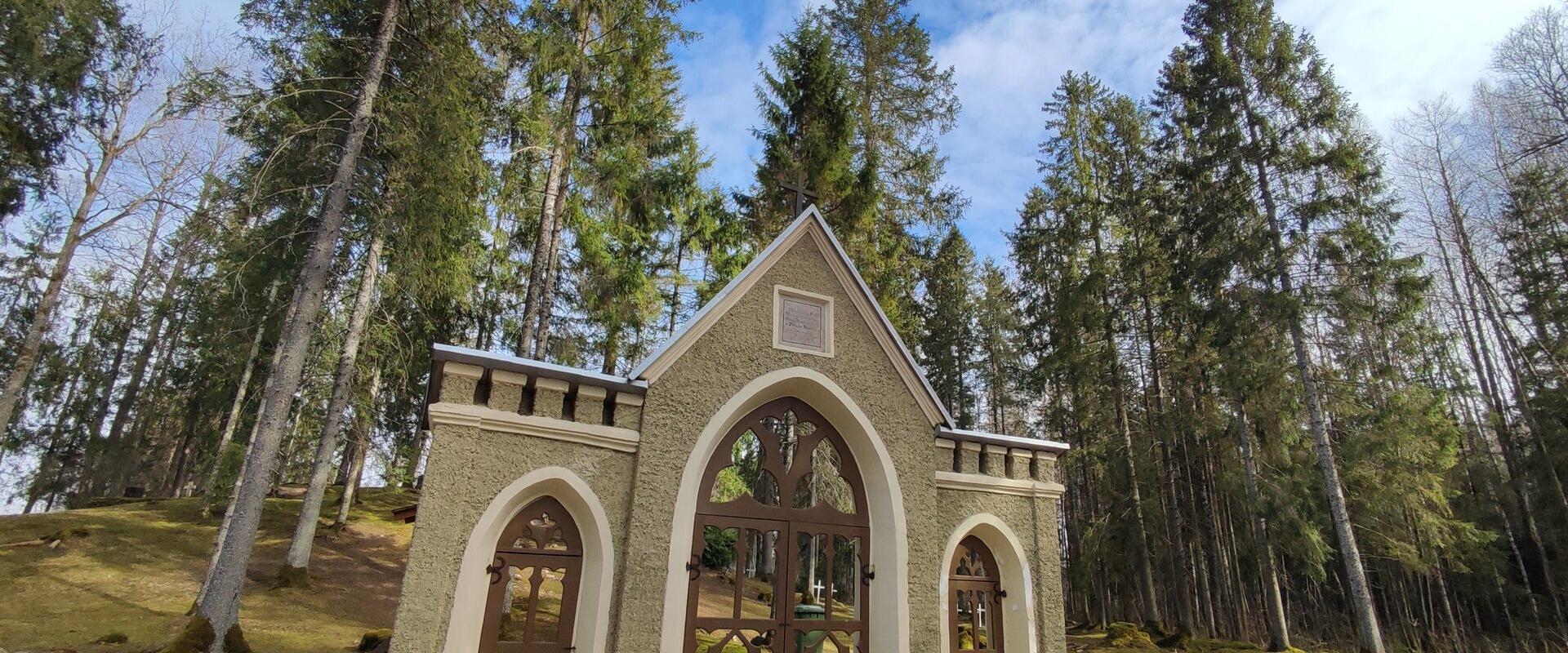
The Kütimäe cemetery was founded in 1872 by the owners of Rutikvere Manor, the Pistohlkorses. As the German cemetery in Põltsamaa lacked enough space, the landlords had to establish a private cemetery. To build it, the farmers had to make an artificial mound in Kütimäe. According to legend, this hill was built for two years and the soil was transported by horses.In 1873, a cemetery wall, a three-part gate, and a neo-Gothic chapel were also built. The chapel is decorated with the arms of the Pistohlkorses.The exact number of people buried in the cemetery is unknown. The cemetery is still operating today and is maintained by the Põltsamaa Municipality.
Mugavused

  • Free parking

Часы работы

Круглый год

Ööpäevaringselt

Контакты

  • +372 7751390
  • turism@poltsamaa.ee

Ссылки

Подробнее

  • Virtual reality (VR)

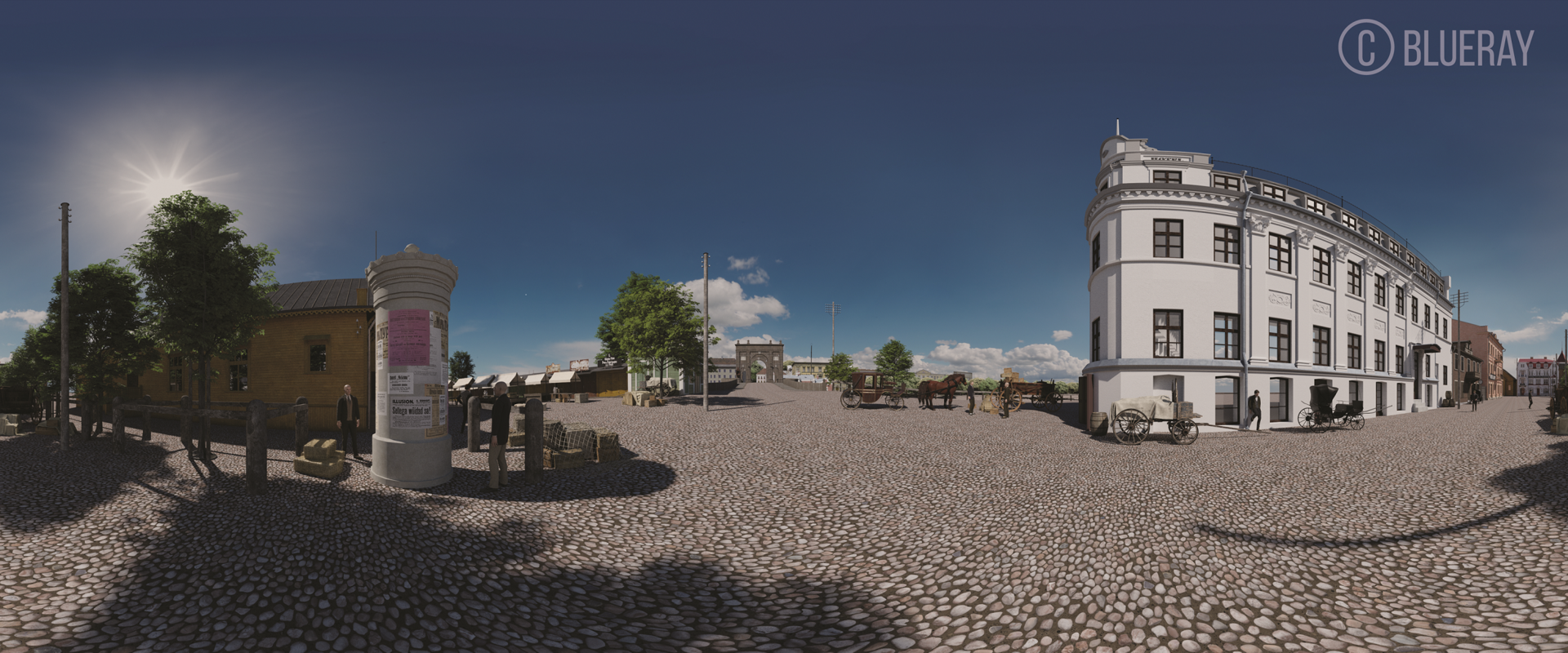
«VR Tartu 1913» — Historical virtual tour and audio guide of Tartu

The virtual tour "VR Tartu 1913" takes visitors through time to the center of Tartu more than a century ago. Physically, you move between four viewpoints on both sides of the Arch Bridge, but virtually, the lost panoramas of Tartu and the lively street open up before you. Experience what the banks of the Emajõgi looked like at the beginning of the 20th century – the city's former symbols, such as the town hall, stone bridge, barge harbor, and grand historic Tartu hotels come to life again. While walking in modern-day Tartu, you simultaneously see the city that no longer exists, and experience its sounds, movement, and atmosphere virtually. This engaging, fact-based yet emotional experience makes history come to life, offering a rare opportunity to glimpse what Tartu was like before the war brought about major changes. An audio guide is available in multiple languages to allow every visitor to experience Tartu's story in their own language. Step into a time machine and experience Tartu as it was in 1913!

  • Guided tours
  • Workshops

Valga Museum

The permanent exhibition of the Valga Museum presents the natural, historical and cultural history of Valga county and the city from ancient times to the present day. This is a lively and modern museum where you will never get bored! The photos displayed here show you the history (nature, time, and culture) of the city and county of Valga from ancient times to the present. The museum is also livened up by models, music, and wax figures. Valga Museum also organises educational programmes, museum lessons and creative workshops. Interesting facts: there is a wax figure of the first Estonian Olympic champion, Alfred Neuland, in the museum.Going to the museum is not a waste of time!

  • Churches

Elva Church of the Estonian Evangelical Lutheran Church

You will find this historicist red-brick church (architect Arved Eichorn), which is the first new church built in the Republic of Estonia, in the peaceful little town Elva. Tartu St John’s Congregation used to operate in Elva for some time. This is why some details of the Elva Church remind of Tartu St John’s Church – the rarely used plaster and brick imitation of a rose window on the western wall of the church refers to the medieval rose window that can be found in Tartu St John’s Church.

  • Manors

Väimela Manor and Park

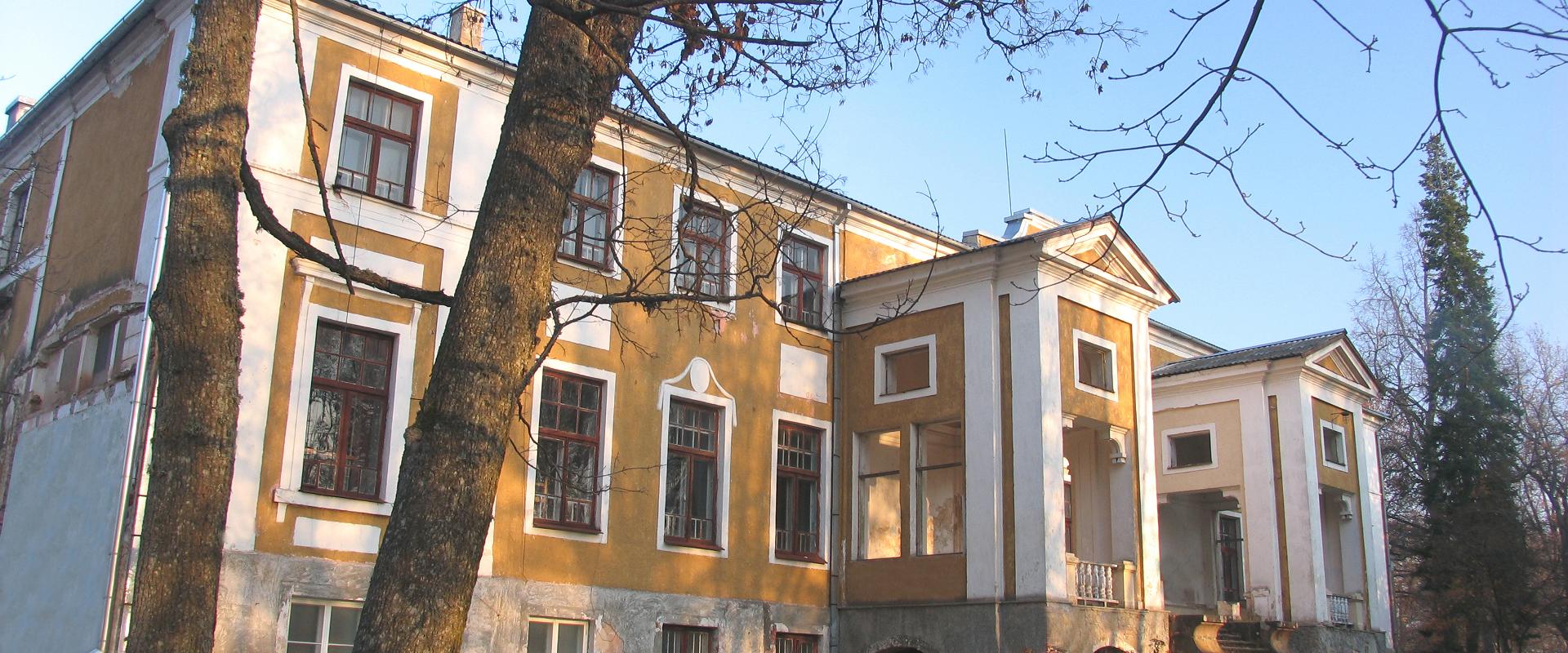
Väimela Manor was first mentioned already in 1590, but the current main building is from 1952.The threshing building, distillery, farmhands' barn, farmhand's house, milking parlor, woodworking shop, granary and grain dryer, hay barn, barn and dairy have been preserved. Bernhard von Loewen was the last squire.Today, the manor is managed by the Võru County Vocational Training Centre. The manor park was established in the 18th century and there are mostly lindens, maples and oaks.Lakes Alajärv and Mäejärv in Väimela are connected with a stream. South of Lake Alajärv, in Matussaare, is the burial ground of squires of Väimela and the ruins of a chapel, that was built in 1885.You can only see the manor from outside.

  • Churches

Church of St Catherine in Võru

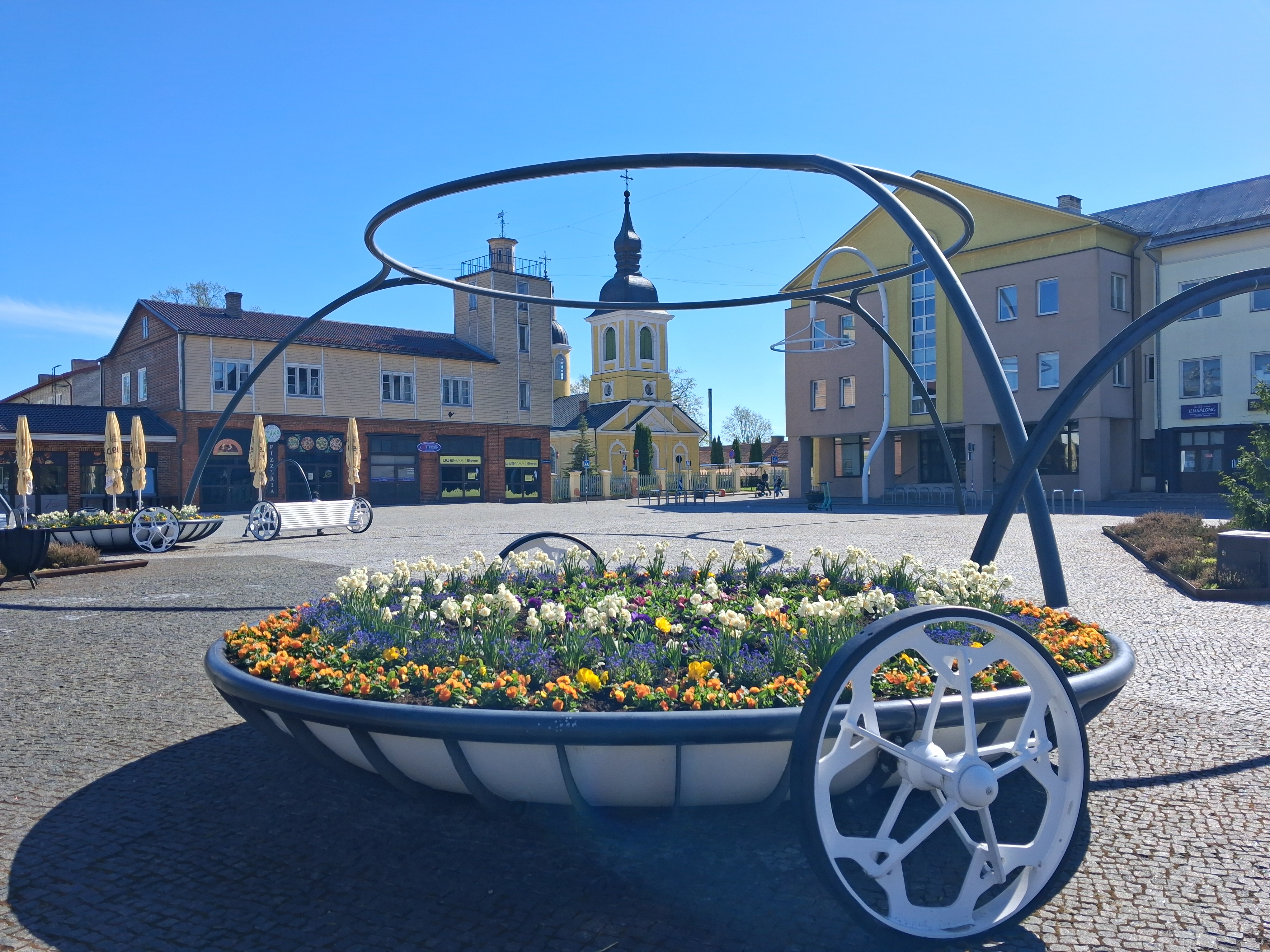
Construction of the Church of St Catherine in Võru commenced in 1793 during the reign of Empress Catherine II. It is thought to have been designed by the Livonian architect Schons, while the man responsible for the building of the church was Võru's own Johann Karl Otto. The church was surrounded with a formidable fence. It is famous for its cross-shaped floor plan, substantial bell tower, high dome-like secondary tower and arched windows. Designed in classicist style, it was completed in 1804 in honour of St Catherine. The grounds around the church were restored in 2008 and are now home to an open air exhibition of religious text-themed illustrations by artist Marje Ernits.

Räpina Snow White Kiosk

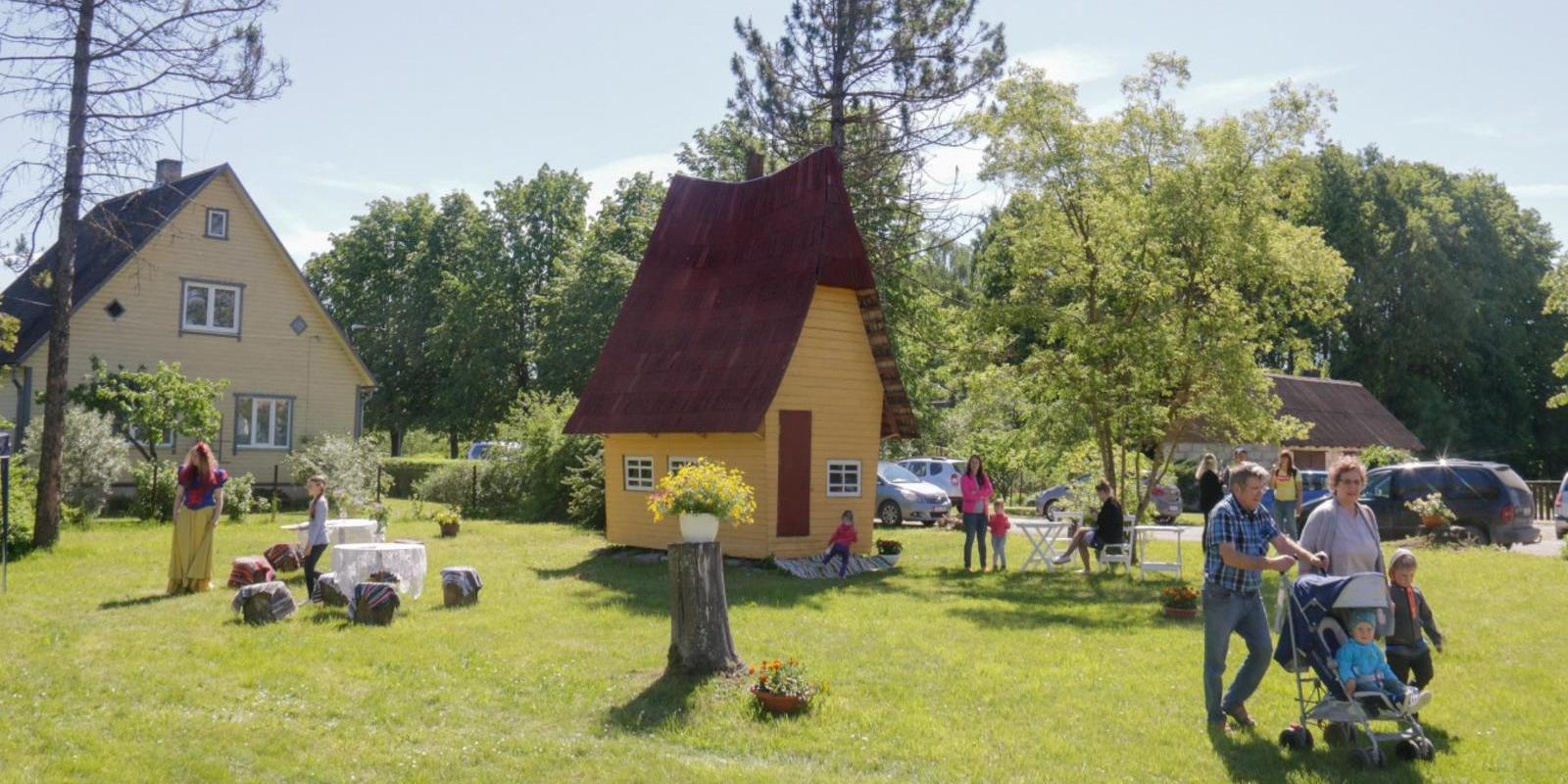
The architectural solution of Räpina children's kiosk is inspired by the book Snow White and the Seven Dwarfs.In the past, the interior walls of the kiosk were decorated with humorous portraits of the seven dwarfs, which always generated excitement in younger guests. The Snow White kiosk brought joy to children and made Räpina a popular destination among visitors. The kiosk sold children's favourites – lemonade and sweets.The children's kiosk is no longer in operation and the house is usually empty. Its doors are opened on the day of Räpina home cafes.At other times, it is possible to explore the house and admire it from the outside.

  • Churches

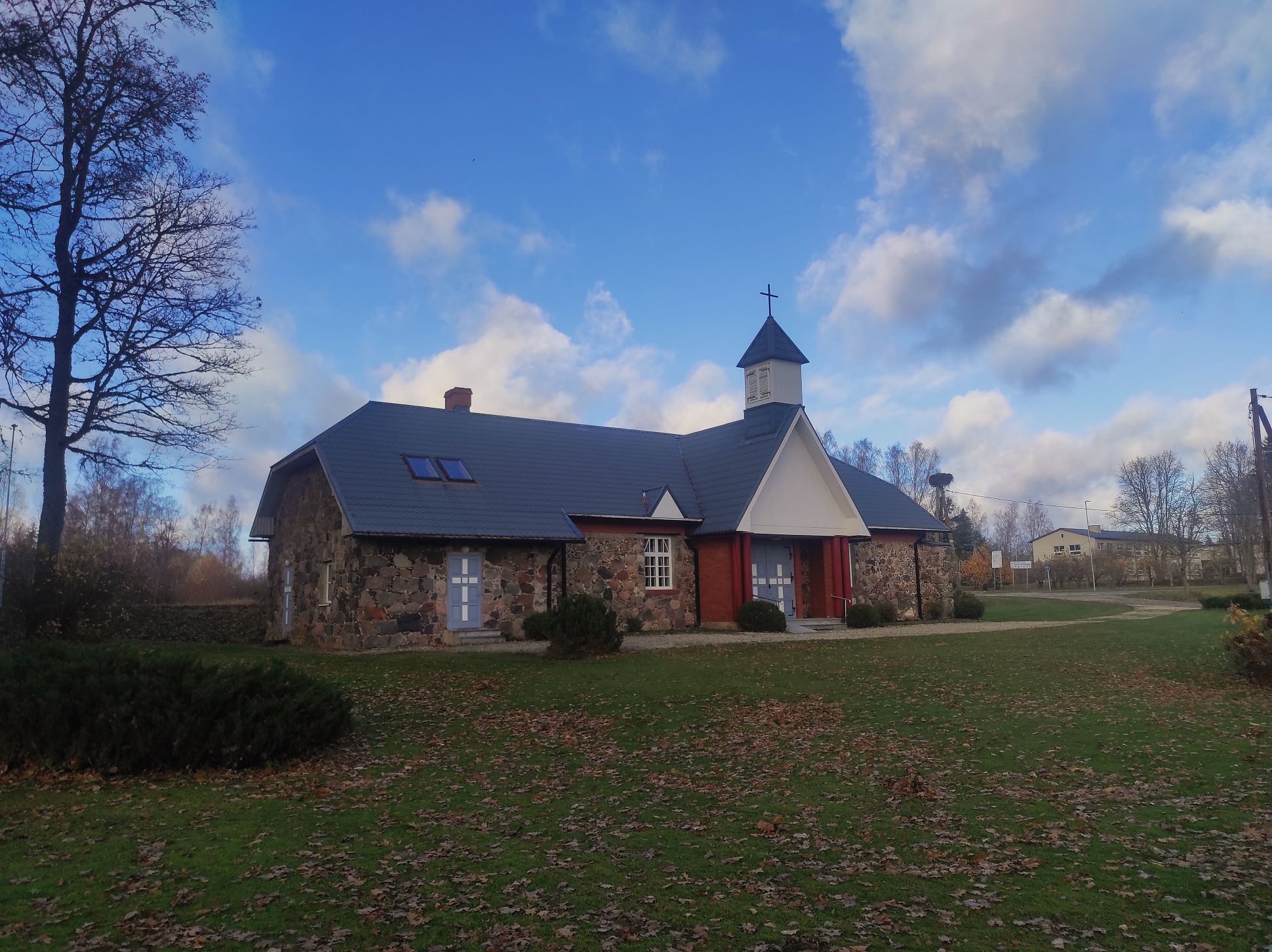
Karula Maarja (St Mary’s) Church

Karula Church has been working in the converted manor granary since 1997. The most special feature of the church is the stained glass painting 'Eucharist' of Estonian artist Dolores Hoffmann which depicts local people as the disciples against the background of the holly landscape of Karula.The doors of the Karula Church are open to visitors during Sunday services. Please contact a representative of the congregation if you wish to visit the church some other time. Interesting facts: • The same building was used as an animal barn during the Soviet times. • The stained glass painting was donated to Karula Church by the descendants of the German squires the von Grotes.

  • Monuments

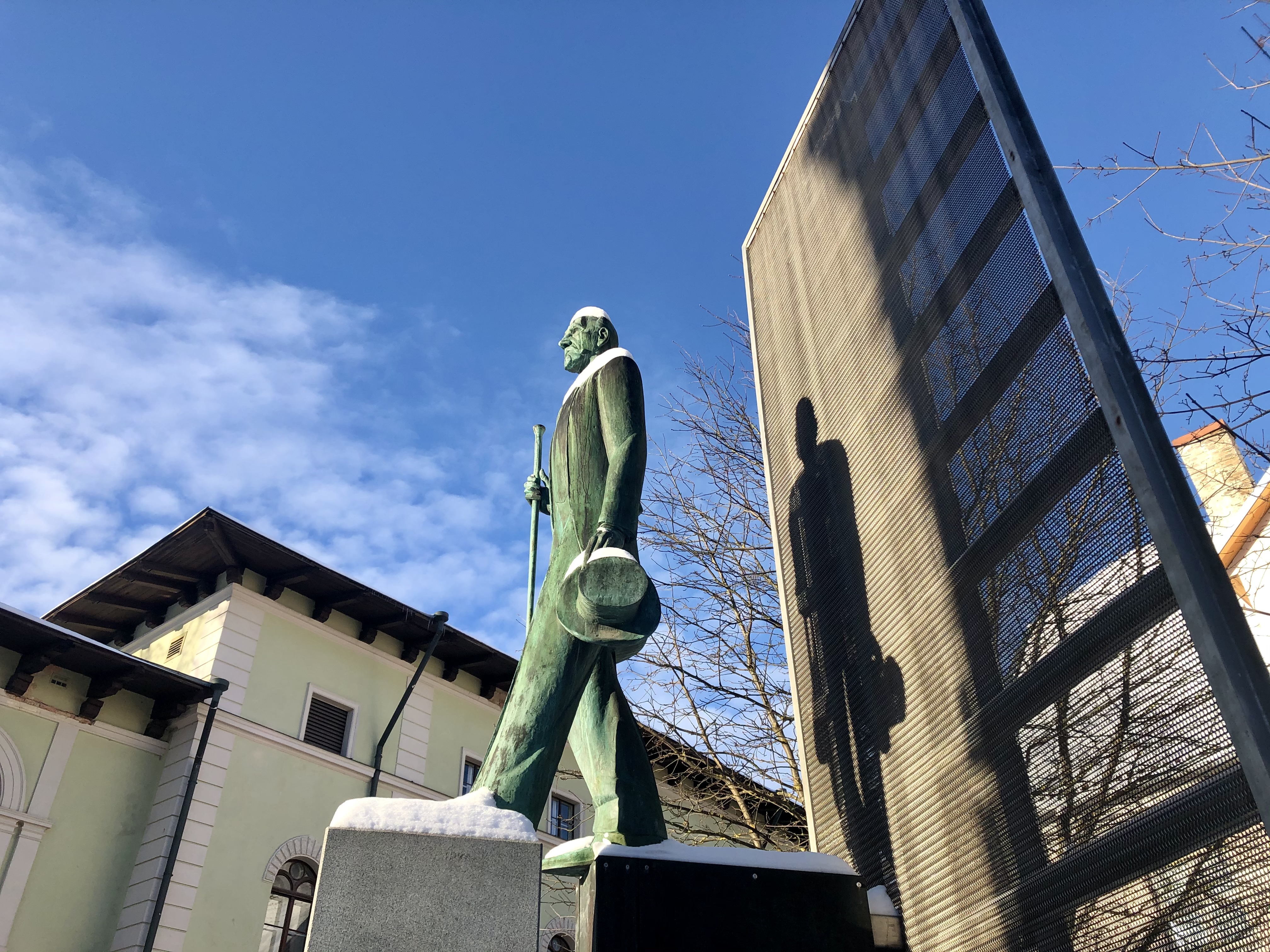
Monument to Jaan Tõnisson

The monument to the legendary Estonian statesman and journalist Jaan Tõnisson was established in 1999. Its authors are Mati Karmin and Tiit Trummal. Jaan Tõnisson was a legendary statesman and journalist who was prime minister from 1919 to 1920, the head of state from 1927 to 1928 and in 1933, the owner of the Postimees newspaper from 1896 to 1930 and the editor-in-chief of the Postimees from 1896 to 1935. Tõnisson was made an honorary citizen of Tartu in 1939.

  • Privacy Policy

"*"обозначает обязательные поля

Это поле используется для проверочных целей, его следует оставить без изменений.
Я разрешаю маркетинг