• Avasta
    • Еда
    • Природа
    • Культура
    • Семья
    • Спорт
    • Сообщество
    • Блог
  • Planeeri
    • Размещение
    • Информация
    • Varamu
RUS
  • РусскийRUS
  • EestiEST
  • EnglishENG
  • LatviešuLAT
  • SuomiFIN
RUS
  • РусскийRUS
  • EestiEST
  • EnglishENG
  • LatviešuLAT
  • SuomiFIN
Populaarsed otsingud:
Näita kõiki tulemusi
  • History & Culture
  • Architecture and history
  • Manors

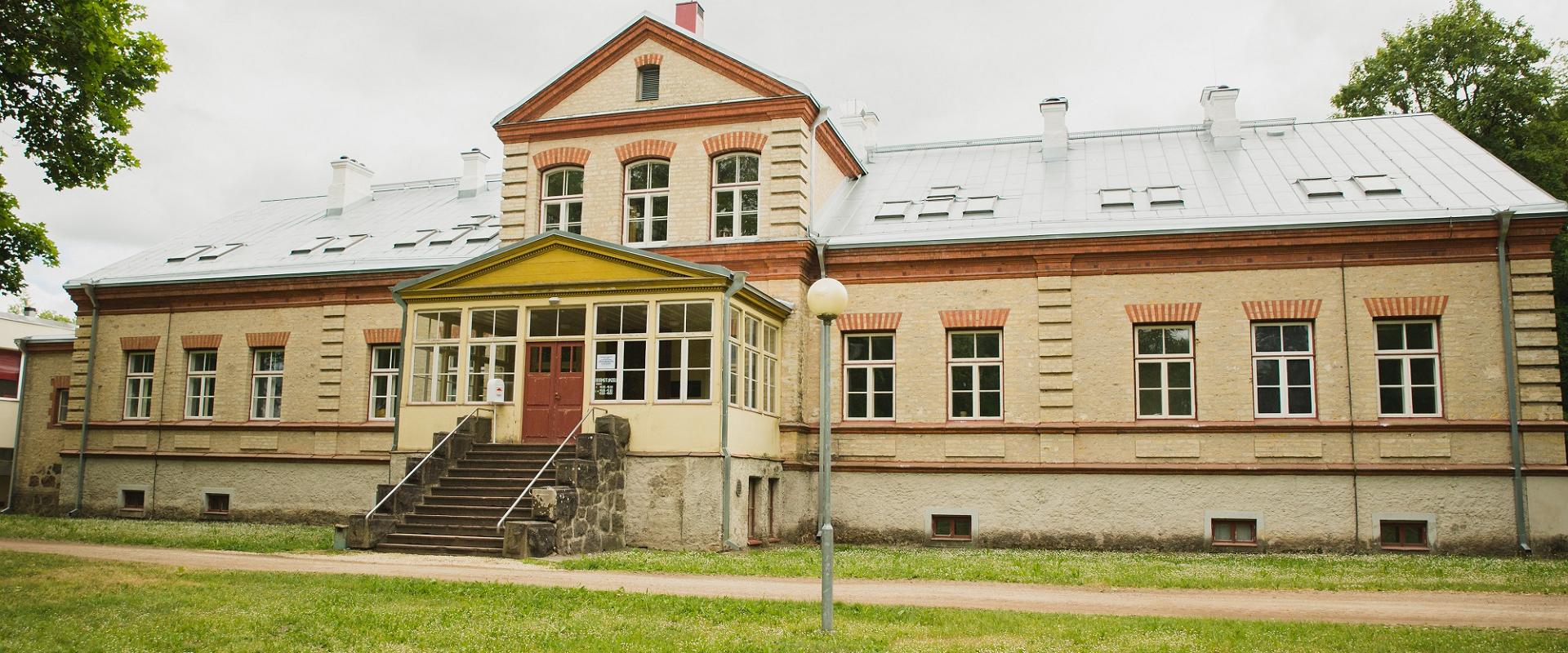
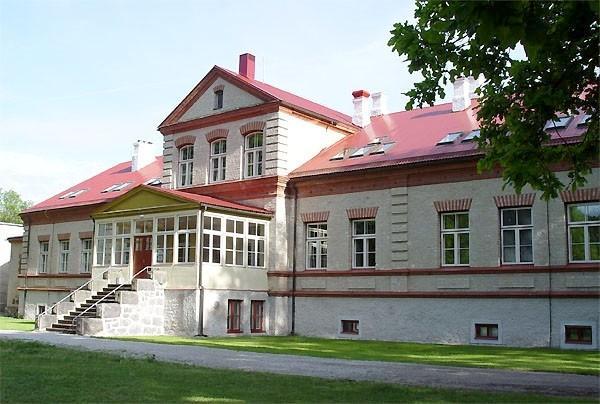
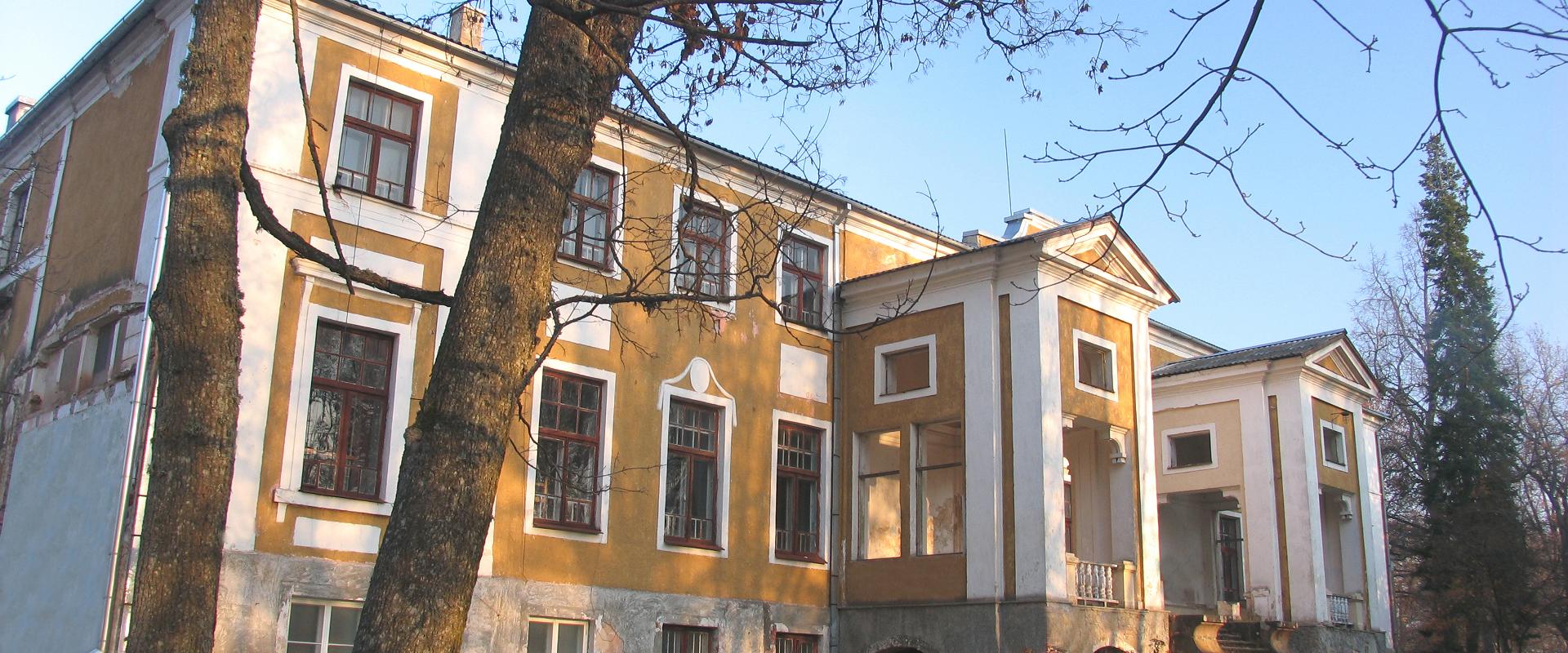
Adavere manor

Kooli tn 1, Põltsamaa vald, Jõgeva maakond, 48001

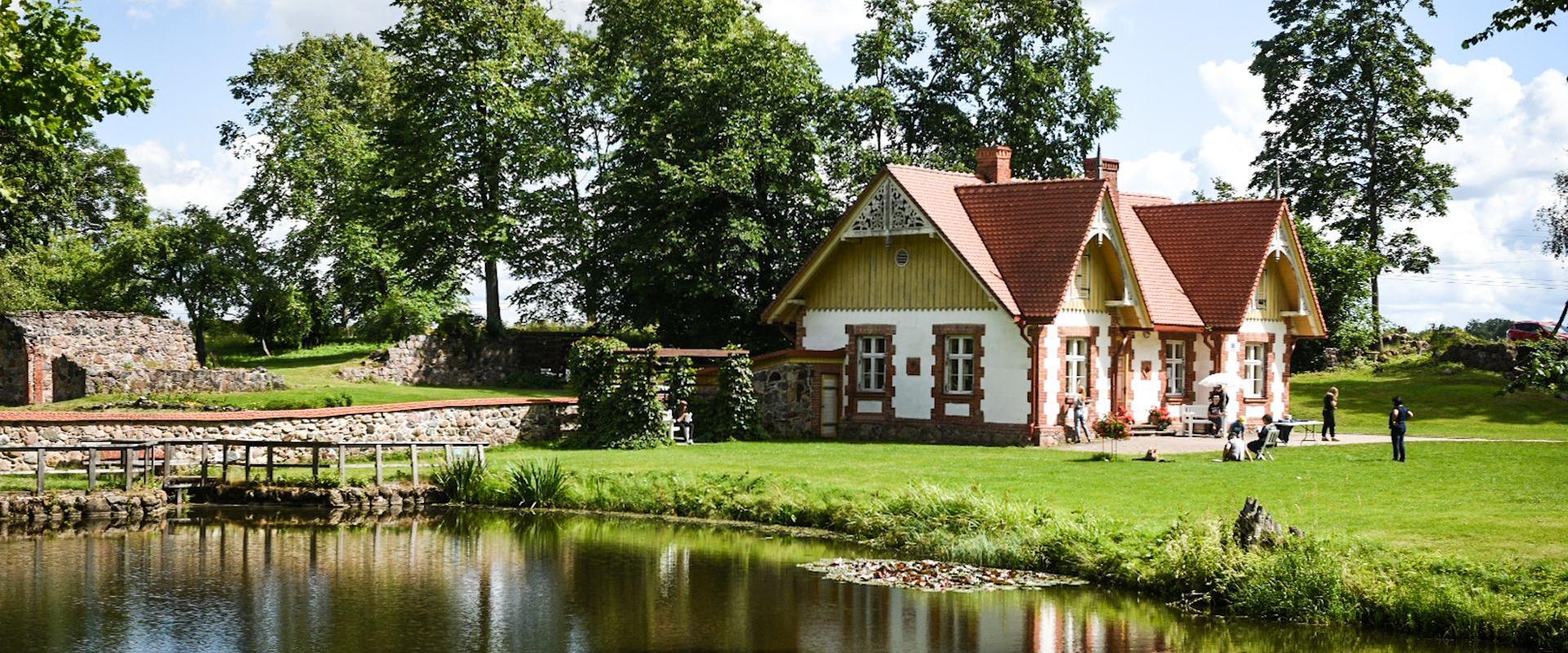
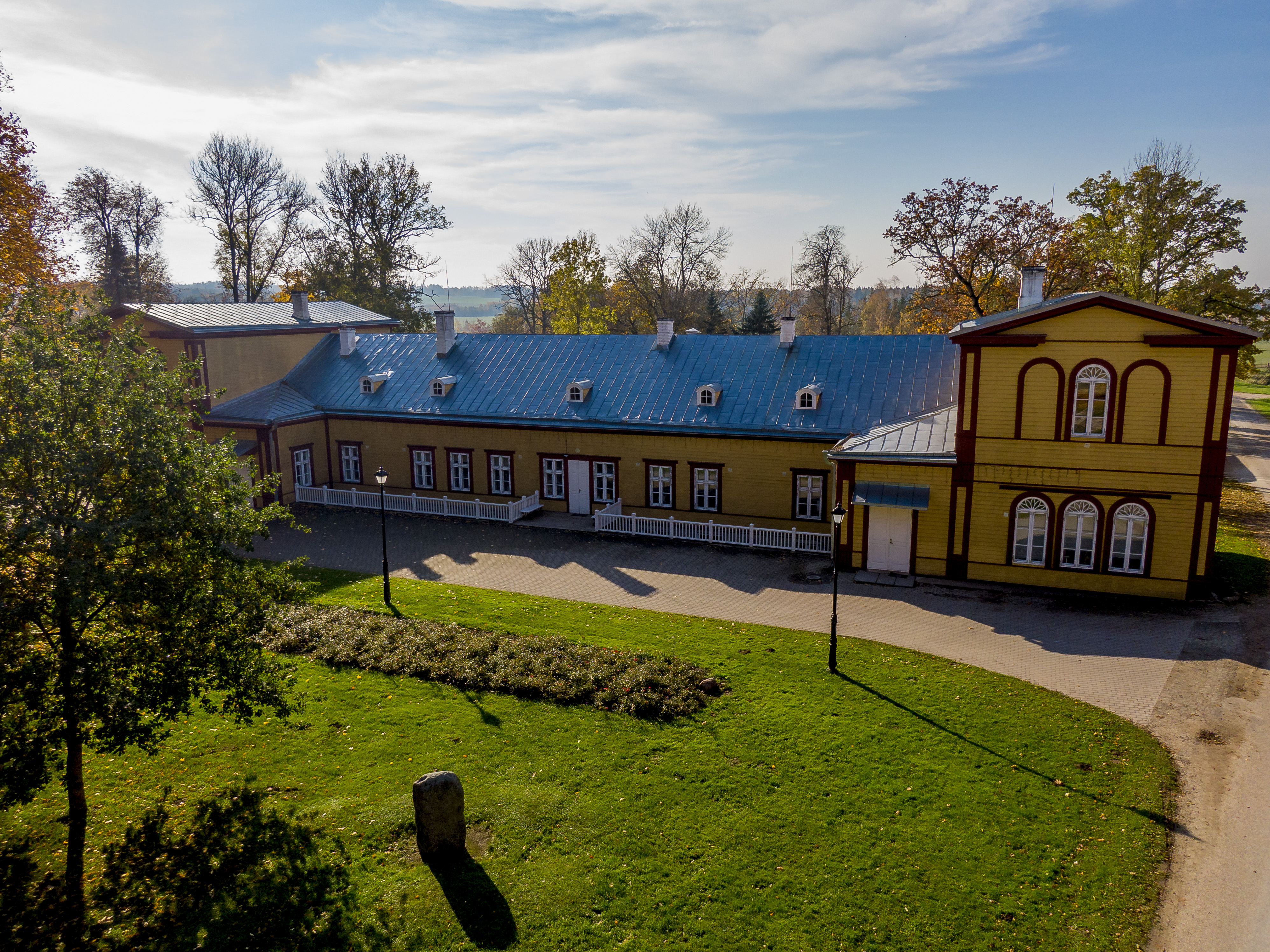
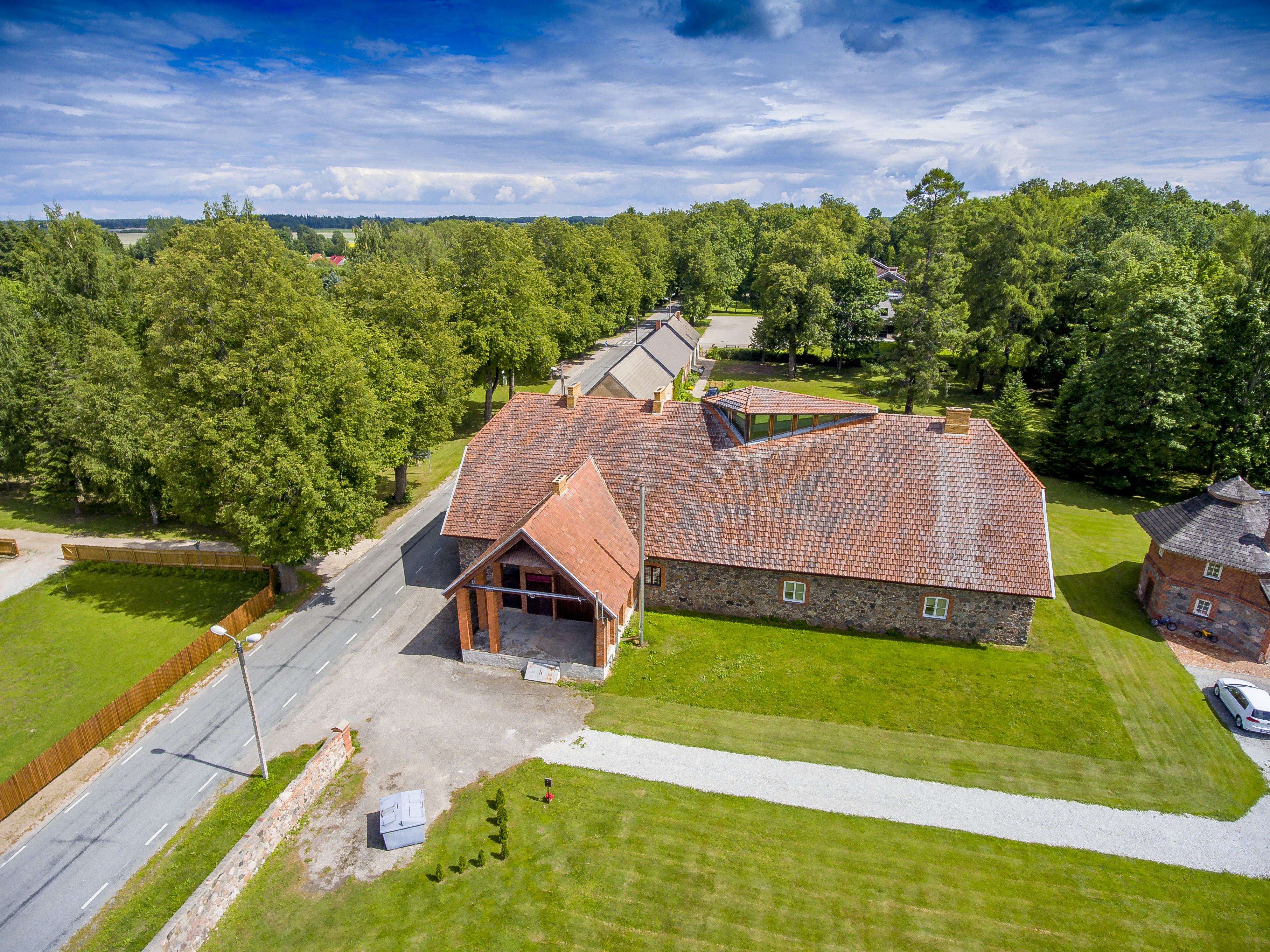
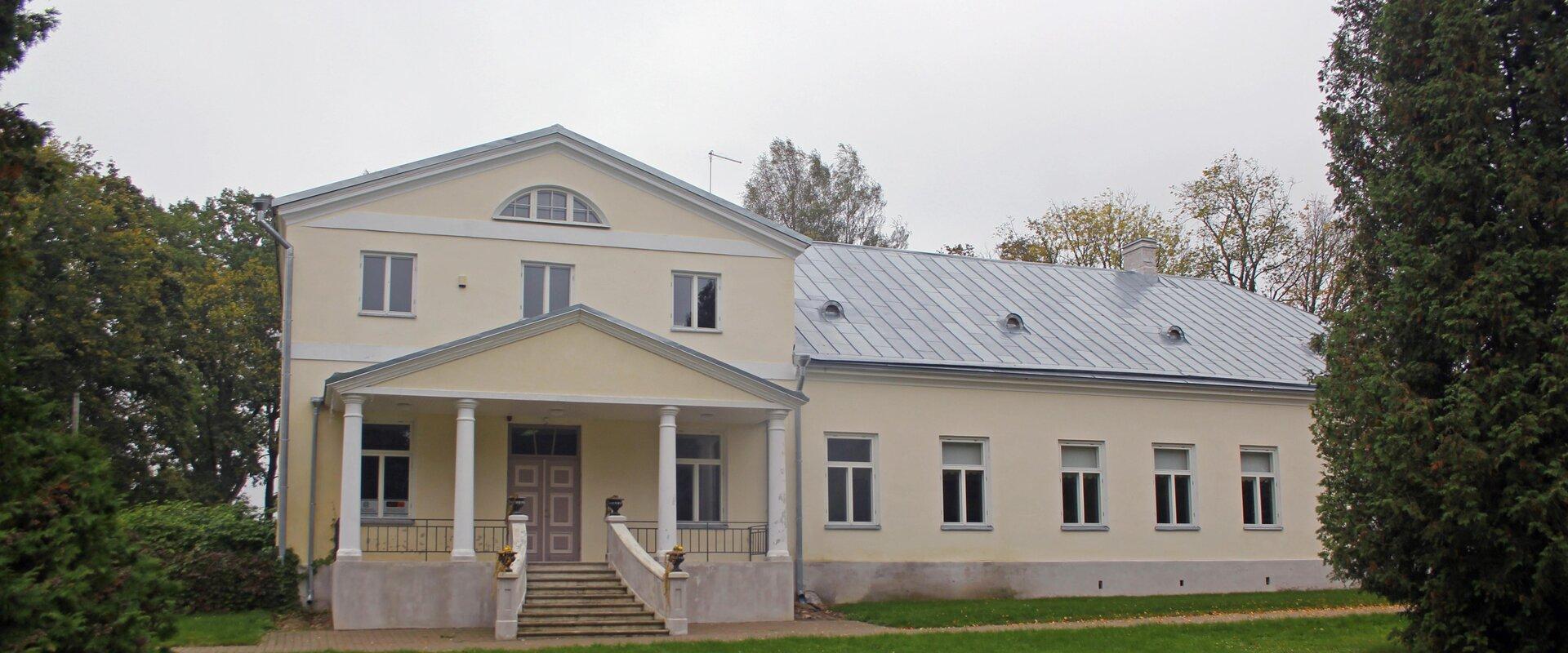
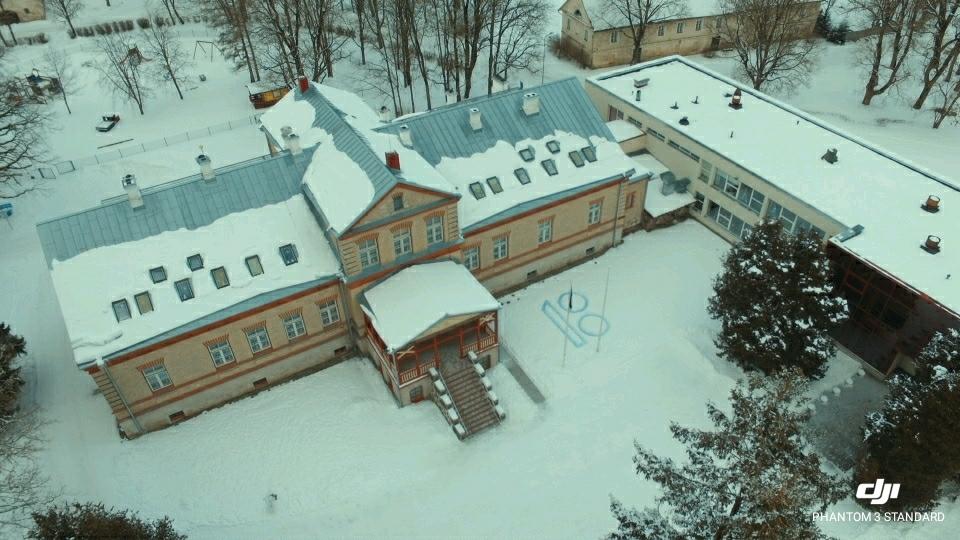
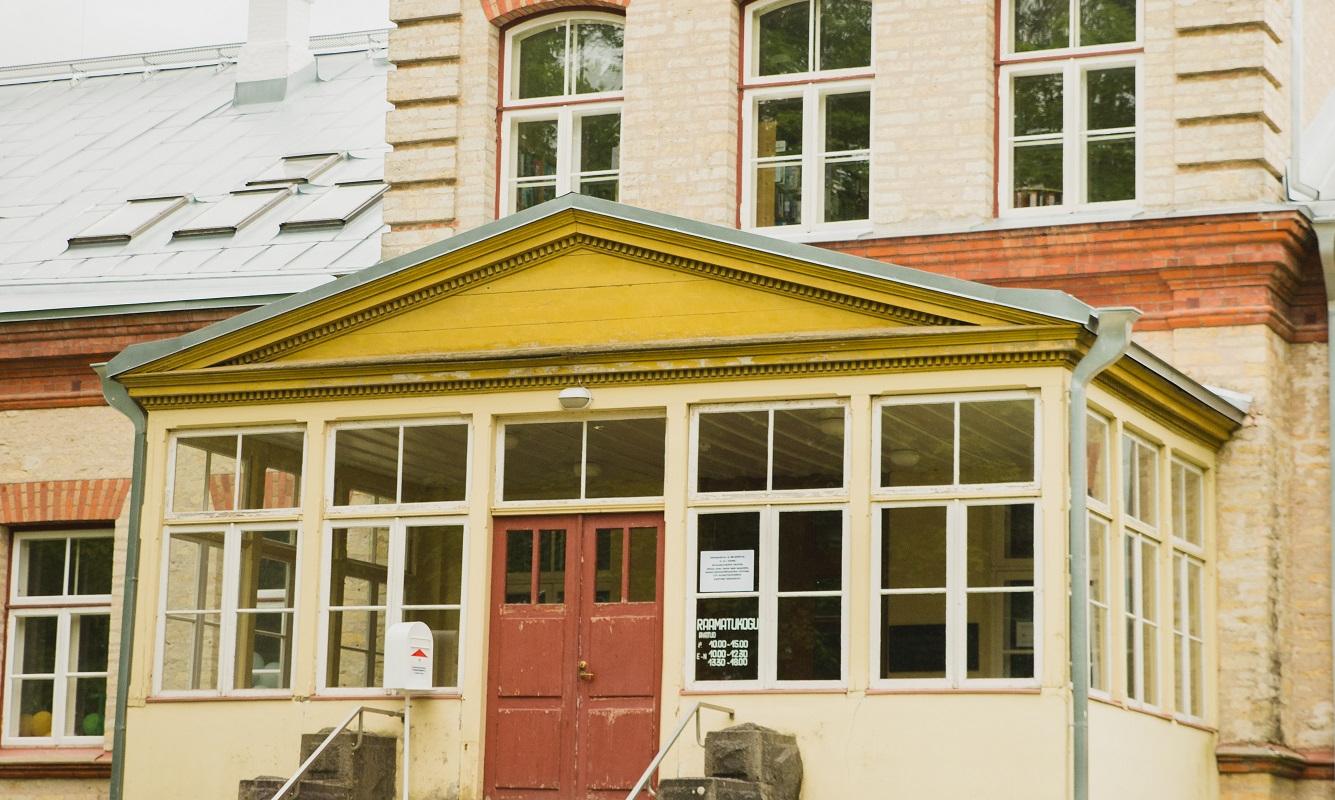
Adavere manor was first mentioned in records in the second half of the 17th century. In the 16th and 17th centuries, Adavere was under the rule of Põltsamaa castle, which governed all of the surrounding land and villages as the most important town in Central Estonia.Its massive slate main building was constructed between 1892 and 1893. The complex also includes outbuildings erected in the late 19th century – a workers’ cottage and a barn with a drying shed. Manor park (dating from the 1740s) was one of the grandest in Estonia in its day, although little remains of its glory today. Good to know:* Today, the building is home to Adavere Basic School. During winter, you can go skating in the skating rink on the school stadium.* The manor can only be viewed from the outside.
Mugavused

  • Free parking
  • Seminar room

Lahtiolekuajad

Aastaringselt

Eeltellimsel

Kontakt

  • +372 520 4167
  • evi.rohtla@gmail.com

Lingid

Vaata lisaks

  • Castles
  • Manors

Sangaste Castle

Sangaste Castle is one of the Southern Estonian places worth discovering that are marked with a yellow window. If you are interested in culture and history, it is definitely worth a visit. Sangaste castle and park were fashioned after the famous Windsor castle in England. The magnificent halls, architecture and history of the castle make this a good place for a big wedding, get-togethers or spending the night in a genuine castle. The castle restaurant serves local food and real rye vodka made from Sangaste rye. In addition to the castle, the stables, dairy, barn, water tower and arboretum are also open for visitors.

  • Manors

Palupera Manor Complex and the Yellow Window of National Geographic

The earliest records of the Palupera Knight Manor date back to 1582. In the sixteenth and seventeenth century, the manor belonged to the von Dückers, Bronskies, and von Fersens. The manor remained the property of the von Bruiningks for a longer time, so their family cemetery is located near the heart of the manor. Several buildings have been preserved from the complex, which have been preserved under heritage protection.On 28 September 2019, the first Yellow Window of National Geographic in Elva rural municipality was opened at the Palupera Manor. Palupera’s yellow window is innovative in that it is the first window to have a special visitor counter installed to it.

  • Manors

Sänna Culture Manor

Sänna Culture Manor bases its activities on the principle of openness, creation and preservation of an environment that is conducive to cultural and creative activity and the principles of temperance, the strict prohibition of alcoholic beverages. We offer tours, seminar room rental, woodworking workshops and Velokuur bicycle rental and repair. Advance booking is recommended for the workshops and guided tours. Curious people who are eager to learn are welcome. Our service centre features a library, shop, youth room, office space, shower and washroom.Good to know: The Manor also has the Sänna Sky Trail - a model of the solar system on a scale of 1:1 billion km.

  • Guided tours
  • Manors

Mooste Manor

Mooste Manor, established at the time when the Nolcken family ruled the area, lies on the shore of Lake Mooste. Beside the beautiful manor house you will find the pride of Mooste Manor, one of the most impressive auxiliary building ensembles built in the historicist style. Most of the buildings are constructed from stones and decorated with brick. An English-style park adds to the appearance of the manor. The manor house accommodates a school, and the former woodworking workshop has been renovated into the Mooste Manor Guest House. A restorer’s workshop operates in the old workhorse stable, and the Centre for Arts and Social Practice occupies the steward’s house, while the former barn has been transformed into a 500-seat concert hall.

  • Manors

Ropka Manor

The one-storey stone manor was built in the first half of the 19th century. The buildings of Ropka Manor are located on both sides of the street of Ropka tee. Preserved manor buildings include the farm hand's house, cattle barn, converted stables and a barn, a cellar and a park. There were three ponds in the park and it is planned to restore one of them. There was an orchard with a regular plan on the western side of the servants' house, which is now a built-up area.The building is in private ownership and can only be viewed from the outside.
  • Manors

Pajusi manor

Pajusi manor was constructed in the 17th century. Its long, stone main building in Classicist style is thought to have been erected in the early 19th century. It was one-storey; only the central section was adorned with a small upper floor, which bears a distinct decorative window. In addition to the main building, the manor as a whole includes a number of other buildings and a large park. Did you know...? *Remaining of the main building of the manor are its central part and right-hand wing, which is home to Pajusi Community Centre

  • Manors

Järvere Manor

Järvere Manor was built on the shore of Lake Vagula in 1766 as a support manor of Sõmerpalu Manor. The manor was built by the owner of Sõmerpalu manor, Friedrich Alexander von Möller, Doctor of Philosophy. He had the Järvere Manor made for his mother and it was thus called the Old Lady's House.A park, established in 1830, separated Sõmerpalu and Järvere Manors and there were about 200 different tree and bush species already at that time.The Võru Forest Management Centre operated at the manor during Soviet time. Outbuildings were put in order and rebuilt in 1993.The manor is protected as a cultural monument and is private property today.

  • Manors

Tähtvere Mansion

Tähtvere Mansion was first mentioned in 1515 and belonged to the Bishop of Tartu in the Middle Ages. In 1919, part of the lands of Tähtvere Mansion were sold as the first building plots of Tähtvere District. The main building of the mansion (built in 1910 in the heimat style) has been preserved and is used as one of the study buildings of the Estonian University of Life Sciences (an extension has been added to it).The surviving outbuildings of the mansion are a small animal barn, a maid's house, a barn/grain dryer, a cattle barn, a farmhand's house, and a smithy.The Mansion can only be seen from the outside and it can also be seen for example in the guided bicycle tour "Tartu City Mansions".

  • Privacy Policy

"*"обозначает обязательные поля

Это поле используется для проверочных целей, его следует оставить без изменений.
Я разрешаю маркетинг