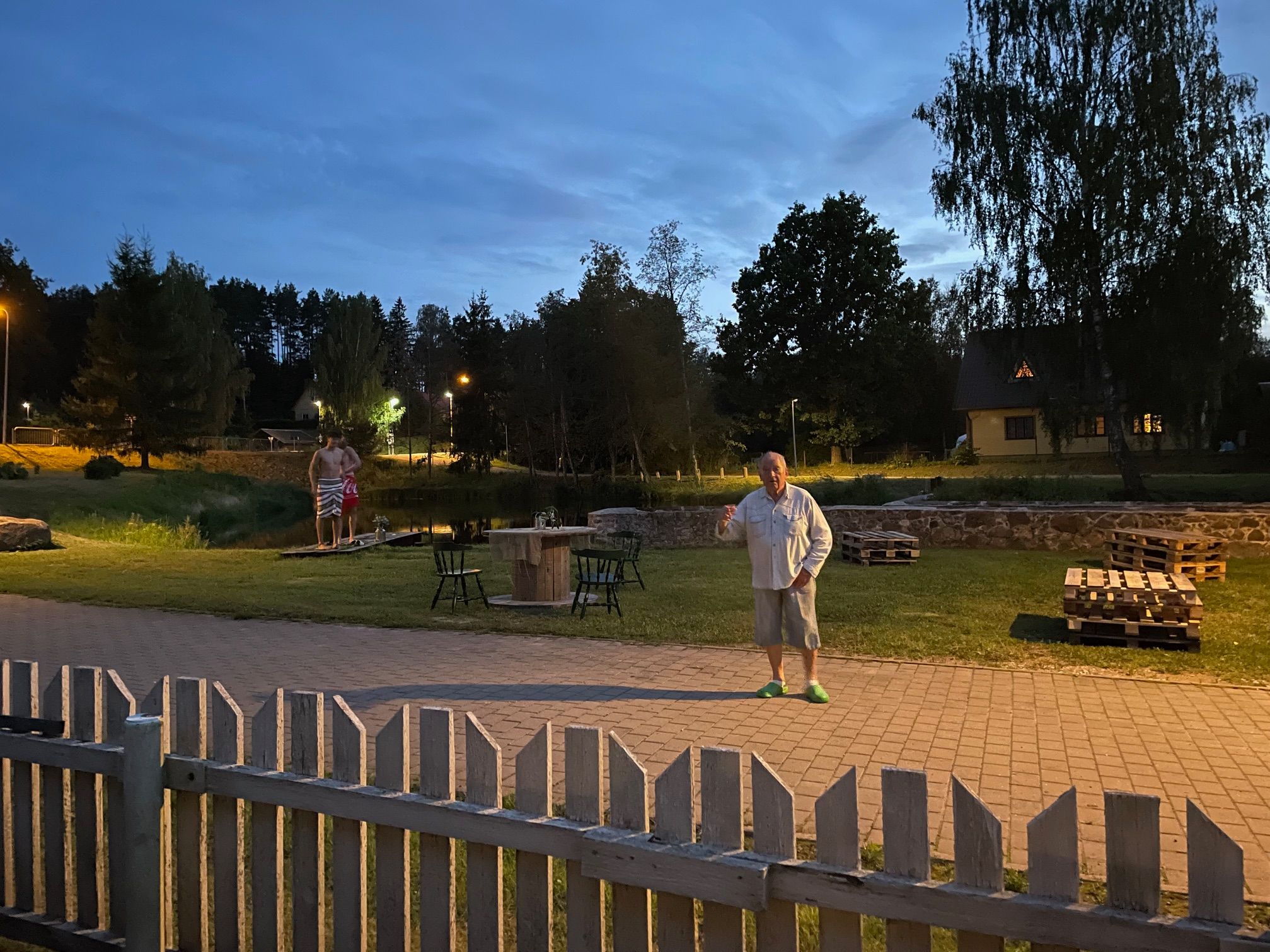
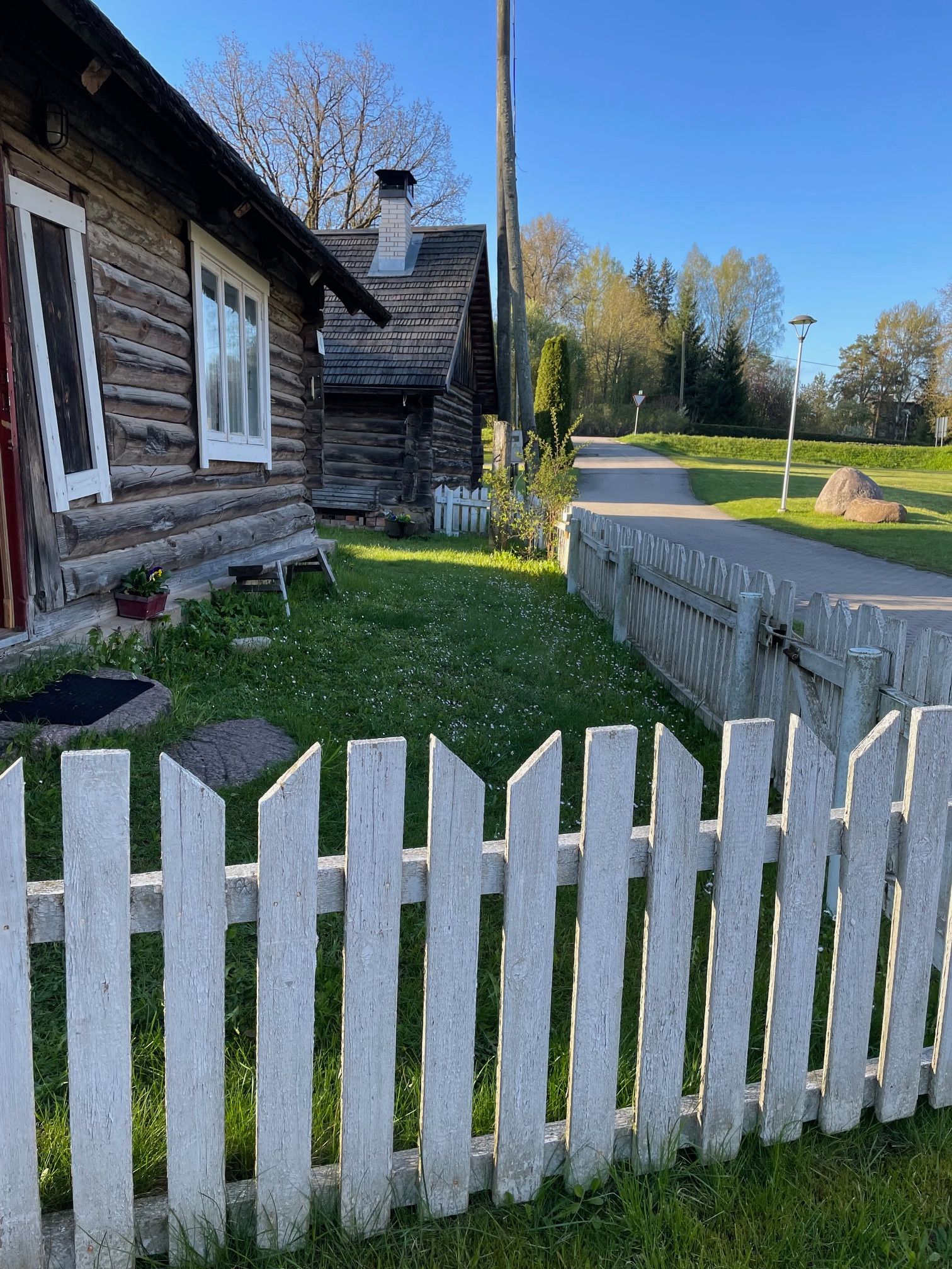
The store (miller’s house) next to the watermill, reconstructed in 2008. Peaceful village environment, the murmur of water in the water dam, and far from the stress and bustle of the city.
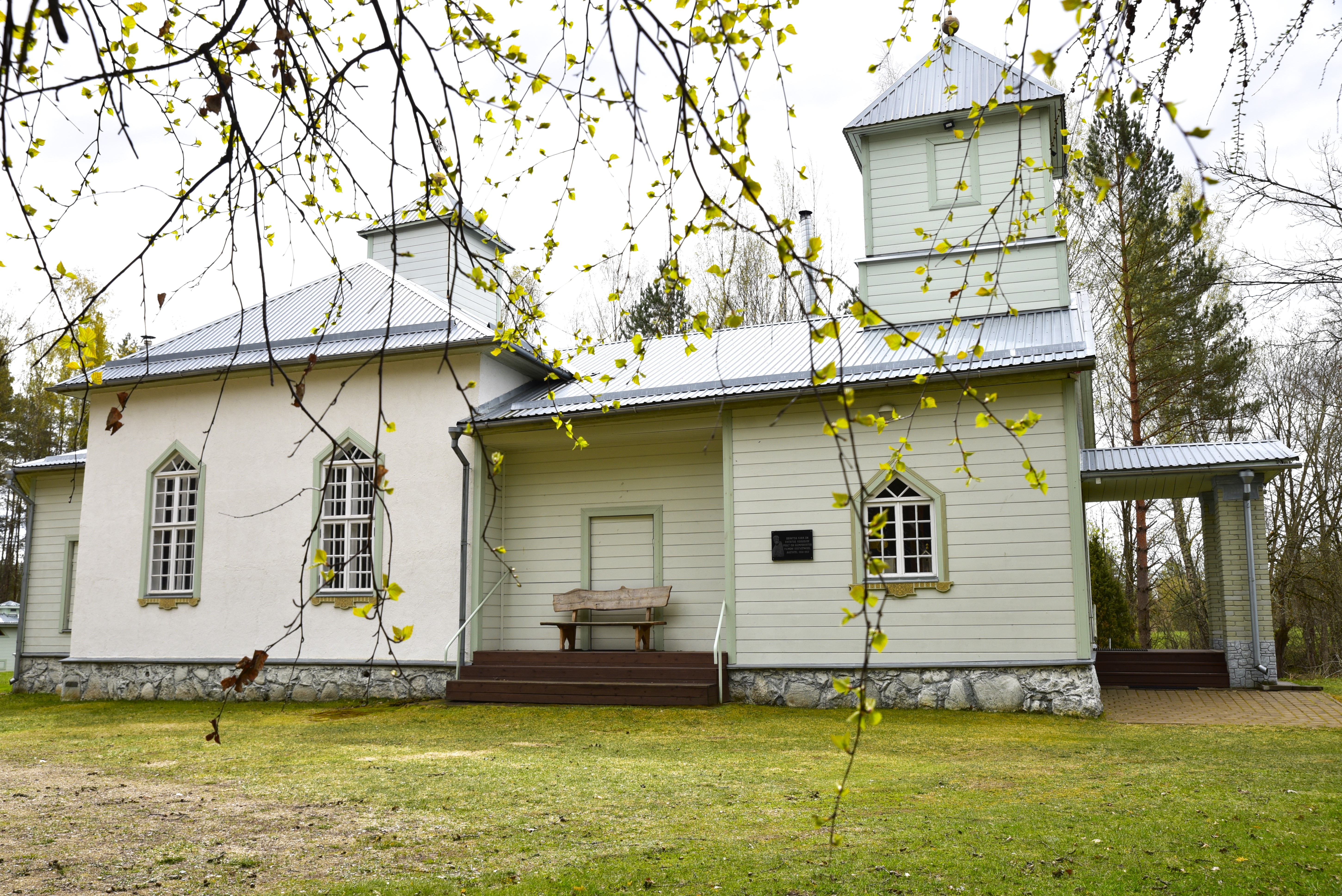
Obinitsa Church was built deep in the Soviet era: 1952, when the country was led by Comrade Stalin. The people's desire for a new sanctuary (the old church was given to the school) was so great, that it bypassed the politics of the day. The Obinitsa Church's main holiday is 19 August - The Feast of the Transfiguration - and thousands of people visit the church that day to remember their ancestors and spend time with a relatives. People have been buried in Obinitsa Cemetery for at least 1,500 years. The oldest burials are marked by small stones located in the western part of the cemetery. The well-known Seto singer Hilana Taarka and the creator of the Obinitsa Museum, Lidia Sillaots, are buried in this park-like cemetery.
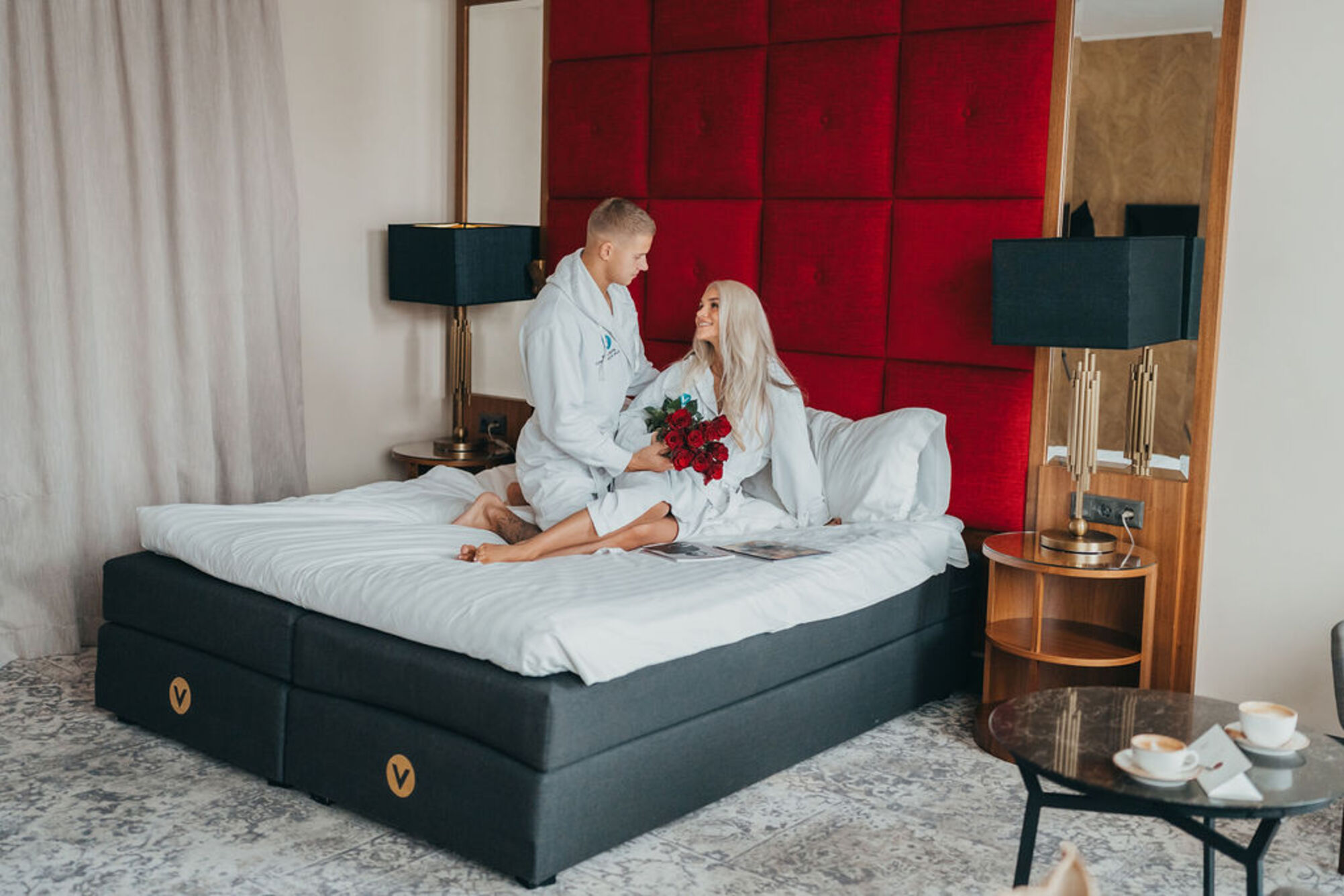
The V Spa complex has a 4-star hotel, restaurant, spa, and conference centre. Here, you can forget about unimportant things and effortlessly focus on what really matters in life: good health, good people, and a good mood. V Spa & Conference Hotel offers superior and deluxe rooms and luxurious suites. The conference centre offers business clients rooms equipped with state-of-the-art technology. We recommend our laser show for families with children! V Spa Hotel offers an unforgettable holiday for families, couples, and visitors coming from further afield.
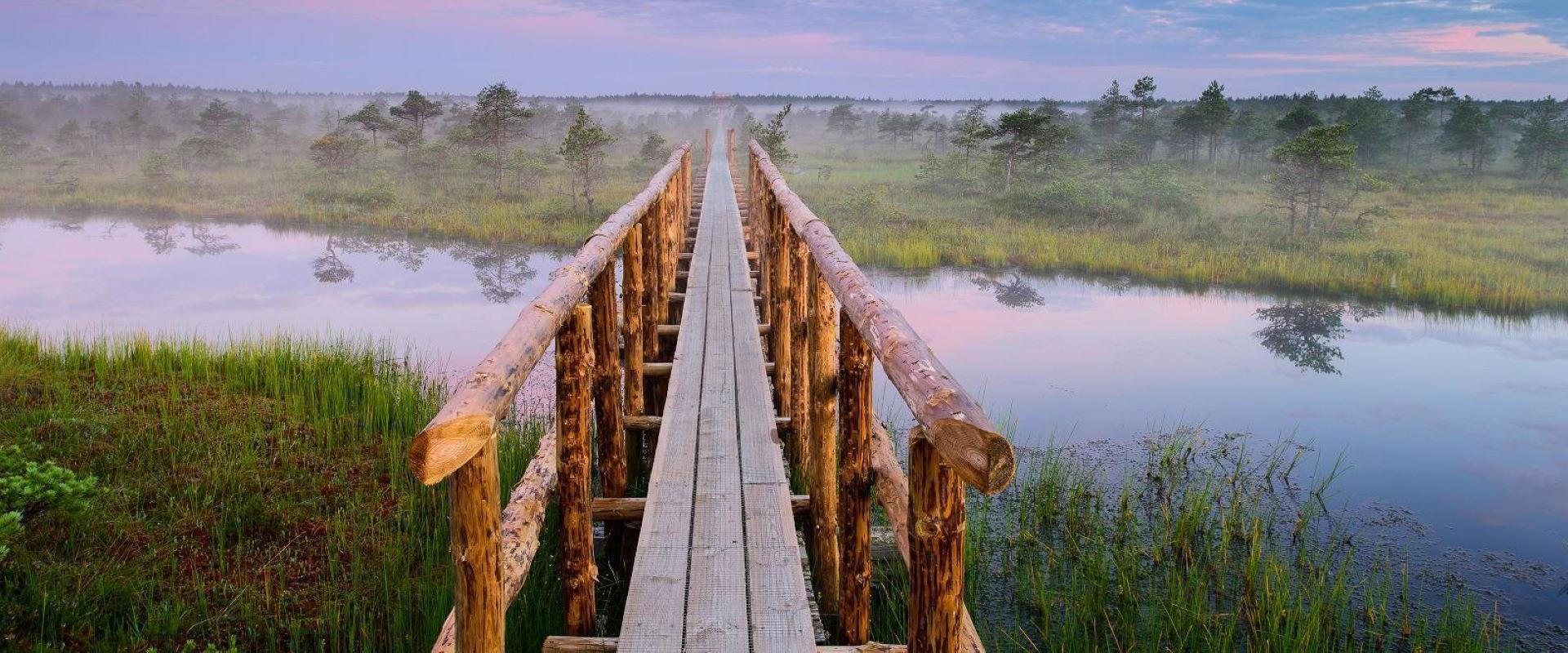
Männikjärv hiking trail offers wonderful views of Lake Männikjärv and the bog surrounding it. The hiking trail enables you to walk through a boreo-nemoral forest; the 2.2 km trail is suitable for a beginner. The trail is marked with red signs on trees, and it takes about 1 hour to complete it.Good to know:- During high water, parts of the bog are impassable.- For staying at Männikjärv, organising a public event for more than 20 people and driving an all-terrain vehicle, you must first apply for a permit from the manager of the protected area – Estonian Environmental Board.
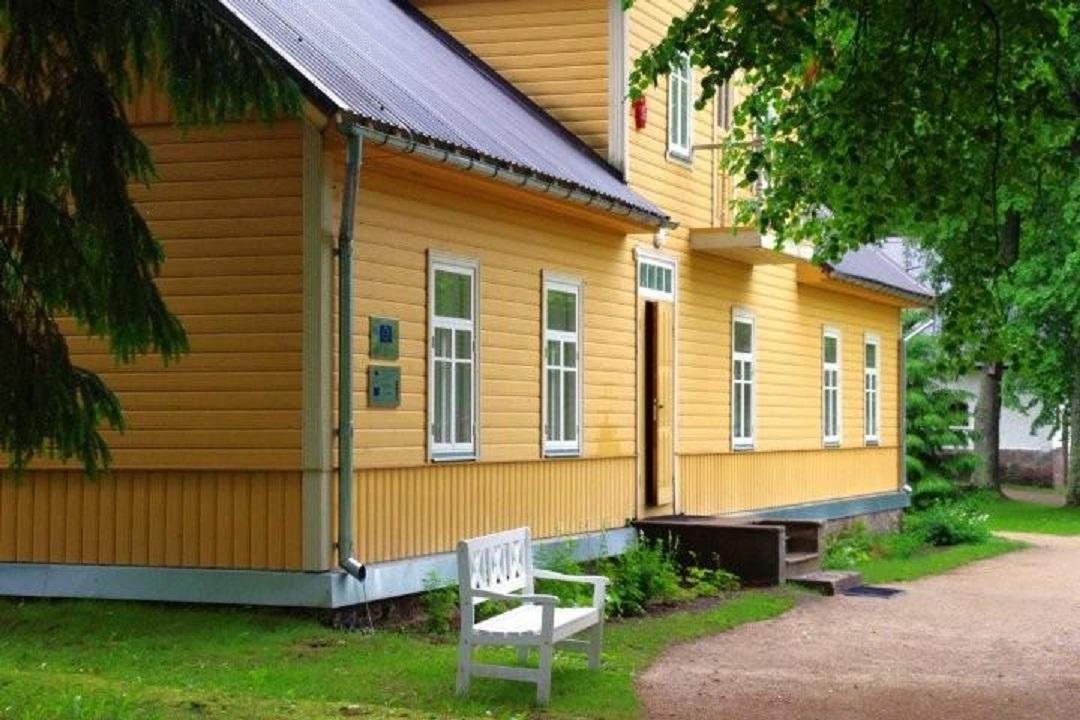
The Saatse Museum's main building was originally a residential building, then a school building, and now it's a museum. What makes Saatse Museum special are the texts painted on the wall and the opportunity to watch old film clips about the history and religion of Setomaa. The former classroom on the upper floor is set up in the style of the Soviet era. The museum has a spacious outdoor area and a small stage, so it's a nice place to have a picnic. A small hiking trail runs along the border and starts and ends at the museum — it can be walked even when the museum is closed.
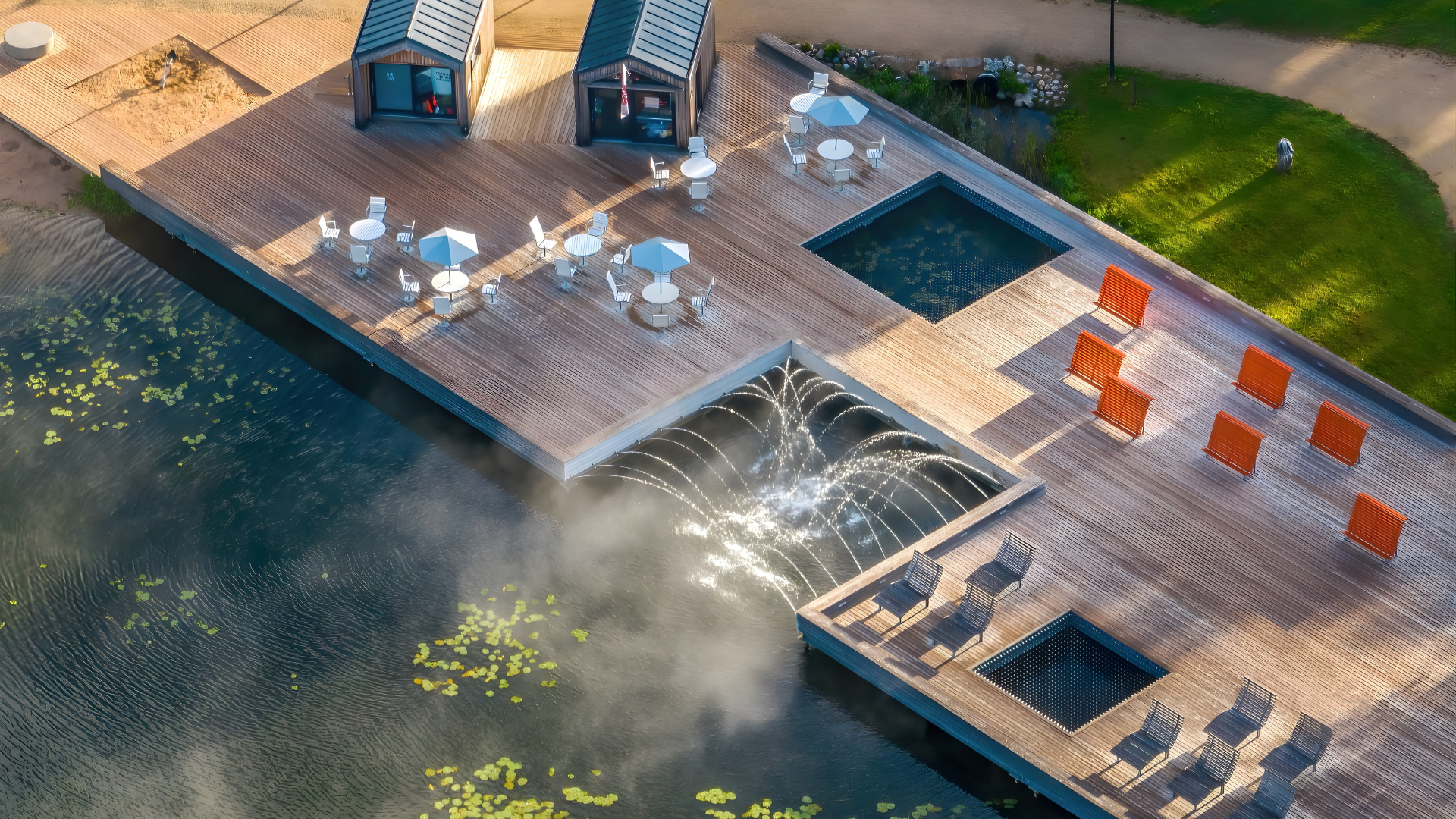
The central square of Elva is closely connected to Lake Arbi, the nature trail that winds around it, the beach, and the beachside recreation area. The central square of Elva and the beach promenade are the heart of the town – green, peaceful places where the lakeside hustle and the natural atmosphere create a true summer or winter vibe. Along the promenade, visitors can find a platform with a fountain, sun loungers, a café, hammocks, table tennis, currant bushes, outdoor chess, a playground, a sports area, and a skatepark – everything for an enjoyable time for adults, children, and family pets. Various fairs and concerts are regularly held in the central square, and everyone can explore the outdoor gallery and enjoy free exhibitions at the Elva cultural center. Nearby are Leopold Hansen Alley, several cafés and restaurants, and the historic Elva station building, which also houses the region's tourism and visitor center.
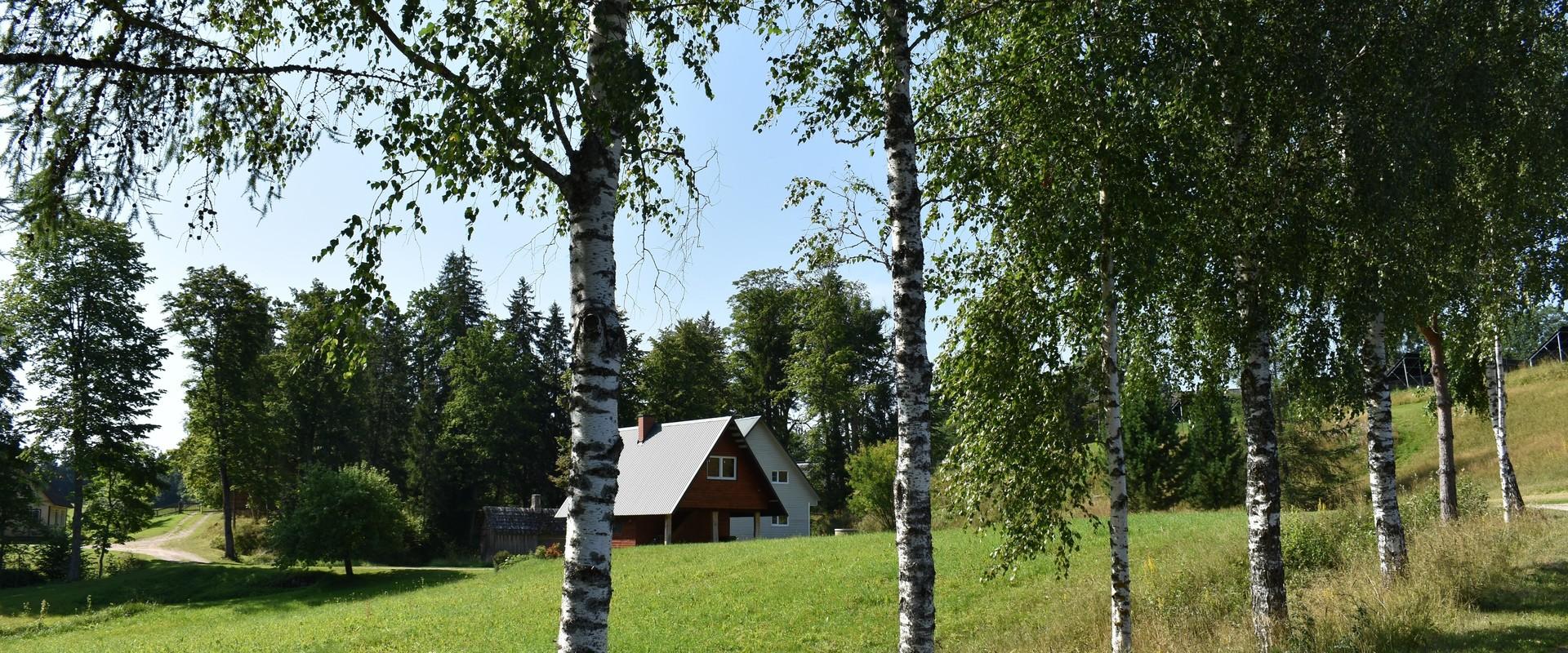
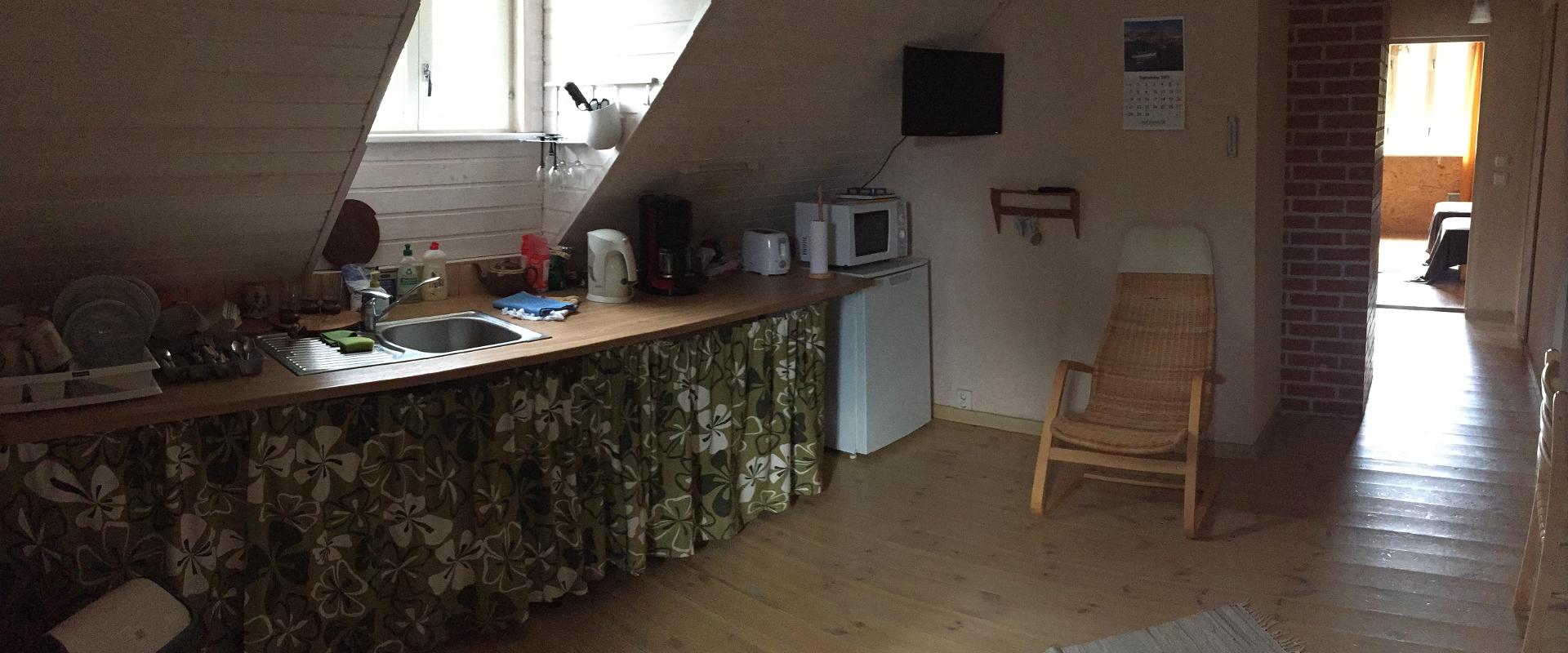
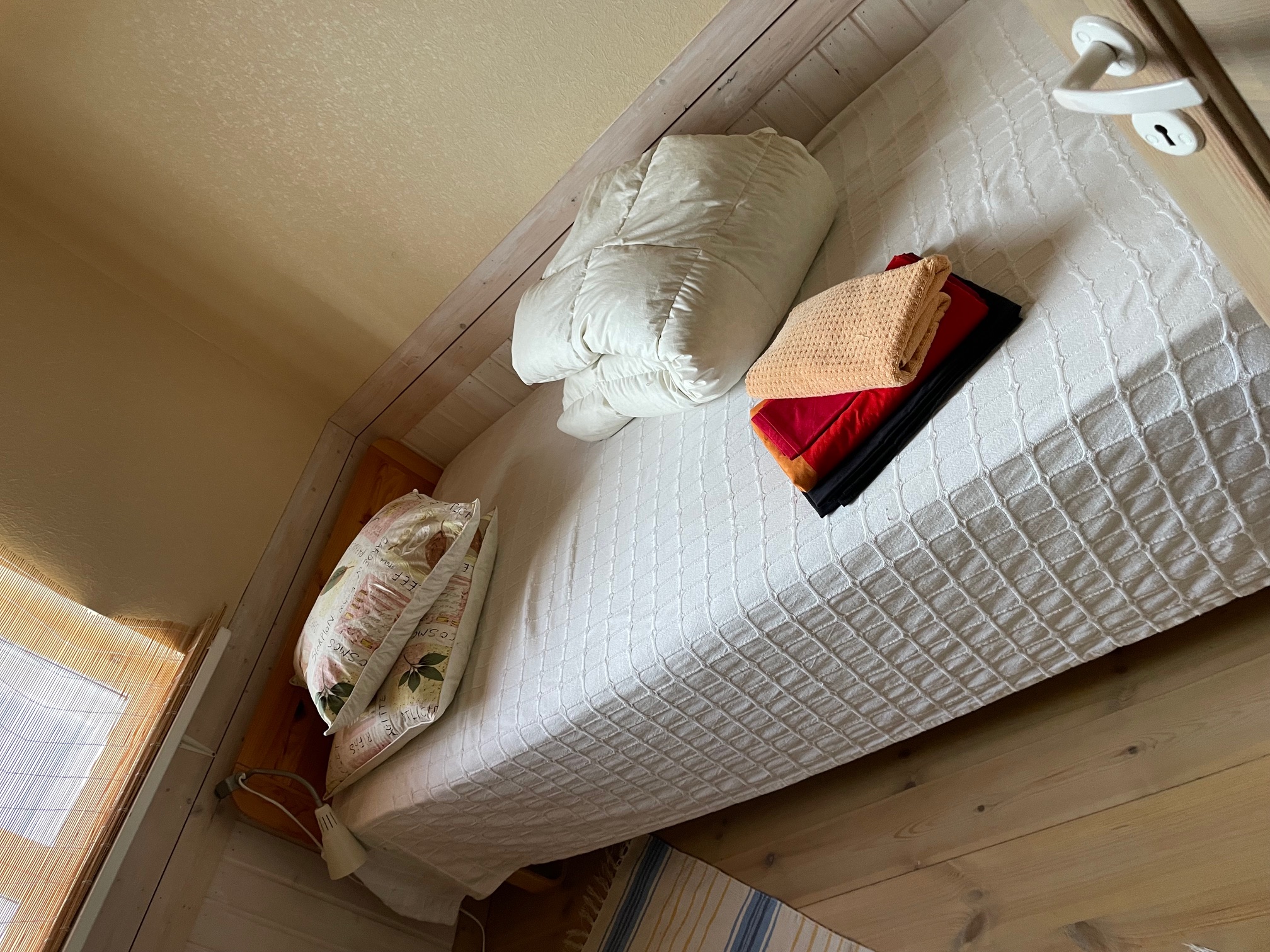
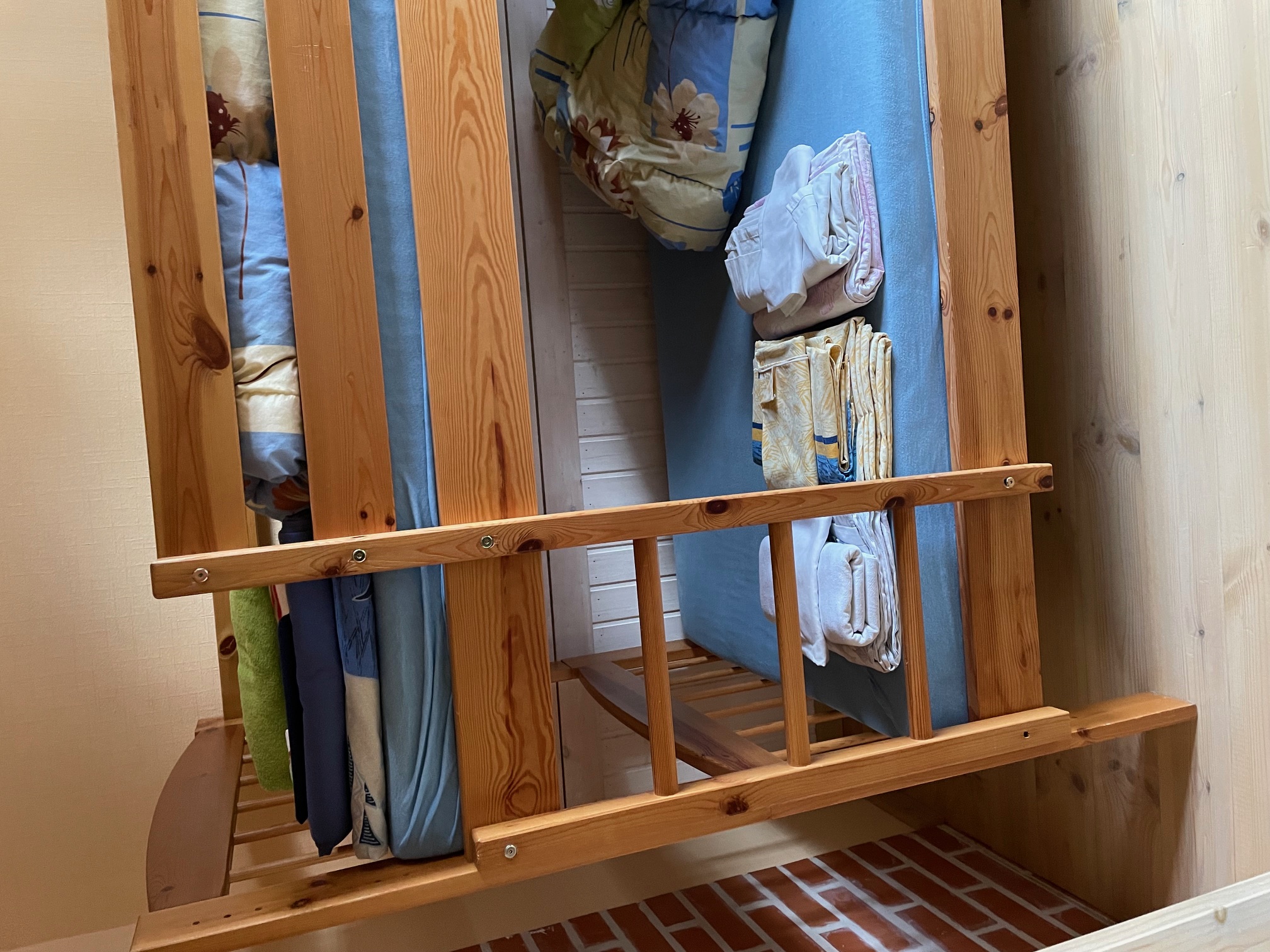
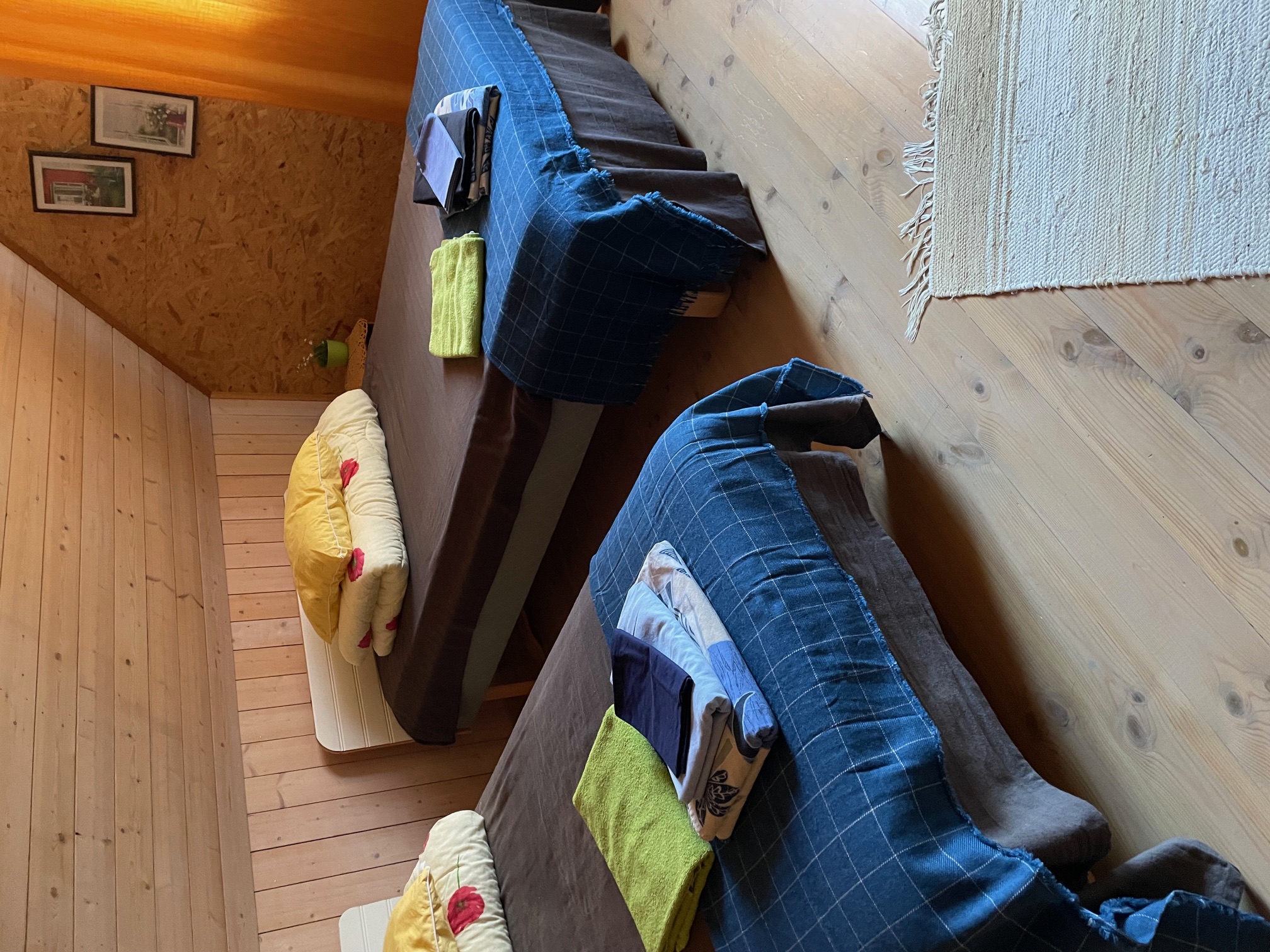
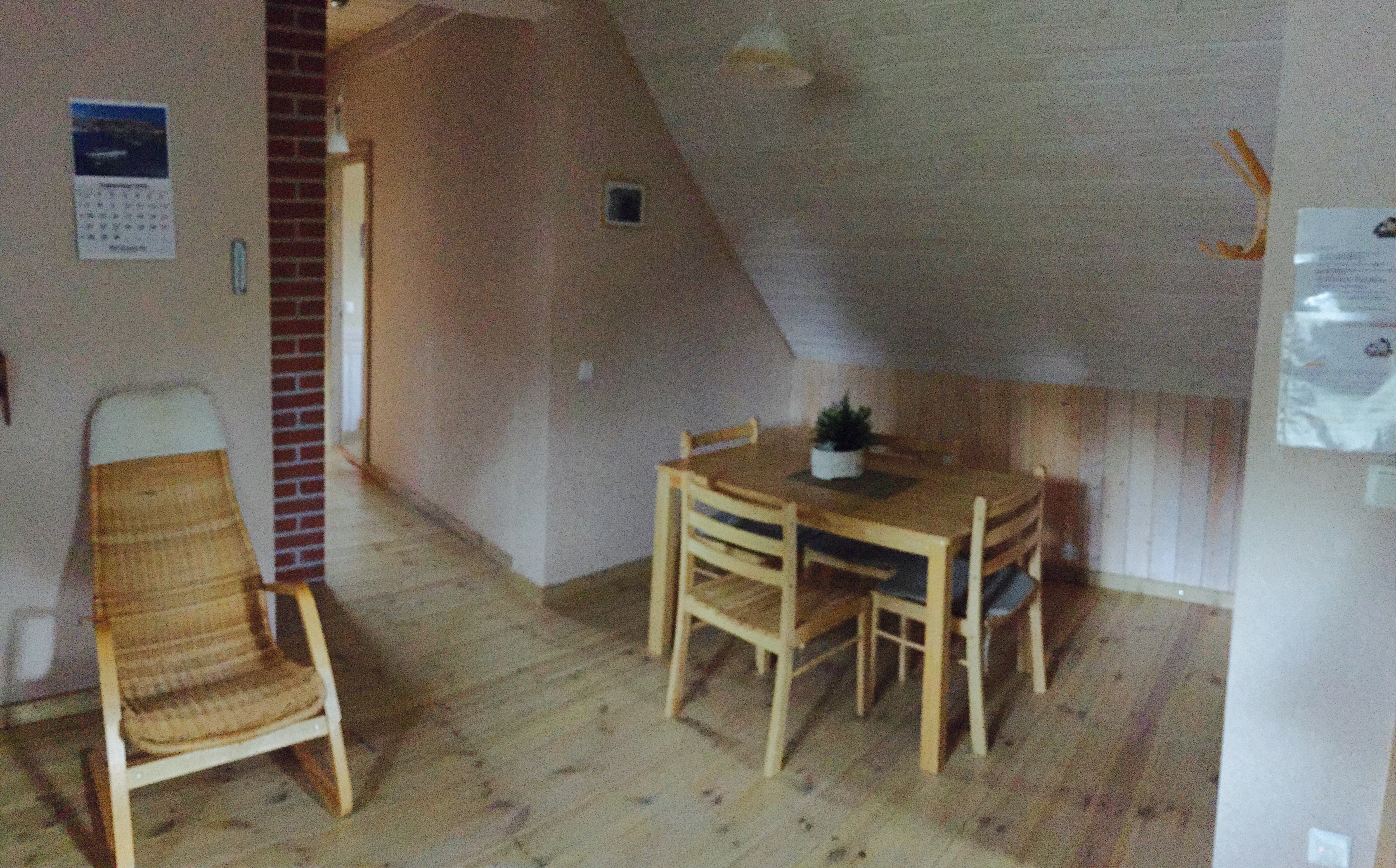
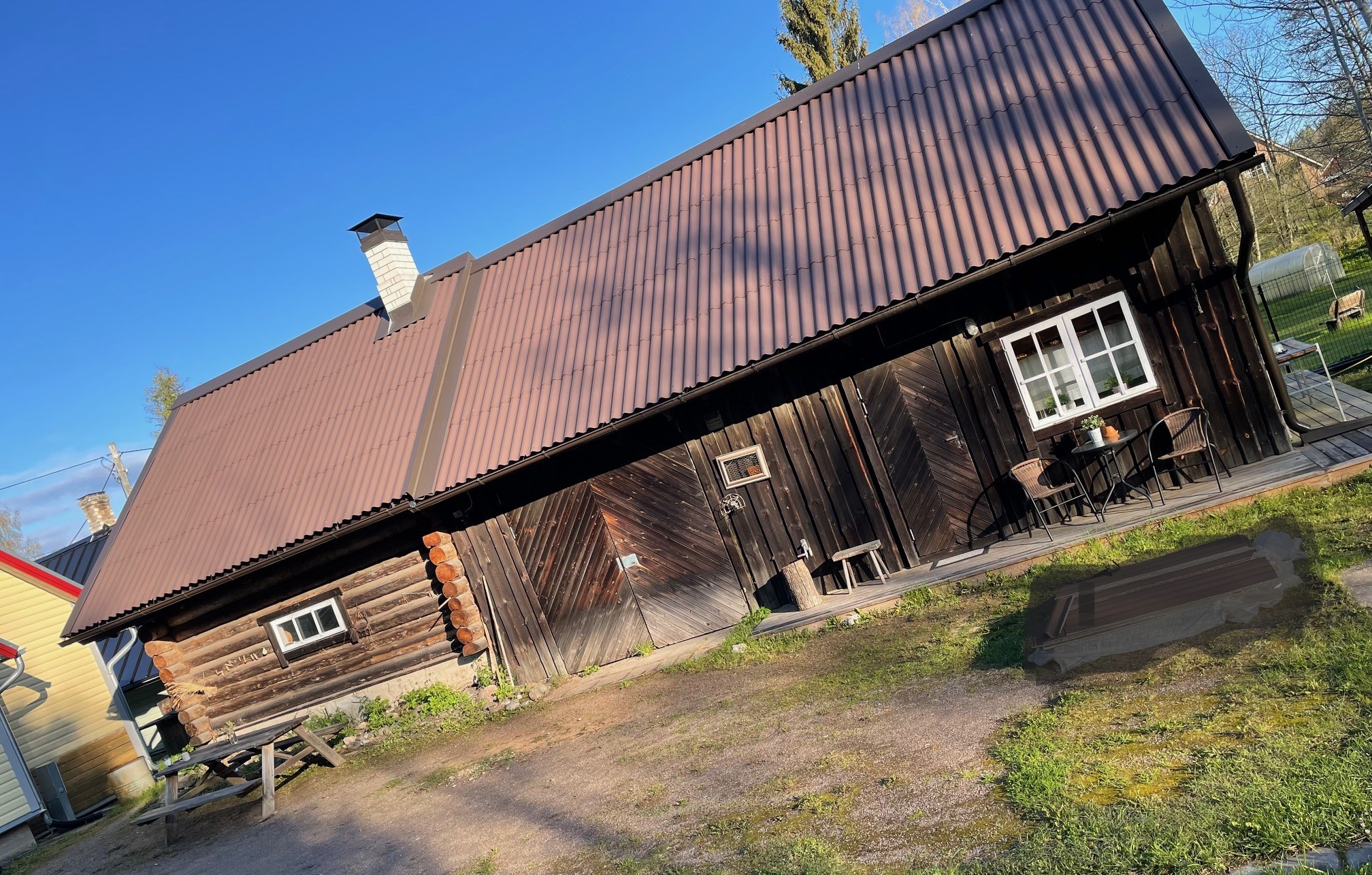
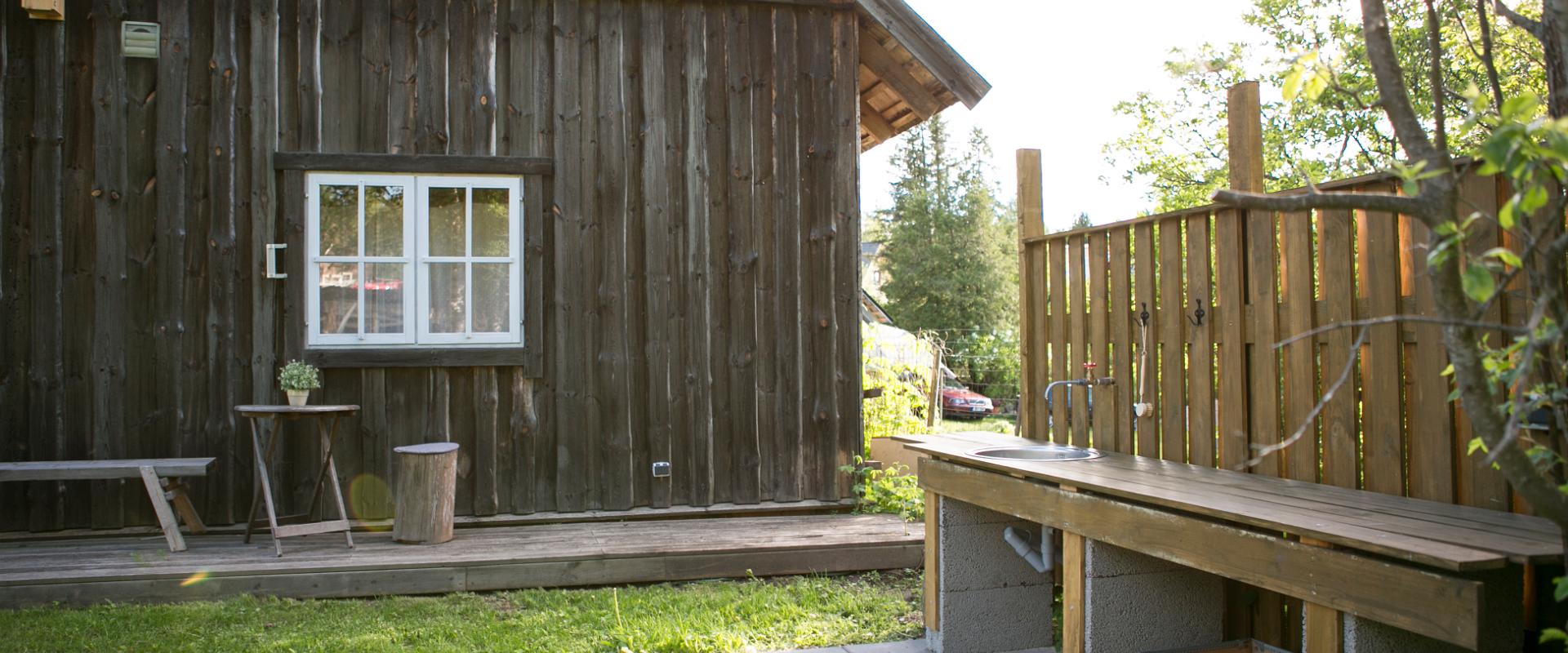
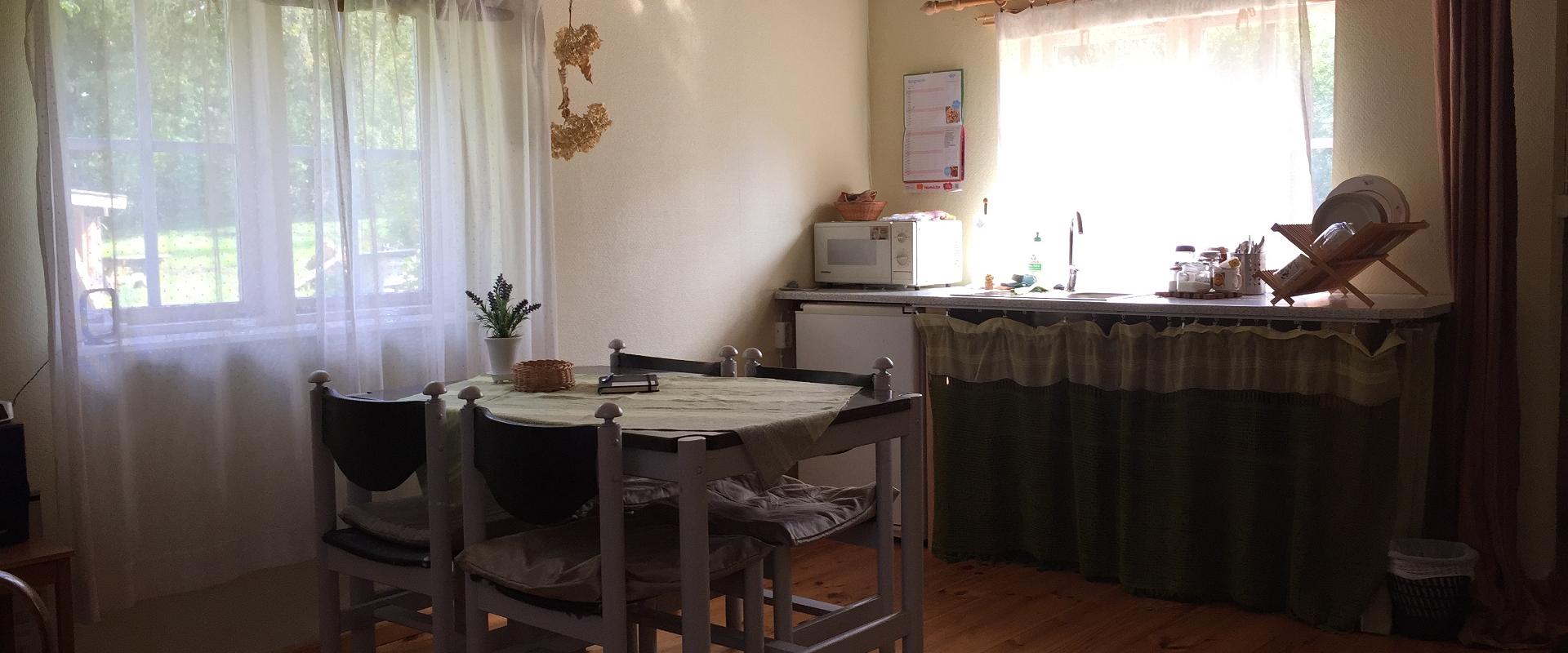
Jõeniidu Holiday House is a few kilometres from the centre of Haanja and is suitable for small groups, families and for those travelling by two.There is a pond next to the Holiday House, a sauna on the bank of a river and you can go for a boat ride. Domestic animals and goats waiting for your pat and whose everyday doings you can see here make the Jõeniidu Holiday House special. Under the hostess’s instructions it is possible to make goat cheese and bread.
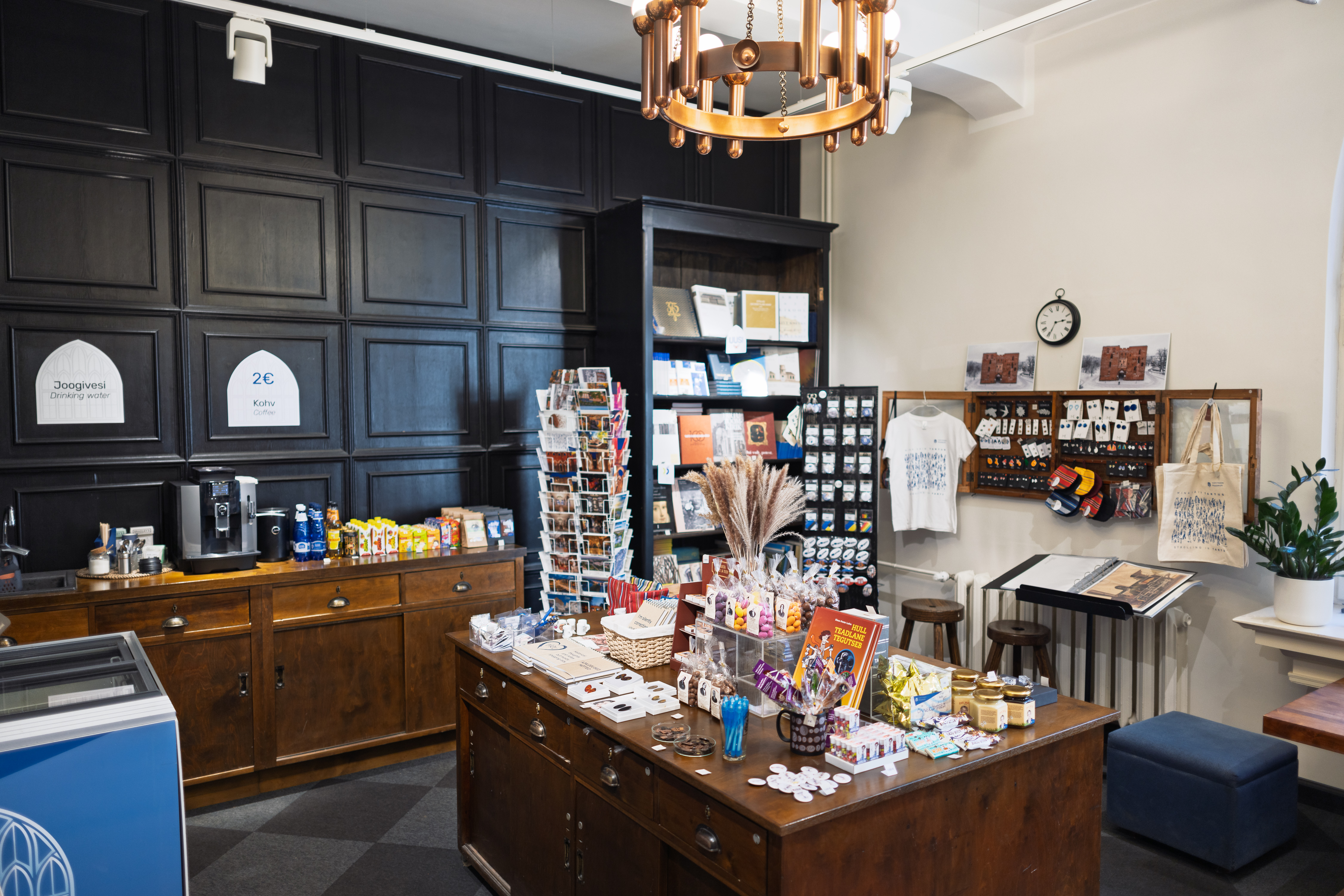
The Toompood is located on the first floor of the University of Tartu Museum. The museum shop sells books about Toomemäe and Tartu Cathedral, the University of Tartu today and in the past, and scientific achievements, in addition to souvenirs, jewelry, and much more. Design and science enthusiasts can find lovely souvenirs in the museum shop as keepsakes for themselves or gifts for loved ones. The selection includes jewelry created by local designers, toys, and souvenirs with a message suitable for culture enthusiasts. For those with a sweet tooth, we offer handmade chocolate and honey. There are souvenirs in every price range, and many of the products are Estonian.
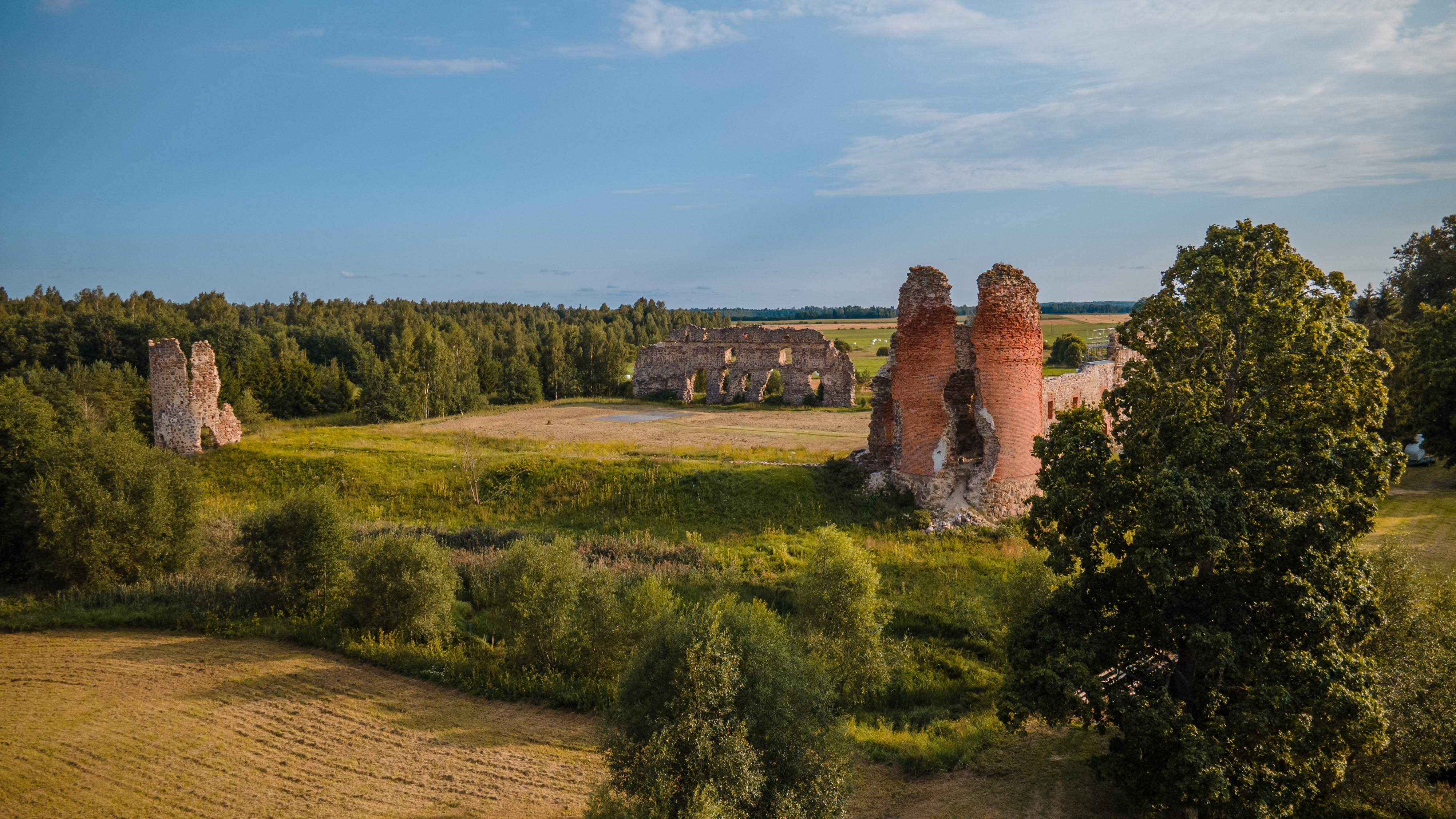
Construction of the Laiuse fortress was launched by the Livonian Order in the late 14th century to defend its eastern borders. The first defensive structure in Estonia to be fitted with firearms, it gained its definitive appearance in the late Middle Ages. Cannon towers were added to the fortress in the mid-15th century. The fortress crumbled in 1559 but was restored, with wooden barracks built at the end of the Swedish era, which accommodated Karl XII and his entourage from 1700–1701. After the Great Northern War the fortress lay in ruins.